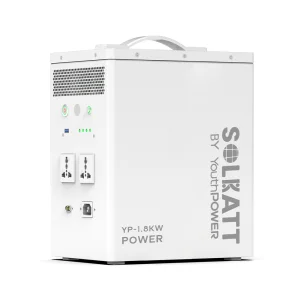
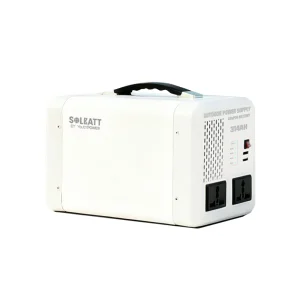
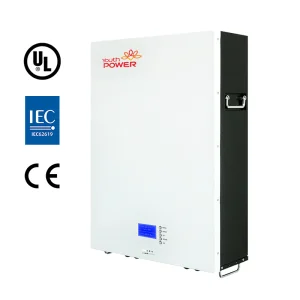
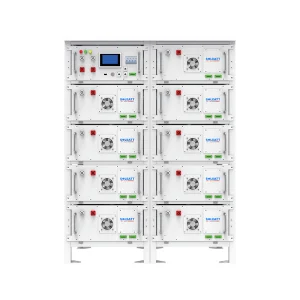
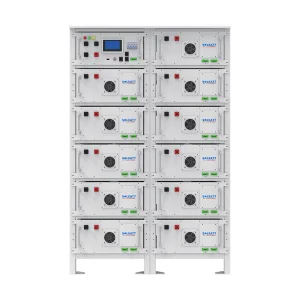
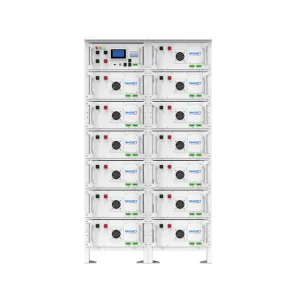
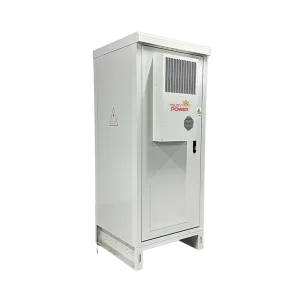
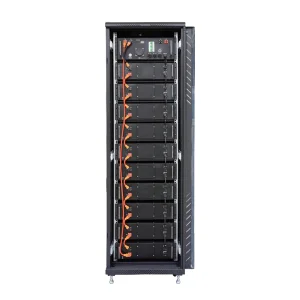
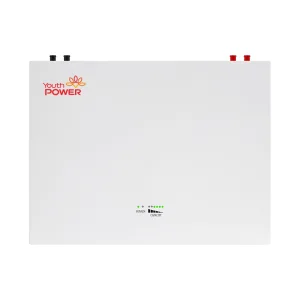
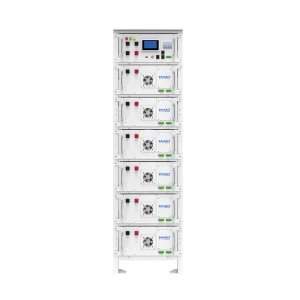
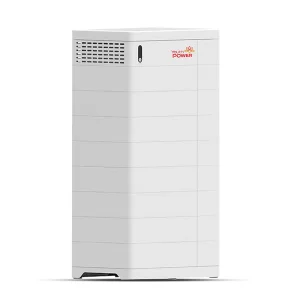
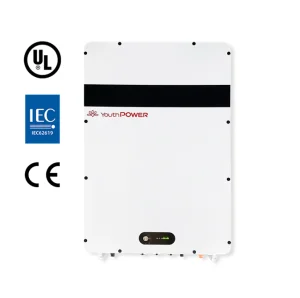
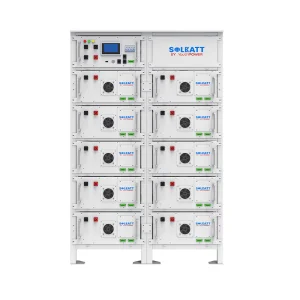
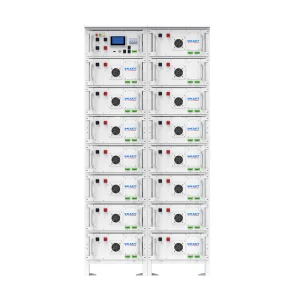
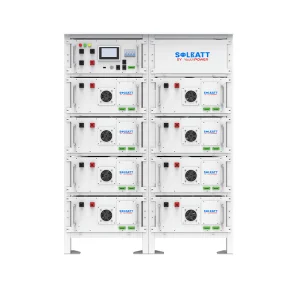
Explore our leading utility, industrial, and portable power systems direct from the manufacturer
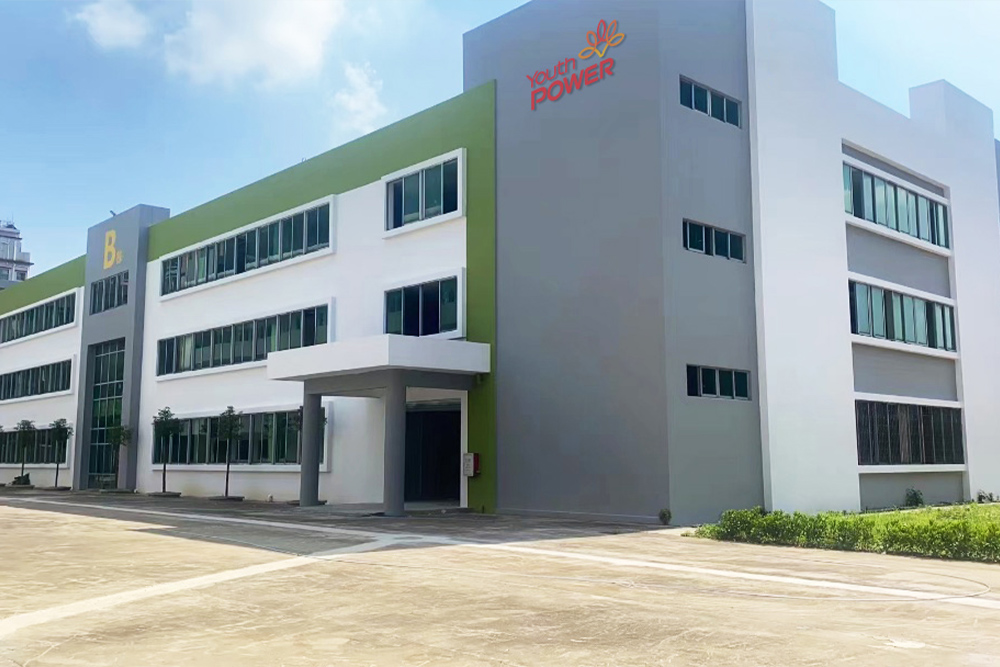
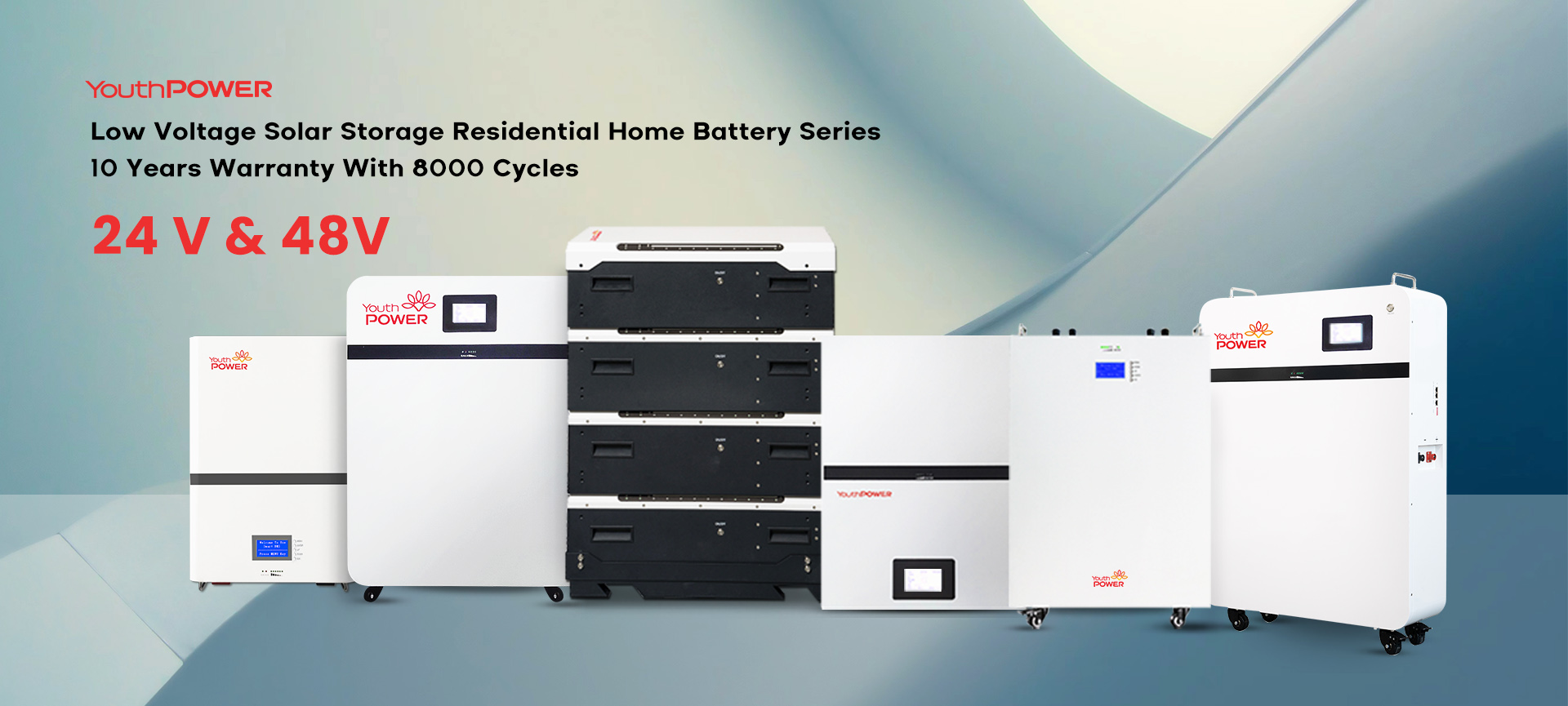
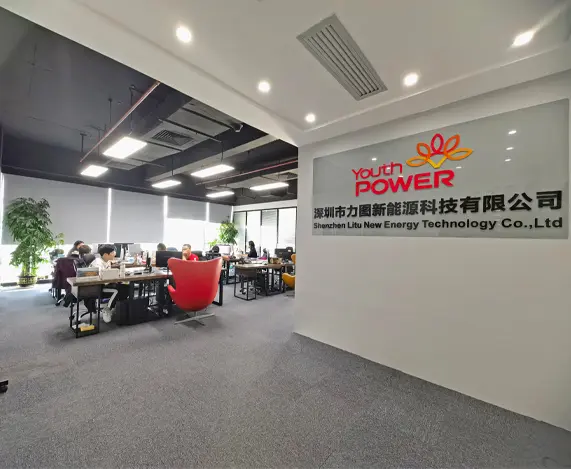
Founded in 2003, YouthPOWER has now become one of the leading suppliers of solar storage lithium batteries in the world. With a broad range of energy storage solutions, it covers a series of 24V, 48V and higher voltage lithium batteries solutions.
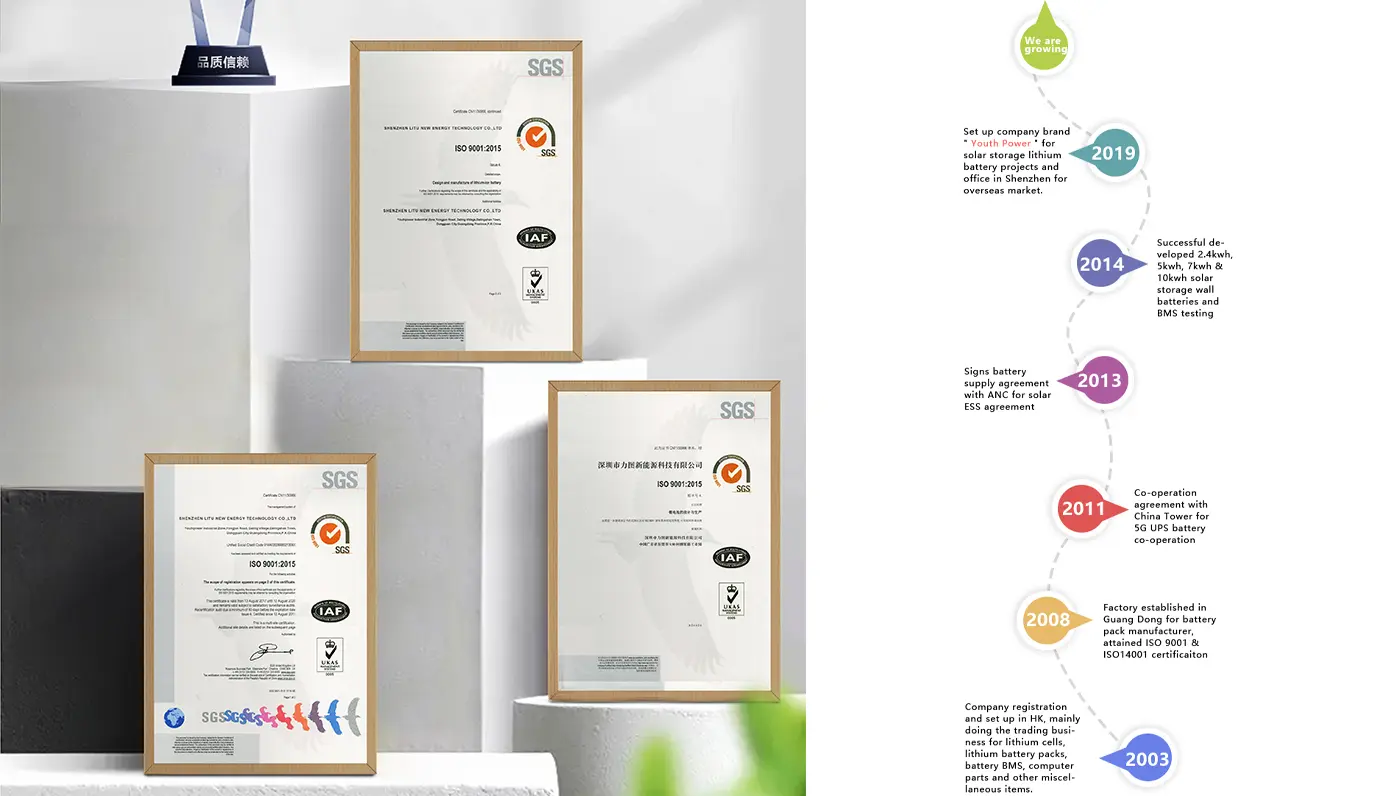
YouthPOWER has engaged in the battery technology and production for almost 20 years, with abundant manufacturing experience and strong new product R & D capability. Through many years of hard work and market promotion, we have created our own brand "YouthPOWER" in 2019.
With nearly 20 years’ experience in the battery industry, we have the capability to provide you with both the products you need and the most suitable products you want. We are always ready to supply the first-class products and meet the various needs of the customers.
As the global transition to renewable energy accelerates, the demand for industrial, commercial, and residential Energy Storage Systems (ESS) has skyrocketed. Global procurement officers face critical decisions: balancing manufacturing quality, supply chain resilience, safety certs, and unit costs. Deciding where to buy battery storage systems is a key strategic decision, and Chinese manufacturing facilities remain the cornerstone of global energy storage infrastructure. This position is supported by several distinct structural advantages:
Chinese factories enjoy direct geographic access to more than 70% of the world’s lithium refining capacity and cathode/anode raw material processing. This dense cluster minimizes lead times and shields buyers from international transport bottlenecks.
By partnering with world-class cell suppliers like CATL, EVE, and BYD, factories like YouthPOWER design robust battery cabinets using Grade-A prismatic LiFePO4 chemistry, which delivers a lifespan of up to 6,000 cycles at 80% Depth of Discharge.
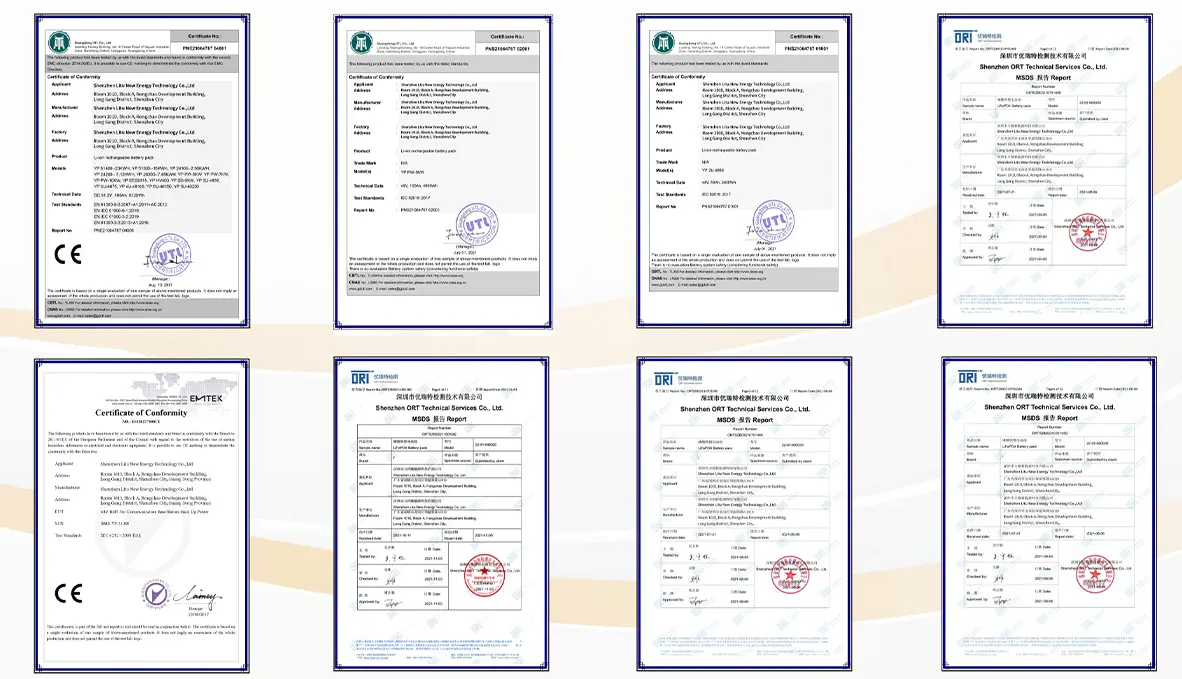
Leading manufacturers conform strictly to international safety standards, including UL 1973, UL 9540A, CE, UN38.3, and IEC 62619. This detailed alignment guarantees fast-track grid approvals and streamlined local customs clearance.
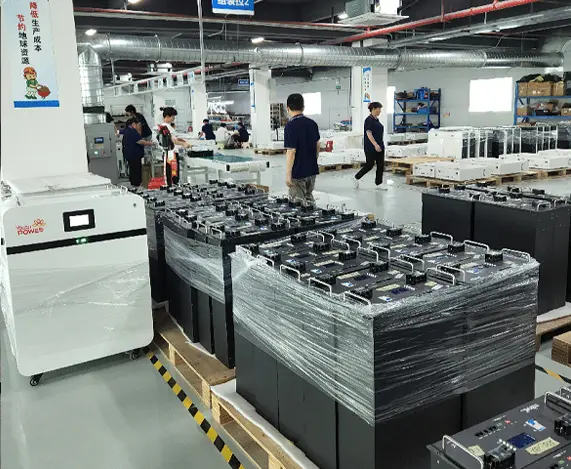
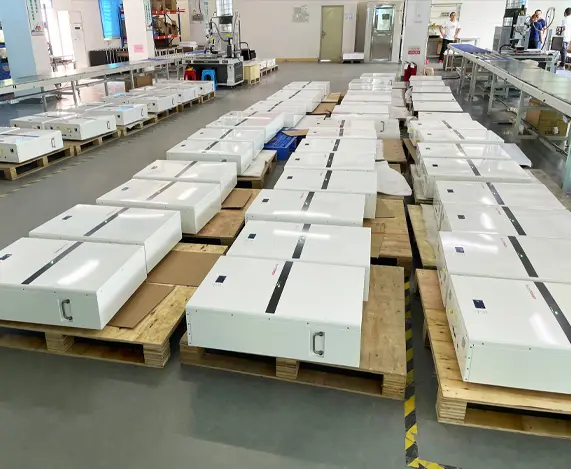
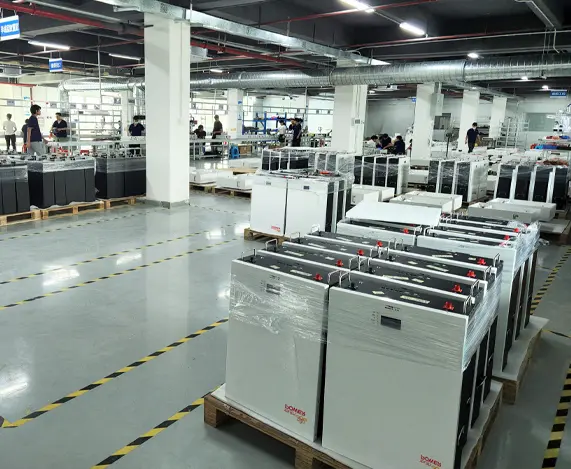
Over the past two decades, YouthPOWER has consistently refined its manufacturing efficiency and product design. Supported by our local vendors of raw materials, we can certainly offer you the best prices. We are so proud that YouthPOWER has offered the reliable solar storage solution for over 1,000,000 families now in the world.
Our progression from localized component supplier to global provider of commercial energy storage systems showcases our commitment to safety, technological advancement, and customer satisfaction.
The energy storage sector is moving away from low-voltage, lead-acid options to high-voltage, high-density lithium systems. Understanding these technology shifts is essential for making smart purchasing decisions:
Traditional 48V systems are still widely used in residential applications. However, modern commercial projects require high-voltage architectures (ranging from 100V to over 700V). Higher voltages reduce system current, minimize cable heating losses, simplify installation, and improve round-trip conversion efficiency (often exceeding 95%).
Lithium Iron Phosphate (LFP) is now the standard chemistry for stationary energy storage. In contrast to NCM (Nickel Cobalt Manganese) chemistry, LiFePO4 offers excellent thermal stability, non-combustibility during puncture tests, and twice the structural life cycle. This safety profile is critical for passing the strict UL 9540A fire test requirements.
As battery capacity scales up in small spaces, temperature regulation becomes critical. Large commercial battery storage systems (such as 100KWh to 215KWh configurations) utilize liquid cooling technology. This setup maintains temperature variations within ±2°C across cells, extending the system's lifespan by up to 20% compared to traditional air cooling.
Beyond simple residential backups, commercial energy storage systems serve several important functions in modern power grids:
Expert insights on battery storage procurement, technical specifications, and project planning
High-voltage battery cabinets, stackable power units, and custom configurations for global markets
 YouthPOWER