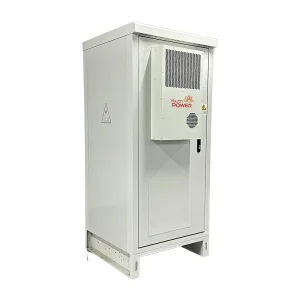
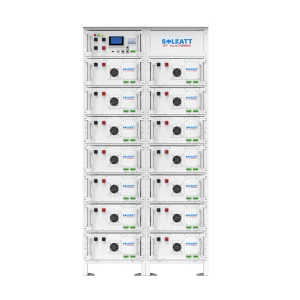
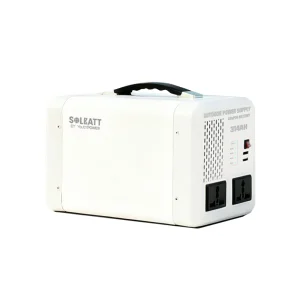
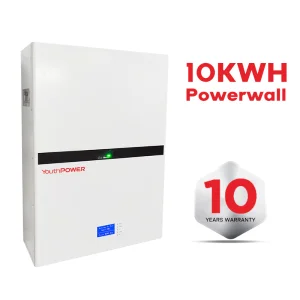
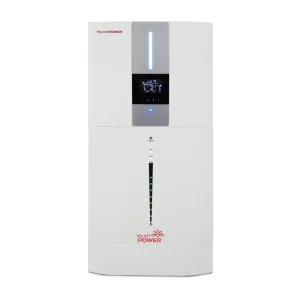
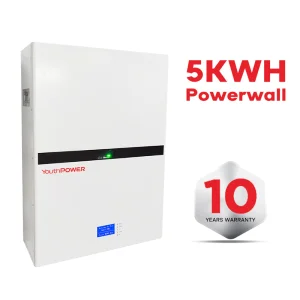
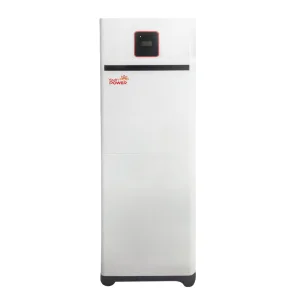
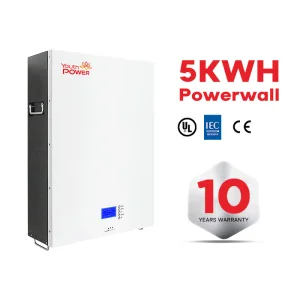
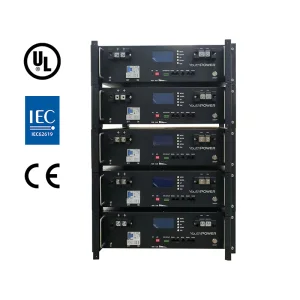
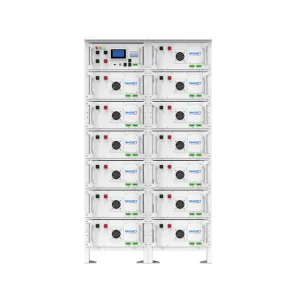
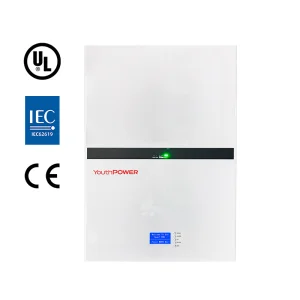
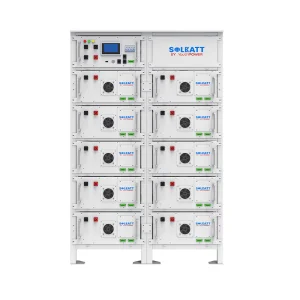
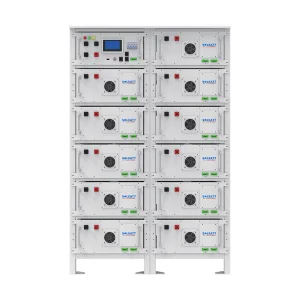
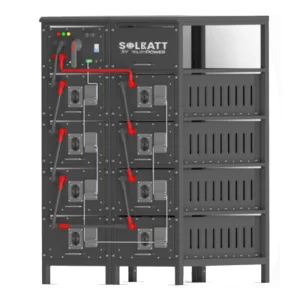
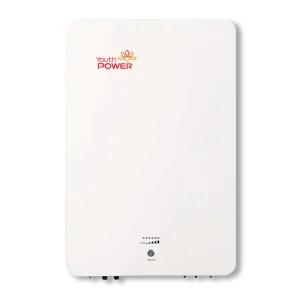
Explore high-voltage storage units, rack-mounted lithium packs, and outdoor power stations configured with advanced factory-integrated BMS technology.
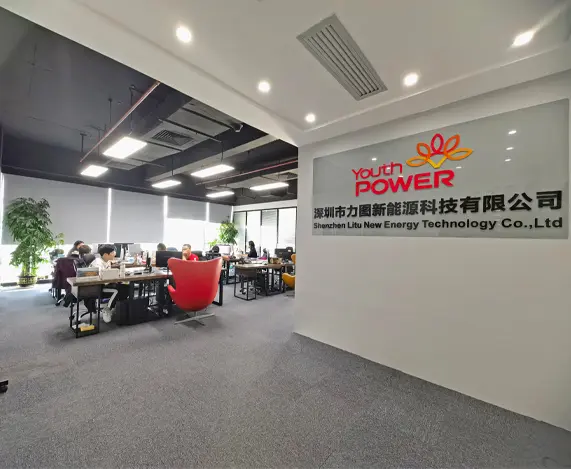
Founded in 2003, YouthPOWER has now become one of the leading suppliers of solar storage lithium batteries in the world. With a broad range of energy storage solutions, it covers a series of 24V, 48V and higher voltage lithium batteries solutions.
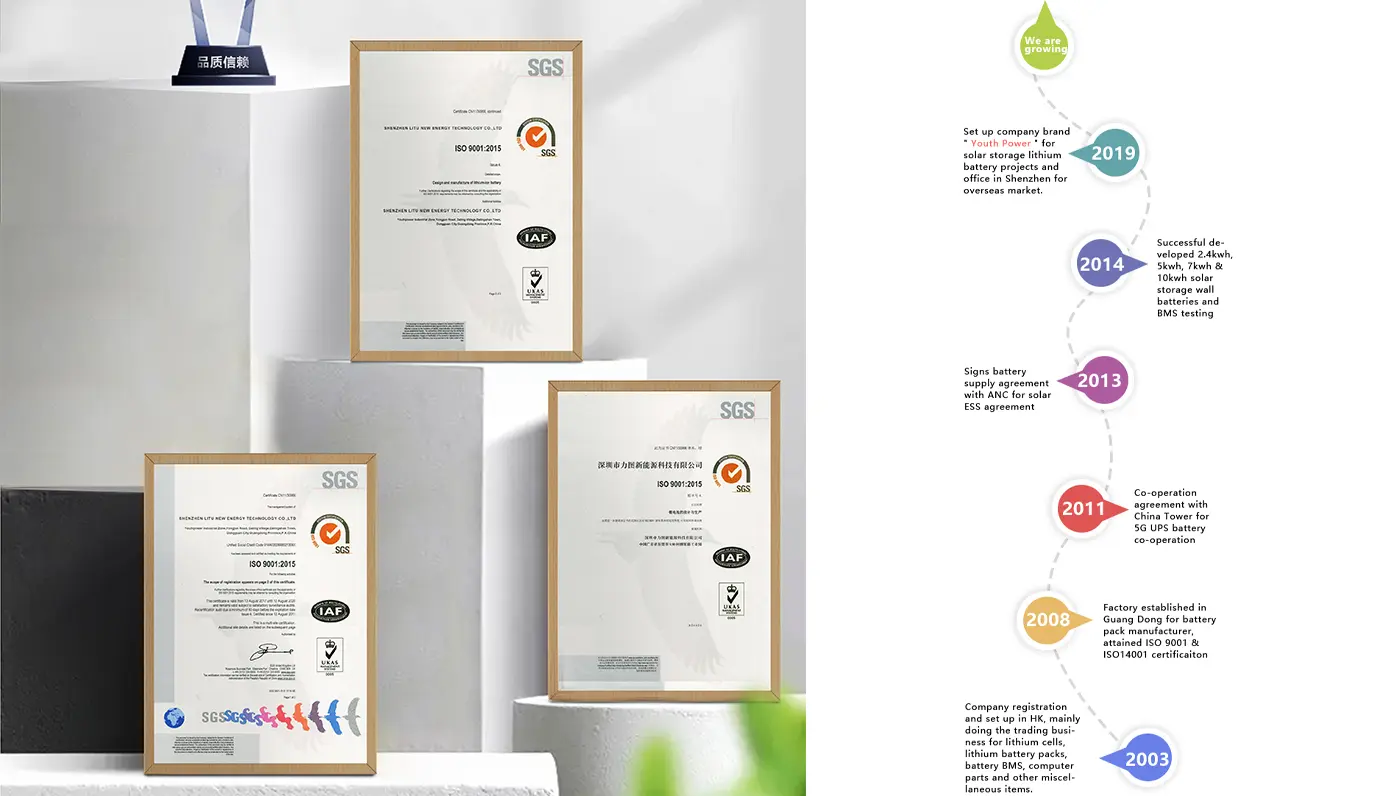
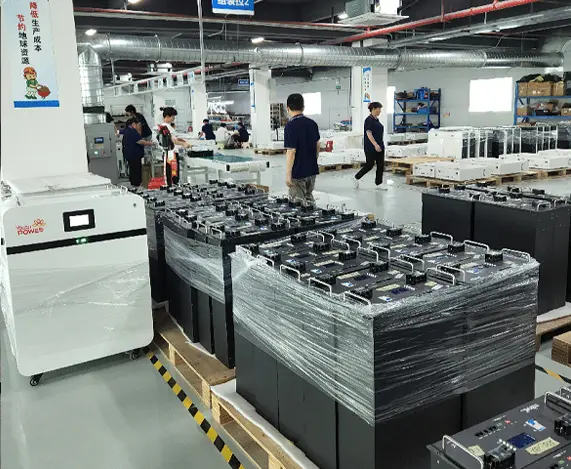
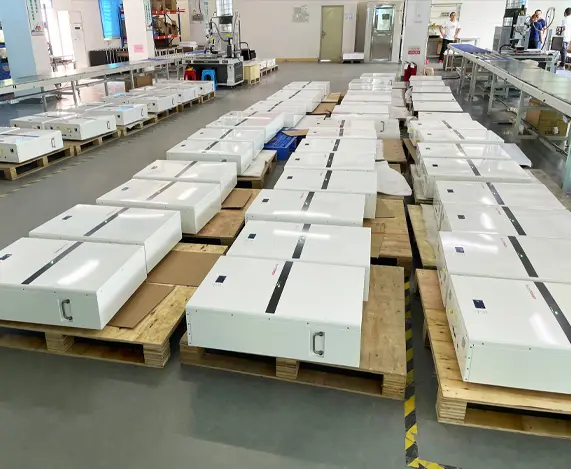
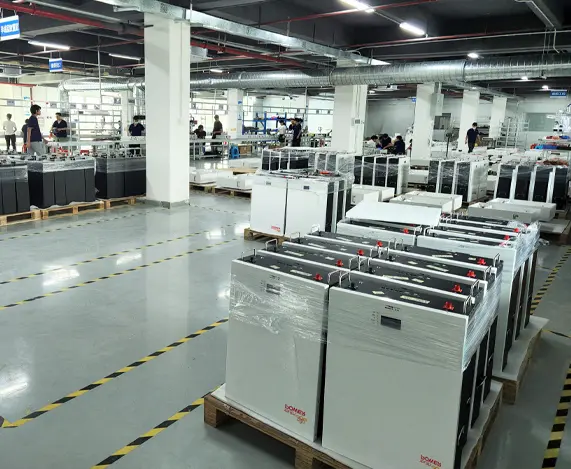
YouthPOWER has engaged in the battery technology and production for almost 20 years, with abundant manufacturing experience and strong new product R&D capability. Through many years of hard work and market promotion, we have created our own brand "YouthPOWER" in 2019.
With nearly 20 years’ experience in the battery industry, we have the capability to provide you with both the products you need and the most suitable products you want. We are always ready to supply the first-class products and meet the various needs of the customers.

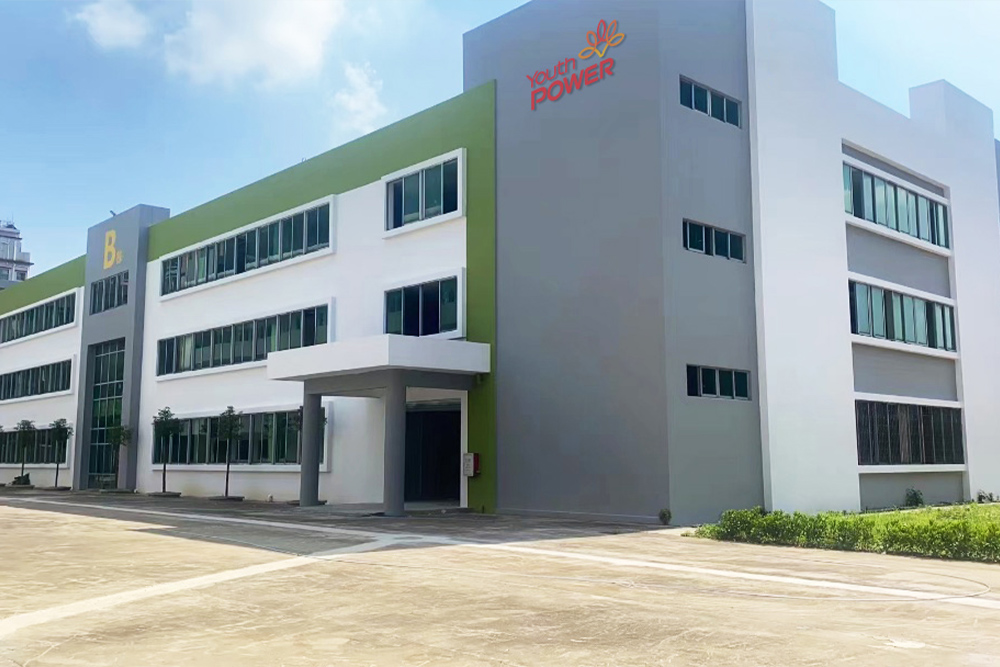
An in-depth analysis of supply dynamics, global production gigafactories, and industrial energy storage integrations.
The global lithium battery market is experiencing massive vertical integration. Leading BMS battery factories are developing local ecosystems to secure key raw materials (Lithium Carbonate, Nickel, Cobalt, and high-purity LFP powders). By integrating cell manufacturing with custom hardware-in-the-loop (HIL) BMS testing, companies can ensure consistent electrical performance and long-term supply safety.
Utility-scale projects and large-scale industrial microgrids require energy systems exceeding 100kWh to multiple Megawatt-hours (MWh). At these scales, the role of a Battery Management System transforms from simple cell protection to complex thermal modeling, active state-of-health (SoH) diagnostics, and millisecond-level communications with power conversion systems (PCS).
As grid operators adopt more stringent standards, modern BMS battery companies must satisfy strict certifications such as UL 9540A (thermal runaway propagation test), IEC 62619 (industrial safety regulations), and UN 38.3 (transportation compliance). High-voltage battery systems must employ multi-layer electrical protection structures to prevent localized cell failures from affecting the entire pack.
"By pairing our proprietary active-balancing BMS protocols with highly stable LFP (Lithium Iron Phosphate) cells, YouthPOWER has delivered over 1,000,000 operational home storage systems globally, ensuring reliable performance in harsh environmental conditions."
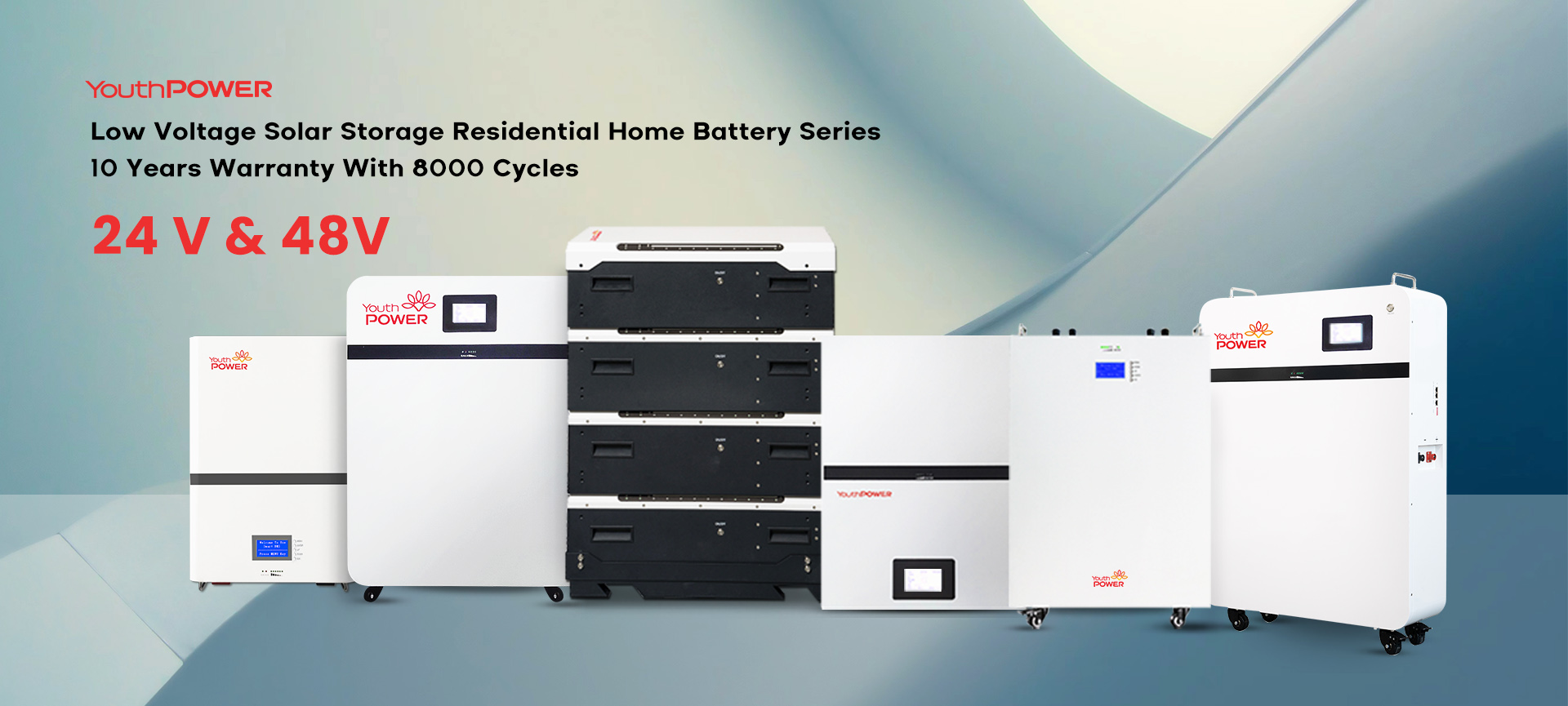
The energy storage industry is undergoing rapid technical evolution. Modern buyers must understand these key engineering shifts to select long-term manufacturing partners:
How localized industries use modern BMS battery systems to optimize their electricity usage and secure operational resilience.
Commercial facilities use our 100kWh to 200kWh high-voltage battery cabinets to store power when grid prices are low and discharge it during peak tariff periods. Smart BMS integration ensures the system triggers automatically based on utility pricing signals.
In critical communication networks, battery modules are configured with 19-inch rack-mount chassis. The BMS provides real-time state of charge (SoC) data via CAN/RS485/Modbus communication interfaces, ensuring seamless failover transition without system latency.
For remote operations lacking grid access, all-in-one solar energy storage systems manage fluctuating solar generation. The integrated BMS balances the cells under variable charge rates, extending lifespan in hot and remote environments.
Our commitment to engineering excellence drives us to continually upgrade our technology stack. Over the next decade, our technical roadmap will focus on transitioning from traditional safety mechanisms to proactive, smart hardware and software topologies.
Supported by our local raw material supply chain and intensive engineering research, we are designing smart BMS controllers capable of handling up to 1500V DC bus voltages. This reduces system balance of plant (BoP) costs and improves operational efficiency.
We are proud that YouthPOWER has offered reliable, long-lasting solar storage solutions for over 1,000,000 families and businesses globally. Our future developments prioritize the incorporation of next-generation solid-state batteries and eco-friendly structural recycling designs.
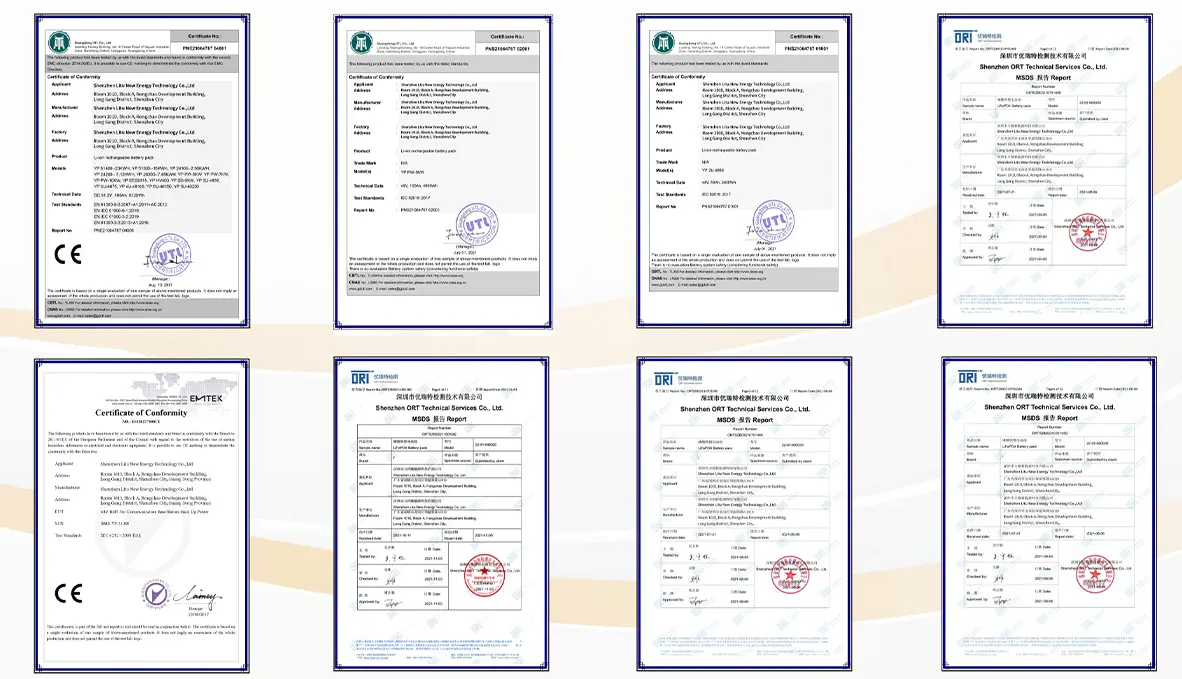
Standardized templates for integrating energy storage systems (ESS) into existing power networks.
Combines multi-megawatt battery systems with commercial solar arrays. Our high-voltage BMS coordinates with industrial solar inverters to manage PV output fluctuations, smooth generation profiles, and support peak energy shifting.
Designed for fleet charging stations. When multiple electric vehicles plug in simultaneously, the battery system discharges to avoid overloading the grid, preventing high utility peak demand charges.
Provides critical backup power systems for hospitals, critical manufacturing plants, and military bases. The fast-acting BMS ensures automatic transfer switching (ATS) within 10 milliseconds, maintaining operation during external blackouts.
Tracing our technology milestones and expansion since 2003.
Essential guidance for commercial managers and technical directors looking to purchase battery storage systems from manufacturers.
Commercial battery modules, scalable racks, and energy storage cabinets optimized for integration into modern grids.
 YouthPOWER