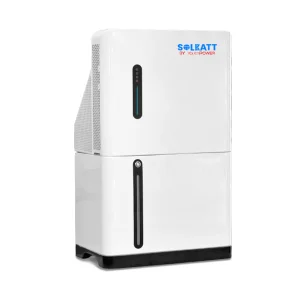
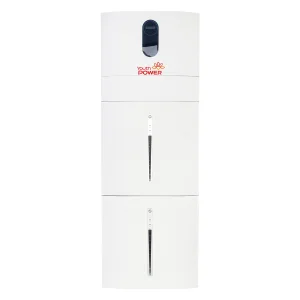
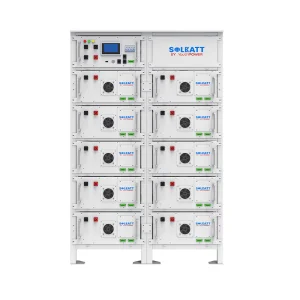
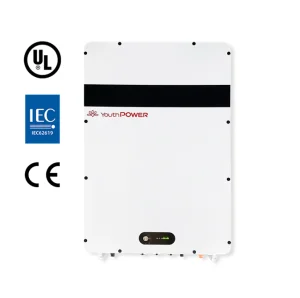
Browse our top-tier High-Voltage Battery systems, Solar storage boxes, and Commercial AIO ESS setups designed for long life and efficiency.
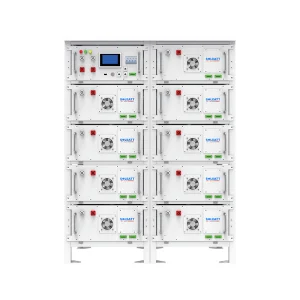
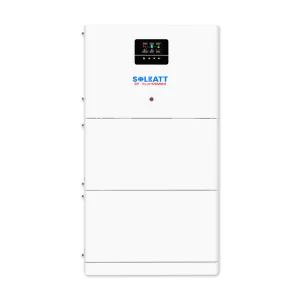
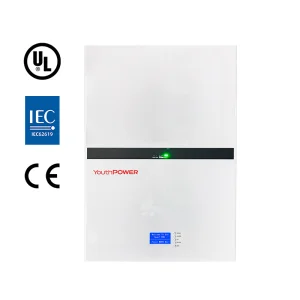
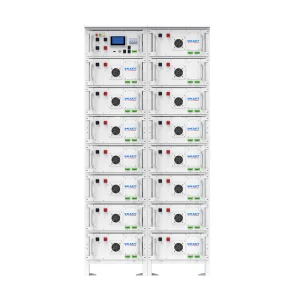
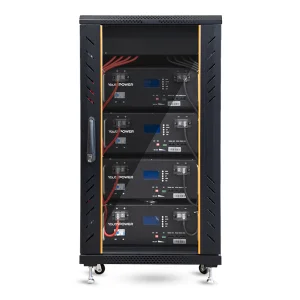
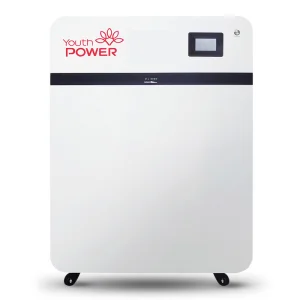
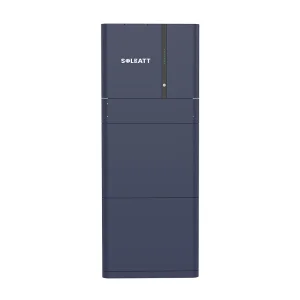
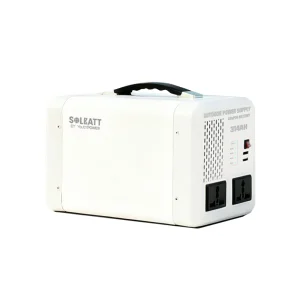
In the context of the global transition toward decarbonization, modern power engineering is experiencing a major paradigm shift. The integration of high-capacitance battery energy storage systems (BESS) and DC distribution buses has become essential for building resilient, off-grid, and microgrid infrastructures. Historically, alternating current (AC) dominated power grids. However, the rise of solar photovoltaics, battery electric vehicle (EV) charging stations, and sensitive data center electronics natively operating on direct current has made direct DC Power Supply architectures the superior choice for minimizing conversion losses, maximizing energy efficiency, and securing critical power backups.
When engineering global microgrids or procuring multi-megawatt systems for commercial installations, specifying the correct DC power systems—including High-Voltage Direct Current (HVDC) racks, high-capacity lithium iron phosphate (LiFePO4) storage topologies, and integrated battery cabinets—is vital. Industrial operations look for reliable manufacturing factories and companies that deliver modularity, sophisticated Battery Management Systems (BMS), and adherence to international safety metrics.
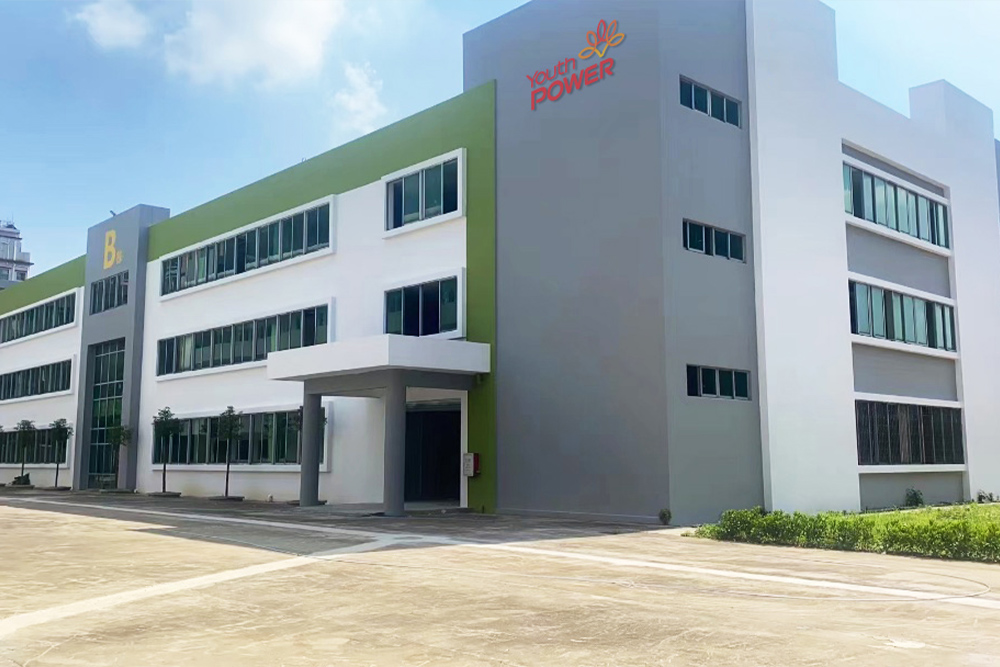
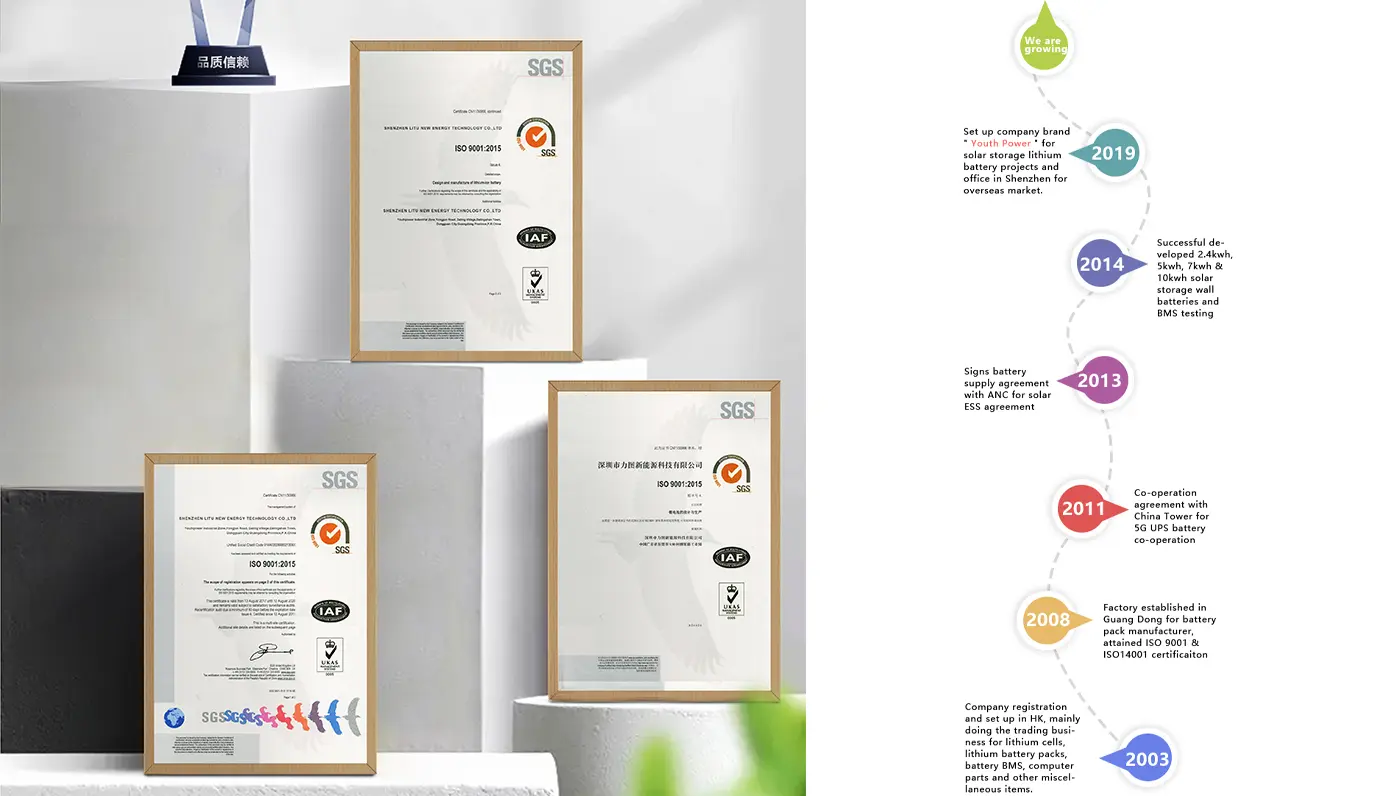
Founded in 2003, YouthPOWER has grown into one of the world's leading suppliers of solar storage lithium batteries. With a broad range of energy storage solutions, it covers 24V, 48V, and high-voltage lithium battery designs built to meet complex industrial needs.
YouthPOWER has worked in battery technology and manufacturing for nearly 20 years. Drawing on deep production experience and strong R&D capabilities, the company launched its proprietary brand "YouthPOWER" in 2019. By working closely with local raw material vendors, YouthPOWER secures stable supply lines to provide top-tier products at competitive prices. The company takes pride in delivering reliable solar storage systems to more than 1,000,000 families worldwide.

Understanding future development trends is crucial for purchasing departments, design institutes, and system engineers. Several key trends are shaping the future of global DC energy systems:
Standard low-voltage (48V) batteries face efficiency limits when handling high current loads. Transitioning to high-voltage (HV) systems (ranging from 350V to 800V+) reduces cable cross-section requirements, decreases copper wire costs, and improves efficiency by cutting thermal losses (I²R losses) during high-power charging and discharging cycles.
Modern Energy Management Systems (EMS) use AI algorithms to predict solar production and estimate building energy demands. This allows systems to balance peak usage times and schedule battery charging when rates are lowest, turning static battery banks into active, cost-saving grid assets.
Lithium Iron Phosphate (LiFePO4 or LFP) has become the standard chemistry for large-scale energy storage. LFP provides excellent thermal stability, a long cycle life (exceeding 6,000 cycles at 80% Depth of Discharge), and avoids the thermal runaway issues common with cobalt-based batteries.
Selecting between low-voltage and high-voltage DC options affects safety protocols, system efficiencies, and total return on investment. The comparison below highlights the primary trade-offs:
| Specification Parameter | Low-Voltage Systems (24V - 48V) | High-Voltage Systems (350V - 800V+) | Engineering Implications |
|---|---|---|---|
| System Efficiency | ~88% to 92% (moderate conversions) | ~95% to 98% (optimized design) | Higher voltage reduces current, minimizing heat losses during transfer. |
| Copper Cabling Cost | High (thick gauge wires needed) | Low (standard thinner cables) | Thinner wiring cuts material costs and simplifies installation. |
| Scalability Limits | Limited (typically below 50 kWh) | Highly Scalable (megawatt ranges) | Allows simple modular growth for industrial utility needs. |
| BMS Complexity | Standard monitoring | Advanced multi-level string management | HV systems need active cell-balancing and precise insulation monitoring. |
| Primary Applications | Residential solar, off-grid homes, light UPS | Commercial factories, industrial microgrids, data centers | Matches high-power loads and simplifies direct DC bus designs. |
Industrial buyers, EPC contractors, and project planners face several challenges when sourcing DC power solutions at scale. Navigating international supply chains requires a thorough understanding of quality standards, design services, and long-term support.
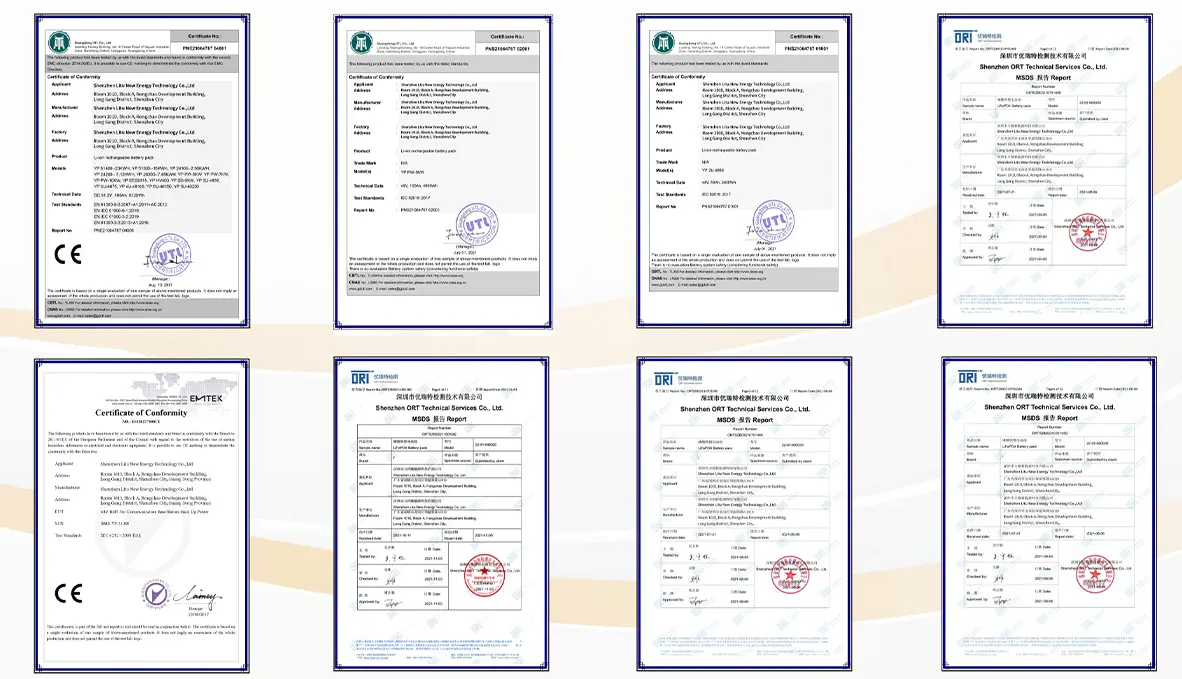
Industrial installations must meet strict safety guidelines. Choosing battery systems certified to international standards—such as UL 1973 (for stationary battery applications), IEC 62619 (safety for industrial lithium systems), and UN38.3 (transport safety)—is essential. These certifications verify that the battery systems can handle overcharging, drop impacts, thermal stress, and short circuits without risk.
No two commercial energy projects are identical. Standard systems rarely fit custom layout limitations, specific voltage targets, or unique communication protocols (like Modbus, CANbus, or Profinet). Partnering with manufacturers that offer comprehensive OEM/ODM design services allows projects to match specific physical dimensions, cabinet layouts, environmental protections, and custom BMS features.
Procurement decisions should look beyond initial hardware costs. Evaluating Levelized Cost of Storage (LCOS) and Total Cost of Ownership (TCO) helps identify the most cost-effective solution. High-quality cells that last 6,000+ cycles save significant replacement and maintenance costs over the lifetime of the project, even if the upfront cost is higher.
The battery energy storage industry continues to evolve quickly. Forward-looking companies design their products to adapt to coming changes, ensuring they remain relevant in the future.
Eliminating internal structural modules to maximize energy density within the cabinet footprint, saving weight and space.
Combining charge controllers and high-voltage battery storage into single, unified plug-and-play enclosures to simplify installation.
Using distributed modular power units to simplify maintenance and allow system expansion without taking the entire setup offline.
Designing modern energy cabinets to accept future solid-state battery cells when they reach commercial scale, ensuring long-term compatibility.
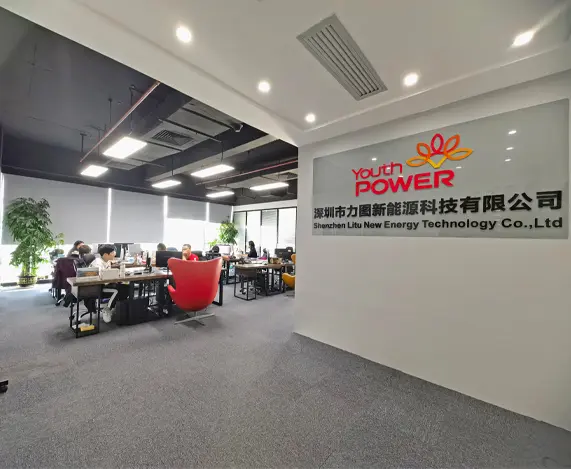
With over twenty years of history in the battery industry, our production lines and test laboratories follow strict quality controls. Below is a look at our assembly, development, and system integration facilities.
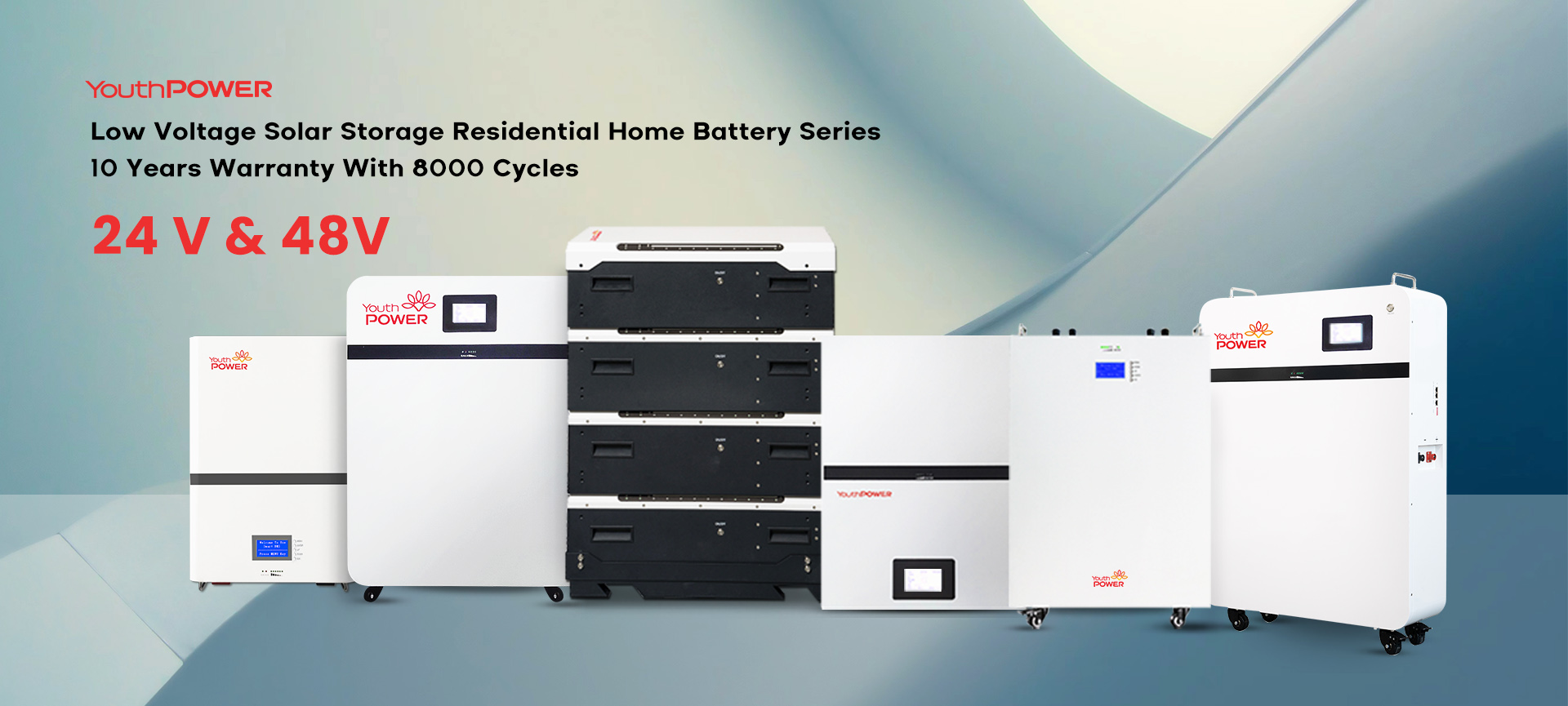
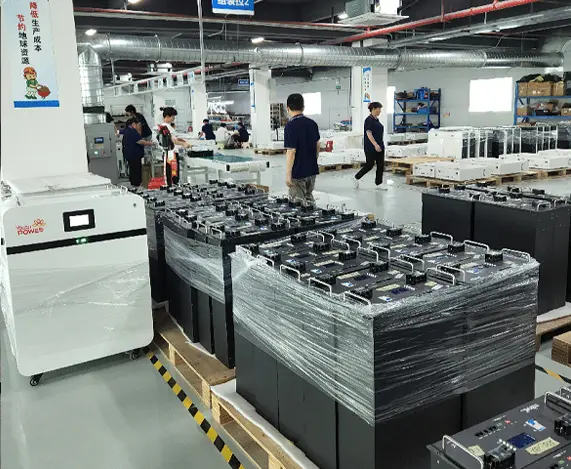
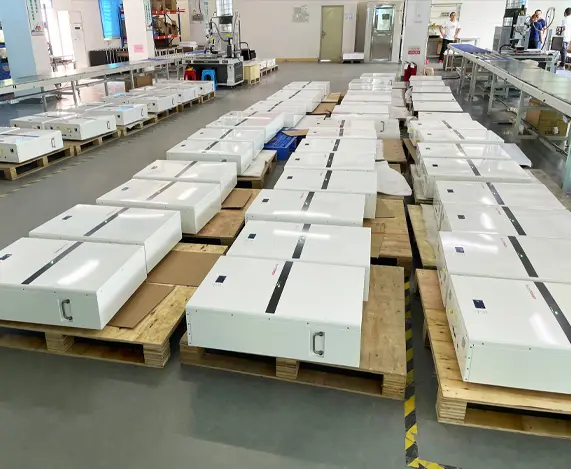
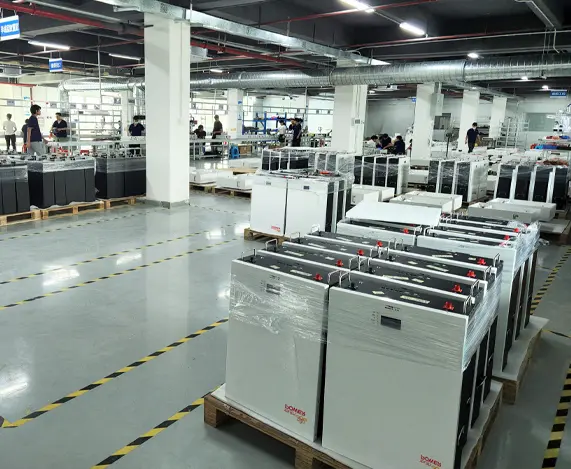
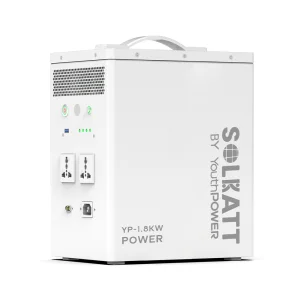
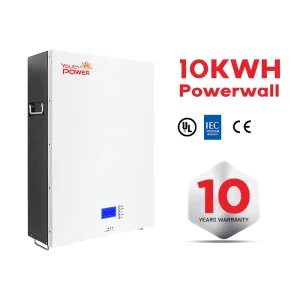
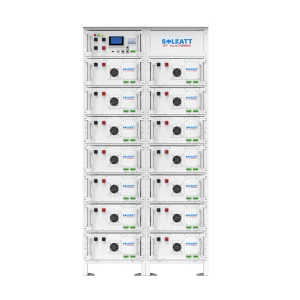
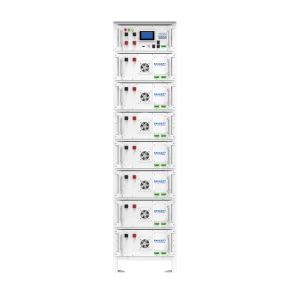
Explore our portable backups, balcony solar systems, and large-scale battery banks built for reliable power delivery.
Find technical answers to common questions about industrial DC power grids and battery integrations.
 YouthPOWER