Tier-1 Engineered Solutions Designed for Dynamic Residential Backup and Commercial Integration.
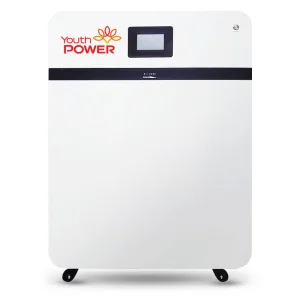
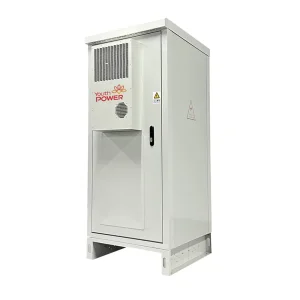
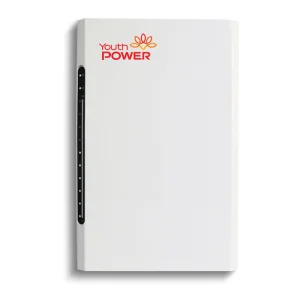
The global transition toward decentralized power grids has placed battery energy storage systems (BESS) at the center of modern residential planning. For solar distributors, EPC contractors, and real estate developers, securing reliable home battery backup supplies is no longer a matter of retail availability; it is a strategic supply chain imperative.
By buying directly from manufacturing factories, enterprises bypass intermediate distribution margins while gaining granular control over cell matching, BMS firmware calibration, and warranty security. In this whitepaper, we dissect the mechanics of factory sourcing, comparing battery chemistries (LFP vs. NMC), safety standards, and regional grid integration guidelines.
Ensuring fail-safe operating mechanisms for whole-home setups with rapid switchover rates.
Real-time health tracking, thermal protection, and seamless inverter communications protocols.
Why the bulk of high-performance lithium energy storage systems originate from localized Chinese hubs.
Proximity to major global processing facilities for Lithium Iron Phosphate (LiFePO4) ensures lower freight overheads, reduced raw-material lead times, and highly stable price matrices even during volatile commodity cycles.
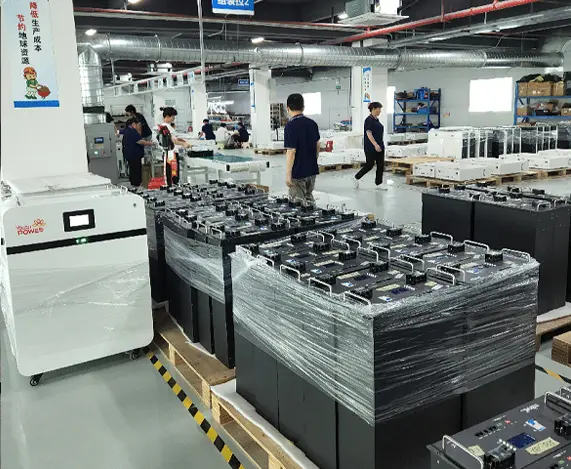
Advanced production lines use laser-welding robotics, vision inspect systems, and dynamic cell-sorting algorithms to yield pack assemblies with matching internal resistance levels, directly extending product lifespans.
Through local sourcing agreements, optimized line efficiencies, and structural logistics connections, factories like YouthPOWER offer pricing modules that make battery storage financially viable for high-density grids.
Our 20-Year Evolution in Battery Technology and Energy Storage Leadership
Founded in 2003, YouthPOWER has now become one of the leading suppliers of solar storage lithium batteries in the world. With a broad range of energy storage solutions, it covers a series of 24V, 48V and higher voltage lithium batteries solutions.
YouthPOWER has engaged in the battery technology and production for almost 20 years, with abundant manufacturing experience and strong new product R & D capability. Through many years of hard work and market promotion, we have created our own brand "YouthPOWER" in 2019.
With nearly 20 years’ experience in the battery industry, we have the capability to provide you with both the products you need and the most suitable products you want. We are always ready to supply the first-class products and meet the various needs of the customers.
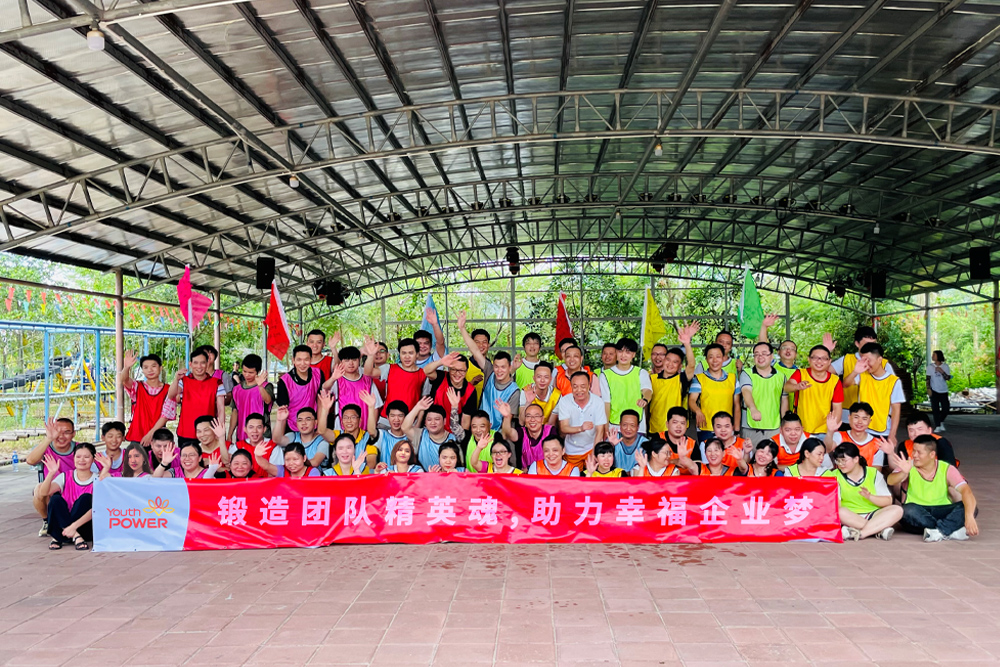
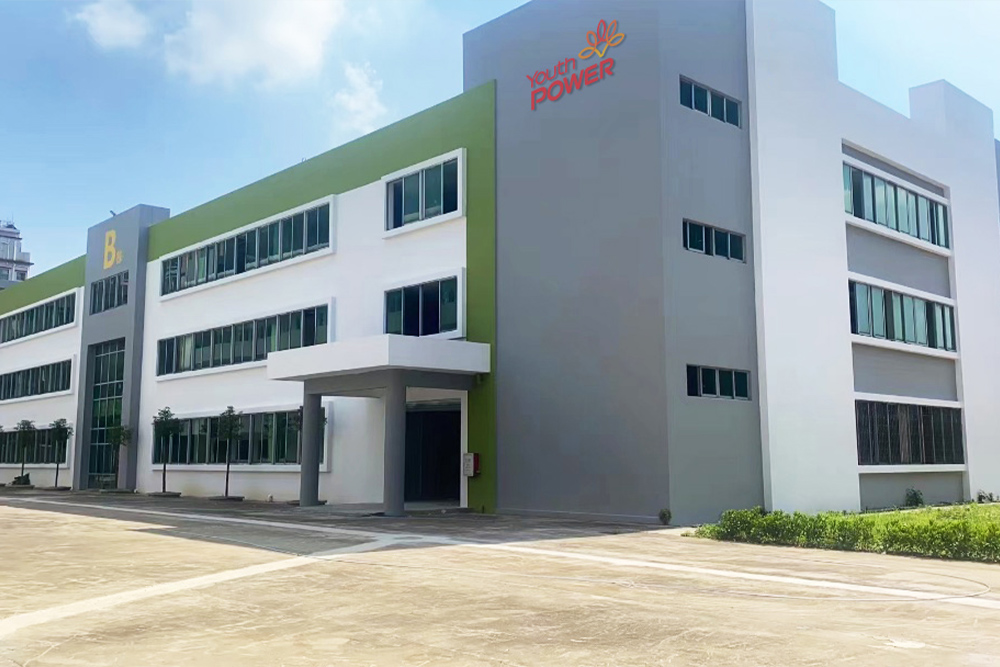
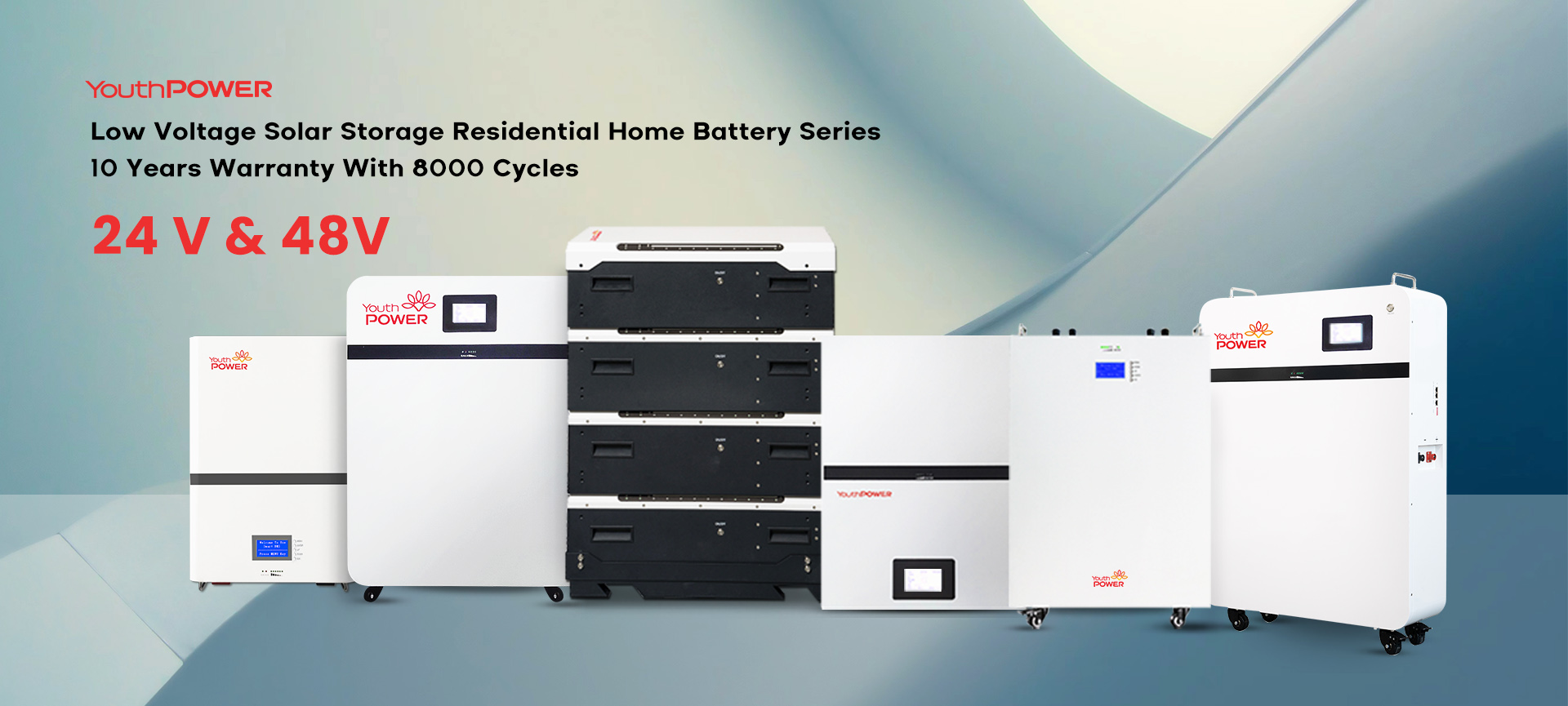
We have established good business relationships with our customers from all over the world. And we have a good cooperation with all our customers as well for many years running. Supported by our local vendors of raw materials, we can certainly offer you the best prices.
We are so proud that YouthPOWER has offered the reliable solar storage solution for over 1,000,000 families now in the world.
Key milestones in our history of sustainable energy manufacturing
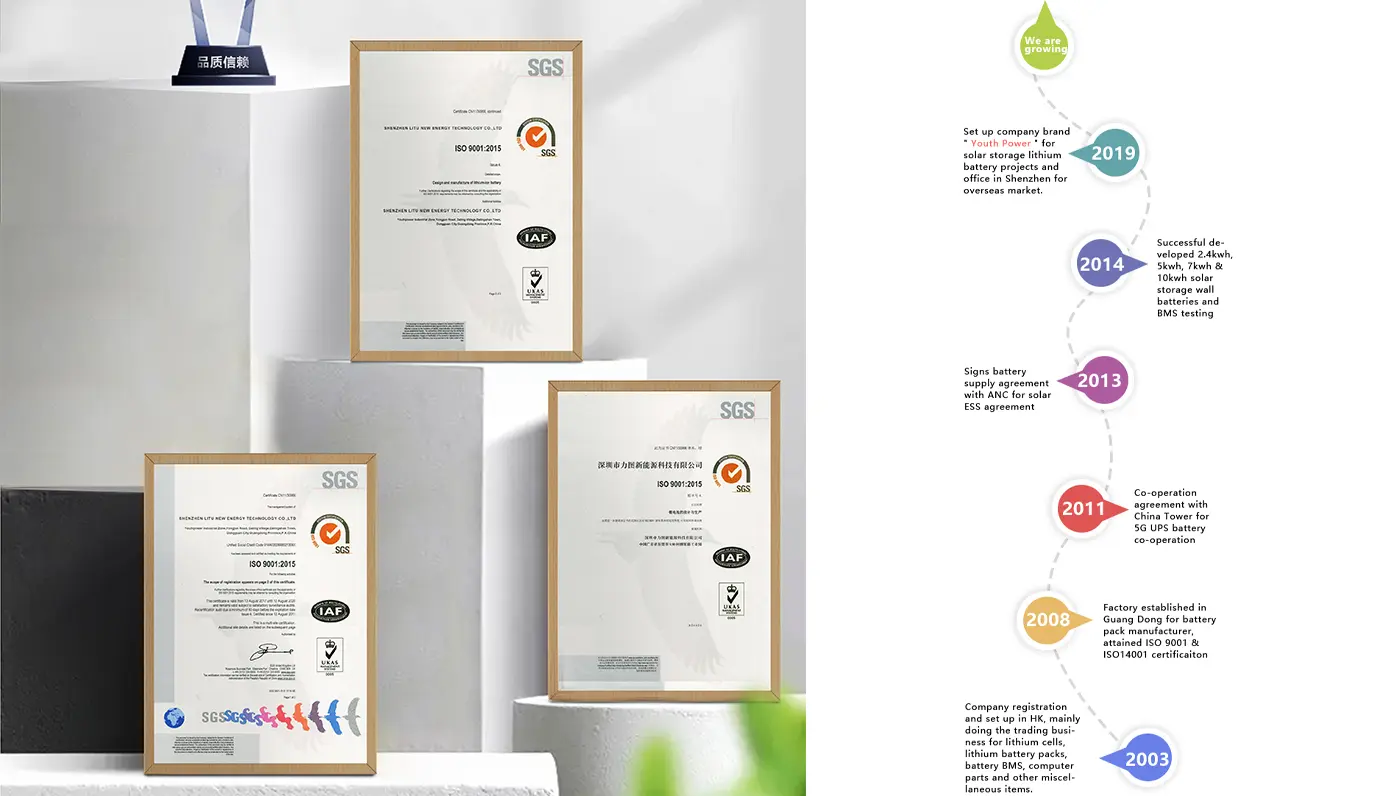
Initiated operations in deep-cycle cell manufacturing, focusing on early lead-acid and lithium research.
Pivoted engineering resources toward Lithium Iron Phosphate (LiFePO4) chemistries to serve high-performance solar storage.
Registered the official global brand "YouthPOWER" to build worldwide supply-chain networks and export products directly.
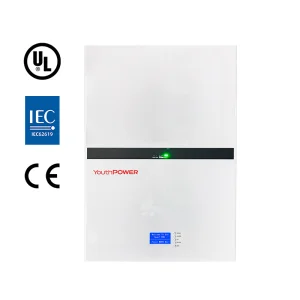
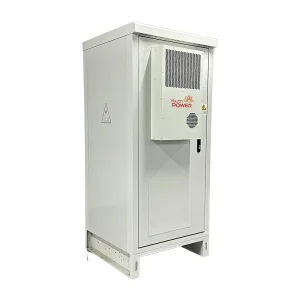
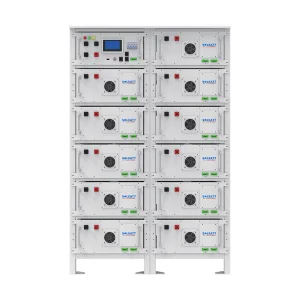
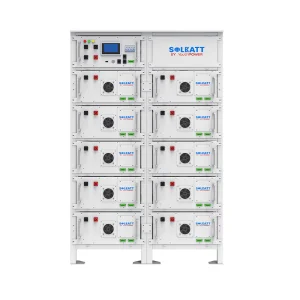
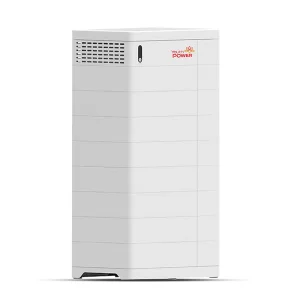
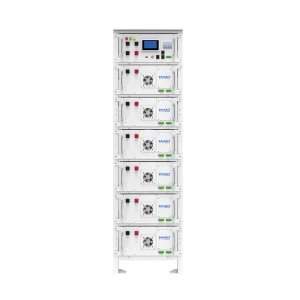
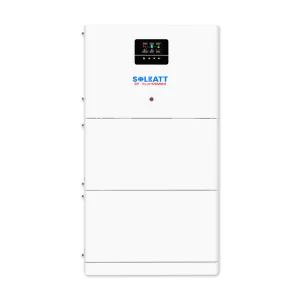
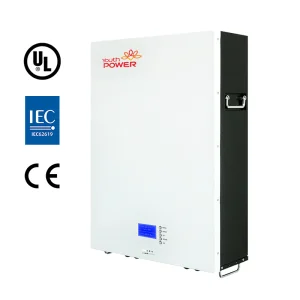
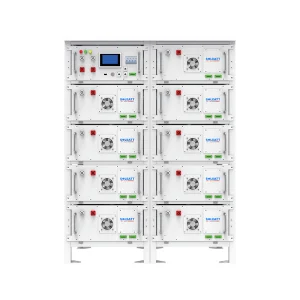
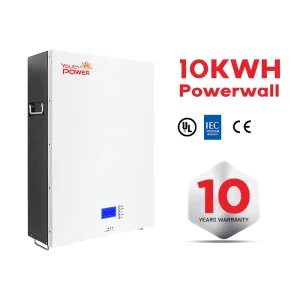
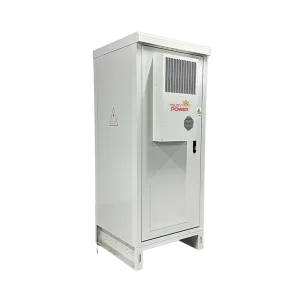
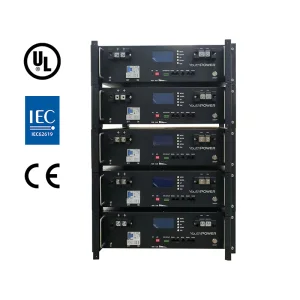
Consolidated global operations spanning stackable systems, high-voltage cabinets, and wall-mounted home reserves.
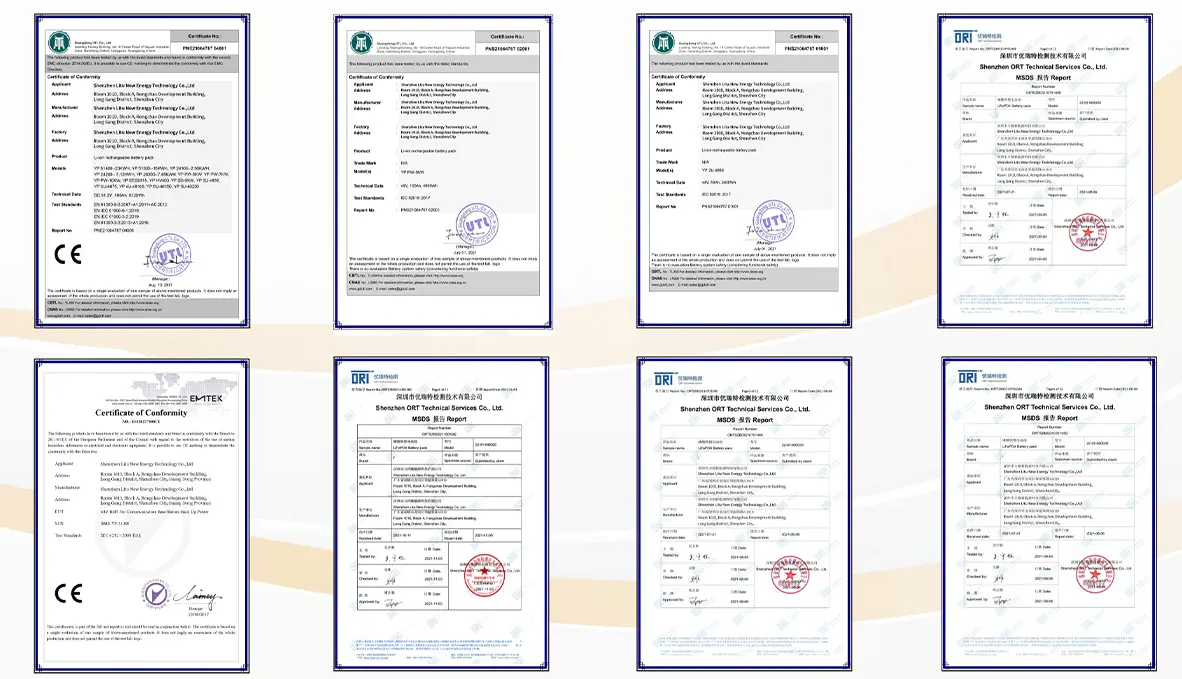
Exporting energy storage products globally requires rigorous adherence to regional grid safety regulations and manufacturing benchmarks. Key international credentials ensure the product is legally installable and safe for continuous residential use:
In addition, modern installations must integrate with local electrical interfaces. Smart BMS structures are built to communicate with global inverter brands like SMA, Growatt, Victron, and Solis, utilizing CAN and RS485 communication protocols.
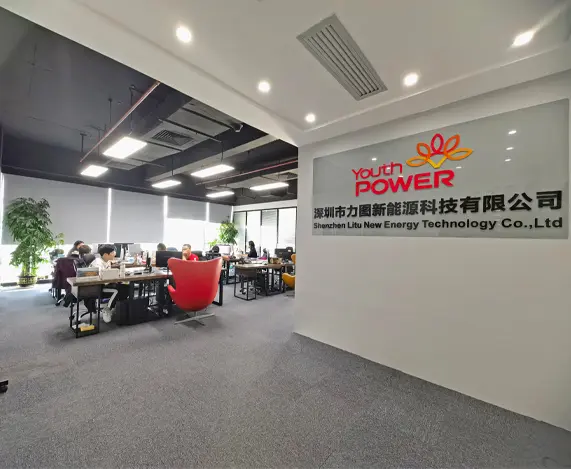
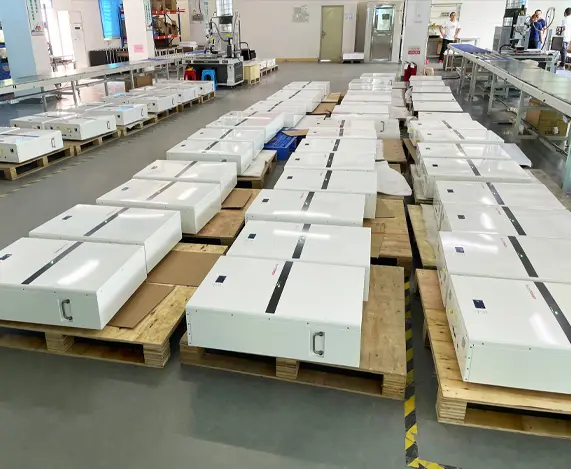
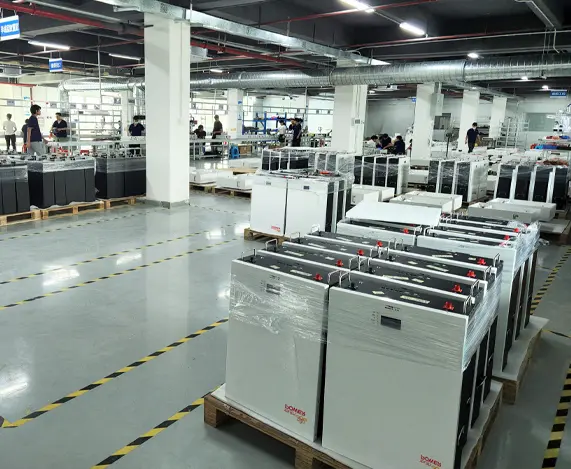
Visualizing our raw material processing, robotic assembly lines, and warehouse readiness.
Analyzing future trends in power architecture and real-world system deployments.
Remote houses and remote communities lack stable grid connections. Installing stackable high-capacity batteries (e.g., 20kWh to 100kWh setups) alongside solar arrays delivers reliable off-grid resilience without relying on diesel generation.
Under TOU utility structures, batteries charge from the grid during low-cost night hours or direct solar generation, then discharge during peak load hours, significantly lowering household electrical utility bills.
Light commercial plants and warehouse hubs utilize larger BESS systems (such as the YouthPOWER 85kWh and 157kWh cabinets) to flatten their consumption curve, avoiding high utility demand charges.
The integration of Artificial Intelligence inside Energy Management Systems (EMS) allows system software to predict solar yields and pricing fluctuations. Simultaneously, Vehicle-to-Home (V2H) and Vehicle-to-Grid (V2G) integrations will soon interface residential backup batteries with electric vehicles, creating fully unified smart residential microgrids.
Technical guidance and strategic queries commonly raised by B2B battery buyers.
Heavy-Duty Solutions Engineered for Long-Cycle Backup Infrastructure and High Current Demands.
 YouthPOWER