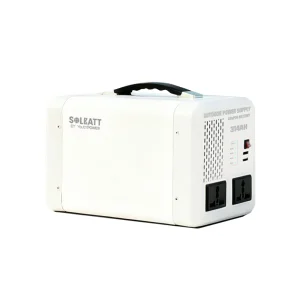
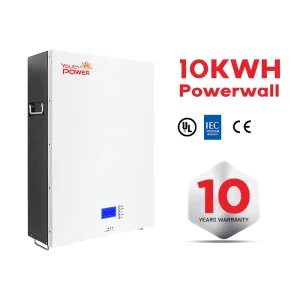
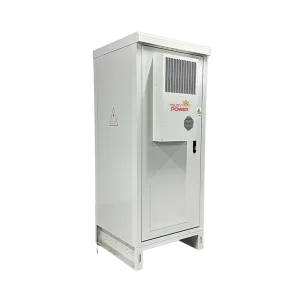
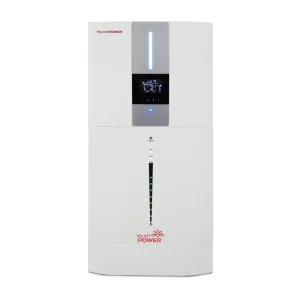
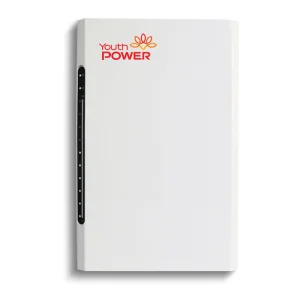
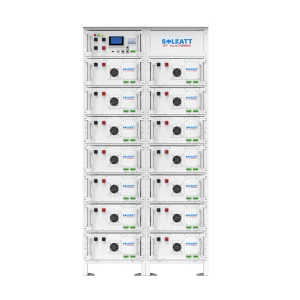
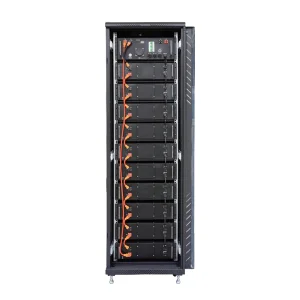
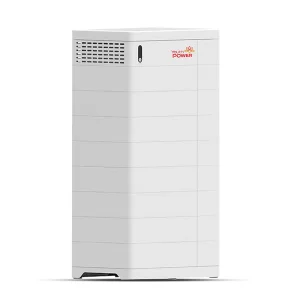
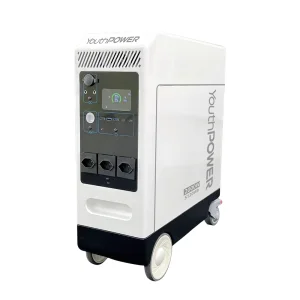
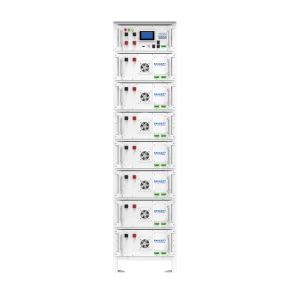
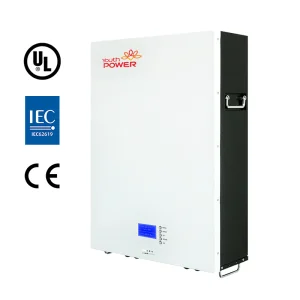
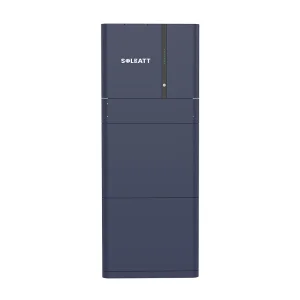
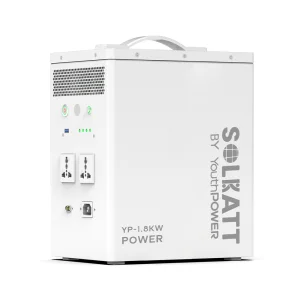
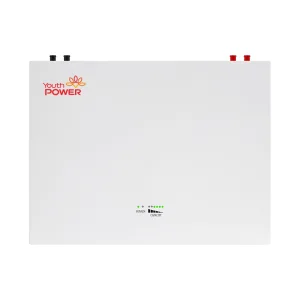
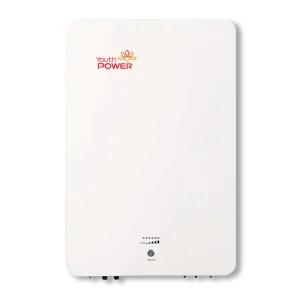
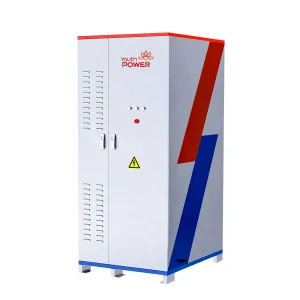
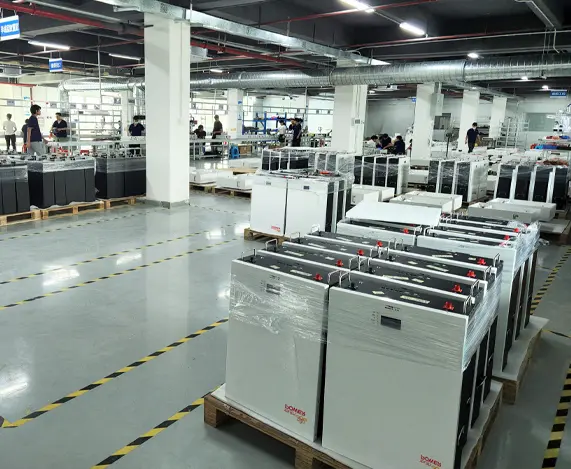
Discover our highly rated selection of battery units, low-voltage powerwall options, and commercial cabinets, manufactured directly in our world-class gigafactories.
A technical investigation into how residential battery storage technologies are transforming energy landscapes.
The global transition toward decentralized clean energy grids is driving exponential demand for robust residential energy storage systems (BESS). Home solar battery storage systems are no longer luxury commodities; they have evolved into critical infrastructure components. As electricity grids face unprecedented volatility from climate stress and increased loads—such as EV charging integration and residential heating electrification—solar batteries provide vital buffer systems.
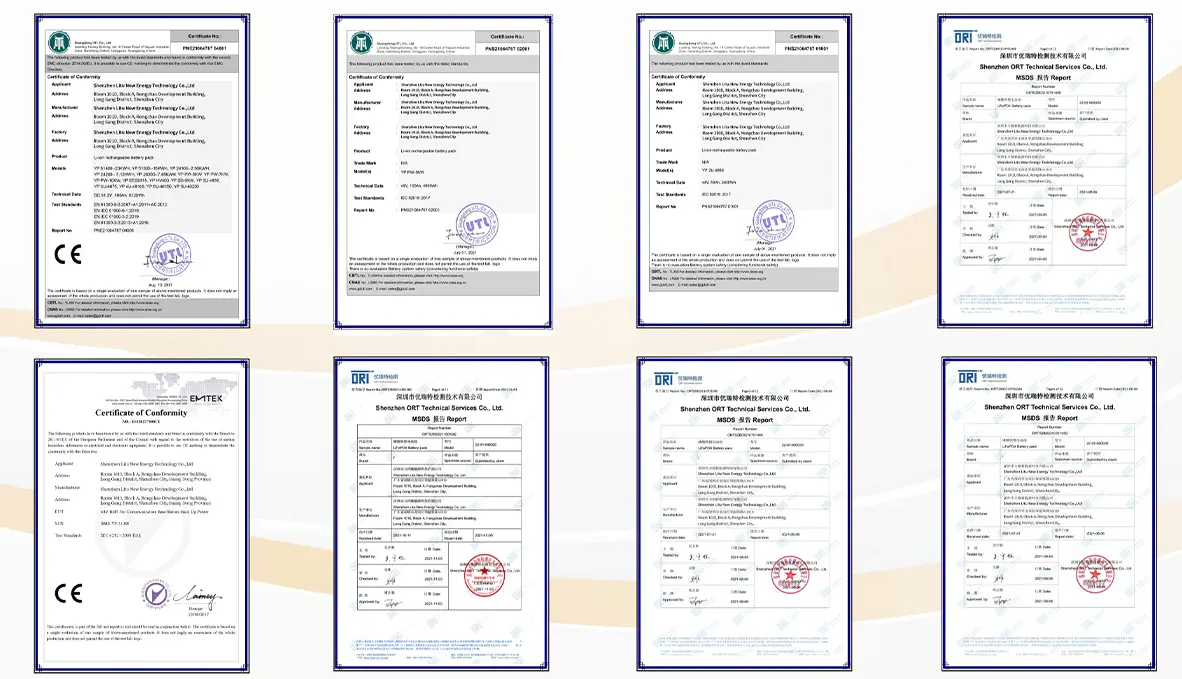
Modern battery production centers on advanced material science, dominated by Lithium Iron Phosphate (LiFePO4) chemistry due to its structural safety, long cyclic life (exceeding 6,000 cycles at 80% Depth of Discharge), and green profile. Across the Americas, Europe, and the Asia-Pacific region, targeted policies are speeding up installations. In the United States, the Inflation Reduction Act (IRA) offers long-term tax credits for home energy storage systems. Similarly, European schemes like REPowerEU actively promote residential and commercial autonomy to mitigate power grid price spikes. Consequently, working directly with established battery factories is essential for developers and wholesale partners seeking quality compliance alongside regulatory security.
Decades of manufacturing excellence paired with next-generation energy storage innovation.
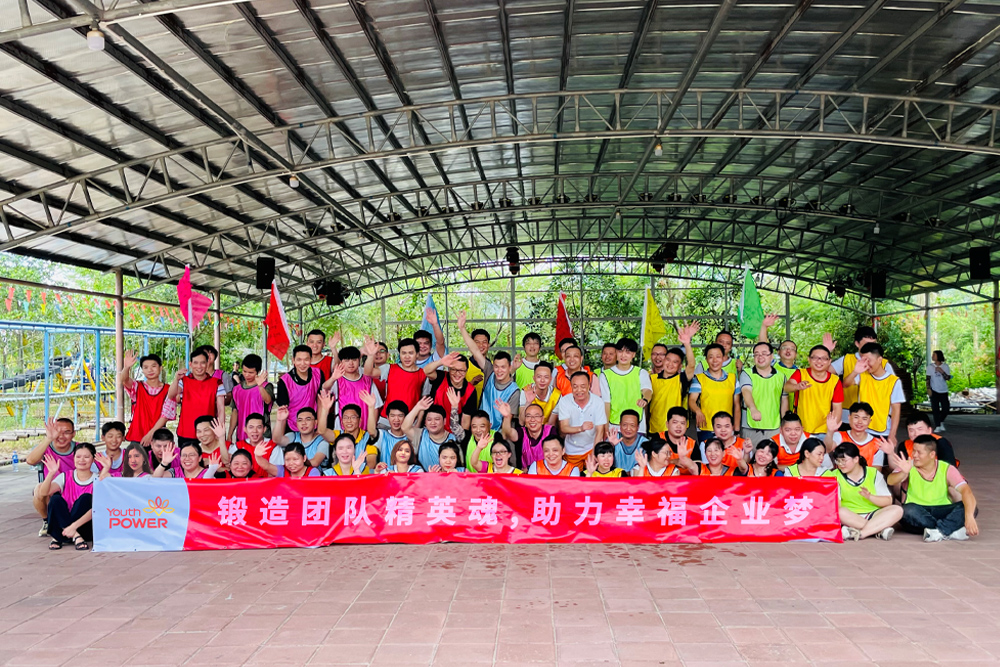
Founded in 2003, YouthPOWER has established itself as a leading global supplier of solar storage lithium batteries. With a broad range of energy storage solutions, the company manufactures high-efficiency systems spanning 24V, 48V, and high-voltage lithium configurations designed for diverse global requirements.
Over two decades of focus on battery engineering and manufacturing has built our robust capacity for new product design, process validation, and R&D. Following extensive technical development and market adoption, YouthPOWER introduced its flagship brand in 2019, providing direct factory integration, optimized supply lines, and dedicated warranties to international customers.
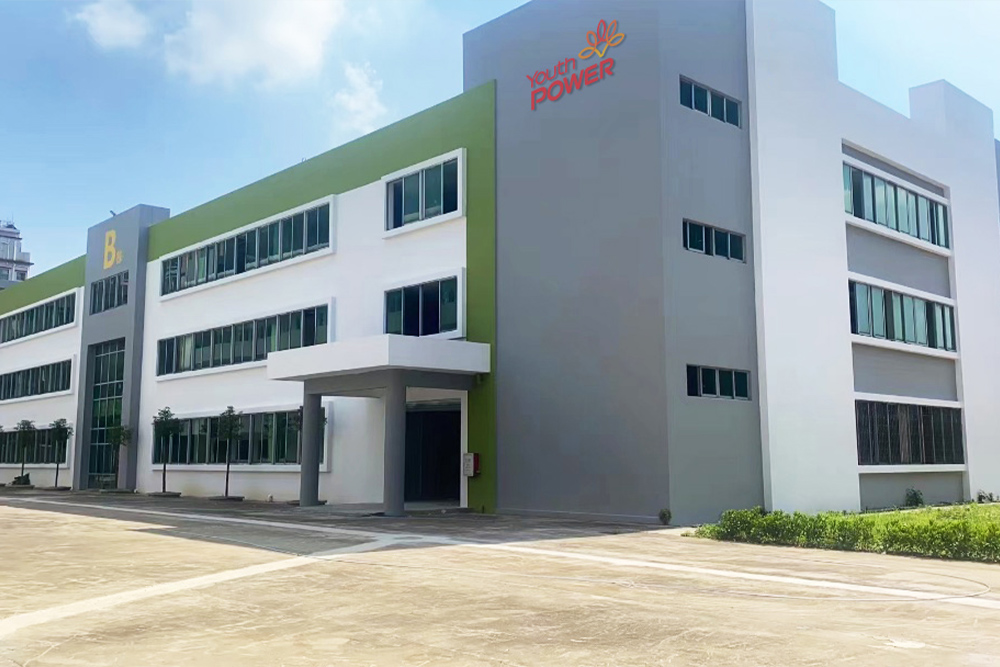
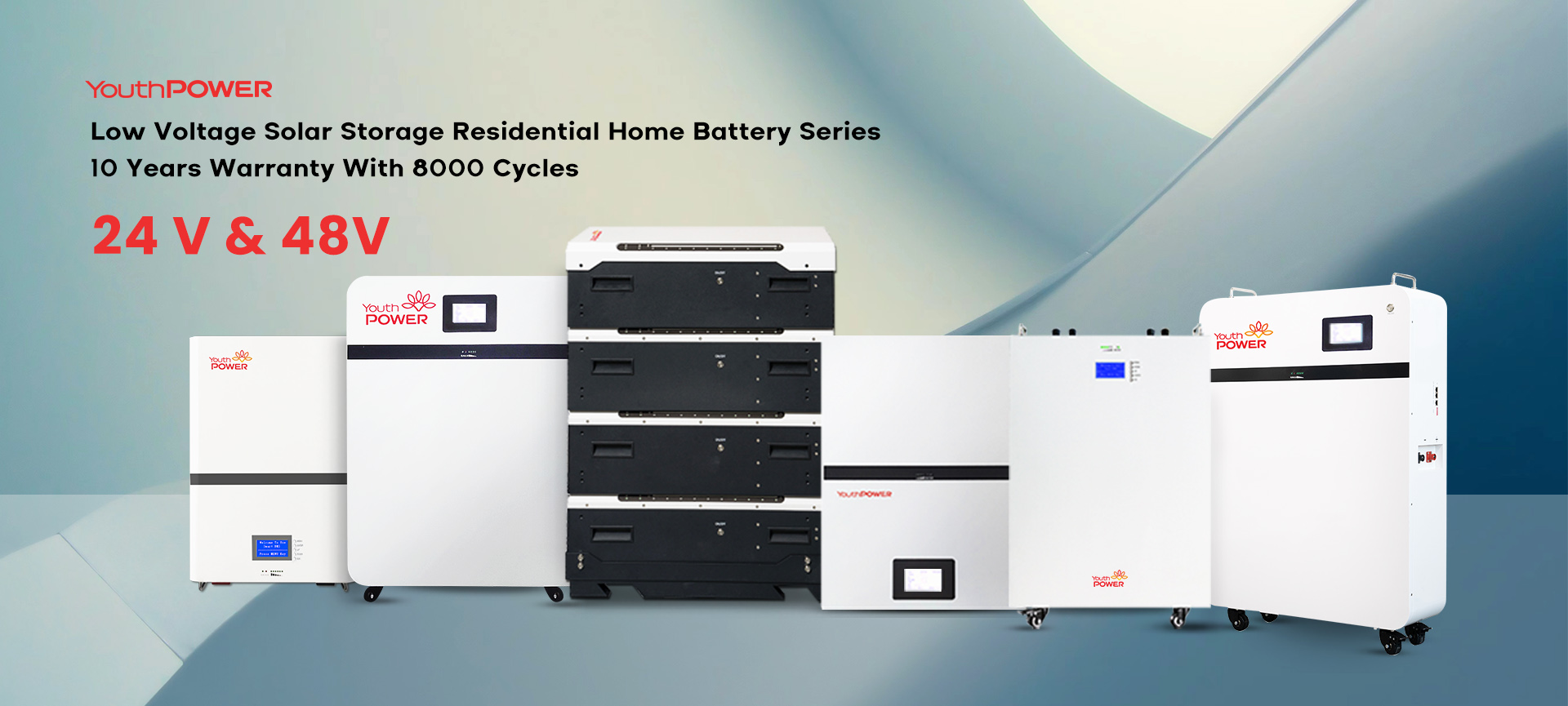
Backed by decades of field operations, we design products tailored for diverse customer needs, from modular stackable units to scalable heavy-duty commercial cabinets. By collaborating with verified local raw material partners, we ensure cost-effective procurement pathways, delivering competitive wholesale pricing without compromising on safety or manufacturing precision.
Today, YouthPOWER products provide reliable grid support and clean backup power to over 1,000,000 families worldwide. This scale demonstrates our commitment to reliable power systems, sustainable engineering, and consistent customer support.
Initiated research, testing, and production in battery technology. Laid the foundations for our engineering expertise and manufacturing workflows.
Expanded manufacturing facilities to accommodate lithium-ion assembly lines, transitioning from traditional battery solutions to specialized solar storage products.
Launched the global brand "YouthPOWER" to serve direct distributors, installation companies, and engineering networks with advanced energy storage systems.
Supporting over 1,000,000 households worldwide with robust grid-tied, off-grid, and high-voltage commercial storage infrastructure.
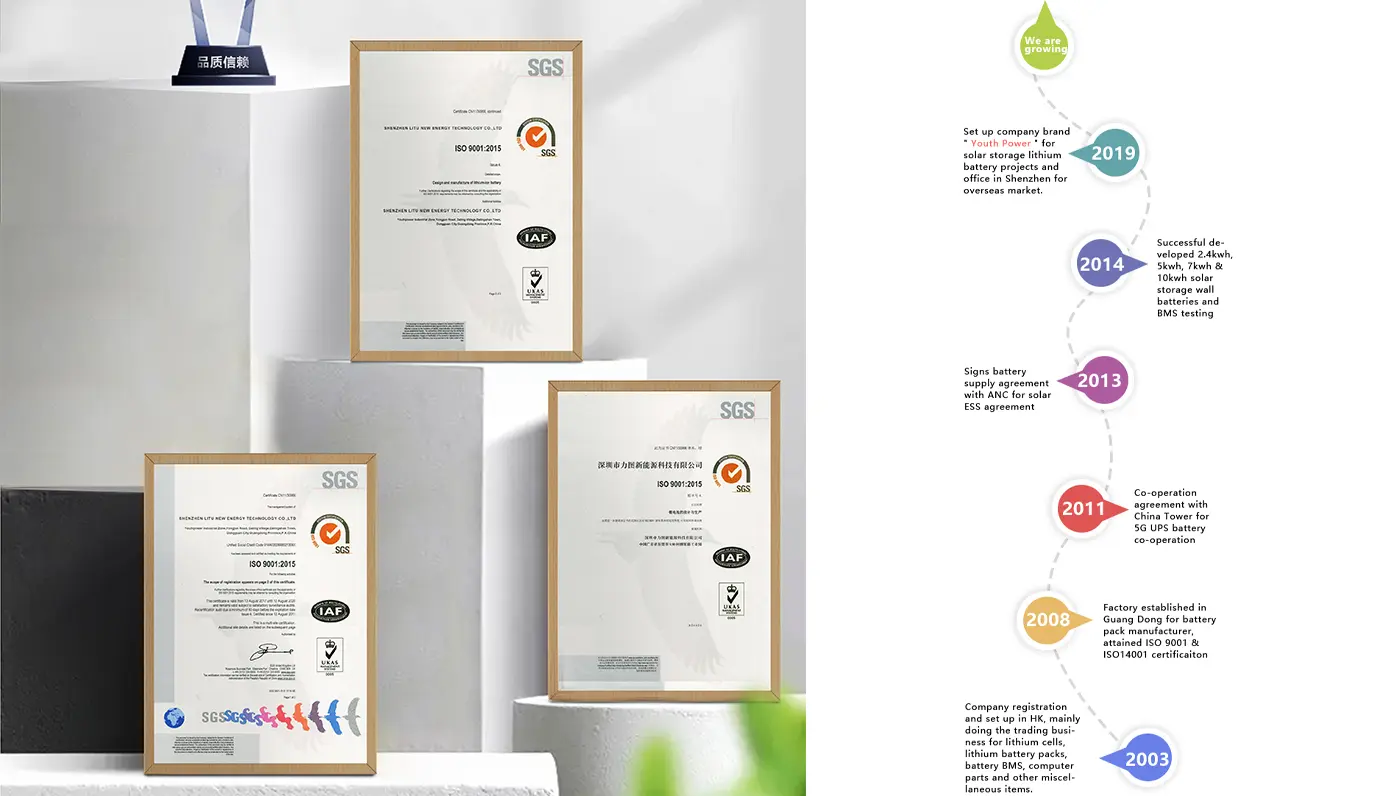
Exploring the electrical engineering, safety mechanisms, and structural configurations of modern battery design.
Engineering robust home battery storage systems requires balancing thermal management, cell chemistry, electrical layout, and software integration. Our factory develops systems that combine safety, long service life, and broad compatibility with mainstream global hybrid inverters.
Uses high-grade Lithium Iron Phosphate cells, offering exceptional thermal runaway stability up to 600°C. These systems eliminate the fire hazards associated with standard cobalt-based alternatives.
Equipped with dual active balancing microcontrollers. The BMS manages charge levels, cell temperatures, over-current thresholds, and communicates diagnostic metrics in real time via CAN/RS485 interfaces.
By using stackable high-voltage connections (up to 400V+), our systems reduce conversion losses during DC-to-DC stages, maximizing overall efficiency for heavy home loads.
Standard storage systems often suffer from capacity loss caused by cell mismatch over time. Our active cell balancing algorithm redistributes charge dynamically between cells during charge/discharge cycles. This prevents localized cell degradation, extending operational life by up to 35% compared to passive balancing designs. These technologies ensure that whether you deploy a single 5kWh Powerwall or a complex commercial 215kWh cabinet array, the cells remain within optimal performance parameters.
Tailored storage systems designed for regional applications, grid realities, and project requirements.
Modern battery designs must adapt to regional regulatory requirements, temperature variances, and distinct load characteristics. Direct-from-factory solutions allow engineers and commercial buyers to customize configurations based on specific localized parameters.
For modern homes, stackable all-in-one solar battery systems provide robust backups during grid outages. These systems easily handle large loads such as pool pumps and HVAC units, storing excess solar generation to lower utility costs during peak billing hours.
Commercial facilities use our high-voltage battery cabinets (100kWh to 215kWh) to lower demand charges. By discharging stored clean energy during peak load times, businesses reduce high demand fees while securing back-up power for critical operations.
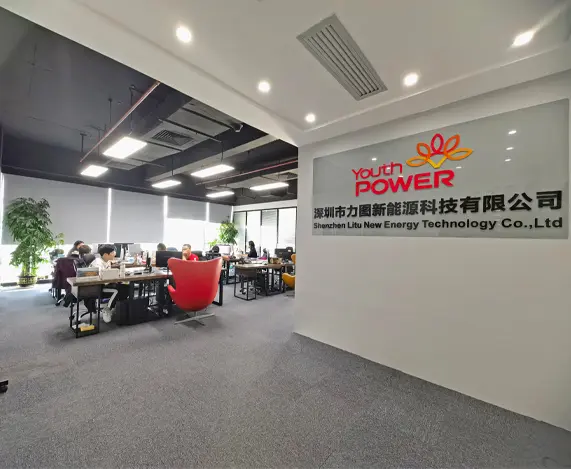
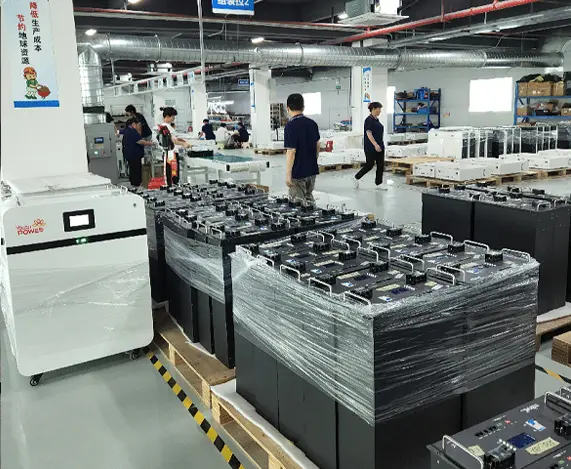
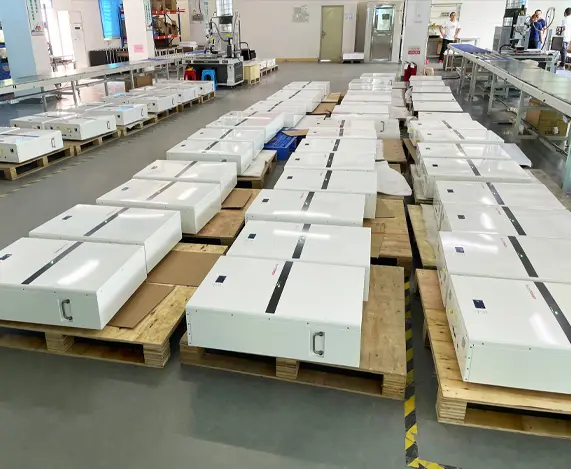
Common technical and sourcing questions for commercial buyers, installers, and project engineers.
Expand your product range with our high-voltage cabinets, portable units, and wall-mounted battery systems.
 YouthPOWER