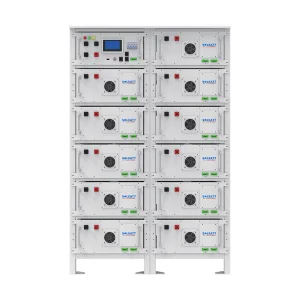
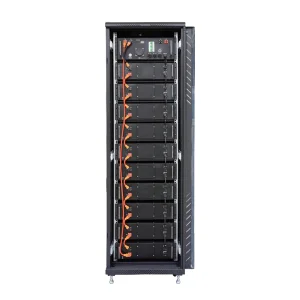
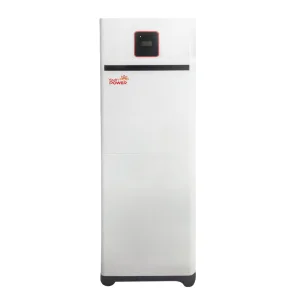
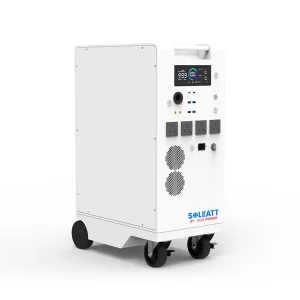
Industrial grade solutions customized to match diverse engineering requirements.
The global energy transition is moving at an unprecedented pace, with Lithium Iron Phosphate (LiFePO4) emerging as the preferred technology for stationary energy storage systems (ESS), microgrids, commercial & industrial (C&I) backup, and residential utility containment. As the search for sustainable, safe, and long-life energy cells intensifies, commercial procurement officers, utility developers, and battery distributors globally look toward China LiFePO4 battery manufacturers. China controls over 80% of the world’s lithium-iron-phosphate processing and battery manufacturing supply chain, making it the strategic hub for sourcing utility-scale and consumer battery storage solutions.
Understanding the industrial structure of Chinese manufacturers, from raw material supply to automated assembly and testing lines, is critical for global entities seeking to purchase high-performance setups. This whitepaper analyzes the competitive environment, efficiency, applications, and pricing strategies that govern modern Chinese suppliers. It outlines key technical frameworks for international purchasers evaluating potential manufacturing partners.
The dominance of Chinese companies in the LiFePO4 sector is not simply a matter of low labor costs. Rather, it is driven by deep vertical integration, proprietary manufacturing techniques, and advanced battery management systems (BMS). Purchasing managers must look beyond unit costs and examine parameters such as cell grade, cycle consistency, certification compatibility (UL, CE, UN38.3), and localized system integration potential.
The structural competitiveness of China's LiFePO4 manufacturers rests on three pillars: upstream vertical integration, high-automation gigafactories, and massive regional industrial clusters. Regions like Guangdong, Jiangsu, and Fujian have developed deep ecosystems where lithium extraction, anode and cathode synthesis, electrolyte formulation, cell packaging, and BMS fabrication take place within a 50-kilometer radius.
Immediate access to local lithium carbonate, iron phosphate, and high-purity synthetic graphite allows factories to insulate pricing from volatile global shipping costs.
Fully automated roll-to-roll slitting, laser welding, vacuum drying, and formation-aging processes minimize human error, ensuring high cell capacity consistency.
Strong domestic engineering networks allow Chinese manufacturers to design, prototype, certify, and scale new cell designs in months rather than years.
Information Gain Perspective: Many overseas buyers believe that cheap cells represent an economic advantage. However, true value lies in the Levelized Cost of Storage (LCOS). Top tier Chinese factories supply Class A cells that support a calendar life of over 10-15 years. This longevity reduces system failures and warranty liabilities, creating a lower total cost of ownership than cheaper, uncertified units.
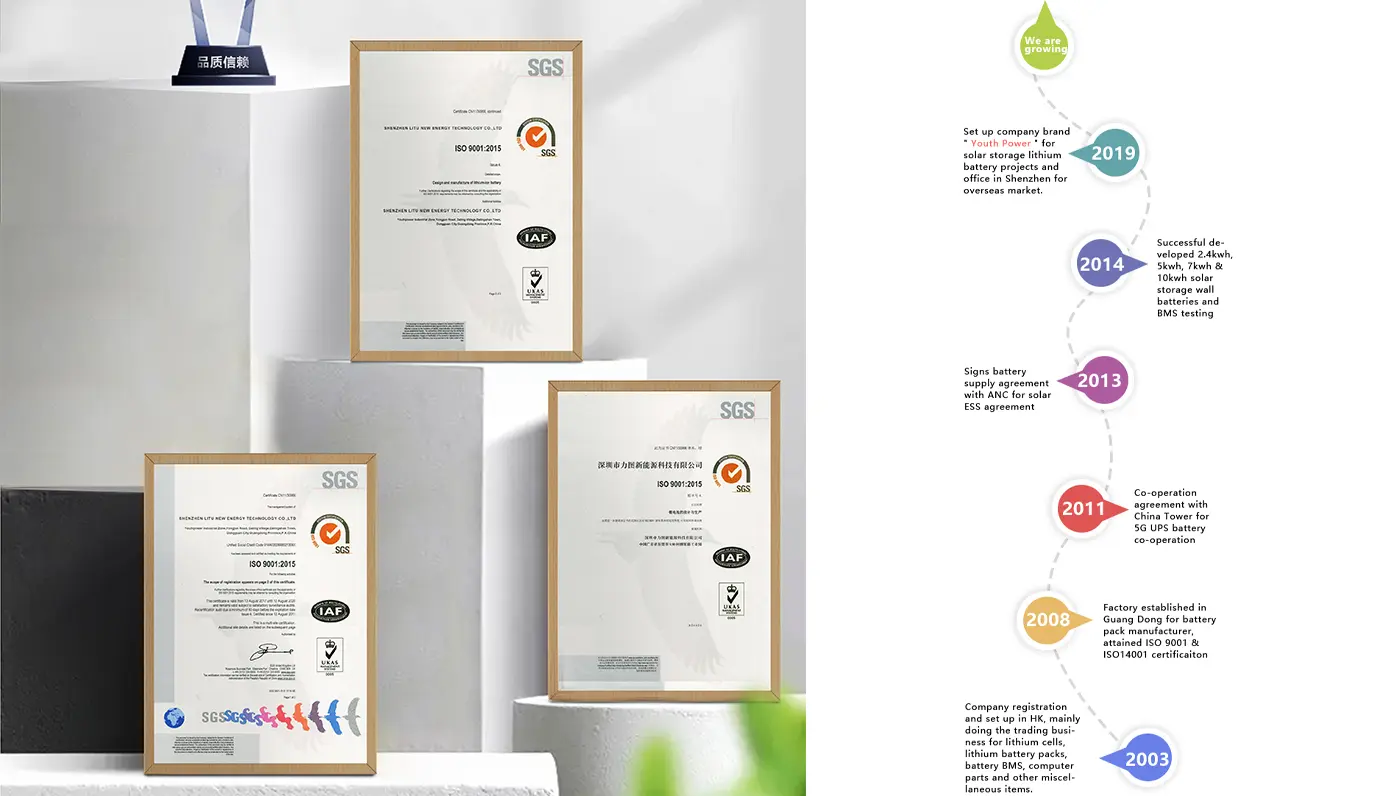
Founded in 2003, YouthPOWER has now become one of the leading suppliers of solar storage lithium batteries in the world. With a broad range of energy storage solutions, it covers a series of 24V, 48V and higher voltage lithium batteries solutions.
YouthPOWER has engaged in the battery technology and production for almost 20 years, with abundant manufacturing experience and strong new product R & D capability. Through many years of hard work and market promotion, we have created our own brand "YouthPOWER" in 2019.
With nearly 20 years’ experience in the battery industry, we have the capability to provide you with both the products you need and the most suitable products you want. We are always ready to supply the first-class products and meet the various needs of the customers.
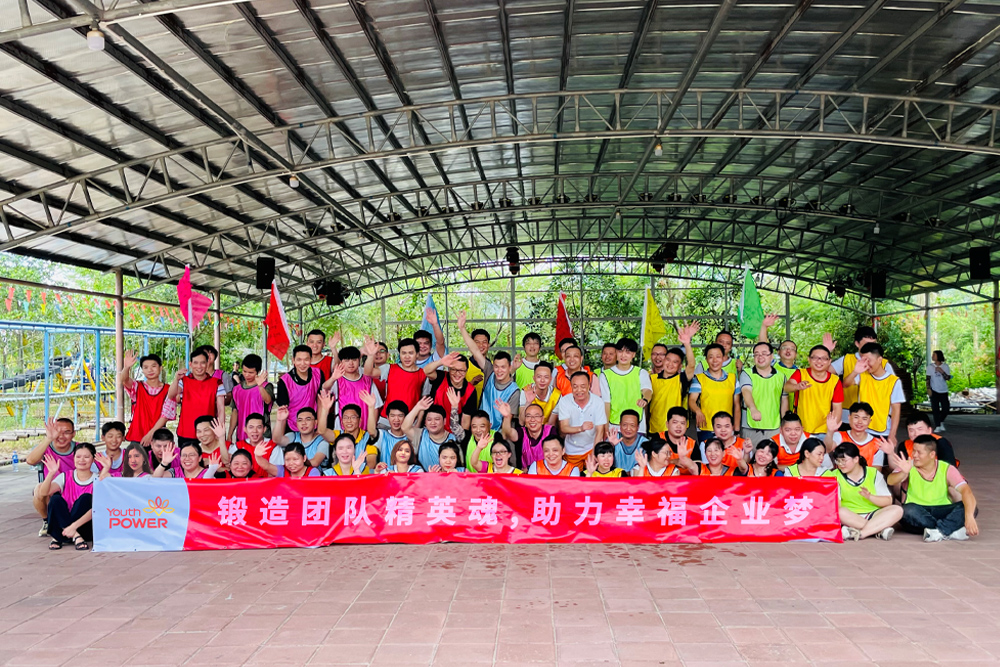
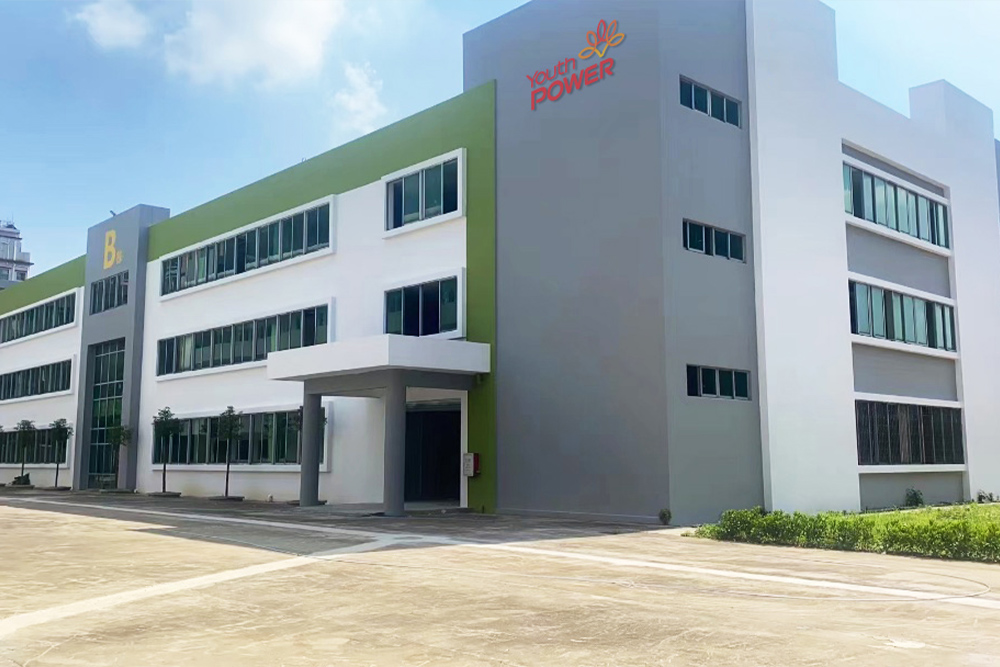
We have established good business relationships with our customers from all over the world. And we have a good cooperation with all our customers as well for many years running. Supported by our local vendors of raw materials, we can certainly offer you the best prices.
We are so proud that YouthPOWER has offered the reliable solar storage solution for over 1,000,000 families now in the world. Our solutions bridge the gap between volatile utility prices and clean, uninterrupted electricity for residential and commercial customers alike.
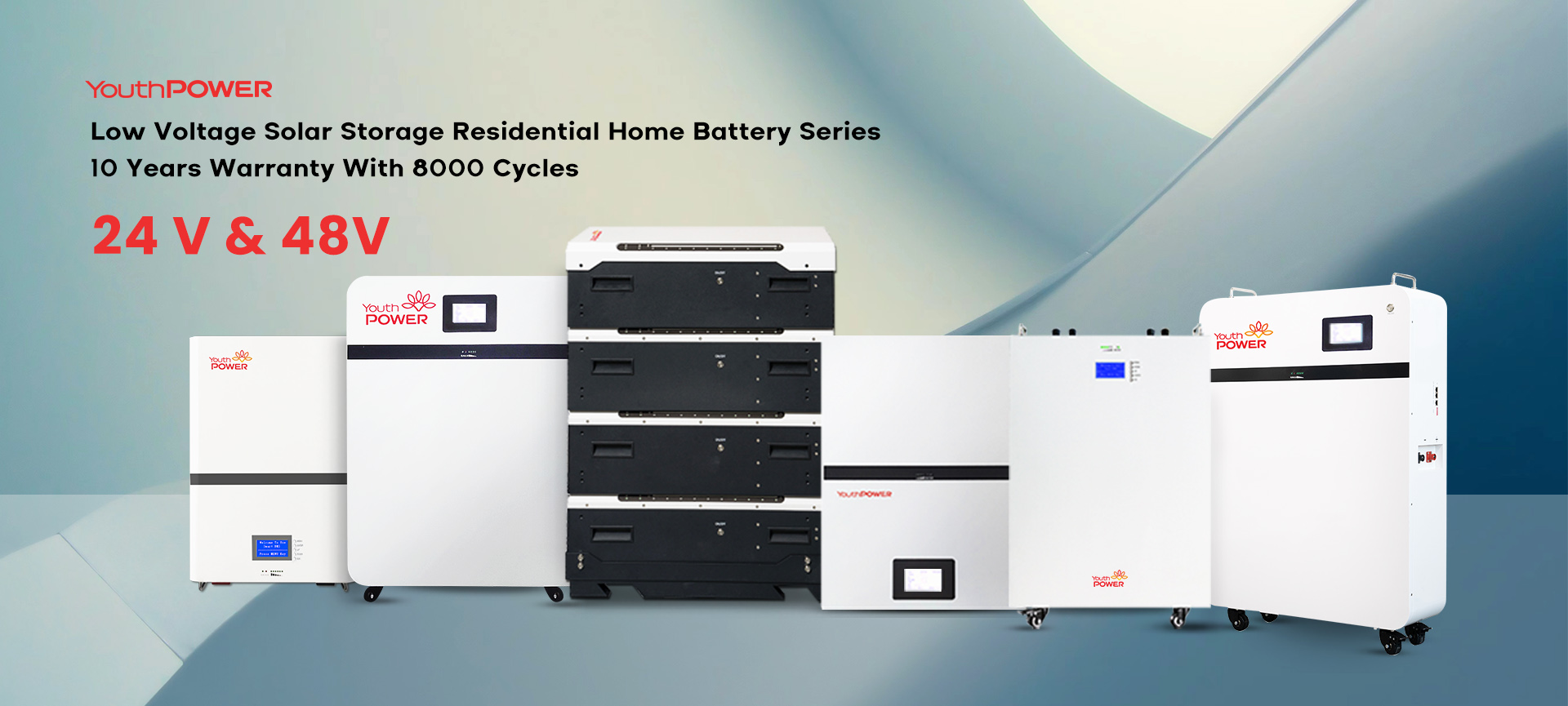
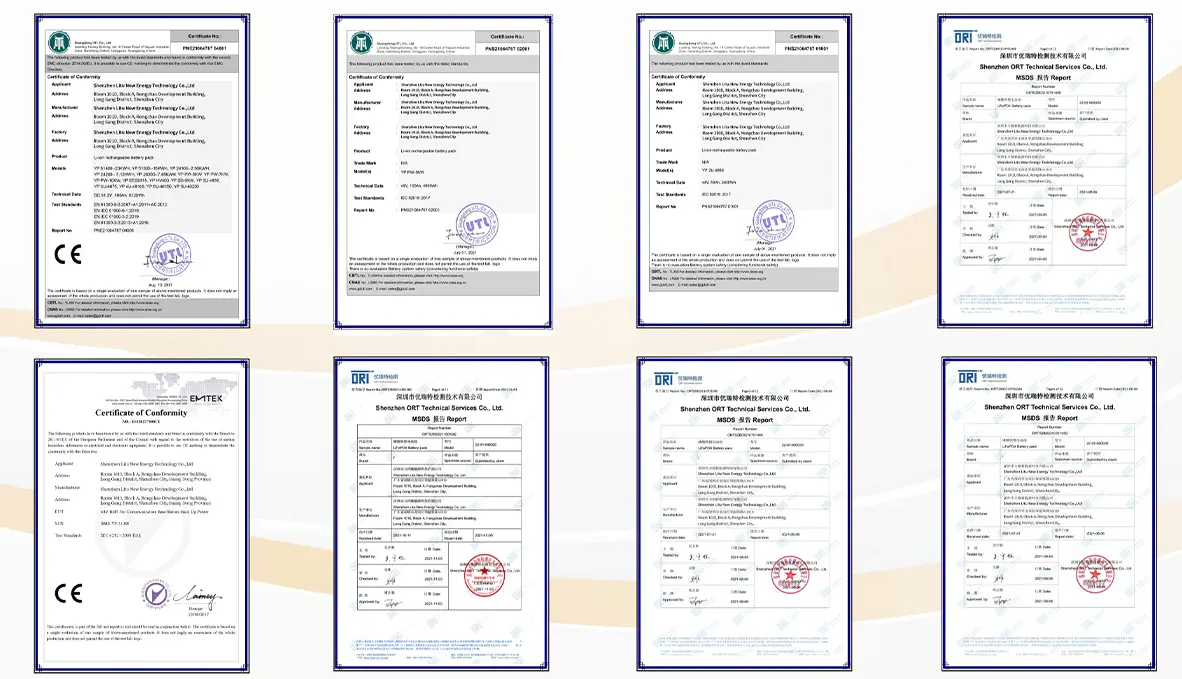
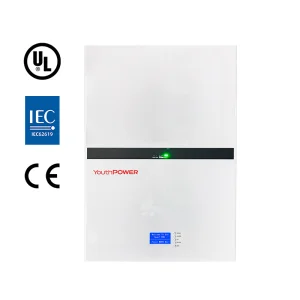
YouthPOWER products are certified to international regulatory and safety standards, ensuring smooth customs clearance and utility grid approval worldwide.
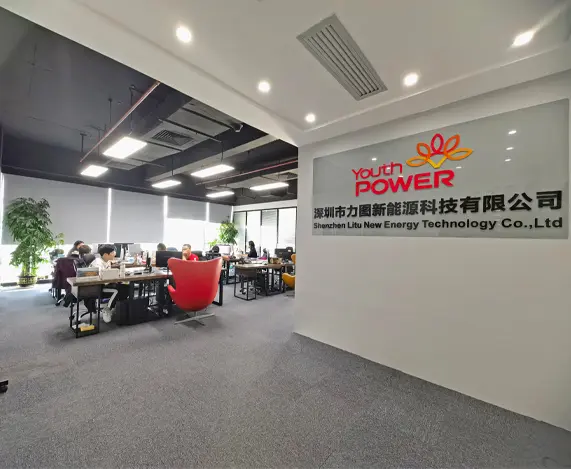
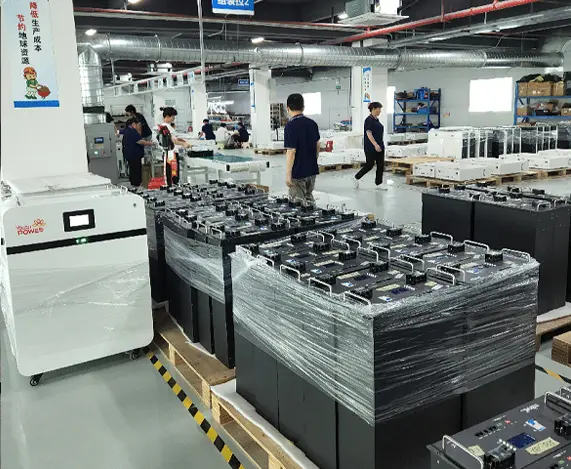
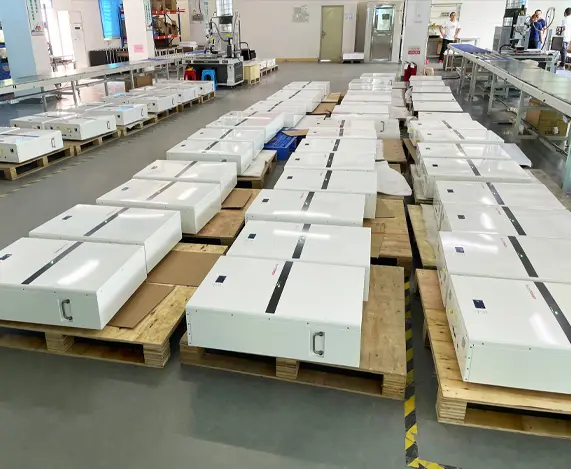
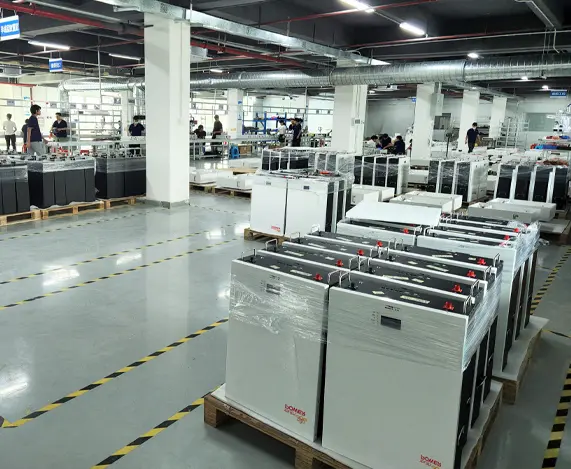
Our journey of innovation, capacity expansion, and technical evolution.
Selecting a factory involves evaluating deep technical parameters that dictate battery efficiency, longevity, and thermal stability. While standard sales sheets show general voltage and capacity ratings, industrial buyers must scrutinize cell structure, balance currents, thermal management, and BMS interfaces.
| Technical Metric | Standard Tier Specifications | YouthPOWER High-Tier Specs | Significance for Global Procurement |
|---|---|---|---|
| Cell Classification | Grade B or Retested Grade A- | 100% Brand New Grade A EV Cell | Determines degradation rate and prevents system unbalance. |
| Cycle Lifetime | 3000 – 4000 cycles (80% DoD) | 6000 – 8000 cycles (80% DoD) | Directly impacts levelized cost of energy storage over 10 years. |
| BMS Protection | Passive balancing (30mA – 50mA) | Active balancing (1A – 5A optional) | Protects cells from over-charge, over-discharge, and hot spots. |
| Communication Protocol | RS485 / CAN (Basic compatibility) | CAN, RS485, RS232, custom protocols | Ensures plug-and-play operation with world-leading hybrid inverters. |
| Thermal Runaway Threshold | Around 220°C - 250°C | Up to 270°C - 300°C | Ensures the core is safe from fires during high-load charges. |
High-voltage cabinet systems demand precision engineering because minor cell voltage imbalances scale up over serial configurations. This imbalance can cause partial capacity lockouts, limiting the usability of the system. Choosing cells from production lines with strict internal resistance (IR) matching is essential.
Understanding the core pricing dynamics of Chinese manufacturers helps procurement officers negotiate contracts and optimize total costs. The cost per kilowatt-hour (USD/kWh) of finished LiFePO4 packs is determined by several variables:
Industrial pricing typically scales by volume. High-volume buyers can secure direct factory prices. To protect buyers from price fluctuations, factories often offer rolling quarterly pricing models linked directly to index raw material costs.
LiFePO4 battery architectures are used across residential, commercial, utility, and portable applications. Identifying your deployment scenario helps define the required technical parameters:
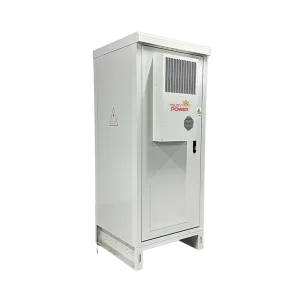
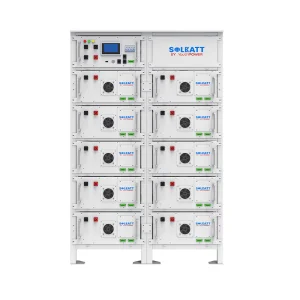
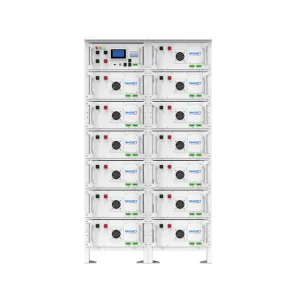
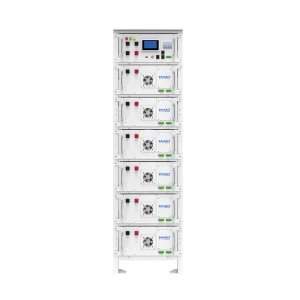
High-voltage battery cabinets (such as 358V or 512V cabinet configurations) store power during low-demand hours. This power is released during high-demand peaks, reducing utility expenses for factories and commercial facilities.
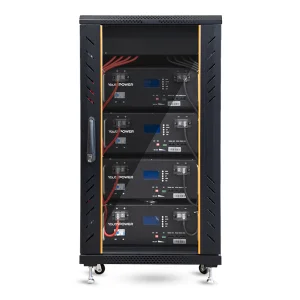
In rural communities, islands, or remote industrial areas, low and high-voltage rack setups work alongside solar arrays to provide stable electricity without relying on expensive diesel generators.
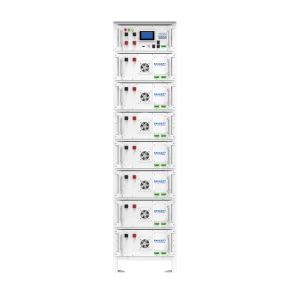
Modular 48V rack batteries act as Uninterruptible Power Supplies (UPS). They ensure telecommunication towers and data centers remain online during blackouts, operating reliably even at high temperatures.
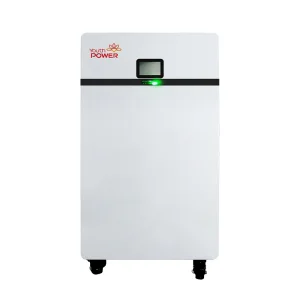
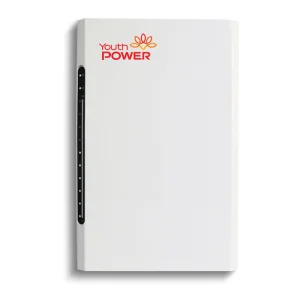
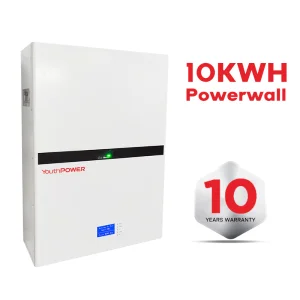
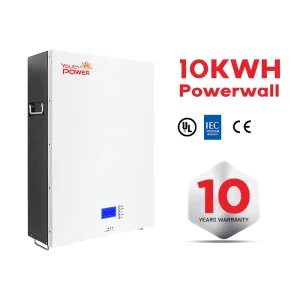
For residential use, plug-and-play stackable storage systems and wall-mounted setups provide emergency power backup and help optimize time-of-use tariffs. This makes solar energy accessible and cost-effective for households.
The LiFePO4 sector is evolving rapidly to improve energy density, system safety, and overall value. The industry is currently moving toward next-generation battery designs and smarter management platforms:
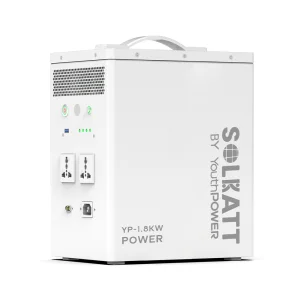
From portable backup devices to high-voltage industrial battery systems.
 YouthPOWER