Explore our premium factory-direct LiFePO4 solutions, featuring advanced BMS protection and certified compliance architectures.
Uncovering the macro-economic and engineering forces driving global transitions to LFP solar storage.
Global commercial entities are prioritizing LiFePO4 over ternary lithium chemistries. LFP's high thermal runaway threshold (up to 270°C) mitigates risk profiles for large-scale operations and dense residential installations, satisfying strict local fire-protection mandates.
Modern B2B buyers calculate Levelized Cost of Storage (LCOS) over a 6000+ cycle timeline. Direct-to-factory partnerships reduce initial capital expenditures while maximizing long-term energy density and utilization capabilities.
Modern hybrid solar storage plants require grid-interactive protocols. Factories now integrate smart, dual-communication BMS architecture compatible with major global inverter brands like SMA, Victron, and Growatt.
Engineered systems built to support peak shaving, micro-grid redundancy, and uninterrupted heavy-industry functions.
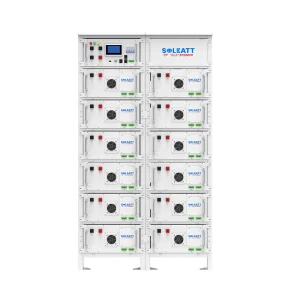
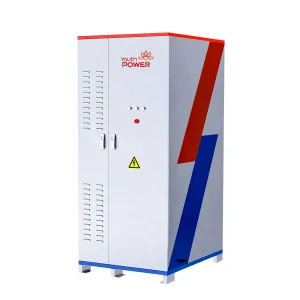
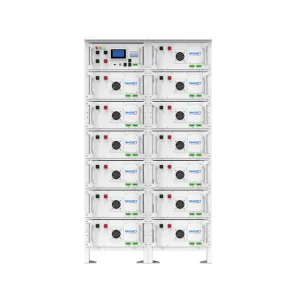
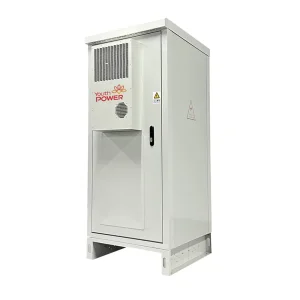
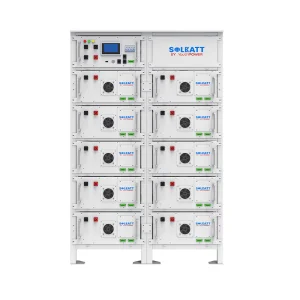
For modern business installations, scaling battery packs linearly is no longer sufficient. High-capacity operations require complete, turnkey High-Voltage Battery Storage Solutions (typically 400V to 800V DC). Our high-voltage solutions (such as our 172KWH 614V and 85KWH BESS Cabinets) reduce copper loss, optimize system efficiency, and allow seamless connection with commercial inverters.
These modular container systems come equipped with HVAC systems, automatic aerosol fire suppression units, and central smart energy management system controllers (EMS) that balance charge profiles across hundreds of individual LFP cells.
Primary Application Scenarios: Peak shaving, load shifting, diesel generator replacement, utility grid ancillaries, and EV fast-charging support.
Leveraging two decades of battery production expertise and global technological expansion.
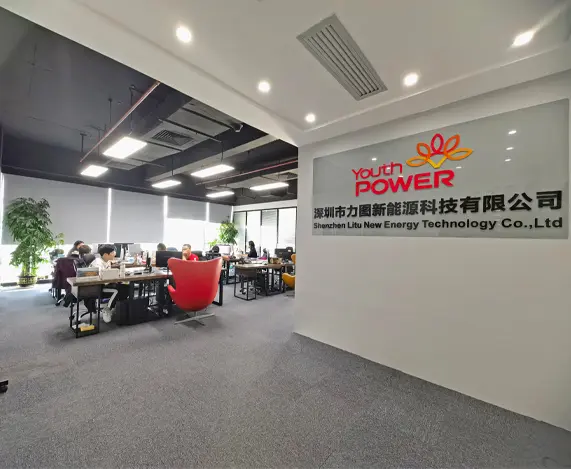
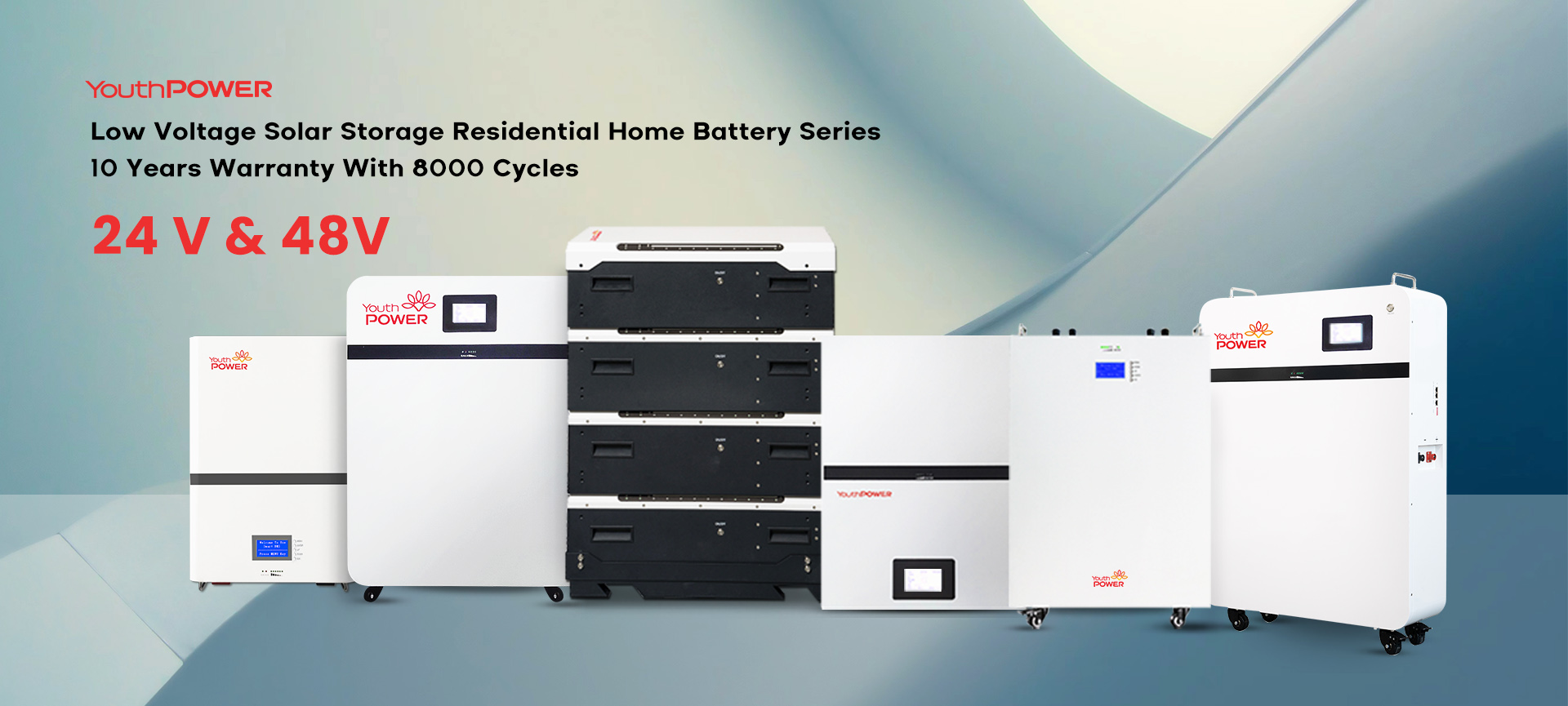
Founded in 2003, YouthPOWER has now become one of the leading suppliers of solar storage lithium batteries in the world. With a broad range of energy storage solutions, it covers a series of 24V, 48V and higher voltage lithium batteries solutions.
YouthPOWER has engaged in the battery technology and production for almost 20 years, with abundant manufacturing experience and strong new product R & D capability. Through many years of hard work and market promotion, we have created our own brand "YouthPOWER" in 2019.
With nearly 20 years’ experience in the battery industry, we have the capability to provide you with both the products you need and the most suitable products you want. We are always ready to supply the first-class products and meet the various needs of the customers.
We have established good business relationships with our customers from all over the world. And we have a good cooperation with all our customers as well for many years running. Supported by our local vendors of raw materials, we can certainly offer you the best prices.
We are so proud that YouthPOWER has offered the reliable solar storage solution for over 1,000,000 families now in the world.
Began as a dedicated battery manufacturing facility, focusing on specialized applications and chemical engineering optimization.
Pivoted R&D focus toward LiFePO4 chemical formulations to secure higher cycle longevity and enhanced thermal safety profile.
Consolidated export business and launched the official "YouthPOWER" global energy storage systems (ESS) line.
Pioneering high-voltage commercial container systems and low-voltage residential backup batteries across all continents.
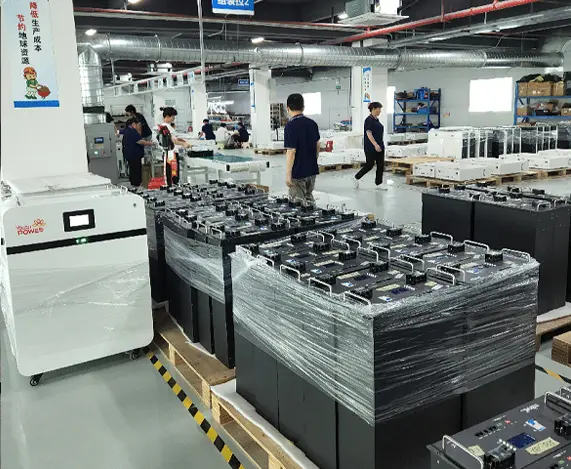
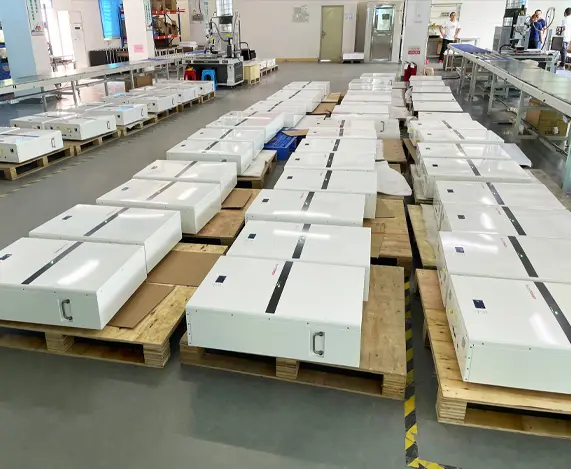
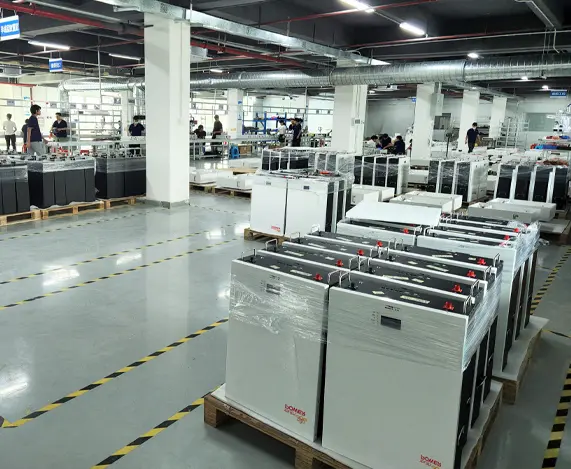
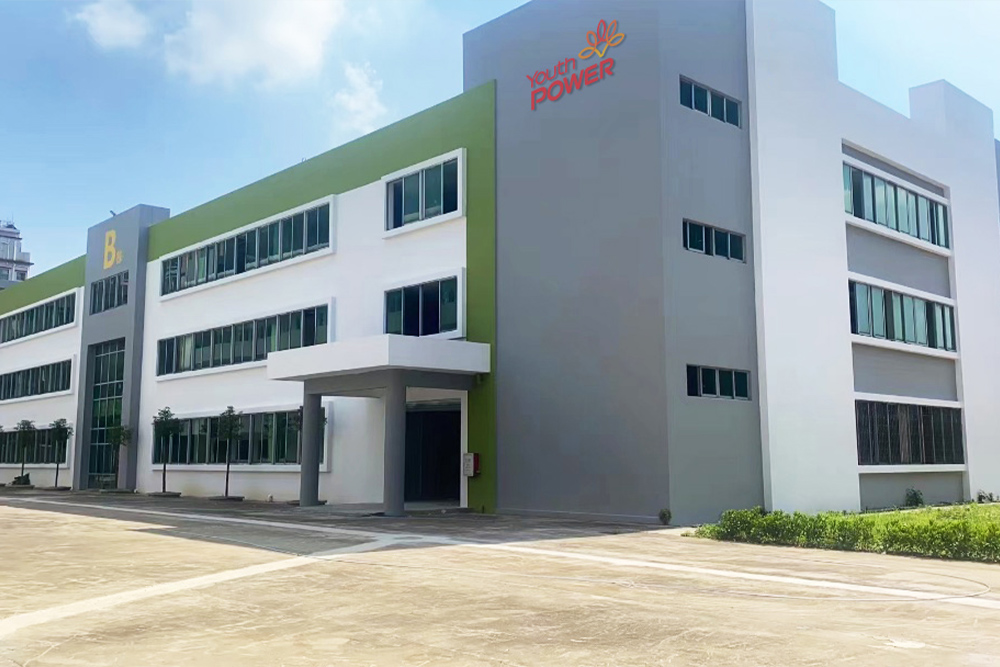
A look inside our state-of-the-art LFP manufacturing plants and packaging hubs.
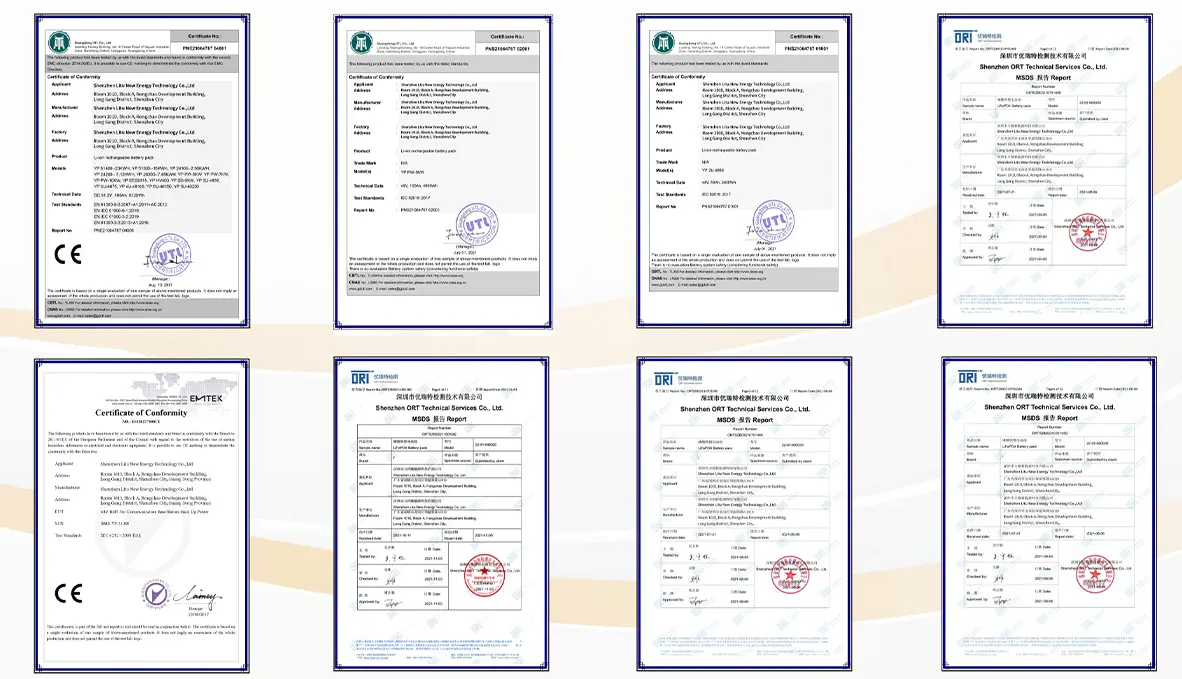
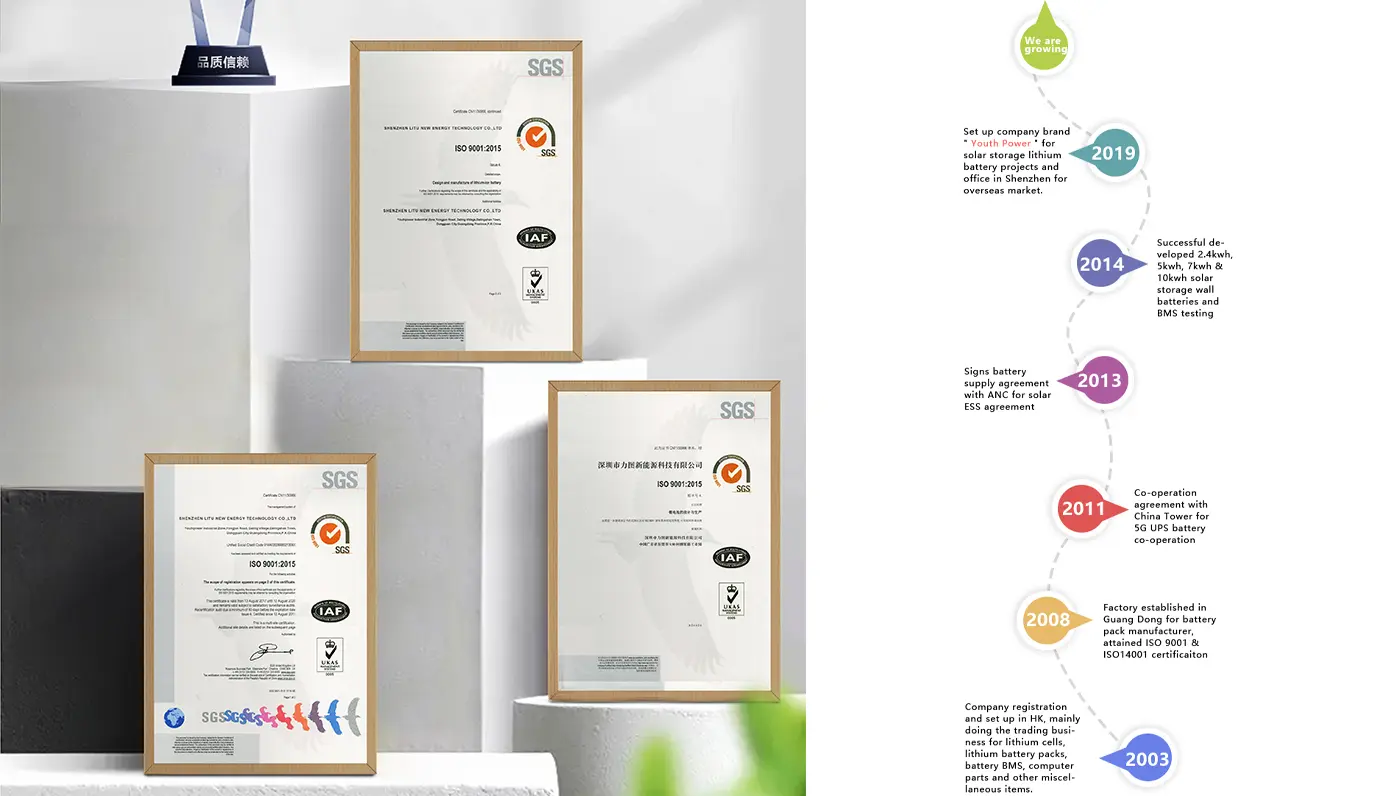
Safeguarding industrial investments with validated international certifications and end-to-end traceabilities.
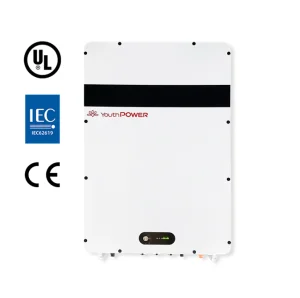
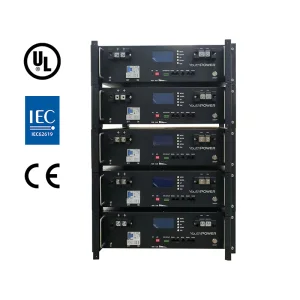
Every single model in our catalogue undergoes thorough compliance tests. We satisfy safety regulations worldwide, including IEC 62619, UL 1973, CE, UN 38.3, and MSDS. This ensures compliance with local grids and fast-tracks the approval of corporate insurance policies.
Our systems feature robust control loops and active balancing algorithms. They continuously monitor system temperatures, detect micro-shorts, and log historical cell cycles. Operators can access live telemetry remotely through RS485, CAN, or Modbus connections.
From initial calculations of load capacity requirements to sizing of multi-inverter configurations, our factory-trained engineering group provides full support. This minimizes installation timelines and reduces overall startup costs.
A forward-looking analysis of next-generation chemical structures and smart integrations.
Over the next five years, LFP manufacturers are targeting the transition toward semi-solid and solid-state configurations. This modification will help address current limitations in energy density without sacrificing LFP’s safety profile, allowing commercial and residential systems to pack more energy into smaller, lighter enclosures.
Next-generation battery management systems will integrate predictive AI algorithms directly into local edge units. By monitoring real-time impedance and analyzing minute voltage fluctuations, these systems can forecast cell degradation, flag potential issues, and adjust operating parameters to extend operational lifetime by up to 20%.
Future BESS designs must support virtual power plants (VPP) and vehicle-to-grid (V2G) applications. Future YouthPOWER batteries are designed to seamlessly integrate with municipal utilities, dynamically dispatching stored energy in response to real-time pricing signals and supporting grid stability during periods of peak demand.
Quick answers to common questions about factory sourcing, technical specifications, and battery integration.
A: LiFePO4 (LFP) offers a superior safety profile, with a higher thermal runaway threshold and minimal risk of oxygen release. Additionally, LFP delivers over 6,000 charge cycles at 80% Depth of Discharge (DoD), whereas NCM batteries typically degrade after 1,500 to 2,000 cycles. This difference makes LFP systems much more cost-effective over their operational lifetime.
A: High-voltage systems (e.g., 400V–600V BESS) reduce the current levels required to deliver equivalent power. Lower current translates to reduced thermal losses, smaller cable size requirements, and improved round-trip efficiency. High-voltage setups are ideal for larger commercial projects, while 48V configurations remain popular for residential applications.
A: Yes. YouthPOWER BMS systems feature integrated RS485, CAN, and Modbus communication protocols. They are pre-programmed for compatibility with leading inverter brands, including SMA, Victron Energy, Growatt, Deye, and Solis, ensuring quick plug-and-play installation.
A: Our products carry CE, UN 38.3, MSDS, IEC 62619, and UL 1973 certifications. These ensure compliance with strict international safety and transport regulations, helping clear municipal inspection requirements and facilitating project financing.
A: We use automated sorting and capacity-matching systems to group cells with nearly identical voltage, internal resistance, and capacity profiles. This is supported by our integrated smart BMS, which manages cell balancing during charge and discharge cycles to maximize lifespan.
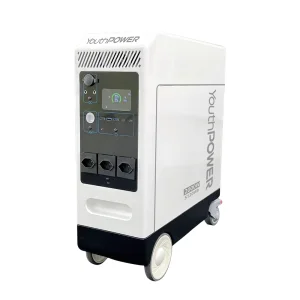
Complete BESS cabinets, high-voltage banks, and portable energy solutions for resilient power systems.
 YouthPOWER