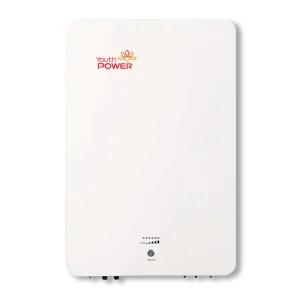
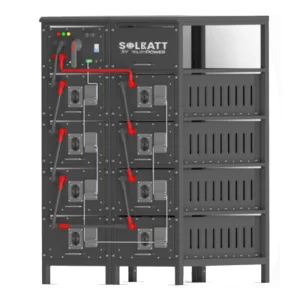
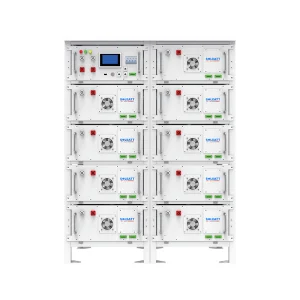
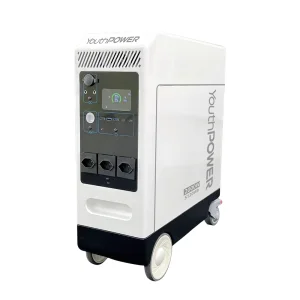
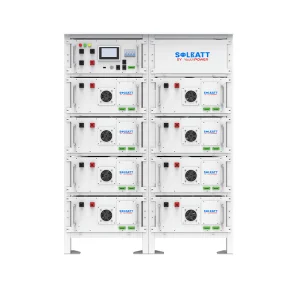
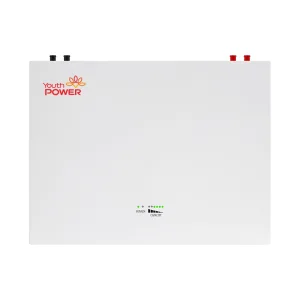
Explore our Tier-1 engineering certified solar battery modules. Ready for container-load global export.
The global shift toward zero-emission grid structures has highlighted the volatility of renewable resources like solar photovoltaic (PV) systems. Since solar energy generation peaks mid-day while consumer demand peaks during the morning and evening, the need for sophisticated, large-scale Battery Energy Storage Systems (BESS) has risen exponentially. Commercial enterprises, utility providers, and manufacturing operations are seeking relationships directly with solar battery factories to optimize efficiency and guarantee continuous power.
Sourcing directly from advanced manufacturing companies is no longer just a way to save money—it is a key strategic decision. By avoiding middle-tier distribution markups, purchasing departments can work directly with factory engineers to build systems with specific chemistry profiles, tailored Battery Management Systems (BMS), and targeted thermal management layouts designed for their local climates.
The concentration of raw material refinement, cell fabrication, and packaging assemblies makes Chinese battery factories critical partners for major solar power projects. The key advantage lies in vertical integration. From basic lithium iron phosphate (LiFePO4) cell manufacturing to smart thermal management and advanced digital BMS integration, every step of the process is handled in-house. This complete control helps minimize production lag and keep assembly lines moving efficiently.
Furthermore, sourcing raw materials locally within China's industrial zones dramatically reduces shipping costs. Because major components like lithium salts, anodes, cathodes, and separators are produced nearby, shipping and handling expenses are kept to a minimum. This logistical network allows factories to pass significant cost savings down to international buyers without compromising structural design quality.
Using automated grading to match capacity, internal resistance, and voltage down to extremely tight tolerances. This helps prevent early cell imbalance and significantly extends the overall cycle life of the battery bank.
Equipped with dual CAN/RS485/Modbus communication modules that interface smoothly with leading hybrid inverters. This system supports real-time state-of-charge (SoC) calculations and comprehensive cell monitoring.
Designed with integrated liquid cooling or forced-air systems to manage heat. Combined with mechanical pressure release valves and built-in aerosol fire-suppression units, the systems prevent thermal runaway risks.
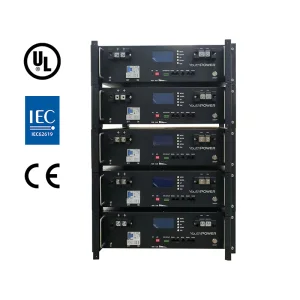
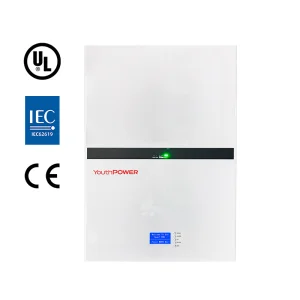
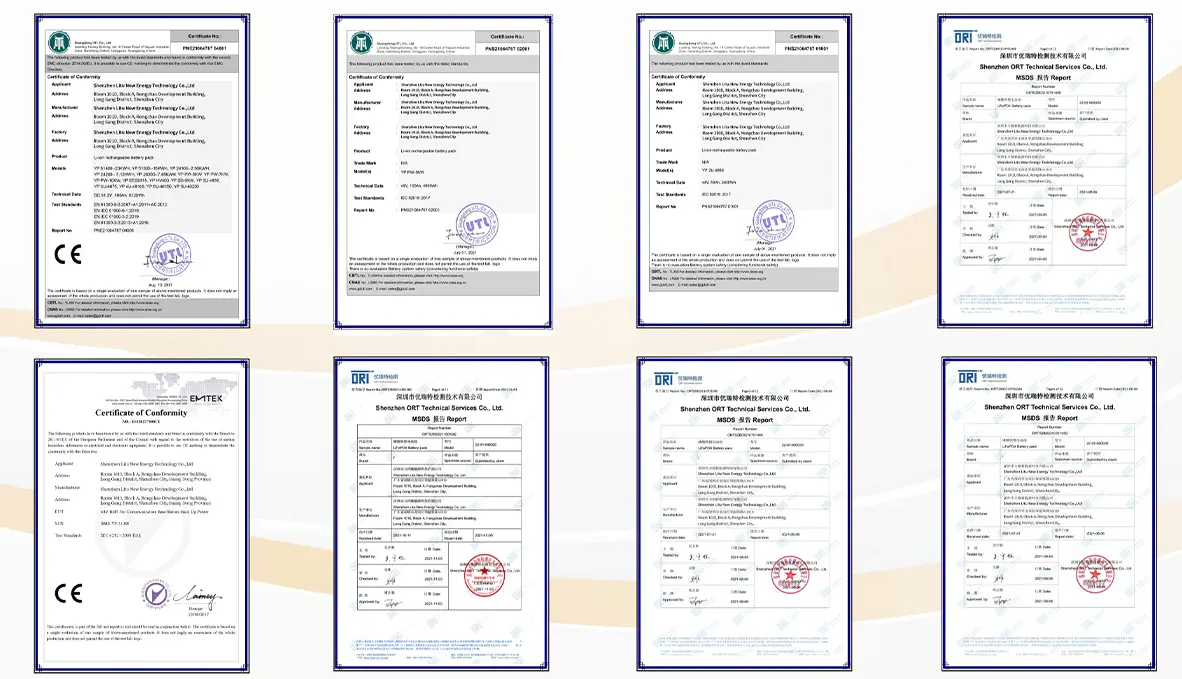
When selecting a solar power factory, verifying compliance with international safety and performance standards is crucial. Industrial installations in North America, Europe, and Australia must comply with strict grid-tie and fire safety regulations. Partnering with a factory that proactively holds certifications such as UL 1973, UL 9540A, CE, IEC 62619, and UN38.3 is essential for smooth permitting and project approval.
The UL 9540A test standard is particularly important. It evaluates potential thermal runaway behaviors at the cell, module, and cabinet levels. Choosing systems certified by these protocols simplifies negotiations with insurance providers and streamlines local structural approvals, helping projects move from delivery to operation without delay.
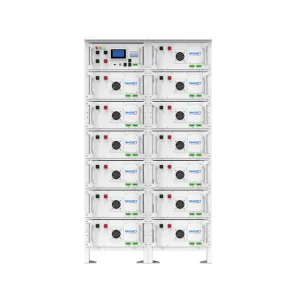
Modern solar storage applications extend far beyond residential wall batteries. Utility grids, off-grid industrial mining projects, data centers, agricultural cooperatives, and charging networks require highly scalable energy storage systems. High-voltage series layouts allow for the design of systems ranging from 100KWH cabinets to multi-megawatt container configurations.
Operating at higher voltages reduces current flows throughout the system. This design choice minimizes power loss from heat, allows for thinner copper cabling, and improves round-trip efficiency (RTE) up to 95%. In commercial peak-shaving applications, these efficiency gains translate directly to faster payback periods and a lower Levelized Cost of Storage (LCOS).
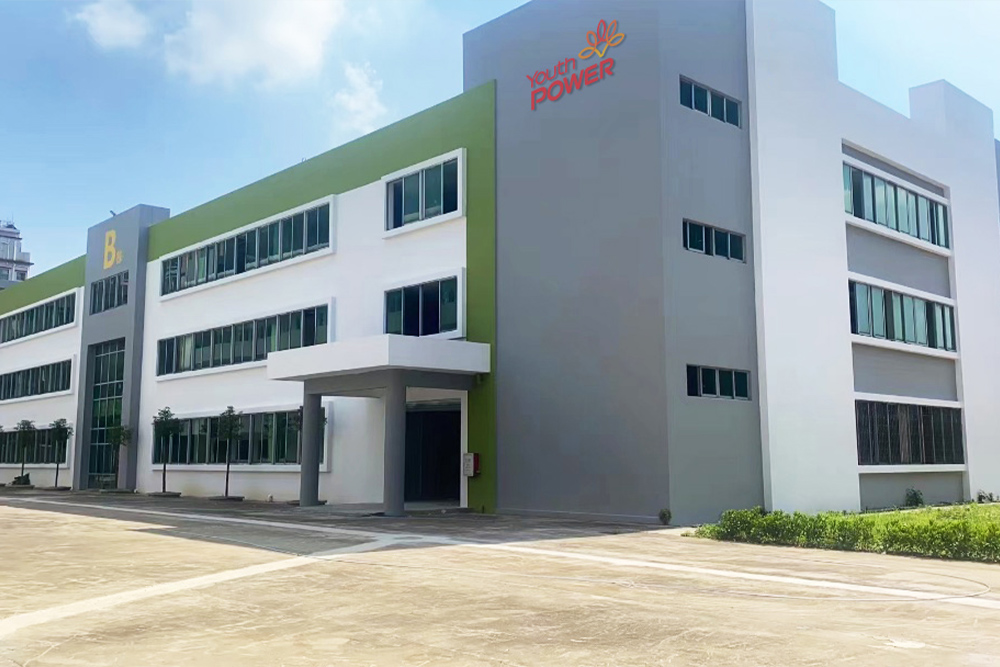
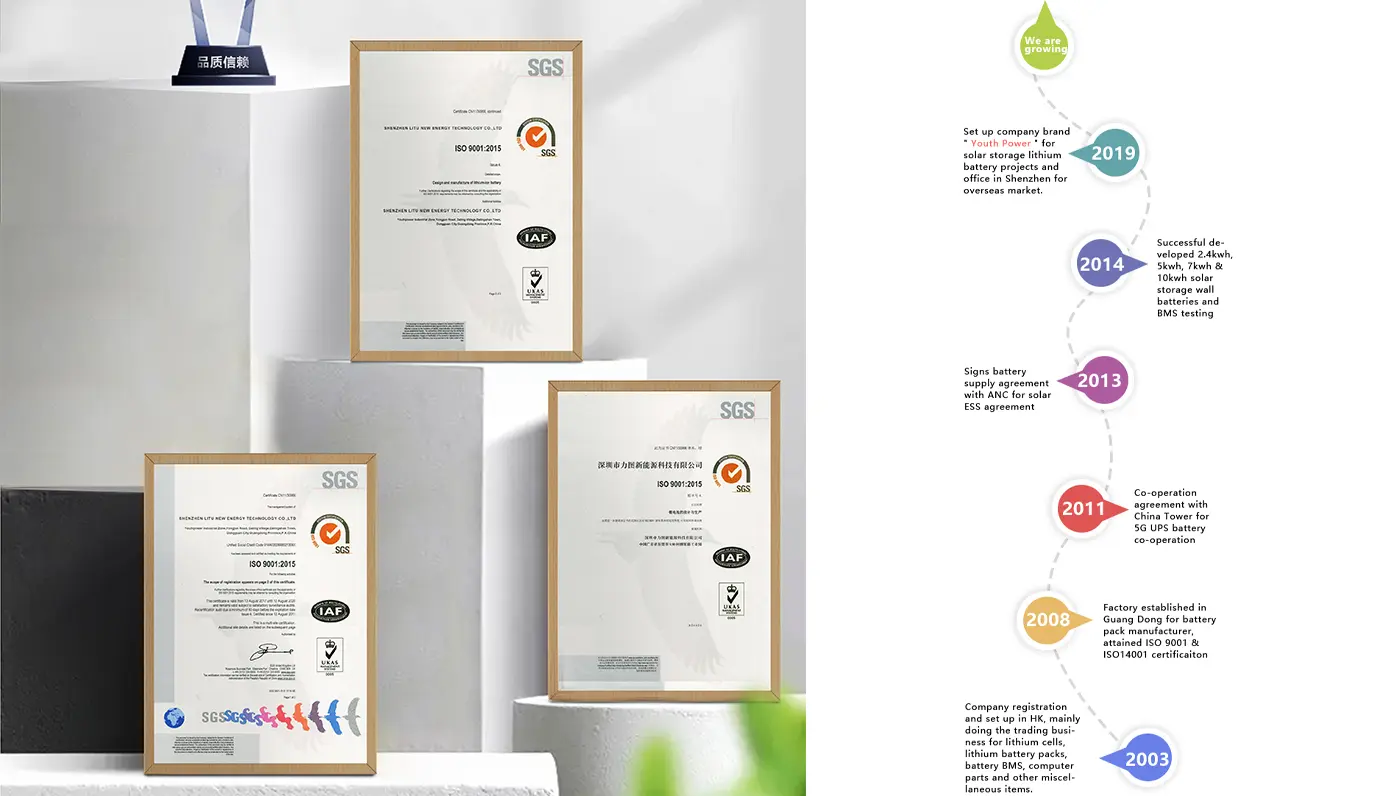
Founded in 2003, YouthPOWER has now become one of the leading suppliers of solar storage lithium batteries in the world. With a broad range of energy storage solutions, it covers a series of 24V, 48V and higher voltage lithium batteries solutions.
YouthPOWER has engaged in the battery technology and production for almost 20 years, with abundant manufacturing experience and strong new product R & D capability. Through many years of hard work and market promotion, we have created our own brand "YouthPOWER" in 2019.
With nearly 20 years’ experience in the battery industry, we have the capability to provide you with both the products you need and the most suitable products you want. We are always ready to supply the first-class products and meet the various needs of the customers.
We have established good business relationships with our customers from all over the world. And we have a good cooperation with all our customers as well for many years running. Supported by our local vendors of raw materials, we can certainly offer you the best prices.
We are so proud that YouthPOWER has offered the reliable solar storage solution for over 1,000,000 families now in the world.

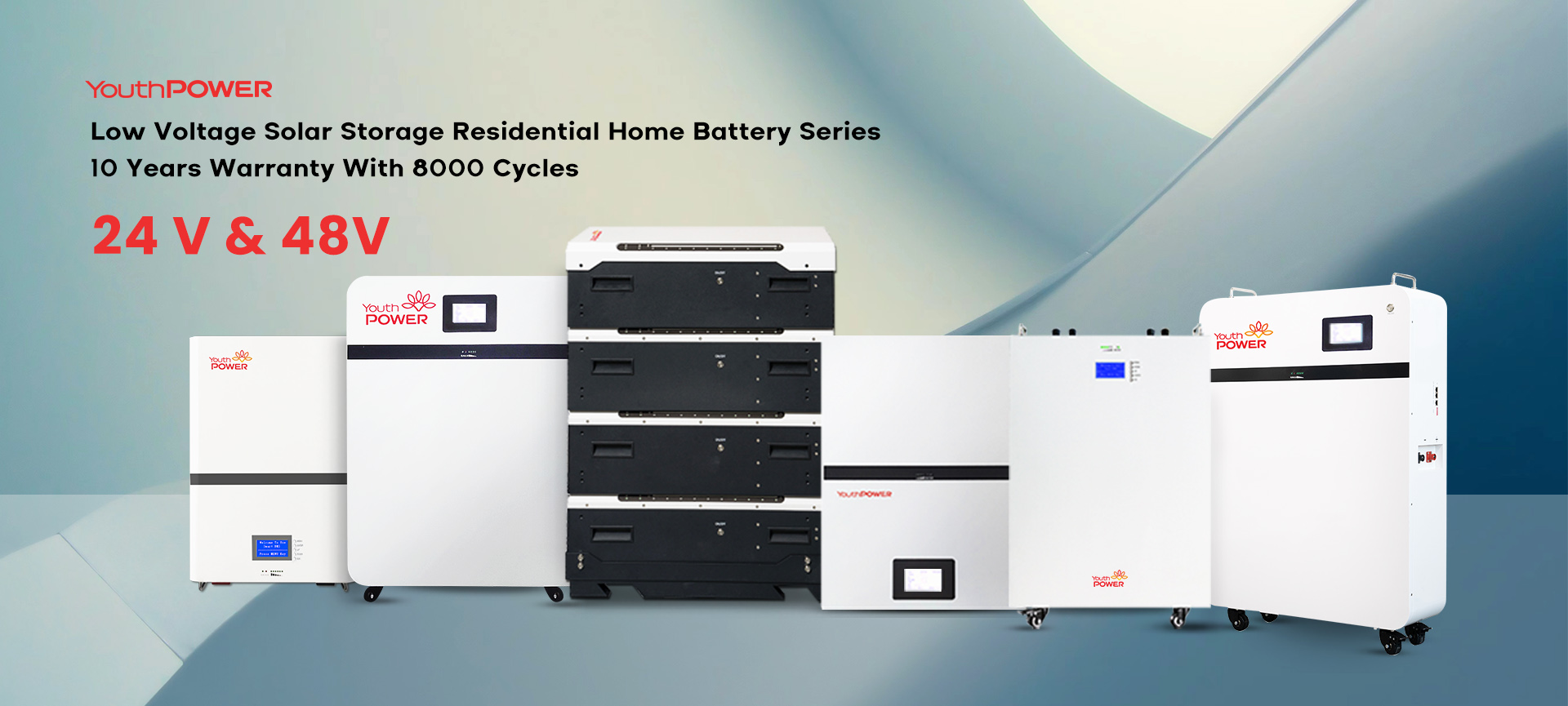
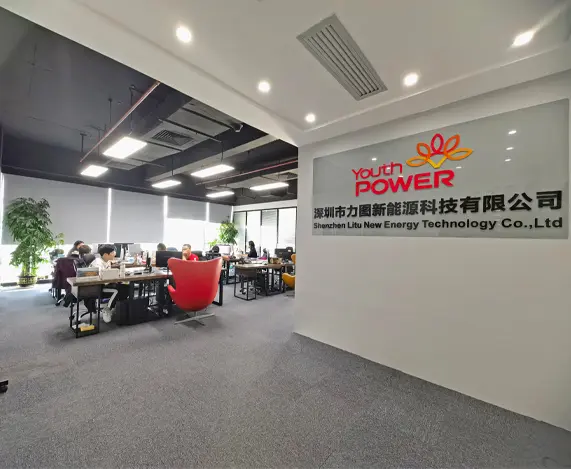
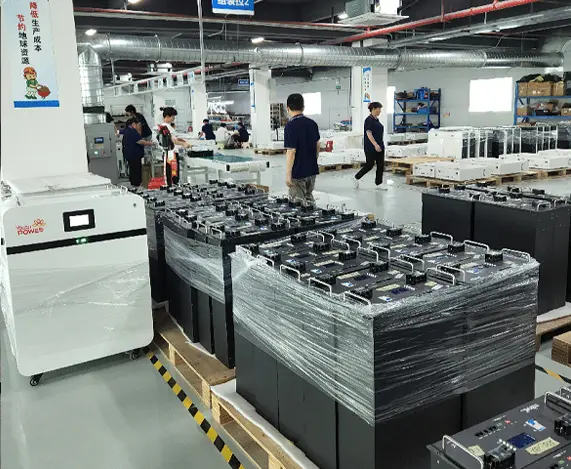
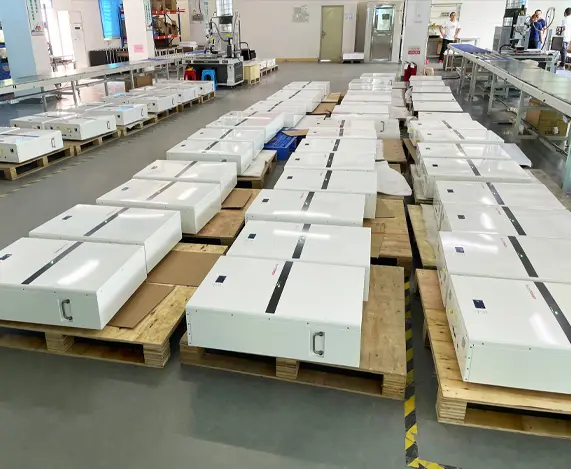
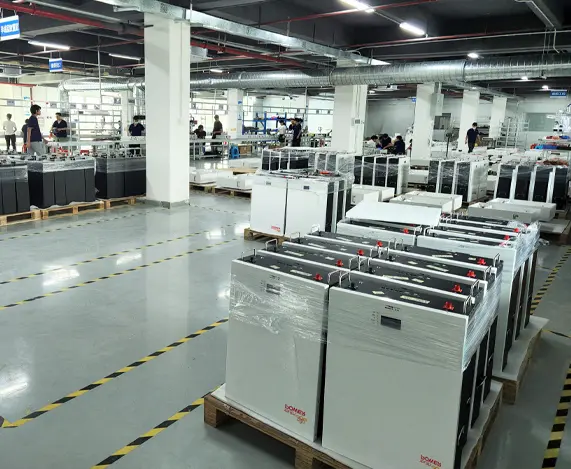
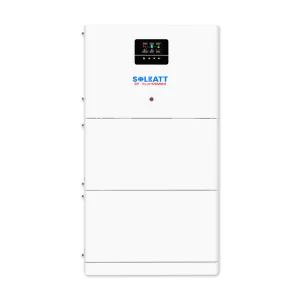
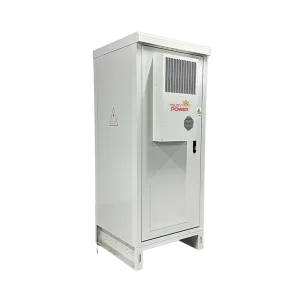
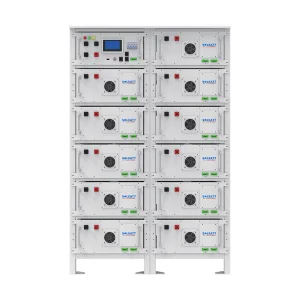
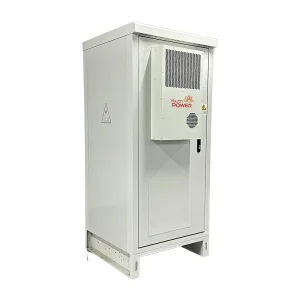
Engineered for scalability. Featuring commercial-grade high-voltage battery cabinets and mobile power units.
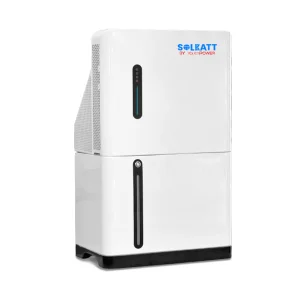
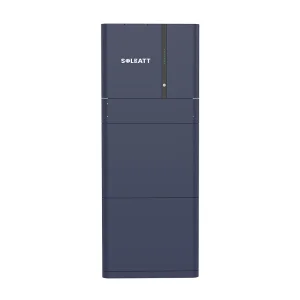
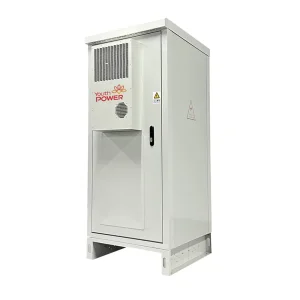
Procuring commercial solar power supplies involves several key technical metrics. Rather than focusing only on upfront capacity costs ($/kWh), sourcing teams evaluate long-term cost benefits. Calculating the Levelized Cost of Storage (LCOS) is vital for understanding total investment returns. This calculation factors in initial purchase price, operational maintenance costs, cell degradation rates, round-trip efficiency (RTE), and expected cycle life.
Battery chemistry also plays a critical role in system lifespan and safety. Although Nickel Manganese Cobalt (NMC) configurations offer high energy density, Lithium Iron Phosphate (LiFePO4) has become the standard for stationary energy storage due to its exceptional thermal stability and long cycle life, often exceeding 6,000 cycles at 80% Depth of Discharge (DoD).
The solar storage sector is evolving rapidly. Future grid developments will rely on smart systems that combine battery hardware with cloud-based Energy Management Software (EMS). These systems will monitor weather patterns, grid rates, and historical building usage to optimize when to store, use, or sell energy back to the grid. In addition, advancements in cell chemistry, such as semi-solid-state designs, are expected to further improve energy density and safety in the coming years.
By establishing direct partnerships with advanced solar battery factories today, procurement managers can ensure access to these emerging technologies. Working closely with factory development teams allows buyers to integrate new software platforms and updated hardware designs into their systems as they become available, keeping their operations ahead of changing energy demands.
Sourcing directly from a factory offers significant cost savings by avoiding middle-tier distribution markups. It also allows for direct collaboration with engineering teams to customize battery configurations, select specific BMS communication protocols, and ensure access to top-grade (Tier-1) cells with documented batch reports.
High-voltage (HV) systems (typically above 100V up to 800V) reduce operational currents for a given power level. Lower currents result in reduced heat generation, higher round-trip efficiency, and allow the use of thinner, less expensive cabling. They are ideal for large commercial installations, whereas low-voltage (48V) systems are generally suited for residential applications.
For North America, key certifications include UL 1973 (for battery packs) and UL 9540 (for integrated systems), along with UL 9540A thermal runaway testing. For Europe, batteries must carry the CE mark and comply with IEC 62619, EN 61000, and RoHS guidelines. All battery shipments globally require a UN38.3 test report for transport safety.
High-quality LiFePO4 cells are generally rated for 6,000 complete charge/discharge cycles at 80% Depth of Discharge (DoD) before their capacity drops to 80% of its original rating. Under normal daily cycling conditions, this translates to an operational lifespan of 15 to 20 years.
 YouthPOWER