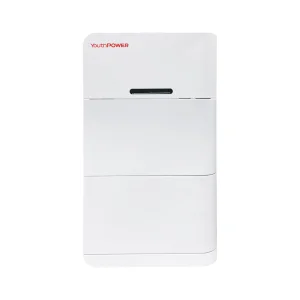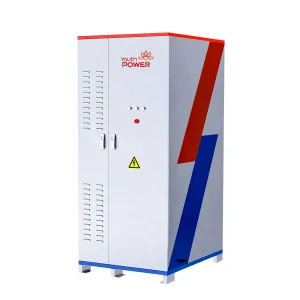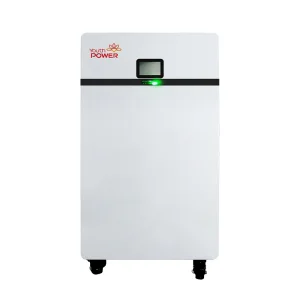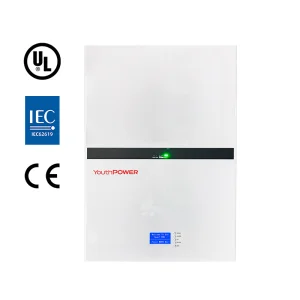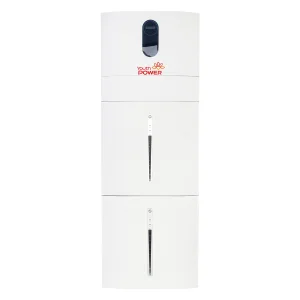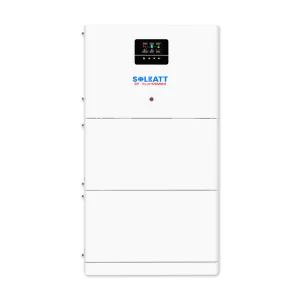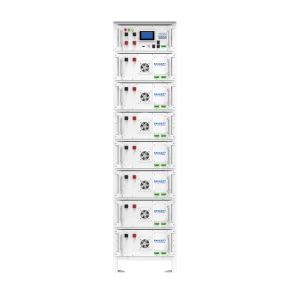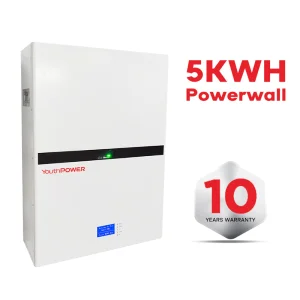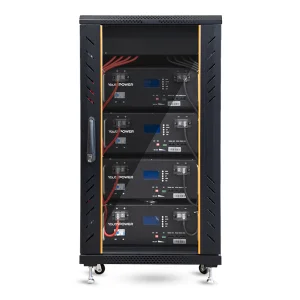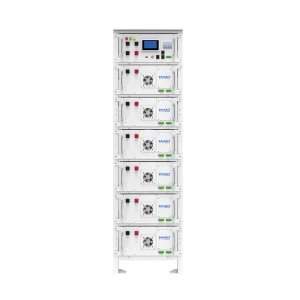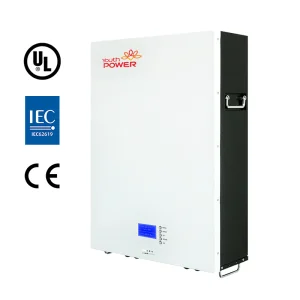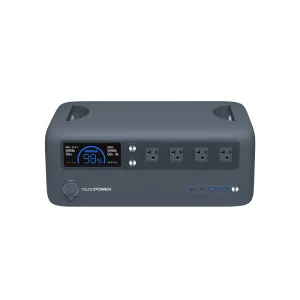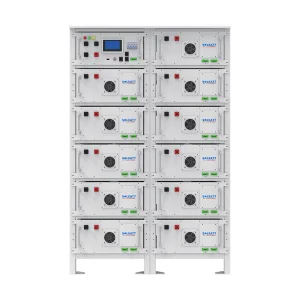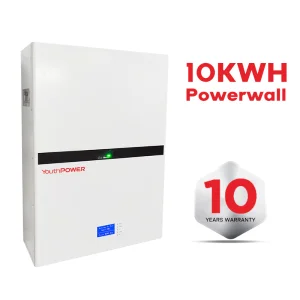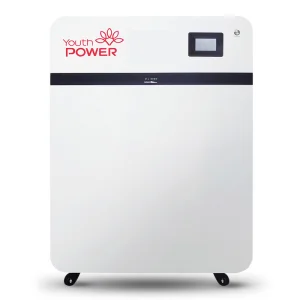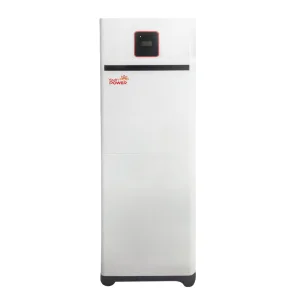
When searching for "Buy Solar Battery Backup Cost", enterprise energy managers and system integrators face a complex pricing landscape. Total system pricing cannot be calculated simply by looking at cell-level costs. A holistic perspective is required, analyzing initial capital expenditures (CAPEX), system life cycles, installation realities, and ongoing operational maintenance (OPEX).
Lithium Iron Phosphate (LiFePO4) is the current industry standard. It provides extreme thermal stability, long cycle life (typically over 6,000 cycles at 80% DOD), and high C-rate capabilities. Hardware pricing scales based on voltage levels (Low Voltage 48V vs. High Voltage 300V+).
This includes the Battery Management System (BMS), high-performance inverters (hybrid or off-grid), thermal management cooling structures, and communication interfaces (CAN/RS485) designed for grid coordination.
Soft costs include local electrical permits, utility interconnection approvals, engineering design parameters, and labor fees. Factory-integrated All-in-One (AIO) ESS systems significantly lower these soft costs.
The upfront price of a solar battery is only one element of the financial equation. Smart buyers calculate the Levelized Cost of Storage (LCOS), which factors in the round-trip efficiency, degradation rates, temperature-dependent cycle losses, and local battery-specific rebates. Investing in high-quality systems from leading global companies yields a lower TCO over a 10-year operational span, even if the initial CAPEX is slightly higher.
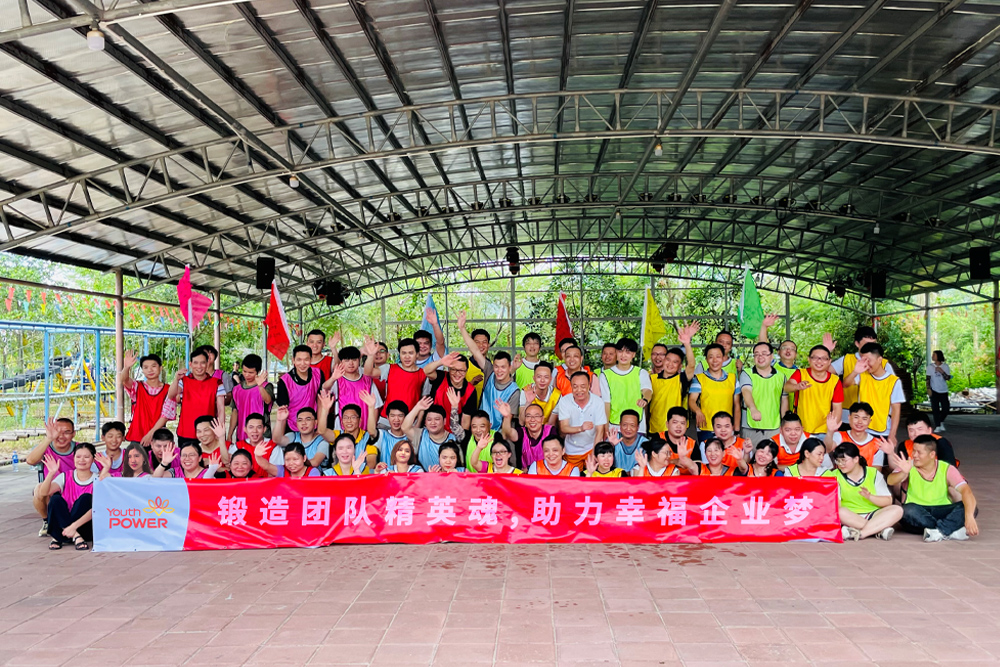
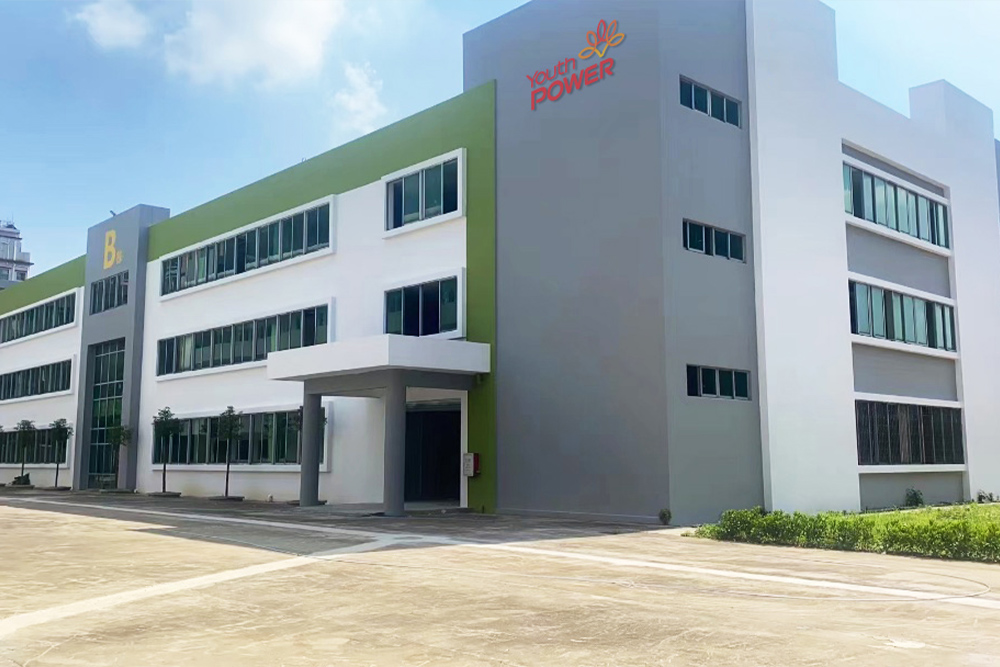
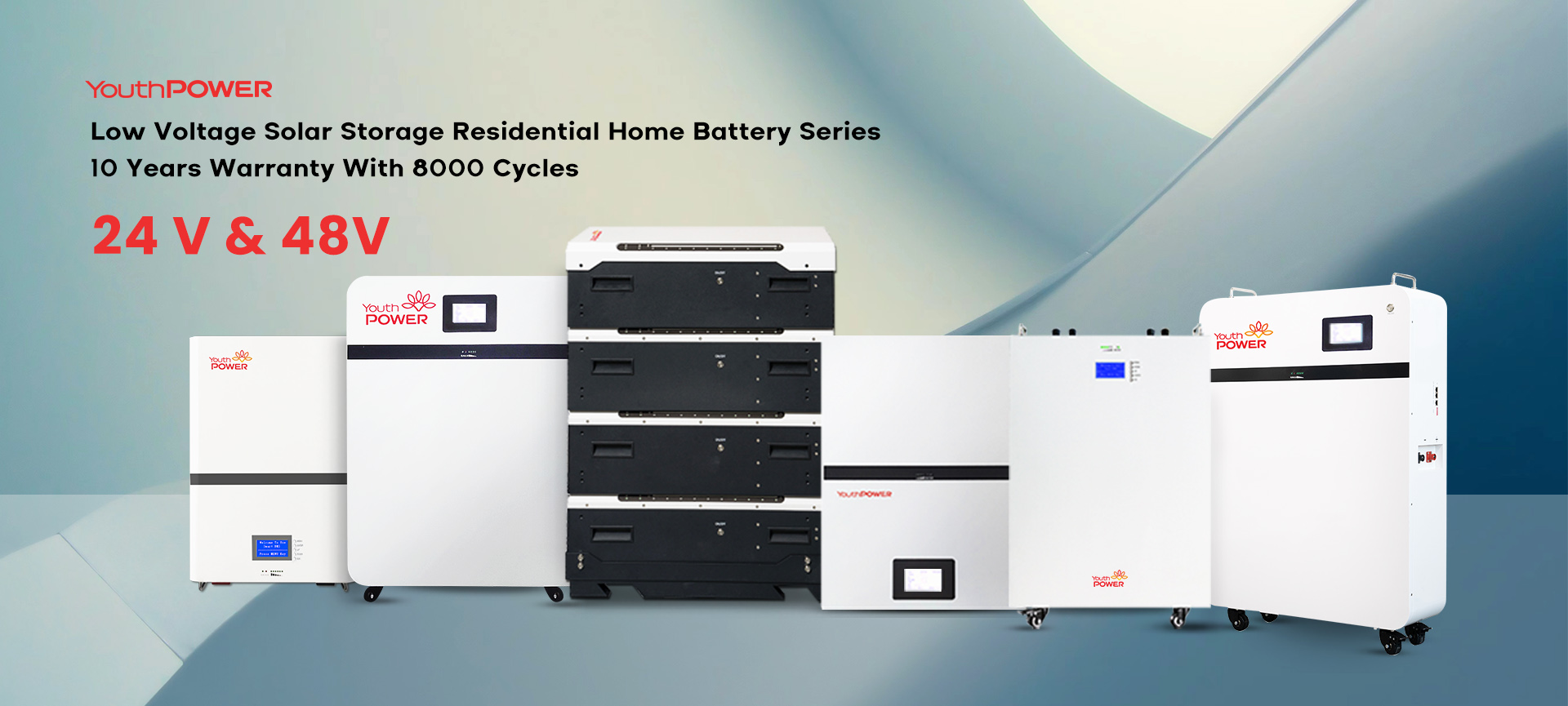
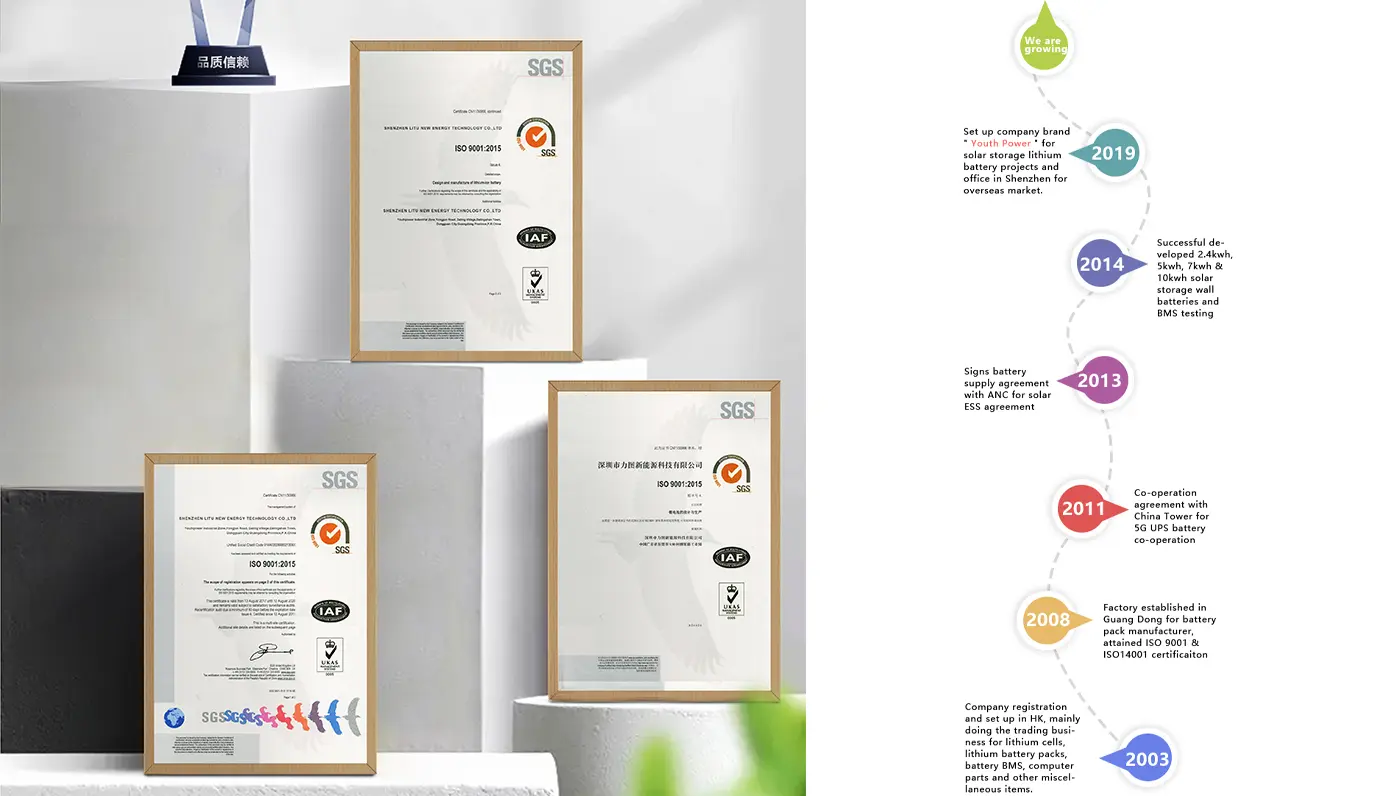
Founded in 2003, YouthPOWER has now become one of the leading suppliers of solar storage lithium batteries in the world. With a broad range of energy storage solutions, it covers a series of 24V, 48V and higher voltage lithium batteries solutions.
YouthPOWER has engaged in the battery technology and production for almost 20 years, with abundant manufacturing experience and strong new product R & D capability. Through many years of hard work and market promotion, we have created our own brand "YouthPOWER" in 2019.
With nearly 20 years’ experience in the battery industry, we have the capability to provide you with both the products you need and the most suitable products you want. We are always ready to supply the first-class products and meet the various needs of the customers.
We have established good business relationships with our customers from all over the world. And we have a good cooperation with all our customers as well for many years running. Supported by our local vendors of raw materials, we can certainly offer you the best prices.
We are so proud that YouthPOWER has offered the reliable solar storage solution for over 1,000,000 families now in the world.
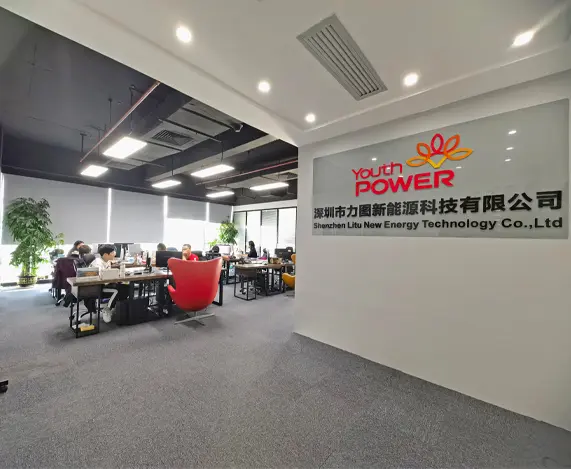
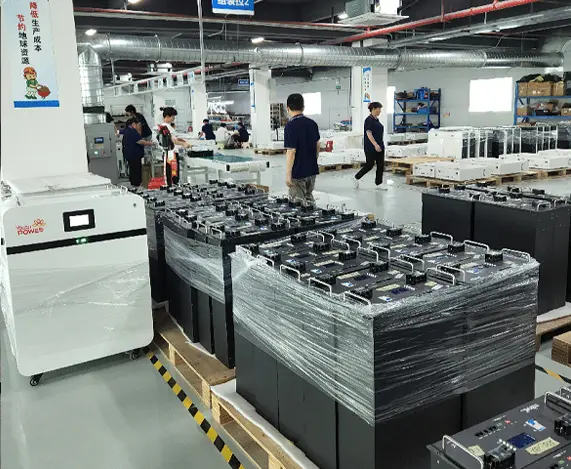
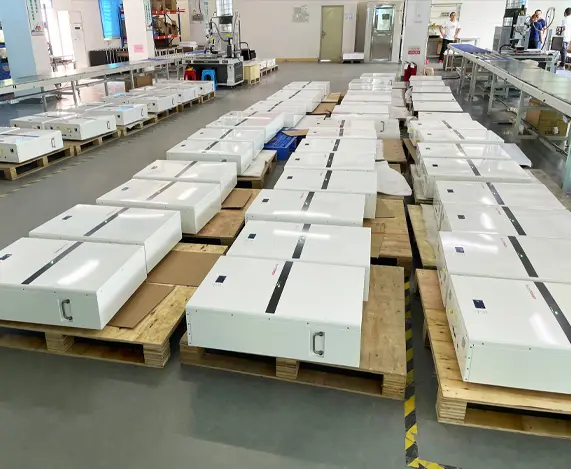
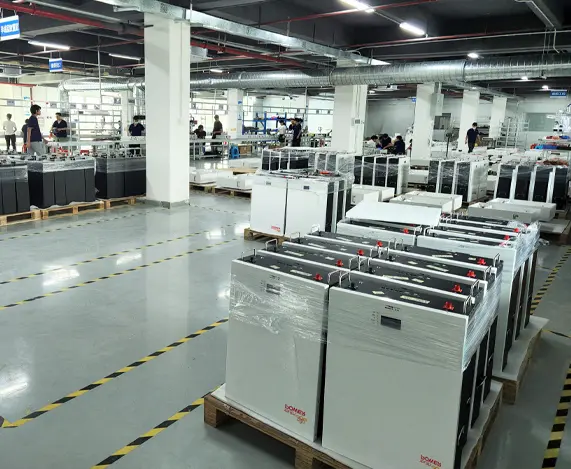
Purchasing directly from Chinese tier-1 solar battery factories offers major commercial benefits. By leveraging vertical integration, direct procurement cuts out intermediate wholesale markups and ensures direct access to the latest energy storage innovations.
Using solar battery storage globally requires meeting a complex web of local regulations and technical specifications. Every utility market has its own grid interconnection codes, safety testing standards, and emergency shutdown mandates. Navigating these details is essential for commercial developers and B2B distributors.
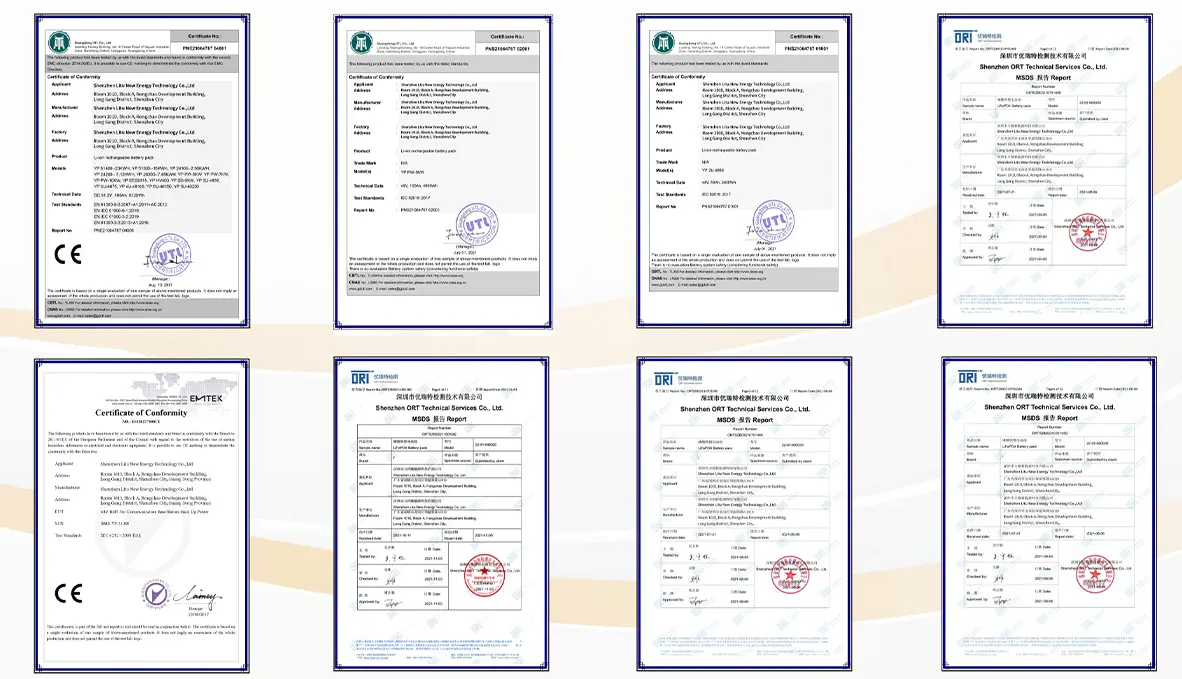
In the United States and Canada, systems must meet strict safety testing and communication protocols. Commercial installations rely heavily on certifications like UL9540 (Standard for Energy Storage Systems and Equipment) and UL1973 (Batteries for Use in Light Electric Rail Applications and Stationary Applications). Thermal runaway propagation prevention, tested under UL9540A, is increasingly required by local AHJs (Authorities Having Jurisdiction) for both indoor and outdoor commercial sites. Additionally, compliance with IEEE 1547.1 grid connection regulations ensures smooth utility handshakes.
European grid codes focus heavily on electromagnetic compatibility and grid stability. Core directives include the CE declaration, EN 62619 (safety requirements for secondary lithium cells and batteries), and IEC 63056. For grid integration, compliance with specific national requirements like Germany’s VDE-AR-E 2510-50 ensures safe interaction between storage systems and local electricity grids. This compatibility enables advanced functions like dynamic frequency response and participation in Virtual Power Plants (VPP).
Australia’s high solar penetration makes battery safety and performance standards particularly strict. Storage installations must comply with AS/NZS 5139, which governs the installation and safety of battery systems. Compliance with Clean Energy Council (CEC) listing regulations is required to qualify for small-scale technology certificates (STCs) and local battery subsidies, which directly offset initial system costs.
Founded with a focus on core battery cell research and manufacturing technologies.
Expanded manufacturing facilities to develop advanced Lithium Iron Phosphate (LiFePO4) storage chemistries.
Officially established the global brand "YouthPOWER", shipping customized storage solutions worldwide.
Proudly powering over 1,000,000 families globally with high-performance, compliant energy storage products.
Modern battery storage systems are highly versatile. Standardized configurations can be optimized to meet distinct operational goals across various applications:
Commercial facilities can use automated battery systems to shave demand spikes, discharging stored energy when utility demand charges are highest to lower monthly electricity bills.
For remote farms, solar battery storage combined with diesel generators creates stable off-grid microgrids. This system reliably powers water pumps, climate systems, and milking equipment.
Homeowners can maximize self-consumption of clean energy. Storing afternoon solar output for use during peak evening hours provides reliable backup power during grid outages.
Commercial energy storage costs depend on system scale and technical requirements. Hardware typically accounts for 50-60% of the total budget. This includes cells, rack enclosures, and the BMS. The balance of system (BoS), including hybrid inverters and thermal management, represents 20-25%. Engineering, permitting, utility connection, and labor make up the remaining soft costs.
LiFePO4 (Lithium Iron Phosphate) is favored for stationary storage because of its superior safety profile and longer cycle life. While NMC (Nickel Manganese Cobalt) offers higher energy density for space-constrained electric vehicles, LiFePO4 features a thermal runaway threshold of around 270°C, compared to NMC's 210°C, and can deliver 6,000+ cycles at 80% DOD.
Direct factory procurement bypasses local distributor markups, lowering equipment costs by 20% to 40%. It also enables direct engineering feedback for custom OEM configurations, and gives buyers direct access to factory component warranties.
Major certifications include UL 9540 for the complete integrated system, UL 1973 for the battery modules, and UL 9540A testing to evaluate thermal runaway safety. Compliance with NFPA 855 is also key to ensuring proper spacing and fire safety standards at the installation site.
 YouthPOWER