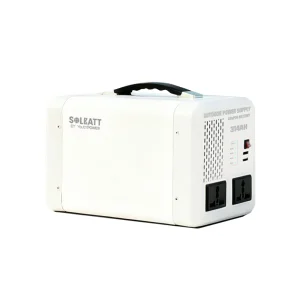
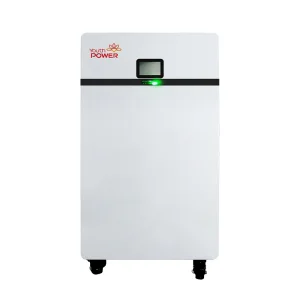
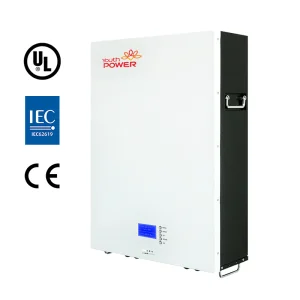
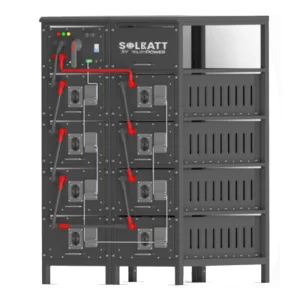
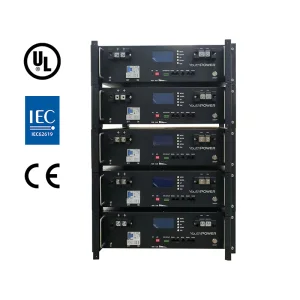
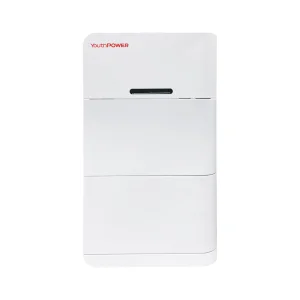
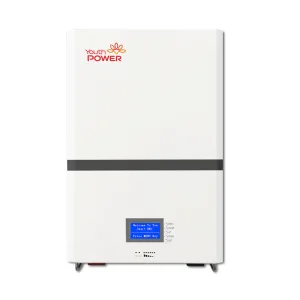
Premium Grade LiFePO4 Battery Modules and All-in-One Energy Storage Solutions Engineered for Performance and Safety.
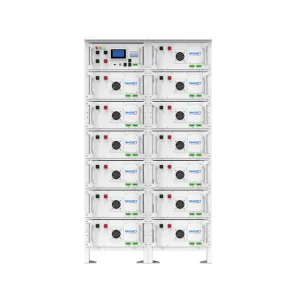
As the transition towards decarbonized grid infrastructure accelerates, multinational corporations, solar system developers, and local EPC (Engineering, Procurement, and Construction) contractors are increasingly bypassing intermediary channels. Sourcing solar battery backup for home factories and larger scale C&I projects directly from top-tier manufacturers has emerged as the definitive path for achieving optimal Levelized Cost of Storage (LCOS) and ensuring rigorous quality control.
By establishing direct channels with integrated production facilities, buyers gain significant advantages: custom form factors, tailored Battery Management System (BMS) communication protocol integration (such as CAN, RS485, and Modbus), and substantial reduction in per-kilowatt-hour (kWh) CapEx. In the current economic landscape, direct factory pricing structure typically yields a 15% to 30% capital saving compared to regional wholesale distribution systems, allowing companies to pass down savings or achieve accelerated ROI on commercial operations.
Lower initial CapEx paired with high cycle life (up to 6000 cycles at 80% DoD) dramatically lowers the lifetime levelized cost of energy storage, accelerating solar amortization curves.
Enables developers to specify precise high-voltage thresholds, enclosure environmental ratings (IP65/IP20), and communications setups compatible with local microgrid requirements.
Factory inspection certificates directly track battery cell degradation metrics, self-discharge logs, and safety stress test outputs right down to individual serial numbers.
Lithium Iron Phosphate (LiFePO4) chemistry has firmly established itself as the baseline standard for residential and commercial battery systems globally. Unlike nickel manganese cobalt (NMC) options, LiFePO4 cells feature superior chemical stability, minimizing thermal runaway risk even under acute physical impact or high electrical stress. This structural safety is critical when placing batteries close to occupied domestic areas or large-scale factory assembly floors.
From a technical standpoint, the market is diverging into two core architectural pathways:
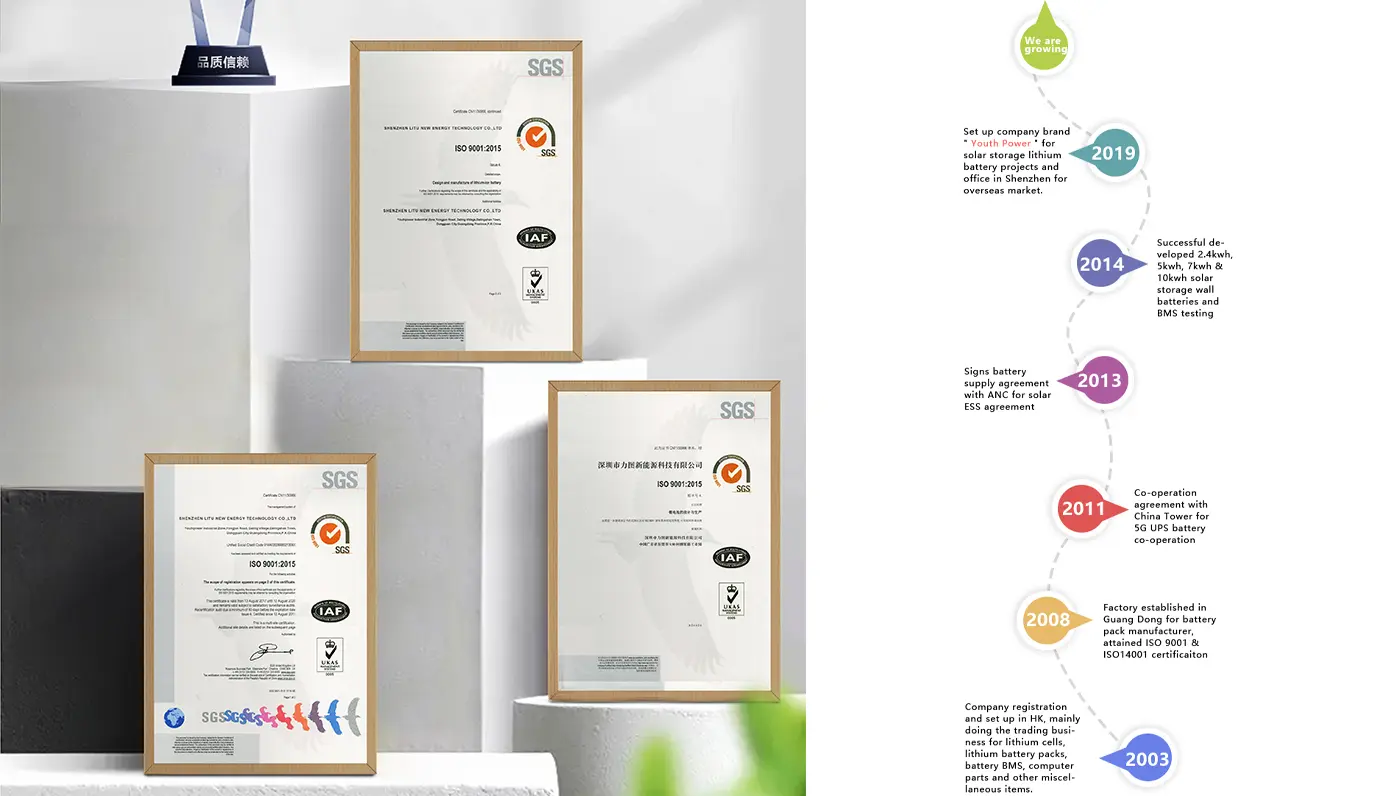
Founded in 2003, YouthPOWER has now become one of the leading suppliers of solar storage lithium batteries in the world. With a broad range of energy storage solutions, it covers a series of 24V, 48V and higher voltage lithium batteries solutions.
YouthPOWER has engaged in the battery technology and production for almost 20 years, with abundant manufacturing experience and strong new product R & D capability. Through many years of hard work and market promotion, we have created our own brand "YouthPOWER" in 2019.

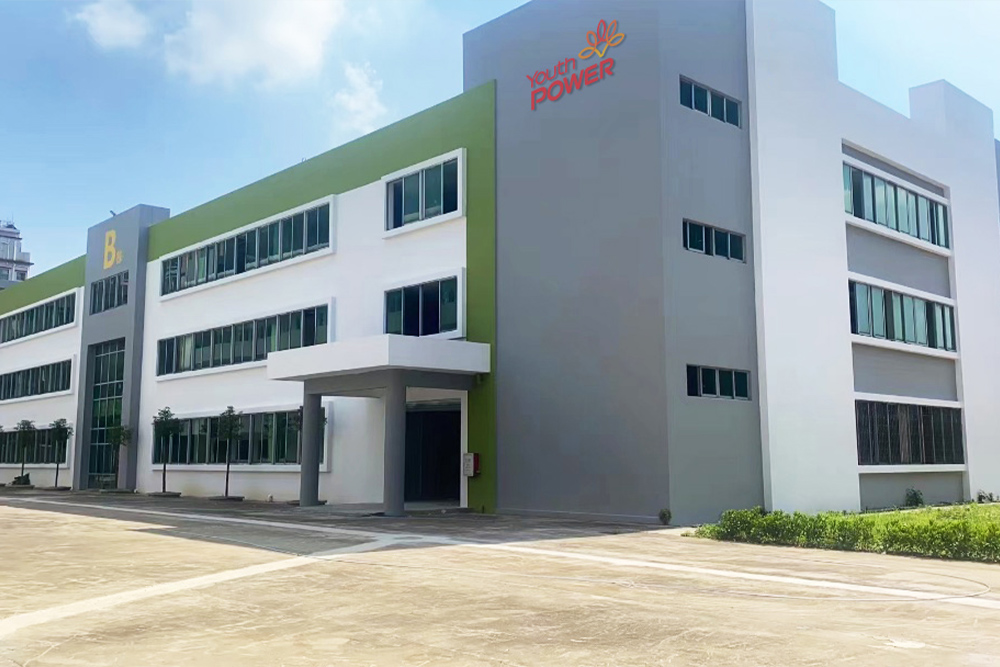
With nearly 20 years’ experience in the battery industry, we have the capability to provide you with both the products you need and the most suitable products you want. We are always ready to supply the first-class products and meet the various needs of the customers.
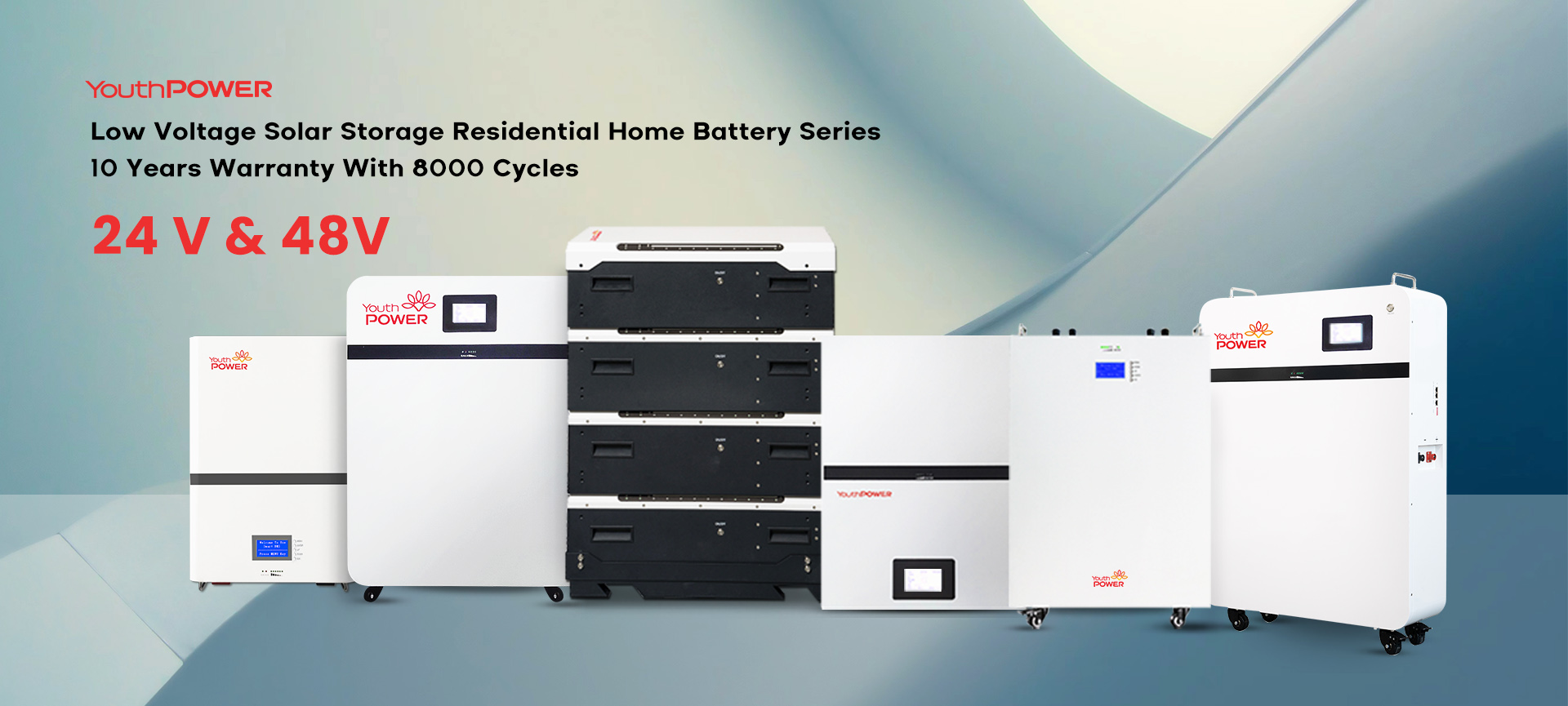
We have established good business relationships with our customers from all over the world. And we have a good cooperation with all our customers as well for many years running. Supported by our local vendors of raw materials, we can certainly offer you the best prices.
We are so proud that YouthPOWER has offered the reliable solar storage solution for over 1,000,000 families now in the world.
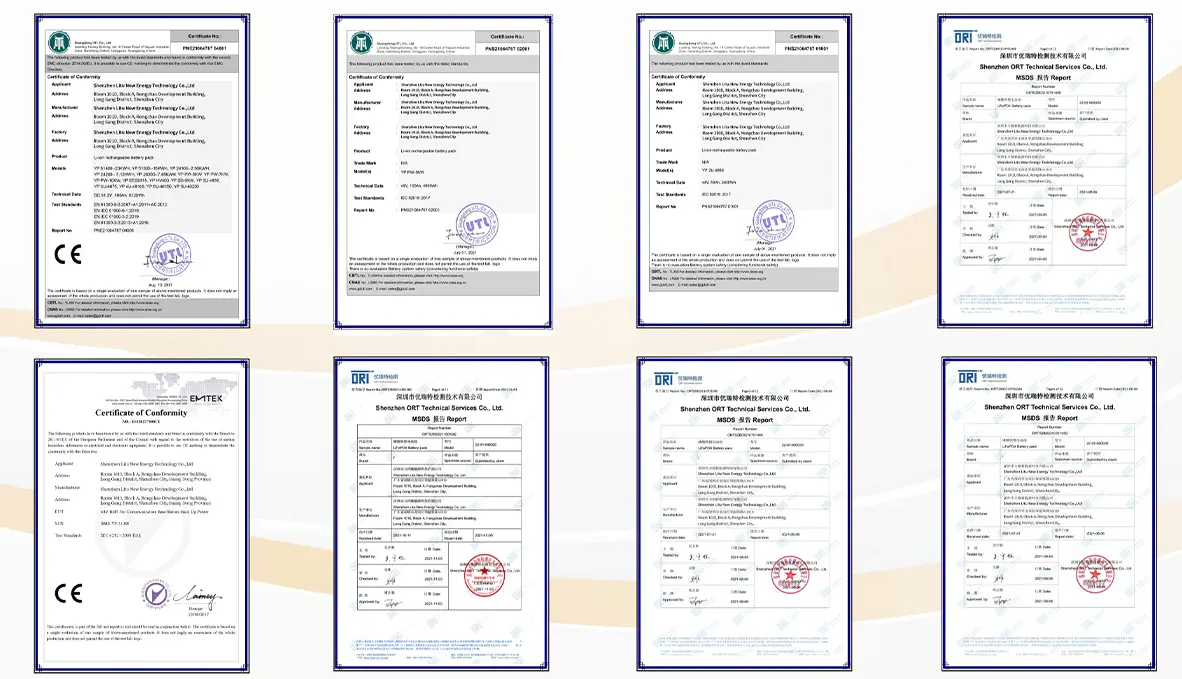
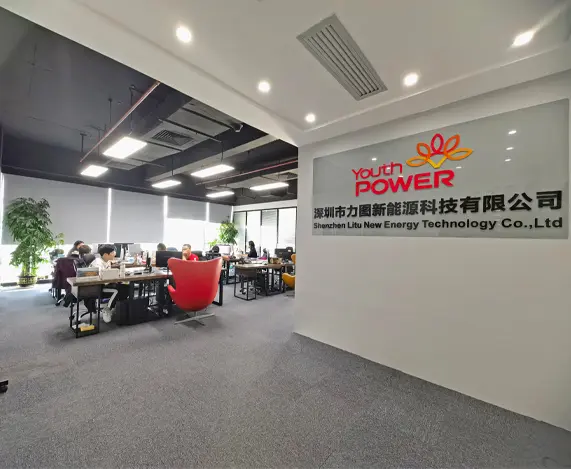
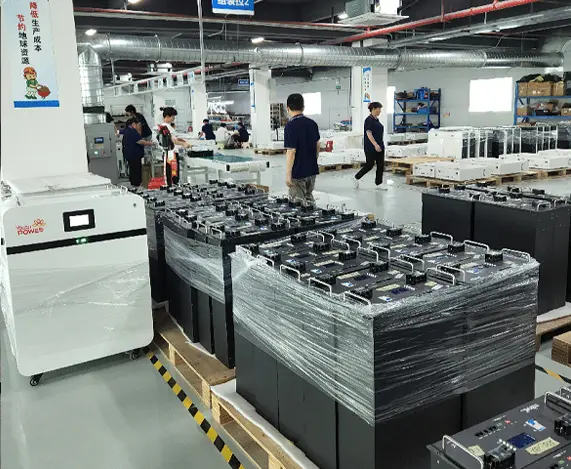
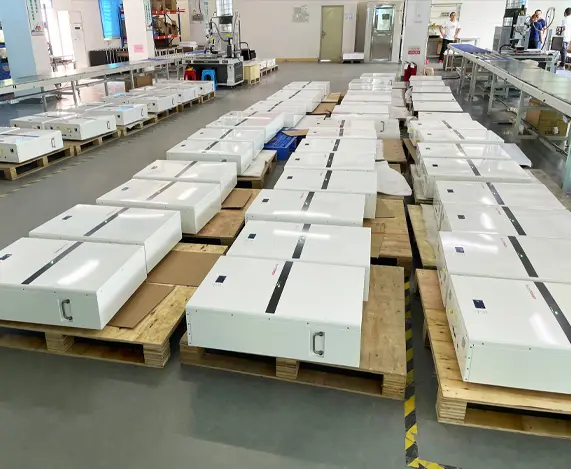
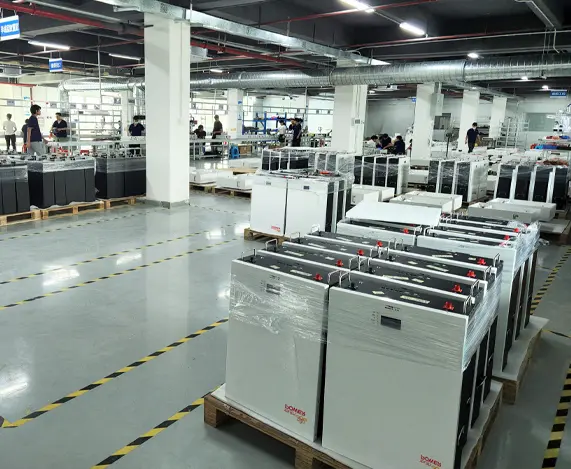
Across the manufacturing and residential sectors, grid instability represents a clear risk to operational throughput and household safety. For small commercial buildings and industrial production floors, battery energy storage systems act as a critical buffer, performing two key grid management tasks:
Many utilities levy high demand charges on commercial buildings during period peaks. By drawing down reserve power from the local solar battery array during these window spikes, businesses can level off their utility load profile, avoiding punitive peak tariff rates. At night or during low-tariff windows, the battery recharges via solar array or cheaper grid supply.
A sudden power interruption can halt production lines, leading to product loss and mechanical disruption. Modern battery systems integrated with swift-acting Automatic Transfer Switches (ATS) achieve islanding mode in under 10 to 20 milliseconds, ensuring the continuation of sensitive operations without system restarts.
To successfully integrate solar battery backup systems into municipal grid layouts, installations must strictly conform to local electrical safety standards and international testing protocols. Systems deployed across major trade regions are subjected to rigorous evaluation:
Conformity to international safety norms like UL 1973 (energy storage applications), IEC 62619 (safety of industrial lithium cells), and CE / UN 38.3 certification sets the standard for reliability and safety.
Smart inverters paired with energy storage modules must support grid compliance requirements such as IEEE 1547 (US) and G98/G99 (UK), facilitating safe and efficient grid feedback.
Get expert answers to critical questions about solar battery pricing, technology, and implementation.
Engineered to support heavy electrical demand and flexible commercial architectures.
 YouthPOWER