Direct factory-source procurement for high-performance Lithium Iron Phosphate (LiFePO4) systems. Certified solutions engineered for utility scaling, residential microgrids, and off-grid stability.
As the international power sector undergoes a paradigm shift toward high-penetration renewable generation, battery storage systems have transitioned from passive reserve elements to active stabilizers of electrical grids. For developers, EPC contractors, and enterprise operators, the decision to invest in solar battery storage involves complex calculations of levelized cost, technical durability, and factory reliability.
Navigating this capital deployment requires understanding the underlying components of Levelized Cost of Storage (LCOS). We analyze the economics of energy storage, detailing how direct-factory sourcing from top manufacturer zones balances Capital Expenditure (CapEx) targets with critical Operational Expenditure (OpEx) lifespan guarantees.
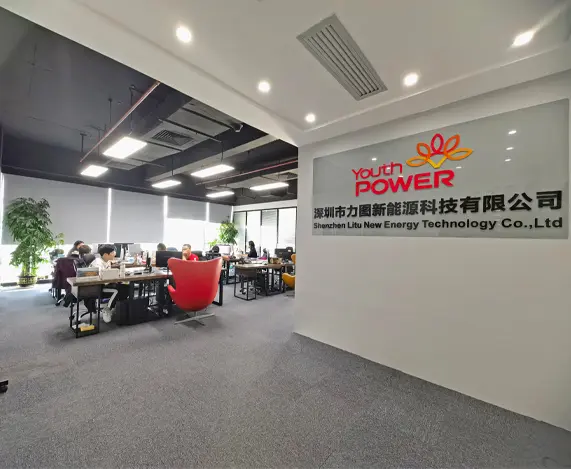
Deploying robust clean-energy storage systems worldwide. Founded on deep chemical cell competency and precision automated engineering.
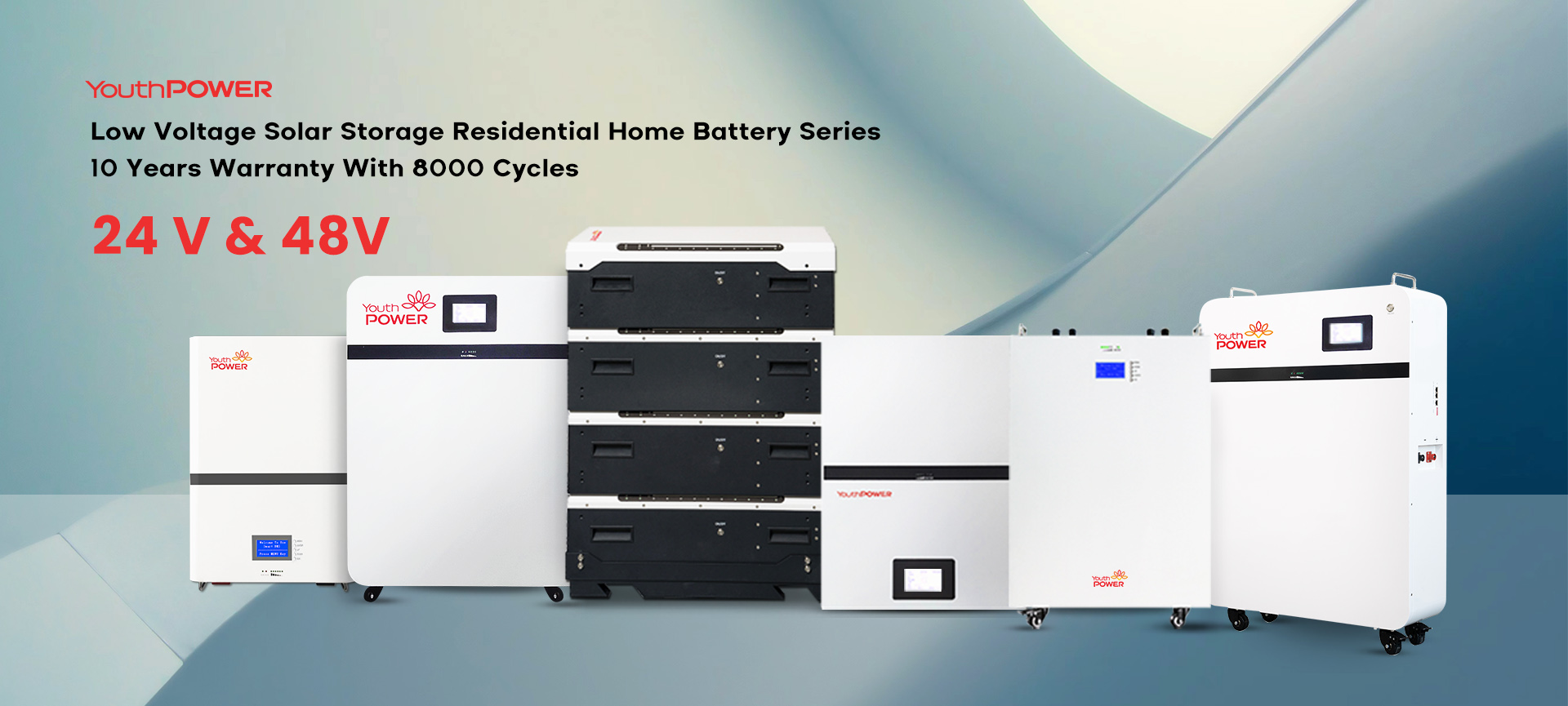
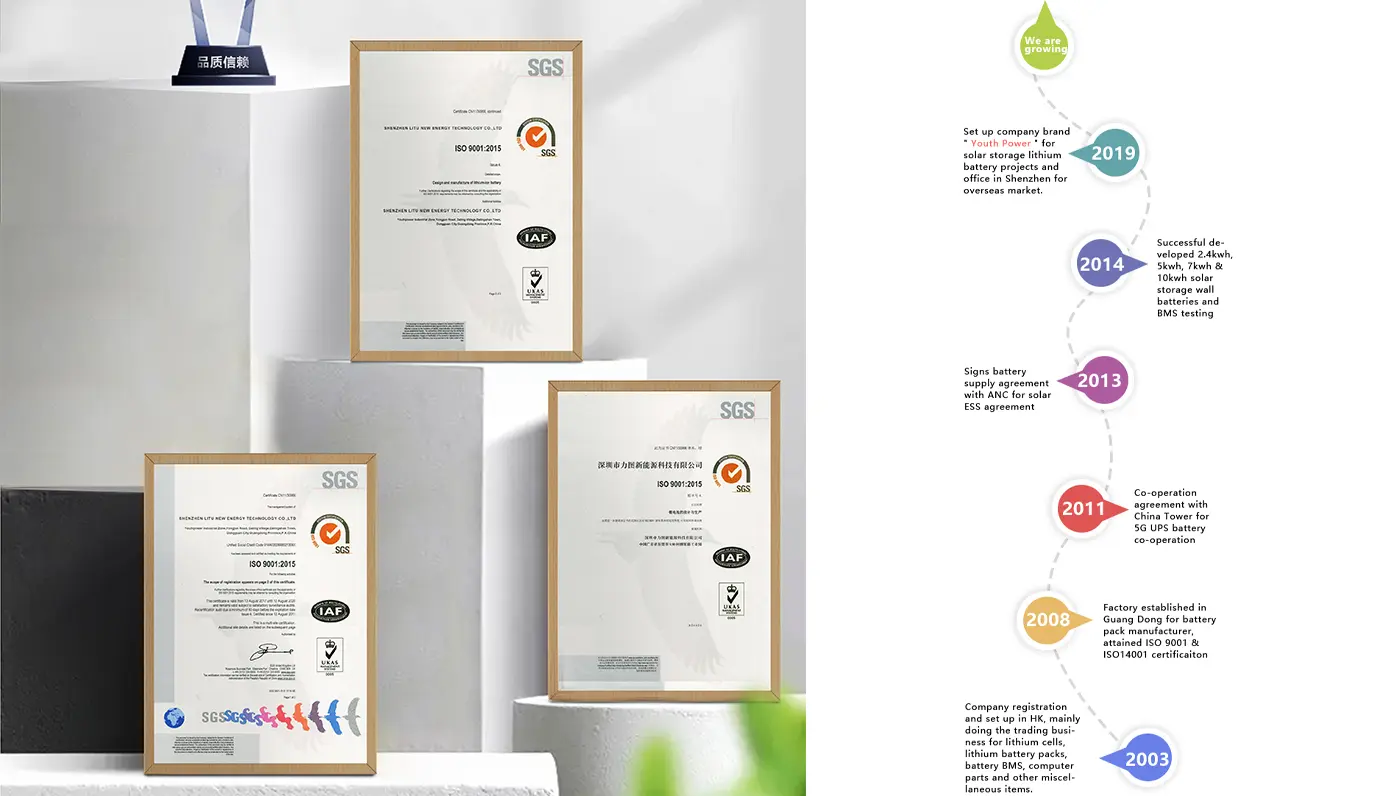
Founded in 2003, YouthPOWER has now become one of the leading suppliers of solar storage lithium batteries in the world. With a broad range of energy storage solutions, it covers a series of 24V, 48V and higher voltage lithium batteries solutions.
YouthPOWER has engaged in the battery technology and production for almost 20 years, with abundant manufacturing experience and strong new product R & D capability. Through many years of hard work and market promotion, we have created our own brand "YouthPOWER" in 2019.
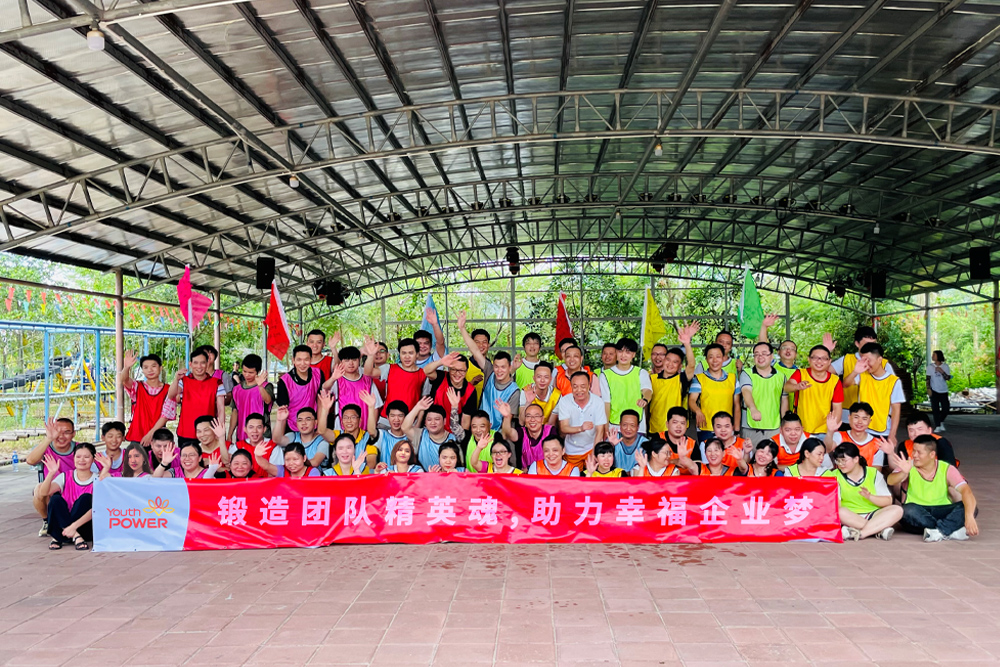
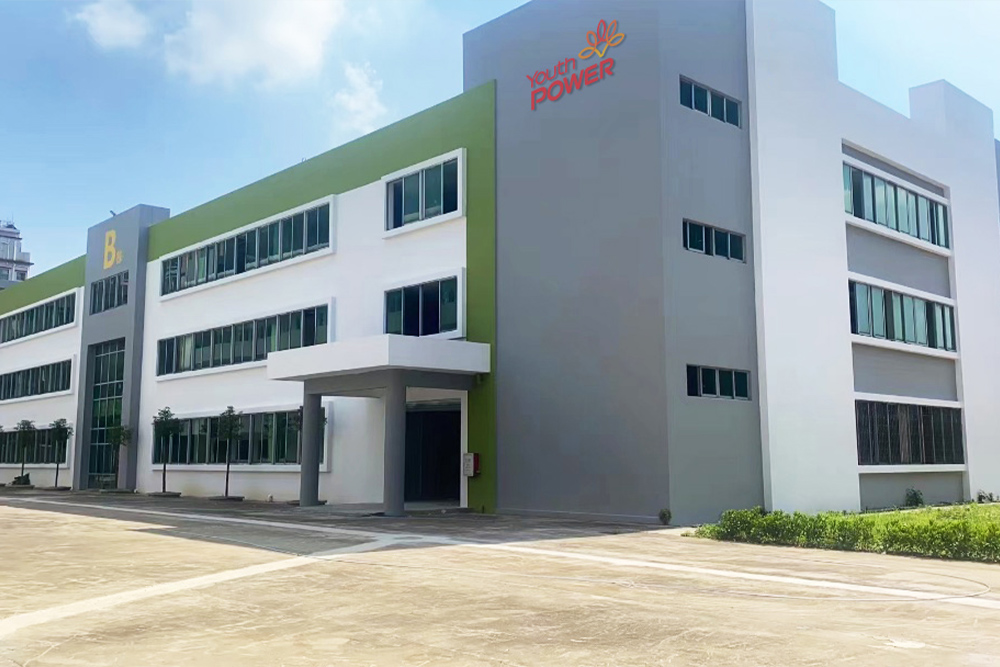
With nearly 20 years’ experience in the battery industry, we have the capability to provide you with both the products you need and the most suitable products you want. We are always ready to supply the first-class products and meet the various needs of the customers.
We have established good business relationships with our customers from all over the world. And we have a good cooperation with all our customers as well for many years running. Supported by our local vendors of raw materials, we can certainly offer you the best prices. We are so proud that YouthPOWER has offered the reliable solar storage solution for over 1,000,000 families now in the world.
To accurately compute the Levelized Cost of Storage (LCOS), one must assess more than just the initial capital expenditure (CapEx) of the battery rack. The cost matrix of utility-scale and commercial solar storage systems is governed by a complex set of engineering parameters:
The choice of cell form factor (such as the standard 280Ah cell transitioning to the higher capacity 314Ah cell) determines energy density and manufacturing efficiency. YouthPOWER leverages direct-channel raw material sourcing to insulate projects from volatile lithium carbonate spot pricing.
A smart Battery Management System (BMS) balances charge across parallel modules. High-voltage structures require multi-tier BMS architectures that communicate with the central Power Conversion System (PCS) to manage dynamic phase shifts and active thermal loads.
Thermal stability directly influences cycle aging. Liquid cooling configurations, though carrying higher initial costs than forced-air ventilation, reduce parasitic auxiliary loads and maintain cell-to-cell temperature differentials within a strict ±2°C limit, prolonging operational lifetimes to over 6,000 cycles at 80% DoD.
Standardized configurations do not fit all situations; electrical distribution grids operate under highly localized constraints. Below are the targeted deployment structures optimized by our application engineering teams:
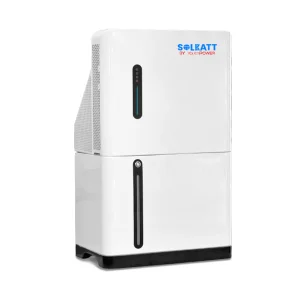
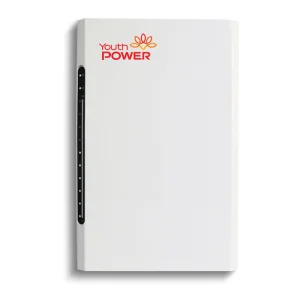
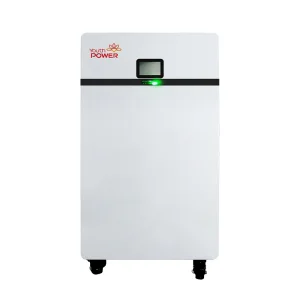
Across Germany, Spain, and Austria, residential consumers face high retail power rates and diminishing feed-in tariffs (FiTs). YouthPOWER's 2.5kWh Balcony Lithium Battery System provides direct plug-and-play local integration. These units integrate with micro-inverters, enabling homeowners to store midday solar excess and discharge it during evening peak rate periods, maximizing self-consumption and shortening investment payback times.
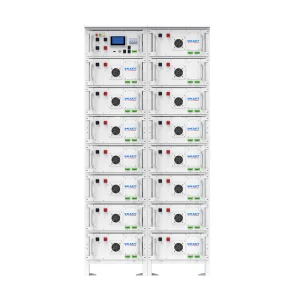
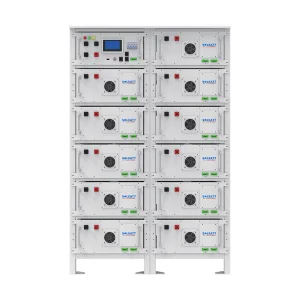
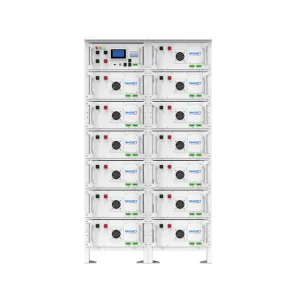
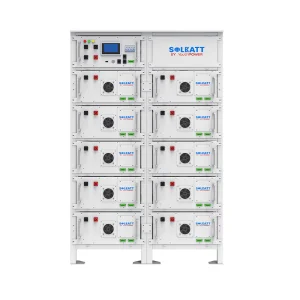
For operations in the United States and Canada, peak demand charges can represent up to 50% of an industrial electricity bill. The deployment of high-voltage systems (such as the 157kWh and 215kWh configurations) enables automated load-shifting. Our integrated modular designs comply with UL 1973 and UL 9540A thermal runaway safety requirements, ensuring smooth municipal permitting processes.
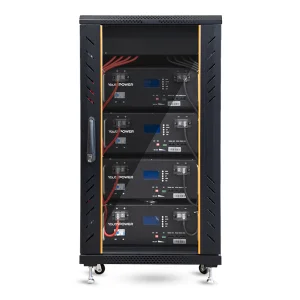
Remote operational hubs in Australia and South America rely on expensive diesel generation. Integrating heavy-duty high-voltage rack systems stabilizes the localized network against sudden voltage drops caused by heavy motor startups, reducing generator runtimes, optimizing fuel consumption, and ensuring constant power supply.
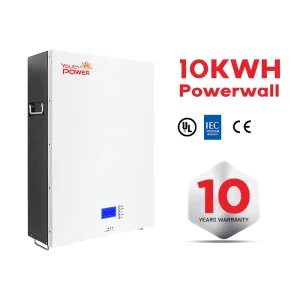
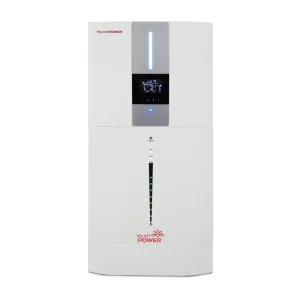
Modern telecommunication nodes and edge data centers require rapid power backup. YouthPOWER's wall-mounted and rack-mountable high-voltage LiFePO4 batteries deliver high discharge rates, acting as the primary buffer between mains failures and backup generator starts, while protecting sensitive IT electronics from voltage sags.
A timeline of technological advancement, expanding our manufacturing capabilities from single cell production to intelligent utility-scale systems.
The energy storage industry is undergoing constant updates in cell design and system architectures. To future-proof your capital investments, YouthPOWER aligns its research and development pipelines with several key structural changes:
While the 280Ah LiFePO4 cell has been the industry standard for commercial and industrial (C&I) projects, the market is shifting toward 314Ah cells, which offer a higher energy density without modifying the standard external pack footprints. This cell design reduces system integration complexity, decreases the required structural racking per megawatt-hour, and lowers the balance-of-system cost by approximately 4-6%.
As energy density increases, managing heat becomes a critical priority. YouthPOWER is incorporating direct-to-cell liquid-cooling plates into its larger battery cabinets. Liquid cooling offers a thermal transfer coefficient up to three times higher than forced-air systems. This maintains cell temperatures within safe limits, minimizes the risk of hot spots, and extends the overall cycle life of the battery bank.
The next generation of BMS architecture utilizes cloud computing to predict cells at risk of premature degradation. By analyzing voltage anomalies during charge-discharge cycles, our intelligent BMS can flag anomalies before thermal issues occur, reducing maintenance overheads and preventing unplanned downtime.
Sourcing directly from manufacturing clusters in China offers major advantages in cost-efficiency and supply chain reliability. This resilience is built on three key elements:
Proximity to cathode precursor facilities and lithium refining hubs helps buffer production from sudden material spikes. YouthPOWER works closely with local material vendors, securing predictable production runs and consistent quality across large manufacturing batches.
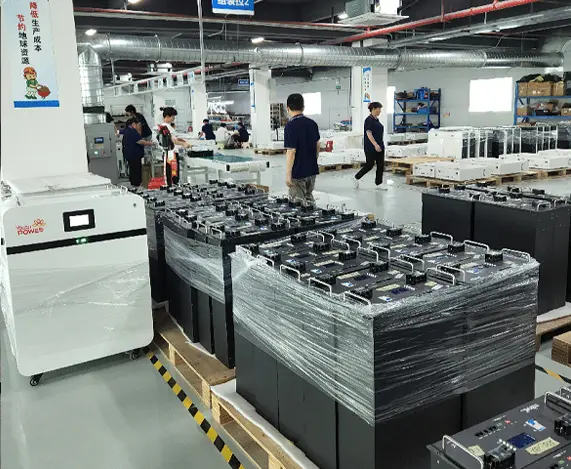
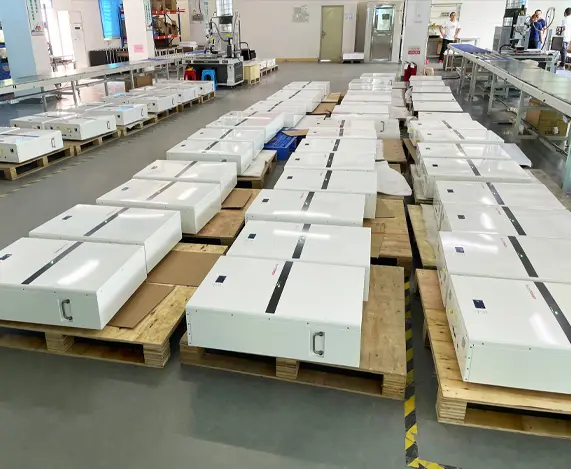
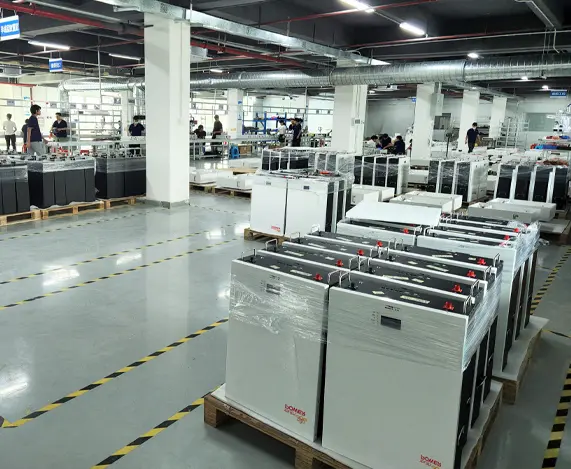
Our production facilities utilize automated pick-and-place robotics and advanced laser welding. This automation maintains consistent weld resistance across our 51.2V and high-voltage rack systems, reducing internal resistance and minimizing thermal energy loss during operations.
Our factories are located near major maritime ports, facilitating streamlined container packing, secure handling, and reliable global transport. This optimized logistics setup minimizes shipping delays and reduces transit costs for overseas projects.
The transition toward decentralized power grids has expanded the role of commercial energy storage systems. Today's commercial battery setups serve as critical components in virtual power plant (VPP) networks and industrial management plans:
Large-scale energy storage systems can participate in ancillary grid services, such as frequency response and operating reserves. Virtual Power Plants (VPPs) aggregate the capacity of multiple distributed battery installations, helping stabilize regional distribution networks while generating additional revenue streams for asset owners.
For industrial facilities with large rooftop solar arrays, feed-in limitations often force PV systems to curtail generation. Implementing a containerized battery storage system allows factories to capture and store excess solar energy, shifting it to offset high evening utility tariffs and reducing overall power costs.
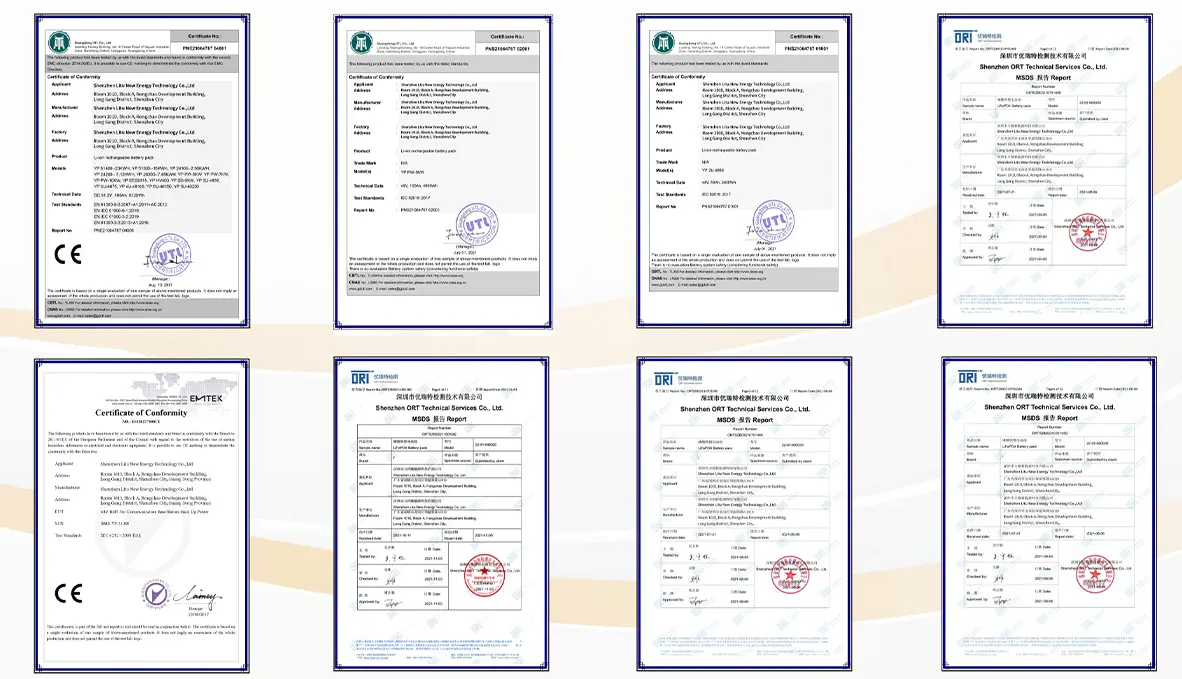
Before purchasing and installing battery storage systems, verify compliance with the following international standards:
* YouthPOWER systems are engineered to meet and exceed these key international safety and electrical standards.
Installing energy storage systems requires navigating varied regional grid codes, safety regulations, and local utility standards. YouthPOWER works closely with global partners to streamline this integration process:
Our engineering team configures BMS protocols to support seamless integration with leading global inverter brands. Whether communicating via CAN, RS485, or Modbus, our systems adapt to local monitoring standards.
Our batteries undergo rigorous safety testing, including overcharge, short-circuit, impact, and thermal runaway evaluations. This data ensures compliance with international standards, helping project developers secure local installation permits.
We work with authorized local service partners to assist with installation, commissioning, and system maintenance. Our team provides remote diagnostics and firmware updates to ensure your systems perform reliably over their service life.
Upgrading to higher-density 314Ah cells increases unit energy capacity within the same physical pack footprint. This reduces the overall balance-of-system (BoS) costs, including racking, cabling, and installation labor, while maintaining high reliability.
Our LiFePO4 cells are rated for ≥6,000 charge-discharge cycles at 80% Depth of Discharge (DoD) before capacity degrades to 80% of its original rating. Under typical operating conditions, this translates to over 15 years of reliable service.
Liquid cooling provides more efficient heat dissipation, maintaining cell temperature differentials within ±2°C. This improved thermal control helps prevent hot spots, mitigates the risk of thermal runaway, and reduces parasitic power consumption from cooling systems.
Key requirements include IEC 62619 for cell safety, UL 1973/9540 for commercial systems, CE certification for Europe, and UN38.3 compliance for safe transport. YouthPOWER provides all necessary documentation to support regional customs clearances.
Yes. We offer customization options for voltage configurations, cabinet designs, and software integrations to meet specific project requirements, ensuring compatibility with your existing power infrastructure.
Explore our full range of scalable high-voltage rack systems and modular residential battery designs. Sourced directly from our factory for optimal cost control.
 YouthPOWER