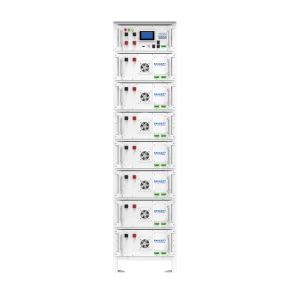
Buy Solar Power Batteries: Factory Selection Guide & Pricing Structures

Direct B2B Industrial Energy Storage Solutions (ESS), High-Voltage Cabinet Integration, and Residential LiFePO4 Energy Storage Products by YouthPOWER

Corporate Profile

A Globally Recognized Pioneer in Advanced Solar Storage Technology Since 2003

Our Production Legacy

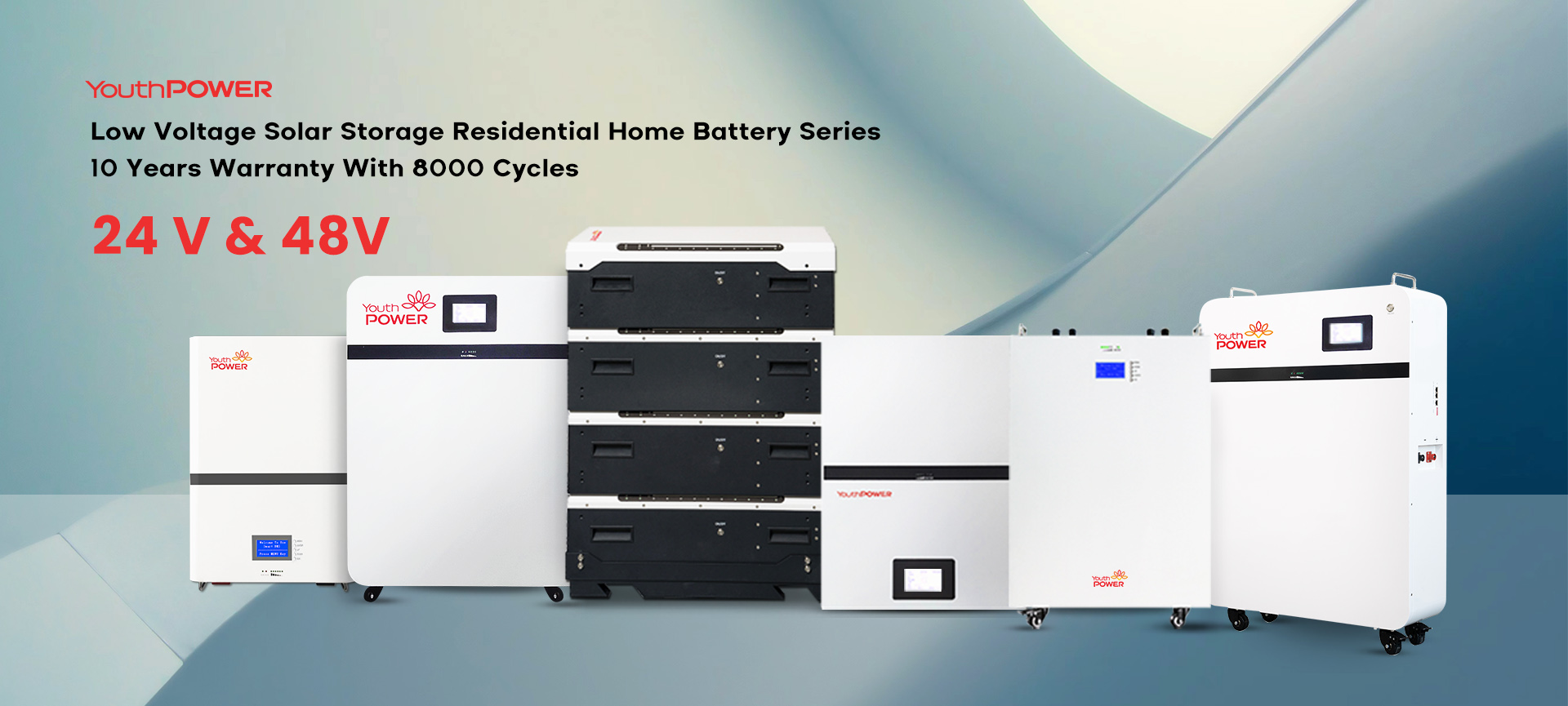
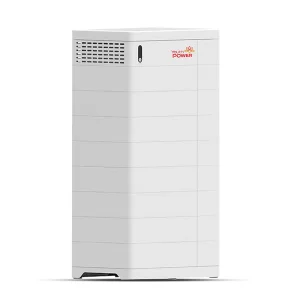
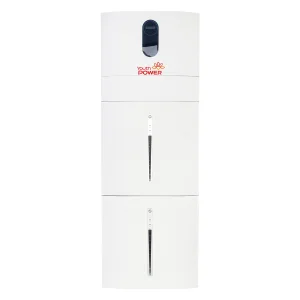
Founded in 2003, YouthPOWER has now become one of the leading suppliers of solar storage lithium batteries in the world. With a broad range of energy storage solutions, it covers a series of 24V, 48V and higher voltage lithium batteries solutions.

YouthPOWER has engaged in the battery technology and production for almost 20 years, with abundant manufacturing experience and strong new product R&D capability. Through many years of hard work and market promotion, we have created our own brand "YouthPOWER" in 2019.

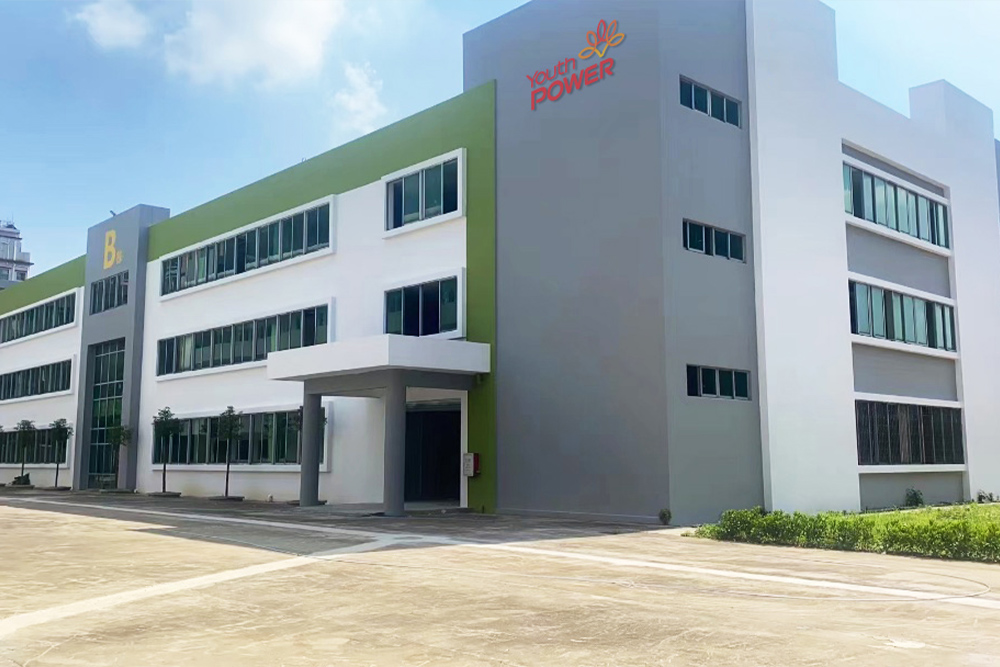
Globally Connected Solutions

With nearly 20 years’ experience in the battery industry, we have the capability to provide you with both the products you need and the most suitable products you want. We are always ready to supply the first-class products and meet the various needs of the customers.

We have established good business relationships with our customers from all over the world. And we have a good cooperation with all our customers as well for many years running. Supported by our local vendors of raw materials, we can certainly offer you the best prices.

We are so proud that YouthPOWER has offered the reliable solar storage solution for over 1,000,000 families now in the world.

20+
Years Manufacturing History
1,000,000+
Global Families Supplied
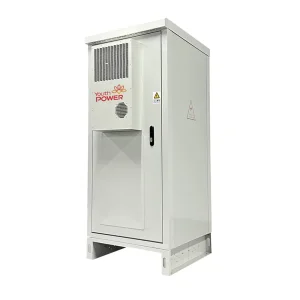
85kWh - 186kWh
Commercial Cabinet Output
6000+
Cells Life Cycles @80% DoD

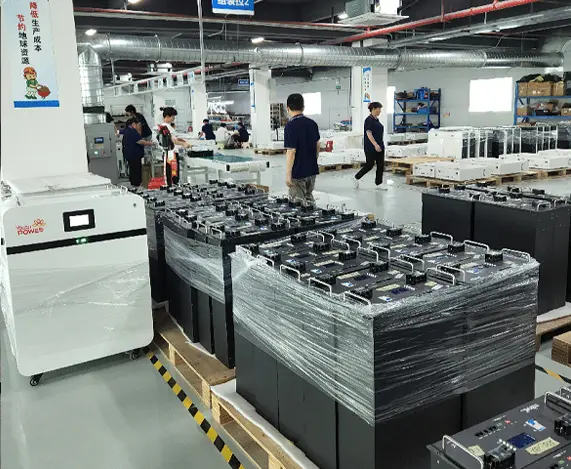
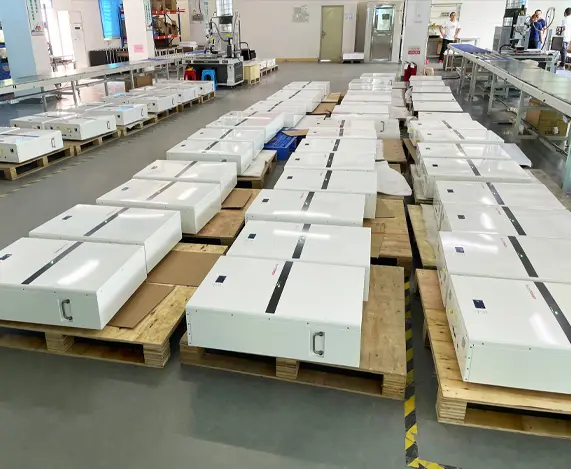
Advanced Production Facility Showcase

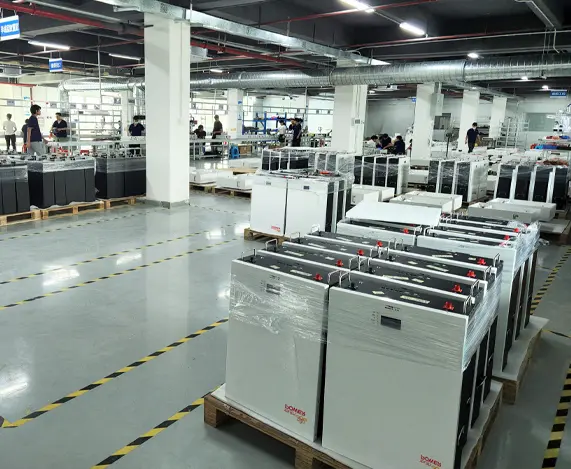
Touring YouthPOWER's smart automated production, quality validation, and final assembly lines.
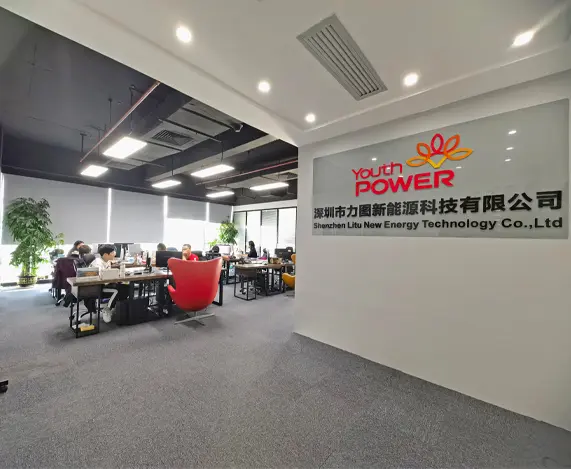
Whitepaper: B2B Solar Battery Procurement, Sourcing Standards & Technology Architecture

As the clean energy transition accelerates across municipal grid interfaces, commercial infrastructures, and residential nodes, the demand for high-reliability Battery Energy Storage Systems (BESS) has grown exponentially. For procurement managers, engineers, and developers, determining the best factory-level product profile involves balancing safety parameters, cycle lifetimes, raw material pricing indexes, and compatibility with inverter architectures. This document provides an analytical overview of the industry and a roadmap for choosing solar storage systems.

1. Global Commercial and Industrial (C&I) Energy Storage Landscape

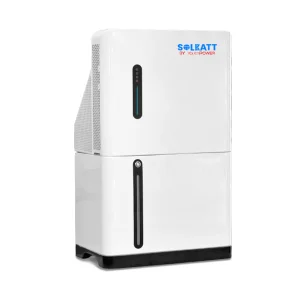
The global C&I solar energy storage market is transitioning from simple peak-shaving systems to highly sophisticated auxiliary grid balancing units. Today's commercial operations faces volatile electric tariffs, network reliability issues, and structural carbon emission reduction targets. Factories are deploying localized high-voltage lithium storage racks to store on-site solar generation, optimize self-consumption, and reduce demand charges. Large industrial sites require multi-megawatt capacities, utilizing centralized container systems or scalable distributed modular cabinets like our 85kWh and 186kWh series.

"By shifting load profiles away from peak tariff zones using intelligent energy management algorithms, commercial enterprises can reduce overall Levelized Cost of Storage (LCOS) by up to 35% over a ten-year operational span."

2. Chemistry and Lifespan Roadmap: The Primacy of LiFePO4

Industrial solar batteries rely on different lithium chemistries. While Nickel Manganese Cobalt (NMC) chemistries offer high energy densities, Lithium Iron Phosphate (LiFePO4) remains the standard for stationary energy storage systems due to several performance characteristics:

  • Thermal Stability: LiFePO4 cells feature a thermal runaway threshold of approximately 270°C, compared to NMC's ~210°C, lowering fire risks in large energy storage arrays.
  • Extended Cycle Life: Grade-A LiFePO4 cells operate for over 6,000 complete charge/discharge cycles at 80% Depth of Discharge (DoD) before capacities drop below 80% of their initial value.
  • Environmental Compatibility: By eliminating cobalt and nickel, LiFePO4 offers a cleaner supply chain and simplified recycling processes.

3. Technical Integration: Smart BMS, High-Voltage Racks, and Communication Protocols

Modern commercial battery configurations require more than basic cell assembly. Industrial systems integrate sophisticated Battery Management Systems (BMS) with high-voltage cabinets to ensure reliability:

  1. Active Balancing Systems: Passive balancing dissipates excess energy as heat, while active balancing transfers charge between cells, extending overall pack life.
  2. Communication Interfaces: Direct integration with hybrid and central inverters requires multi-protocol support, including CANbus, RS485, and Modbus TCP/IP.
  3. Safety Shutdown Systems: Standard setups feature multi-tier protection circuits that monitor voltage, current, and temperature, with integrated aerosol fire suppression systems inside high-voltage cabinets.

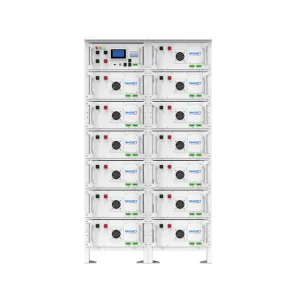
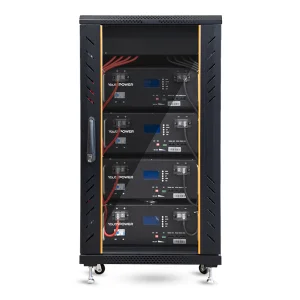
High-voltage battery cabinets (e.g., 358.4V and 656.6V systems) minimize conversion losses during power transmission. They allow direct DC coupling with high-power industrial inverters, improving system-wide efficiency compared to lower-voltage models.

4. Localized Application Scenarios & Project Engineering

Deploying solar storage requires tailoring system architectures to local requirements:

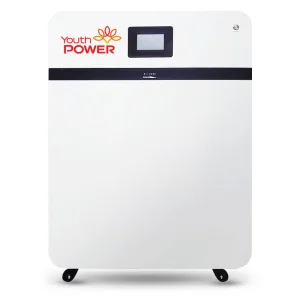
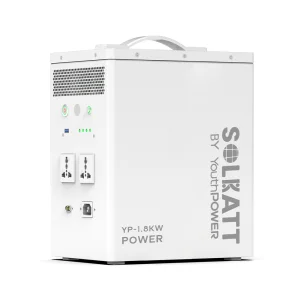
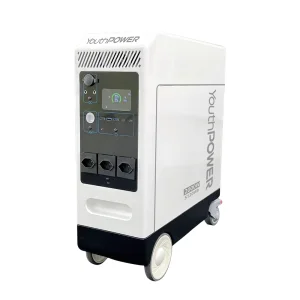
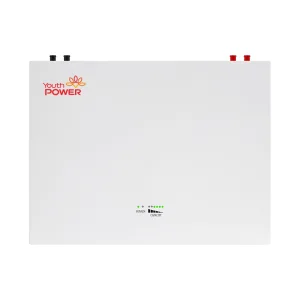
  • Balcony and Urban Micro-Storage: Small, high-density residential solutions (e.g., 2.5kWh systems) serve urban multi-family units, storing daytime solar energy to offset peak residential evening rates.
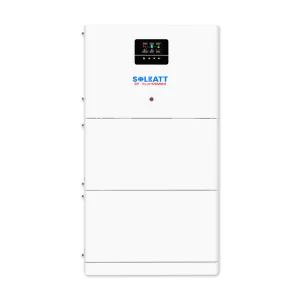
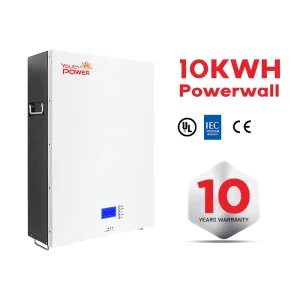
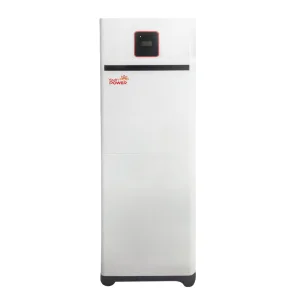
  • High-Capacity Residential Storage: Stackable and wall-mounted setups (10kWh to 20kWh) provide home energy independence and UPS capabilities during grid outages.
  • Industrial Microgrids & Remote Power: High-voltage container assemblies provide stable power for off-grid operations like agricultural centers, mining sites, and remote telecom hubs.

5. Direct-from-Factory B2B Pricing Dynamics

Understanding factory-level pricing structure is essential for large-scale procurement. B2B battery pricing is determined by several core variables:

  • Cell Grade Classification: Systems built with Grade-A certified, traceable cells command a premium but offer stable performance and warranty support. Grade-B or untraceable cells reduce upfront costs but present degradation and safety risks.
  • Commodity Raw Material Fluctuations: Battery pricing correlates with international index prices for lithium carbonate, copper foils, and structural steel.
  • System Integration Complexity: Integrated All-in-One (AIO) ESS units containing internal inverters, active liquid cooling, and fire suppression systems have higher initial capital costs but lower on-site installation expenses.

The Road We Traveled

A Chronological View of YouthPOWER's Milestones, Technological Developments, and Global Impact.

Over nearly two decades, we have continuously scaled our production capacity, advanced our proprietary BMS architectures, and established robust global distribution networks.
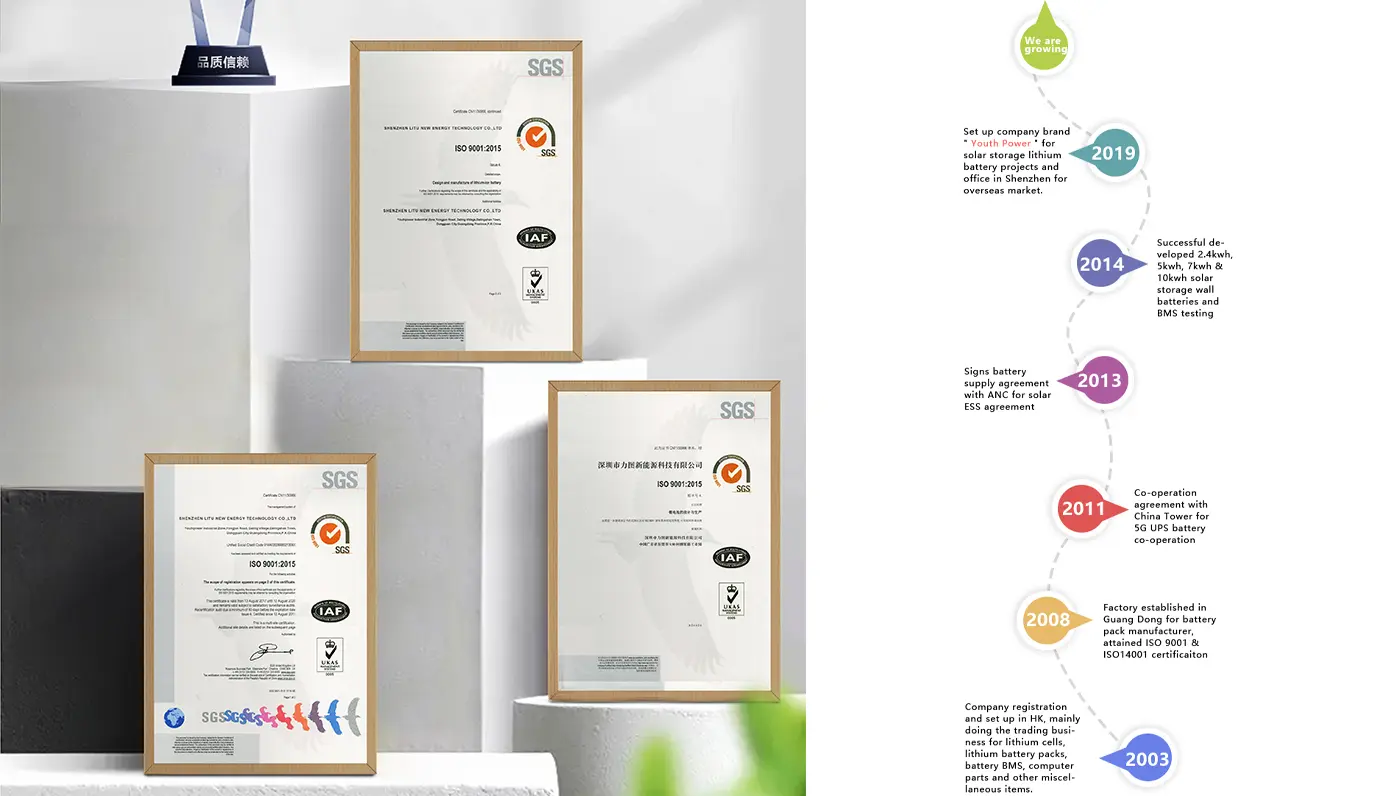
YouthPOWER Historical Development Roadmap Timeline

Why Choose YouthPOWER Factories

Engineered for Maximum Lifetime Efficiency, Dynamic Safety Controls, and Global Compliance Standards

Tier-1 Testing Protocols

Every single lithium iron phosphate module undergoes strict automated testing for capacity, internal resistance matching, thermal cycling, and high-potential insulation resistance prior to module integration.

Intelligent Multi-Inverter Interfacing

Our BMS firmware features native, pre-configured communication compatibility with industry-leading inverters, including SMA, Victron Energy, Growatt, Deye, and GoodWe.

Optimized Thermal Management

Designed with customized structural cell spacers and engineered air ducts, our rack-mount and stackable batteries dissipate heat efficiently, preventing hot spots and preserving battery health.

Expert Engineering FAQ

Answering Key Technical & Sourcing Questions About Solar Storage Battery Integration

Q1: What are the main differences between low-voltage (48V/51.2V) and high-voltage (HV) battery cabinet designs?
Low-voltage batteries are suitable for standard residential installations up to 20kWh. For larger residential setups and commercial systems, high-voltage cabinets (typically 200V to 700V+) reduce currents for the same power output. This allows for thinner copper cabling, reduces system-wide thermal generation, and improves round-trip efficiency by directly interfacing with high-voltage DC input inverters.
Q2: How does YouthPOWER ensure solar battery cell quality and consistency?
We use only new, certified Grade-A LiFePO4 cells. During manufacturing, cells undergo strict sorting based on capacity, internal AC resistance, and open-circuit voltage. This ensures matching across series and parallel connections, preventing unbalanced cell degradation and maximizing the battery's usable life.
Q3: Can these systems be integrated with existing grid-tied commercial solar arrays?
Yes. Our commercial BESS cabinets (such as the 85kWh and 186kWh systems) support both AC-coupled and DC-coupled retrofits. For existing solar systems, AC-coupling allows the battery system to connect directly to the facility's main AC distribution board, providing peak-shaving and backup power capabilities.
Q4: What certifications do YouthPOWER batteries hold for global importation and installation?
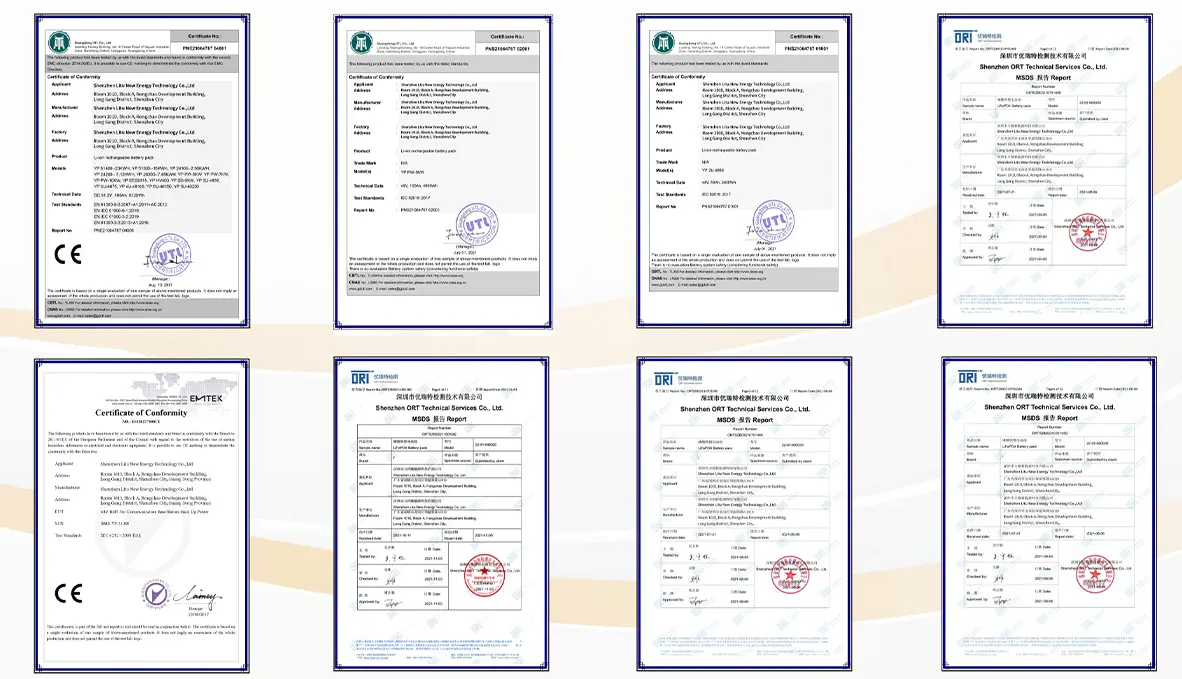
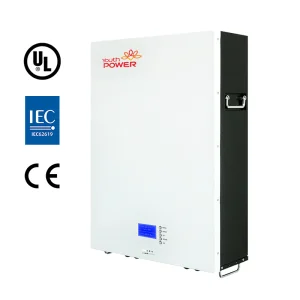
Our products meet international regulatory and safety standards, holding certifications including CE, UN38.3 (standard for transport safety testing), IEC 62619 (safety requirements for industrial lithium batteries), and UL 1973. Documentation is available to support project compliance during permitting.
Q5: What is the estimated degradation profile and expected warranty of these systems?
Our LiFePO4 battery systems maintain approximately 80% of their initial capacity after 6,000 cycles (under standard test conditions: 0.5C charge/discharge, 25°C, 80% DoD). We back this performance with standard factory warranties ranging from 5 to 10 years, depending on the model and application profile.
Q6: How does the integrated BMS communicate with hybrid inverters?
The integrated smart BMS includes pre-loaded protocols for major inverter brands. Communication is established via physical CANbus or RS485 interfaces. This connection transmits real-time State of Charge (SoC), State of Health (SoH), cell temperatures, and charging current parameters to the inverter.