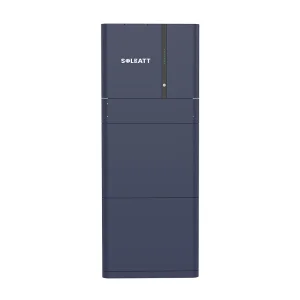
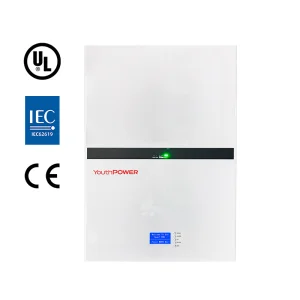
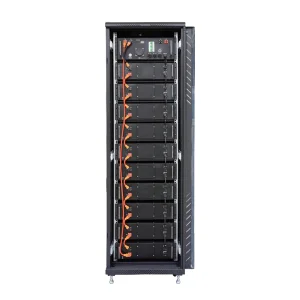
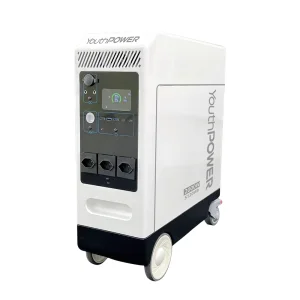
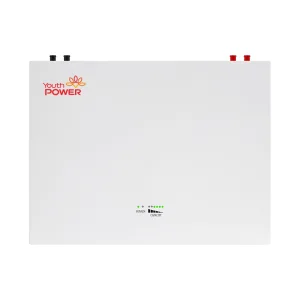
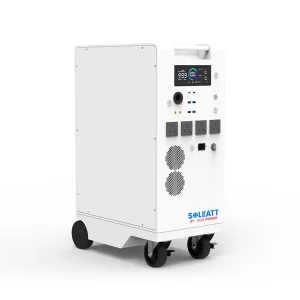
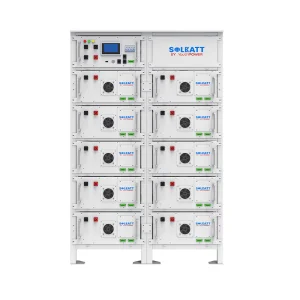
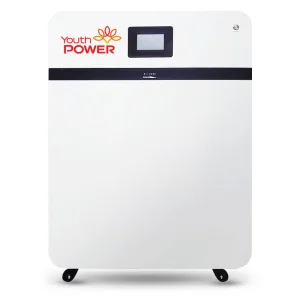
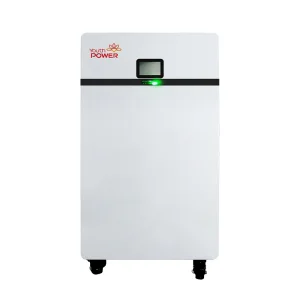
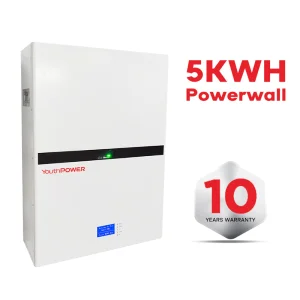
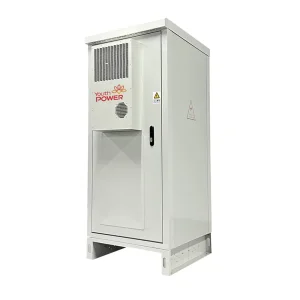
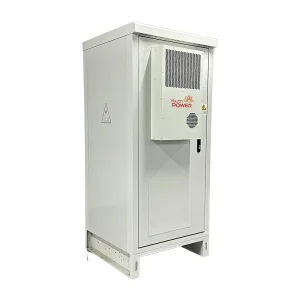
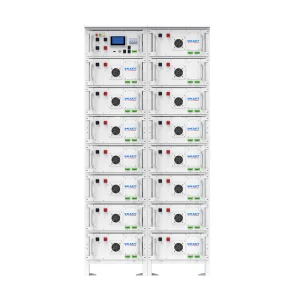
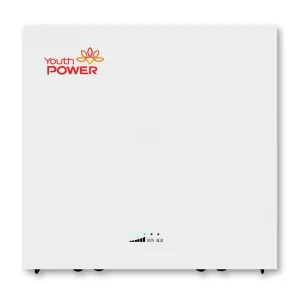
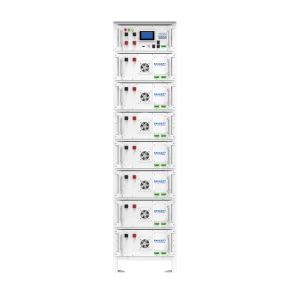
Premium energy storage hardware engineered to standard regulatory profiles. Directly procured from our state-of-the-art facilities.
In the dynamic global transition toward decentralized power grids, behind-the-meter (BTM) energy storage has emerged as the cornerstone of commercial, industrial, and residential resilience.
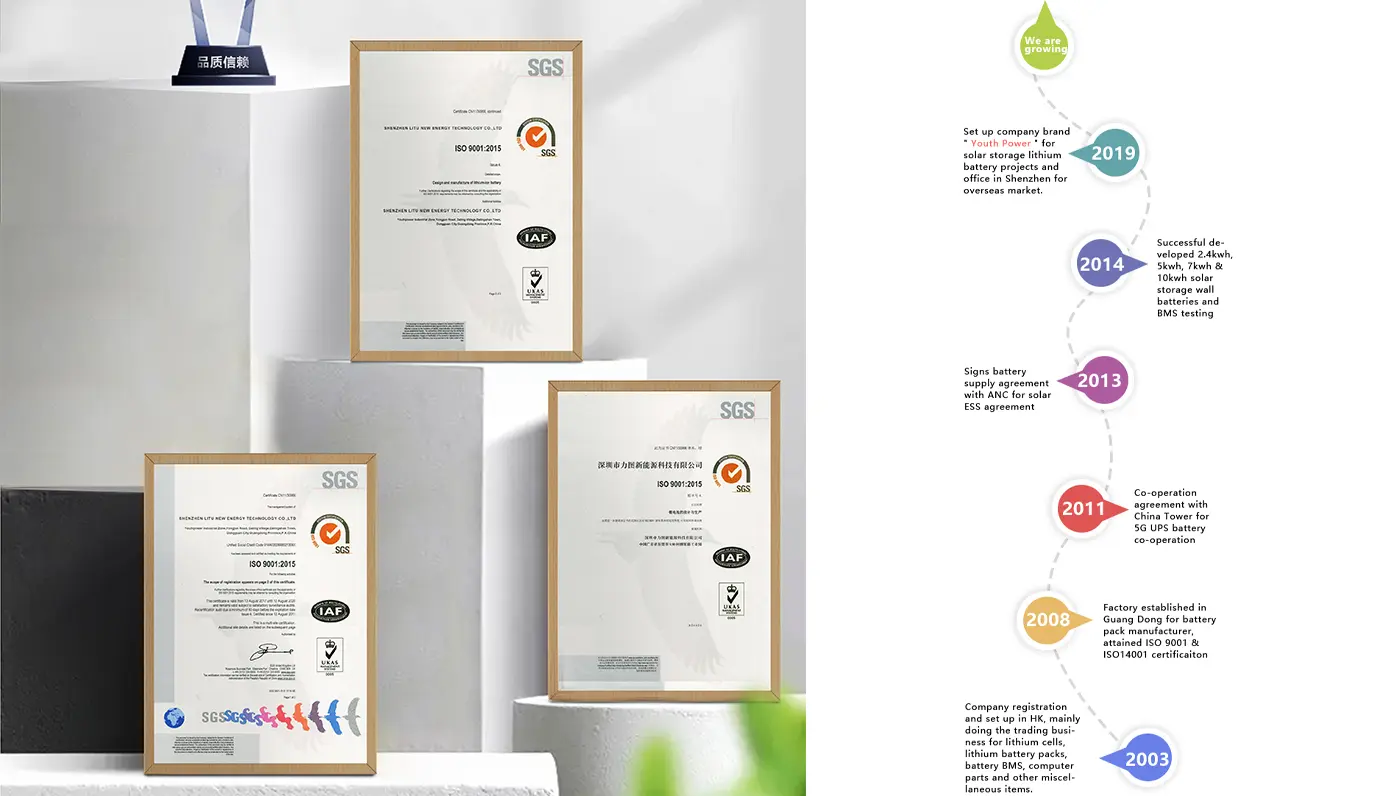
A heritage built on reliable battery engineering, high volume manufacturing, and international certifications.
Decades of Specialization in Energy Storage Technology
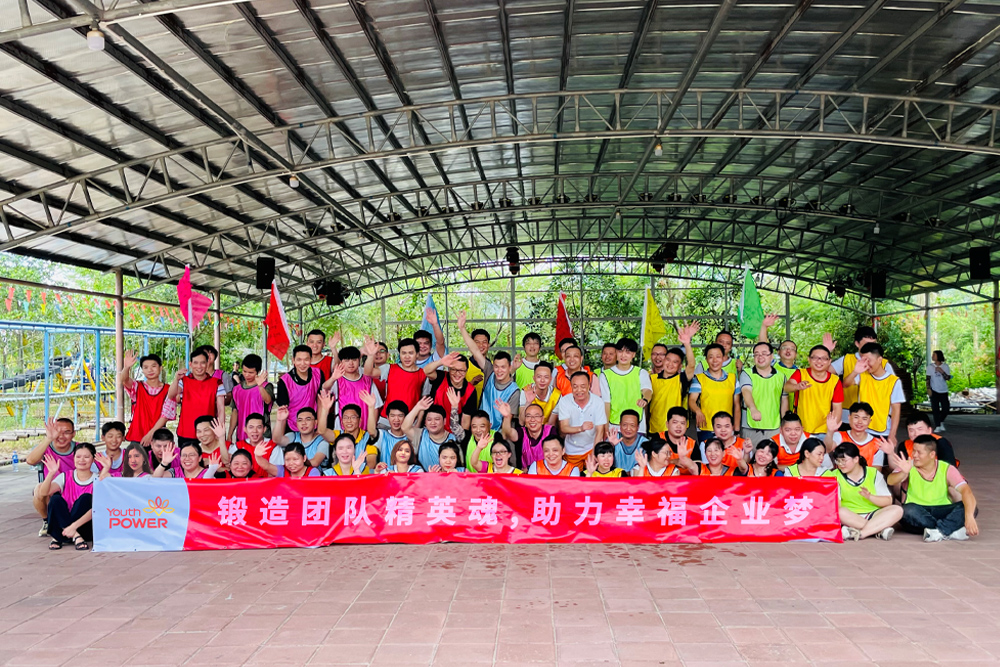
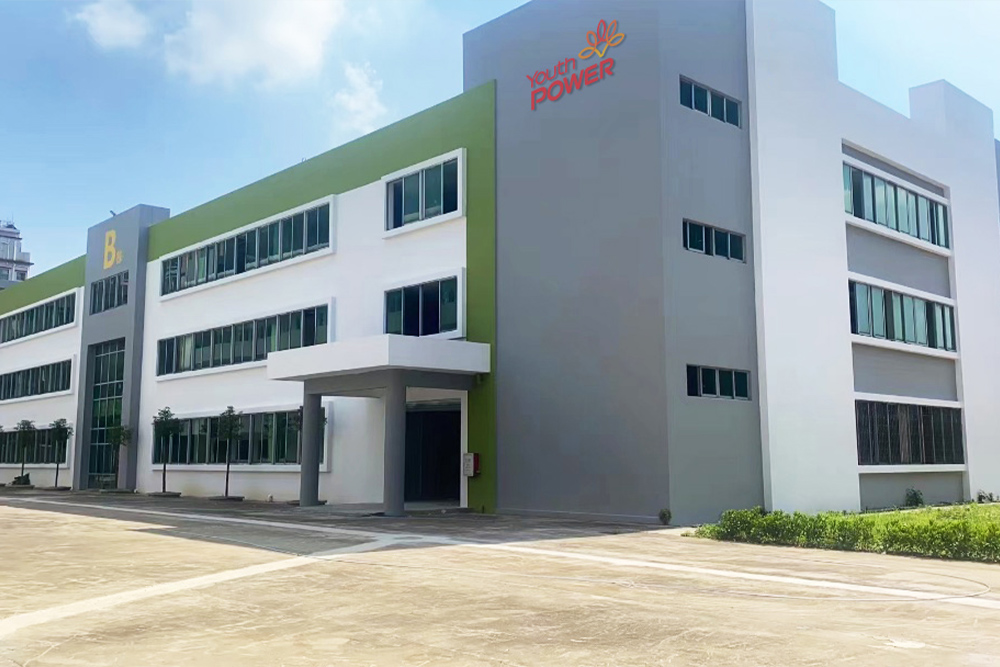
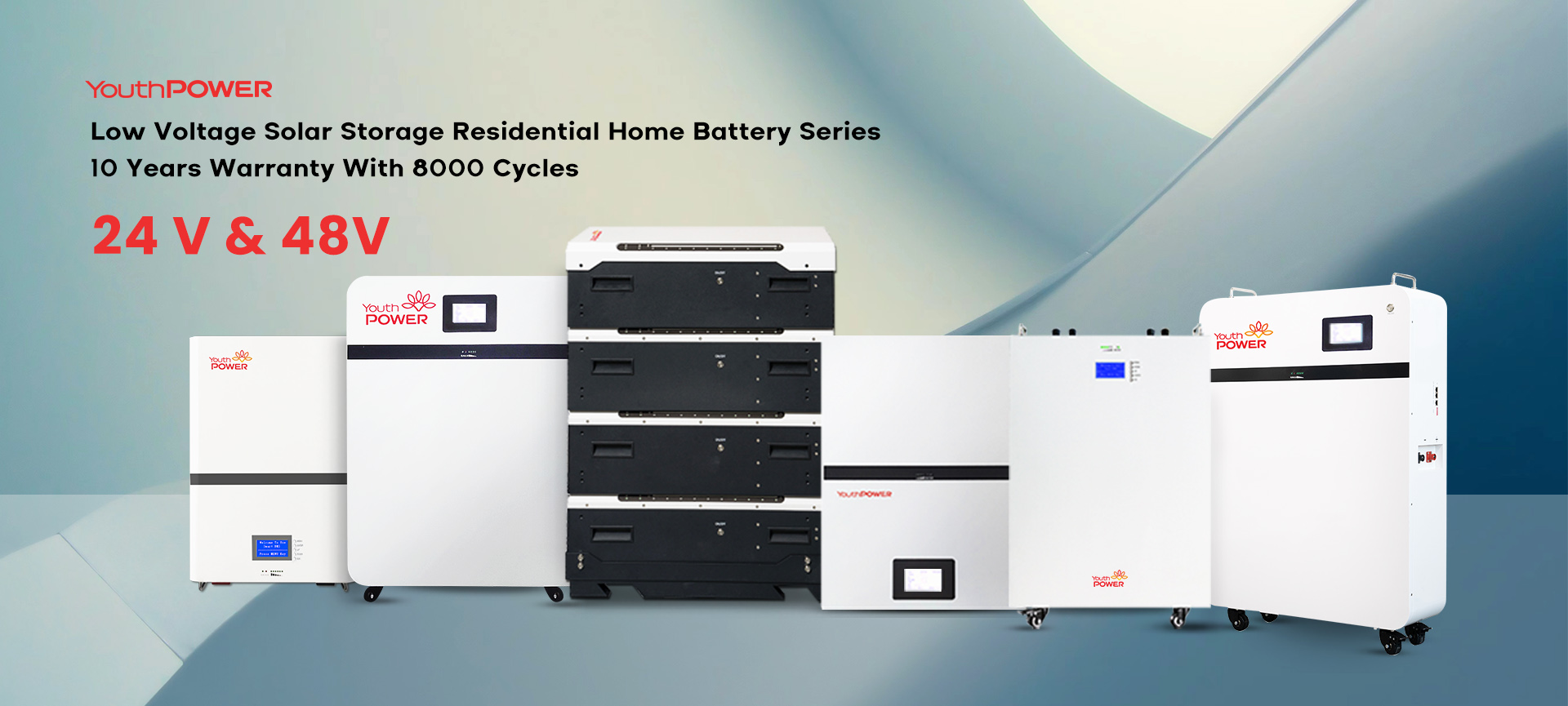
Global Footprint and Strong Localized Sourcing
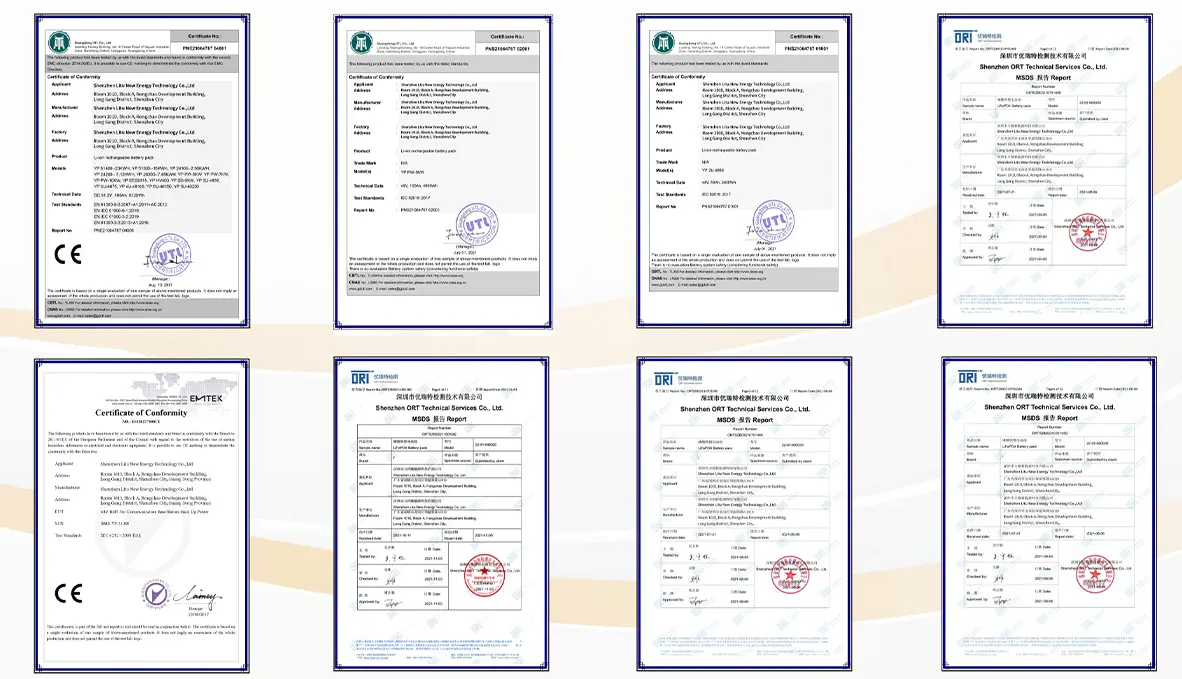
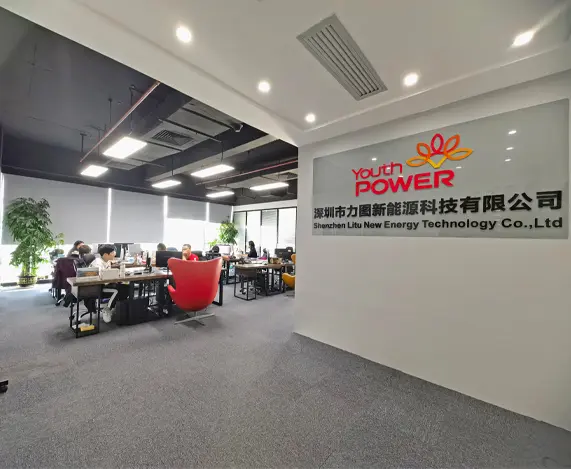
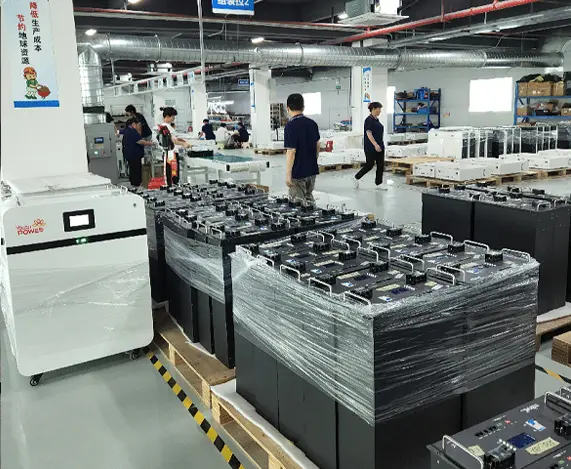
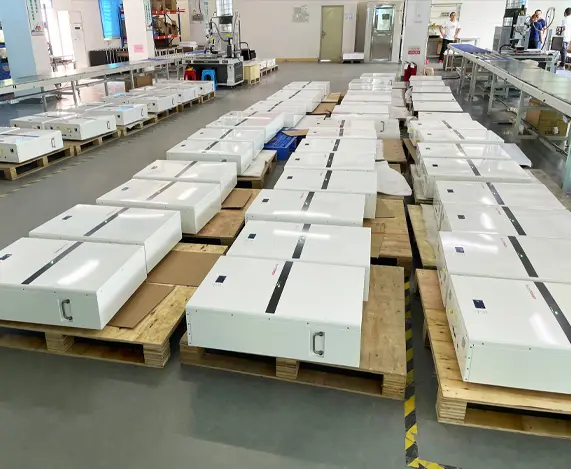
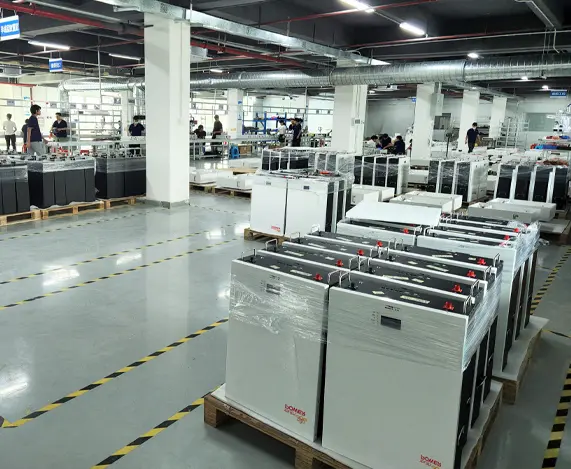
The core manufacturing advantages that drive cost efficiencies, technological edge, and volume capabilities.
Over 80% of the world's battery raw materials and cell manufacturing facilities are located in China. This proximity enables direct sourcing of Grade-A prismatic LFP cells from suppliers like CATL, BYD, and EVE, minimizing transit costs and quality variances.
We provide comprehensive system branding integration, customized BMS protocol matching, custom metal enclosure fabrication, and color schemes. These changes allow distributors to align products with regional consumer preferences.
Top Chinese factories utilize state-level testing labs. Our manufacturing lines run automated testing for UL 1973, UL 9540A, CE, UN38.3, and IEC 62619 standards, ensuring compliance with local grid safety codes.
Stay ahead of technological transitions to secure long-term value in energy storage projects.
Different regions have distinct technical requirements. We tailor configurations to local requirements.
With high electricity tariffs and expiring feed-in schemes, residential users in Europe prioritize self-consumption. Stackable high-voltage systems (e.g., 3-Phase HV inverters coupled with 15kWh-20kWh battery storage) help optimize usage during peak hours.
North American installations focus on resiliency during extreme weather events. Powerwall solutions in these regions require rapid transfer switches (under 10ms backup transition), high peak power output, and Split-Phase 120V/240V inverter compatibility.
In locations with limited grid coverage (e.g., rural communities, remote islands, or agricultural setups), large LFP systems operate alongside diesel generator controls. High IP65/IP66 ingress protection and advanced dust filtration are essential for these systems.
Automated energy management systems shift energy draw from the grid during high-tariff periods to stored off-peak solar power, reducing utility billing costs.
High-power DC charging networks draw significant power. Co-locating 100kWh+ outdoor powerboxes mitigates grid impact, helping prevent overload conditions.
Water treatment plants, automated greenhouses, and cold storage units use industrial battery cabinets to prevent product losses during power outages.
Modular rack systems provide reliable backup power for telecommunication arrays in challenging conditions, reducing maintenance intervals compared to lead-acid options.
Key benchmarks for procurement managers evaluating solar powerwall factories.
Quality Assurance Protocols (QAP)
BMS Communication Interoperability
Detailed answers to key technical questions in energy storage procurement.
We source only brand-new, Grade-A prismatic Lithium Iron Phosphate (LiFePO4) cells. Each cell undergoes sorting for matched voltage, internal resistance, and capacity to ensure pack longevity and balance.
Our custom BMS features pre-loaded firmware protocols compatible with major global inverter brands. It supports real-time CAN and RS485 data output, including state of charge (SoC), voltage, current, and temperature diagnostics.
We recommend using modules from the same production batch when connecting batteries in series or parallel. For expansion projects, contact our engineering team to ensure voltage matching and proper current balancing.
Our battery packs include thermal sensors connected to the BMS. If temperatures exceed design thresholds, the BMS throttles current or disconnects relays to prevent thermal runaway.
All battery systems are classified as Class 9 Dangerous Goods. We use heavy-duty UN-approved packaging, including reinforced wooden crates with foam inserts, and provide complete documentation (MSDS, UN38.3 test summaries) for sea transport.
Our premium systems offer a 5 to 10-year warranty, depending on regional operating conditions. Under nominal temperatures, they are rated for 6,000+ cycles at 80% Depth of Discharge.
High-voltage battery setups and customizable ESS designs for commercial scale solar installations.
 YouthPOWER