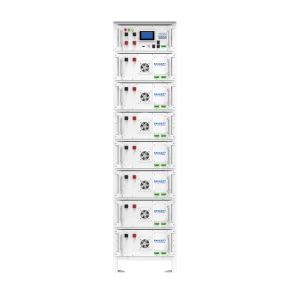
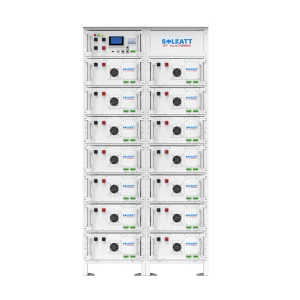
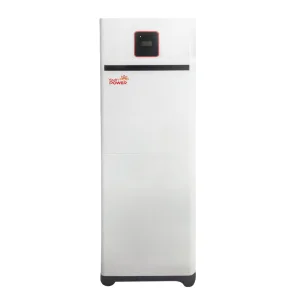
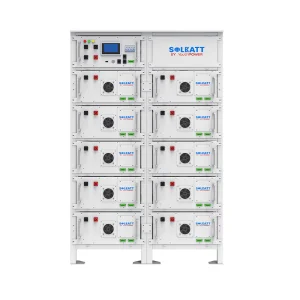
Engineered for superior life cycles, optimized C-rates, and direct-from-factory cost efficiency.
Decades of dedicated research and development in Lithium-ion manufacturing.
Founded in 2003, YouthPOWER has now become one of the leading suppliers of solar storage lithium batteries in the world. With a broad range of energy storage solutions, it covers a series of 24V, 48V and higher voltage lithium batteries solutions.
YouthPOWER has engaged in the battery technology and production for almost 20 years, with abundant manufacturing experience and strong new product R&D capability. Through many years of hard work and market promotion, we have created our own brand "YouthPOWER" in 2019.
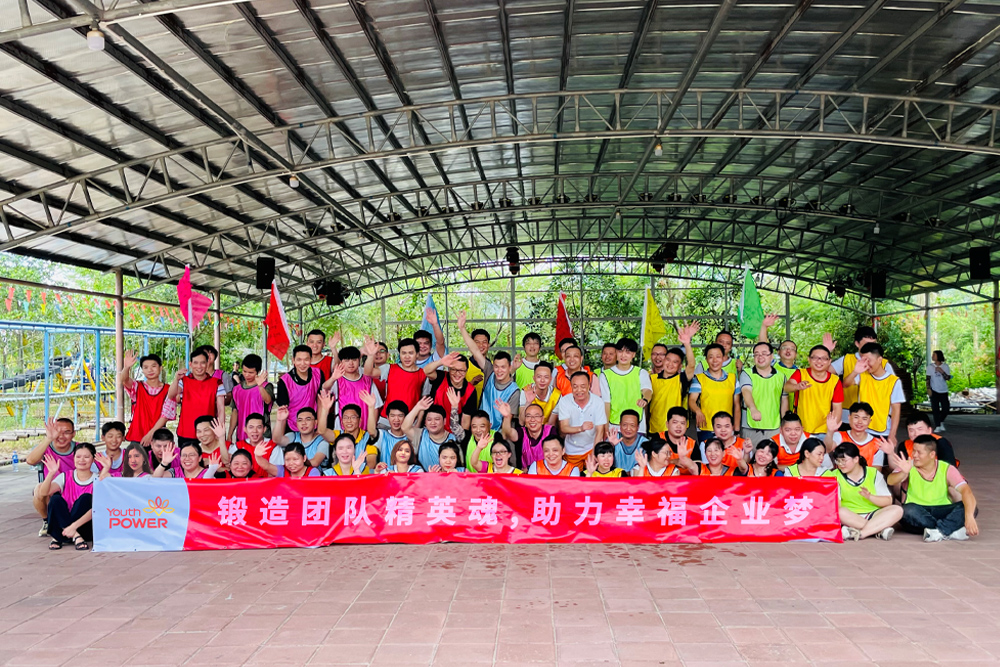
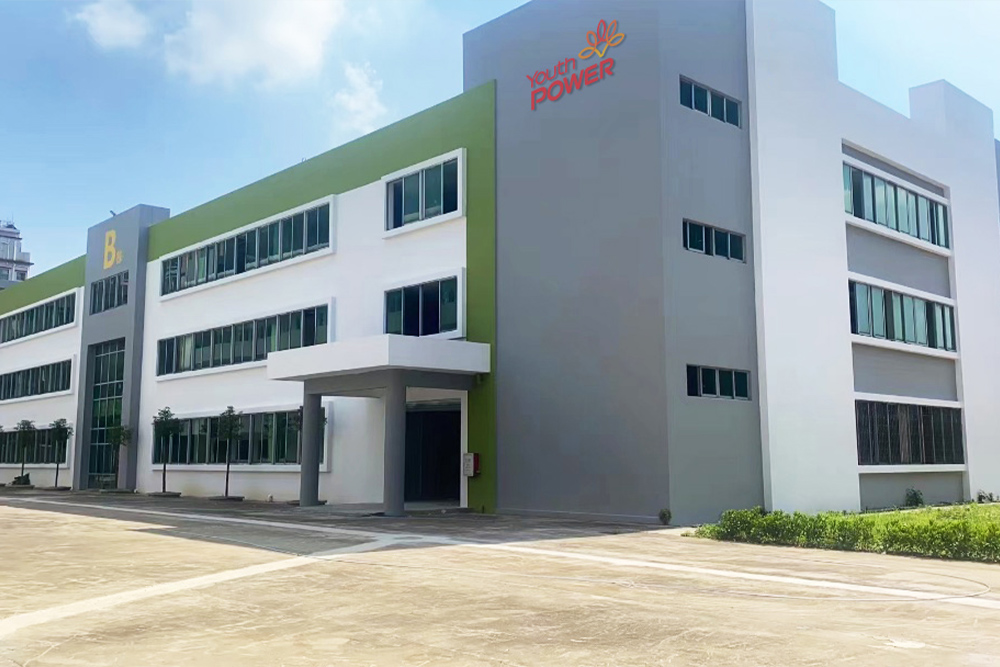
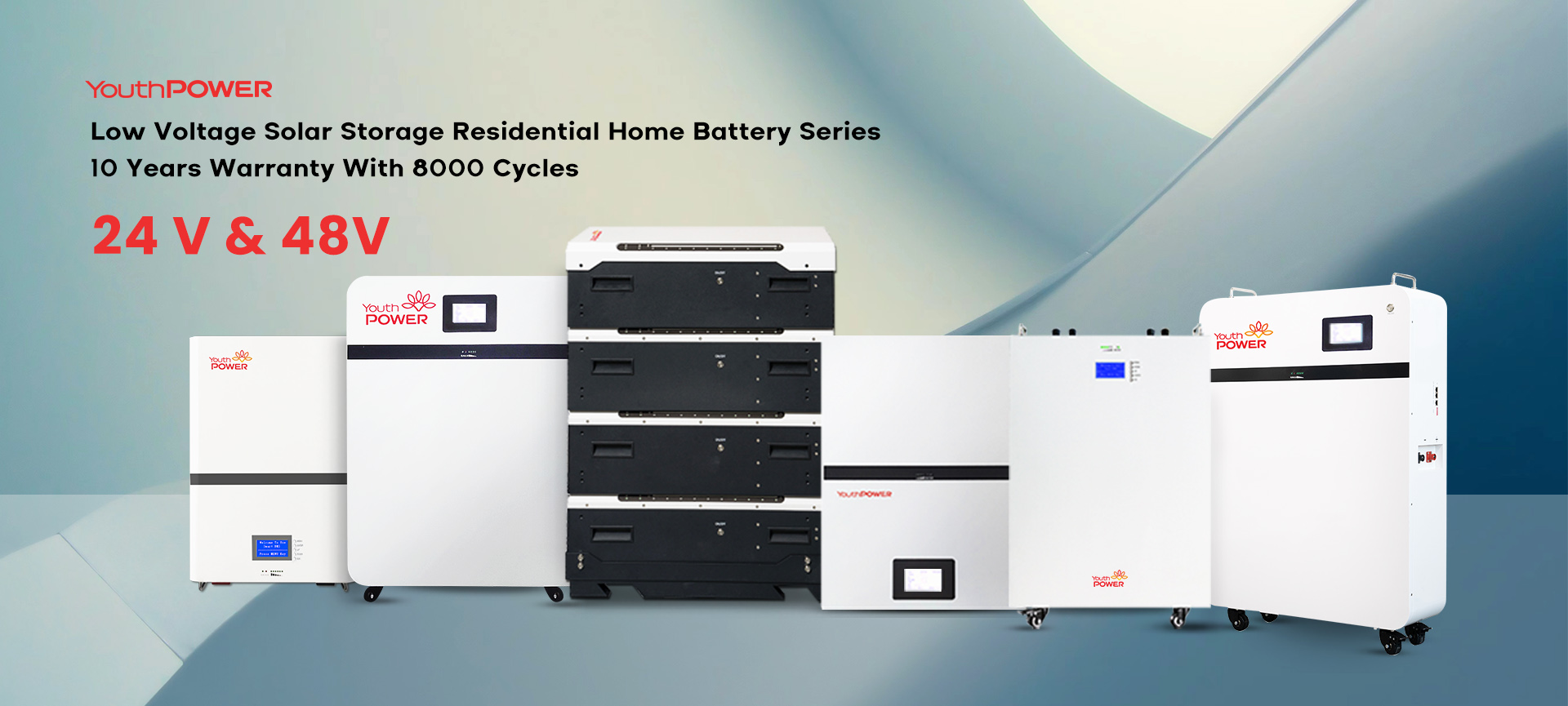
With nearly 20 years’ experience in the battery industry, we have the capability to provide you with both the products you need and the most suitable products you want. We are always ready to supply the first-class products and meet the various needs of the customers.
We have established good business relationships with our customers from all over the world. And we have a good cooperation with all our customers as well for many years running. Supported by our local vendors of raw materials, we can certainly offer you the best prices.
We are so proud that YouthPOWER has offered the reliable solar storage solution for over 1,000,000 families now in the world.
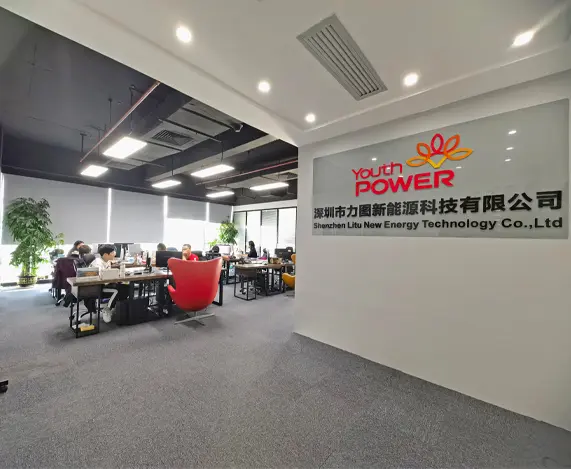
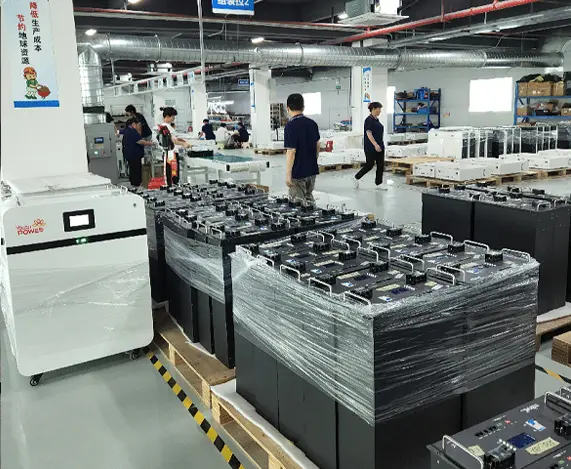
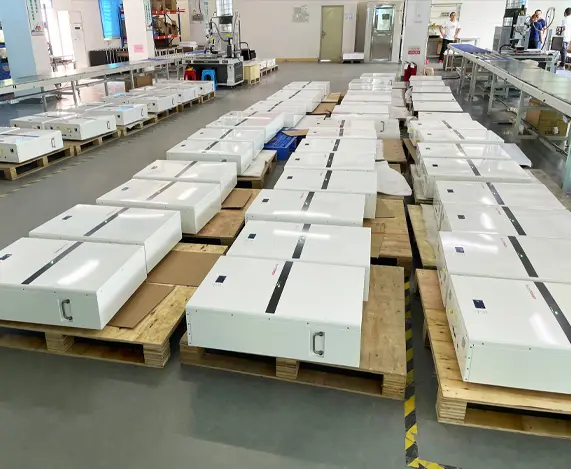
Analyzing global grid transformations and the vital economic role of industrial battery systems.
As the global energy transition accelerates, grid instability and volatile electricity pricing are driving commercial, industrial, and residential sectors toward decentralized energy networks. In this landscape, solar storage batteries act as critical infrastructure rather than simple backup devices.
In North America and Europe, grid operators face peak-load pressures, leading to high Demand Charges for businesses. Commercial and Industrial (C&I) enterprises utilize behind-the-meter (BTM) storage systems to mitigate these costs. By deploying high-voltage storage solutions, businesses can achieve substantial peak shaving and load-shifting benefits.
Furthermore, the Levelized Cost of Storage (LCOS) has reached grid parity in many regions. Sourcing systems directly from manufacturers helps project developers bypass unnecessary markups, accelerating project ROI and securing long-term economic independence.
Why Lithium Iron Phosphate (LFP) serves as the primary standard for stationary battery systems.
Safety is a key factor in large-scale energy storage. Compared to Nickel Manganese Cobalt (NMC) chemistries, Lithium Iron Phosphate (LiFePO4) features high structural stability and a higher thermal runaway threshold (approximately 270°C vs. 150°C). This significantly minimizes safety risks under challenging operating conditions.
| Feature Parameter | Lithium Iron Phosphate (LiFePO4) | Lithium Nickel Manganese Cobalt (NMC) | YouthPOWER Advantage |
|---|---|---|---|
| Thermal Runaway Temp | ~270°C to 300°C | ~150°C to 210°C | Enhanced safety margins |
| Cycle Life (80% DoD) | 6,000+ Cycles | 1,500 - 2,500 Cycles | Longer service life |
| Environmental Impact | Cobalt-Free, Low Toxicity | Heavy Metals (Cobalt/Nickel) | RoHS & REACH Compliant |
| C-Rate Flexibility | Optimal for 0.5C - 1C standard | High surge, rapid degradation | Balanced thermal management |
Our proprietary Battery Management System (BMS) offers real-time monitoring of cell voltages, temperatures, and State of Charge (SoC). Engineered with dual-processor redundancy, the BMS interfaces with major global inverter brands using CAN, RS485, and RS232 protocols. This provides plug-and-play compatibility and active balance protection.
Decades of manufacturing scaling and engineering achievements.
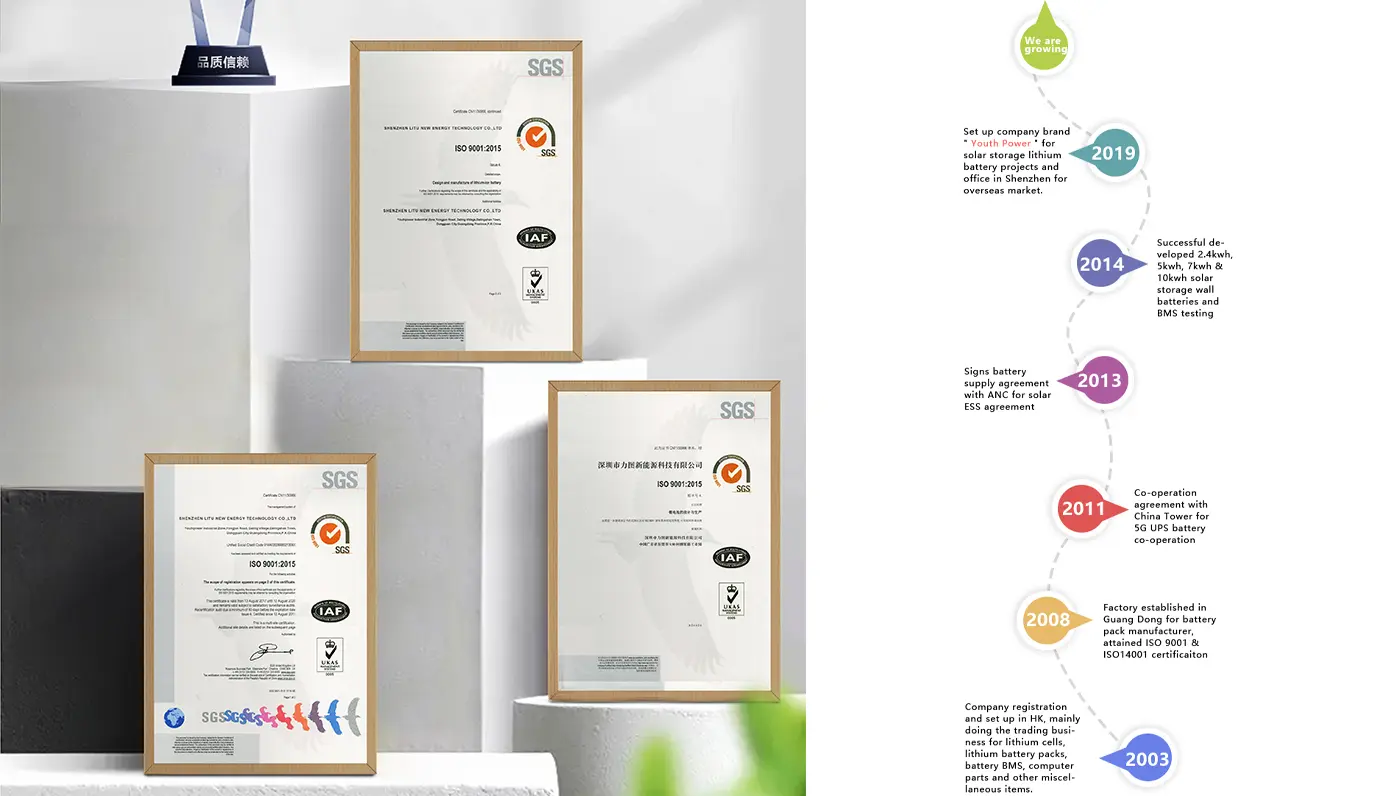
Our manufacturing journey has evolved alongside changes in the global energy infrastructure. Over our 20-year history, we have transitioned from a specialized cell producer to an integrated system provider. This progression enables us to control the entire manufacturing process, from raw materials to final validation. By maintaining this end-to-end oversight, we ensure our systems deliver consistent reliability and competitive pricing.
Meeting international grid-tie and safety certifications to ensure hassle-free integration.
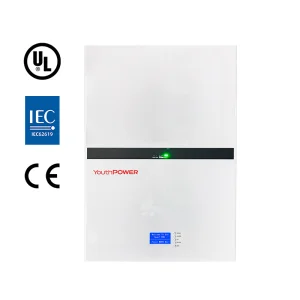
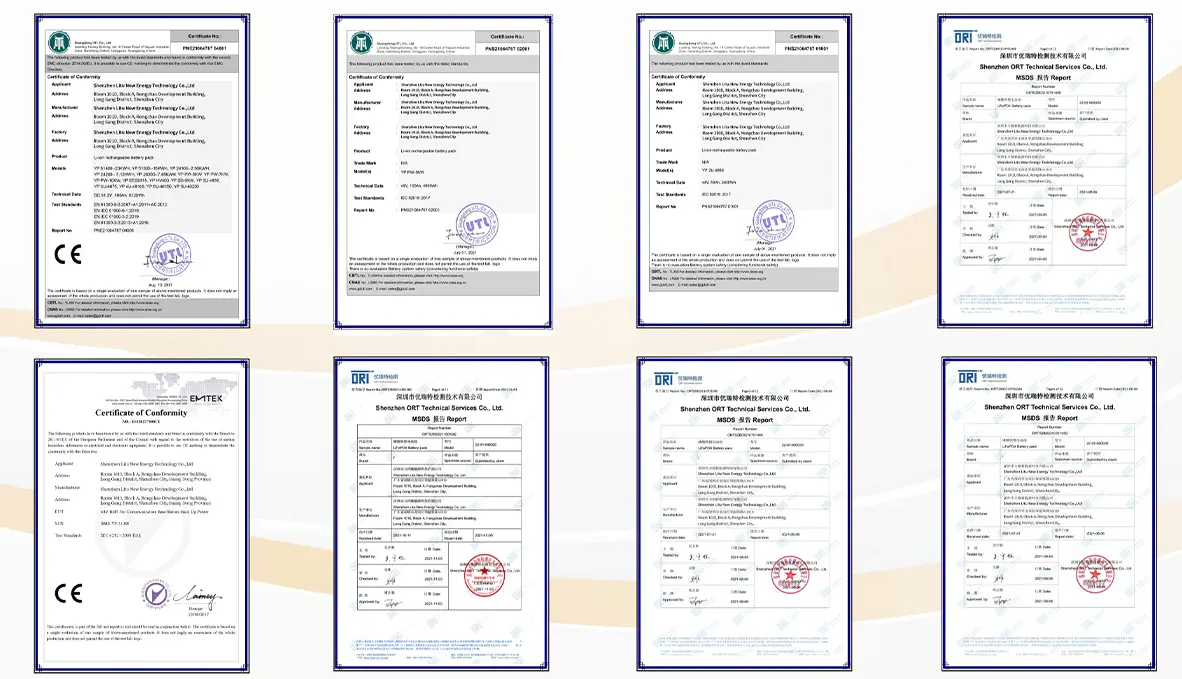
Fully certified under UL 1973, UL 9540A, CE, IEC 62619, and UN38.3, meeting North American and European fire and electric safety protocols.
Strategic distributions hubs in Europe, the United States, and South Africa ensure fast last-mile delivery and localized post-sales support.
Compatible with global grid codes including IEEE 1547, VDE-AR-N 4105, and AS/NZS 4777, enabling simplified utility approvals.
From remote mini-grids to commercial backup systems, we build for high performance under real-world conditions.
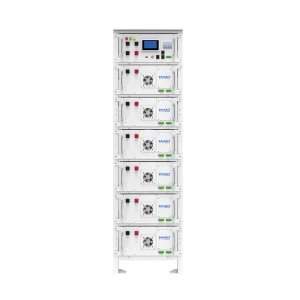
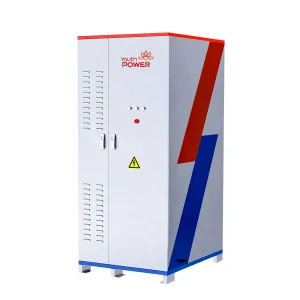
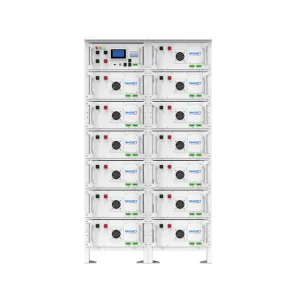
Irrigation and agricultural processing equipment demand continuous power, often in remote regions where grid access is limited. Our high-voltage battery cabinets provide the necessary energy capacity to support heavy motor startup currents without system voltage drops.
Manufacturing facilities, data centers, and cold-storage warehouses deal with high utility demand charges. Our scalable outdoor battery systems store power during low-rate periods and discharge during peak times to reduce overhead expenses.
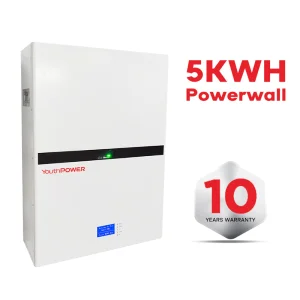
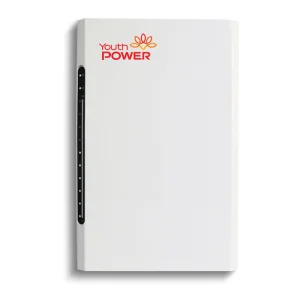
For regions facing regular power interruptions, our 5kWh to 10kWh Wall-mounted LiFePO4 batteries work with hybrid solar inverters to provide automatic power switchover, keeping homes running smoothly.
Investing in next-generation solid-state chemistry and smart cloud telemetry.
As battery technology advances, YouthPOWER continues to invest in next-generation storage solutions. Our R&D team is currently developing solid-state lithium structures designed to improve energy density while maintaining high safety standards.
Additionally, we are integrating AI-driven predictive analytics into our BMS software. This update will allow systems to monitor cell aging patterns and anticipate maintenance needs, helping operators optimize performance and maximize system lifetime.
Understanding the variables that influence raw materials, manufacturing costs, and wholesale pricing structures.
When evaluating the price of solar storage batteries, several core elements must be taken into account:
By operating our own assembly lines and working directly with local raw material vendors, YouthPOWER reduces manufacturing overhead. This dynamic allows us to offer competitive factory-direct pricing to our distributors and project developers.
When budgeting for a commercial project, it is helpful to look past initial acquisition costs and focus on the Levelized Cost of Storage (LCOS). A high-durability system with a cycle life of over 6,000 charges provides a lower per-kilowatt-hour cost over its operating life than a cheaper alternative that requires cell replacement in half the time.
Expert technical answers to common queries regarding solar storage batteries.
Advanced commercial storage arrays and high-capacity portable power stations.
 YouthPOWER