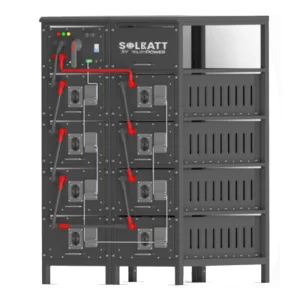
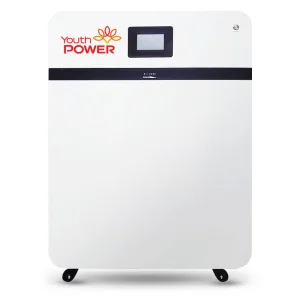
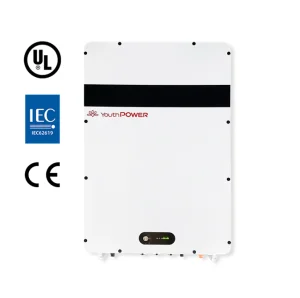
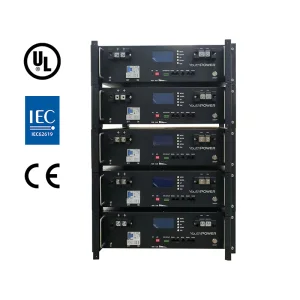
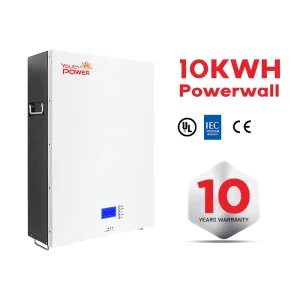
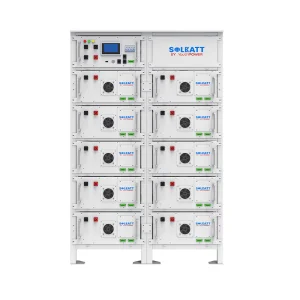
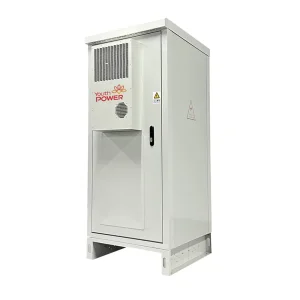
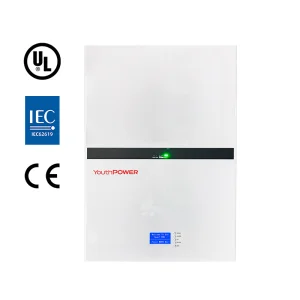
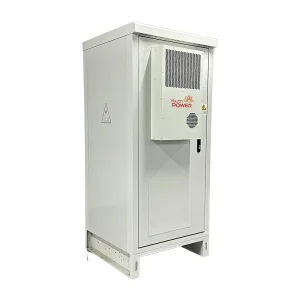
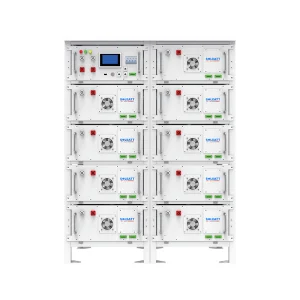
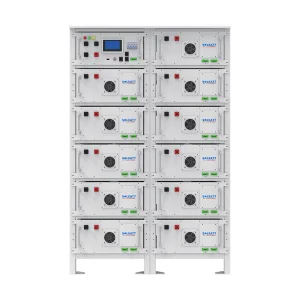
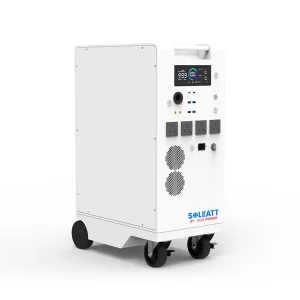
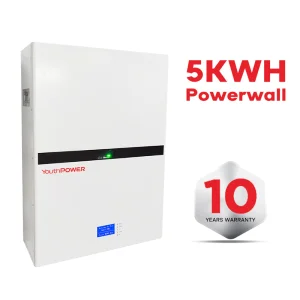
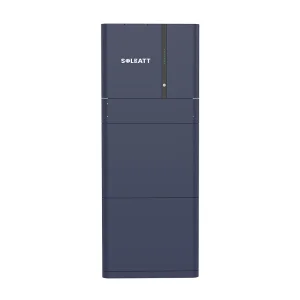
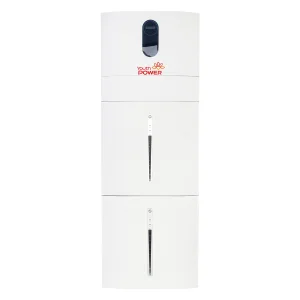
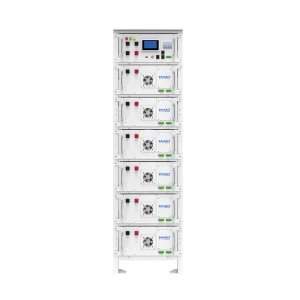
Explore our premium lineup of high-voltage ESS, waterproof units, and robust commercial storage systems.
A Globally Recognized Pioneer in Advanced Lithium Battery Technology & High-End Manufacturing
Founded in 2003, YouthPOWER has now become one of the leading suppliers of solar storage lithium batteries in the world. With a broad range of energy storage solutions, it covers a series of 24V, 48V and higher voltage lithium batteries solutions.
YouthPOWER has engaged in the battery technology and production for almost 20 years, with abundant manufacturing experience and strong new product R & D capability. Through many years of hard work and market promotion, we have created our own brand "YouthPOWER" in 2019.
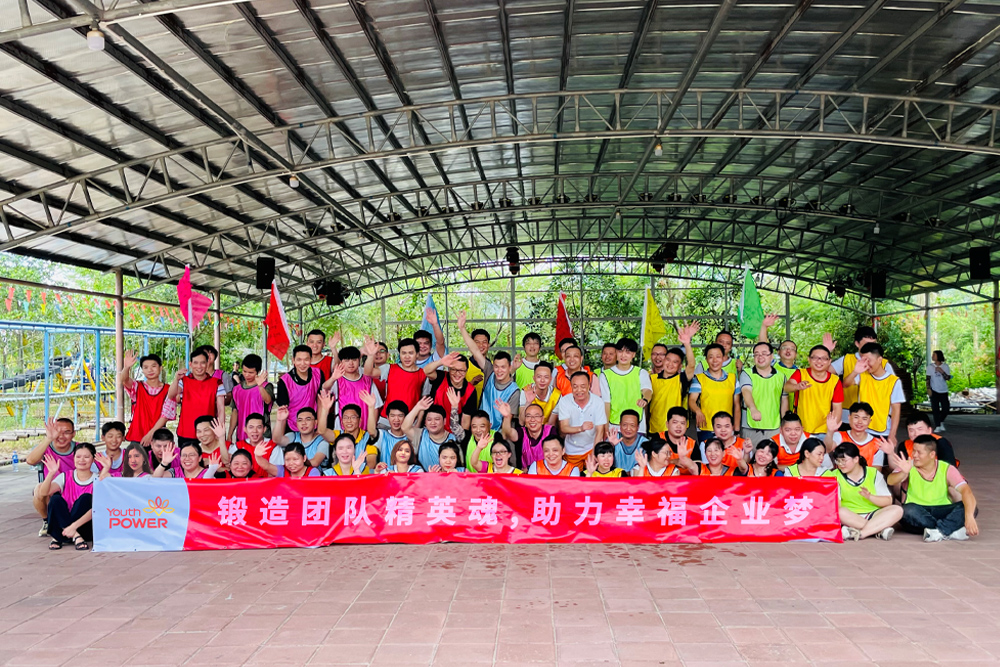
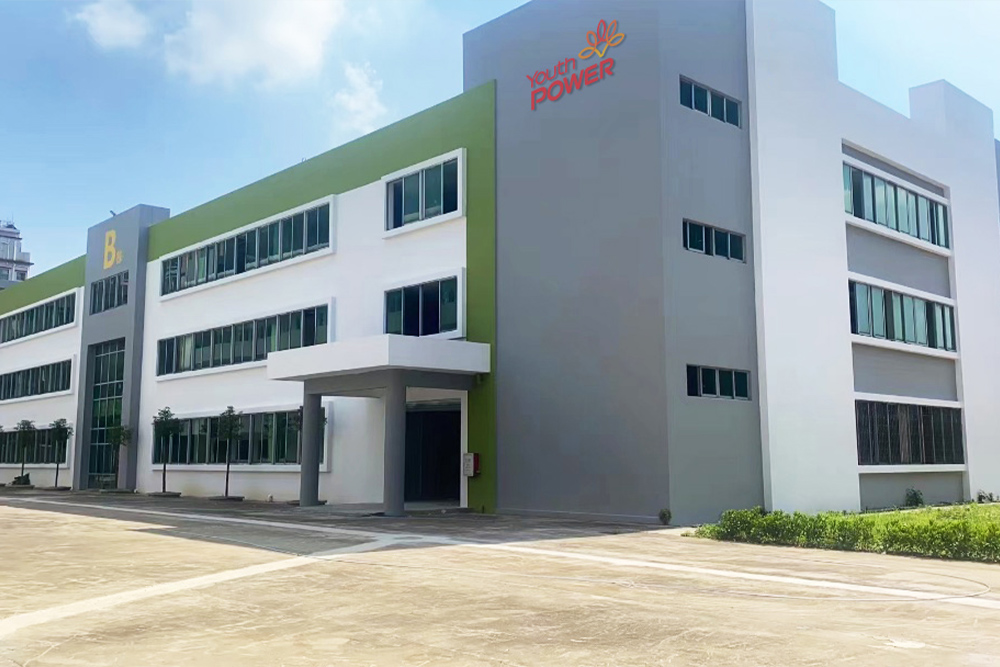
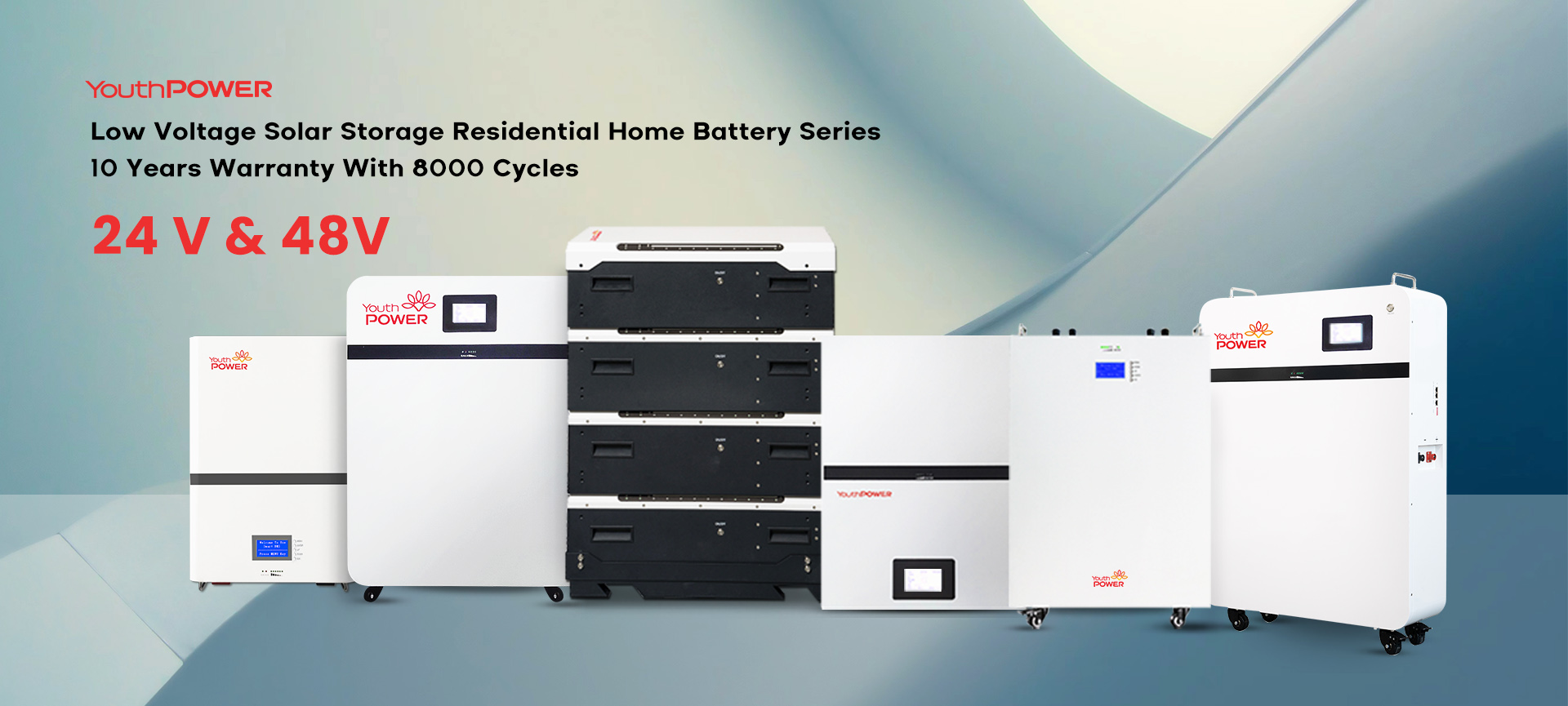
Our rigorous production lines undergo constant monitoring to secure compliance with international shipping, structural stability, and extreme temperature operations.
With nearly 20 years’ experience in the battery industry, we have the capability to provide you with both the products you need and the most suitable products you want. We are always ready to supply the first-class products and meet the various needs of the customers.
We have established good business relationships with our customers from all over the world. And we have a good cooperation with all our customers as well for many years running. Supported by our local vendors of raw materials, we can certainly offer you the best prices.
We are so proud that YouthPOWER has offered the reliable solar storage solution for over 1,000,000 families now in the world.
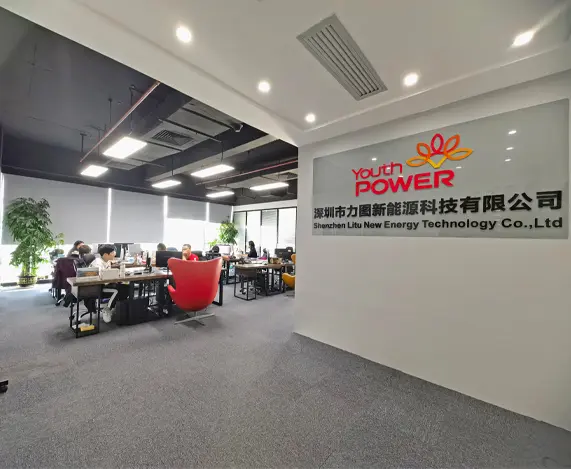
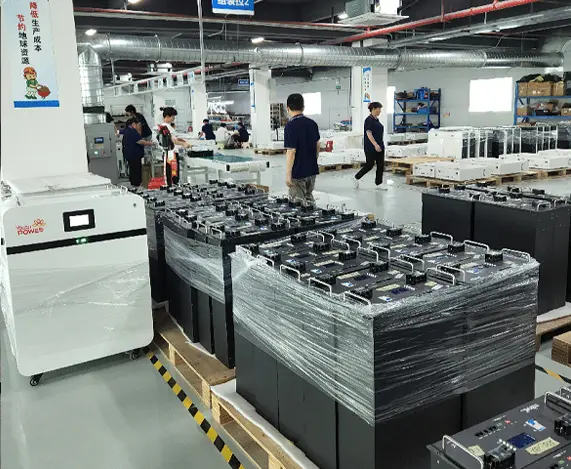
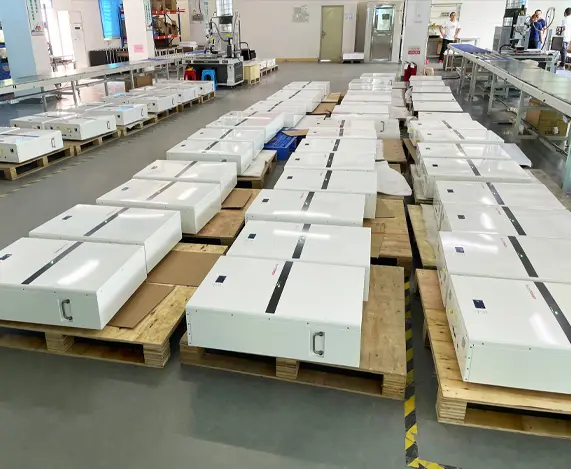
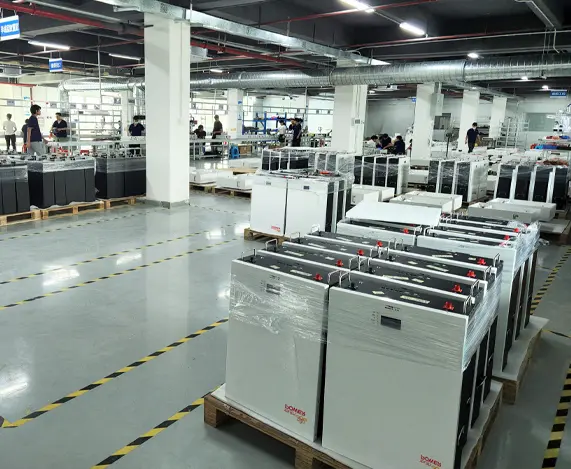
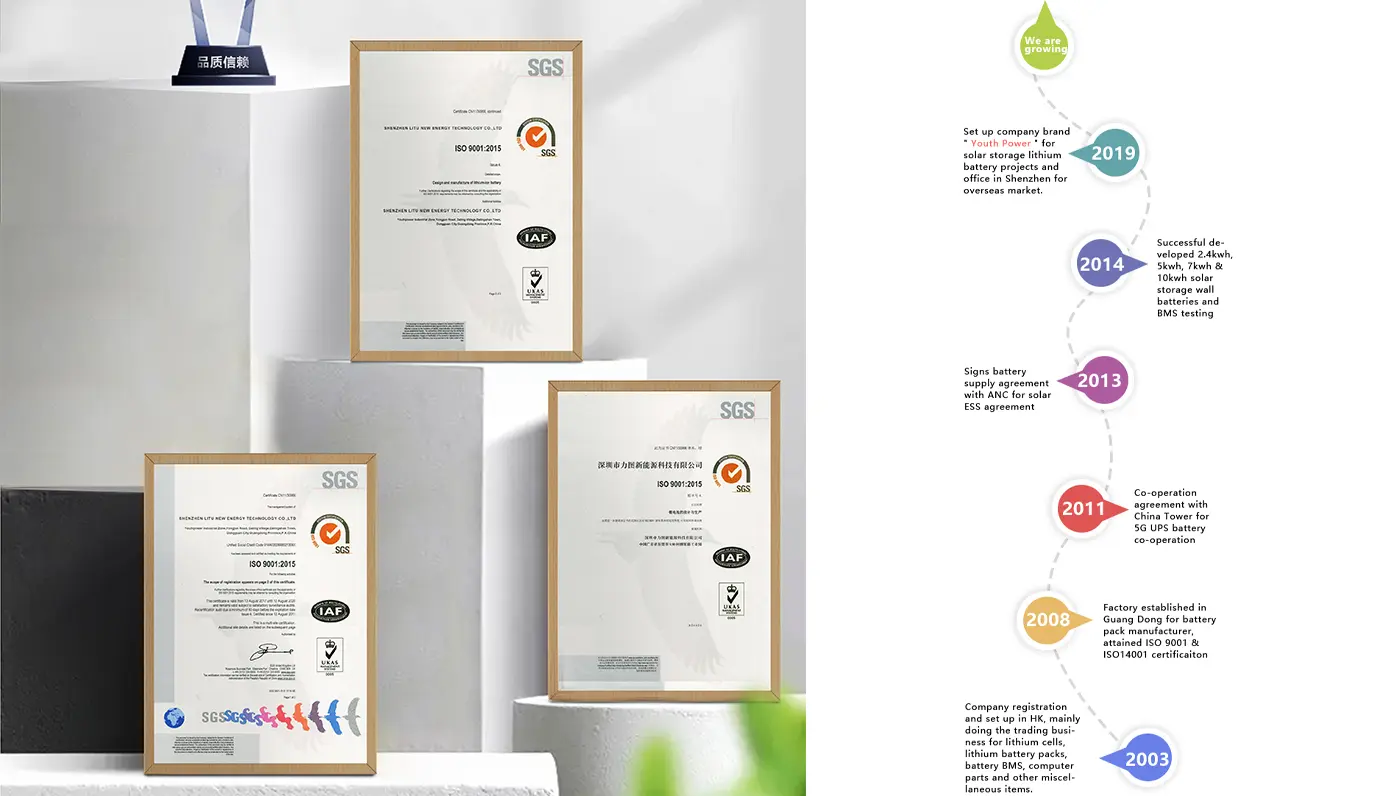
As the global grid system undergoes structural changes driven by decarbonization policies, the demand for resilient and scalable battery energy storage systems (BESS) has surged. Procurement managers, EPC contractors, and global energy developers are increasingly focusing on the vertical integration of solar battery supply chains. Finding a reliable solar system batteries factory that balances price, technological capacity, and post-installation support is paramount to securing high-return assets.
China has consolidated its position as the epicenter of the global lithium-ion battery supply chain, accounting for over 70% of the world’s production capacity. Sourcing directly from Chinese factories like YouthPOWER provides several structural advantages:
Lithium Iron Phosphate (LiFePO4) is the industry standard for stationary energy storage due to its exceptional thermal stability, non-combustibility, and long cycle life of over 6,000 cycles at 80% DOD.
Intelligent dual-microprocessor systems balance cell voltages, monitor operating temperatures, prevent thermal runaway, and offer remote cloud diagnostic dashboards.
Compatible with standard multi-brand residential and commercial hybrid inverters, eliminating software bottlenecks during onsite commissioning.
Importing large-capacity battery energy storage systems involves strict international hazardous materials transport regulations (Class 9 Hazmat classification) and regional technical compliance standards. Procuring from a seasoned export-oriented factory ensures compliance barriers are navigated smoothly:
Modern commercial and industrial (C&I) procurement teams must evaluate battery manufacturers across a matrix of reliability indicators. A common challenge in importing solar batteries is the long-term degradation risk. Lower-tier manufacturers may use B-grade or repurposed electric vehicle (EV) cells that display erratic discharge curves and high cell imbalance. YouthPOWER resolves this issue by strictly using brand-new A-grade cells, allowing us to guarantee a cycle life that exceeds a decade of daily usage.
Different markets present distinct local requirements. Understanding these localized application scenarios helps businesses match the right storage architecture with the target grid environment:
Premium outdoor energy storage solutions, plug-and-play UPS generators, and modular C&I battery banks.
Technical Insights to Help You Make Informed Battery Procurement Decisions
Lithium Iron Phosphate (LFP) chemistry offers excellent safety, thermal stability, and cycle life. Unlike NMC (Nickel Manganese Cobalt) cells, LFP cells are not prone to thermal runaway, even if punctured or subjected to high temperatures. Additionally, LFP batteries typically deliver 6,000+ charge cycles at 80% Depth of Discharge (DOD), translating to over 15 years of daily operation, making them the most cost-efficient option over time.
For safe international shipping, batteries must have UN38.3 certification and a certified Safety Data Sheet (SDS). For project-level compliance and local grid connection approval, the products must meet standards such as IEC 62619 (global safety standard), CE (for European markets), and UL 1973 / UL 9540A (for North American installations). Buying from certified factories ensures your installations comply with building codes and qualify for local utility interconnection.
Cell consistency is vital in high-voltage configurations to prevent early battery degradation. YouthPOWER employs strict automated testing to match cells by capacity, voltage, and internal resistance before assembly. Our smart BMS continually monitors and balances the state of charge (SOC) of individual cells, protecting the system from overcharging, deep discharging, and localized overheating.
Yes. Our integrated Smart BMS features pre-loaded, selectable communication protocols that are compatible with leading hybrid inverters on the market, including Victron, Deye, Growatt, Luxpower, Solis, and GoodWe. We also offer customization options for proprietary software architectures to ensure smooth integration during project setup.
Standard lead times for bulk container-level orders are typically between 30 and 45 days. This window covers cell sorting, BMS configuration, assembly, burn-in testing, and hazardous materials packaging. If customization is required—such as custom enclosure dimensions, logo branding, or bespoke voltage levels—the timeline may vary, and our R&D engineering team will provide a detailed project schedule.
 YouthPOWER