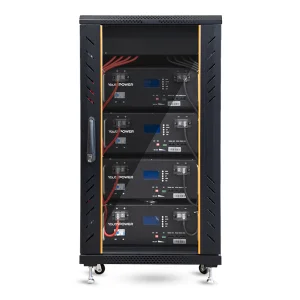
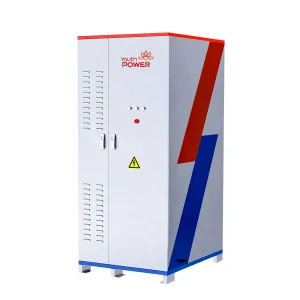
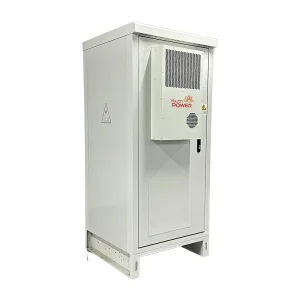
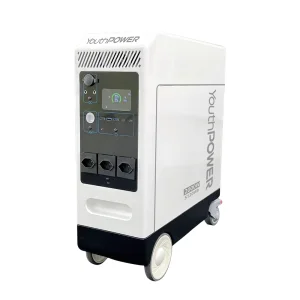
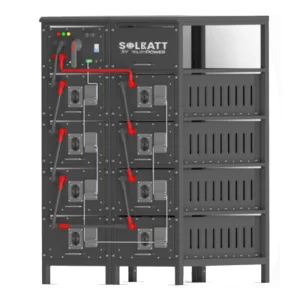
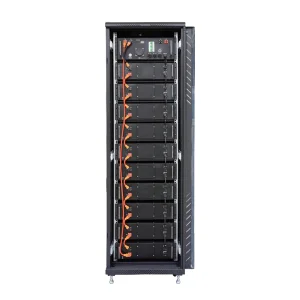
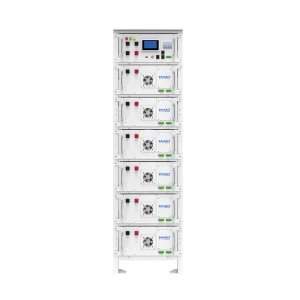
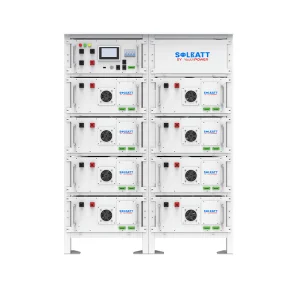
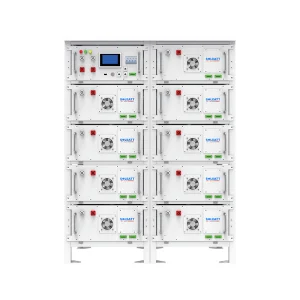
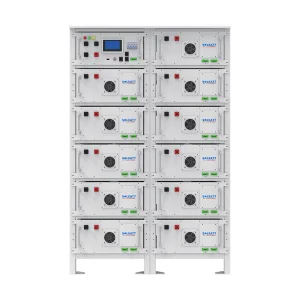
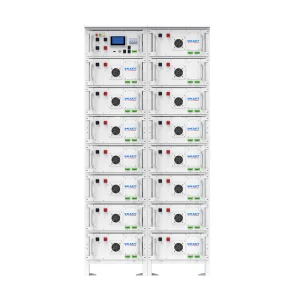
Highly optimized LiFePO4 configurations deployed for Doha's rigorous climate demands.
As Doha advances its modern grid systems under the framework of the Qatar National Vision 2030, the demand for Battery Energy Storage Systems (BESS) is seeing a significant upward trend. The state's transition toward sustainable energy sources, combined with intense industrialization around the Doha Industrial Area, Mesaieed, and Ras Laffan, requires the adoption of stable energy storage. High solar irradiance in the Gulf region, paired with extreme summer temperatures exceeding 50°C, creates a unique set of challenges and opportunities for commercial battery deployment.
For enterprise decision-makers, choosing the right commercial battery configuration is not simply a comparison of initial procurement prices. It demands a thorough evaluation of thermal run-away threshold levels, cell round-trip efficiency (RTE), state-of-health (SoH) degradation curves under high temperatures, and compliance with local regulatory authorities including the Qatar Civil Defense Department (QCDD) and Kahramaa (Qatar General Electricity & Water Corporation).
Understanding commercial battery prices in Doha requires analyzing both capital expenditure (CAPEX) and operational expenditure (OPEX). The CAPEX of commercial energy storage systems is calculated on a per-kilowatt-hour ($/kWh) basis, which is influenced by total system size, chemistry grade, and enclosure specifications.
In the Qatari market, the delivered price typically includes regional logistics, customs clearance at Hamad Port, specialized structural foundation work, active HVAC integration, and commissioning validation. Below is an overview of the projected CAPEX and performance matrix across diverse commercial configurations:
| System Capacity (kWh) | Chemistry type | Cooling System type | Est. Doha FOB Price Range (USD/kWh) | Expected Lifetime (Years) |
|---|---|---|---|---|
| 50kWh – 100kWh | LiFePO4 (LFP) | Forced Air Cooling | $240 – $320 | 10 – 12 Years |
| 100kWh – 250kWh | LiFePO4 (LFP) | Intelligent Air / Liquid Option | $210 – $280 | 12 – 15 Years |
| 500kWh – 2MWh+ | LiFePO4 (LFP) | Advanced Liquid Cooling | $180 – $240 | 15+ Years |
While initial costs are important, our engineering team advises focusing on the Levelized Cost of Storage (LCOS). Over a standard 15-year commercial lease or utility PPA in Doha, systems equipped with advanced smart BMS (Battery Management Systems) and active thermal management yield a lower cost per cycled kWh by reducing capacity fade in extreme temperatures.
Over two decades of international battery innovation, providing scalable storage systems to major markets.
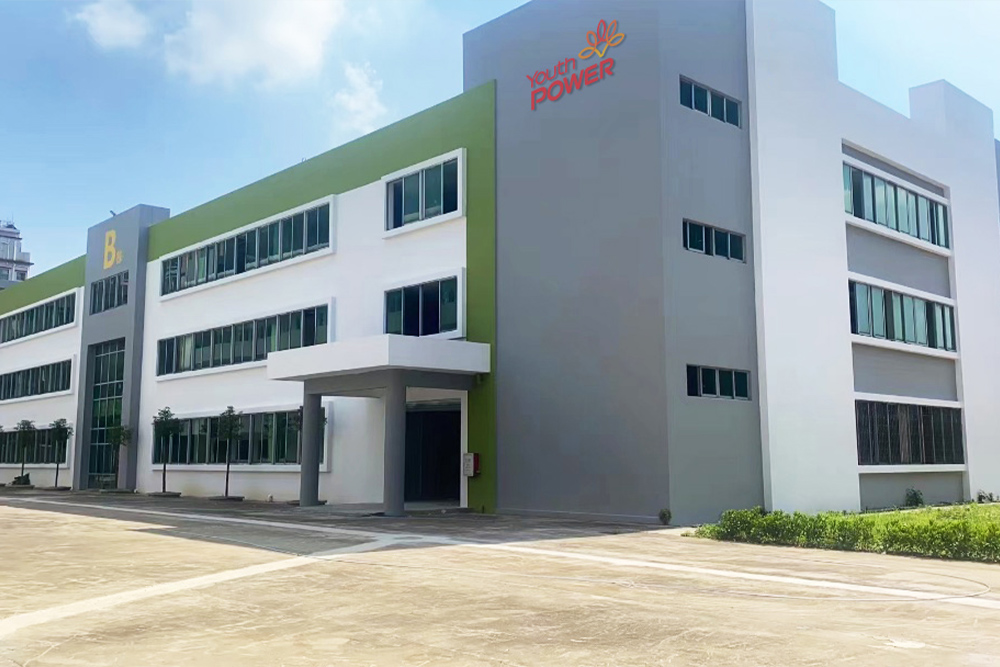
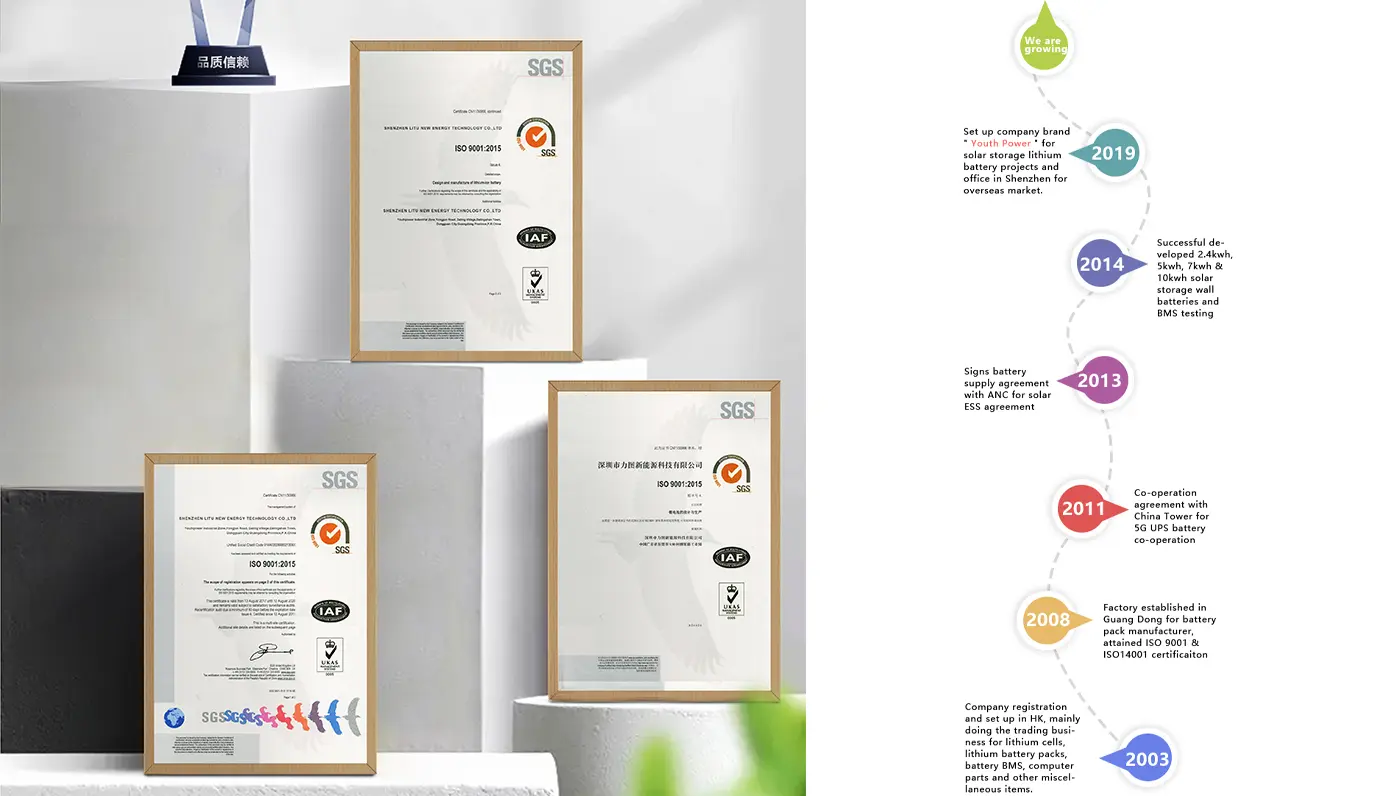
Founded in 2003, YouthPOWER has become one of the leading suppliers of solar storage lithium batteries globally. With a broad range of energy storage solutions, it covers a series of 24V, 48V, and higher voltage lithium battery systems designed for industrial infrastructure.
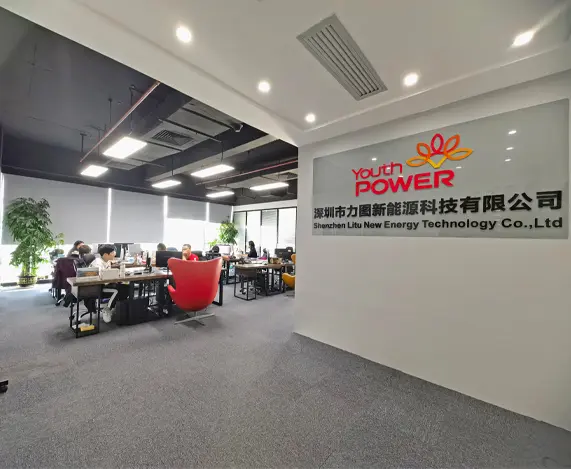
YouthPOWER has been engaged in battery technology and production for almost 20 years, bringing extensive manufacturing experience and robust R&D capabilities. Through years of dedicated engineering and market expansion, we established our flagship brand "YouthPOWER" in 2019.
Backed by local raw material supply chains and optimized production flows, we deliver competitive pricing without compromising build quality. Today, YouthPOWER supports reliable solar storage solutions for over 1,000,000 installations globally, helping commercial facilities transition to low-carbon systems.
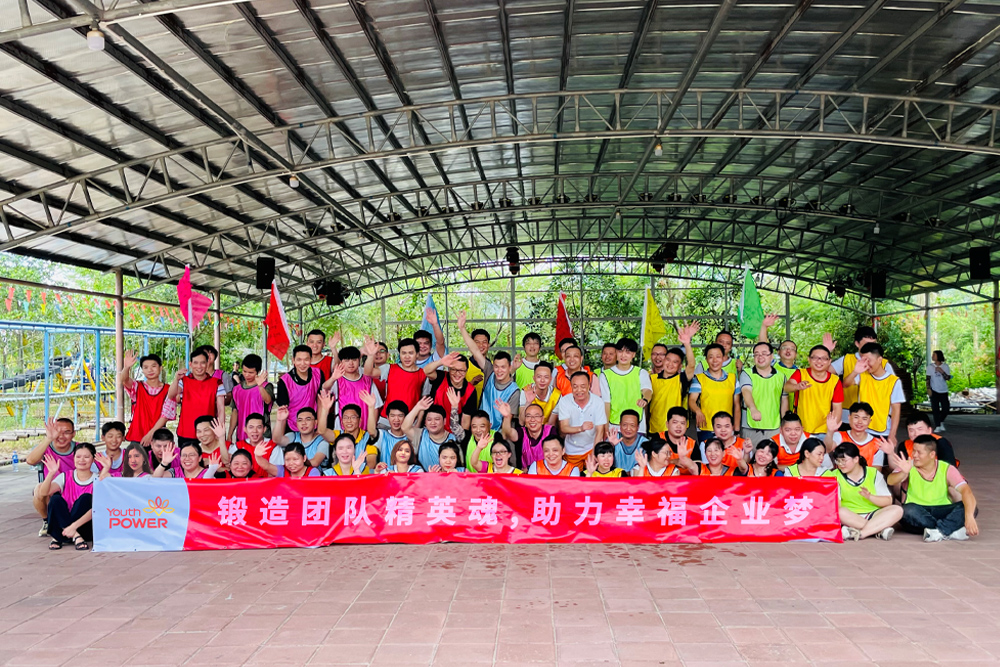
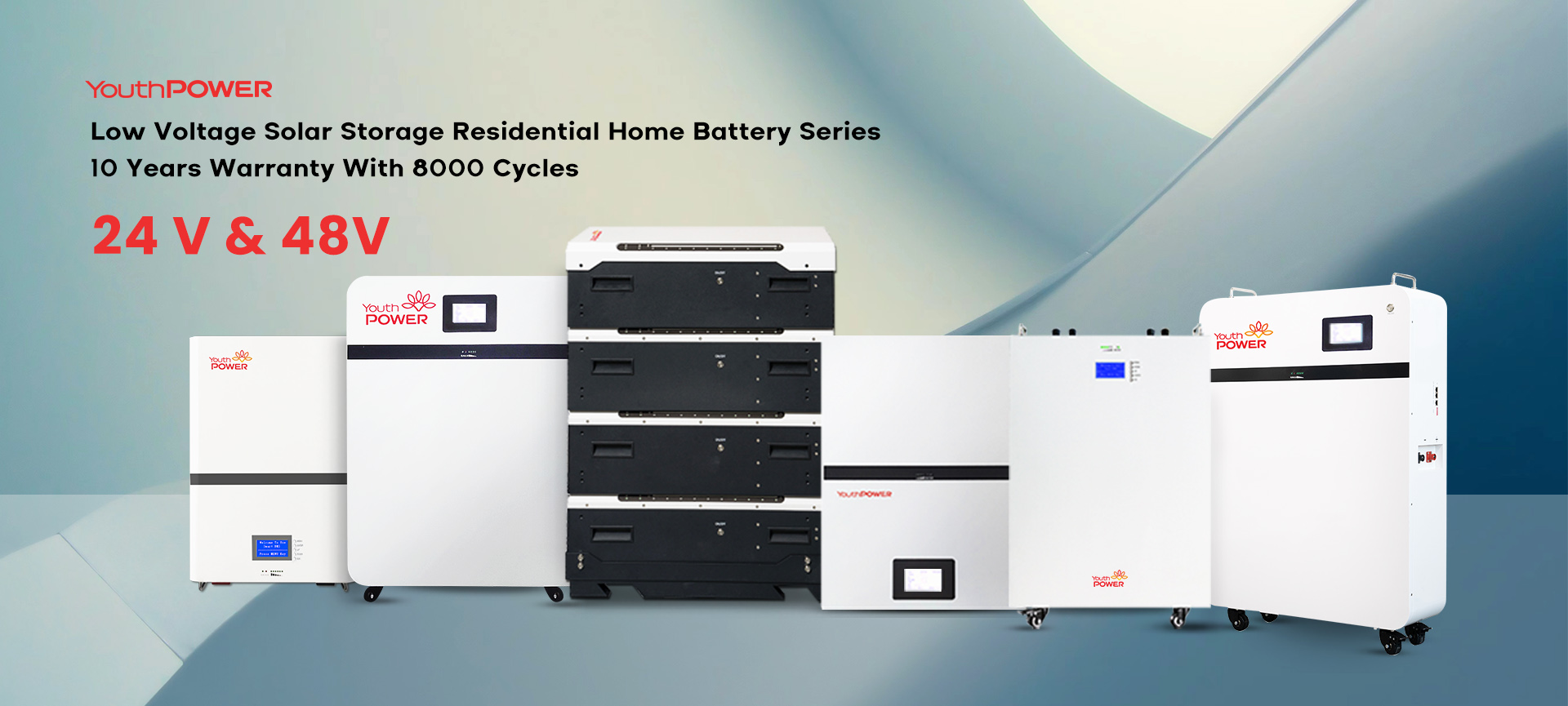
With nearly 20 years of experience in the battery sector, we have the capability to provide the products you need and customize systems to match your operational demands.
We maintain long-term business partnerships with developers, EPC contractors, and distributors worldwide. Our close cooperation with premium raw material vendors allows us to offer optimized pricing for large-scale procurement.
Whether implementing peak-shaving systems for industrial facilities in Qatar, or setting up off-grid solar-plus-storage microgrids for remote infrastructure, YouthPOWER systems are engineered to withstand rigorous conditions.
Tracing our evolution from battery components manufacturer to global BESS innovator.
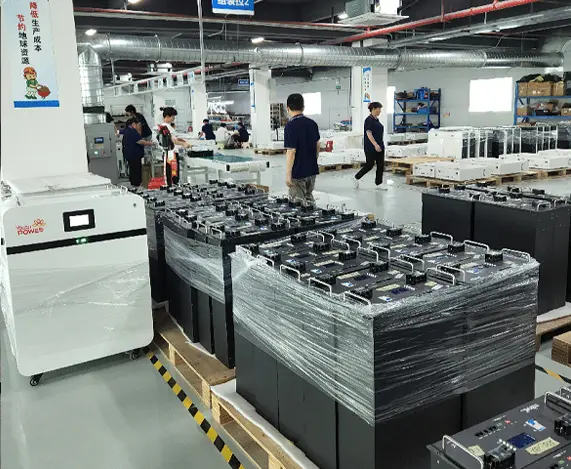
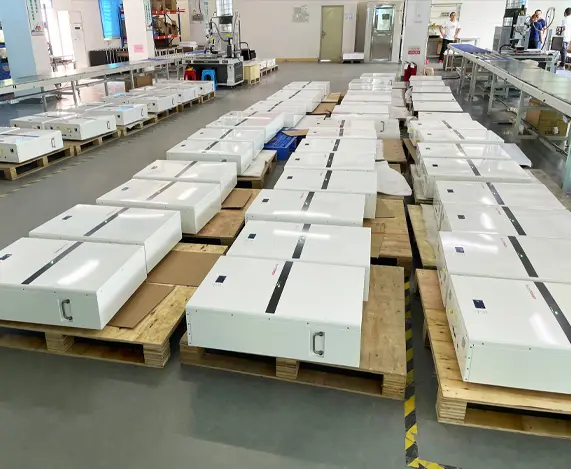
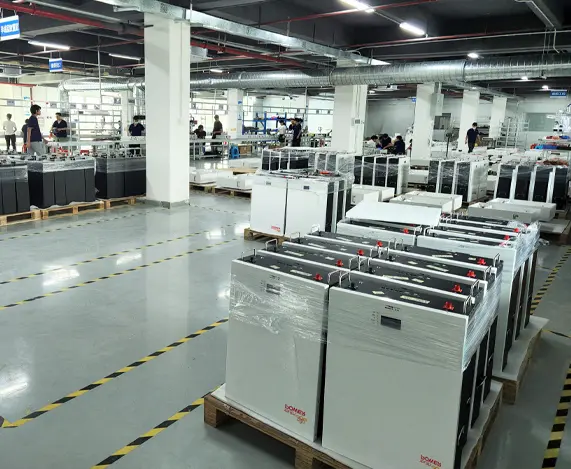
Operating energy storage in Doha requires careful consideration of local standards. High summer ambient temperatures demand strict adherence to international safety protocols. YouthPOWER commercial battery storage systems are engineered using the safest chemistry class: Lithium Iron Phosphate (LiFePO4). LFP provides distinct advantages over alternative formulations such as NMC (Nickel Manganese Cobalt):
Furthermore, grid-tied battery storage systems must meet Kahramaa's transmission standards. The integration of high-voltage systems (e.g., 409V, 512V, or 768V configurations) requires stable power conversion, dual-stage galvanic isolation, and rapid response protection.
In Qatar's commercial centers and industrial parks, electricity demand curves are dominated by peak cooling cycles during midday. Installing commercial batteries allows companies to run two primary operational strategies:
A. Demand Charge Reduction (Peak Shaving)
Commercial power tariffs in Qatar often include demand charges based on peak usage. By discharging batteries during peak consumption windows, enterprises can reduce these peak charges, lowering monthly utility costs.
B. Backup Power & Off-grid Integration
For remote logistics hubs and temporary construction projects in Doha, mixing solar PV with battery storage and backup diesel generators creates a reliable hybrid microgrid. This setup reduces fuel consumption, lowers emissions, and cuts down on maintenance overheads.
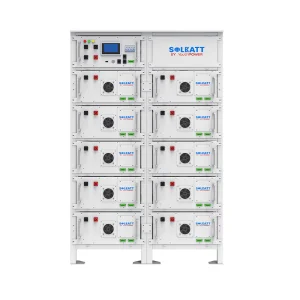
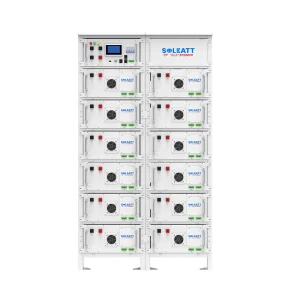
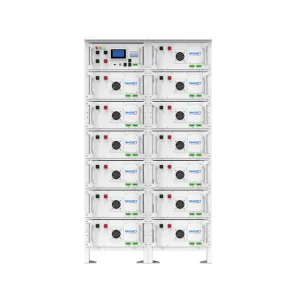
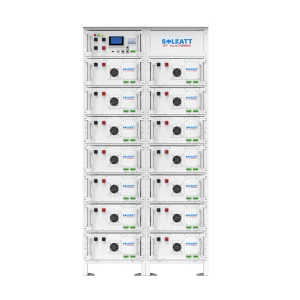
Explore our complete catalog of commercial energy storage systems available for direct export to Doha.
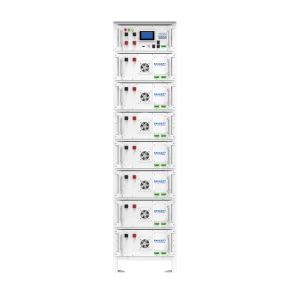
 YouthPOWER