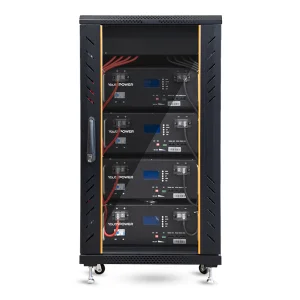
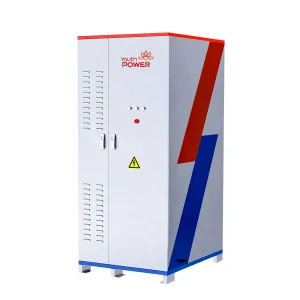
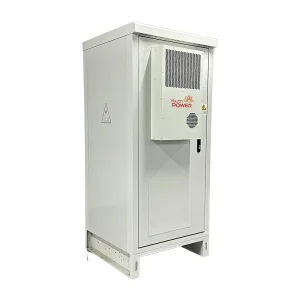
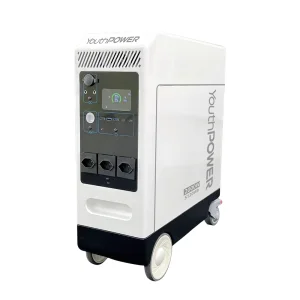
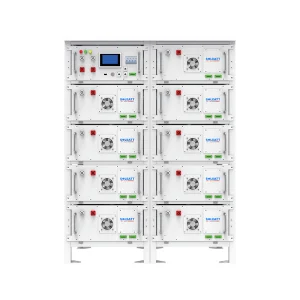
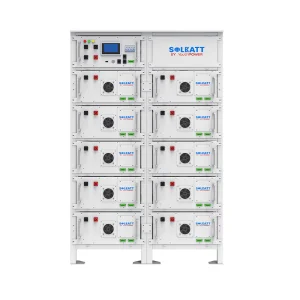
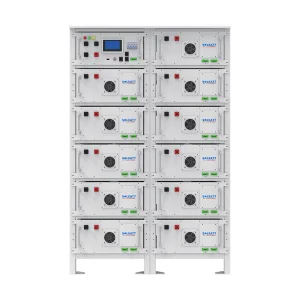
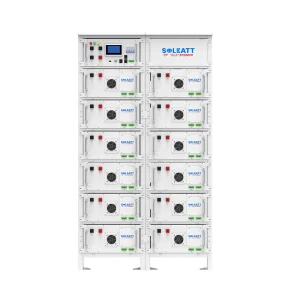
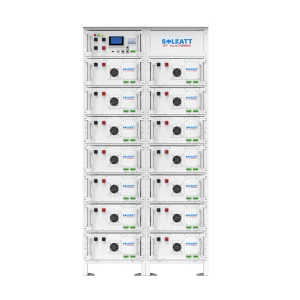
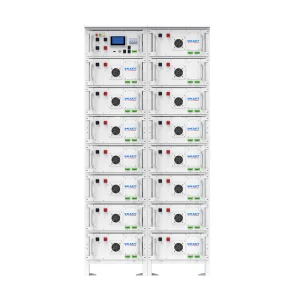
Advanced high-voltage configurations tailored for immediate deployment in commercial facilities, agriculture hubs, and net-metering networks across the Netherlands.
The Dutch commercial and industrial sectors are undergoing a massive transition driven by the urgent need to decarbonize. However, this transformation is hitting a major bottleneck: netcongestie (grid congestion). The local Distribution System Operators (DSOs) like Liander, Stedin, and Enexis, alongside TenneT (the national transmission system operator), are increasingly issuing non-firm connection agreements. Consequently, newly established commercial operations, greenhouse farms, and expanded logistics warehouses cannot secure the additional power capacity they need. This makes on-site energy storage a core operational asset rather than just an ecological choice.
To resolve these bottlenecks, businesses utilize large-scale Commercial & Industrial (C&I) battery systems. By utilizing local energy storage, companies can balance their power requirements through three core strategies:
On a global scale, C&I battery costs have dropped significantly due to raw material optimizations and scale production of Lithium Iron Phosphate (LiFePO4) chemistries. In Europe, the average price for a fully integrated turn-key battery system ranges from €280 to €450 per kWh, depending on scale, cooling architecture (liquid vs. air), and auxiliary systems (EMS, fire suppression). High-voltage cabinets, designed for scale and safety, represent the current industry benchmark, offering lower system resistance and higher thermal stability compared to legacy low-voltage systems.
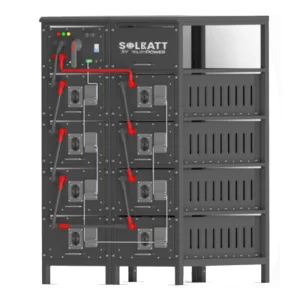
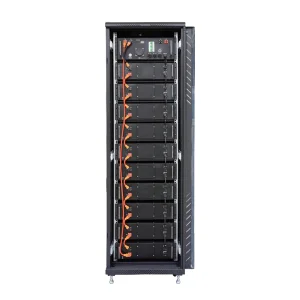
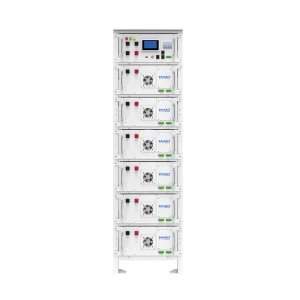
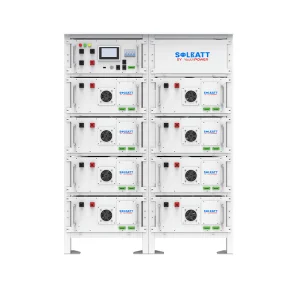
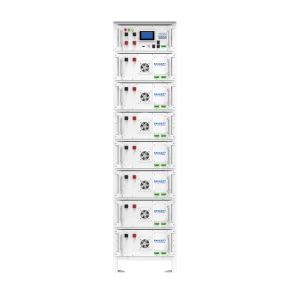
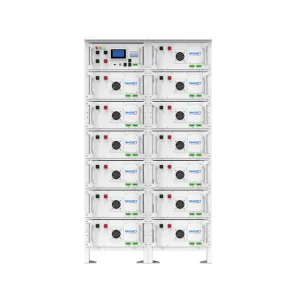
Compare our core high-voltage commercial battery units designed for modular configuration and dynamic grid integration.
| Model Series | Nominal Voltage (V) | Nominal Capacity (Ah) | Total Capacity (kWh) | Thermal Management | Protection Rating |
|---|---|---|---|---|---|
| Outdoor Powerbox Series | 358.4 V | 280 Ah | 100 kWh | Intelligent Fan Cooling | IP54 / Outdoor |
| Liquid Cooling ESS Series | 409 V | 280 Ah | 114.2 kWh | Liquid Cooled System | IP55 / Outdoor |
| Medium Scale C&I ESS | 512 V | 280 Ah | 143.3 kWh | Liquid Cooled System | IP55 / Outdoor |
| High Voltage Cabinet Series | 768 V | 280 Ah | 215.0 kWh | Dynamic Liquid / Air Hybrid | IP55 / Outdoor |
The Netherlands presents unique environmental and operational conditions that demand specialized engineering designs. We optimize our storage solutions for these primary scenarios:
Dutch greenhouse operations use high-intensity grow lights and localized Combined Heat and Power (CHP) plants. Our high-voltage battery cabinets link directly with CHPs and solar setups, storing excess daytime generation to power grow lights during high-tariff evening hours.
As hubs like Rotterdam and Schiphol transition to electric trucking, grid capacity limitations can restrict charger installations. Our scalable outdoor battery systems buffer charge stations, eliminating the need for expensive substation upgrades.
By connecting to virtual power plants (VPPs), our high-voltage cabinets react automatically to spot prices. When wind energy oversupplies the Dutch grid, causing negative pricing, the batteries absorb energy, generating returns for the operator.
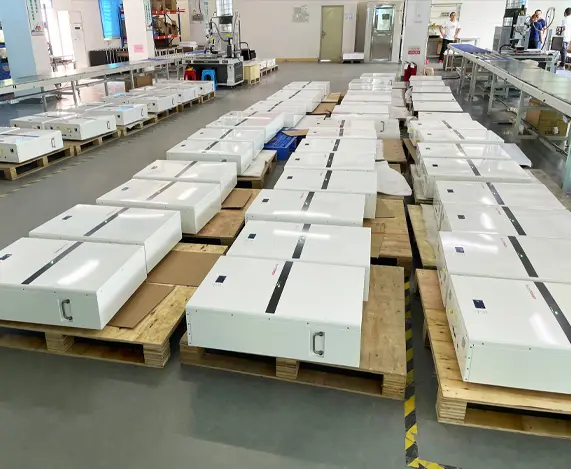
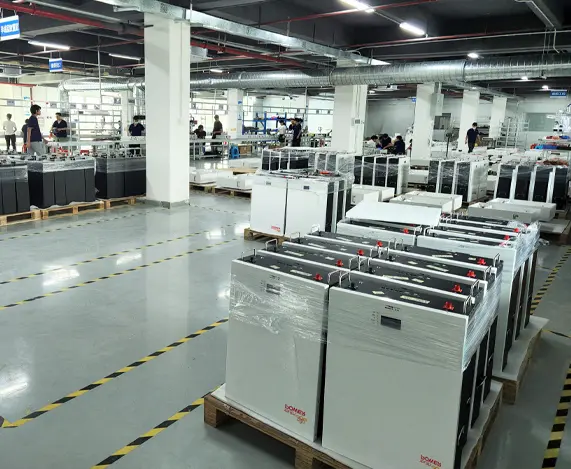
Founded in 2003, YouthPOWER has now become one of the leading suppliers of solar storage lithium batteries in the world. With a broad range of energy storage solutions, it covers a series of 24V, 48V and higher voltage lithium batteries solutions.
YouthPOWER has engaged in the battery technology and production for almost 20 years, with abundant manufacturing experience and strong new product R & D capability. Through many years of hard work and market promotion, we have created our own brand "YouthPOWER" in 2019.
With nearly 20 years’ experience in the battery industry, we have the capability to provide you with both the products you need and the most suitable products you want. We are always ready to supply the first-class products and meet the various needs of the customers.
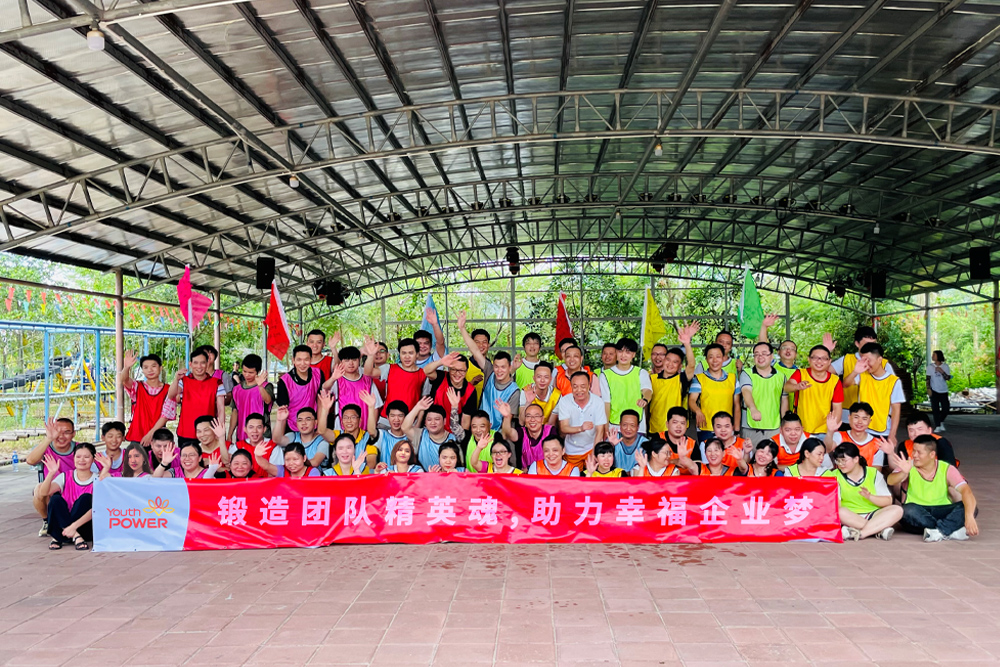
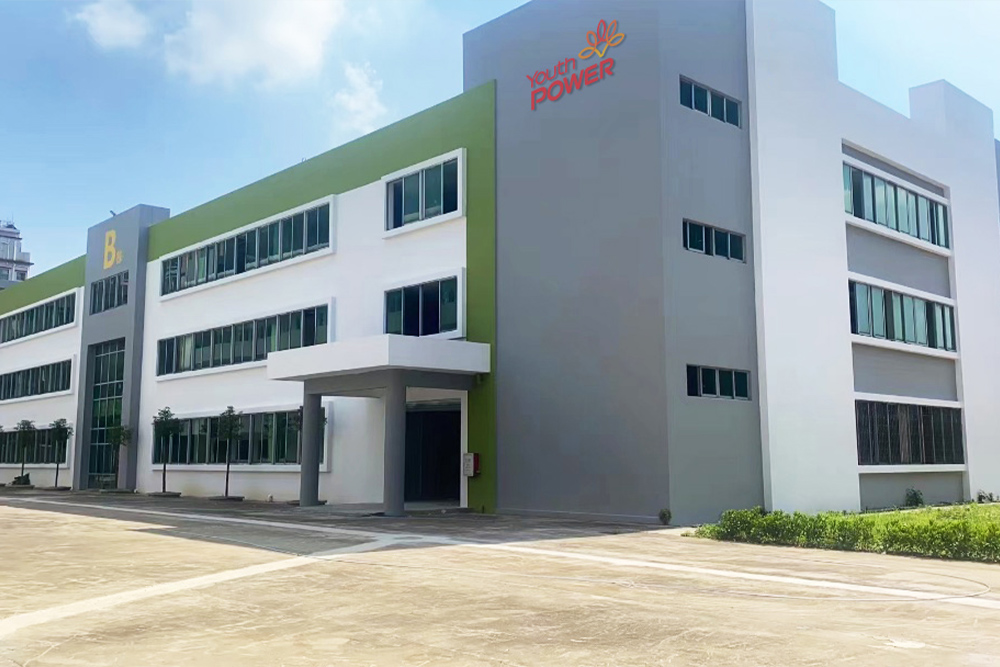
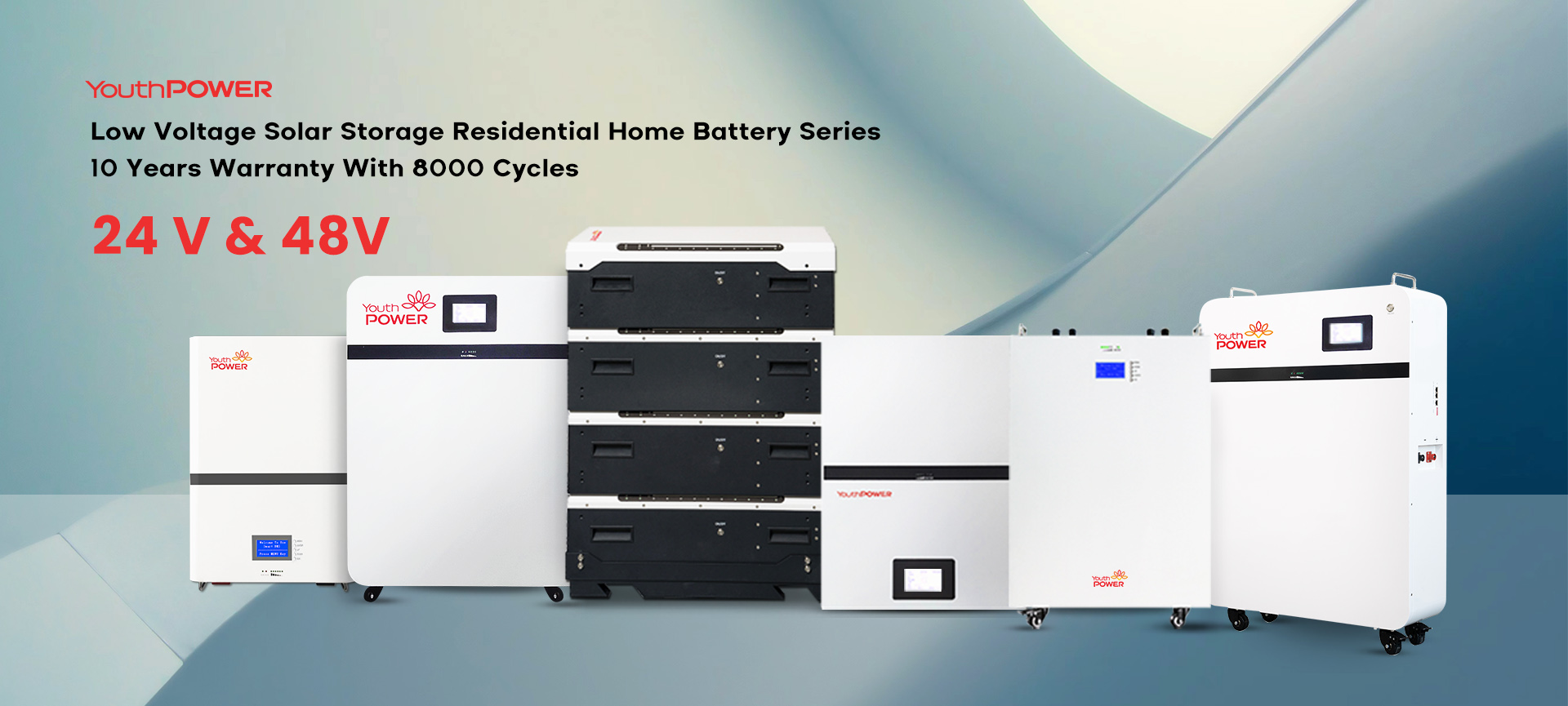
We have established good business relationships with our customers from all over the world. And we have a good cooperation with all our customers as well for many years running. Supported by our local vendors of raw materials, we can certainly offer you the best prices.
We are so proud that YouthPOWER has offered the reliable solar storage solution for over 1,000,000 families now in the world.
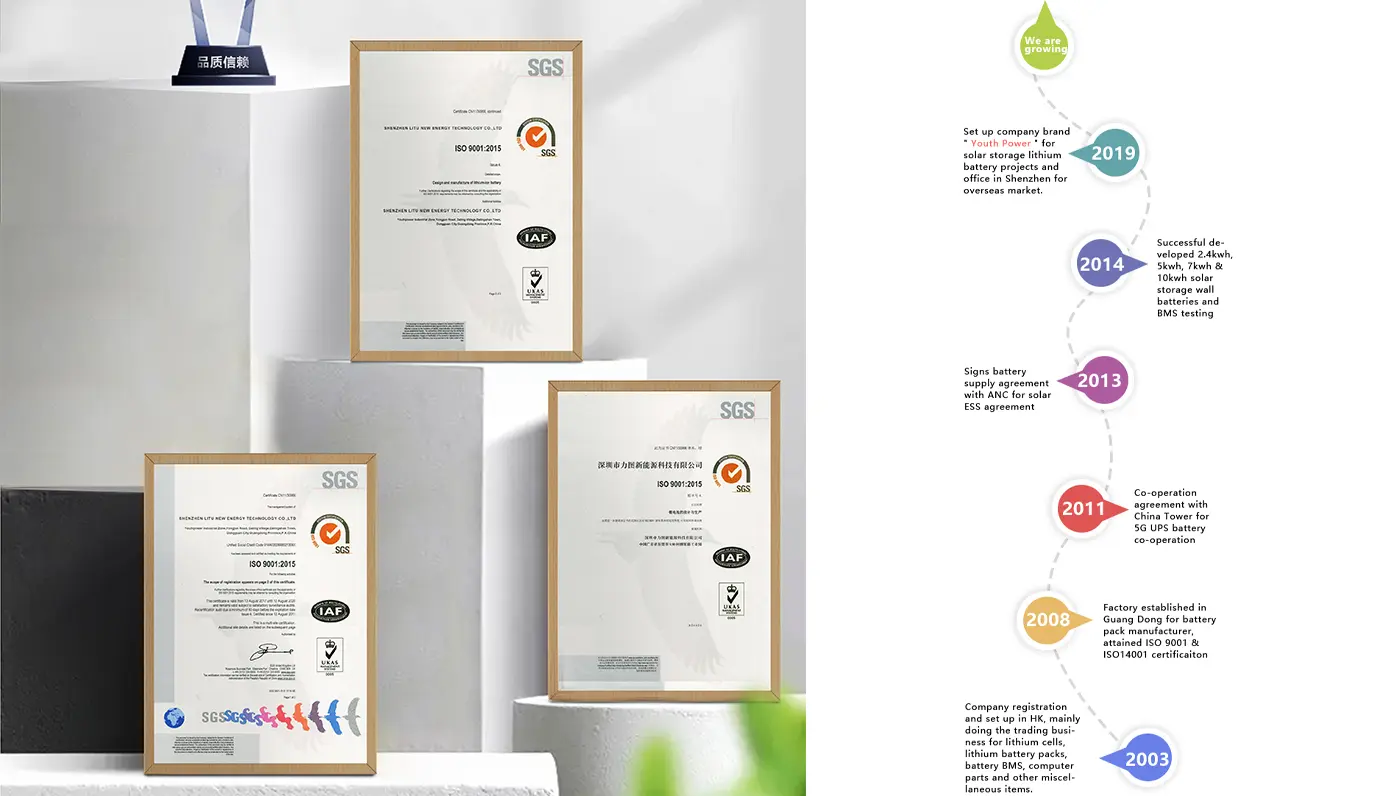
Our products undergo thorough quality checks, including UL 9540A, CE, IEC 62619, and UN38.3 certifications, meeting strict requirements for European grid connections.
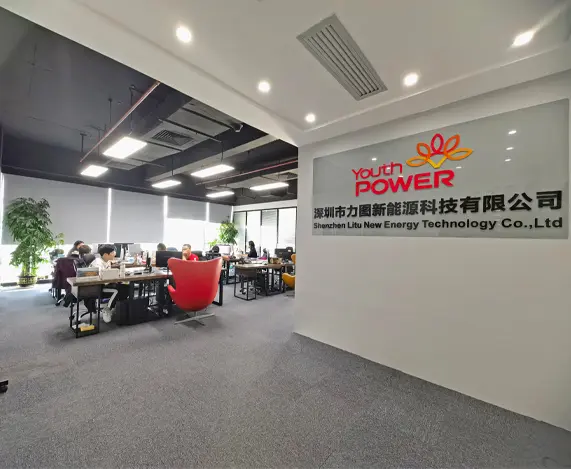
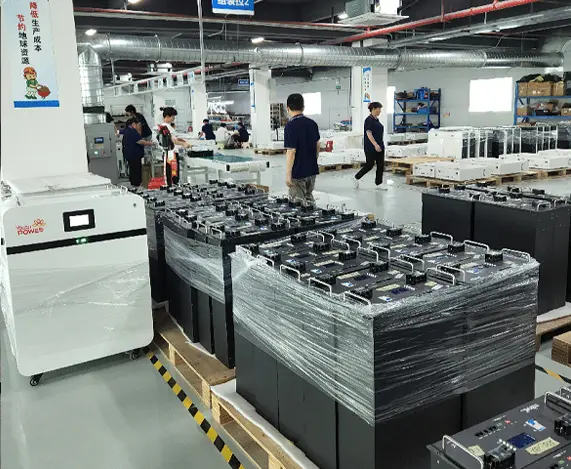
Direct technical answers addressing the operational demands of battery installations in the Netherlands.
Explore our full range of modular systems, ranging from medium commercial units to large-scale grid configurations.
 YouthPOWER