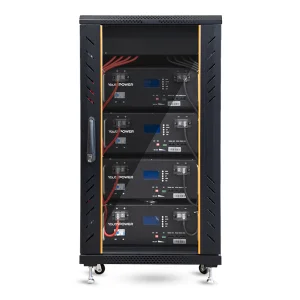
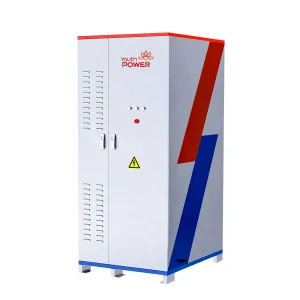
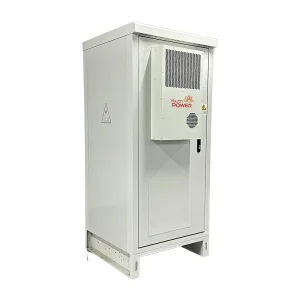
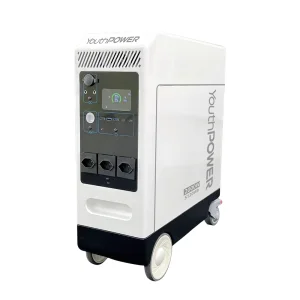
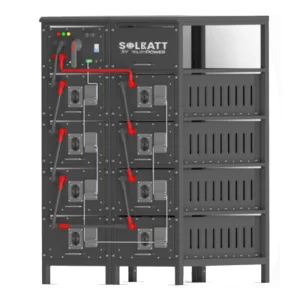
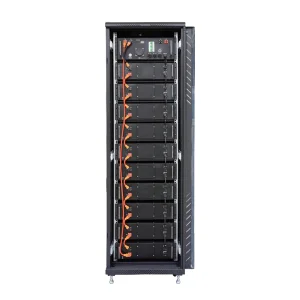
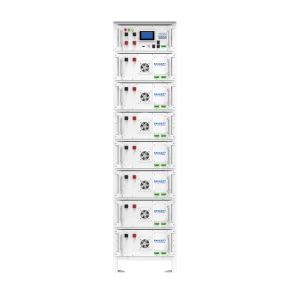
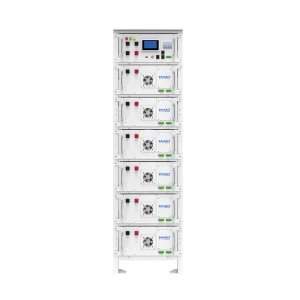
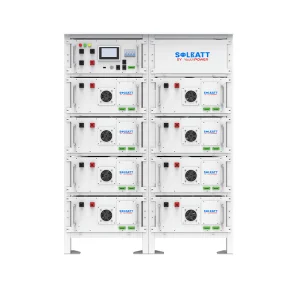
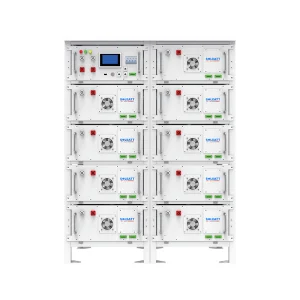
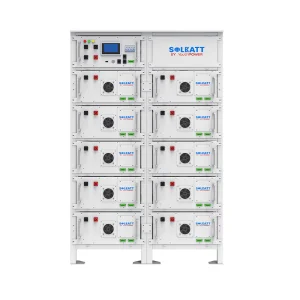
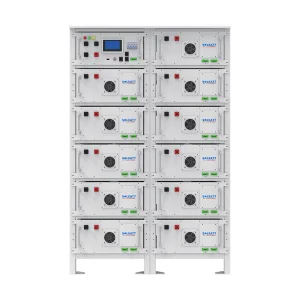
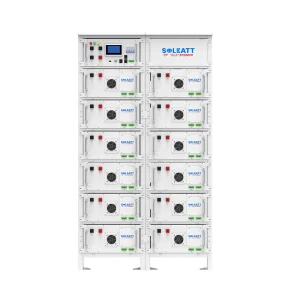
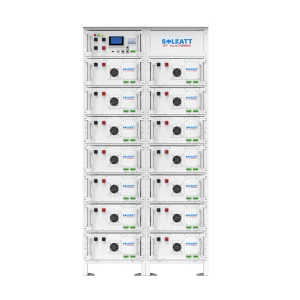
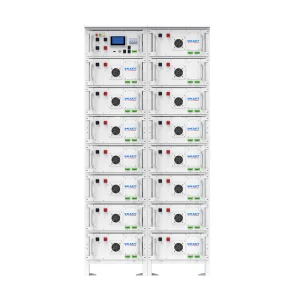
Optimized energy storage configurations deployed for peak-shaving, emergency backup, and EV fast-charging support across Seoul Capital Area.
As the economic heartbeat of South Korea, the Seoul Metropolitan Area faces unique electrical grid strains. With the Seoul Metropolitan Government's aggressive roadmap to carbon neutrality, commercial high-rise complexes, manufacturing centers, and municipal substations are rapidly integrating heavy-duty commercial energy storage systems (ESS). Driven by high peak-demand tariffs set by the Korea Electric Power Corporation (KEPCO), businesses in areas like Gangnam-gu, Yeouido, and Gasan Digital Complex are shifting to decentralized LiFePO4 battery infrastructure to achieve cost control and grid independence.
The primary technical drivers in Seoul include peak shaving (mitigating high midday and late-afternoon base tariffs), critical power backup for high-tech server parks, and integration with dynamic Virtual Power Plants (VPPs) participating in the Korea Power Exchange (KPX) demand response (DR) markets.
Modern smart buildings require intelligent power mitigation. Integrating solar arrays with high-voltage battery storage (such as our 512V 100AH 51.2KWh system or the high-capacity 215KWH modules) enables automated load-shifting. During light-load, low-tariff nighttime hours, the ESS charges directly from the grid. When utility prices spike during high peak periods, the systems discharge seamlessly, shielding the commercial facility from punitive demand charges.
Below is a typical financial and operating simulation for commercial businesses deploying different battery configurations under standard metropolitan industrial rates:
| System Model & Capacity | Target Application in Seoul | Nominal Voltage | Est. Payback Period (Years) | Peak Load Reduction Efficiency |
|---|---|---|---|---|
| High Voltage 114KWh ESS (280Ah) | Medium Commercial / Office Complexes | 409V | 4.5 - 5.2 Years | Up to 35% |
| Scalable Outdoor ESS 215KWH | Heavy Logistics / EV Fleet Depots | 768V | 3.8 - 4.5 Years | Up to 48% |
| YouthPOWER 100KWH Powerbox | Suburban Microgrids / Cold Chain Storage | 358.4V | 5.0 - 5.8 Years | Up to 30% |
| 143KWh Backup ESS (280Ah) | Data Centers / R&D Hubs in Gyeonggi | 512V | 4.2 - 4.9 Years | Up to 40% |
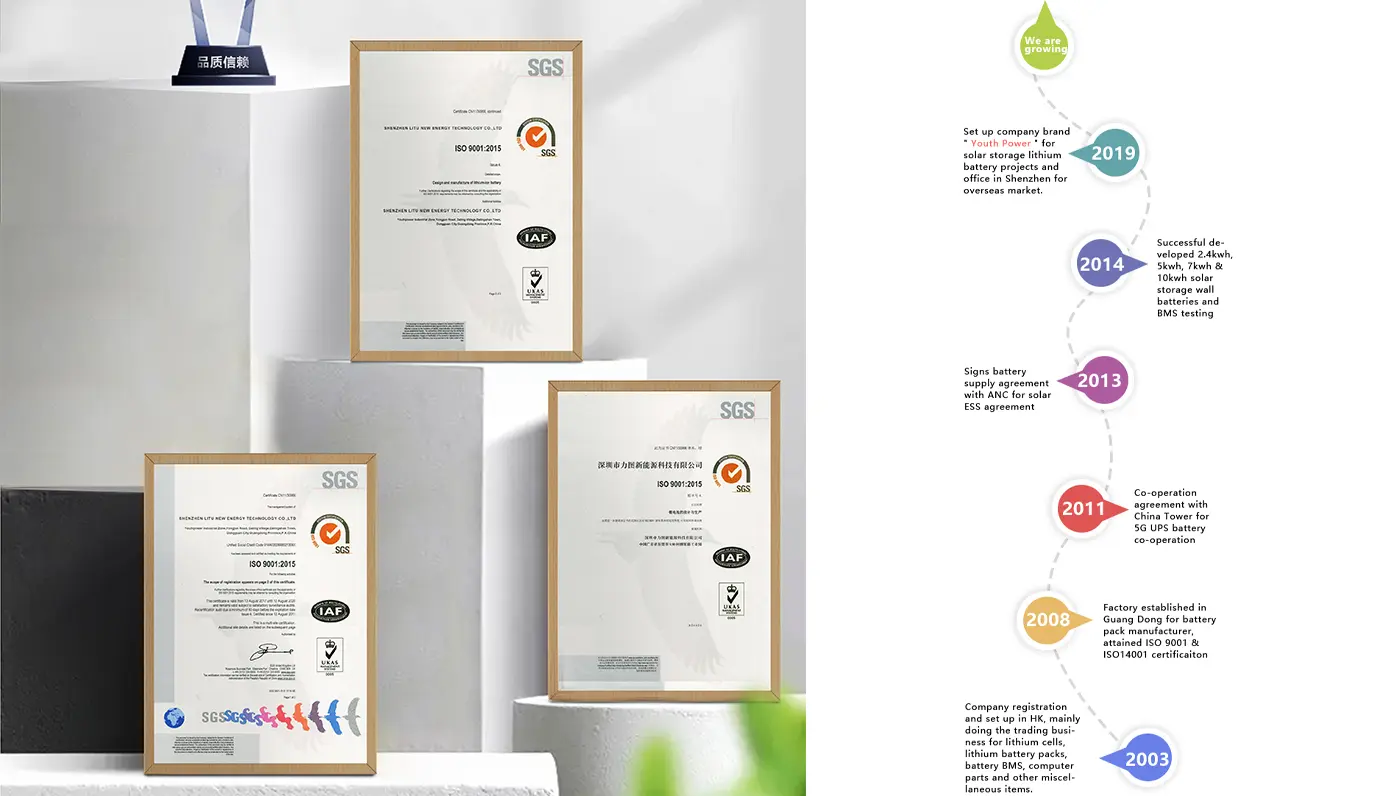
Over 20 years of lithium battery manufacturing, serving international markets with Korean local supply chain integration.
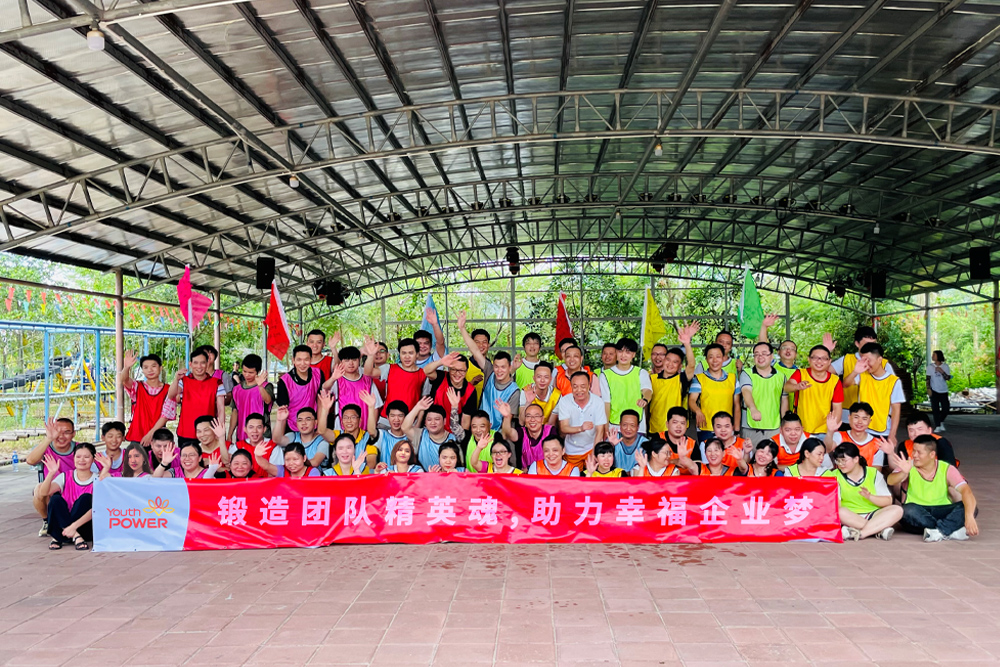
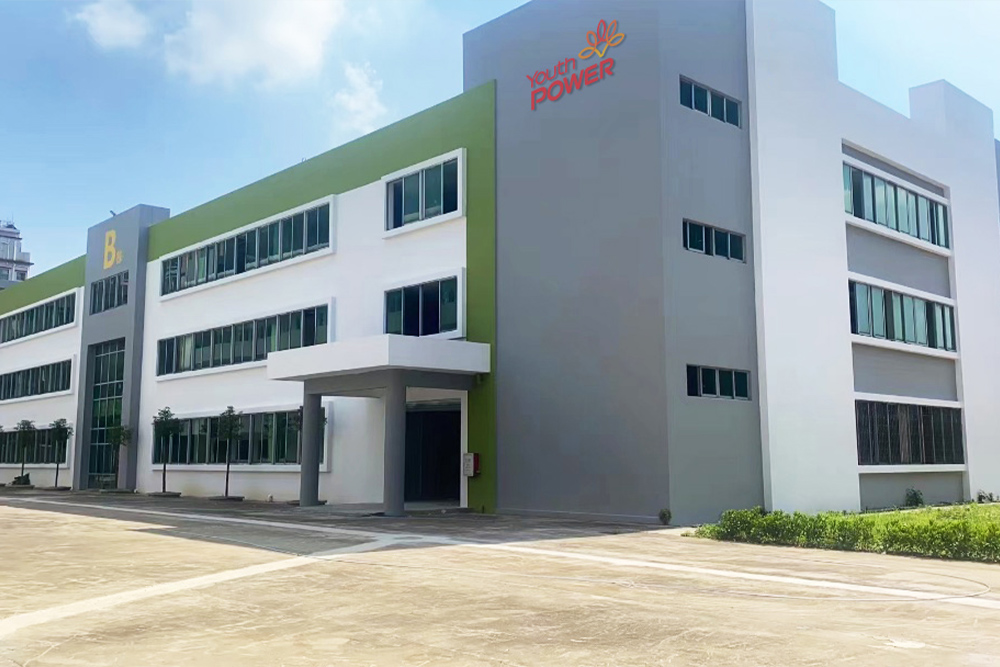
Founded in 2003, YouthPOWER has established itself as one of the preeminent global developers of solar energy storage lithium batteries. Our R&D focuses on maximizing safety margins, cycle life, and thermal dissipation in dense, high-voltage battery cabinets.
Having entered the electrochemical cell and battery pack space near its inception, we boast two decades of manufacturing history. By establishing our brand "YouthPOWER" globally, we have connected raw material vendors directly with advanced manufacturing lines, ensuring our commercial battery prices remain highly competitive for projects in Seoul, Incheon, and beyond.
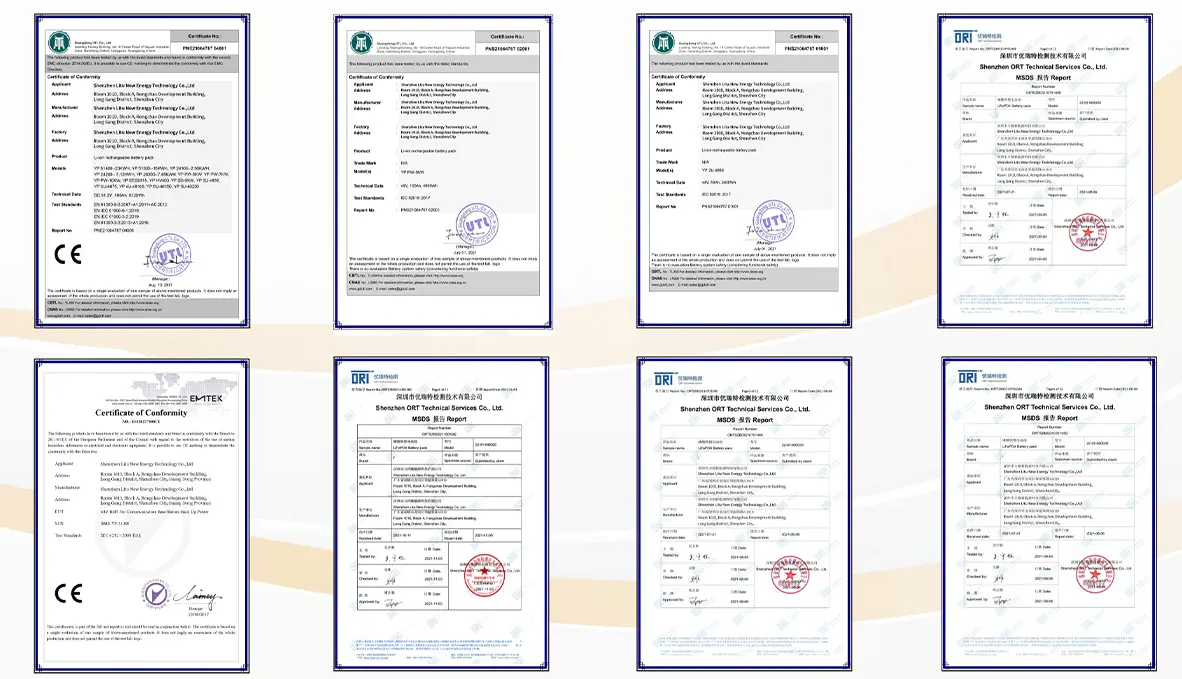
We pride ourselves on offering Tier-1 LiFePO4 cells, optimized battery management systems (BMS), and extensive validation test regimes. Over 1,000,000 families and businesses globally rely on YouthPOWER solutions for persistent, off-grid capacity and reliable industrial backup.
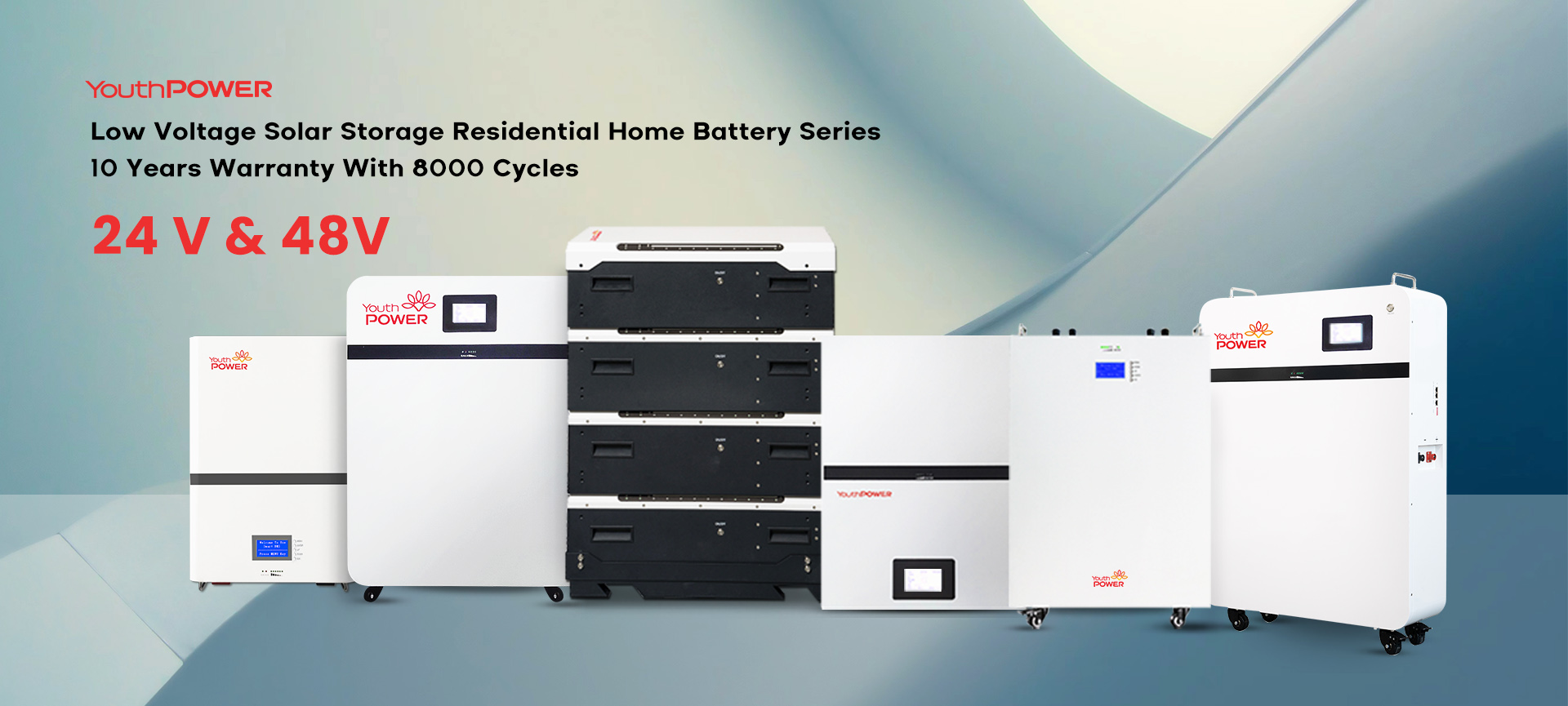
Engineered for modular integration, advanced heat dissipation, and smart monitoring protocols.
Following multiple fire incidents in South Korean battery installations between 2018 and 2021, regulatory bodies updated safety codes strictly. Compliance with KC 62619 (safety requirements for industrial lithium battery packs) and regulations by the Korea Electrical Safety Corporation (KESC) is mandatory.
At YouthPOWER, we design specifically for these requirements:
Utilizing high-stability LFP (Lithium Iron Phosphate) chemistry that offers an ignition point above 600°C, drastically outperforming traditional NMC chemistries historically used by local Korean conglomerate brands.
Active and passive equalization lines designed to interface with Building Management Systems (BMS) over Modbus, CAN, and RS485 protocols. Real-time logging of cell internal resistance, current drift, and voltage degradation.
Direct cabinet-level fire isolation modules designed to instantly deploy specialized cooling aerosols in the rare event of thermal runway detection, adhering to the latest KESC fire prevention protocols.
Mapping our progress from cell manufacturing to fully integrated smart-grid battery assemblies.
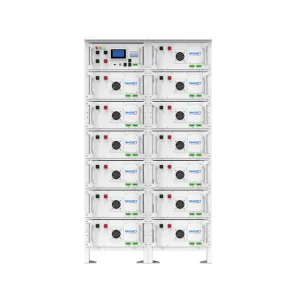
Premium outdoor and indoor battery bank installations designed for scalability and high-voltage grid support.
Direct, engineering-backed answers regarding costs, safety, design lifecycle, and deployment inside South Korea.
Contact our project engineers for structural drawings, high-voltage battery specifications, and local pricing estimates.
Send Inquiry Now YouthPOWER