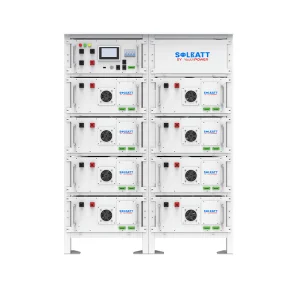
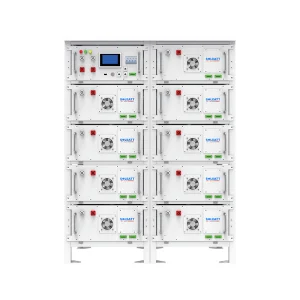
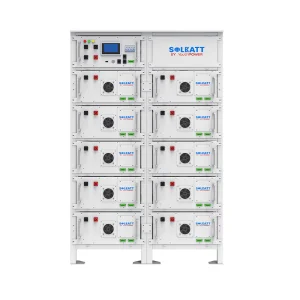
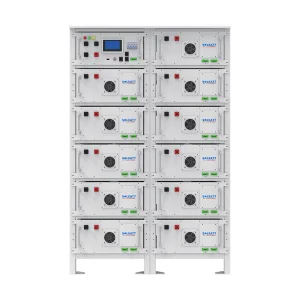
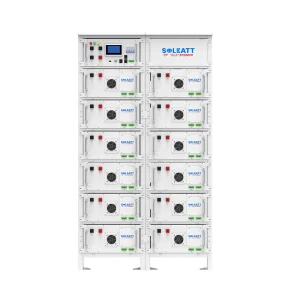
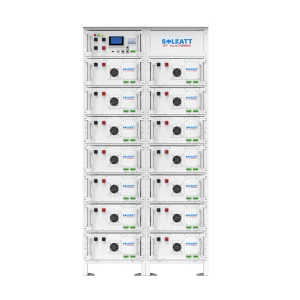
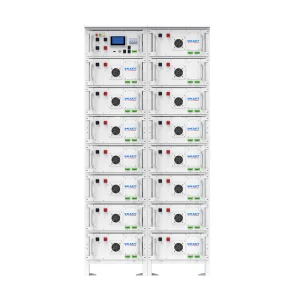
Premium energy storage hardware engineered for high duty cycles, thermal stability, and seamless integration with KEPCO grid networks.
As South Korea's primary maritime gateway and logistics epicenter, the metropolitan city of Busan is undergoing a structural energy transition. Under the combined impetus of South Korea's Green New Deal and the Ministry of Oceans and Fisheries' sustainable port initiatives, the integration of utility-scale and commercial Battery Energy Storage Systems (BESS) has become an operational mandate. Factories in the Sasang Industrial Complex, the Noksan National Industrial Complex, and shipyards along the Yeongdo coastline face severe energy cost pressures under the progressive tariff schedules of the Korea Electric Power Corporation (KEPCO).
Busan is home to diverse heavy industries ranging from shipbuilding and marine engineering to automotive parts manufacturing and logistics hubs. The Busan Port Authority (BPA) has set aggressive carbon reduction goals, targeting zero emissions for marine container terminals. To support alternative maritime power (AMP) systems for berths, high-voltage battery storage systems act as vital buffer reserves, avoiding extreme peak demand spikes on local sub-stations during container ship hot-docking sequences.
In the industrial sectors of Noksan and Mieum, cold-chain logistics warehouses utilize massive amounts of energy for refrigeration. By deploying commercial battery storage systems, operators can participate in peak-shaving (charging during low-cost night hours and discharging during high-cost peak daytime hours), resulting in typical electricity cost reductions of 25% to 35%.
Understanding the pricing matrix for commercial energy storage systems in the South Korean market requires assessing both Capex (Capital Expenditure) and long-term Opex (Operational Expenditure). Standard configurations typically range from $180/kWh to $320/kWh at the containerized system integration level, depending on several technical factors:
| System Capacity | Standard Configuration | Price Range (FOB/CIF Busan Port) | Primary Application |
|---|---|---|---|
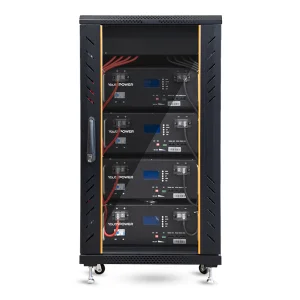
| 50kWh - 100kWh | Cabinet Air-cooled LFP System | Request Custom Quote | Small industrial shops, EV charging hubs |
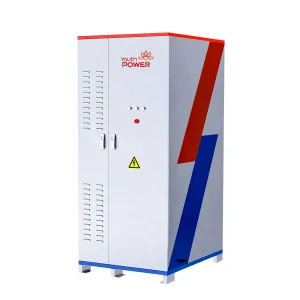
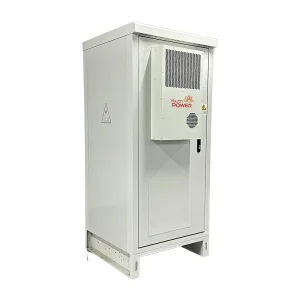
| 100kWh - 215kWh | Outdoor Enclosure, Liquid/Air-cooled | Contact Sales Office | Factory peak-shaving, microgrids |
| 500kWh - 1MWh+ | 20ft Containerized Turnkey System | Volume Discount Available | Port berths, manufacturing plants, grid support |
Key price components include: cell grade and selection (Premium Tier 1 LiFePO4 cells), Thermal Management Systems (liquid cooling vs forced air), BMS protocols (Modbus TCP/IP, CAN bus integrations), and localized safety features compliant with KBIA (Korea Battery Industry Association) regulations and KC 62619 standards.
"For commercial projects in coastal regions like Busan, structural components must be engineered to resist salt-mist corrosion (C5-M grade coating standards) to avoid long-term structural degradation and electrical isolation faults."
Global procurement directors require absolute transparency in quality control. YouthPOWER utilizes high-performance lithium iron phosphate (LiFePO4) chemistry because of its intrinsic safety over traditional NMC batteries. In the event of localized short circuits, LiFePO4 withstands temperatures up to 270°C before experiencing thermal breakdown, compared to the much lower thresholds of cobalt-based chemistries.
Combining rooftop commercial solar PV arrays with BESS solutions is highly cost-effective in Busan. Due to limited land space, industrial roofs in Sasang and Sinhang are prime real estate for distributed solar generation. By storing solar power generated during peak solar radiation periods and releasing it during peak grid demand windows, industrial operators can achieve near energy independence, drastically reducing carbon emissions and avoiding grid penalty charges.
Founded in 2003, YouthPOWER has now become one of the leading suppliers of solar storage lithium batteries in the world. With a broad range of energy storage solutions, it covers a series of 24V, 48V and higher voltage lithium batteries solutions.
YouthPOWER has engaged in the battery technology and production for almost 20 years, with abundant manufacturing experience and strong new product R & D capability. Through many years of hard work and market promotion, we have created our own brand "YouthPOWER" in 2019.
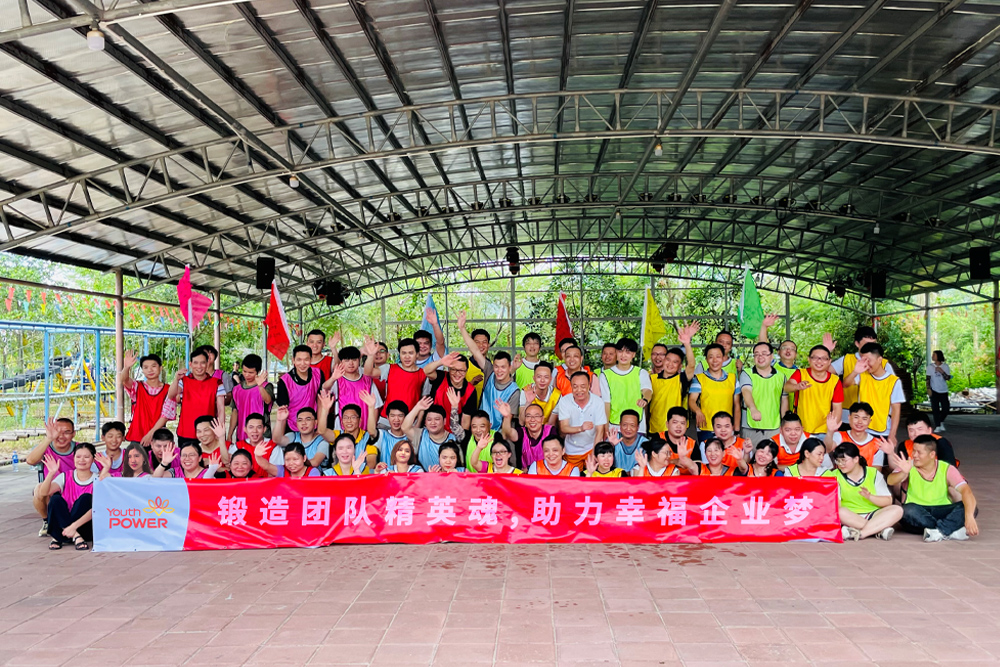
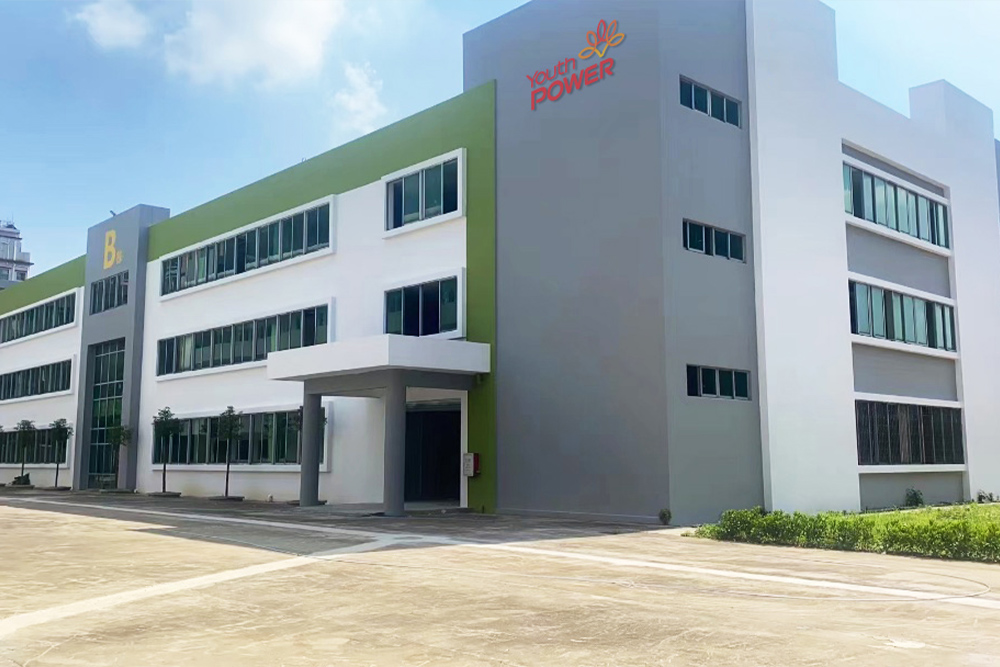
With nearly 20 years’ experience in the battery industry, we have the capability to provide you with both the products you need and the most suitable products you want. We are always ready to supply the first-class products and meet the various needs of the customers.
We have established good business relationships with our customers from all over the world. And we have a good cooperation with all our customers as well for many years running. Supported by our local vendors of raw materials, we can certainly offer you the best prices.
We are so proud that YouthPOWER has offered the reliable solar storage solution for over 1,000,000 families now in the world.
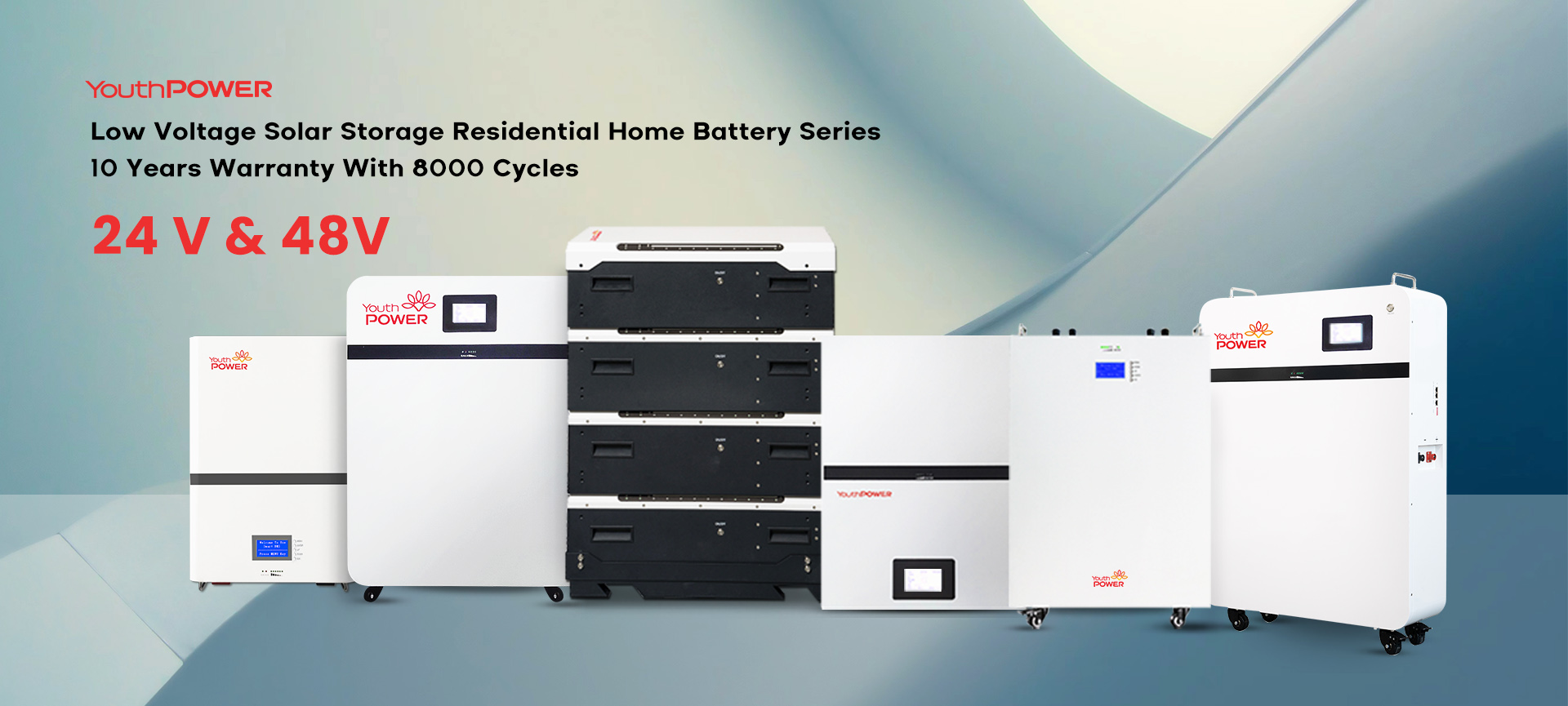
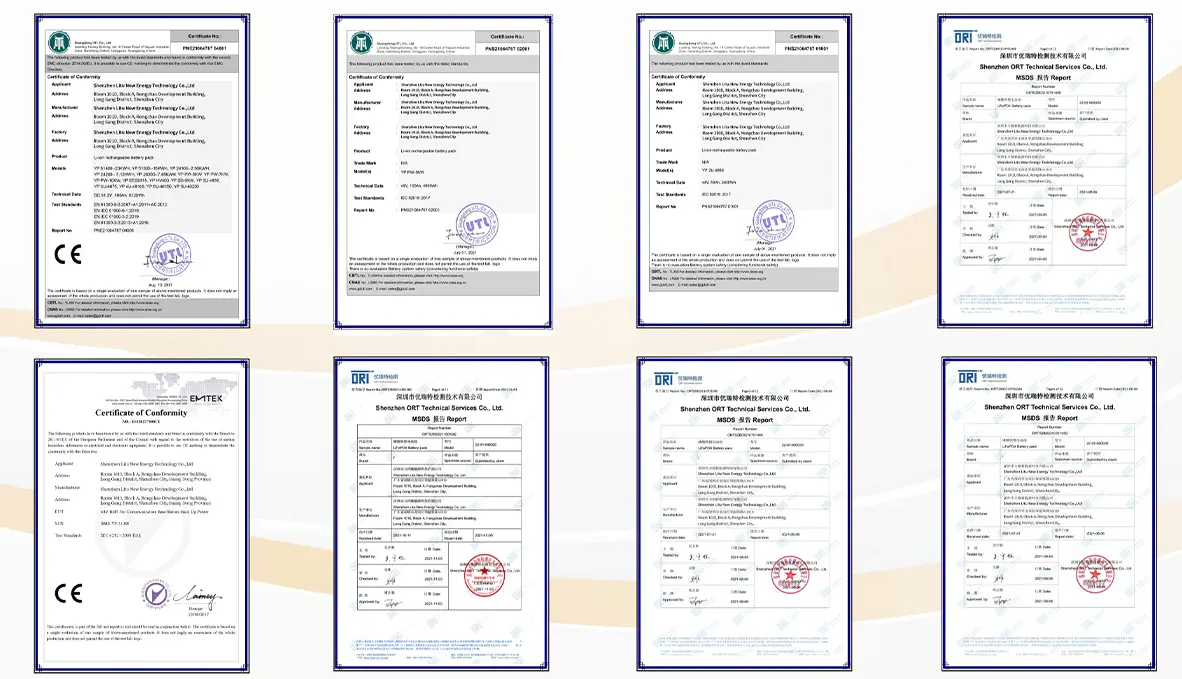
Explore some of our state-of-the-art product installations and manufacturing facilities around the globe.
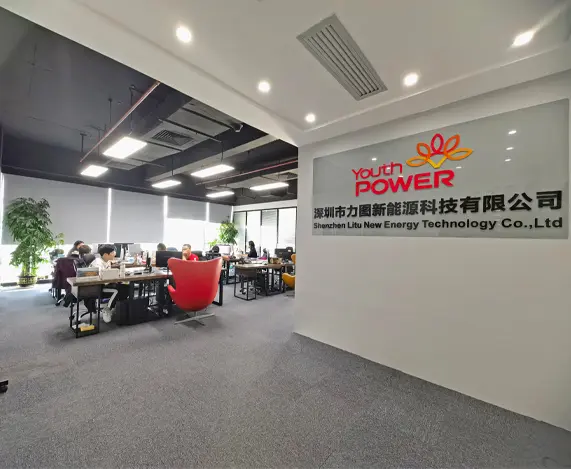
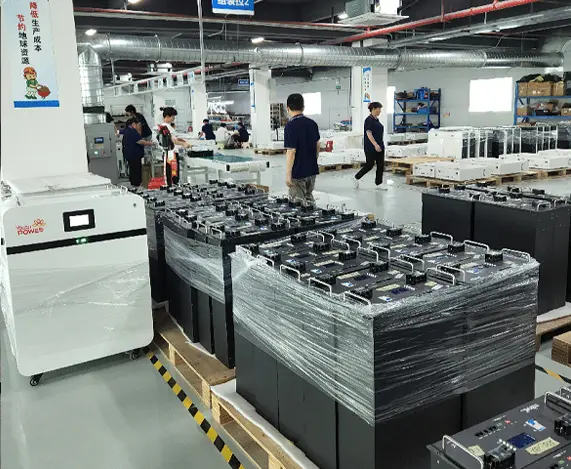
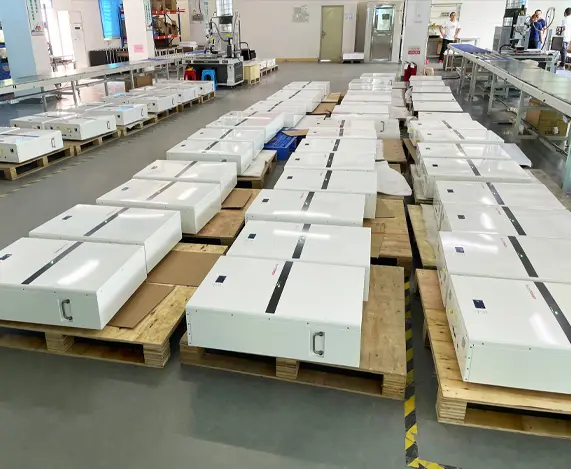
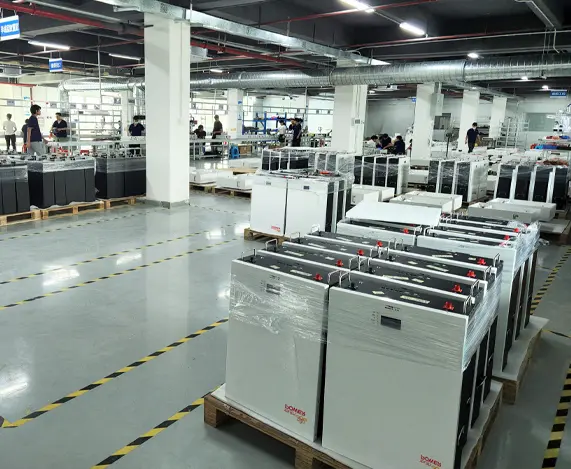
Our journey of research, development, and scaling battery technology solutions to power industrial transitions globally.
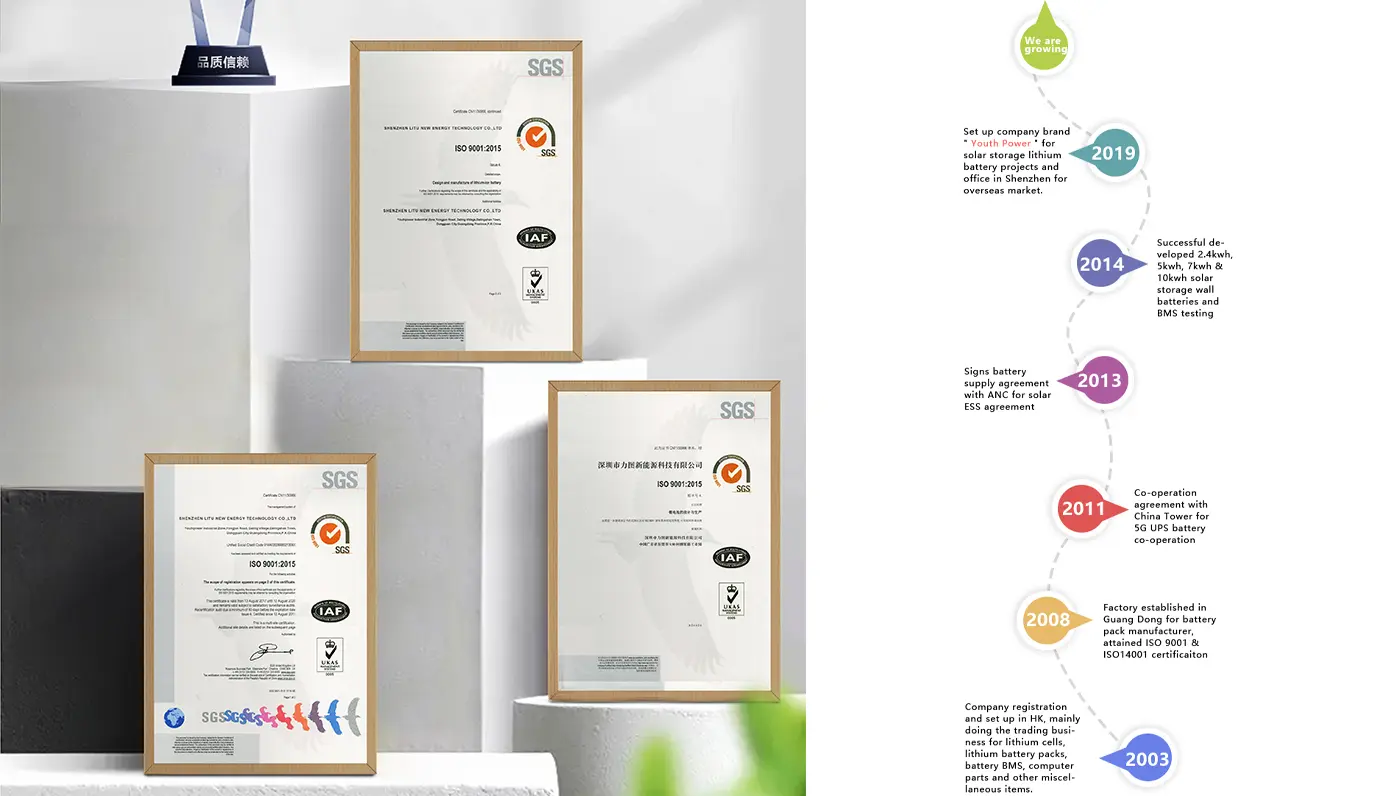
Deploying storage systems in South Korea requires strict adherence to KEPCO’s technical connection criteria. This includes phase synchronization, dynamic voltage regulation control, and response timing for frequency regulation. The integrated inverter/PCS systems in our products are compatible with the strict standards set by the Korea Electrical Safety Corporation (KESCO). Our systems ensure high round-trip efficiency (RTE) > 92%, minimising heat loss and electrical wastage during high-frequency grid balancing operations.
The energy grid in Busan is evolving into a smart network where commercial battery systems act as nodes in virtual power plants. In a VPP setup, battery systems can be aggregated to supply auxiliary grid service, generating revenue for industrial properties. YouthPOWER’s BMS systems are ready for IoT integration, utilizing advanced communication interfaces to dynamically adjust charge/discharge routines based on AI-driven market signals.
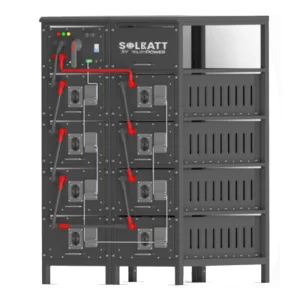
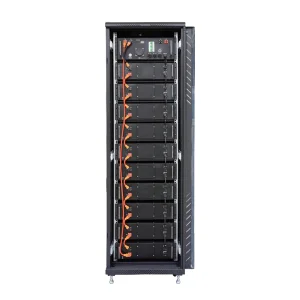
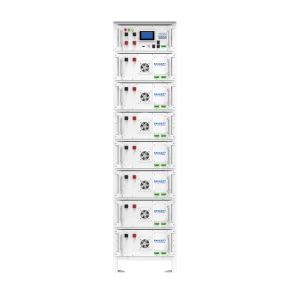
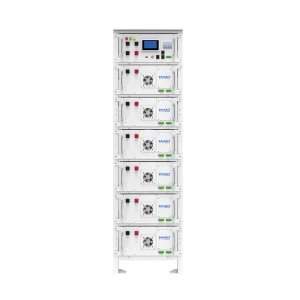
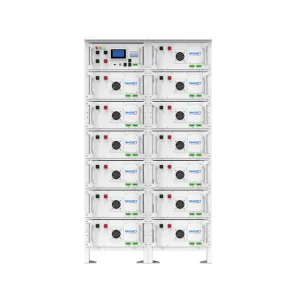
Select your capacity requirement from our premium line-up of industrial-grade batteries. High density, structural safety, and optimized lifecycle performance.
Clear, direct answers to technical, commercial, regulatory, and logistics queries related to energy storage system deployments in South Korea.
 YouthPOWER