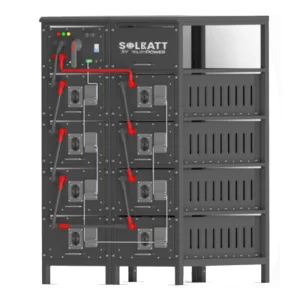
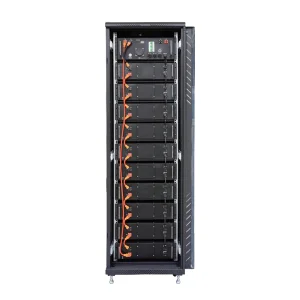
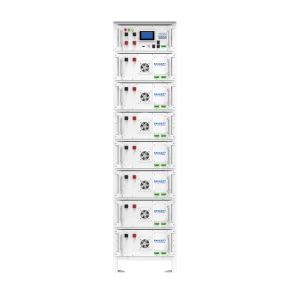
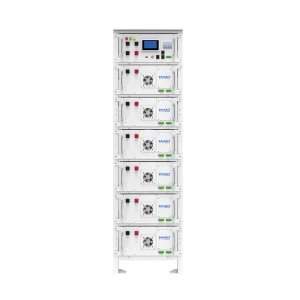
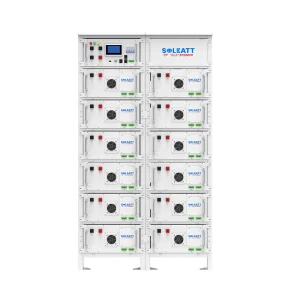
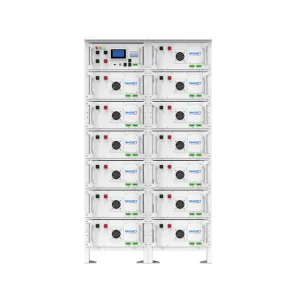
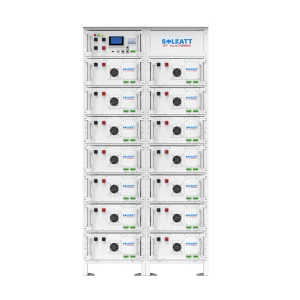
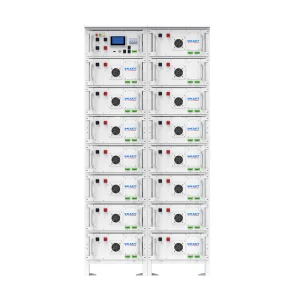
Engineered for extreme performance, grid compliance, and maximized Return on Investment (ROI) across European energy markets.
France is undergoing a rapid legislative and physical transformation of its energy sector. Dictated by the ambitious Loi d'Accélération des Énergies Renouvelables (AER Law) and the Loi Climat et Résilience, commercial real estate developers, warehouse operators, and heavy industries face strict obligations. Notably, commercial car parks larger than 1,500 square meters must now be covered by solar photovoltaic canopies. To maximize self-consumption rates and buffer the local grid from peaks, integrating a high-capacity Commercial Battery Storage System (BESS) has transitioned from a sustainability project to an economic necessity.
Furthermore, under the French grid operator RTE's tariff structures, commercial entities utilizing medium to high-voltage lines (under the Tarif Jaune and Tarif Vert paradigms) suffer massive financial penalties during peak demand hours. By implementing localized LFP (Lithium Iron Phosphate) commercial batteries, French industrial businesses can execute automated peak-shaving, reduce their subscribed power (puissance souscrite), and protect operations against voltage sags and blackouts.
Cut utility expenses by discharging stored power during peak tariff periods. Avoid heavy capacity charges mandated by French grid operators.
Store cheap solar power generated during peak solar radiation periods and dispatch it during expensive rate hours to maximize ROI.
Ensure critical production lines remain active. Protect data centers, cold storage warehouses, and precision factories from grid anomalies.
Comprehensive breakdown of systems sizing, high voltage thresholds, and pricing guidelines for BESS procurement in France.
The total capital expenditure (CAPEX) for a commercial energy storage system is dictated primarily by cell chemistry, raw material indices (primarily Lithium Carbonate), design topology (outdoor vs. indoor cabinet), thermal management systems (liquid cooled vs. forced air), and local French compliance standards (such as CONSUEL approval and NF EN 62619 safety compliance). While tier-1 systems generally range from €250 to €450 per kWh at the manufacturing level, global shipping, import duties, and localized integration elements must be factored in. Below is a comparative technological overview of current commercial options:
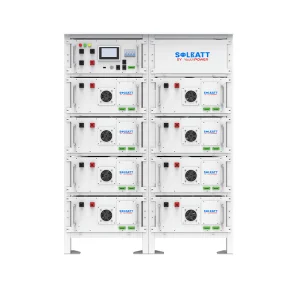
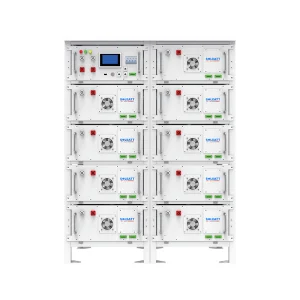
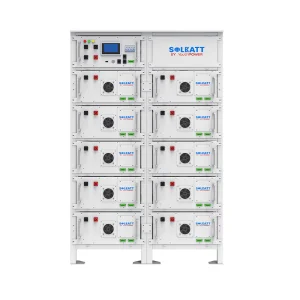
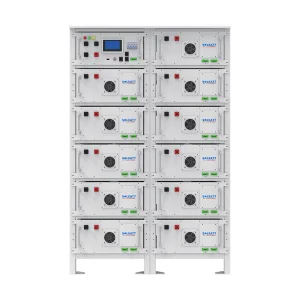
| System Model & Capacity | Nominal Voltage (V) | Cell Capacity (Ah) | Cooling Technology | Primary Industrial Use Case |
|---|---|---|---|---|
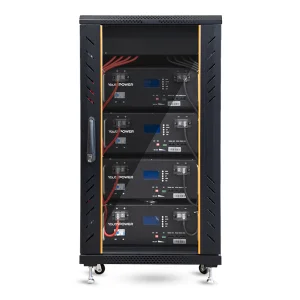
| 85KWH Solar Storage Battery | 307.2 V | 280 Ah | Forced Air Cooling | Small-to-medium manufacturing & commercial farms |
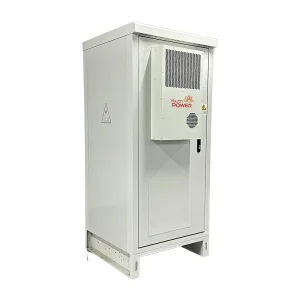
| 100KWH Outdoor Powerbox | 358.4 V | 280 Ah | Smart Air / Liquid Option | Supermarkets, EV Charging Stations, Office buildings |
| 143KWH Backup System | 512.0 V | 280 Ah | Liquid Cooling Architecture | Medium Industrial facilities & peak shaving |
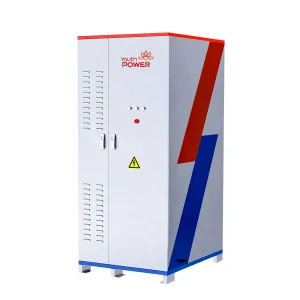
| 215KWH Outdoor Storage BESS | 768.0 V | 280 Ah | Advanced Liquid Cooling | Large logistics centers, grid-scale support, heavy machinery |
Why YouthPOWER is the preferred OEM/ODM manufacturer for major European commercial battery developers.
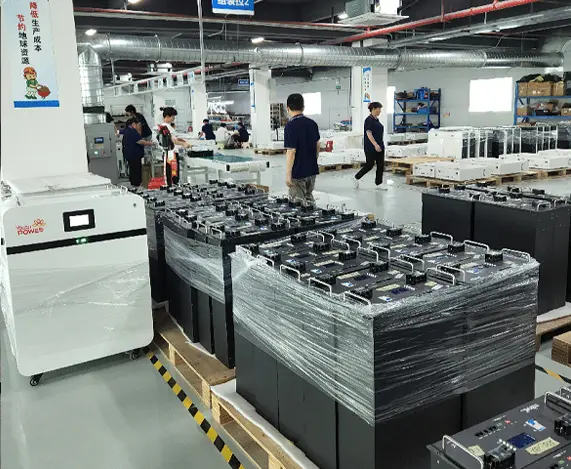
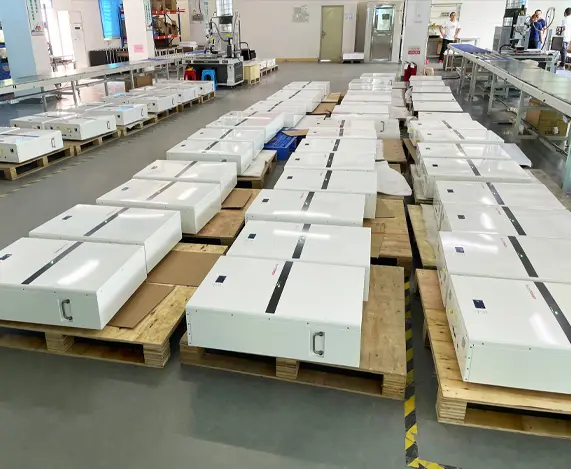
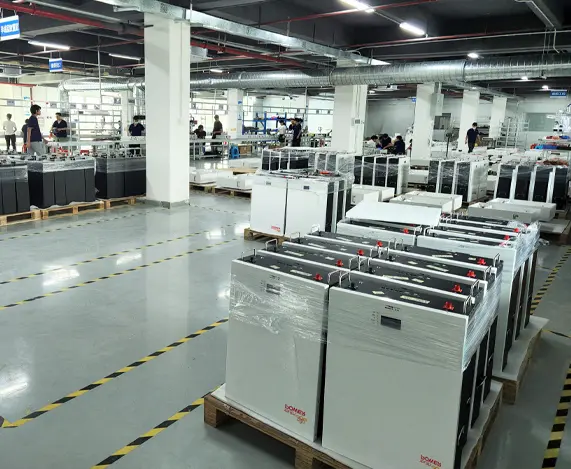
In the highly competitive commercial energy storage market, supply chain resiliency is the difference between project viability and delays. YouthPOWER leverages Factory 4.0 concepts, integrating advanced Manufacturing Execution Systems (MES) to guarantee 100% cell traceability, strict charge-discharge testing, and strict consistency in voltage and internal resistance. This is vital for high-voltage battery racks where minor cell imbalances can severely degrade system cycle life.
By producing in state-of-the-art facilities in China and utilizing localized partnerships in Europe, we balance lower production costs with compliance with strict Western regulations. Our systems utilize heavy-duty Grade-A LiFePO4 cells, high-performance BMS (Battery Management Systems) with active balancing, and modular configurations that allow easy scalability from 100kWh to multi-megawatt-hour systems. This guarantees a level of reliability that matches the strict regulatory environment of the French market.
Real-world commercial storage implementations driving grid independence and cost savings.
A winery in the Bordeaux region required complete energy autonomy to run automated cooling tanks and processing plants. By integrating our 100kWh Outdoor Powerbox with a 120kW rooftop solar array, the winery increased its self-consumption rate from 38% to 92%. The localized storage prevents micro-outages which previously caused significant batches of wine to spoil during fermentation.
An EV highway charging operator faced extreme grid reinforcement charges to install four 150kW DC fast chargers. Instead of paying the grid operator for an expensive new substation connection, they deployed two units of our 215kWh Outdoor ESS. The batteries charge slowly from the grid during low-cost night periods and discharge rapidly at 300kW to buffer the EV chargers during daytime traffic peaks, saving over €45,000 in grid fees annually.
A 25,000 m² distribution warehouse utilized a high-voltage 143kWh rack storage system to offset winter peak demands. By shaving their maximum grid draw during peak pricing hours, the facility reduced its monthly electrical demand tariff from the utility company, yielding a calculated payback period of 4.8 years.
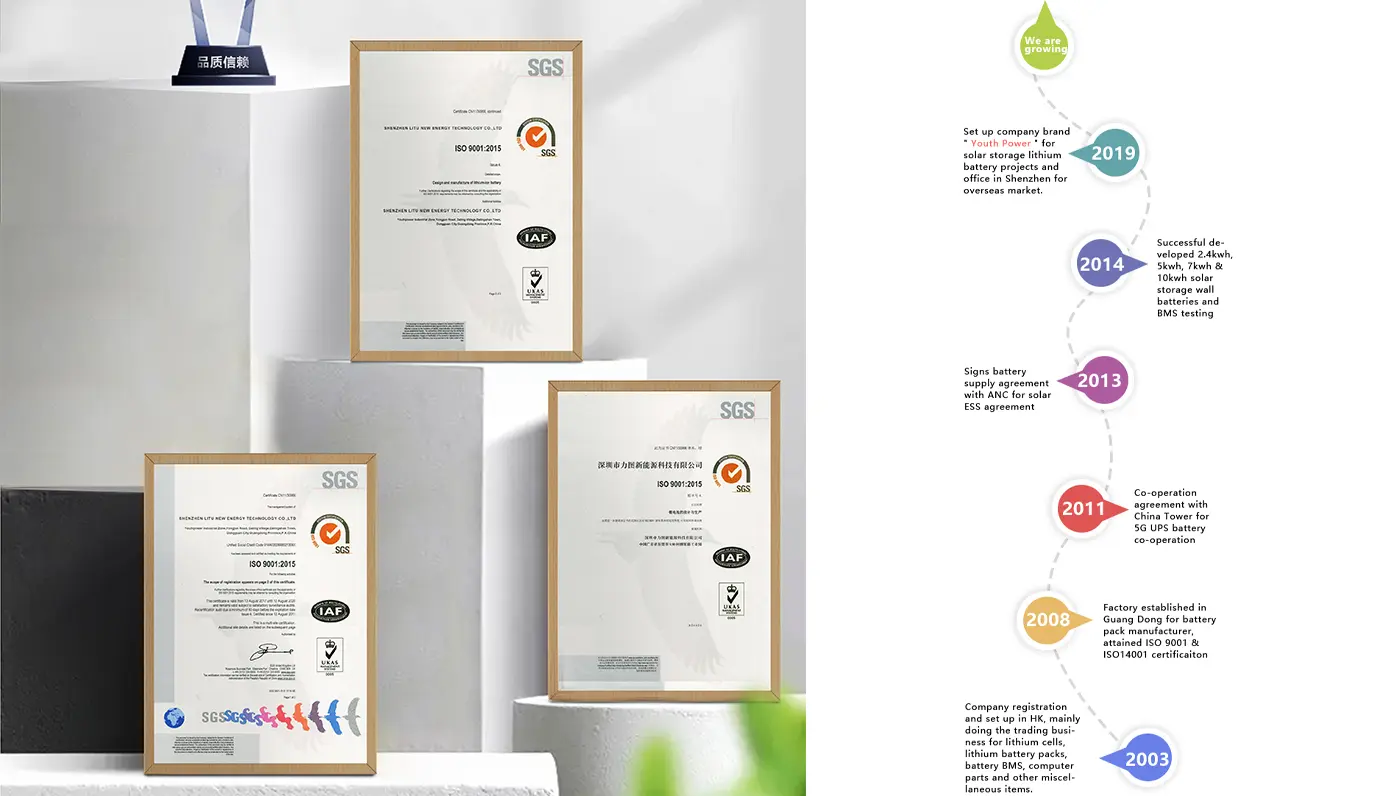
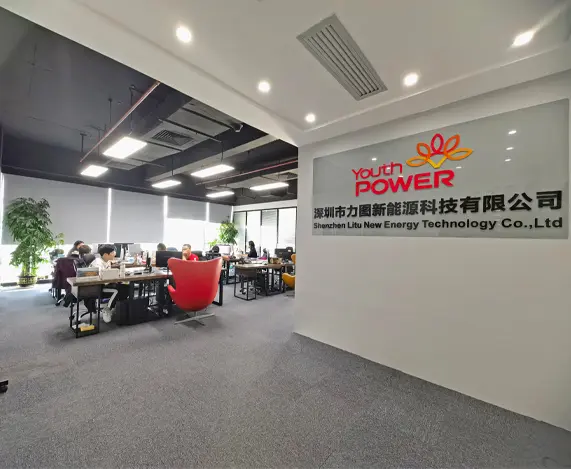
A Trusted Global Pioneer in Solar Storage & Lithium Battery Technology
Founded in 2003, YouthPOWER has now become one of the leading suppliers of solar storage lithium batteries in the world. With a broad range of energy storage solutions, it covers a series of 24V, 48V and higher voltage lithium batteries solutions.
YouthPOWER has engaged in the battery technology and production for almost 20 years, with abundant manufacturing experience and strong new product R & D capability. Through many years of hard work and market promotion, we have created our own brand "YouthPOWER" in 2019.
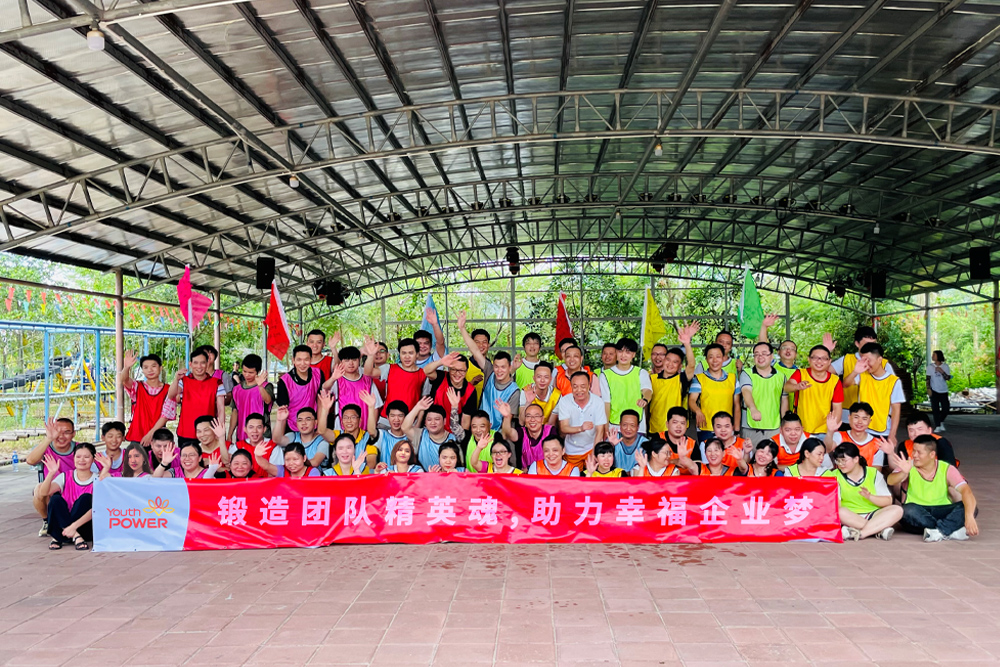
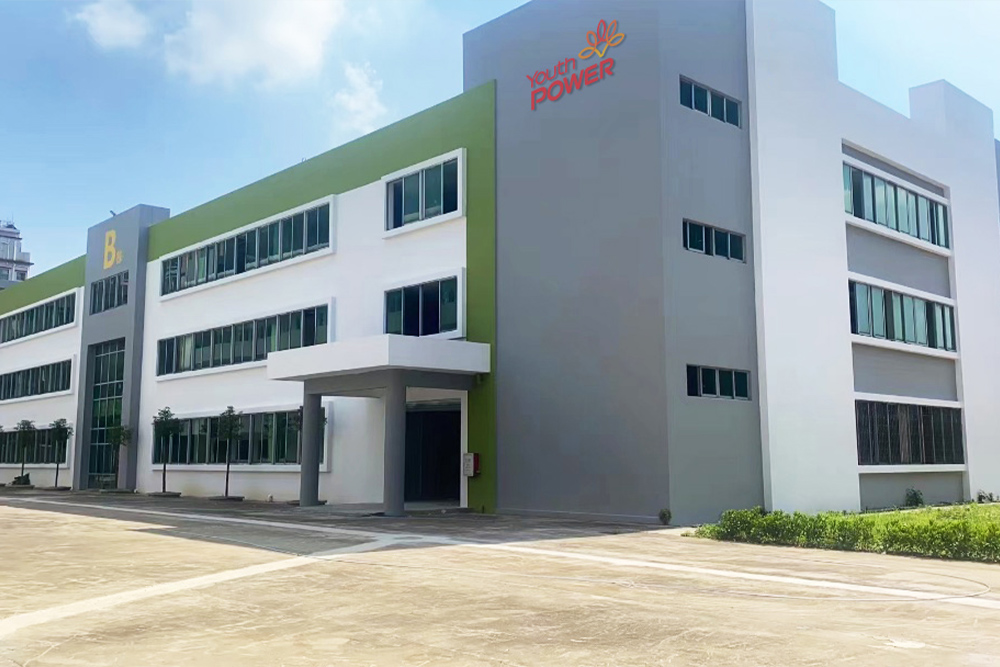
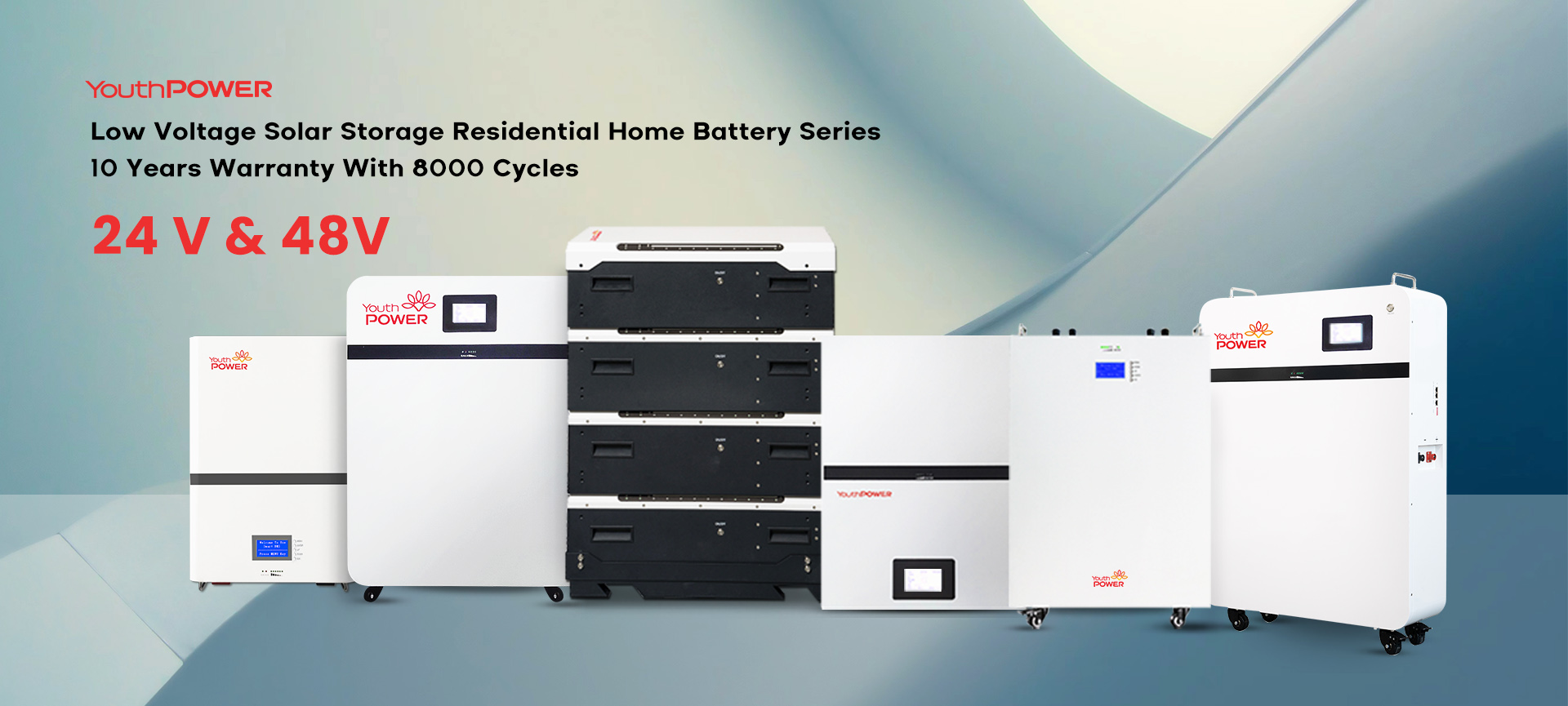
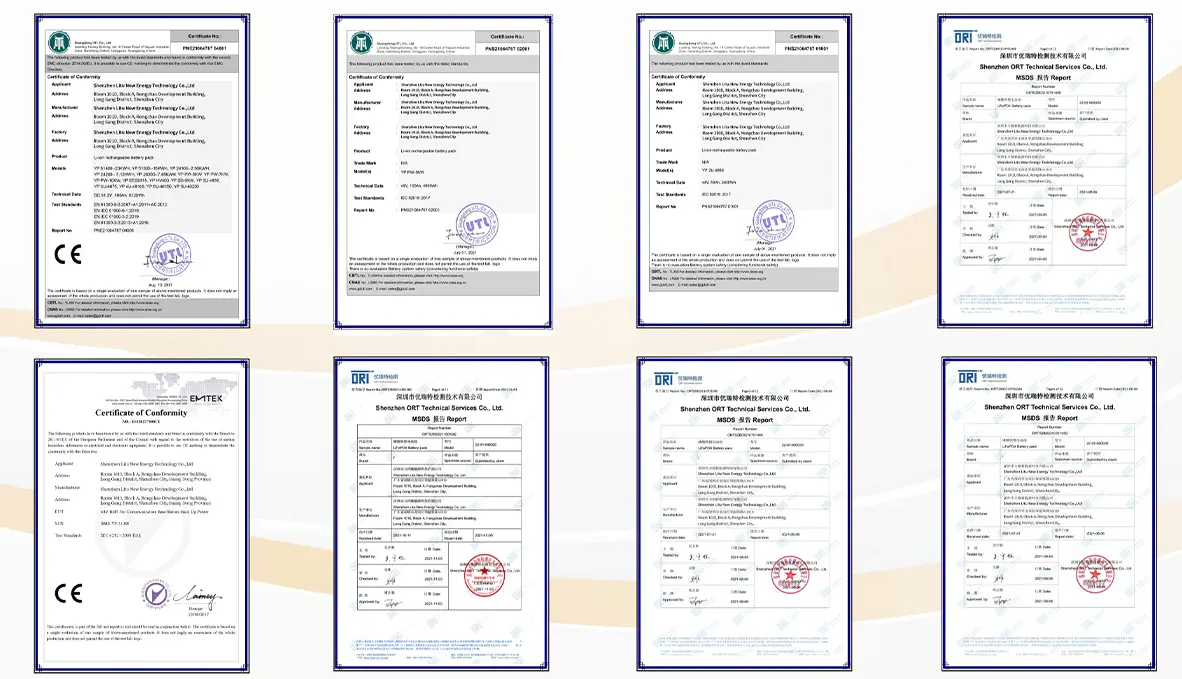
With nearly 20 years’ experience in the battery industry, we have the capability to provide you with both the products you need and the most suitable products you want. We are always ready to supply the first-class products and meet the various needs of the customers.
We have established good business relationships with our customers from all over the world. And we have a good cooperation with all our customers as well for many years running. Supported by our local vendors of raw materials, we can certainly offer you the best prices.
We are so proud that YouthPOWER has offered the reliable solar storage solution for over 1,000,000 families now in the world.
Our journey represents decades of hard work, engineering shifts, and an unyielding commitment to green power development globally.
Select your target capacity configuration to initiate custom pricing requests for local logistics and delivery to France.
Technical and regulatory guidance for engineers, energy consultants, and procurement managers.
 YouthPOWER