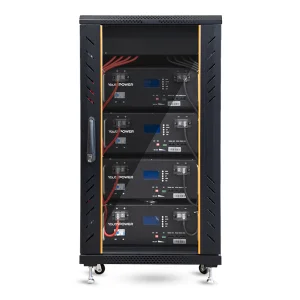
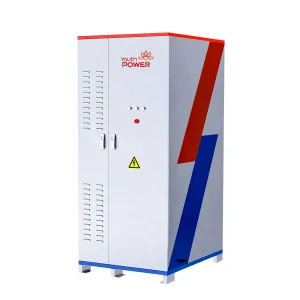
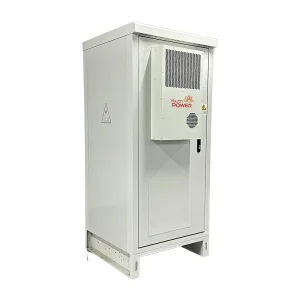
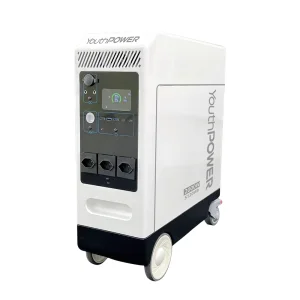
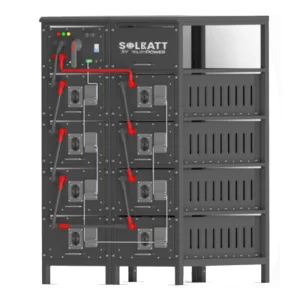
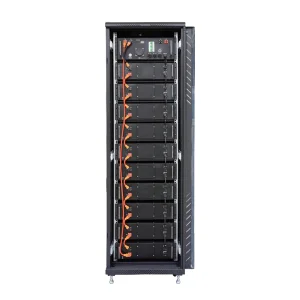
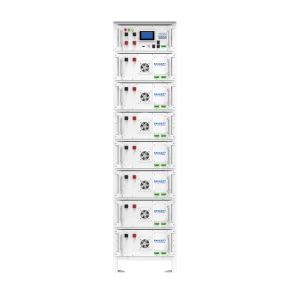
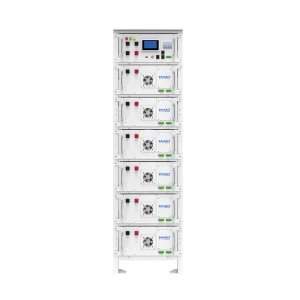
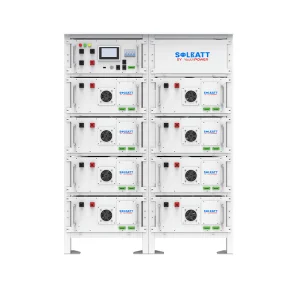
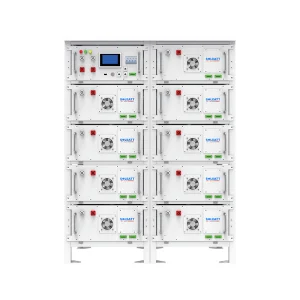
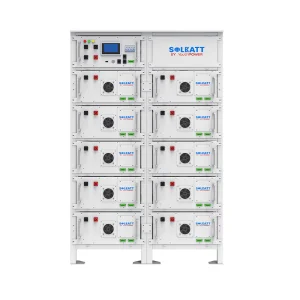
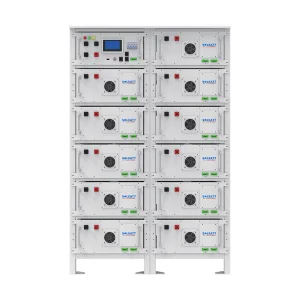
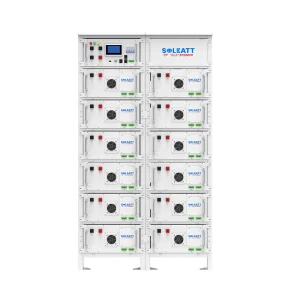
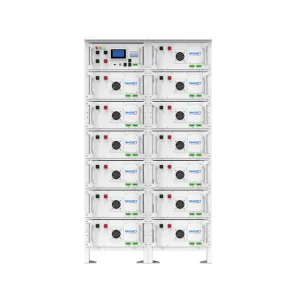
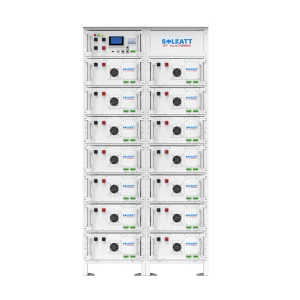
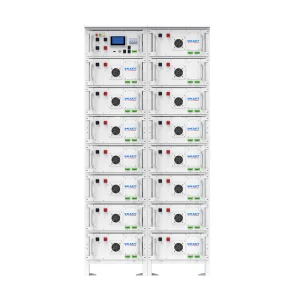
Discover our top-tier high-voltage lithium battery architectures engineered specifically to meet the high reliability and safety standards of commercial and industrial enterprises operating in Texas and the global energy market.
As the undisputed "Energy Capital of the World," Houston is experiencing a monumental shift in how electricity is produced, stored, and managed. Historically reliant on traditional oil and gas infrastructure, the regional economy is pivoting rapidly toward hybrid energy solutions. The Texas power grid, managed by the Electric Reliability Council of Texas (ERCOT), has faced extreme challenges in recent years. Rapid urbanization, extreme winter weather, and scorching summer heatwaves have exposed vulnerabilities in grid stability. Consequently, localized commercial battery energy storage systems (BESS) have transitioned from a luxury sustainability initiative to a core business continuity asset.
For commercial enterprises in Houston, energy storage fulfills several high-value economic and technical roles:
By transitioning to high-voltage lithium storage, C&I facilities achieve higher round-trip efficiencies (>90%), less thermal dissipation, and longer system lifespans compared to legacy energy storage formats.
Modern commercial energy storage demands an optimal blend of strict quality standards, advanced cell chemistry, and competitive cost-per-kilowatt-hour pricing. Achieving these metrics is a challenge of vertical integration. The global supply chain relies heavily on established manufacturing centers in China to meet cost thresholds that make large-scale capital investments viable for companies in areas like Houston.
From lithium mining refinement to separator and cathode production, Chinese battery hubs house the entire value chain in close physical proximity. This reduces transportation overhead and logistical delay risks.
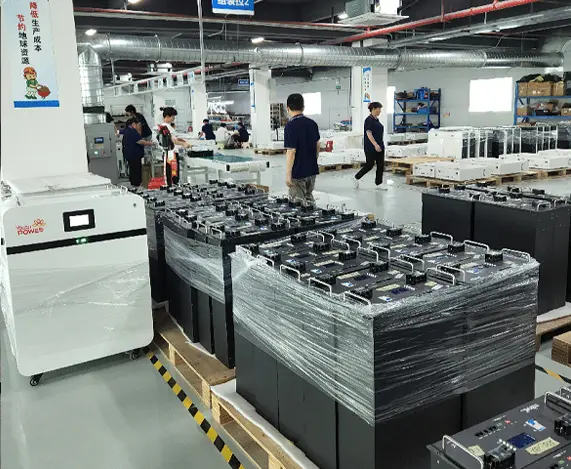
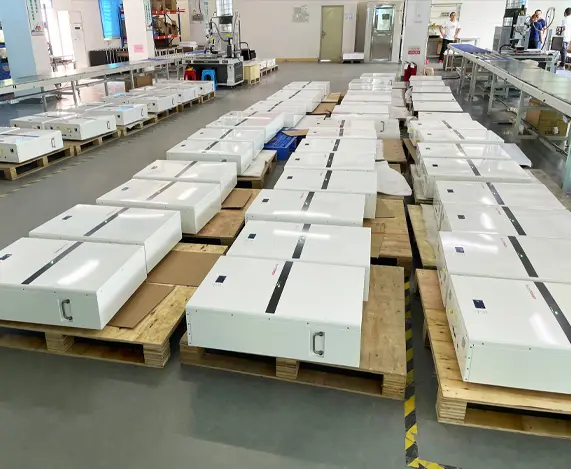
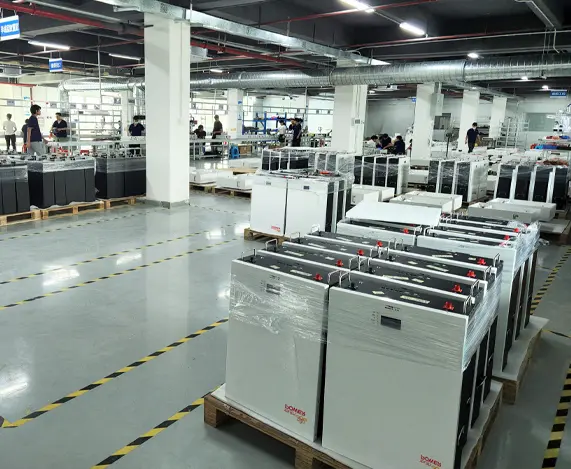
Highly automated assembly floors utilize high-resolution optical inspection, laser welding, and automated cell matching systems to ensure cell consistency and long-term stack reliability.
Top-tier factories fabricate components in conformity with global compliance certifications including UL 9540A, UL 1973, CE, and UN38.3, ensuring high safety levels for facilities worldwide.
By partnering with global manufacturing leaders like YouthPOWER, EPC contractors and developers in Houston gain access to competitive direct-factory pricing structures while enjoying engineering services designed in compliance with local utility interconnection requirements.
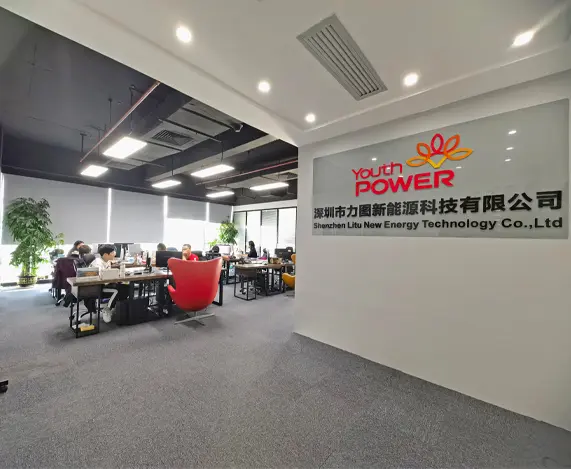
Founded in 2003, YouthPOWER has established itself as one of the leading global suppliers of solar storage lithium batteries. Offering a comprehensive range of commercial and industrial energy storage solutions, YouthPOWER covers low-voltage and high-voltage lithium battery architectures designed for extreme duty cycles.
With nearly 20 years of experience in battery manufacturing and an active R&D capability, our brand stands for safety, efficiency, and system reliability. We are committed to supplying high-grade technology to meet the diverse operational requirements of our industrial clients worldwide.
We are proud that YouthPOWER has delivered reliable solar storage solutions to over 1,000,000 families and businesses across the globe, leveraging optimized logistics and local supply integrations to offer highly competitive pricing structures.
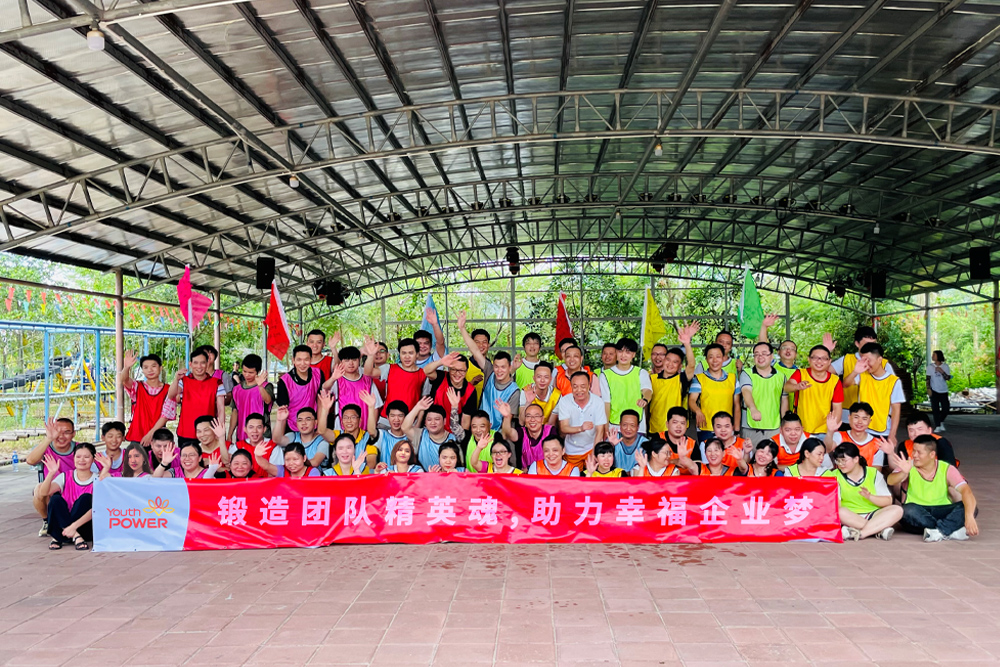
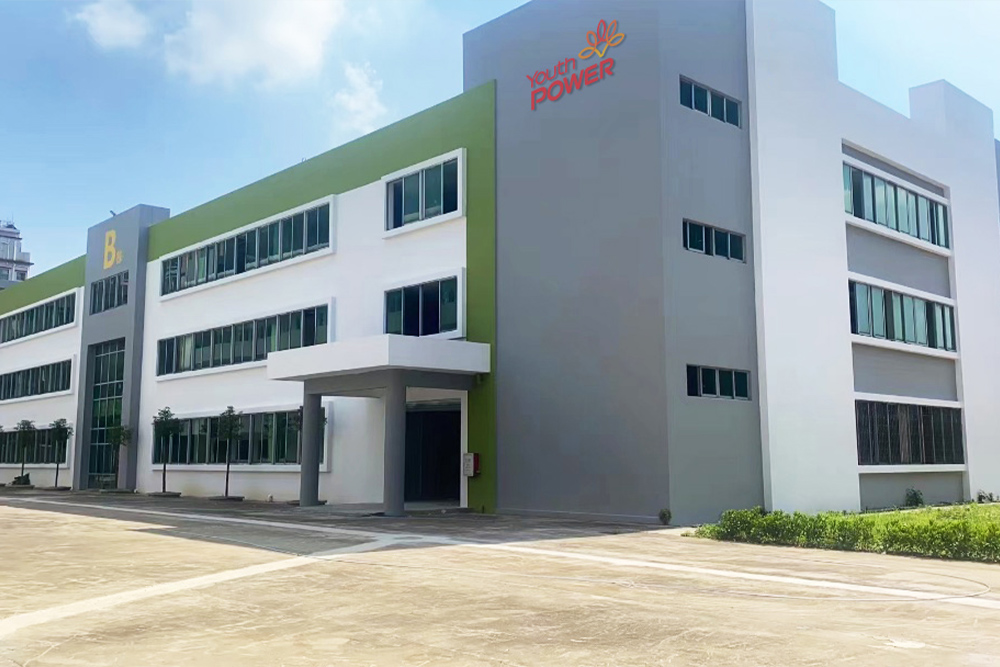
Our journey of energy engineering has evolved alongside the development of global grid technology. From developing early-stage specialized chemistries to manufacturing multi-megawatt high-voltage ESS containers, YouthPOWER has consistently invested in manufacturing precision.
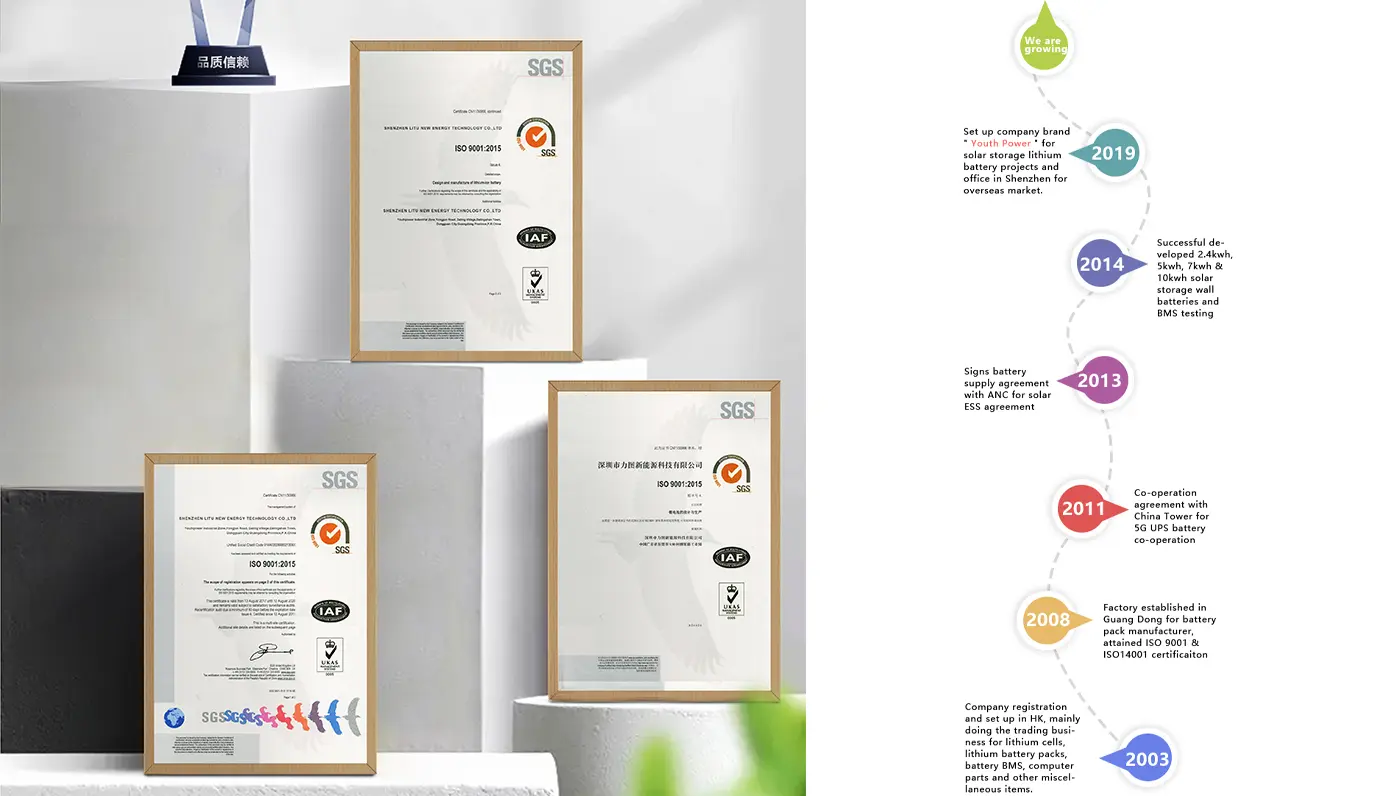
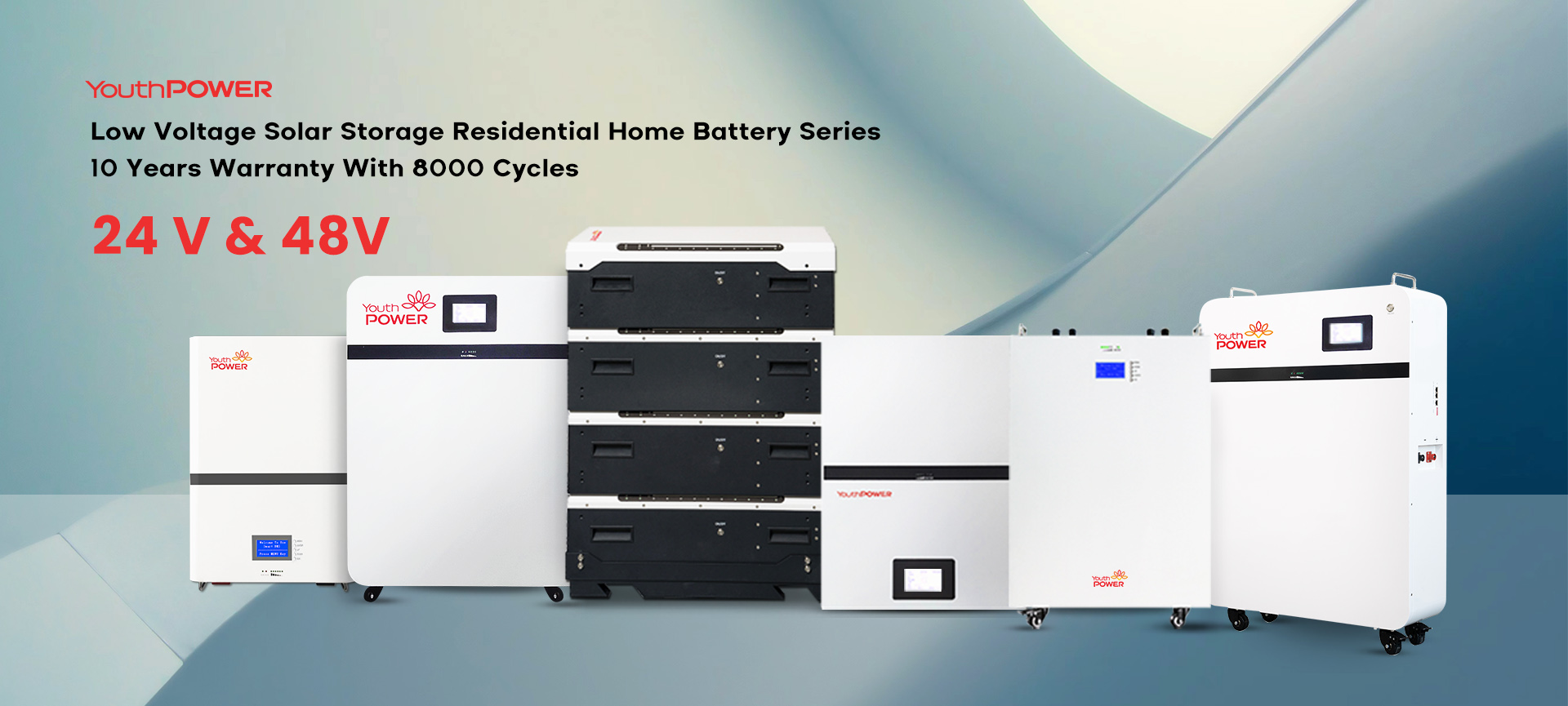
We work in close cooperation with our clients, providing complete design support from project layout to final deployment. Benefiting from raw material sourcing and scale efficiency, we are able to provide cost-effective options without compromising on safety standards.
Through our network of local vendors and strategic shipping lines, we supply projects in North America, Europe, and Asia. Our systems are engineered to withstand environmental stresses like coastal humidity and high temperatures, making them highly suitable for the climatic conditions of Houston and the wider Gulf Coast region.
Procuring a commercial-grade battery energy storage system requires careful evaluation of technical standards, performance metrics, and warranty structures. Below is a checklist utilized by C&I buyers and engineering firms when sourcing systems for use in regional grids like ERCOT:
Ensure chemistry compliance (preferably LiFePO4) alongside robust BMS protections. Look for cell-level monitoring and integrated aerosol fire suppression systems designed to meet local fire codes.
High-voltage architectures minimize conversion losses during power cycles, which is critical for peak-shaving applications where efficiency directly impacts ROI.
Verify capacity retention guarantees (e.g., >70% capacity after 6000 cycles at 0.5C/0.5C charge/discharge rates) to protect your long-term capital investments.
Explore our full line of commercial-grade battery systems, ranging from 51.2KWh distributed units to multi-megawatt containerized outdoor setups, built for high performance and longevity.
Get professional, engineering-focused answers to the most common questions regarding the specification, installation, and procurement of commercial and industrial energy storage systems in the Houston metropolitan area.
 YouthPOWER