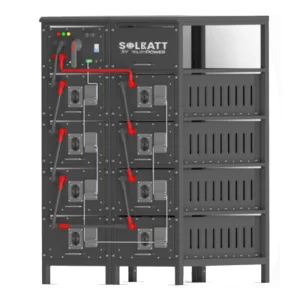
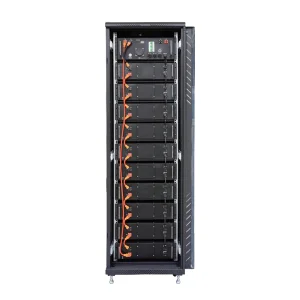
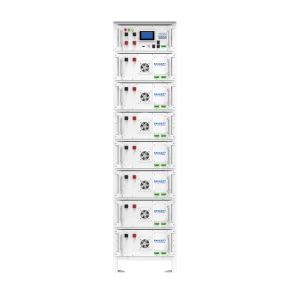
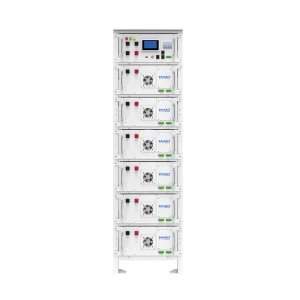
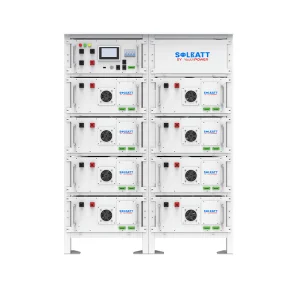
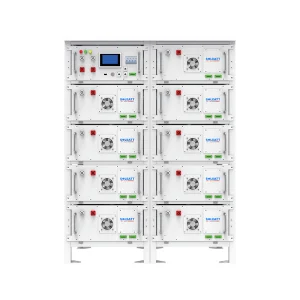
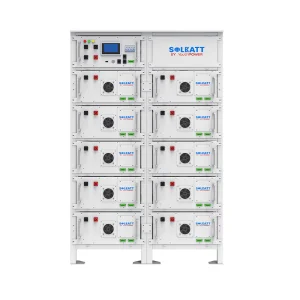
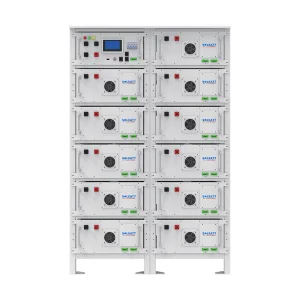
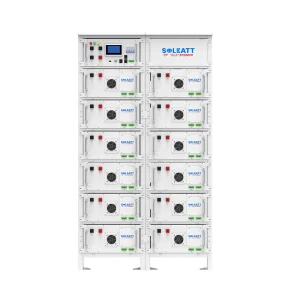
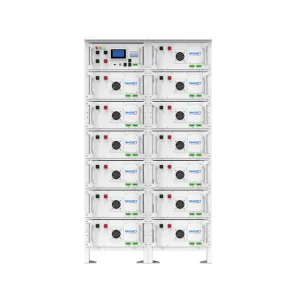
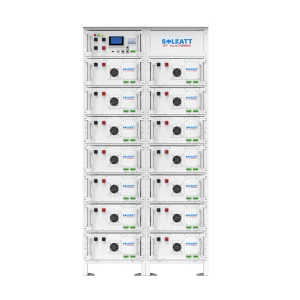
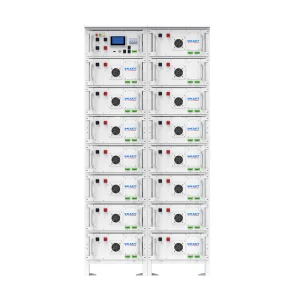
Engineered for extreme environments, these premium energy storage systems are deployed across commercial facilities to replace unreliable grids and cut operational expenses.
Nigeria possesses one of Africa's fastest-growing economies, yet commercial and industrial (C&I) players face severe grid limitations. Traditional diesel generators have long been the default solution to manage erratic utility supplies. However, escalating diesel costs, fuel scarcity, and increasing carbon reduction initiatives mean businesses require clean, high-performance energy storage alternatives.
Integrating reliable, heavy-duty commercial battery storage systems allows manufacturing facilities, telecommunication centers, agricultural hubs, and offices to capture solar energy, run peak-shaving operations, and establish true energy independence.
Lower your dependency on volatile diesel markets by switching your baseload to solar and lithium-ion batteries.
Millisecond-level power transfers ensure critical machinery, IT systems, and cold storage chains remain uninterrupted.
Discharge stored power during high-rate peak hours to lower commercial demand fees.
We supply modular, scalable energy solutions tailored for prominent commercial sectors across Nigeria.
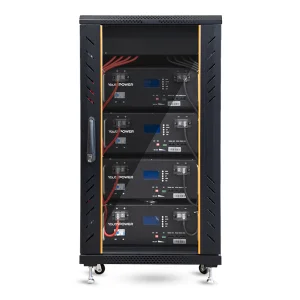
Cell towers in suburban and rural Nigeria demand 24/7 reliability. Our rack-mounted LFP batteries fit standard cabinets, endure high temperatures, and operate with long cyclic lives to replace maintenance-heavy lead-acid systems.
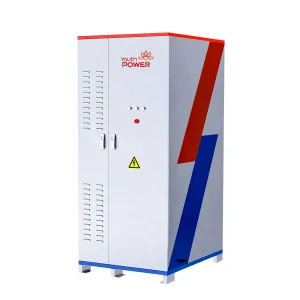
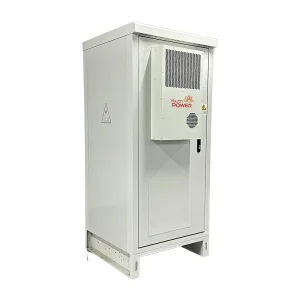
Sudden voltage sags can ruin machinery and manufacturing batches. Large 100kWh to 215kWh outdoor cabinets provide backup capacity to sustain manufacturing loads until generators sync or grid power stabilizes.
Fluctuating temperatures lead to post-harvest losses. Our high-voltage battery storage systems store day solar energy to run refrigeration units and irrigation pumps overnight throughout agricultural areas.
Delivering Top-Tier Renewable Storage Energy to the Global Market Since 2003.
Founded in 2003, YouthPOWER has now become one of the leading suppliers of solar storage lithium batteries in the world. With a broad range of energy storage solutions, it covers a series of 24V, 48V and higher voltage lithium batteries solutions.
YouthPOWER has engaged in the battery technology and production for almost 20 years, with abundant manufacturing experience and strong new product R & D capability. Through many years of hard work and market promotion, we have created our own brand "YouthPOWER" in 2019.
With nearly 20 years’ experience in the battery industry, we have the capability to provide you with both the products you need and the most suitable products you want. We are always ready to supply the first-class products and meet the various needs of the customers.
We have established good business relationships with our customers from all over the world. And we have a good cooperation with all our customers as well for many years running. Supported by our local vendors of raw materials, we can certainly offer you the best prices.
We are so proud that YouthPOWER has offered the reliable solar storage solution for over 1,000,000 families now in the world.
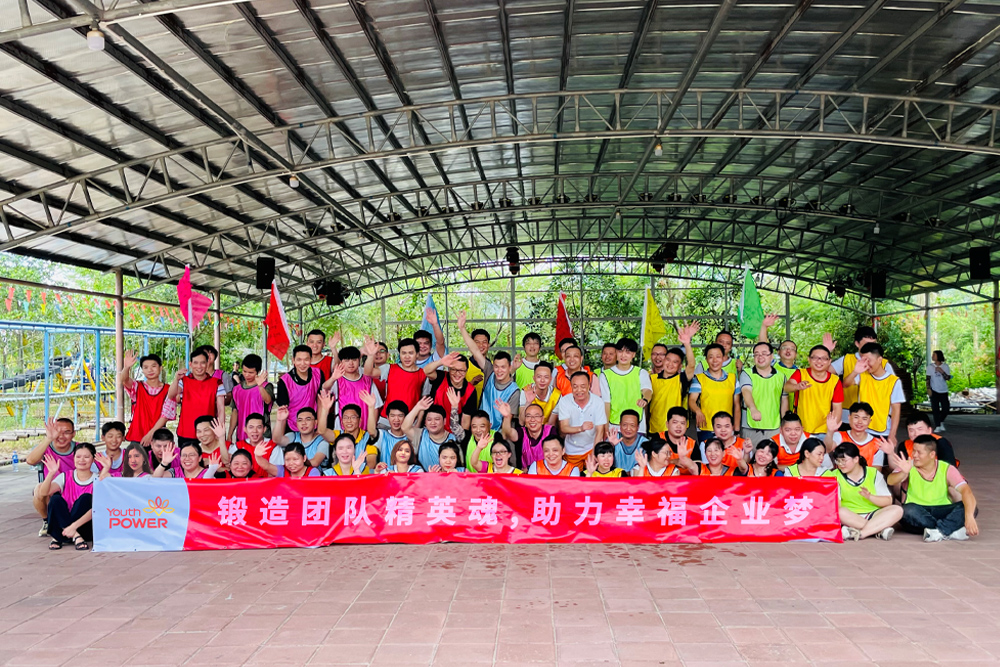
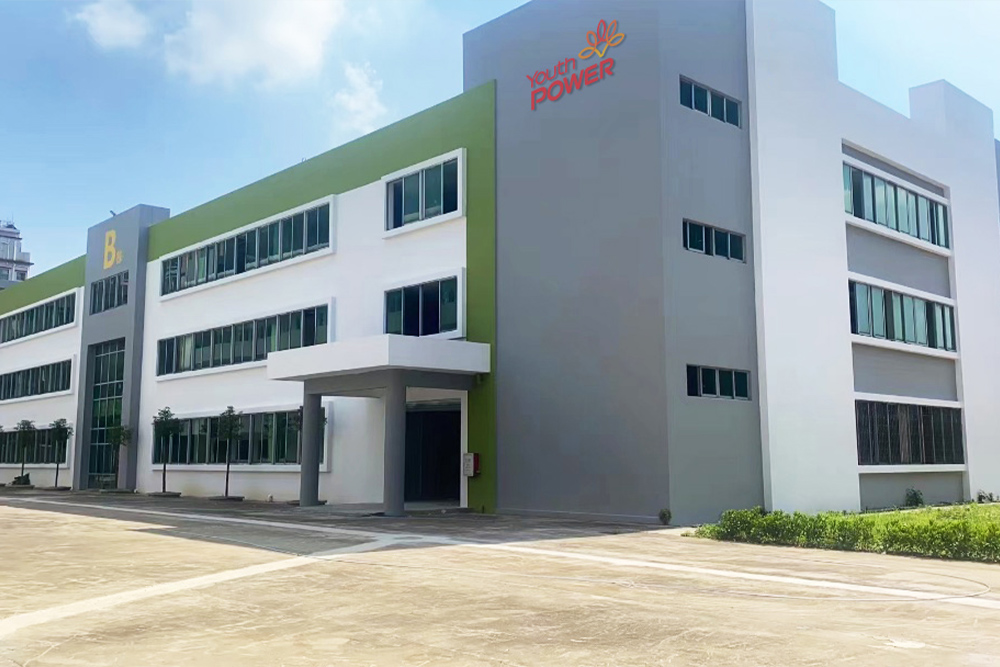
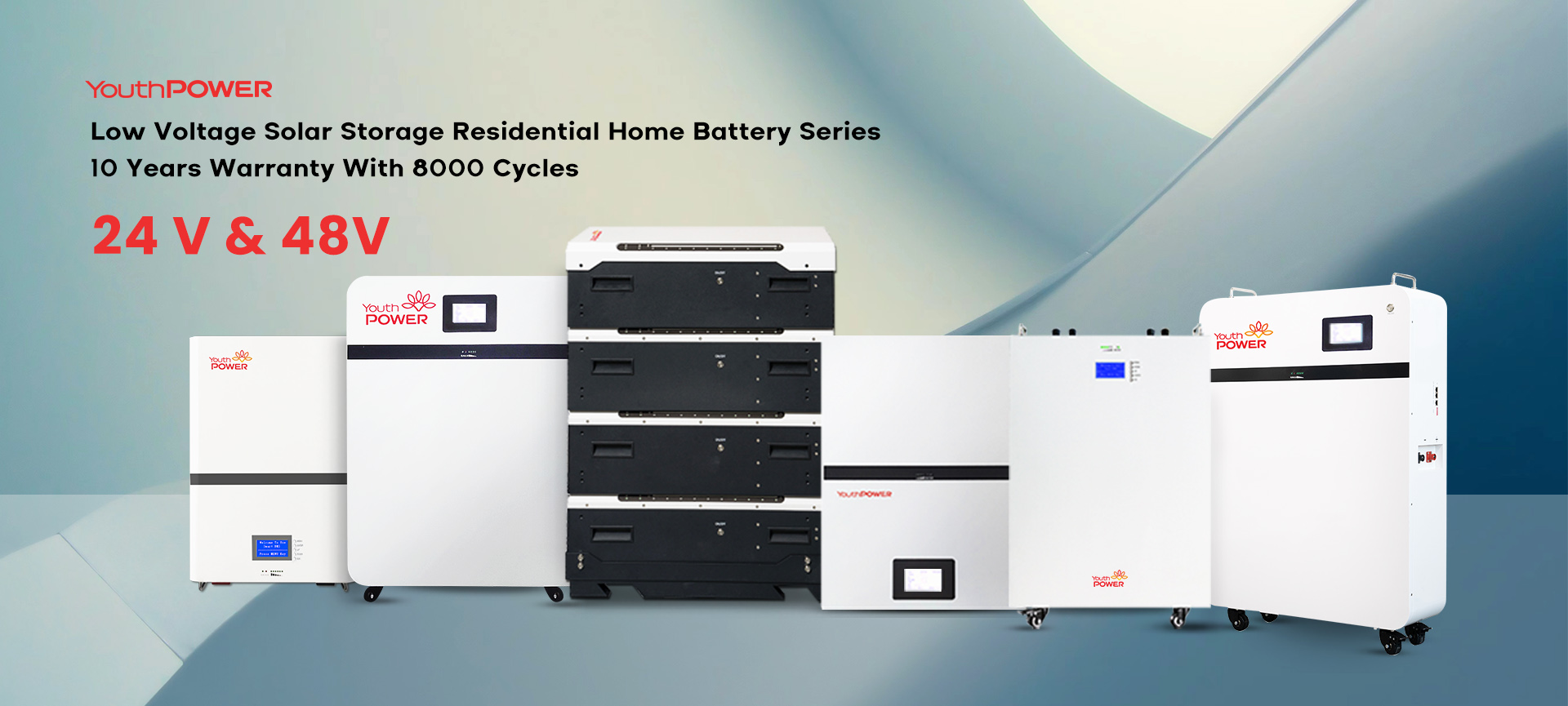
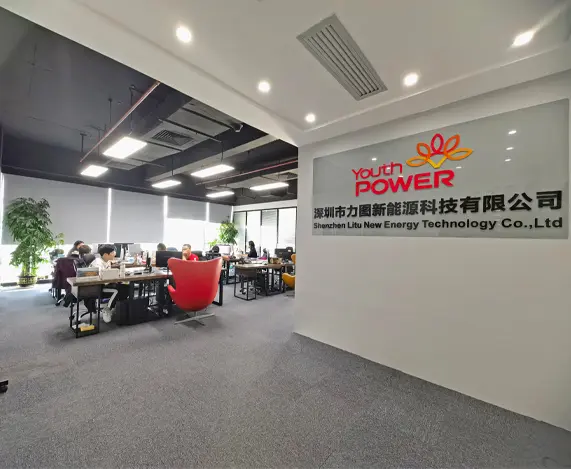
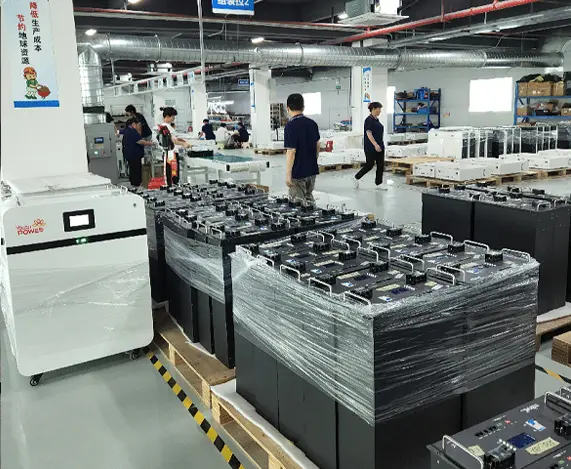
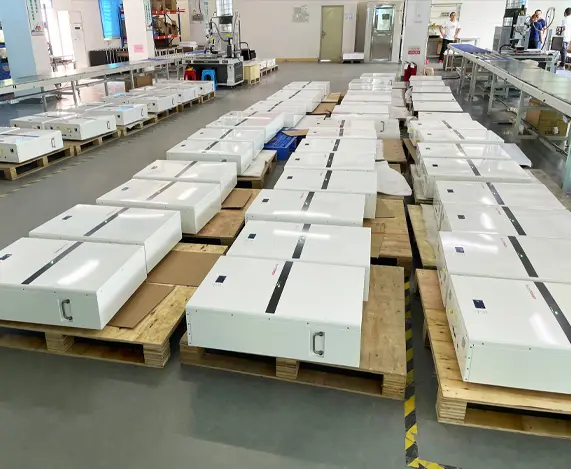
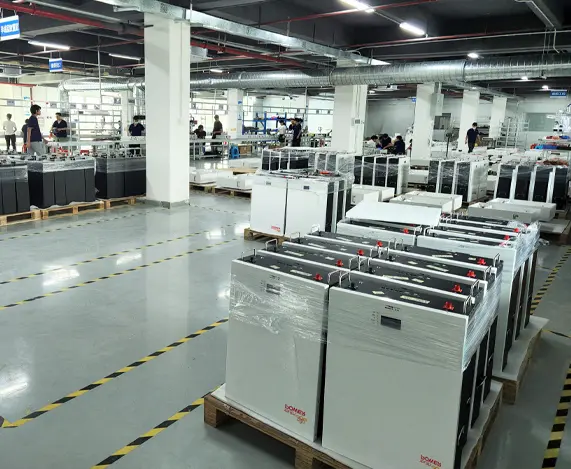
A history of innovation, high standards, and global logistics reliability.
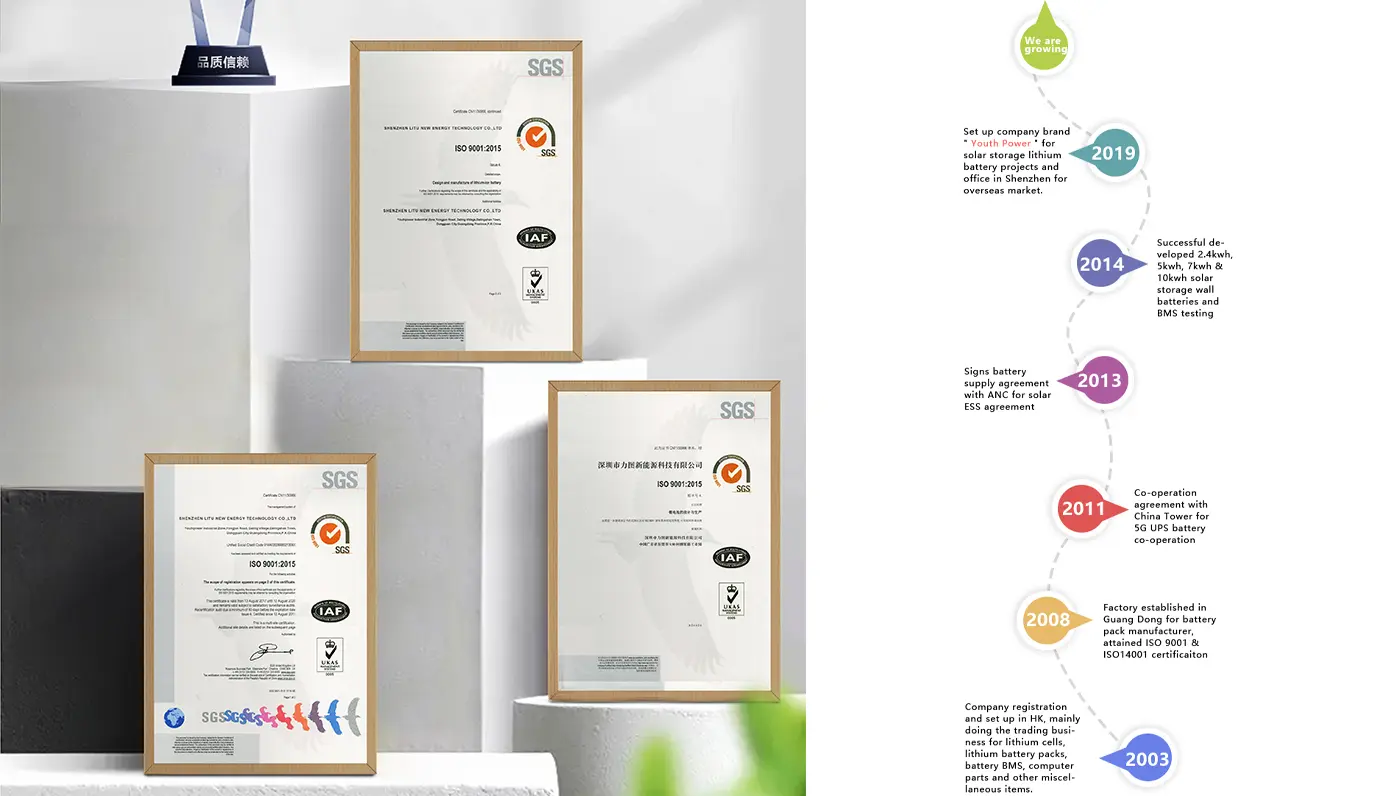
To support high-temperature operation and grid fluctuations, our products integrate Tier-1 cells with robust Battery Management Systems (BMS). Our industrial systems meet global regulatory requirements (CE, UN38.3, IEC 62619, UL 1973) and comply with the Standards Organisation of Nigeria (SON) framework.
By prioritizing safety and advanced thermal management, our energy solutions prevent thermal runaway in high-temperature regions, ensuring long life cycles and safe operations.
Explore our high-voltage and high-capacity battery range designed to meet diverse energy demands in Nigeria.
Expert insights on integrating, operating, and maximizing return on investment for commercial battery storage in Nigeria.
Lithium Iron Phosphate (LiFePO4) offers significant advantages in hot environments. Lead-acid batteries degrade rapidly if ambient temperatures exceed 25°C, whereas LiFePO4 operates reliably up to 45°C–50°C. Additionally, LiFePO4 supports a deep Depth of Discharge (DoD) of 80% to 90% and offers over 6,000 charge cycles, delivering a lower Levelized Cost of Storage (LCOS) compared to lead-acid.
Our systems interface directly with hybrid inverters and microgrid controllers. The battery functions as the primary dynamic reserve, absorbing loads and providing immediate power during grid fluctuations. This setup prevents the need to run diesel generators at inefficient, low-load levels, saving up to 40% in fuel consumption.
Our systems include intelligent battery enclosures equipped with automated thermal management (ventilation or liquid cooling) and independent aerosol fire suppression kits. The built-in Battery Management System (BMS) continuously monitors voltage, current, and temperature at the cell level, safely shutting down the system if thresholds are exceeded.
Operating at higher voltages (such as 358V, 409V, or 768V) reduces current flow through cables, lowering copper heat losses and boosting round-trip energy efficiency. High-voltage configurations also pair efficiently with large commercial megawatt inverters, simplifying electrical designs and lowering installation costs.
Contact our energy engineers to calculate load profiles, size your battery storage system, and transition your commercial operations in Nigeria to reliable power.
 YouthPOWER