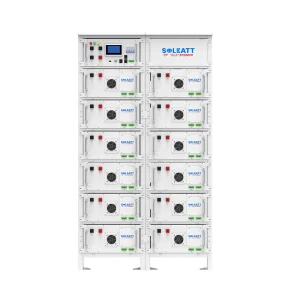
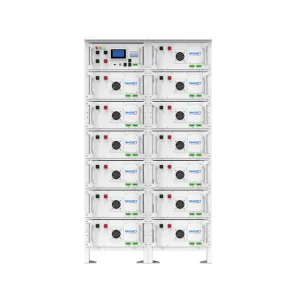
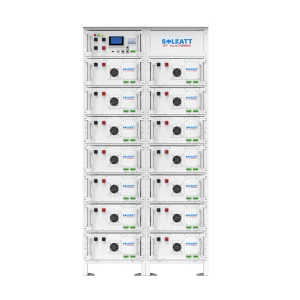
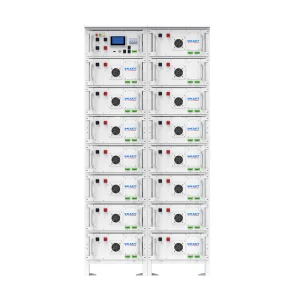
Engineered for seamless integration with German industrial standards. Certified efficiency designed for continuous cycle operations.
Germany stands at the epicentre of the European energy transition (Energiewende). With the rapid phase-out of fossil fuels and nuclear baseload power, German industrial and commercial operations face unprecedented grid volatility and elevated energy costs (Strompreis). System stability is no longer guaranteed solely by transmission system operators (TSOs).
For mid-sized German enterprises (the legendary Mittelstand), investing in localized commercial battery storage is essential. Energy storage installations serve three distinct operational goals:
Deploying high-voltage and outdoor commercial energy storage systems requires compliance with Germany's strict grid interconnection policies, including VDE-AR-N 4110 and VDE-AR-E 2510-50 safety standards.
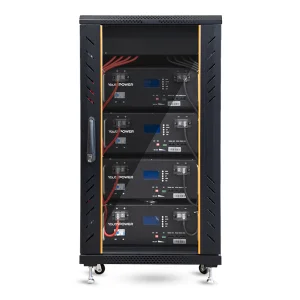
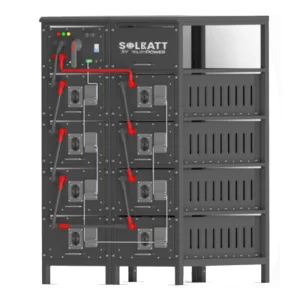
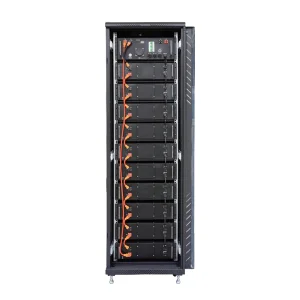
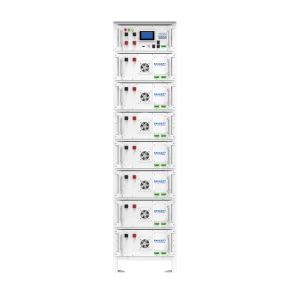
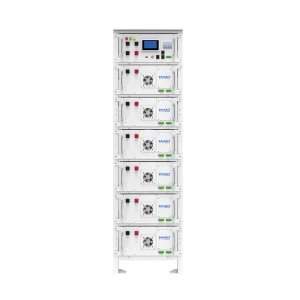
Our integrated LiFePO4 cabinet designs feature sophisticated multi-tiered Battery Management Systems (BMS) with active balancing and CAN/Modbus communication interfaces, ensuring flawless integration with virtual power plants (VPPs) and local EMS architectures.
Consult Engineering TeamComparing chemical composition shifts, global sourcing realities, and regulatory compliance paths.
Lithium Iron Phosphate (LiFePO4 / LFP) has definitively overtaken NMC for stationary commercial storage applications. Its unmatched thermal stability, non-combustibility, and longer cycle life (up to 6,000+ cycles at 80% DoD) provide the lowest Levelized Cost of Storage (LCOS).
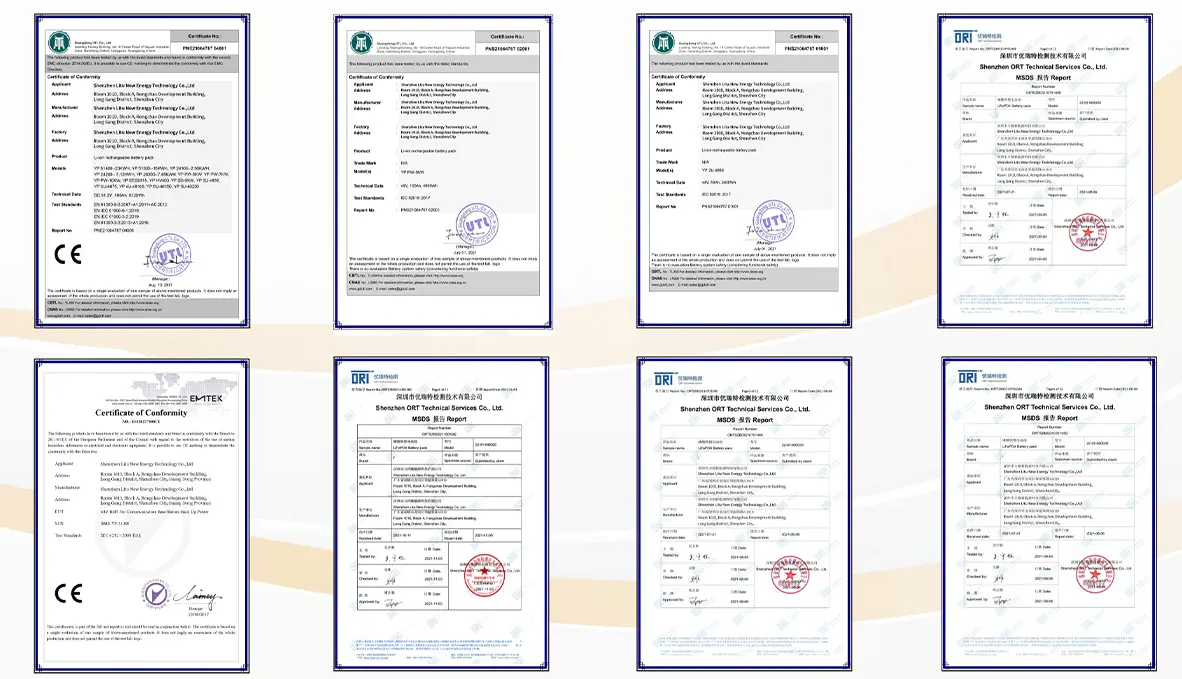
Commercial facilities globally demand certifications including IEC 62619, CE, UN38.3, and UL1973. Ensuring safety at the cell, module, and system level prevents catastrophic thermal runaway events, reducing insurance premiums for building operators.
The global supply chain relies on deep cooperation between resource processing centers, advanced electronics component manufacturing, and localized integration teams to ensure projects are delivered on-schedule and within budget constraints.
By coupling German planning, engineering directives, and localized distribution with our advanced manufacturing facility, customers benefit from the absolute peak of battery technology and economic optimization.
China's battery manufacturing ecosystem delivers unmatched advantages:

How modern businesses utilize commercial-grade battery assets to hedge against volatile spot-market pricing.
Industrial manufacturing facilities with stamping presses, heavy industrial motors, or high-capacity electric ovens use our high-voltage cabinets to discharge during peaks. This successfully lowers calculated peak load billing, saving thousands in annual grid network charges.
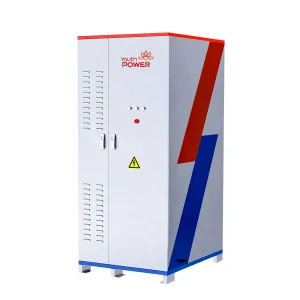
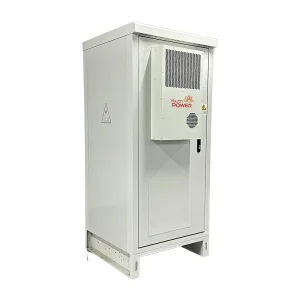
Explore Configuration →Logistics hubs upgrading to electric delivery vehicles encounter grid power limits. Setting up a buffer like our Scalable Outdoor ESS 215KWH allows rapid vehicle charging up to 350 kW without overtaxing local transformer substations.
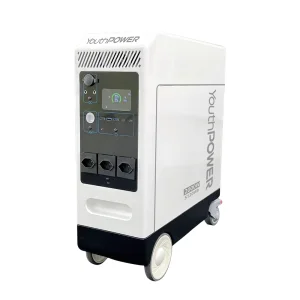
Explore Configuration →Large solar farms and farming enterprises in Bavaria and Lower Saxony leverage decentralized battery storage to maximize self-reliance. Store excess solar power during midday and power processing machinery during night-shift cycles.
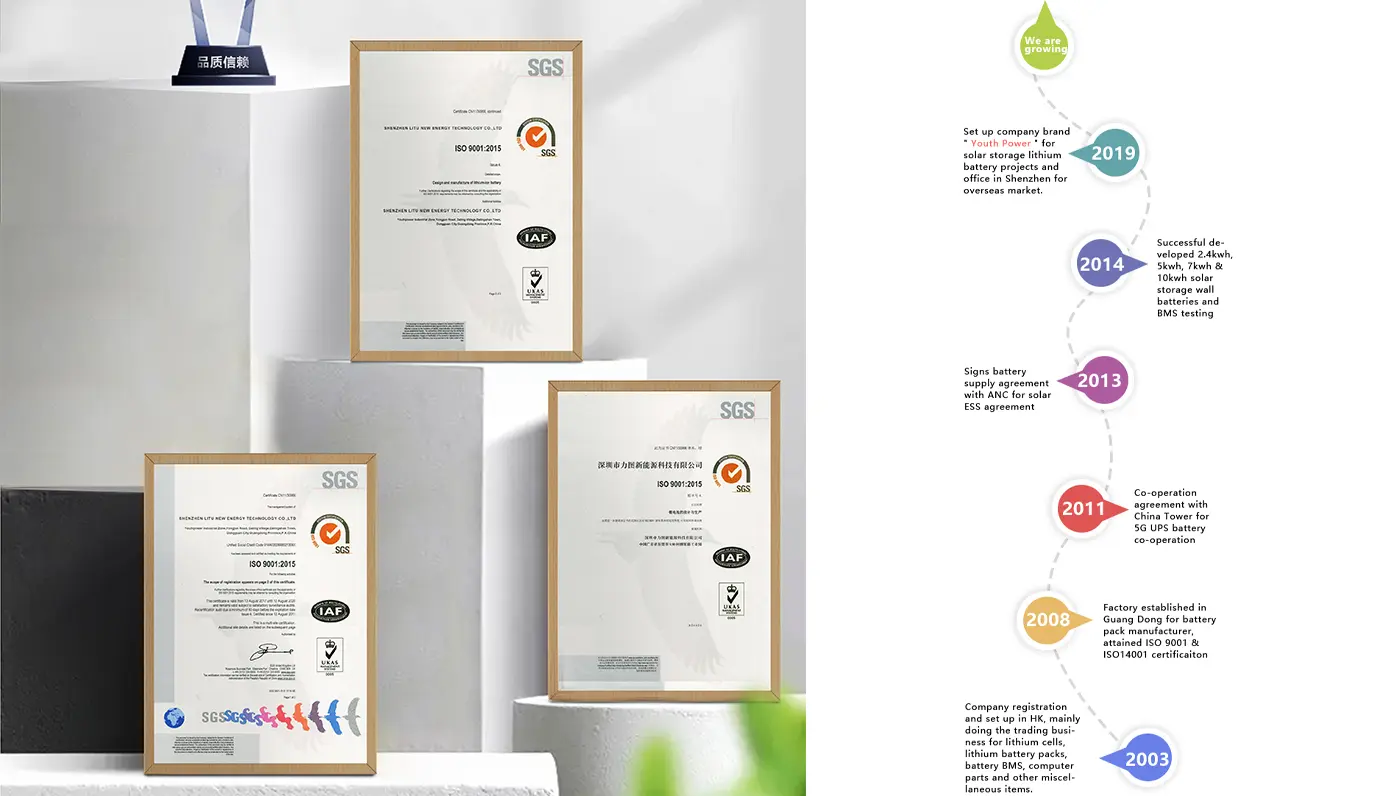
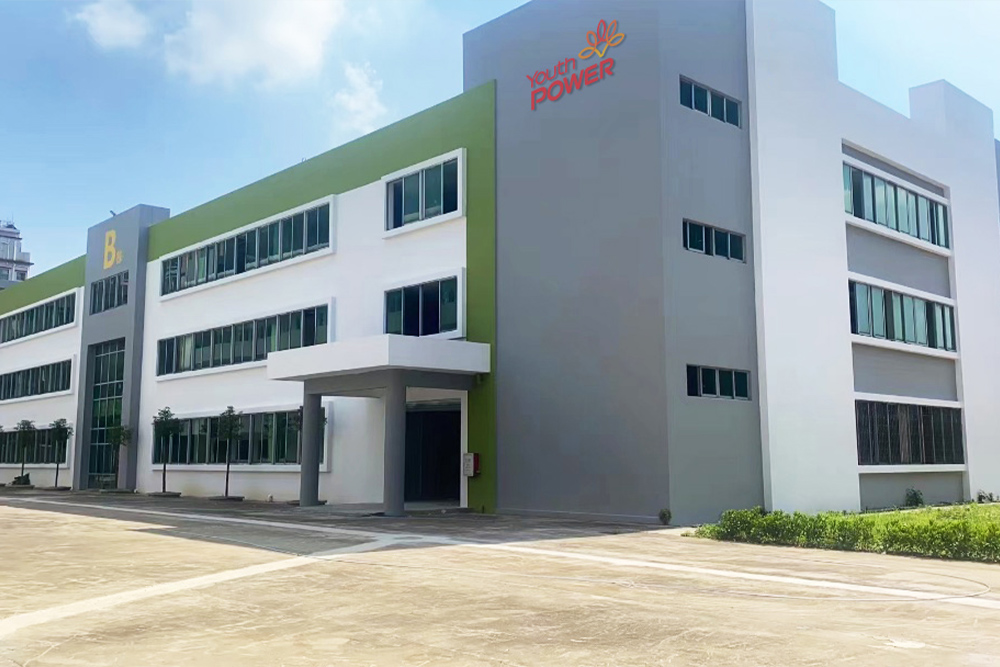
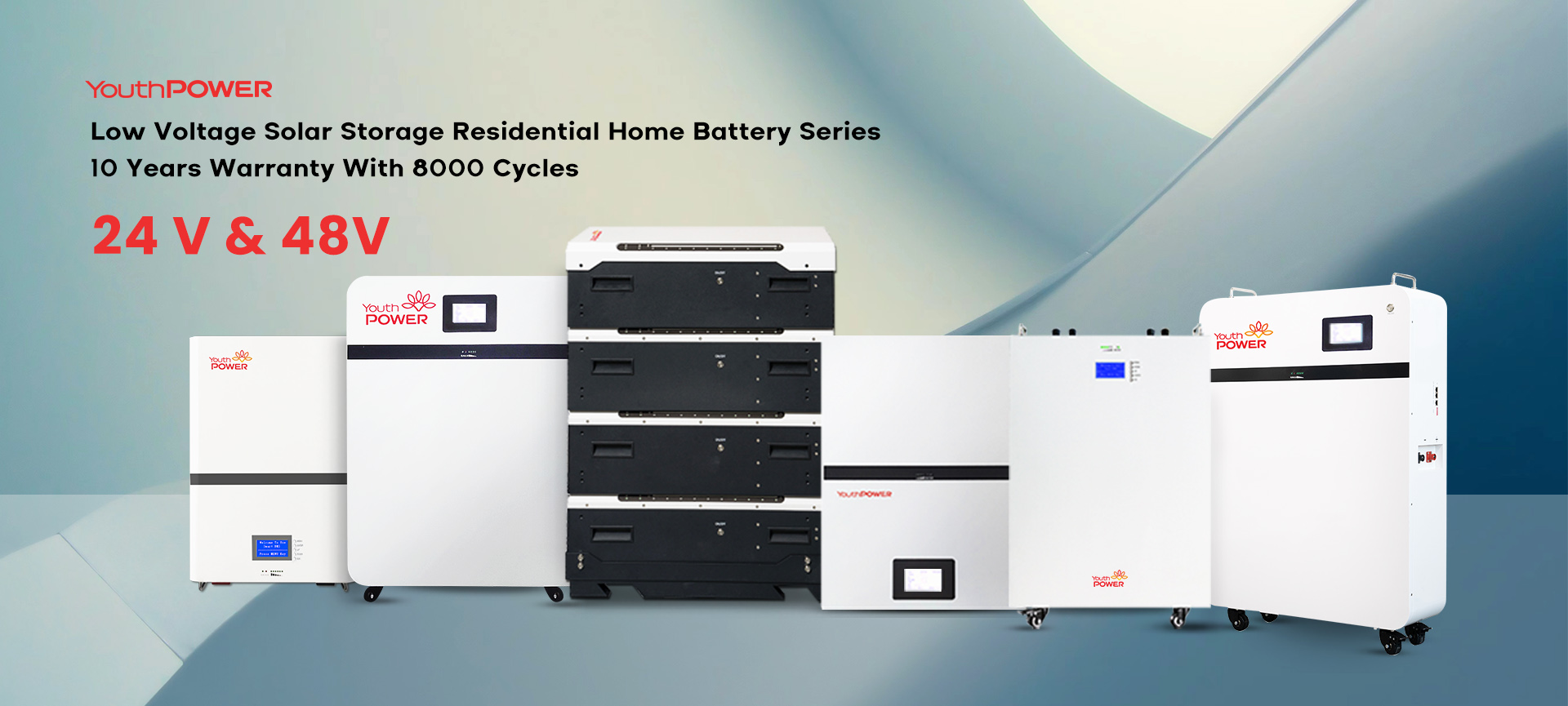
Explore Configuration →Founded in 2003, YouthPOWER has established itself as one of the preeminent global suppliers of advanced solar energy storage solutions. Our engineering prowess covers full-spectrum lithium battery architectures spanning 24V, 48V, and highly engineered industrial high-voltage cabinet systems.
With nearly two decades of production experience and a relentless focus on new product R&D, we launched the trademarked "YouthPOWER" brand in 2019. By consolidating raw material supply chains and deploying state-of-the-art testing systems, we deliver absolute reliability. We are proud to have deployed stable solar energy storage configurations powering more than 1,000,000 installations globally.
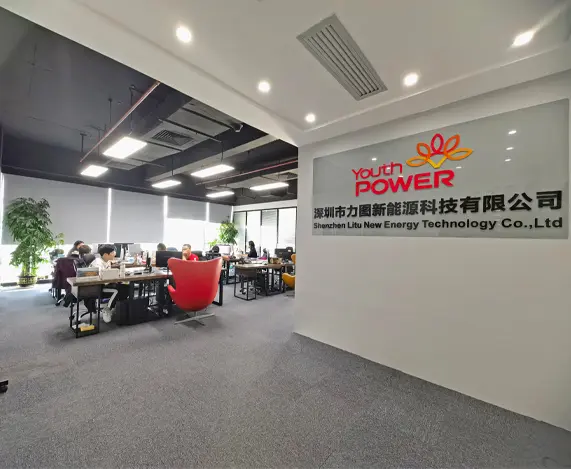
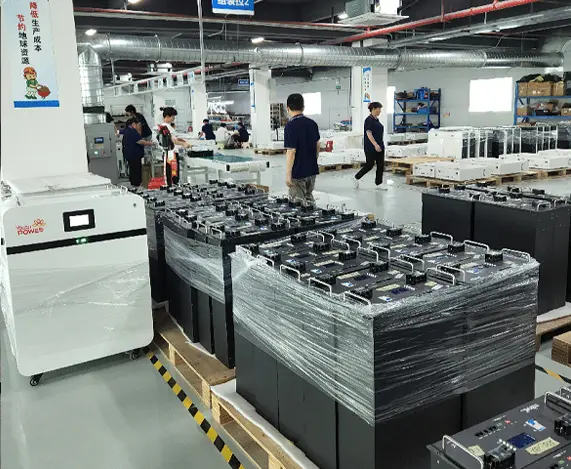
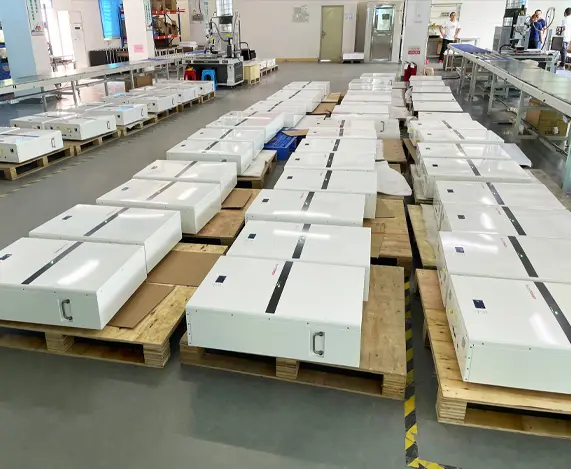
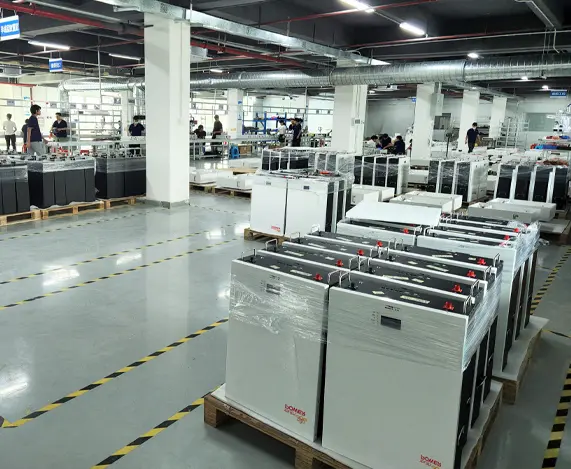
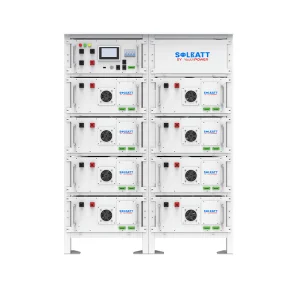
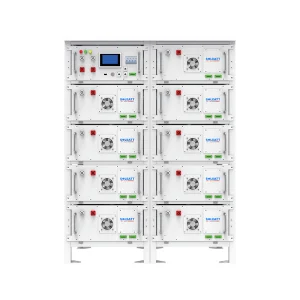
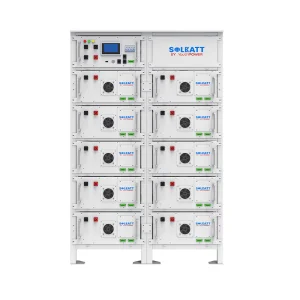
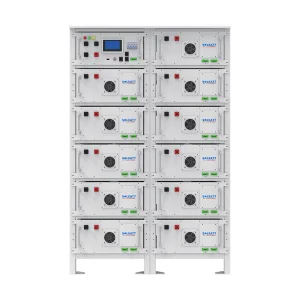
Premium 280Ah LiFePO4 cells configured in robust structural enclosures. High capacity, modular scalability, and multi-stage active cooling.
A roadmap for project developers and EPC contractors deploying commercial energy storage assets.
The Battery Management System is the brains of the installation. When sourcing commercial storage systems, verify that the master-slave BMS architecture supports:
For outdoor cabinets, structural integrity and HVAC design are critical to long-term operational health:
Direct answers from our engineering division regarding system sizing, grid integration, and warranty parameters.
High-voltage battery configurations (ranging from 350V to over 700V) significantly reduce DC transmission current relative to standard 48V low-voltage systems. This results in reduced heat generation, smaller cable cross-sections, and markedly higher overall system conversion efficiency (often exceeding 95% round-trip efficiency when coupled with high-efficiency PCS inverters).
Under § 19 StromNEV, commercial entities pay high demand charges based on their single highest 15-minute load peak within a calendar year. The battery system monitors grid draw continuously. As grid consumption nears a pre-defined threshold, the battery discharges to cover the surplus load. This flattens the demand profile and lowers network charges.
Our premium LiFePO4 280Ah cells are rated for ≥6,000 cycles at 80% Depth of Discharge (DoD) under standard 0.5C charge/discharge conditions before capacity degrades to 80% of its original state. Assuming daily cycling, this corresponds to an operating life of 15+ years under typical conditions.
Yes. Our outdoor battery containers (such as the 215kWh and 100kWh models) feature integrated HVAC systems designed to maintain internal cell temperatures within their optimal operational window (15°C to 30°C). This ensures cell balancing stability and prevents accelerated degradation caused by temperature variation across cells.
Our systems comply with essential CE guidelines, IEC 62619 product standards, and UN38.3 transport safety regulations. We work closely with developers to provide the detailed electrical schematics and BMS interface documents required to secure approval from local Distribution System Operators (DSOs).
Connect with our expert team of electrical engineers and procurement specialists. Get a detailed technical consultation and custom sizing calculations for your commercial projects.
Send Inquiry Now → YouthPOWER