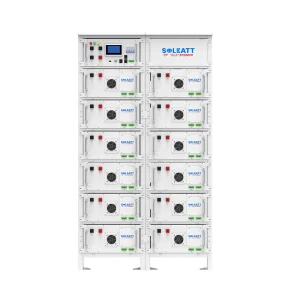
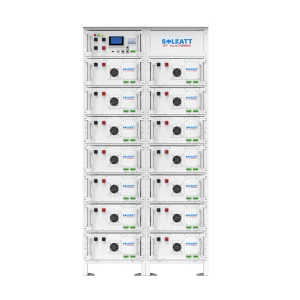
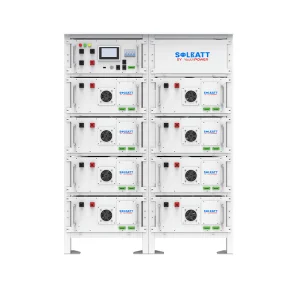
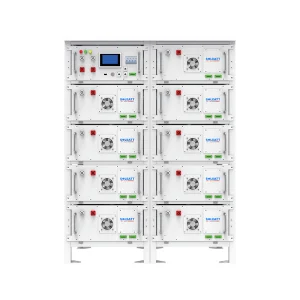
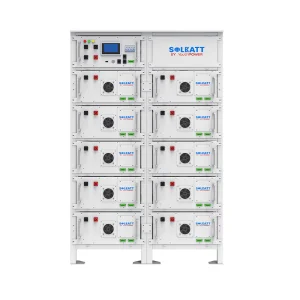
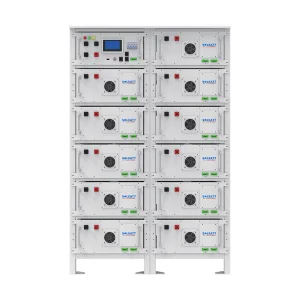
Engineered for integration with commercial solar configurations, industrial mining backup, and unstable grids in South Africa.
For commercial and industrial (C&I) businesses in South Africa—stretching from the mining hubs of Rustenburg to the manufacturing corridors of Gauteng and the agricultural zones of the Western Cape—grid instability is no longer a temporary operational challenge; it is a critical threat to economic viability. The direct cost of load shedding to South Africa’s economy has reached billions of Rand, disrupting assembly lines, cold storage logistics, agricultural packaging facilities, and corporate office parks.
As Eskom tariffs continue to rise steeply, the commercial market is witnessing a major shift. Companies are moving away from noisy, fuel-heavy diesel generators, which incur high operating expenses (OPEX), toward sustainable, high-capacity Battery Energy Storage Systems (BESS) integrated with solar PV. This tech combination offers dual benefits: reliable backup power during stage 6+ loadshedding and peak-shaving capabilities to offset high demand charges.
With the expansion of Section 12B of the South African Income Tax Act, businesses can access accelerated tax deductions on solar panels and energy storage systems. This policy change substantially lowers the initial payback period of commercial systems, turning energy storage into a value-generating asset rather than a sunk infrastructure cost.
South Africa’s high temperatures demand robust cell chemistries. Lithium Iron Phosphate (LiFePO4) is the chemistry of choice for commercial systems. It provides high thermal stability, zero maintenance, and an extended life cycle (typically exceeding 6,000 cycles at 80% Depth of Discharge), making it a durable choice for hot, dry climates.
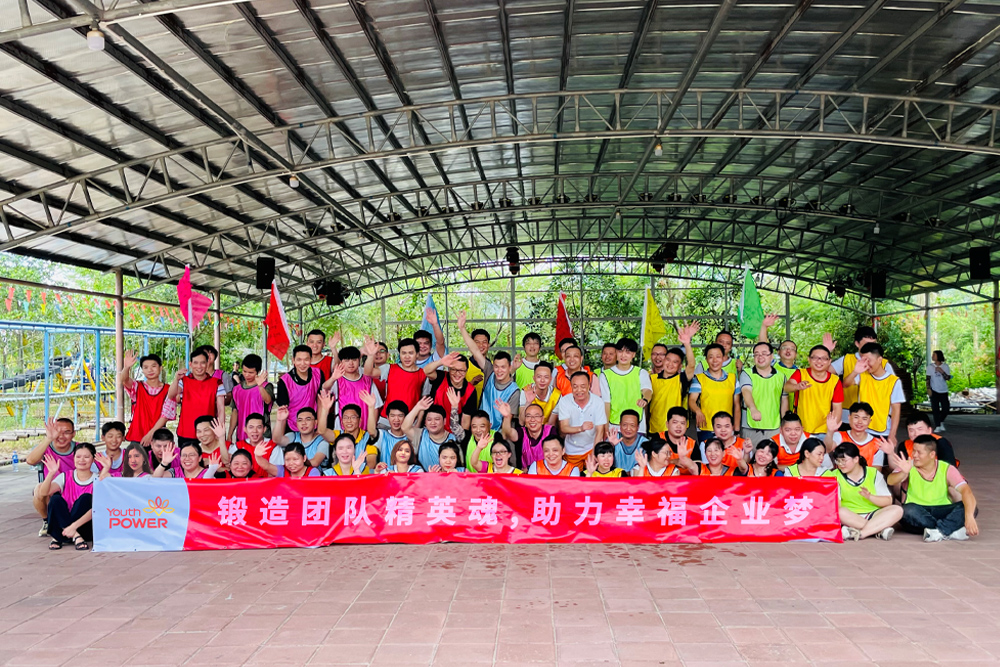
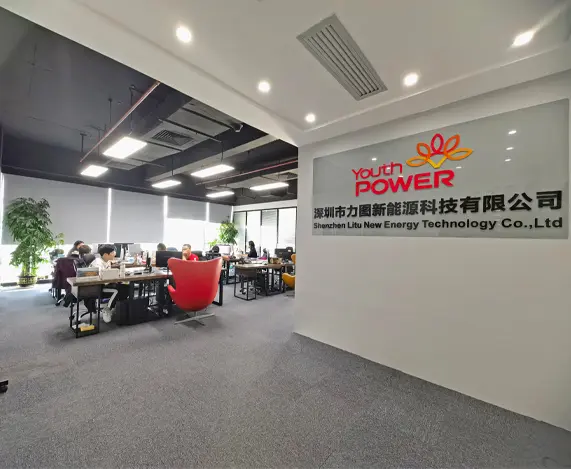
Founded in 2003, YouthPOWER has grown into one of the world's leading suppliers of solar storage lithium batteries. We specialize in comprehensive energy storage solutions that cover 24V, 48V, and high-voltage commercial lithium systems. Backed by nearly two decades of battery manufacturing experience, our strong R&D team consistently develops innovative products to meet changing energy markets.
We created our own dedicated brand "YouthPOWER" in 2019 to target the highest standards of energy security. Supported by local networks of raw materials, we optimize our supply chain to offer competitive pricing without sacrificing reliability. Today, we are proud that YouthPOWER solar storage solutions support over 1,000,000 families and businesses worldwide.
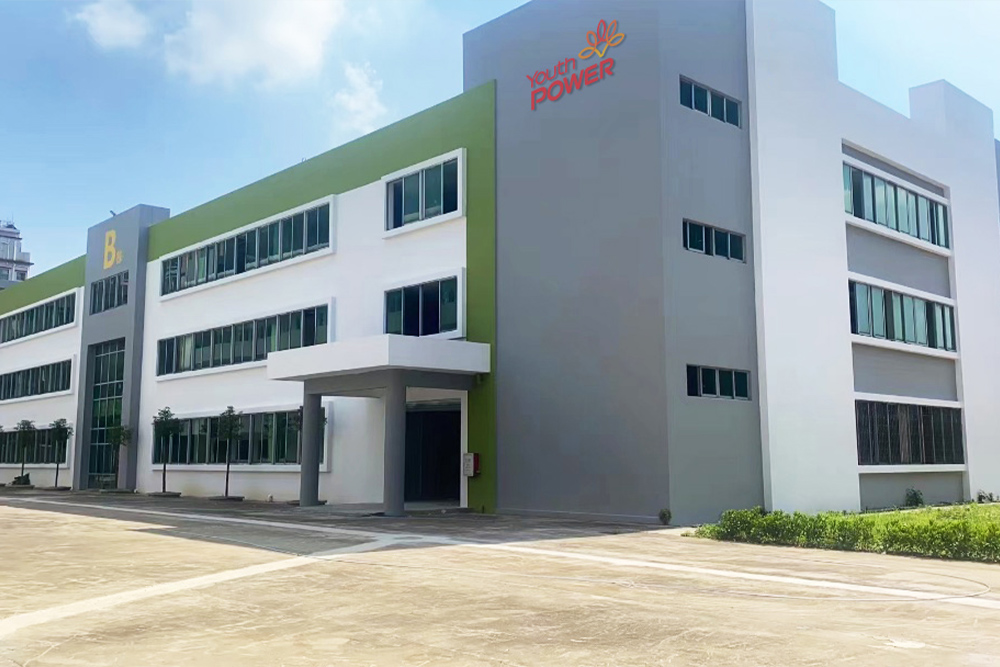
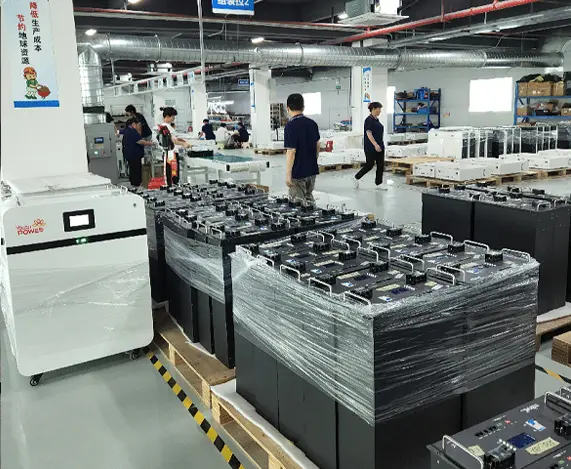
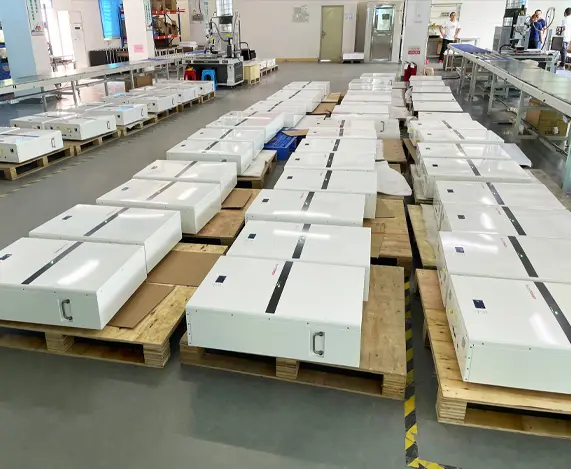
Our production facilities utilize automated cell assembly lines, strict quality control procedures, and comprehensive testing methodologies. Every battery pack is put through cycle testing, thermal validation, and high-stress load testing to ensure it stands up to demanding, real-world utility and C&I environments.
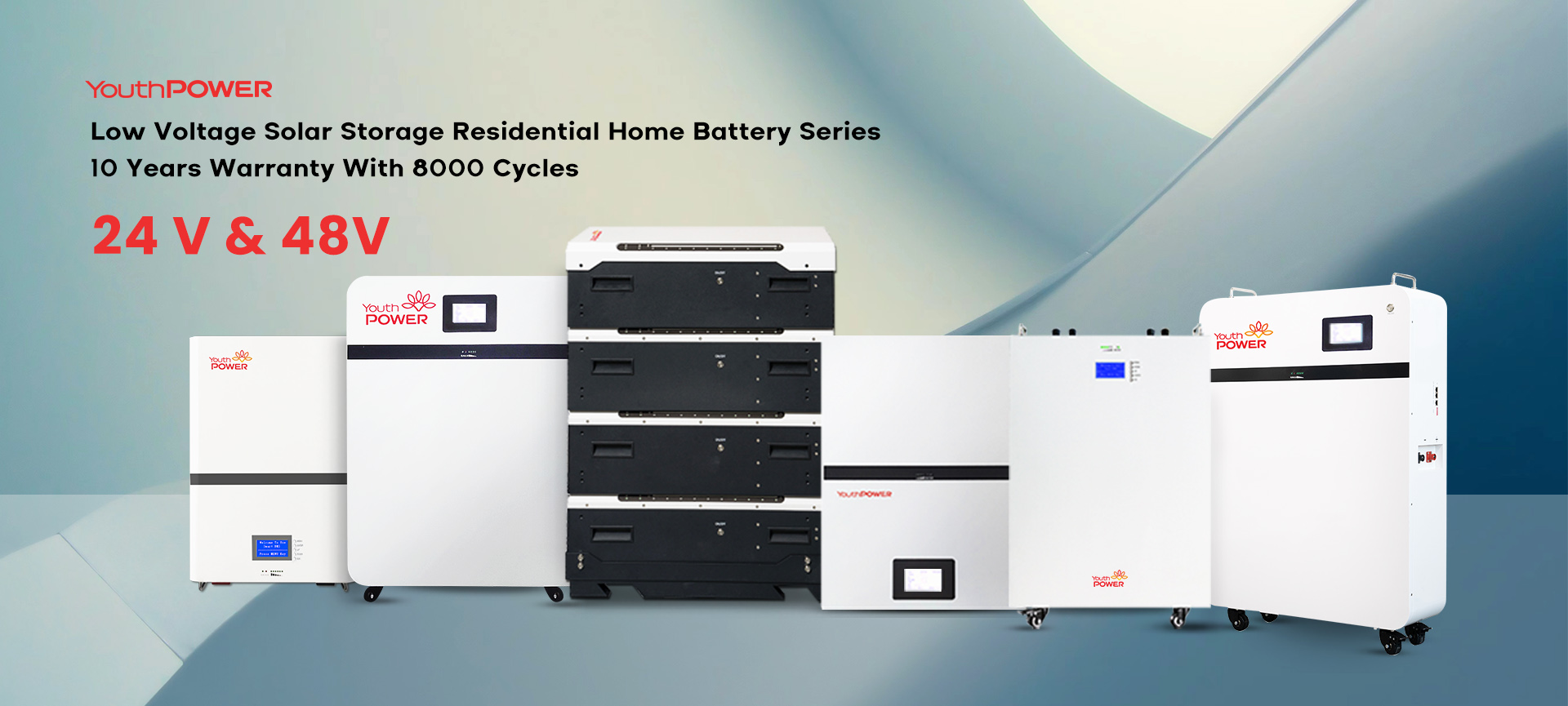
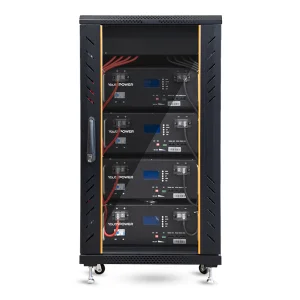
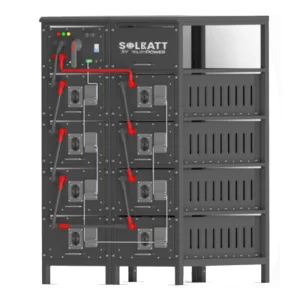
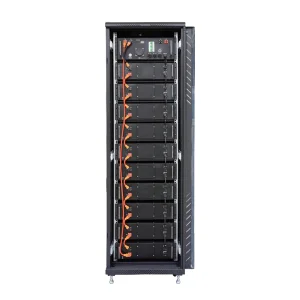
Designed for heavy industrial sites, regional grid stabilization, and large solar farms requiring voltages up to 768V.
Integrating high-voltage commercial solar storage systems into existing enterprise infrastructure requires strict electrical designs. Commercial Battery Energy Storage Systems (BESS) typically feature multiple high-capacity battery units connected in series to achieve system operating voltages between 300V and 800V DC. Operating at high voltages reduces current density, decreases internal thermal generation, and improves round-trip efficiency (RTE) by minimizing line losses across the system.
Each YouthPOWER commercial battery system features a multi-tiered Battery Management System (BMS) that integrates with a localized Energy Management System (EMS). The BMS manages cell balancing, detects overvoltage, controls temperature across active cells, and calculates State of Charge (SOC) and State of Health (SOH). For South African businesses, this smart system integrates directly with hybrid inverters like Sunsynk, Deye, Victron, and SMA, allowing users to configure parameters like:
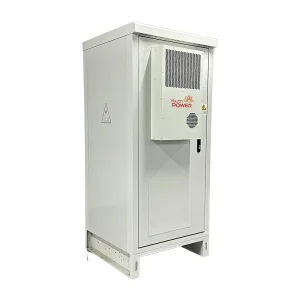
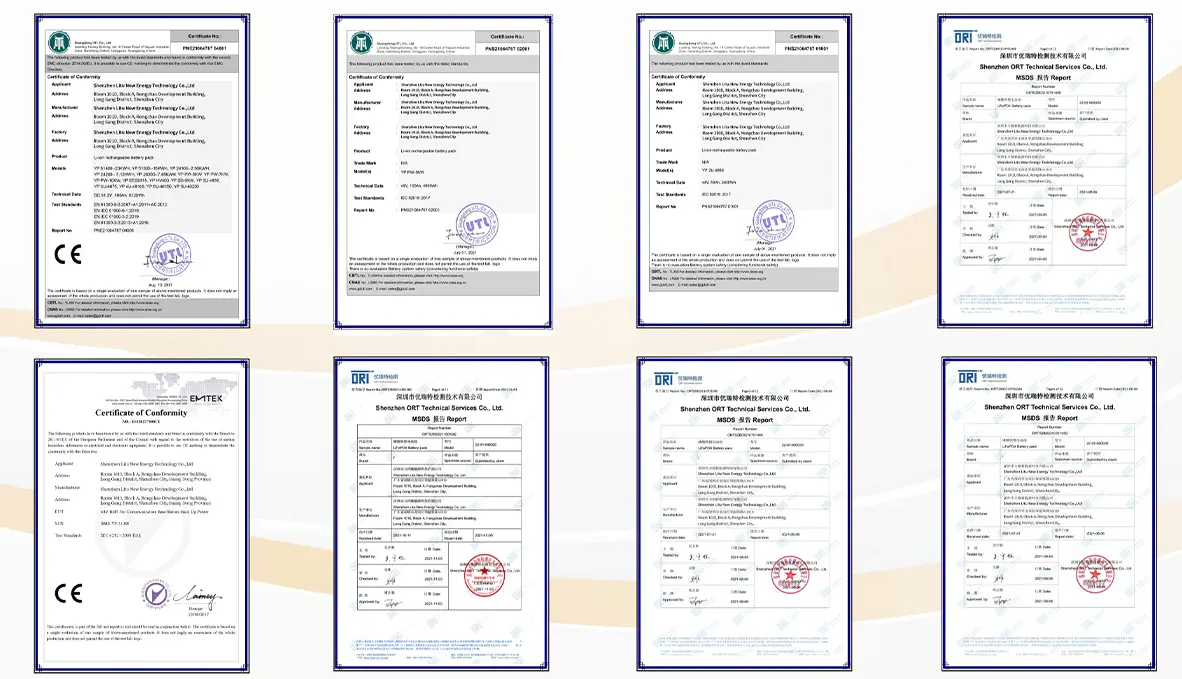
For large systems installed near high-value commercial properties, safety is a primary concern. YouthPOWER products comply with international safety certifications, including IEC 62619, UL 1973, UN 38.3, and CE. Our outdoor cabinets feature IP55 / IP65 ratings, built-in HVAC cooling systems for temperature regulation, and integrated aerosol fire suppression units for automatic localized protection.
Tailored storage solutions addressing the unique demands of local industry sectors.
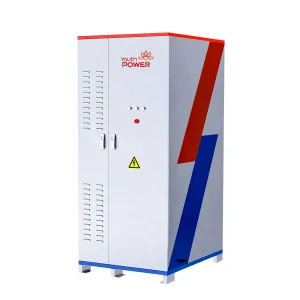
Unplanned grid drops in mining operations can lock crucial machinery and risk worker safety. YouthPOWER high-voltage battery cabinets provide instant power transfer to ventilation, communications, and emergency extraction systems, protecting mining operations from sudden grid drops.
In agricultural areas like the Western Cape, sudden power outages can disrupt temperature-sensitive packaging and cold storage facilities. The 100KWh to 215KWh outdoor battery enclosures supply reliable backup power, maintaining critical cold chain operations and protecting valuable export stock.
Modern shopping centers in Johannesburg and Cape Town depend on steady power for point-of-sale systems, lighting, and elevators. Our commercial battery systems integrate with existing solar arrays, reducing fuel costs from diesel backup generators by up to 85%.
Over the past twenty years, YouthPOWER has transitioned from a localized battery component manufacturer into a globally recognized supplier of advanced energy storage systems. Our history is defined by constant product improvement, international certifications, and close partnerships with energy installers worldwide.
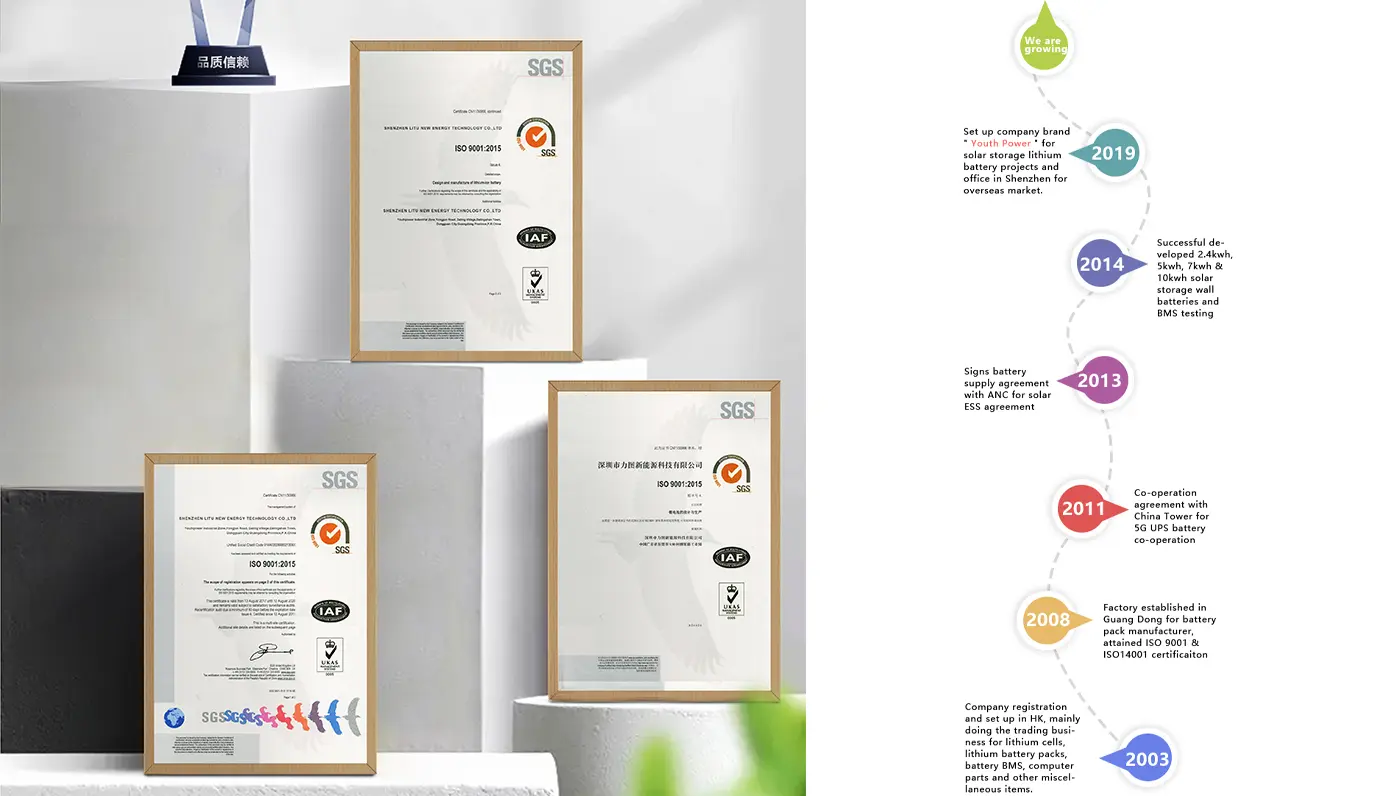
We work closely with certified local partners in South Africa to ensure every commercial battery system is designed and installed according to local regulations. Our manufacturing process uses only high-grade materials and Tier-1 cells, ensuring our systems perform reliably in demanding C&I settings.
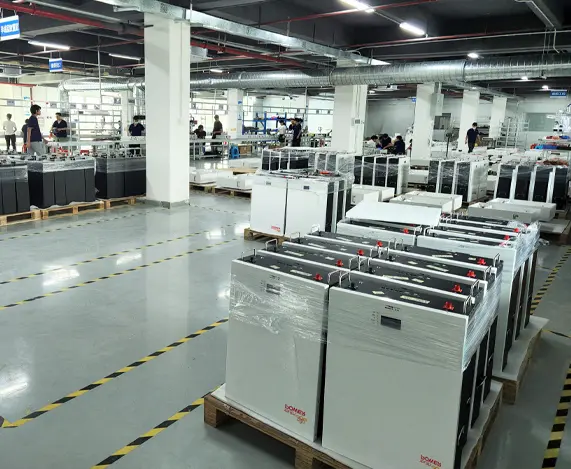
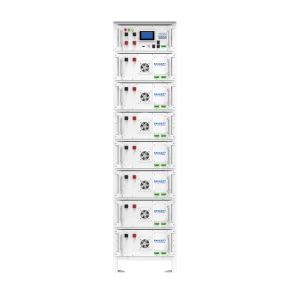
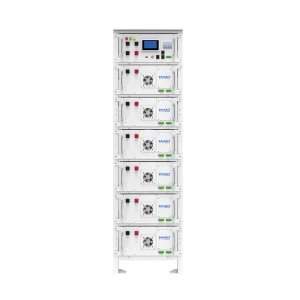
Select from our range of high-voltage and high-capacity LFP energy storage systems below.
Technical and purchasing details for buyers in South Africa.
Connect directly with our engineering team for detailed technical layouts, project compliance documentation, and factory pricing for South African installations.
Send Inquiry Now YouthPOWER