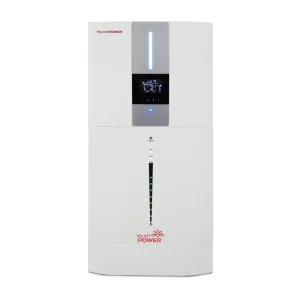
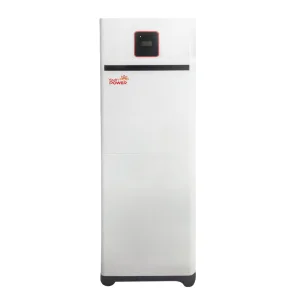
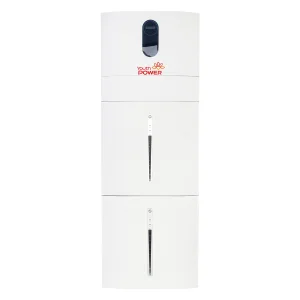
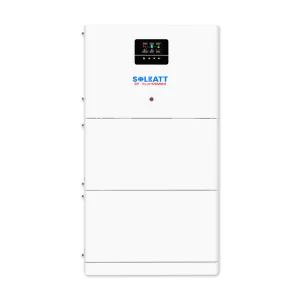
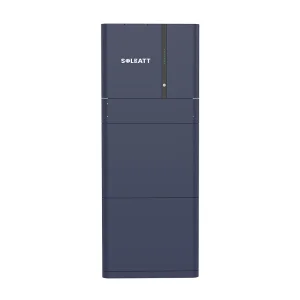
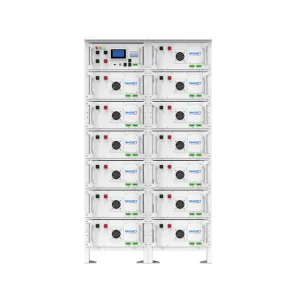
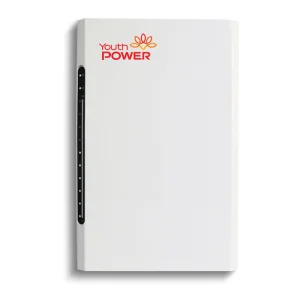
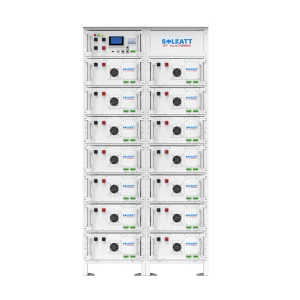
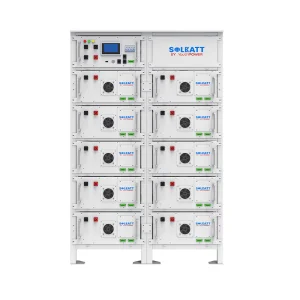
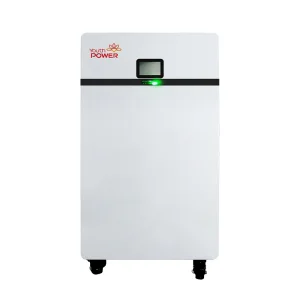
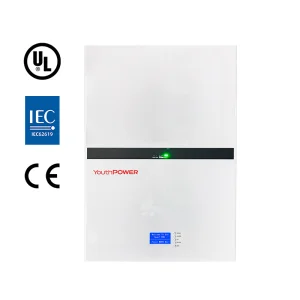
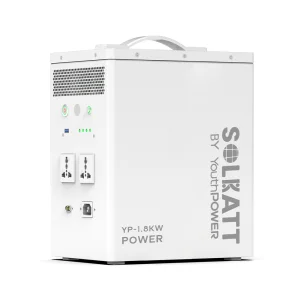
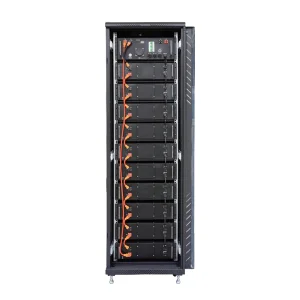
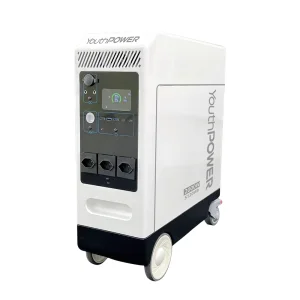
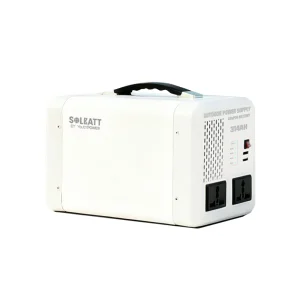
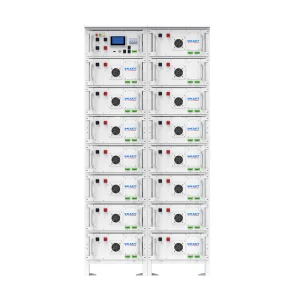
Our primary, high-performance battery systems designed to provide uninterrupted backup power, voltage stabilization, and smart load management.
The Republic of Ghana is undergoing rapid industrialization and urban expansion, making reliable electricity access a cornerstone of national progress. However, local enterprises and households consistently navigate power quality and grid stability challenges, commonly known as "Dumsor". With the Electricity Company of Ghana (ECG) reforming tariffs, both commercial operations and residential zones are seeking out high-performance off-grid and hybrid energy systems to hedge against rising operational costs.
Traditional backup technologies rely heavily on diesel generation. In addition to high fuel prices and greenhouse gas emissions, generators introduce noise pollution and demand high maintenance. Modern lithium iron phosphate (LiFePO4) inverter battery systems offer a sustainable, cost-effective substitute. Boasting thermal stability, long cycle lifetimes (exceeding 6,000 cycles at 80% DoD), and zero routine maintenance requirements, these systems are redefining the power infrastructure landscape of West Africa.
YouthPOWER, founded in 2003, has transitioned to a leading global supplier of solar storage lithium batteries. Leveraging nearly 20 years of research and production expertise, we specialize in high-capacity, high-voltage, and modular low-voltage lithium systems tailored to withstand tropical environments.
Our proprietary brand, created in 2019, represents a long-standing commitment to manufacturing excellence, global logistics fluency, and customer-first support networks. Globally, over 1,000,000 families rely on YouthPOWER energy systems to safeguard their daily electricity needs.
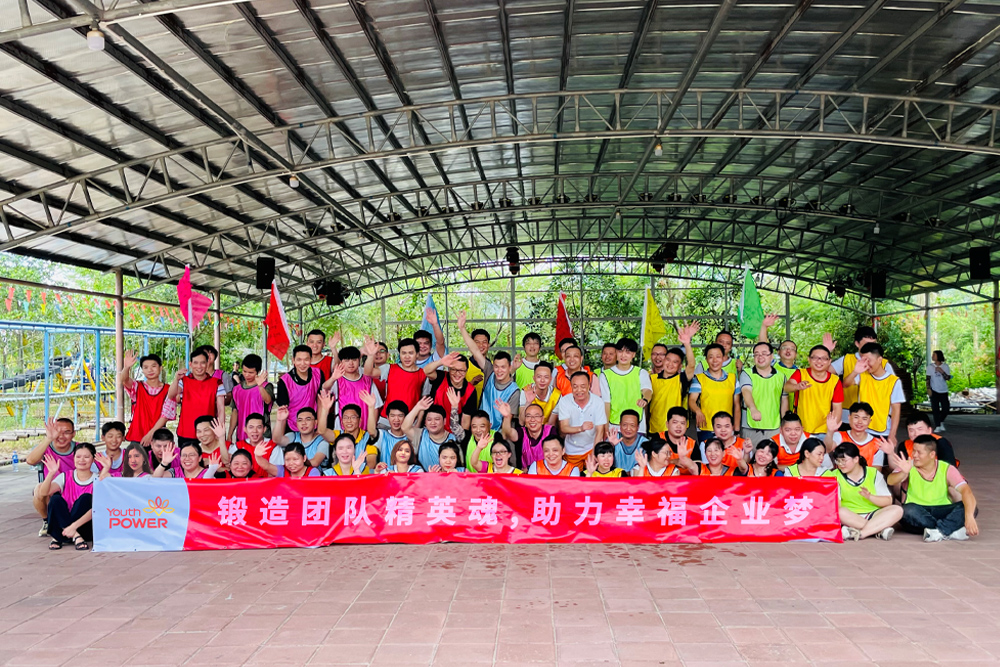
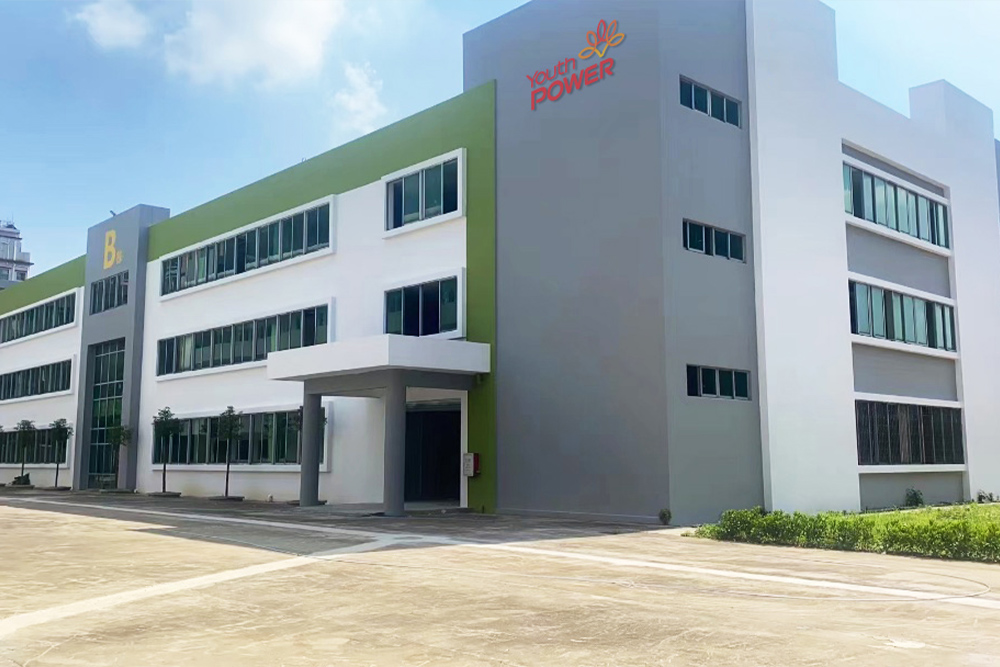
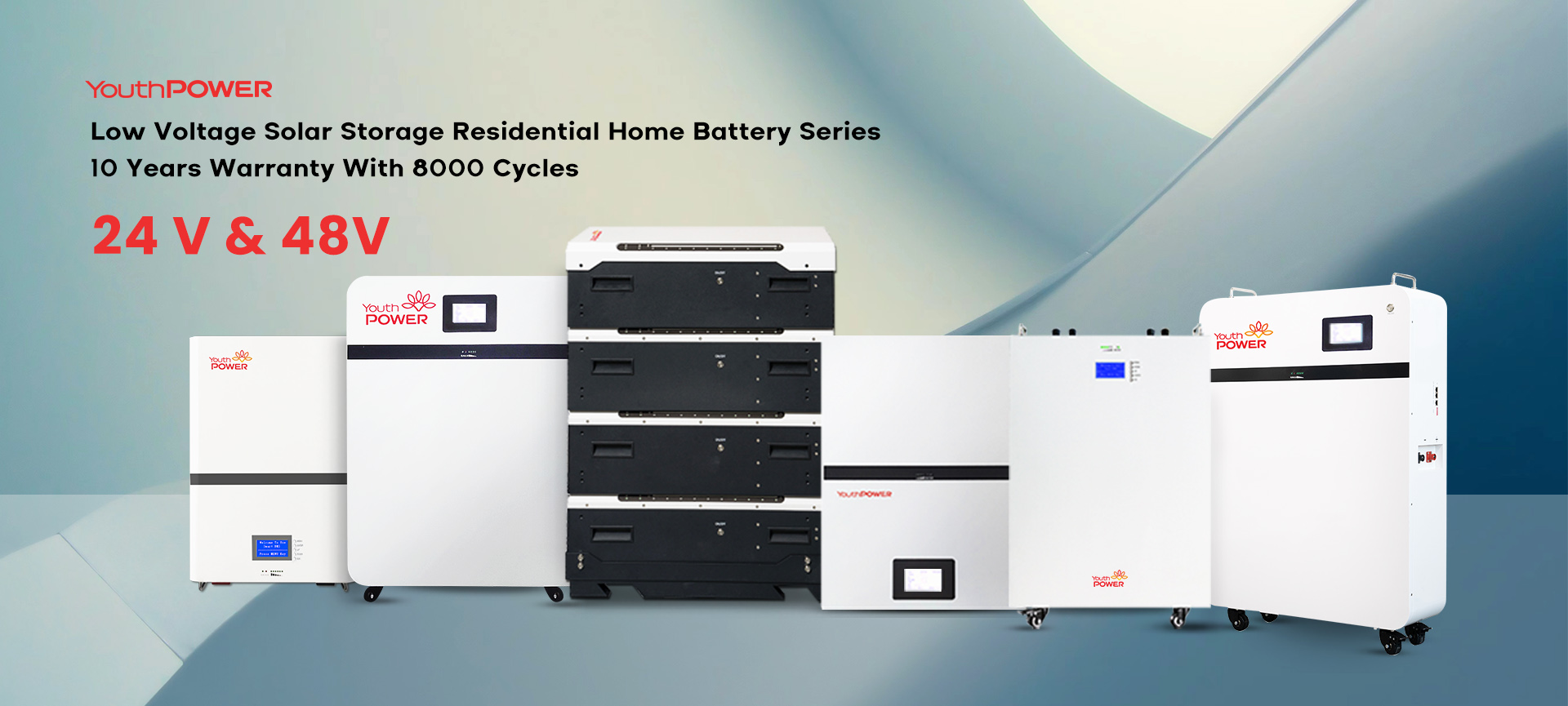
With over two decades of engineering history, our battery technologies are specifically calibrated to counter the performance degradation commonly caused by high ambient temperatures in West Africa.
By using Grade-A lithium iron phosphate (LiFePO4) chemistry, YouthPOWER batteries operate safely at temperatures up to 60°C. They do not pose the thermal runaway risks inherent to standard ternary lithium (NMC) cells.
We work closely with local distribution partners, EPC contractors, and real estate developers across Accra, Kumasi, and Takoradi to ensure seamless product availability, technical training, and system design expertise.
These systems are engineered for scale, delivering reliable high-voltage output for three-phase commercial installations and scalable residential microgrids.
Why leading energy procurement officers and electrical engineering teams in Ghana are replacing traditional lead-acid and gel batteries with YouthPOWER LiFePO4 solutions.
Lithium Iron Phosphate (LiFePO4) chemistry exhibits an exceptionally high thermal runaway temperature limit (approx. 270°C to 300°C) compared to standard ternary lithium chemistry (approx. 150°C). This profile reduces fire risks in high-temperature ambient environments common to Ghana's dry seasons.
While the upfront investment of LiFePO4 batteries is higher than lead-acid options, the extended operating life (6,000+ cycles at 80% Depth of Discharge versus 500-1,000 cycles for gel batteries) lowers the cost per kilowatt-hour stored. This makes it the most viable long-term investment for commercial setups.
Each YouthPOWER battery is equipped with an advanced Battery Management System (BMS) supporting RS485, CAN, and RS232 protocols. This provides plug-and-play compatibility with major global inverter brands like Deye, Victron, Growatt, Luxpower, and Sermatec.
| Performance Indicator | YouthPOWER LiFePO4 Storage Systems | Conventional Lead-Acid / Gel Batteries | Impact on Ghanaian Operations |
|---|---|---|---|
| Design Cycle Life (80% DoD) | 6,000+ Full Cycles | 500 - 1,200 Cycles | Extends replacement cycles from 2-3 years to 10-15 years. |
| Depth of Discharge (DoD) | Up to 90% - 95% usable capacity | 50% recommended maximum | Reduces total battery count needed to meet target storage capacity. |
| Round-Trip Efficiency | > 95% Efficiency | 75% - 80% Efficiency | Saves solar energy during solar generation, reducing PV array sizes. |
| Thermal Operating Window | -20°C to +60°C | +15°C to +25°C (Degrades rapidly above 30°C) | Resists the capacity degradation common during local dry seasons. |
| Maintenance Requirements | Zero maintenance, automated smart BMS balancing | Regular water topping (flooded) / inspection | Eliminates onsite maintenance overheads for remote telecom towers. |
Our flexible battery solutions are deployed in various settings to secure off-grid stability and lower commercial power bills.
Maintaining climate control systems is crucial for raw agricultural yields. Unstable grid voltages can damage HVAC machinery and lead to crop degradation. Our high-voltage commercial containerized systems provide automatic transfer switching (ATS), keeping cooling loops online during grid outages.
Gold mining support infrastructures in regions like Wassa and Obuasi operate in remote locations far from reliable grid access. Deploying modular, containerized YouthPOWER systems helps operators reduce fuel dependence, minimizing fuel transportation costs and environmental footprints.
Urban residences are increasingly adopting wall-mounted and modular battery towers. Integrated with solar arrays, these systems help bypass rising peak tariffs, reducing monthly utility bills while securing household backup power.
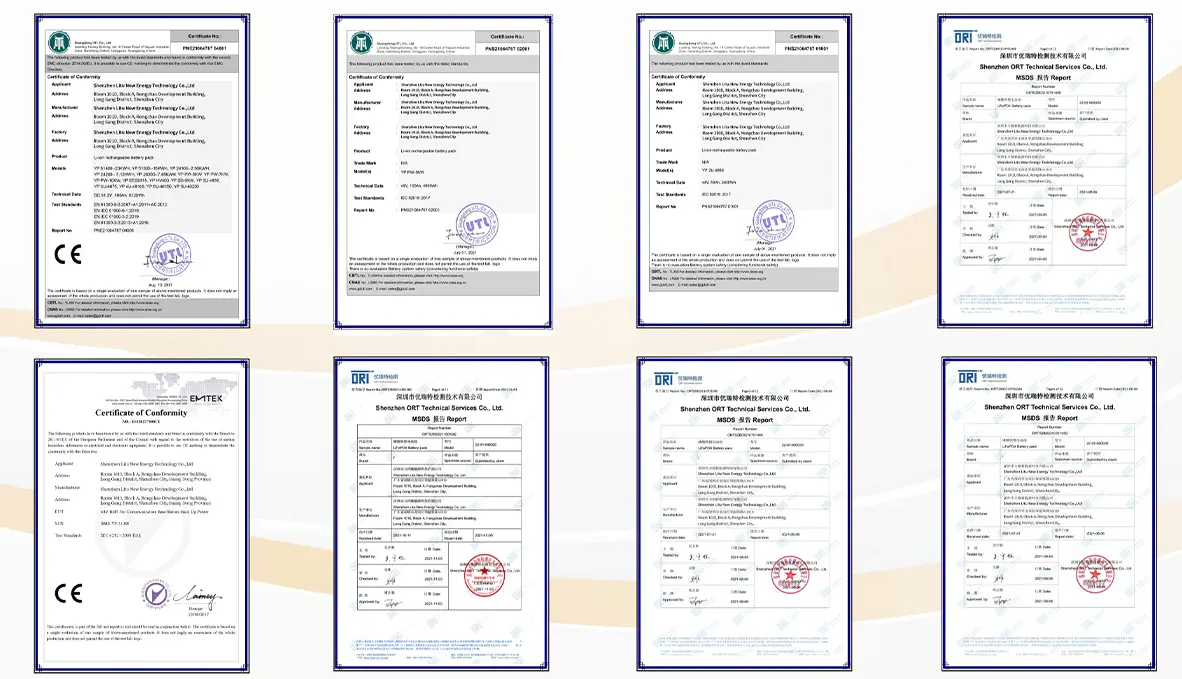
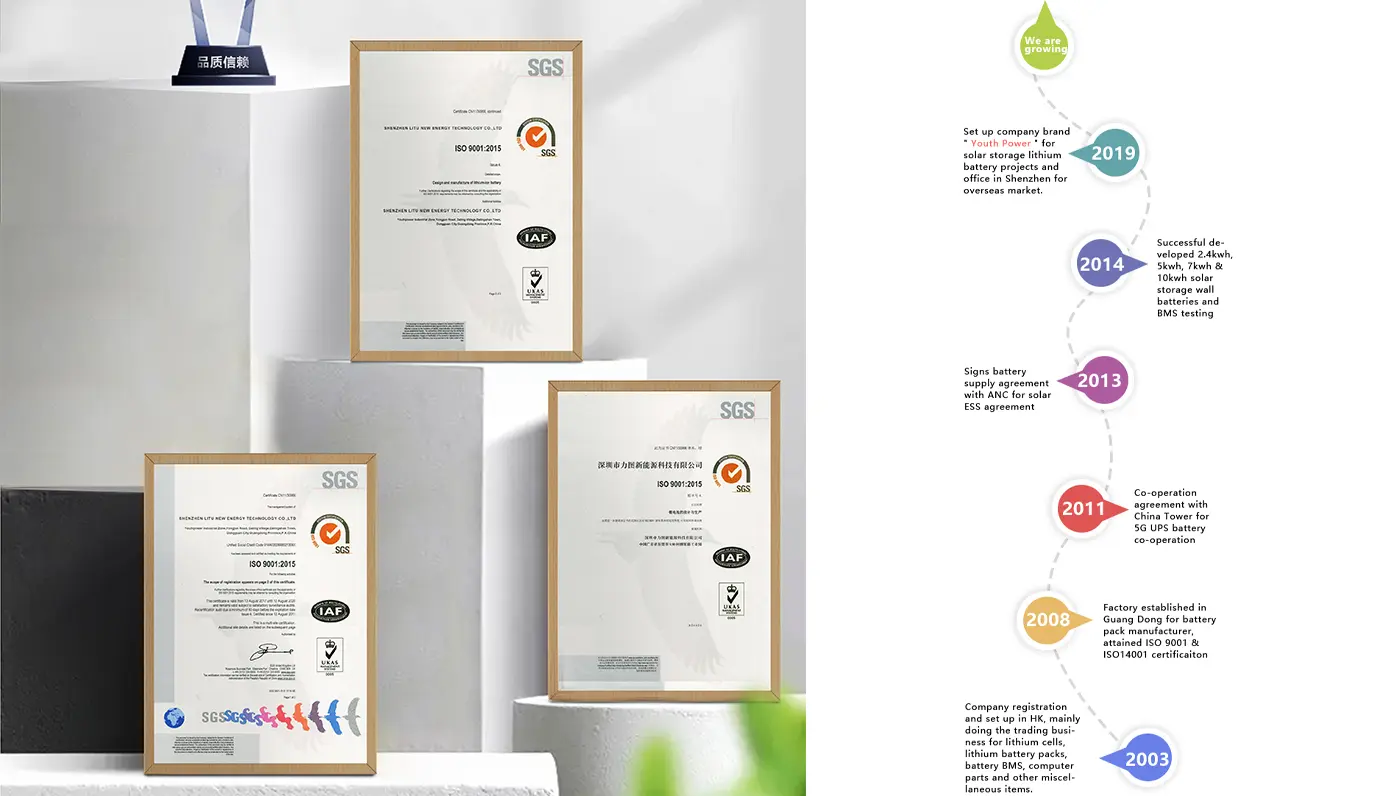
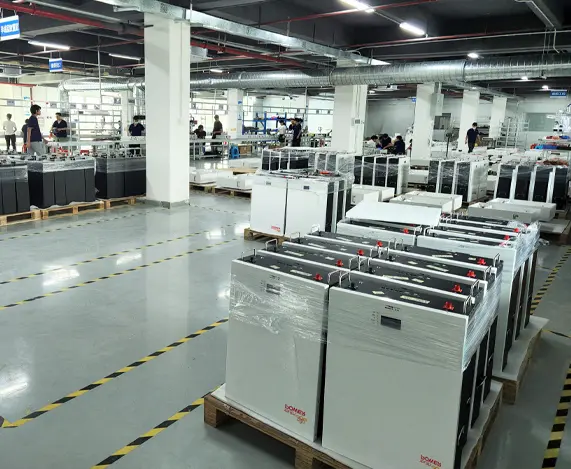
We build reliable products using modern manufacturing lines, strict testing parameters, and quality checks.
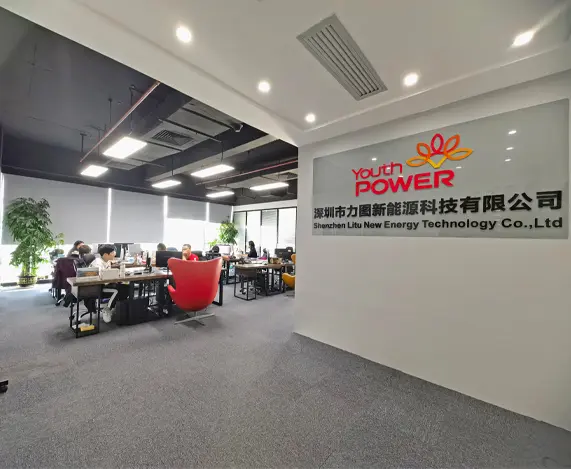
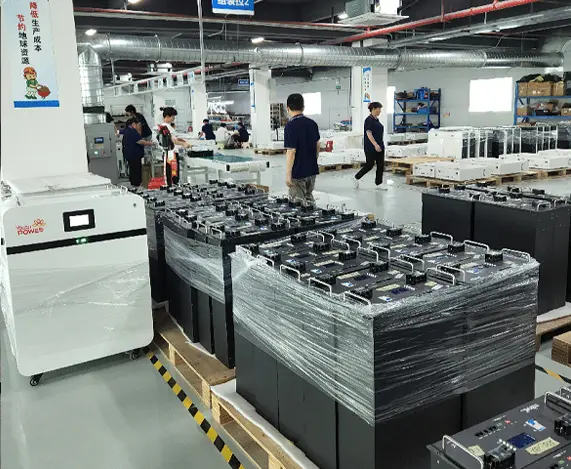
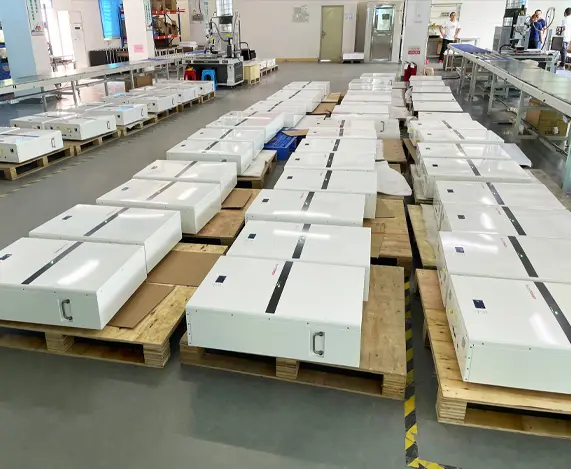
Find the right product matching your electrical configurations, voltage inputs, and load demands.
Get authoritative answers on performance, sizing calculations, delivery protocols, and local installation options.
Ready to discuss your commercial energy storage designs or requesting custom bulk pricing?
Send Inquiry Now YouthPOWER