Explore our leading 10kWh and high-capacity battery systems engineered for maximum safety, cycle life, and thermal stability in residential, commercial, and industrial applications.
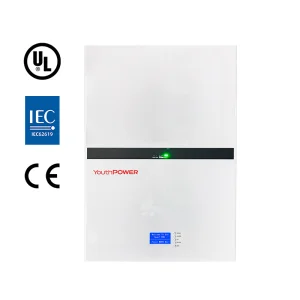
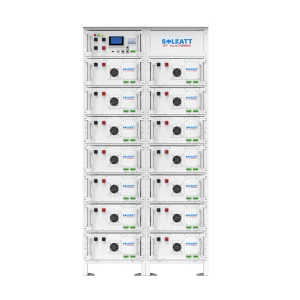
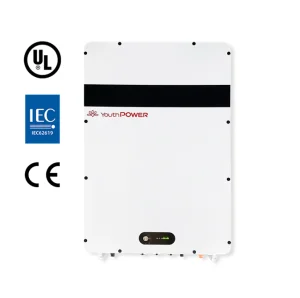
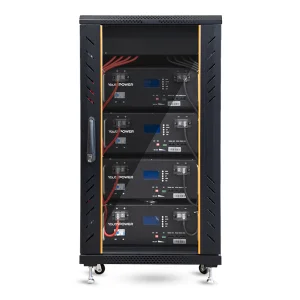
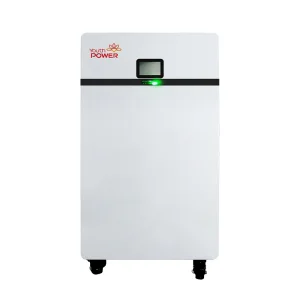
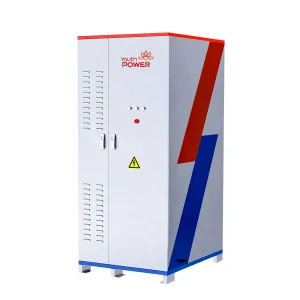
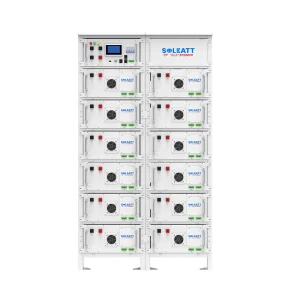
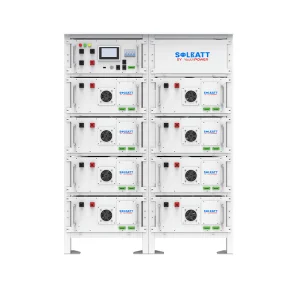
As the global energy landscape transitions toward decentralized, renewable-driven grids, the 10kWh lithium battery has emerged as the definitive benchmark for residential and light commercial storage. Offering the perfect equilibrium between physical footprint, system capacity, and financial return on investment, these systems represent the baseline requirement for achieving true energy independence.
Modern 10kWh architectures utilize Lithium Iron Phosphate (LiFePO4) chemistry due to its unmatched safety profile, long cycle life, and thermal resilience. For procurement officers, EPC contractors, and distributors, selecting the right manufacturing partner determines not just the initial cost, but the lifetime operating efficiency, security compliance, and grid integration capabilities of the asset.
From manufacturing cells to deploying over 1,000,000 systems globally, our 20-year journey marks the evolution of modern lithium storage technology.
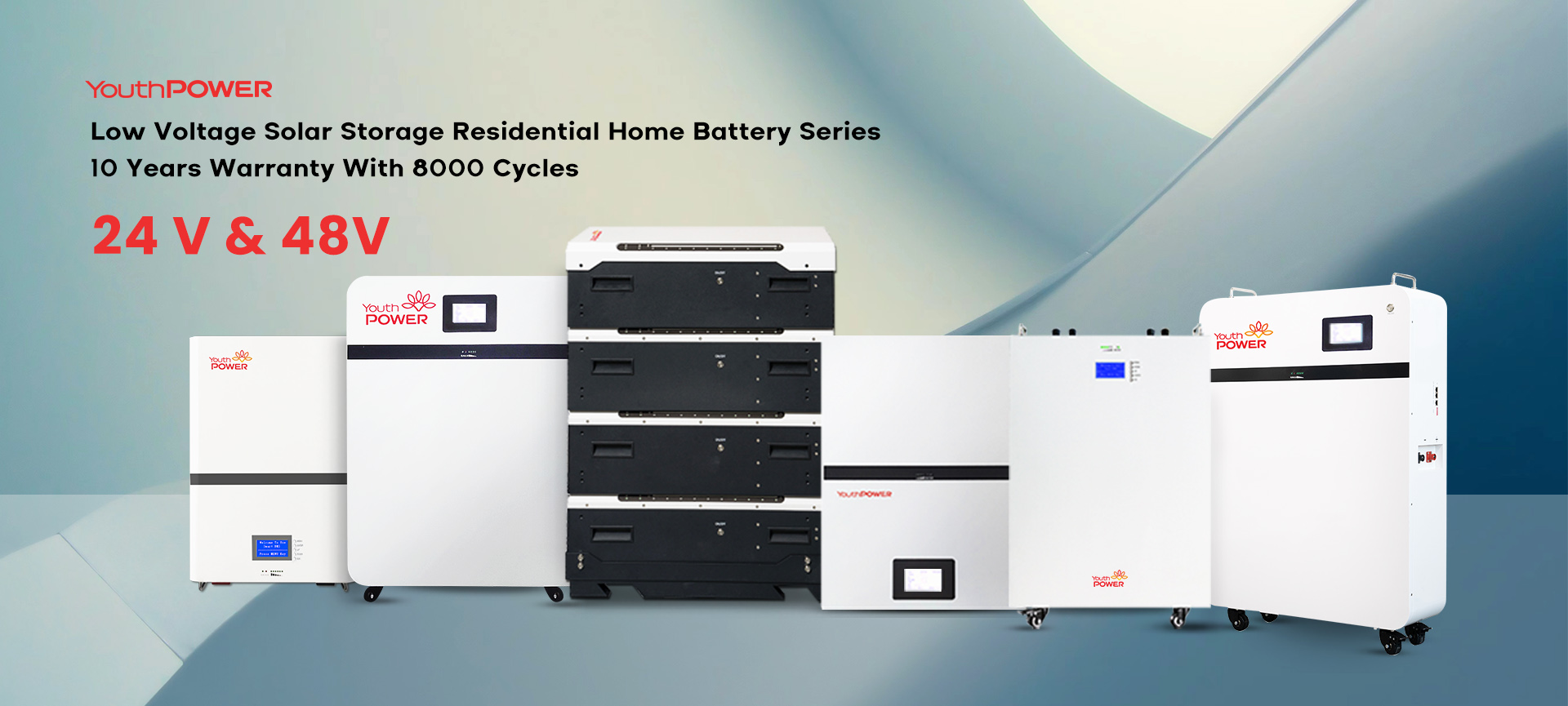
Founded in 2003, YouthPOWER has now become one of the leading suppliers of solar storage lithium batteries in the world. With a broad range of energy storage solutions, it covers a series of 24V, 48V, and higher voltage lithium battery solutions designed to meet the rigorous demands of global energy projects.
YouthPOWER has engaged in battery technology and production for almost 20 years, establishing abundant manufacturing experience and maintaining a highly capable, dedicated R&D division. Through many years of hard work and market promotion, we created our own brand "YouthPOWER" in 2019, transitioning from a core OEM manufacturer to a globally recognized brand name.
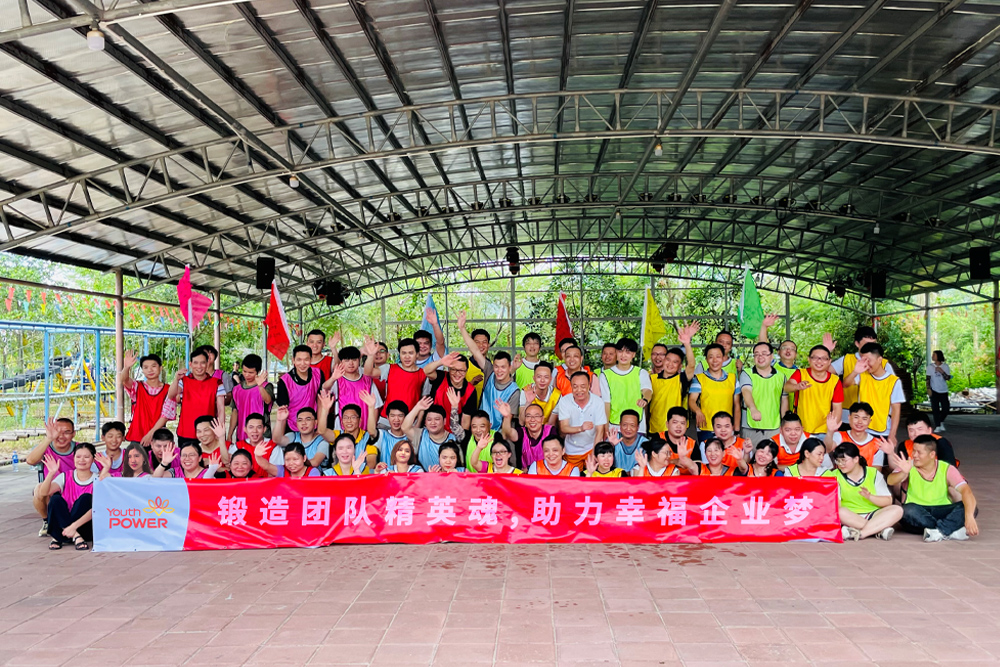
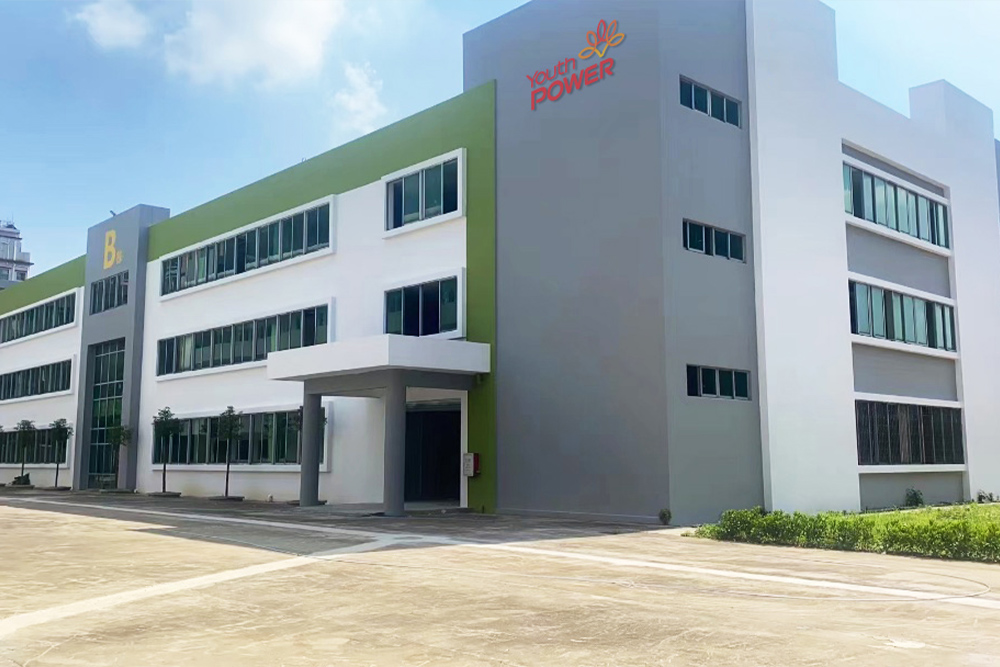
With nearly 20 years’ experience in the battery industry, we possess the comprehensive capability to provide you with both the products you need and the most suitable systems you want. We are always ready to supply first-class products, customizing battery management parameters to align perfectly with various off-grid, hybrid, and micro-grid scenarios.
Supported by our local vendors of raw materials, we can optimize costs from the ground up, guaranteeing highly competitive pricing without sacrificing cell grade. We are proud that YouthPOWER has offered reliable solar storage solutions for over 1,000,000 families worldwide, stabilizing grids and securing backup power across all continents.
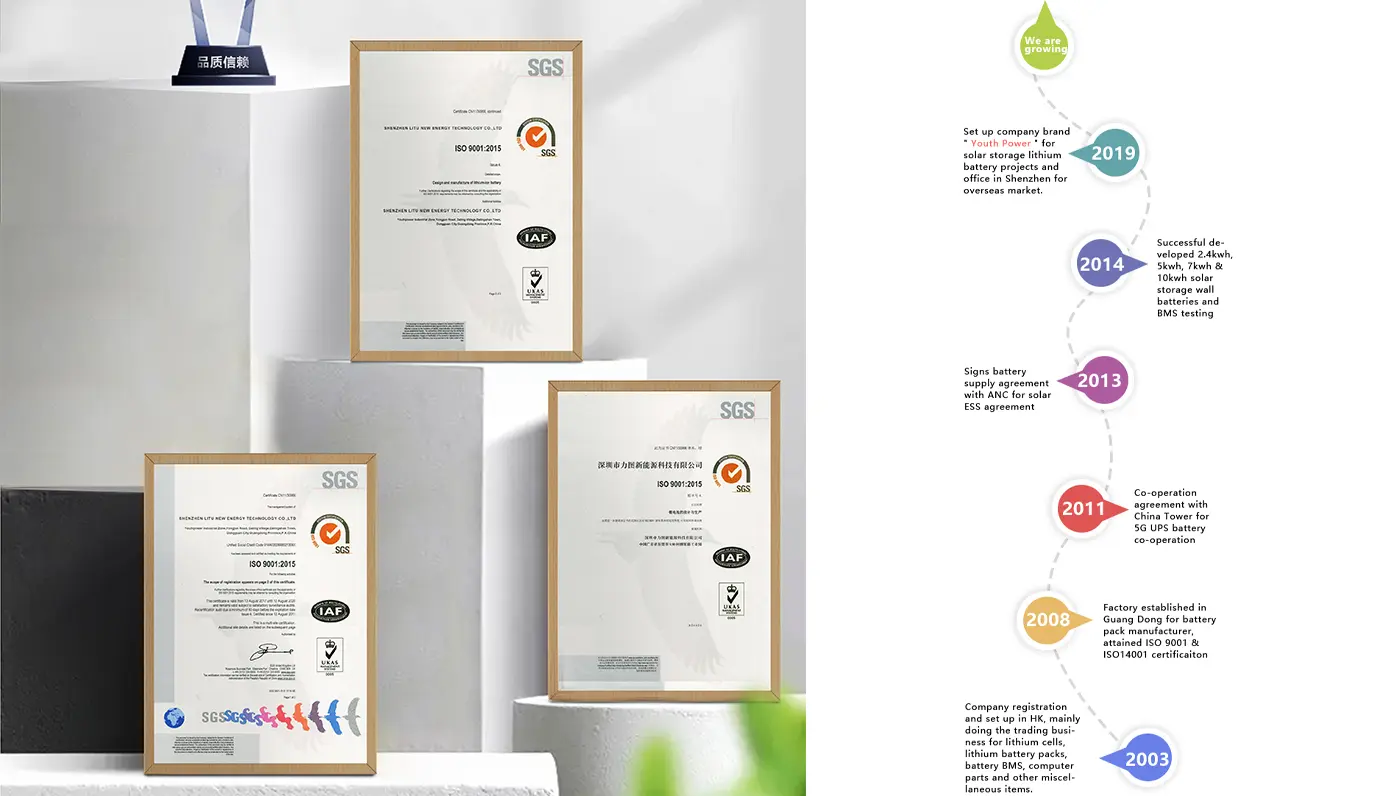
Tracing our evolutionary milestones from specialized battery technology development to a leading global brand in smart renewable energy storage.
Initiated battery technology research and manufacturing, establishing deep expertise in chemical stability, cell safety configurations, and basic electronics integrations.
Expanded local raw material networks and advanced automated battery pack assembly, transitioning to advanced lithium chemistries to support industrial demands.
Officially launched the "YouthPOWER" brand, rolling out proprietary Smart BMS models and launching modular energy storage cabinets to international markets.
Achieving international validation with over 1 million domestic deployments, shipping high-voltage commercial cabinets and outdoor IP65 modular battery boxes globally.
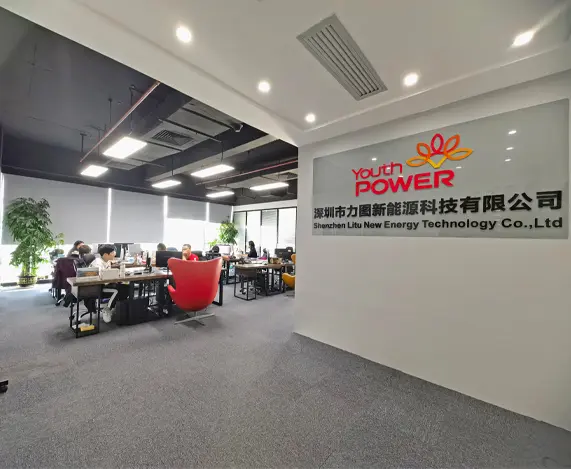
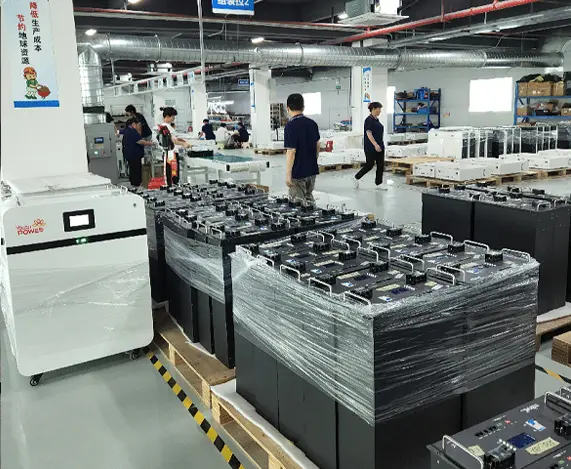
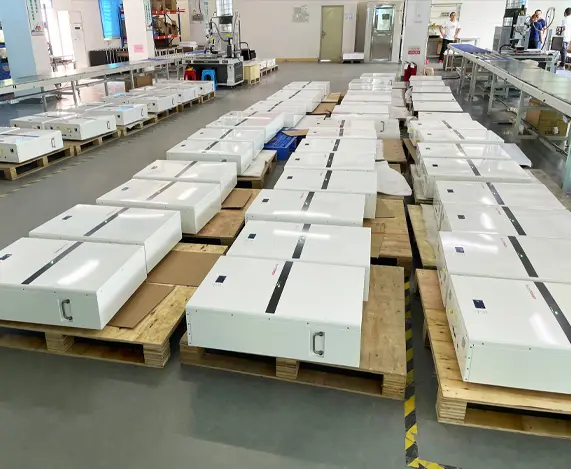
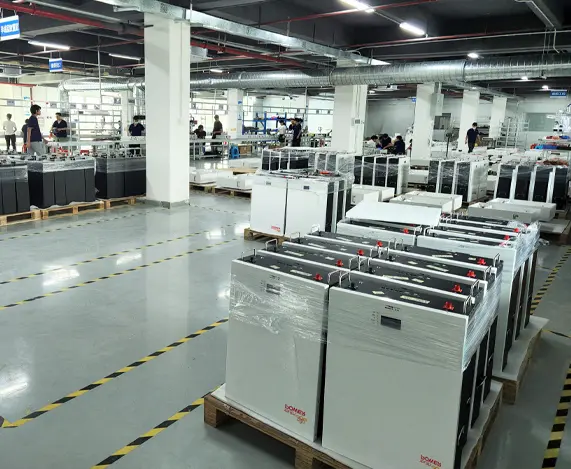
A comprehensive analysis of cell configuration, structural integrity, and electronic parameters defining high-quality 10kWh lithium systems.
When assessing a 10kWh lithium battery factory, procurement teams must look beyond surface level metrics. The physical assembly of a 10kWh unit consists of multiple layers of safety, cell balancing, and telemetry control. Selecting the correct operating voltage (Low Voltage 48V/51.2V vs. High Voltage >200V) directly affects inverter selection, round-trip efficiency, and system sizing scalability.
| Technical Parameter | 48V/51.2V Low Voltage Standard | High Voltage Rack Alternative | Engineering Significance |
|---|---|---|---|
| Nominal Capacity | 200Ah (10.24 kWh) | 50Ah / 100Ah configuration | Determines duration of output at given C-rates. |
| Cell Chemistry | LiFePO4 (Grade A Prismatic) | LiFePO4 (Grade A Prismatic) | Ensures high thermal runaway threshold (>270°C). |
| Cell Configuration | 16S1P or 16S2P | 80S1P / Up to 120S1P | Directly influences BMS complexity and balance topology. |
| Nominal Voltage | 51.2 VDC | 256 VDC to 409 VDC | HV improves system efficiency by reducing resistive loss (I²R). |
| Cycle Life Expectancy | >6,000 cycles @ 80% DOD, 25°C | >6,000 cycles @ 80% DOD, 25°C | Defines functional lifespan (typically 15 years in daily cycles). |
| Protocols Supported | CAN, RS485, RS232 | CAN 2.0B, Modbus TCP | Ensures plug-and-play operation with major hybrid inverters. |
High-quality factories execute mechanical internal resistance (IR) matching, capacity grading, and voltage delta checking down to 0.001V variances prior to pack building to prevent premature capacity fade.
Cheap batteries use passive balancing which dissipates excess energy as heat. Industrial-grade 10kWh models utilize active equalization, transfering energy dynamically from higher cells to lower cells.
Adequate physical spacing combined with flame-retardant aerogel insulation between prismatic cells prevents cascading cell failures in the rare event of localized internal short circuiting.
China continues to dominate global lithium battery manufacturing, outputting over 75% of the world's lithium-ion capacity. The concentration of chemical refining, anode/cathode manufacturing, copper foil processing, and mechanical production facilities in regions like the Pearl River Delta enables unprecedented levels of vertical integration.
By leveraging local raw material networks, Chinese manufacturers bypass intermediate tariffs and transportation costs. This proximity allows factories like YouthPOWER to run highly agile production schedules, rapidly integrating newer cell types (such as the high-density 314Ah lithium cells) into existing cabinet models. This supply chain consolidation ensures global buyers receive highly cost-optimized systems built to the latest industry specifications.
Navigating global regulatory landscapes is critical to ensuring legal import, safety compliance, and insurance coverage of battery projects.
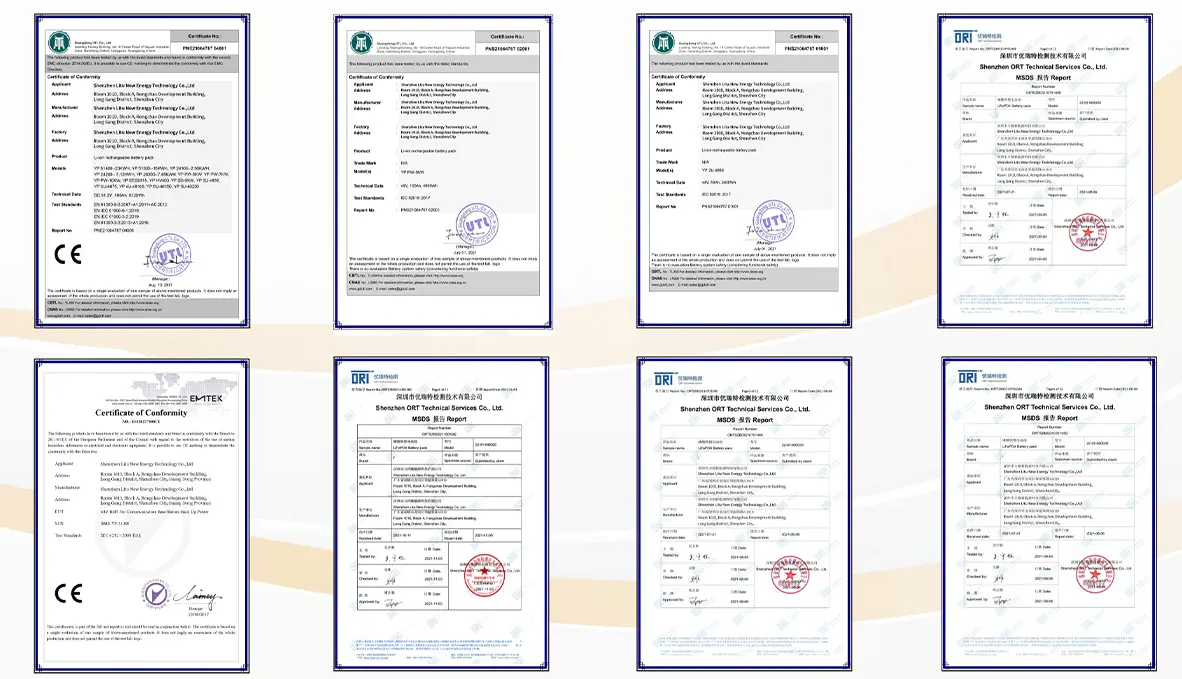
Ensure your manufacturer provides verified test certificates. High-quality systems must meet IEC 62619 (safety of lithium cells in industrial use) and UL 1973 (batteries for stationary applications). These certifications verify that the design is safe from mechanical impacts, drop tests, and thermal stress.
Grid integration requires strict compliance with local codes. In European markets, systems must support VDE-AR-N 4105 protocols. In North American jurisdictions, compliance with UL 9540 (standard for energy storage systems) is essential to meet the local National Electrical Code (NEC).
Lithium-ion cells are classified as Class 9 Dangerous Goods. Shipping mandates a verified UN38.3 test summary document, proving that the packaging and battery system withstand high vibration, shock, altitude simulation, and external short circuits during transport.
From extreme off-grid mountain cabins to dense residential solar installations, the 10kWh battery adapts to varying power demands.
A standard residential household equipped with a 5kW to 8kW solar PV array generates a surplus of electricity during peak daylight hours. Integrating a 10kWh LFP battery system captures this excess energy, enabling home loads to draw power overnight. This mitigates high peak-tariff rates and reduces grid reliance.
In regions suffering from grid instability, a 10kWh battery system paired with an off-grid inverter operates as a sub-10ms UPS. It protects critical circuits (medical equipment, networking servers, heating pumps) during unexpected blackouts, providing continuous power with zero disruption.
For modern apartments and townhouses where roof space is constrained, smaller modular setups like balcony solar systems (2.5kWh to 5kWh) can be combined or scaled into a unified 10kWh bank. These systems feature silent passive cooling and sleek designs suitable for indoor or sheltered outdoor installations.
Small offices, restaurants, and retail spaces use 10kWh to 20kWh battery systems to lower utility costs. By charging during off-peak hours and discharging when demand charges are highest, commercial operators can significantly reduce their monthly electricity bills.
A structured approach for EPC managers and distributors to evaluate OEM/ODM factories before signing bulk procurement contracts.
Insist on verified test reports indicating cell production dates, grading sheets, and matching barcode history. Never buy batteries built with recycled or dynamic-grade cells, which degrade rapidly under cycling.
Verify that the battery management system (BMS) supports custom protocol parameters for your target inverter brand. A standard CANbus script may require custom parameters to function with older solar inverters.
Confirm the manufacturer's RMA processes, warranty length (5-10 years), and the availability of direct engineering support. A reliable factory will assist in shipping Class 9 batteries to your target destination.
Detailed engineering and logistical answers to help procurement managers and technical teams make informed purchasing decisions.
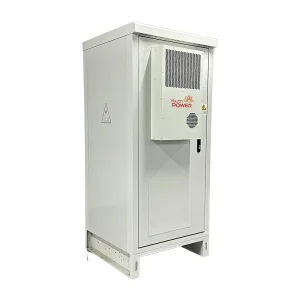
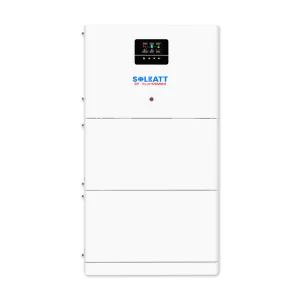
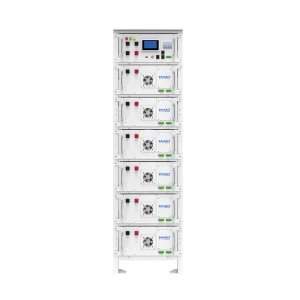
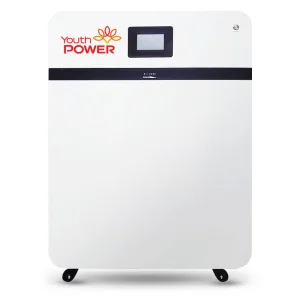
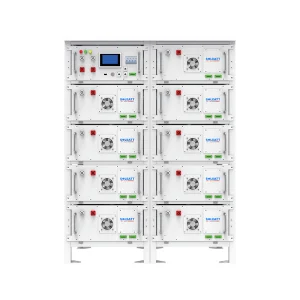
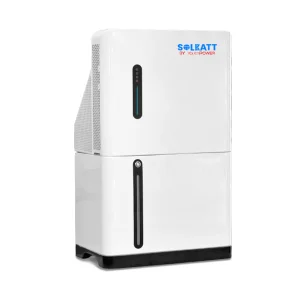
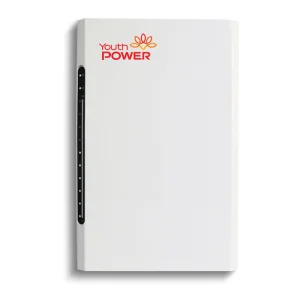
From compact balcony systems to high-voltage industrial utility cabinets, discover our full spectrum of storage solutions.
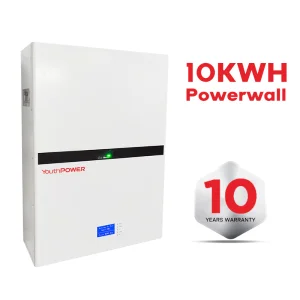
 YouthPOWER