 YouthPOWER
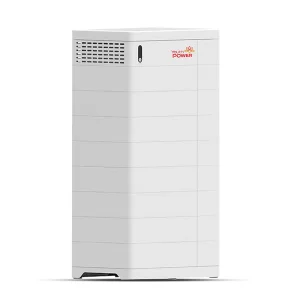
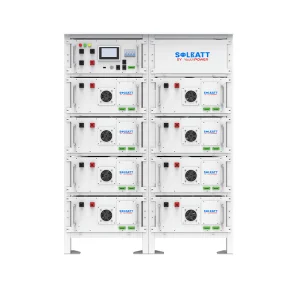
Executive Summary: The Era of 20 kWh Distributed Storage
In the transition toward a decentralized, decarbonized energy landscape, the 20 kWh energy storage threshold has emerged as the definitive bridge between high-end residential demand and light commercial/industrial (C&I) operations. Once dominated by small 5 kWh to 10 kWh home packs, global demand is shifting rapidly toward larger configurations. A 20 kWh battery system provides the critical capacity buffer necessary to run heat pumps, EV fast chargers, and complete backup infrastructure for extended off-grid runtimes.
Choosing the right manufacturer requires a deep dive into battery chemistry performance, safety architectures, cell matching processes, integration protocols, and the real-world impact of the supply chain on the Total Cost of Ownership (TCO). This comprehensive whitepaper provides energy project developers, EPCs (Engineering, Procurement, and Construction), and wholesale distributors with the analytical criteria required to evaluate 20 kWh battery systems, price structures, and the leading production hubs globally.
1. Technological Trends in 20 kWh Battery Architecture
The evolution of energy storage systems is shaped by advances in materials science, cell form factors, and electronic battery management. For 20 kWh configurations, the industry standard has standardized on Lithium Iron Phosphate (LiFePO4) chemistry. LFP dominates this capacity range due to its chemical stability, long cycle life (ranging from 6,000 to over 8,000 cycles at 80% Depth of Discharge), and superior thermal runaway thresholds compared to Nickel Manganese Cobalt (NMC) chemistries.
High-Voltage (HV) vs. Low-Voltage (LV) Systems
High-voltage setups (typically >200V to 500V+) stack cells in series to reduce system current, leading to lower transmission losses and smaller cable cross-sections. Low-voltage configurations (typically 48V/51.2V) remain popular for residential systems due to ease of installation and touch-safe regulatory standards.
Active vs. Passive Balancing BMS
A smart Battery Management System (BMS) with active balancing is crucial for 20 kWh systems. Passive balancing simply dissipates excess energy as heat, while active balancing transfers charge dynamically between cells. This preserves overall capacity and extends system lifespan by up to 15-20%.
Advanced Thermal Management
Advanced liquid-cooling systems are replacing conventional forced-air cooling in high-load commercial scenarios. Liquid cooling keeps temperature variation between cells within ±2°C, preventing localized hot spots that lead to accelerated aging or thermal runaway.
Furthermore, standardizing protocols like CAN bus, RS485, and Modbus TCP allows these high-capacity battery units to communicate directly with hybrid smart inverters (such as Solis, Deye, Victron, and SMA). This enables plug-and-play setup for rapid commercial deployments.
2. Global Procurement Criteria & Levelized Cost of Storage (LCOS)
Procuring a 20 kWh battery system involves looking beyond the upfront capital expenditure ($/kWh). Industrial buyers and project developers focus on the **Levelized Cost of Storage (LCOS)**, which determines the cost per delivered megawatt-hour (MWh) over the lifetime of the asset.
LCOS Formula: LCOS = (Capital Cost + O&M Cost + Charging Cost) / Total Energy Discharged Over Lifetime
Key technical specifications that developers must demand in their procurement tenders include:
- Cell Grade and Matching: Only Grade-A prismatic cells with documented capacity, internal resistance, and voltage sorting profiles should be accepted. Grade-B cells, while cheaper, lead to premature pack imbalance and system degradation.
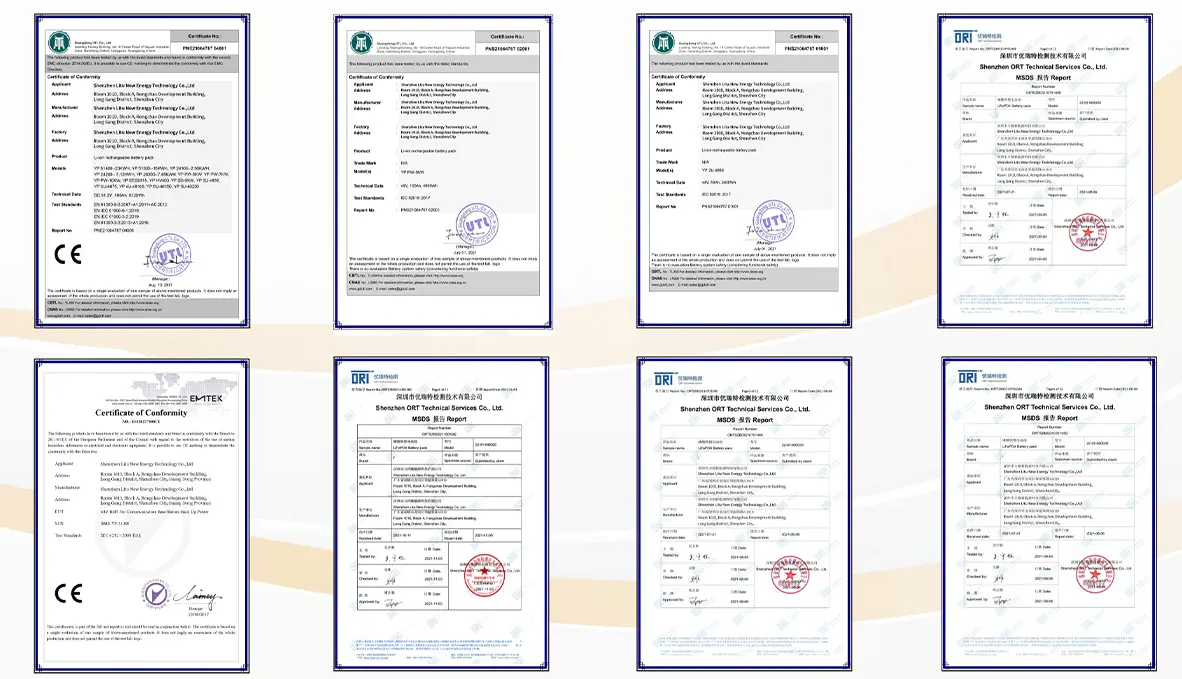
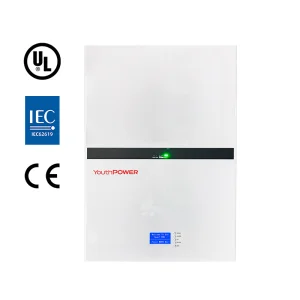
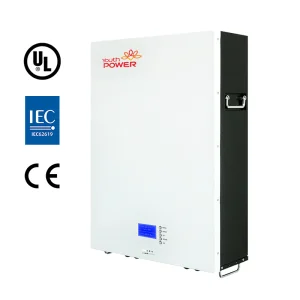
- Cycle Life Under Real-World Conditions: Verify cycle life data at varying discharge rates (e.g., 0.5C charge / 1C discharge) and temperature controls. Standard certifications must include UL1973, IEC62619, CE, and UN38.3.
- Expandability and Modularity: High-capacity projects often scale up over time. A robust 20 kWh base unit must support parallel scaling, allowing multiple cabinets to stack and share common high-voltage distribution interfaces.
3. China's Industry 4.0 Manufacturing Ecosystem
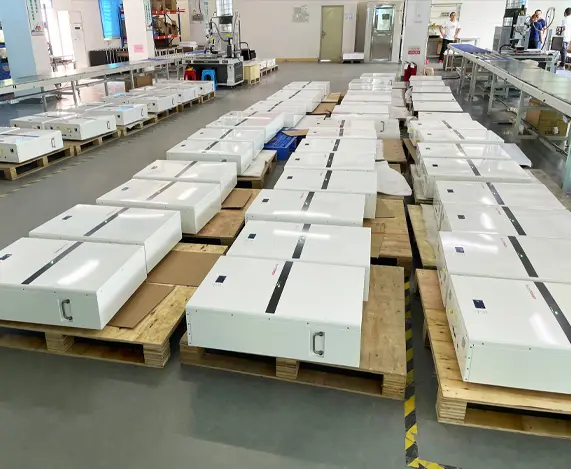
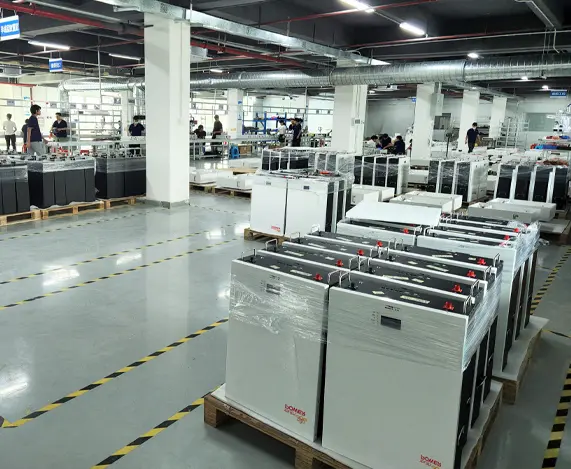
China remains the center of the global battery supply chain. Sourcing directly from tier-one factories in Chinese industrial hubs provides access to mature production ecosystems, high manufacturing speeds, and refined quality control processes.
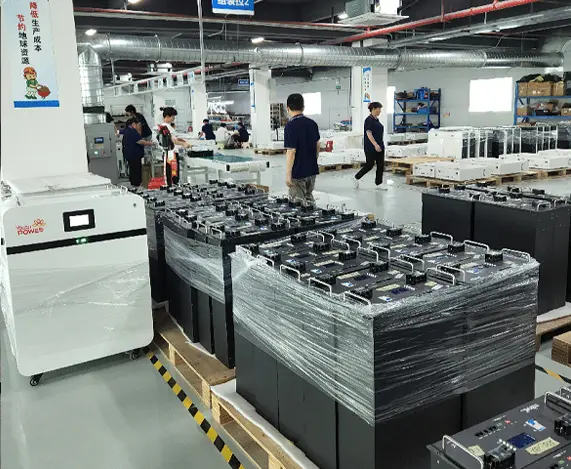
Modern Chinese battery factories operate under Industry 4.0 principles, utilizing highly automated production steps:
- Ultra-Precise Slurry Coating & Calendering: Automated thickness control systems measure the active material deposit down to the micrometer level. This ensures consistent energy density across every roll of electrode foil.
- Robotic Assembly & Laser Welding: High-speed automated pick-and-place arms position prismatic cells, and laser welders join busbars with real-world computer vision monitoring. This minimizes contact resistance and points of mechanical failure.
- End-to-End MES Tracking: Manufacturing Execution Systems (MES) log the history of each individual cell. From the initial mixing of raw LFP powder to the final test cycle, every step is indexed to a unique barcode. This allows manufacturers to pinpoint the root cause of potential issues down to the specific batch level.
This localized cluster of raw material suppliers, automated equipment manufacturers, and logistics networks allows companies like YouthPOWER to maintain cost advantages and short lead times while keeping quality standards high.
The Road We Traveled: Manufacturing Excellence & Brand Genesis
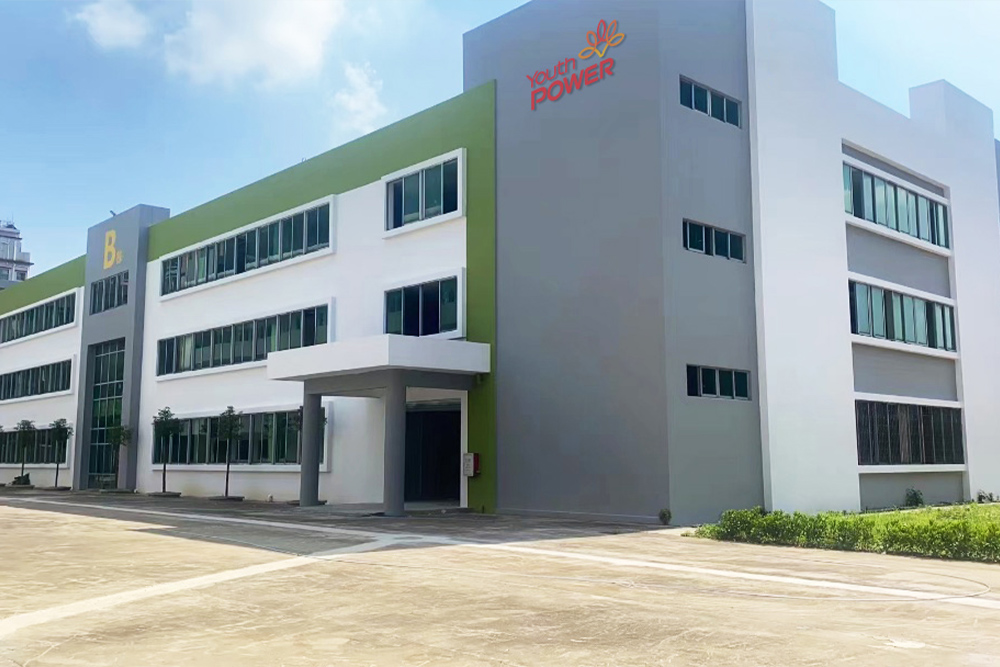
The transition from a raw components manufacturer to a global brand is driven by constant R&D investment and a resilient supply chain. YouthPOWER's path reflects this industry shift, moving from early battery assembly to state-of-the-art integrated energy storage systems.
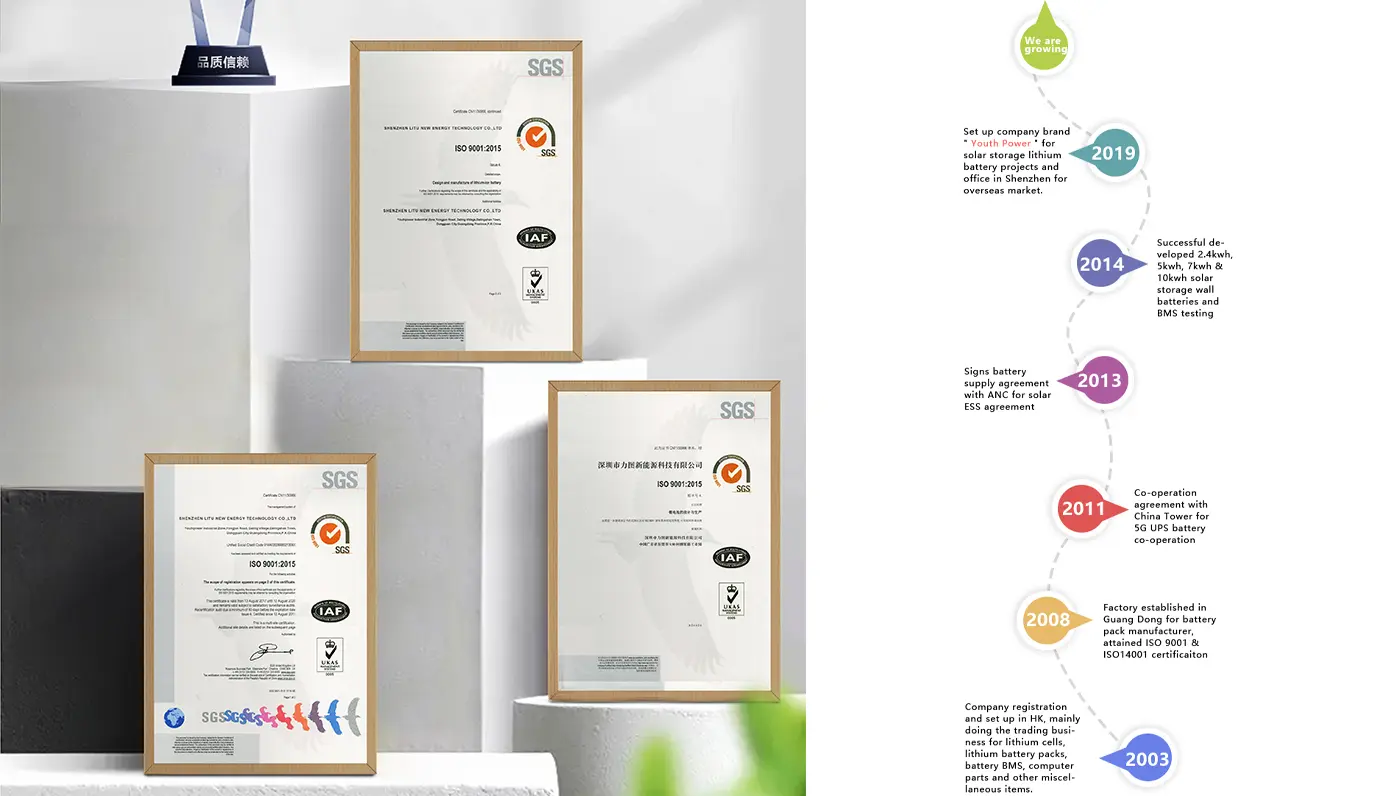
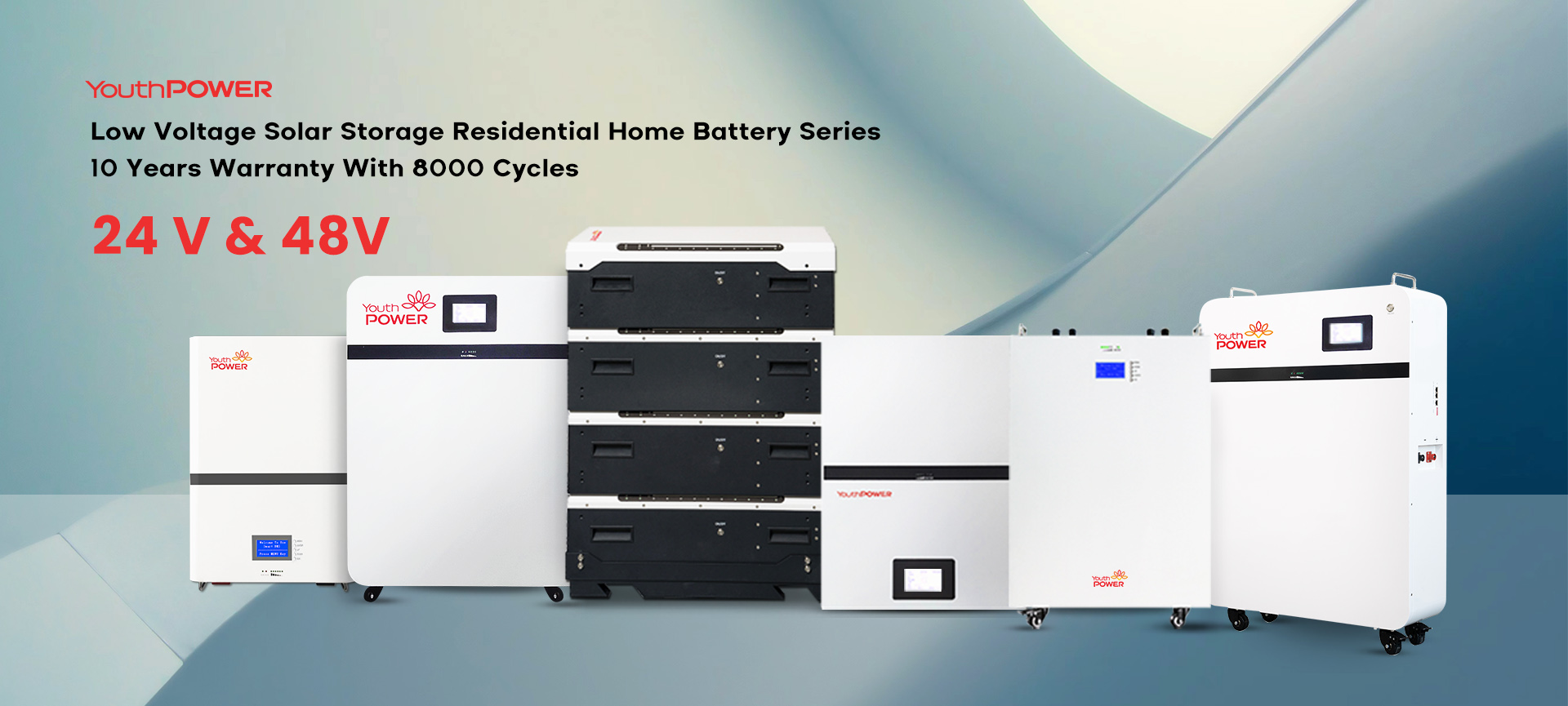
By establishing deep partnerships with local raw material suppliers and refining automated production lines over nearly two decades, YouthPOWER has optimized the manufacturing of energy storage units. This has made high-capacity residential and C&I storage systems accessible at scale for international developers.
4. Global Commercial, Industrial & Localized Application Scenarios
A 20 kWh battery system operates differently depending on the regional grid structure, policy framework, and energy tariff system:
Europe: Dynamic Pricing & Peak Shaving
In regions like Germany, the UK, and the Netherlands, fluctuating time-of-use tariffs (such as Octopus Agile) incentivize high-capacity storage. A 20 kWh system allows commercial buildings and homes to charge from the grid during low-cost or negative-rate hours, and discharge during peak pricing windows. This provides rapid ROI and helps stabilize the grid.
North America: Backup Power & Grid Support
Under the NEM 3.0 rules in California, solar export credits are significantly lower. This makes it more practical to store solar energy locally rather than selling it back to the grid. A 20 kWh battery system provides the storage capacity needed to run HVAC systems and critical appliances during wildfire outages and public safety power shutoffs.
Australia: Virtual Power Plants (VPP)
Australia has some of the highest rooftop solar adoption rates in the world, making the integration of virtual power plants essential. Distributed 20 kWh battery units can be grouped by utilities to act as a single power plant. This allows owners to earn revenue by providing auxiliary grid stabilization services (FCAS) during peak periods.
Off-Grid Remote Microgrids & Agriculture
In remote regions of Africa, South America, and island communities, 20 kWh systems are replacing diesel generators. These installations run water pumps, cooling facilities, and agricultural processing equipment. Combining solar power with battery storage lowers operating costs and reduces emissions.