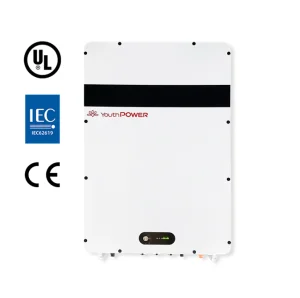
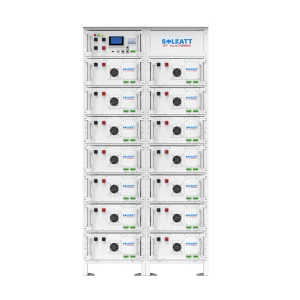
In the rapidly changing landscape of global energy transition, finding the right energy storage solution is paramount. The 200Ah Lithium Iron Phosphate (LiFePO4) battery format has solidified itself as the definitive industry benchmark. Bridging the gap between domestic backup demands and light commercial requirements, the 200Ah capacity (specifically under 24V or 48V configurations) offers the optimal balance of energy density, cell management simplicity, and localized thermal dissipation efficiency. For procurement officers, EPC contractors, and global solar system integrators, selecting the *Best 200ah Lifepo4 Battery Factory & Factories* requires a comprehensive look into cell grading metrics, automated manufacturing systems, and end-to-end traceabilities. This whitepaper analyzes these elements, contrasting standard manufacturing capabilities with the state-of-the-art vertical integration systems engineered at YouthPOWER.
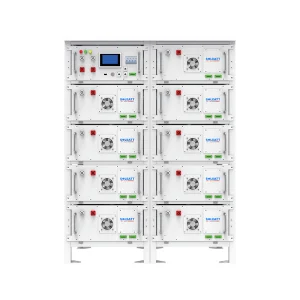
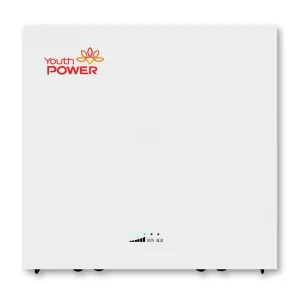
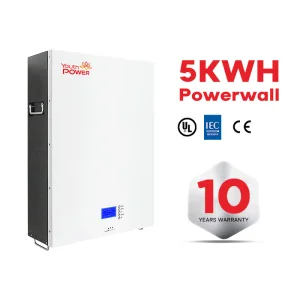
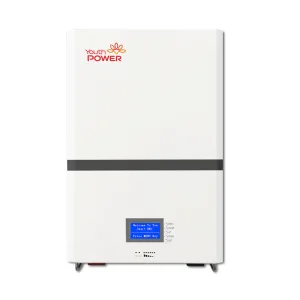
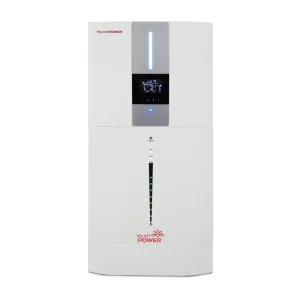
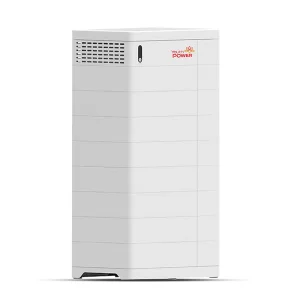
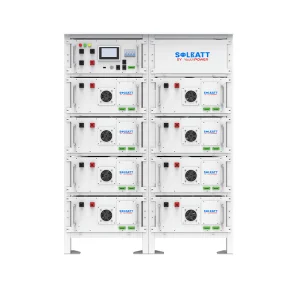
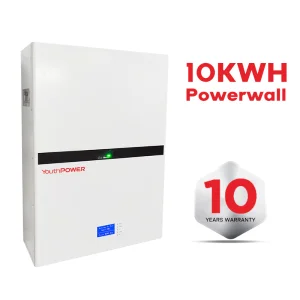
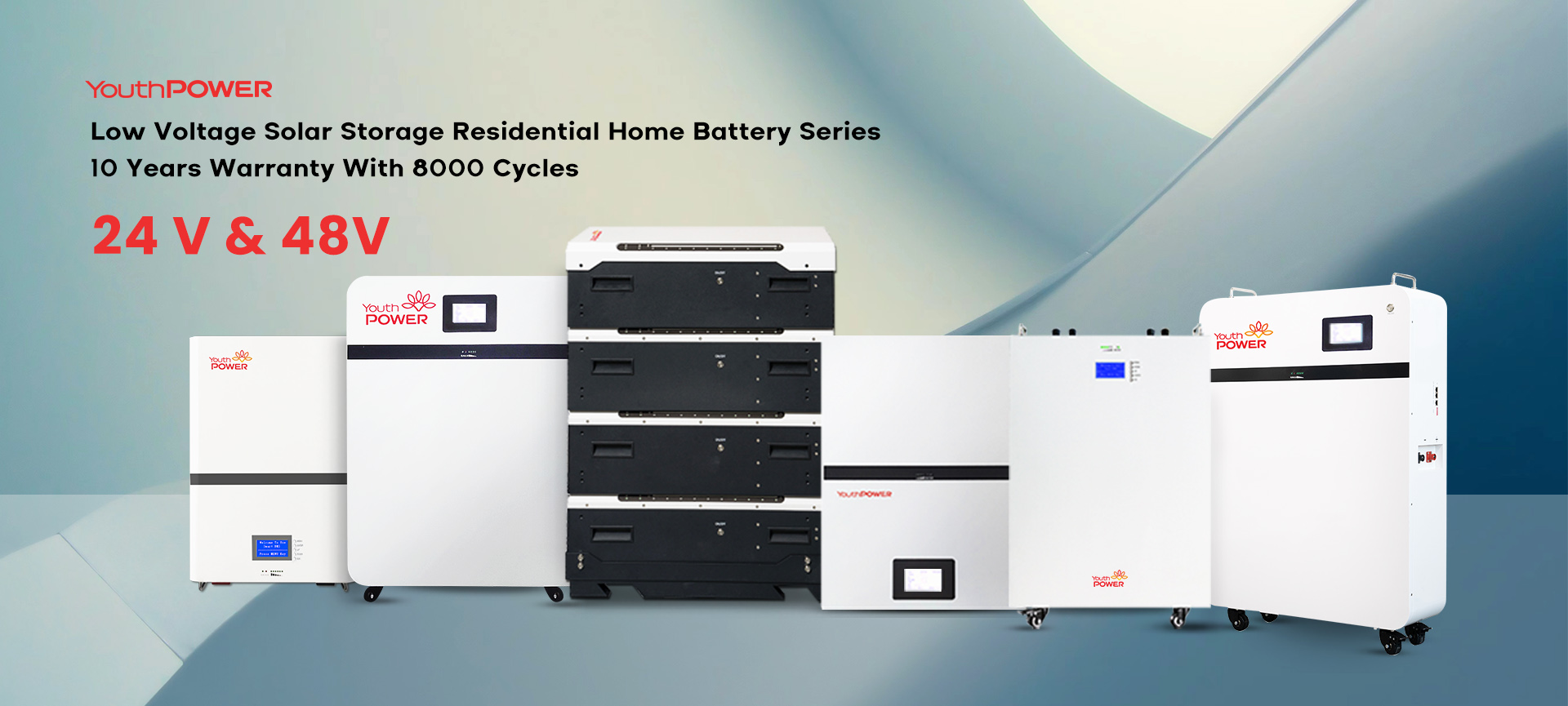
Explore our initial selection of high-performance energy storage solutions manufactured to meet stringent global certification guidelines.
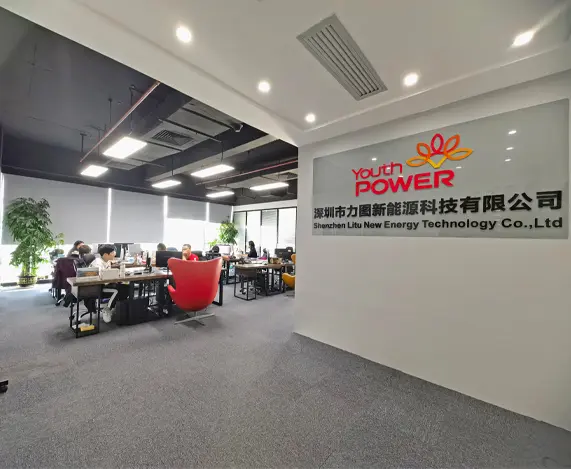
Founded in 2003, YouthPOWER has now become one of the leading suppliers of solar storage lithium batteries in the world. With a broad range of energy storage solutions, it covers a series of 24V, 48V and higher voltage lithium batteries solutions.
YouthPOWER has engaged in the battery technology and production for almost 20 years, with abundant manufacturing experience and strong new product R & D capability. Through many years of hard work and market promotion, we have created our own brand "YouthPOWER" in 2019.
With nearly 20 years’ experience in the battery industry, we have the capability to provide you with both the products you need and the most suitable products you want. We are always ready to supply the first-class products and meet the various needs of the customers.
We have established good business relationships with our customers from all over the world. And we have a good cooperation with all our customers as well for many years running. Supported by our local vendors of raw materials, we can certainly offer you the best prices. We are so proud that YouthPOWER has offered the reliable solar storage solution for over 1,000,000 families now in the world.
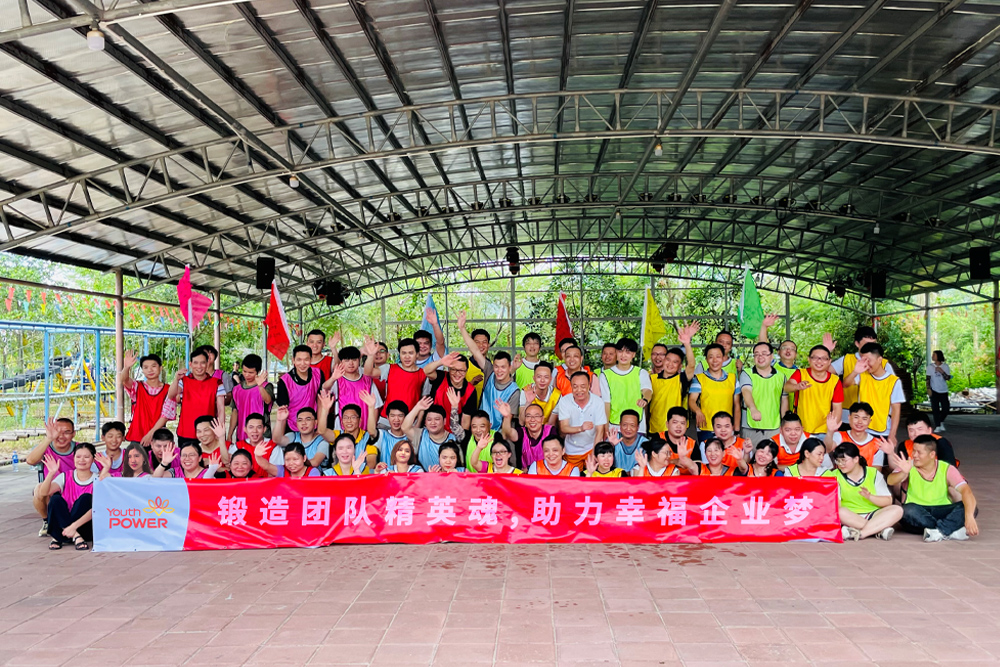
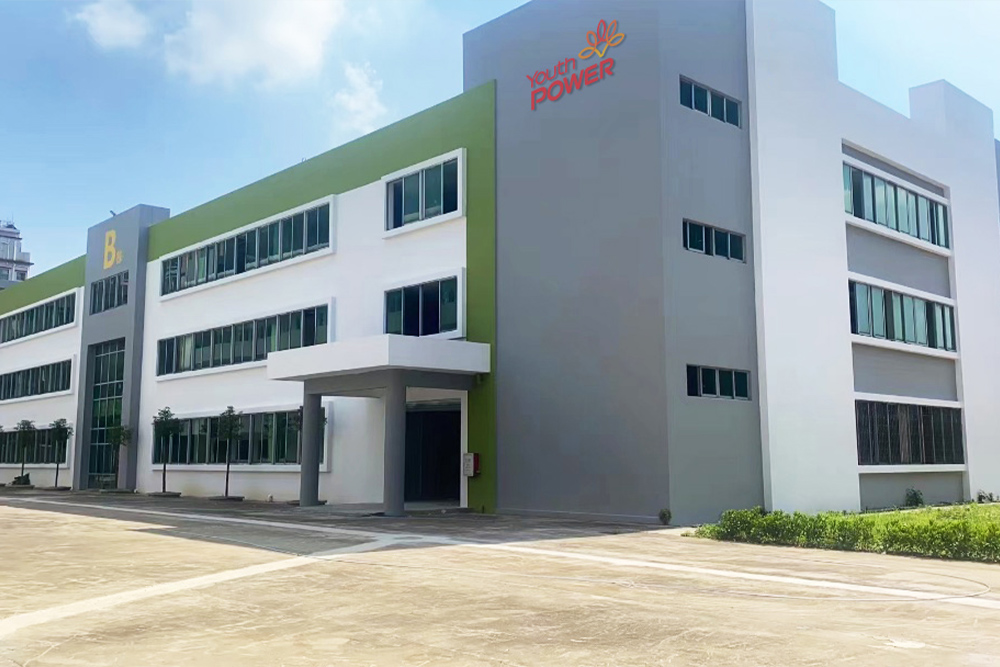
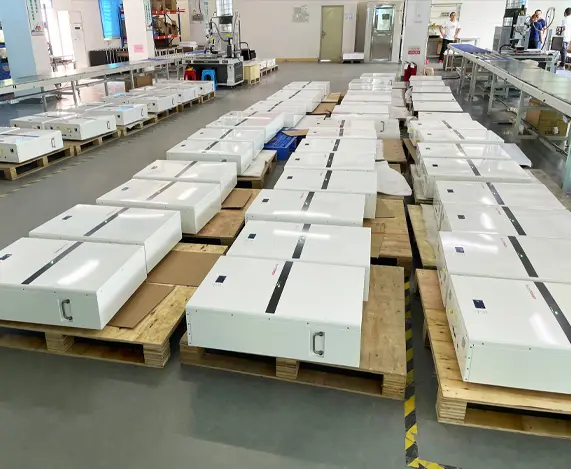
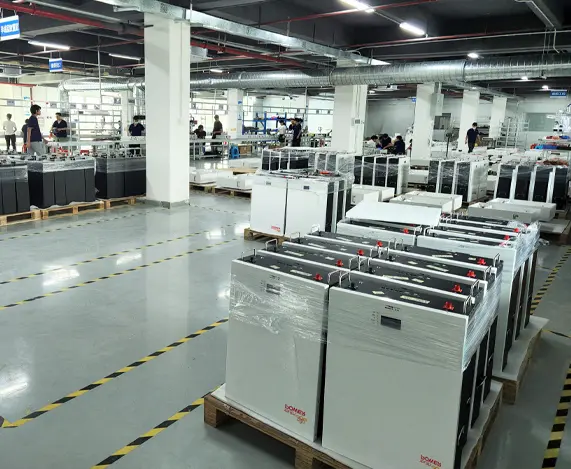
Analyzing the global industrial map, China remains the epicenter of LiFePO4 battery production. Over 75% of the world's lithium-ion cell production and refining capabilities are concentrated here. This dominance is not simply about labor costs; it is driven by deep ecosystem integration, material purification superiority, and rapid engineering iteration.
Chinese factories benefit from direct access to key active materials. From lithium mining and purification to precursor production (such as high-purity iron phosphate and lithium carbonate), the localized ecosystem minimizes transit times, protects materials from humidity fluctuations, and lowers logistics costs. This allows us to pass structural savings directly to our procurement partners.
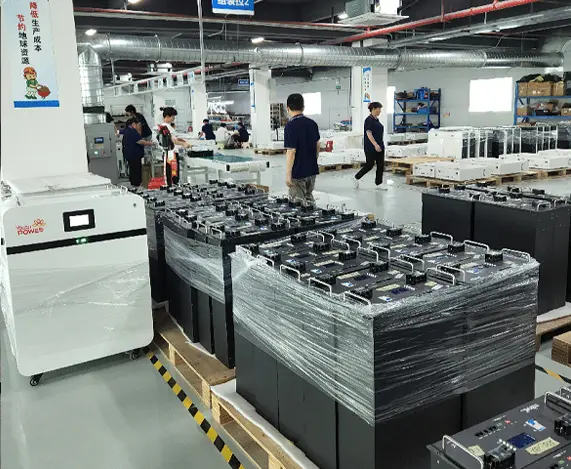
A high-quality 200Ah pack is only as good as its weakest cell. Modern Chinese factories implement advanced Manufacturing Execution Systems (MES) to track and test cell consistency. Cells are automatically sorted by voltage, internal resistance (IR), and capacity down to very tight tolerances (e.g., dV < 2mV, dR < 0.2mΩ). This prevents premature pack degradation and preserves lifetime cycles.
With close proximity to major semiconductor clusters in Shenzhen, Shanghai, and Dongguan, factories like YouthPOWER can rapidly customize Battery Management Systems (BMS). Whether integrations require CANBUS, RS485, or Modbus protocols to match Tier 1 inverters (e.g., Victron, Growatt, Deye, SMA), our R&D cycles take days rather than months.
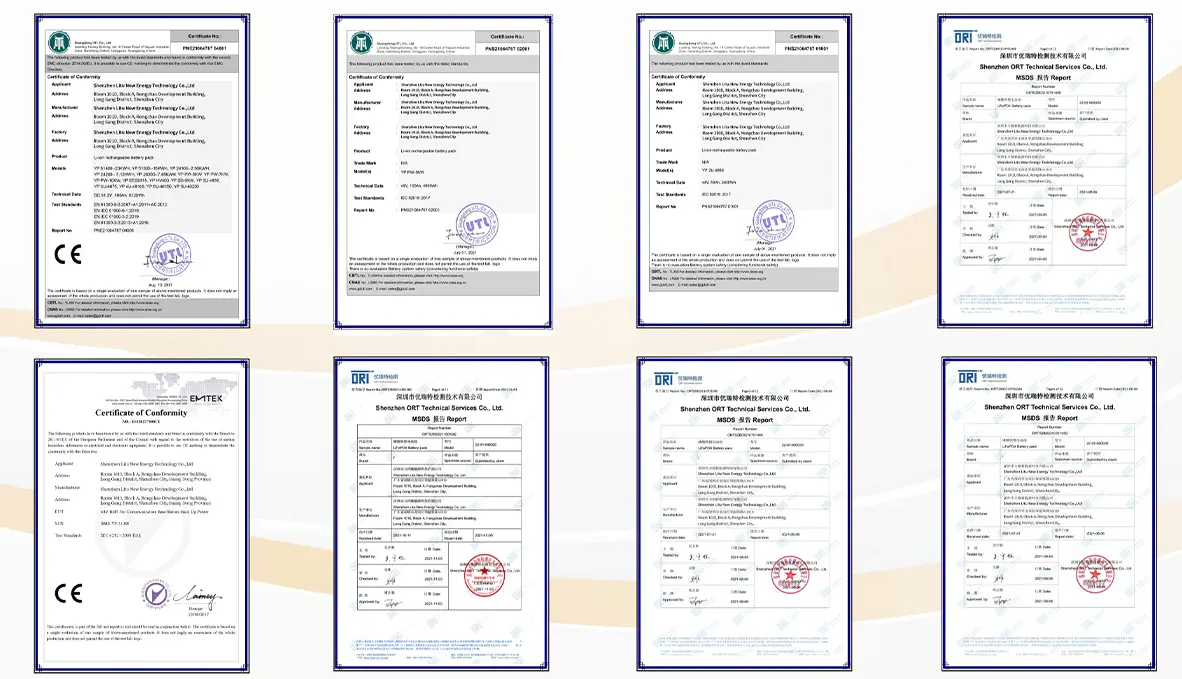
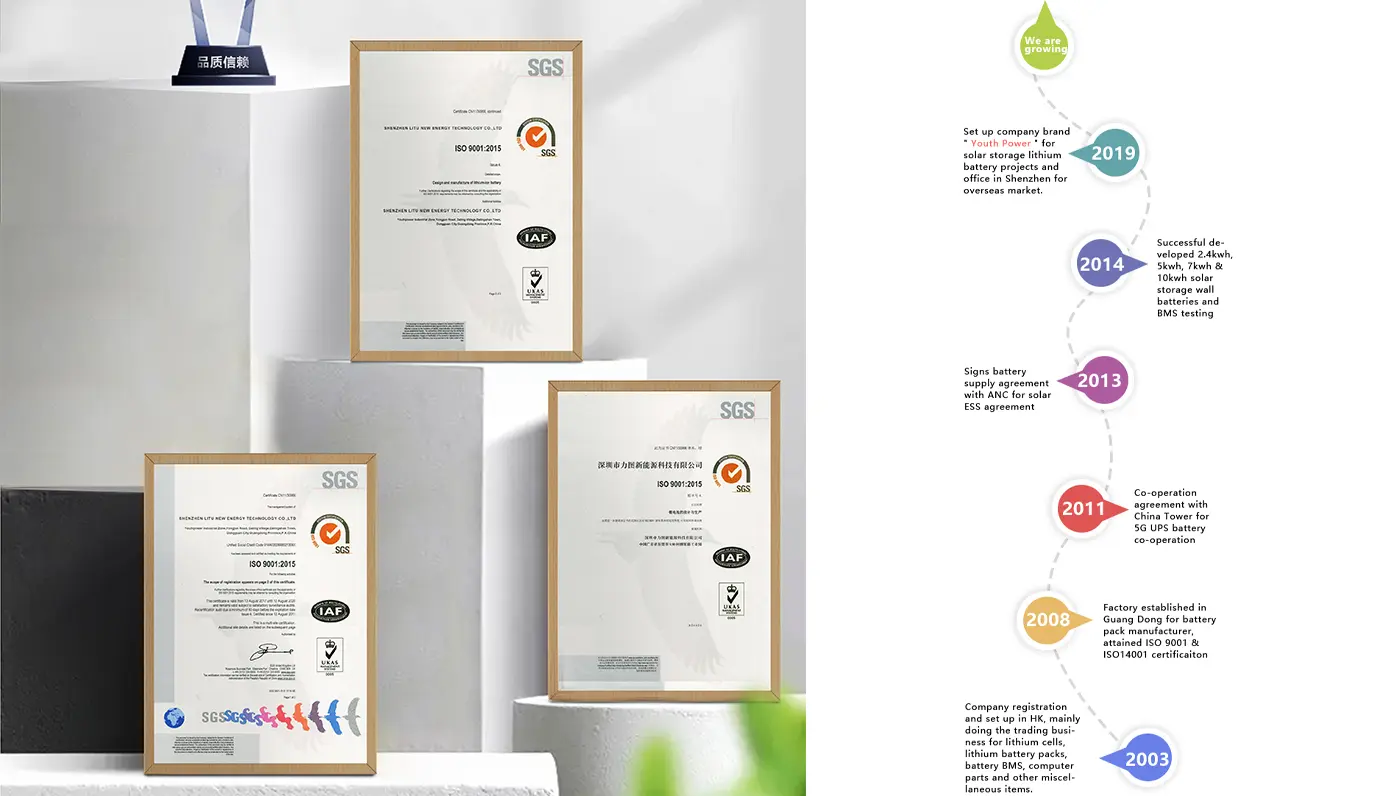
For enterprise clients, importing large-scale lithium storage products demands strict adherence to international safety policies and transport mandates. Without proper certifications, shipments risk being detained at customs or rejected by local grid operators. Below is the framework of regulatory requirements met by YouthPOWER's manufacturing lines:
Thermal runaway represents the ultimate risk in lithium battery utilization. Our factories employ dual-layered safety boundaries. At the cell level, integrated safety vents release excess pressure under mechanical stress. At the pack level, our proprietary BMS acts as a digital watchman, monitoring individual cell temperatures, over-voltages, and current surges, triggering microsecond isolations if anomalies are detected.
To simplify regional importing complexities, YouthPOWER has established localized partnerships and warehouse services in key regions across Europe, North America, and South Africa. These local hubs offer immediate transit options, coordinate custom clearances, and provide post-purchase warranty servicing directly within the customer's time zones.
The versatile capacity of 200Ah LiFePO4 modules allows them to excel in diverse environments. Depending on the system architecture (such as 12V 200Ah for recreational vehicles, or 51.2V 200Ah for residential grid setups), these systems perform critical energy management functions across several sectors:
A 51.2V 200Ah battery system provides 10.24kWh of raw storage capacity. This is the optimal size for a standard family household, storing excess solar energy during peak afternoon hours and discharging it during high-tariff evening hours. This helps maximize self-consumption rates and protects the household from local grid disruptions.
In harsh marine settings, lead-acid batteries fail quickly due to deep discharges and sulfate accumulation. A 12V or 24V 200Ah LiFePO4 battery delivers up to 10 times the cycling lifespan of lead-acid, while saving over 50% in physical weight and space. The robust packaging offers protection from humidity, salt mist, and mechanical vibration.
Remote cell towers require reliable backup systems to keep networks running during localized power cuts. Installing 48V 200Ah lithium packs ensures continuous operation for critical transmitters. These packs can endure high ambient temperatures without requiring energy-intensive air conditioning systems.
Our manufacturing growth has been built on persistent design refinement, continuous investments in research and development, and adapting to changes in the global renewable market. Below is a visual outline of our engineering milestones:
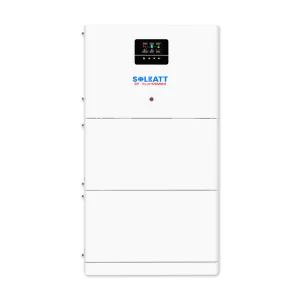
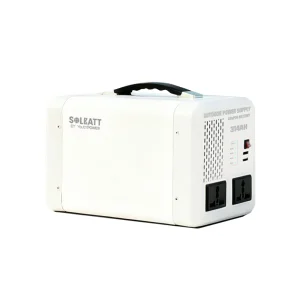
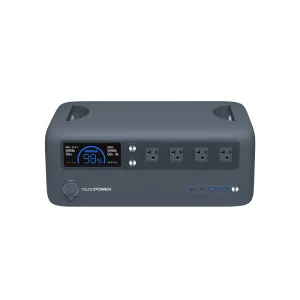
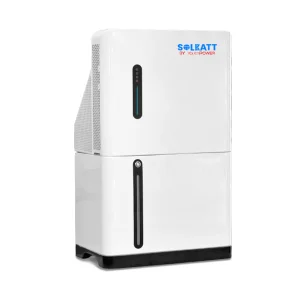
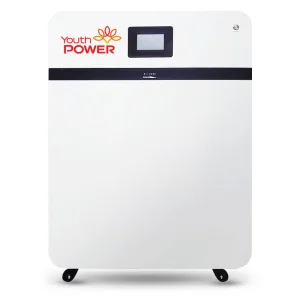
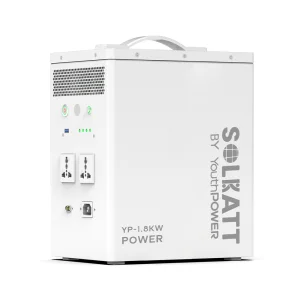
Our secondary selection of high-capacity storage configurations, covering commercial installations, balcony systems, and high-voltage power boxes.
When planning large-scale energy storage imports, buyers face a complex set of technical options and configurations. Below, we address key transactional queries to help guide your procurement process:
 YouthPOWER