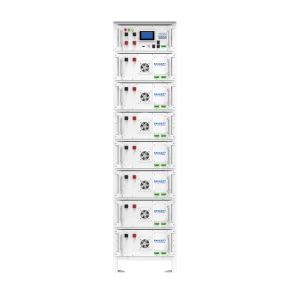
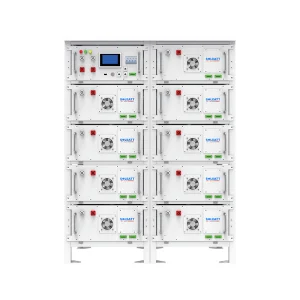
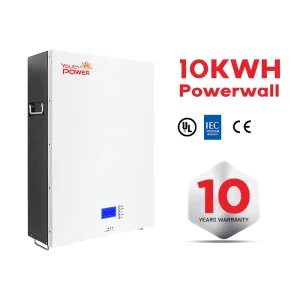
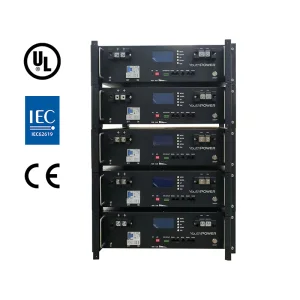
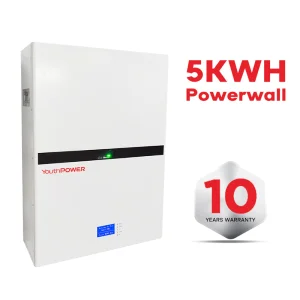
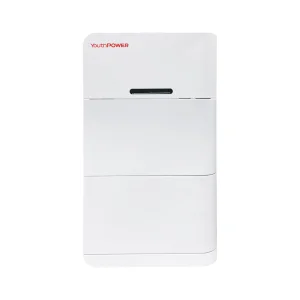
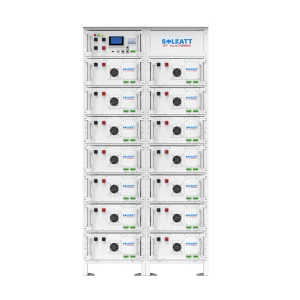
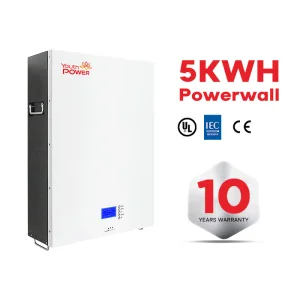
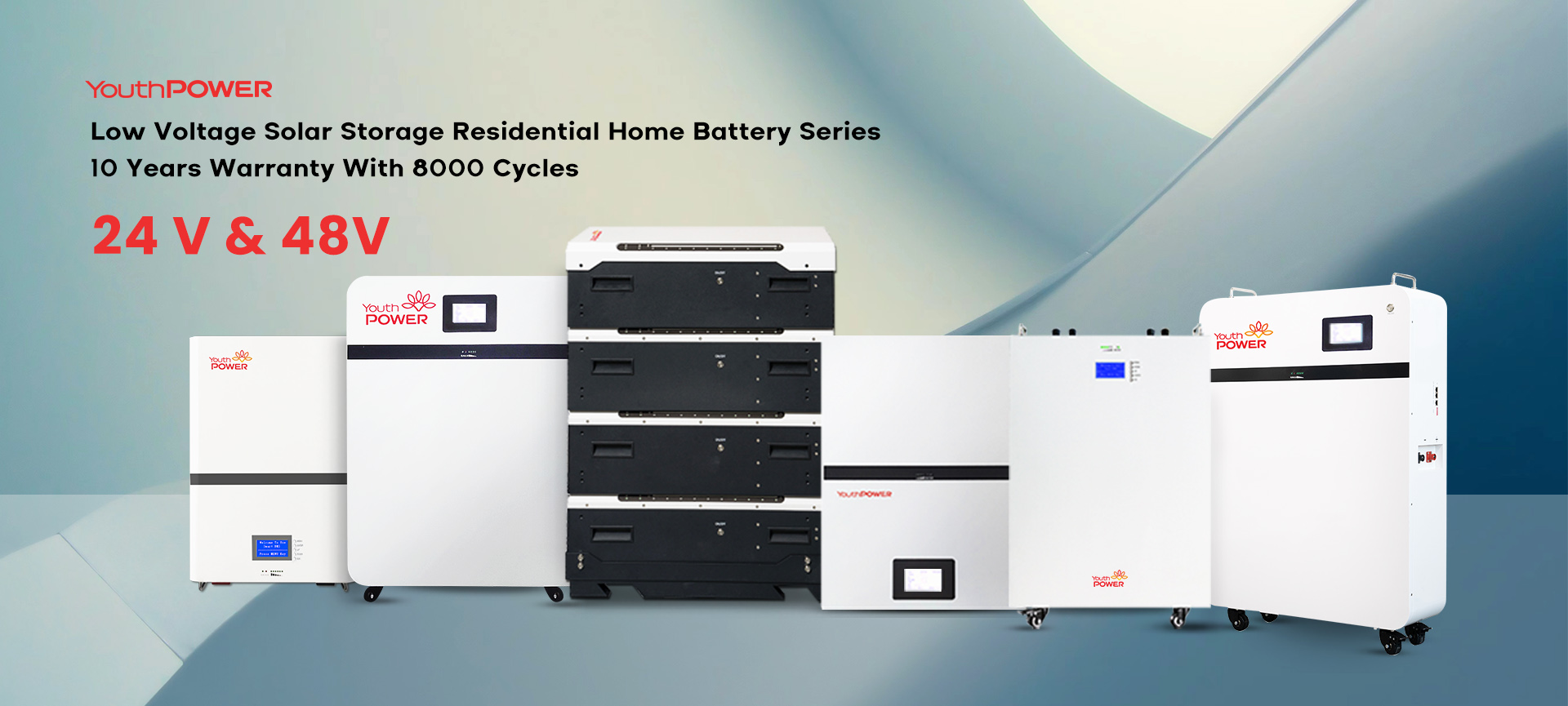
Direct-from-factory lithium energy storage units engineered for high cycle life, safety compliance, and seamless inverter pairing.
Decarbonization policies, coupled with rising peak tariffs and grid instability, have elevated energy storage from a secondary backup option to a primary piece of core infrastructure. Globally, the 20kWh to 100kWh capacity bracket represents the fastest-growing tier—bridging the gap between high-yield residential solar networks and small commercial/industrial (C&I) demands.
Maximize financial returns by charging the storage array during off-peak windows and discharging when utility utility rates spike.
Enable complete energy independence for off-grid operations, military installations, agricultural facilities, and remote infrastructure.
Store excess photovoltaic yield that would otherwise be curtailed, directly lowering Scope 1 & Scope 2 greenhouse gas emissions.
When evaluating a 20kWh battery factory, buyers must look beyond raw capacity. System performance, degradation speed, and safety profiles depend heavily on the integrated battery chemistry, BMS safety parameters, and voltage matching configurations.
| System Configuration | Typical Voltage Range | Nominal Capacity | Ideal Application | Expected Life Cycle |
|---|---|---|---|---|
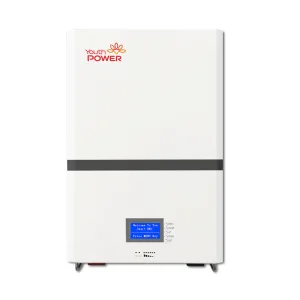
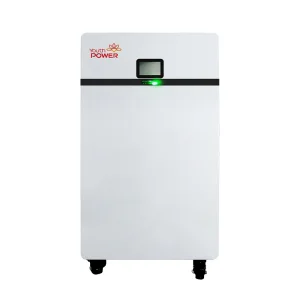
| Low Voltage Parallel (4x 5.12kWh modules) | 48V - 51.2V | 400Ah | Standard Residential Powerwall setup, plug-and-play installation | > 6,000 Cycles @ 80% DoD |
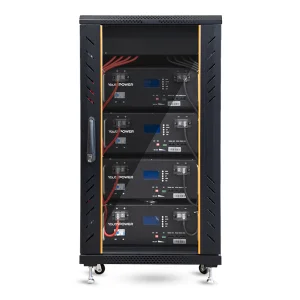
| High Voltage Stackable (4x 100V modules in series) | 204.8V - 409.6V | 50Ah - 100Ah | High-efficiency hybrid inverters, fast EV charging stations | > 6,000 Cycles @ 80% DoD |
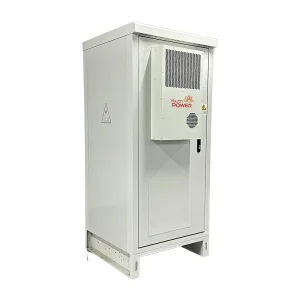
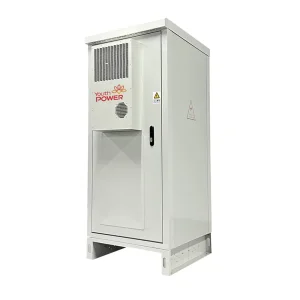
| Industrial Cabinet (Integrated Rack Mount) | 358.4V - 460V | 280Ah (Scaled) | C&I Peak Shaving, back-up arrays, microgrid integration | > 8,000 Cycles @ 80% DoD |
Most 20kWh setups employ Lithium Iron Phosphate (LiFePO4) chemistry due to its superior safety performance, thermal stability, and long life cycle compared to NMC (Nickel Manganese Cobalt) alternatives. High-grade systems utilize Tier-1 A-grade cells with a smart Battery Management System (BMS) supporting CAN, RS485, and RS232 communications protocols for seamless integration with inverters like Victron, Growatt, SMA, and Deye.
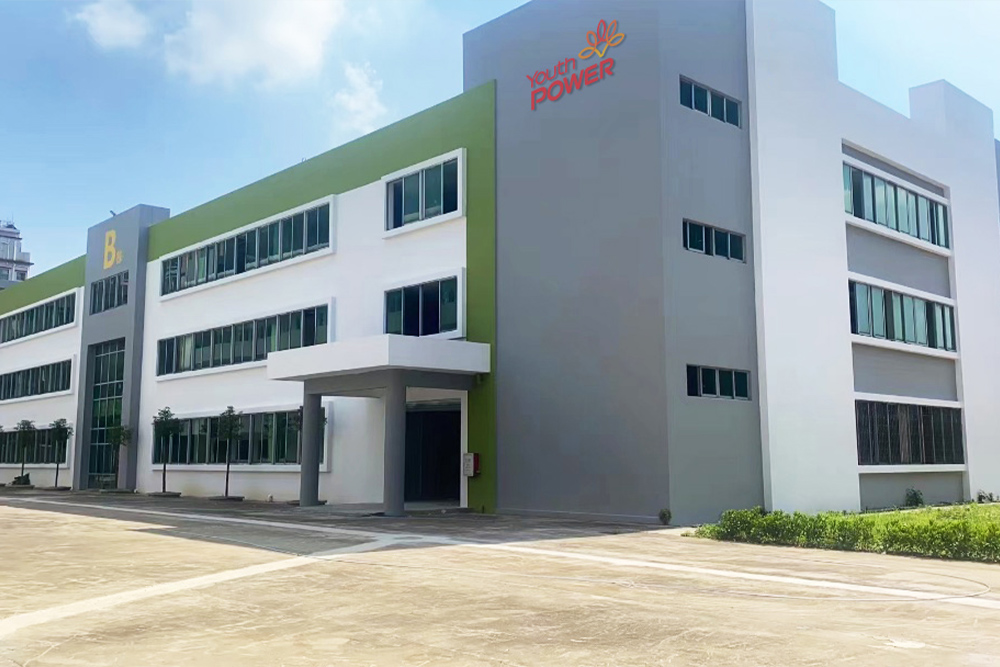
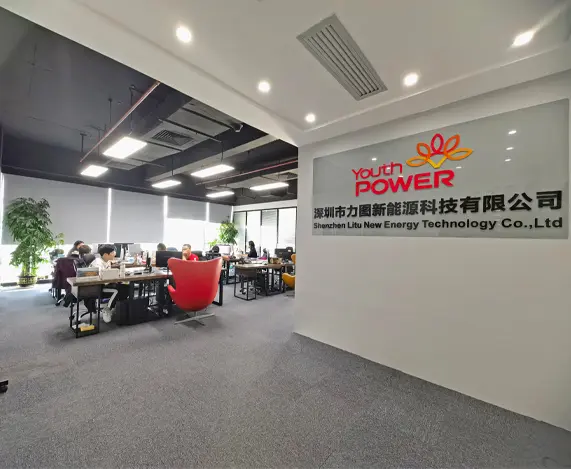
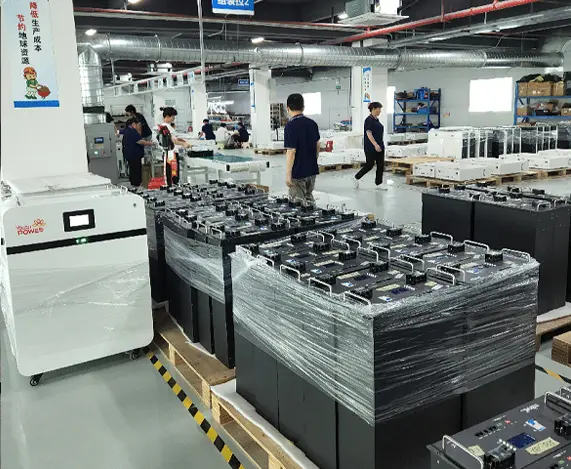
Founded in 2003, YouthPOWER has now become one of the leading suppliers of solar storage lithium batteries in the world. With a broad range of energy storage solutions, it covers a series of 24V, 48V and higher voltage lithium batteries solutions.
YouthPOWER has engaged in the battery technology and production for almost 20 years, with abundant manufacturing experience and strong new product R & D capability. Through many years of hard work and market promotion, we have created our own brand "YouthPOWER" in 2019.
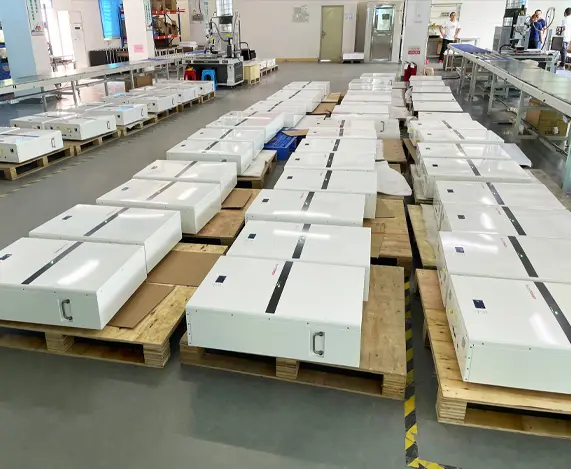
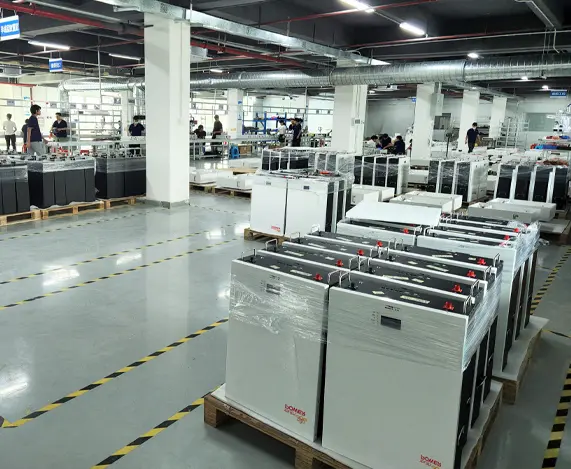
With nearly 20 years’ experience in the battery industry, we have the capability to provide you with both the products you need and the most suitable products you want. We are always ready to supply the first-class products and meet the various needs of the customers.
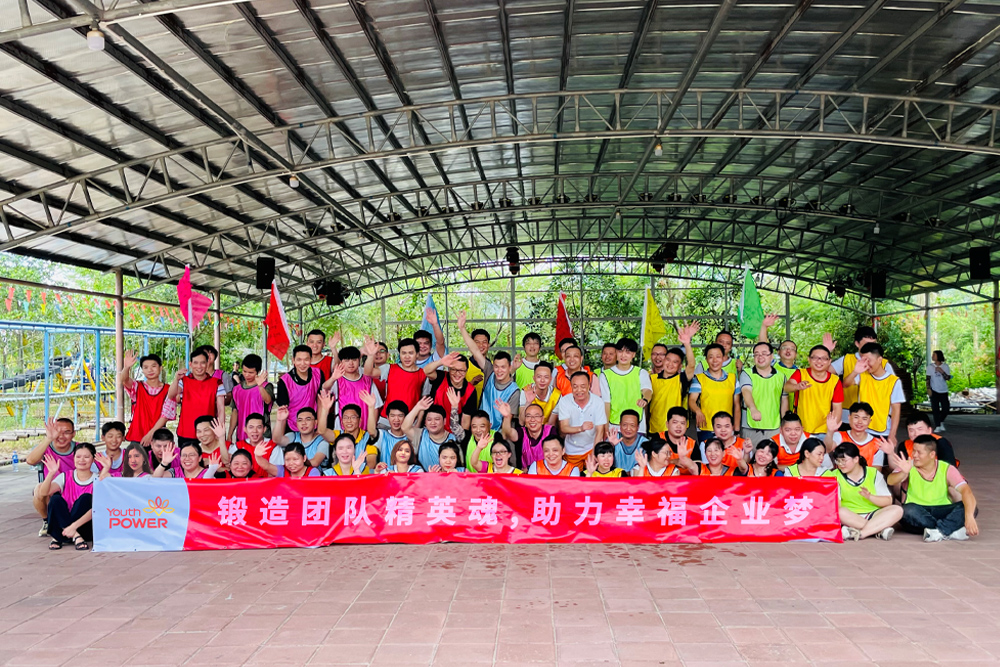
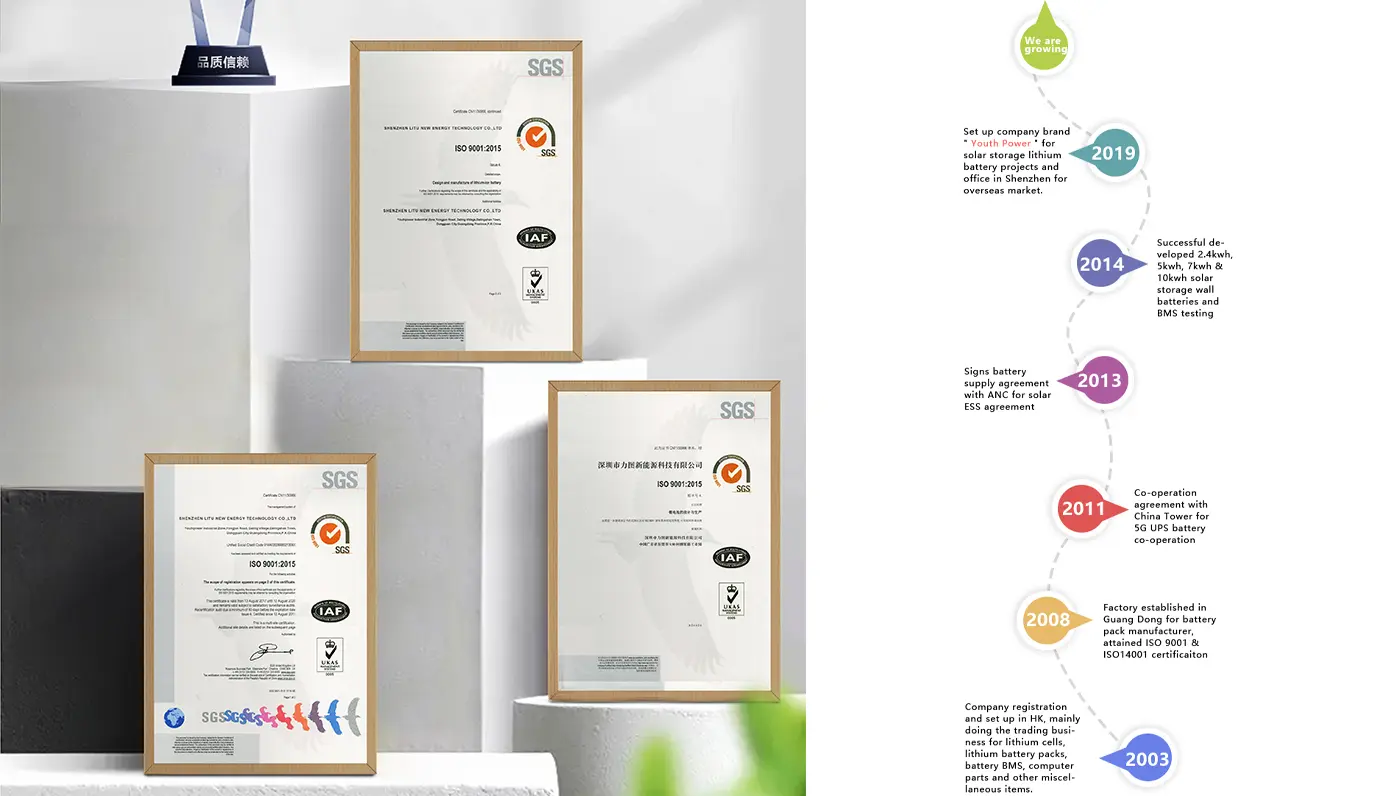
Our journey is defined by continuous adaptation and technical breakthrough. We started with conventional lead-acid battery components, transitioned to premium lithium chemistries as grid demands shifted, and launched the YouthPOWER brand globally to supply direct, factory-certified solar energy storage options.
Supported by our local vendors of raw materials, we can certainly offer you the best pricing options. We have established good business relationships with our customers from all over the world, with years of continuous cooperation backing our brand reputation.
To secure the best 20kWh battery pricing, buyers must evaluate the complete unit cost structure. The price of a 20kWh battery is typically broken down into four core cost pillars:
A-Grade cells from tier-1 manufacturers feature precise capacity consistency and thermal profiles. B-grade or recycled cells cost up to 40% less but present higher safety hazards and faster capacity decay.
Advanced BMS units protect against cell overcharging, cell balancing issues, over-discharge, and high-temperature conditions. Premium active balancing BMS add up to $300-$500 to production cost but double cell operational lifespans.
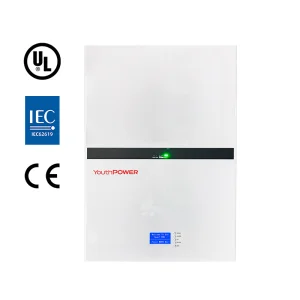
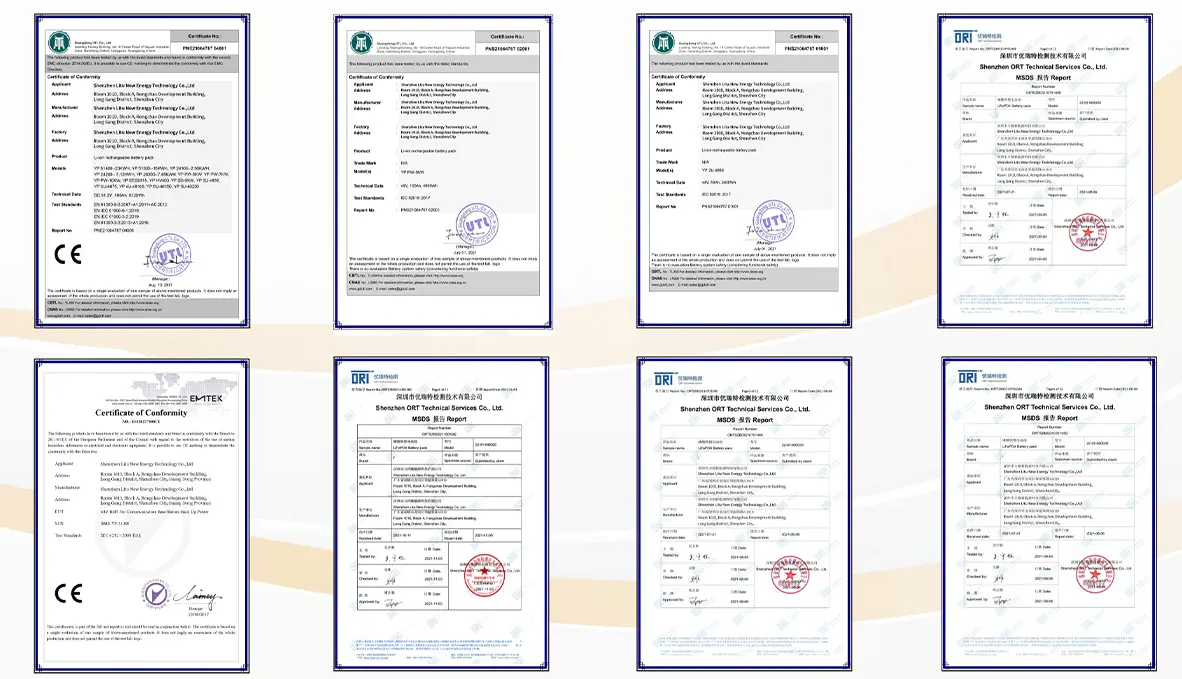
UL 1973, UL 9540A, CE, and UN 38.3 testings require significant factory investment. Compliant batteries command higher initial cost but guarantee hassle-free grid permitting and insurance approvals.
On a FOB China basis, pricing for utility-grade, certified 20kWh LFP battery systems ranges from $2,200 to $4,500 USD, depending on order volume, BMS integration, and packaging formats (e.g., custom IP65 outdoor cabinets vs standard indoor server racks). High-voltage custom systems (300V+) demand specialized cell balancing, resulting in a premium of 15% to 25% over 51.2V low-voltage configurations.
Different regions present unique grid compliance codes. Securing safety certification ensures the protection of hardware and speeds up the local utility permitting process.
Requires adherence to UL 9540 (for full ESS systems) and UL 1973 (for the battery pack). Standard codes enforce thermal runaway fire suppression tests (UL 9540A) for indoor residential storage. Batteries must integrate with approved split-phase inverters to safely output 120V/240V.
Focuses on CE mark compliance, IEC 62619 for safety, and local grid connection guidelines (such as VDE-AR-N 4105 in Germany). Systems must support 3-phase hybrid configurations to run high-load industrial heat pumps or EV chargers.
Regulated by CEC (Clean Energy Council) listings and AS/NZS 5139 installation standards. Out-of-box compatibility with local energy retailers' Virtual Power Plant (VPP) systems is increasingly required, allowing users to monetize stored power during peak grid strain.
As global manufacturing scales, battery chemistry is evolving beyond standard LFP designs. Energy system developers should track these emerging technical directions:
Predictive cloud management is replacing simple hardware protection. Modern BMS systems monitor cell impedance in real-time, helping operators predict thermal runaway events and schedule preventive maintenance weeks ahead of failure.
Sodium-ion chemistry will offer a low-cost alternative for stationary storage. While energy density is lower, sodium-ion batteries provide better low-temperature performance and rely on more abundant raw materials.
Solid-state designs will reduce fire risk by replacing liquid organic electrolytes with solid-state ceramic or polymer materials, enabling more compact 20kWh installations.
Technical answers to key procurement questions from energy storage operators, installers, and B2B buyers.
A typical 20kWh LiFePO4 battery rated for 6,000 cycles at 80% Depth of Discharge (DoD) will last approximately 15 to 16 years of daily cycling before capacity drops to 80% of its initial rating. Service life can be extended by operating the battery within the recommended temperature range of 15°C to 25°C.
For residential applications under 15kW, 48V (Low-Voltage) systems are easier to install and scale in parallel. For commercial storage or setups with long wiring distances, high-voltage systems (200V-450V) are preferred. High-voltage setups reduce line current, resulting in lower thermal losses and higher system efficiency.
B2B supply contracts should specify: cell grade (must be certified A-grade), cycle life warranty (e.g. 5 or 10 years down to 80% capacity), certification standard copies (UL/CE/IEC), inverter communication protocol validation, and shipping container load configurations (UN 38.3 certified packaging).
No, mixing battery packs of different capacities, brands, or chemical compositions within a single string is not recommended. Different internal resistances lead to current imbalances, which can cause early BMS shutdowns or damage the weaker modules.
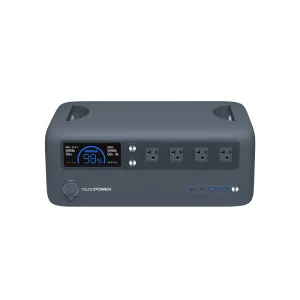
From modular balcony storage units to large containerized utility systems, select the exact match for your project needs.
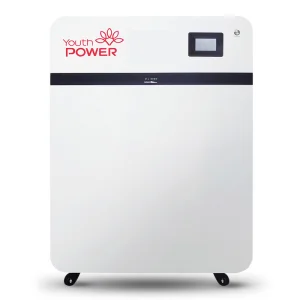
 YouthPOWER