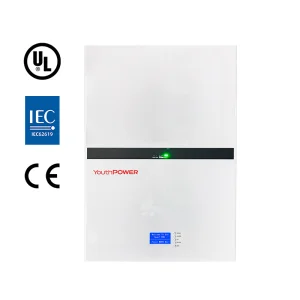
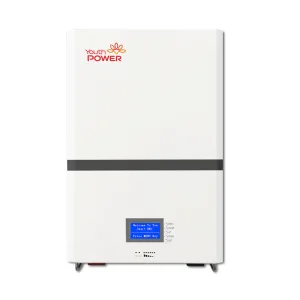
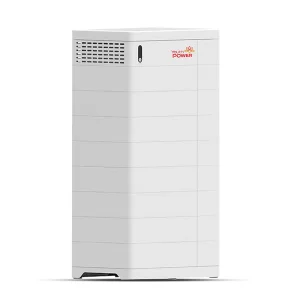
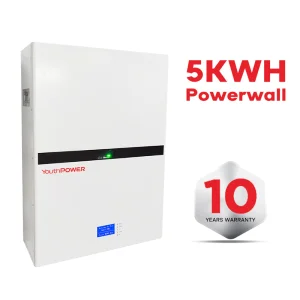
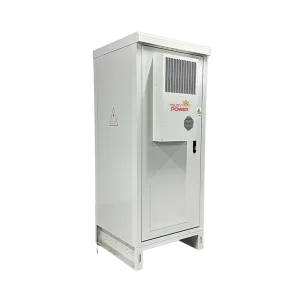
Explore our core selection of commercial, industrial, and high-voltage solar batteries engineered for longevity and certified global safety standards.
As commercial grid stability undergoes rapid transformation, businesses require massive, localized energy storage options. The 400Ah (Ampere-hour) capacity class represents the gold standard for high-density, multi-day backup networks and heavy industrial power systems.
By using single cells or pack configurations rated at 400Ah, systems require fewer parallel connections. This reduces BMS (Battery Management System) monitoring complexity, decreases inter-cell connector resistance, and minimizes potential points of electrical failure.
400Ah Lithium Iron Phosphate (LiFePO4) chemistry delivers in excess of 6,000 deep discharge cycles (up to 80% Depth of Discharge) before capacity declines to 80% of its nominal value. This outperforms legacy SLA (Sealed Lead Acid) equivalents by up to ten times.
Unlike Nickel Manganese Cobalt (NMC) chemistries, LiFePO4 cells configured in 400Ah modules display outstanding structural stability. LFP prevents thermal runaway under structural damage, overcharging, or high-operating temperature scenarios.
Globally, industrial purchasers face the challenge of sourcing stable energy storage with high density. Heavy logistics, container transport regulations (UN 38.3), and localized supply chain constraints require direct integration with an experienced battery factory.
From solar microgrids in remote regions to off-grid telecom backhauls in North America and Europe, buying direct from a verified Chinese factory offers dramatic pricing advantages while assuring access to tier-1 cells.
Key applications for 400Ah modules include:
Understanding cell construction is vital to choosing the right system. Modern 400Ah layouts can be structured at 12.8V, 25.6V, or 51.2V using advanced series/parallel prismatic cells.
| Specification Parameter | Lithium Iron Phosphate (LiFePO4) - 400Ah | Conventional Lead-Acid (AGM/GEL) - 400Ah |
|---|---|---|
| Nominal Lifespan (80% DoD) | 6,000+ Cycles | 500 - 800 Cycles |
| Usable Depth of Discharge (DoD) | 90% - 100% without structural damage | 50% maximum recommended depth |
| Energy Density (Wh/kg) | 120 - 150 Wh/kg (Lightweight setup) | 30 - 45 Wh/kg (Very heavy) |
| Charging Efficiency | 98% typical (Minimal heat losses) | ~80% - 85% (High heat dissipation) |
| Integrated Smart BMS | Yes (Active/Passive balancing, Over/Under volt safety) | None (Requires manual voltage testing) |
| TCO over 10 Years | Extremely Low (No replacement required) | High (Requires 3 to 4 replacements) |
A battery cell with a capacity as large as 400Ah contains a substantial amount of energy. If the charge distribution between cells is off by even a few millivolts, the overall capacity of the pack is compromised. An integrated Smart BMS is essential. It continuously monitors the voltage and temperature of individual cells, balances charge across the cells, and communicates with external inverters via CAN/RS485 protocols. This ensures your investment is protected from over-discharge, over-charging, and thermal runaways.
Sourcing 400Ah lithium batteries directly from a reputable manufacturer yields major savings. However, pricing varies based on several critical components.
Grade-A cells offer matching impedance, uniform capacities, and standard longevity. Grade-B or repurposed EV cells are cheaper upfront but lead to early pack imbalance. At YouthPOWER, we strictly construct our 400Ah units using raw Grade-A cells.
Factory pricing is closely tied to the cost of raw Lithium Carbonate and Lithium Hydroxide. Sourcing batteries directly from factories in China leverages the local supply chain, lowering structural and raw material acquisition costs.
While the initial cost of a 400Ah lithium pack is higher than lead-acid, the Levelized Cost of Storage (LCOS) is much lower. Over a 10-year period, users save up to 50% on total expenses due to zero maintenance and no battery replacement requirements.
Combining deep manufacturing experience with local cost advantages, YouthPOWER provides reliable, high-capacity energy storage systems worldwide.
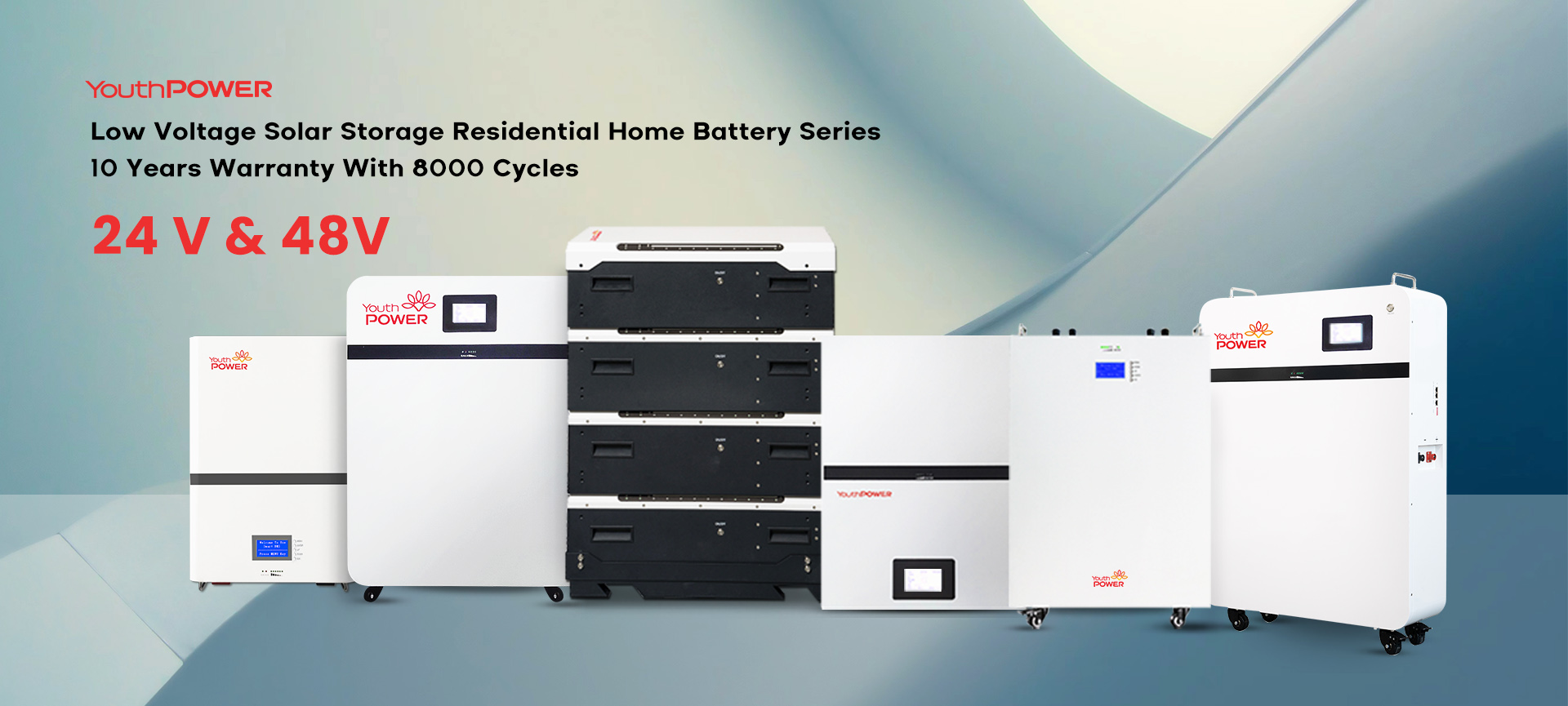
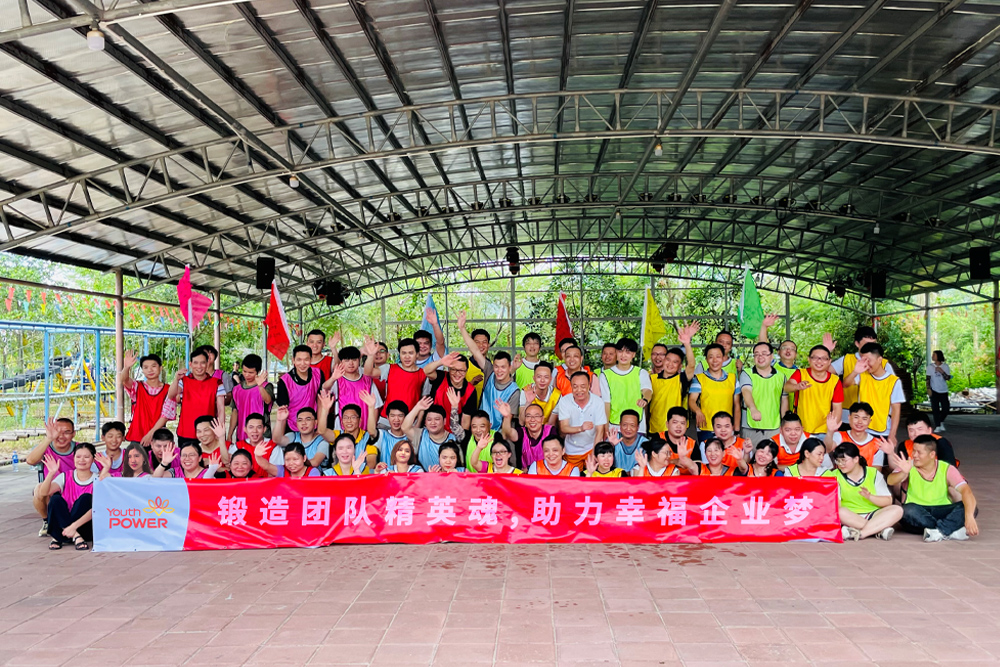
Founded in 2003, YouthPOWER has now become one of the leading suppliers of solar storage lithium batteries in the world. With a broad range of energy storage solutions, it covers a series of 24V, 48V and higher voltage lithium batteries solutions.
YouthPOWER has engaged in the battery technology and production for almost 20 years, with abundant manufacturing experience and strong new product R & D capability. Through many years of hard work and market promotion, we have created our own brand "YouthPOWER" in 2019.
With nearly 20 years’ experience in the battery industry, we have the capability to provide you with both the products you need and the most suitable products you want. We are always ready to supply the first-class products and meet the various needs of the customers.
We have established good business relationships with our customers from all over the world. And we have a good cooperation with all our customers as well for many years running. Supported by our local vendors of raw materials, we can certainly offer you the best prices.
We are so proud that YouthPOWER has offered the reliable solar storage solution for over 1,000,000 families now in the world.
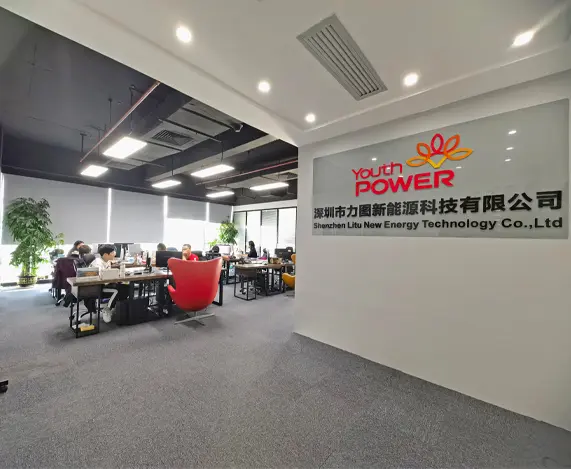
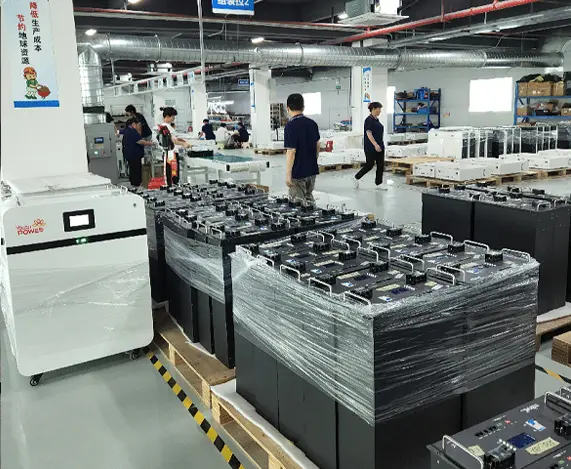
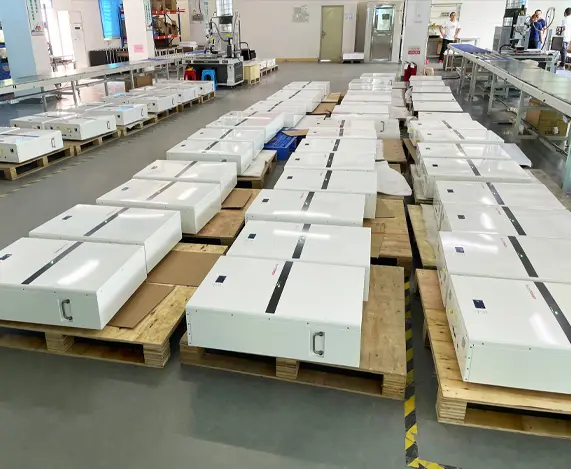
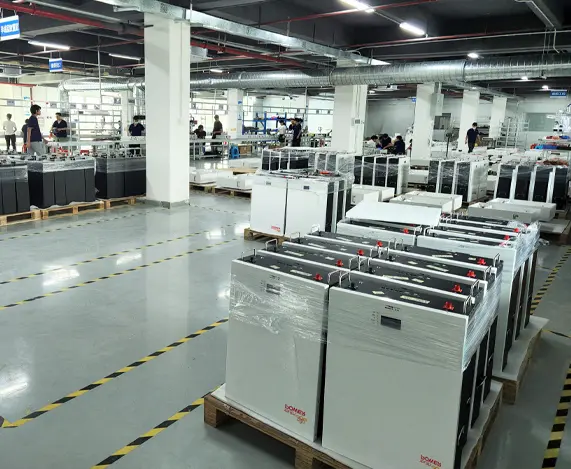
Over two decades of constant innovation, scaling production lines, obtaining worldwide credentials, and building reliable international commercial networks.
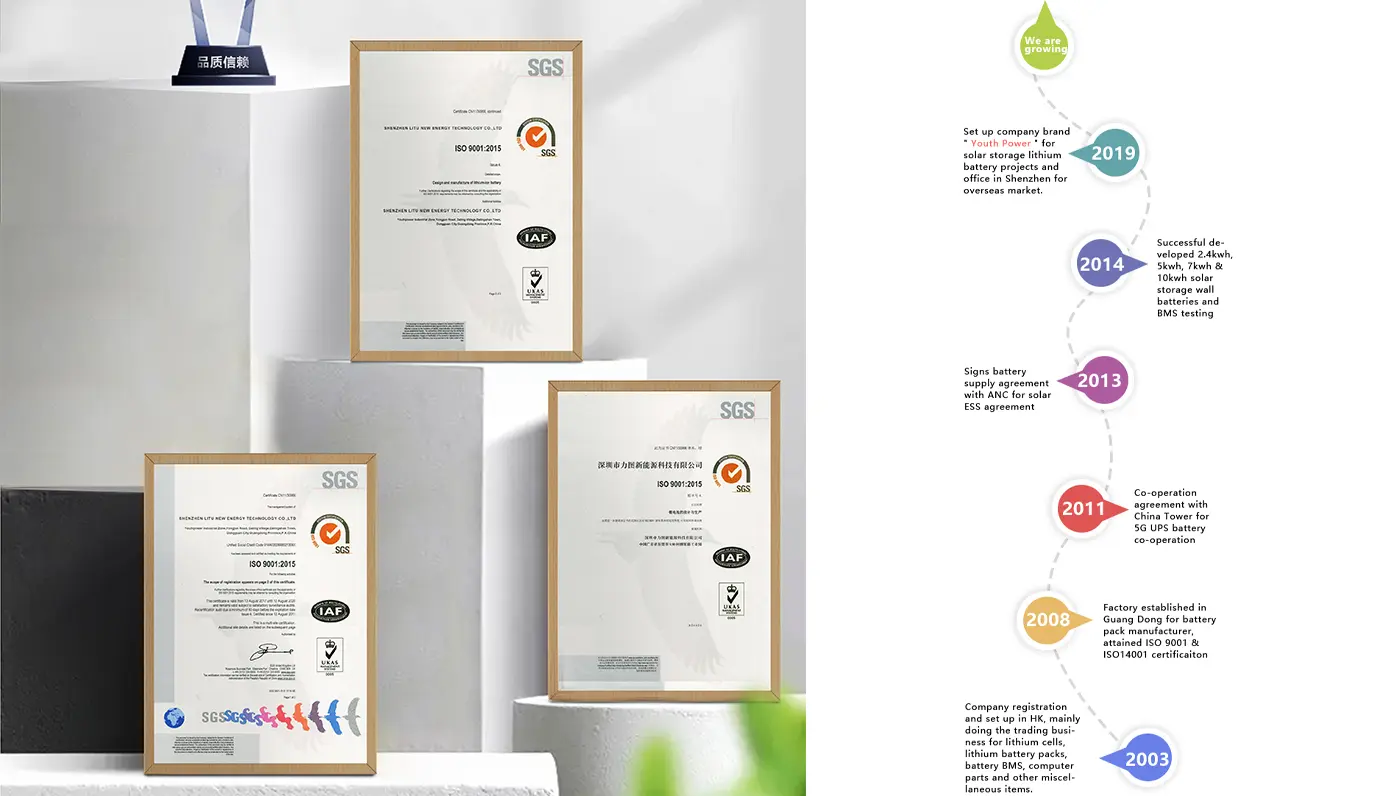
For commercial solar systems, microgrids, and marine installations, compliance with safety and environmental standards is essential to protect your assets and meet local regulatory requirements.
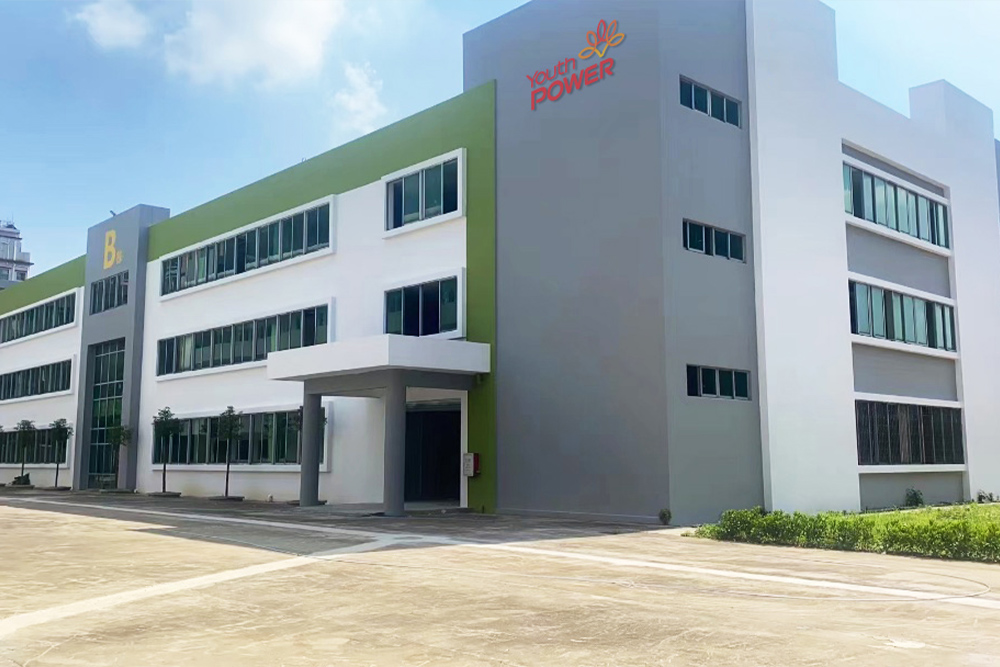
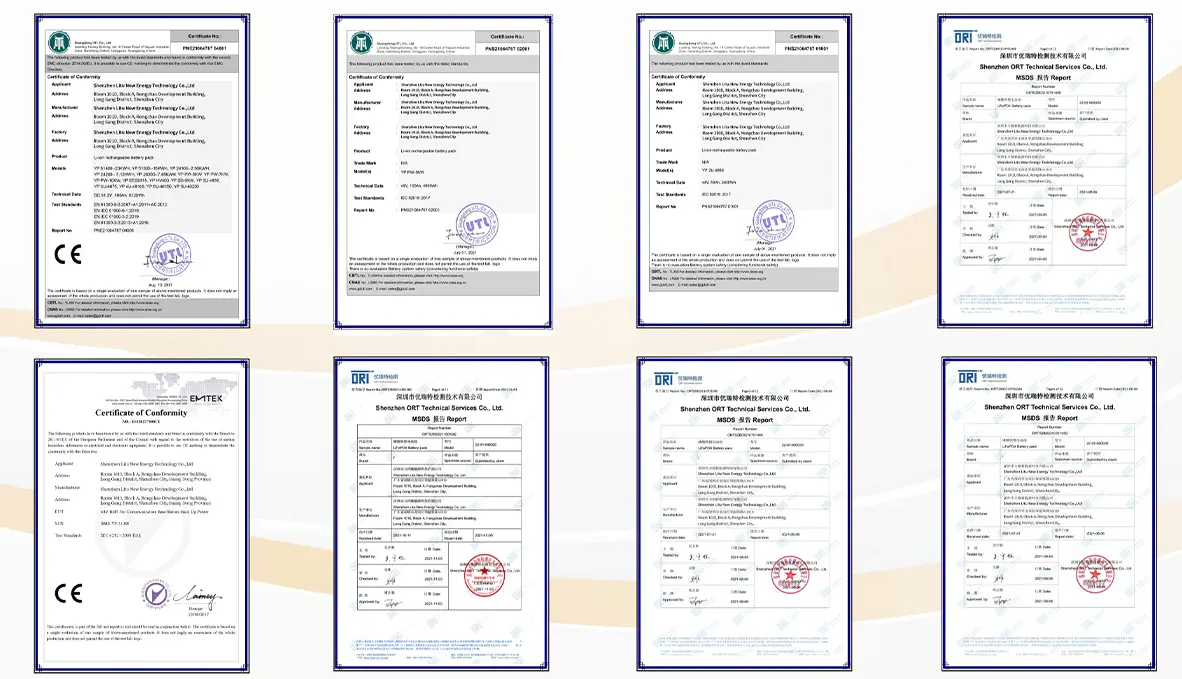
Our 400Ah battery manufacturing facility conforms to international standards. Product models feature extensive CE markings, IEC 62619 compliance, and safety testing reports that satisfy local building inspections globally.
Every single lithium pack undergoes intense safety validation, including overcharge, short-circuit, impact, vibration, and high-temperature stress tests before shipment, ensuring reliable performance in the field.
Because high-capacity lithium batteries fall under Class 9 Dangerous Goods, our products undergo complete UN38.3 testing. This guarantees safe, compliant cargo passage across oceans and domestic transport networks.
Common technical questions asked by professional procurement agents and system integrators.
Total energy capacity is calculated by multiplying the nominal voltage of the pack by the Ampere-hour capacity. For example:
LiFePO4 offers distinct advantages for stationary energy storage systems (ESS). It provides double the cycle life (6,000 vs. 3,000 cycles) of NMC and has higher thermal runaway limits, eliminating the risk of oxygen release during a fault. Additionally, LFP is an environmentally friendly choice as it contains no toxic cobalt.
Standard orders typically ship within 25 to 35 days from receipt of deposit. Customized battery packs, special housings, or custom BMS communication protocols can take 40 to 45 days. We coordinate logistics, container consolidation, and maritime documentation directly from our factory.
LiFePO4 batteries perform well down to -20°C (-4°F) for discharging, though capacity may drop slightly. However, charging standard lithium batteries at sub-freezing temperatures (below 0°C or 32°F) can cause lithium plating. For cold-weather environments, we can integrate internal heating pads managed by the smart BMS to warm the cells before charging starts.
Yes. Our batteries are designed to support both series and parallel configurations. For safety and performance, always ensure the batteries are of the same age, state of charge (SoC), and capacity. The smart BMS will coordinate current sharing across the system to maintain balance.
Yes. As a dedicated manufacturer, we provide complete OEM/ODM branding options. This includes customized metal casings, private labeling, unique LCD displays, and customized communication options for local markets. We support distributor networks in over 80 countries.
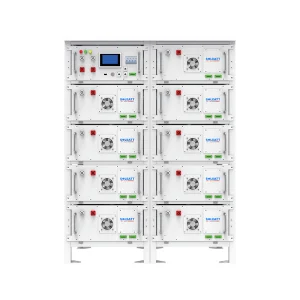
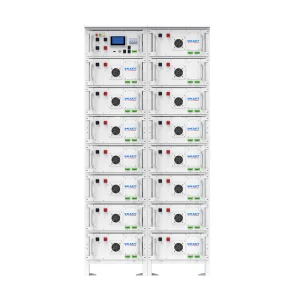
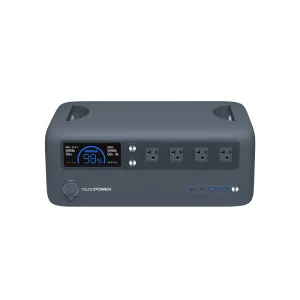
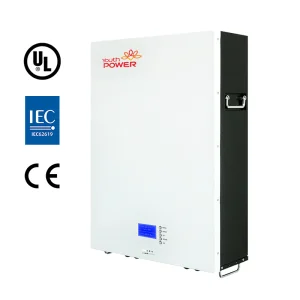
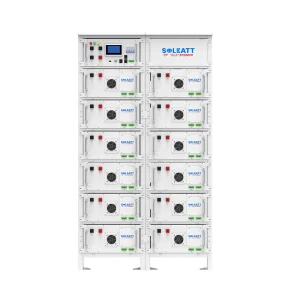
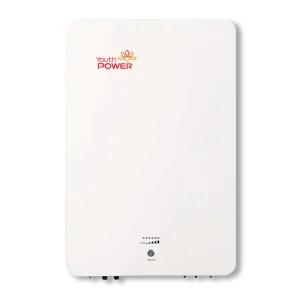
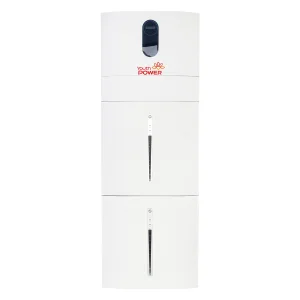
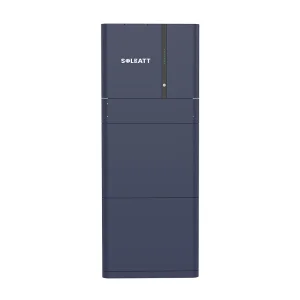
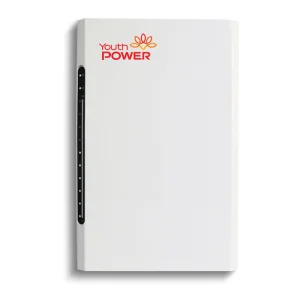
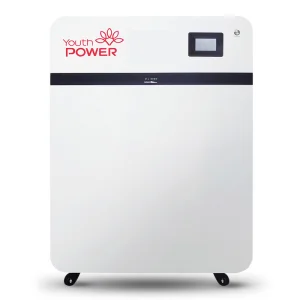
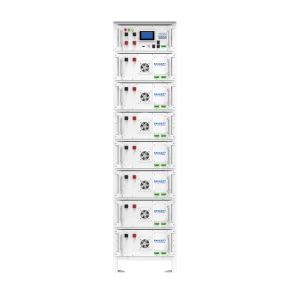
Select from our heavy-duty residential wall-mounted units and commercial high-voltage battery cabinets for stable, reliable off-grid power.
 YouthPOWER