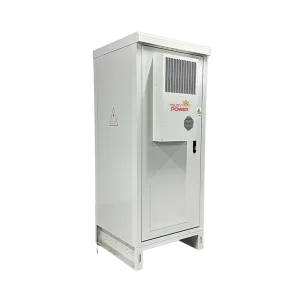
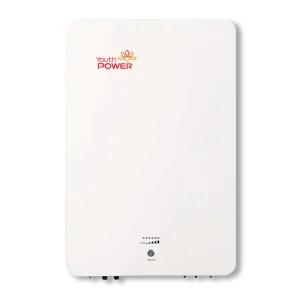
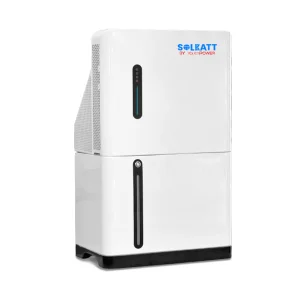
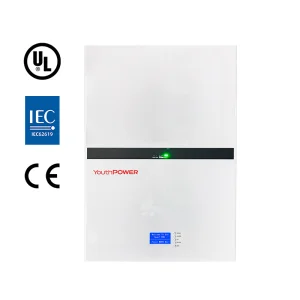
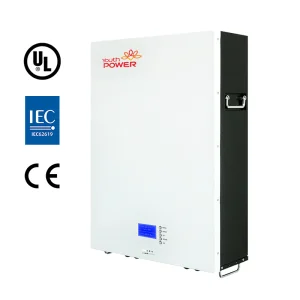
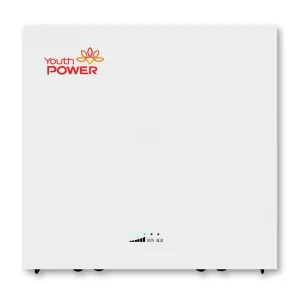
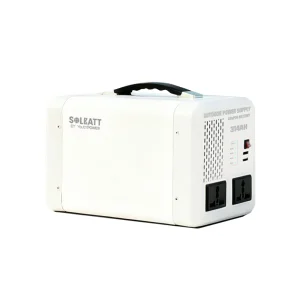
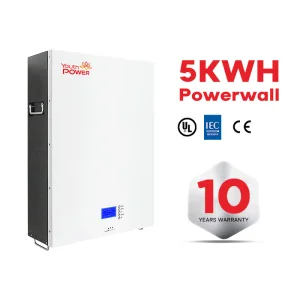
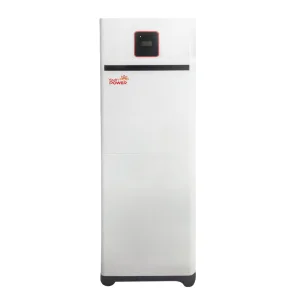
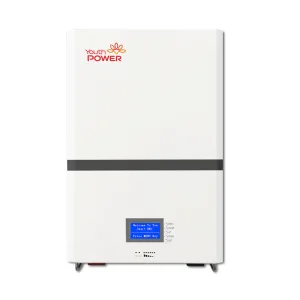
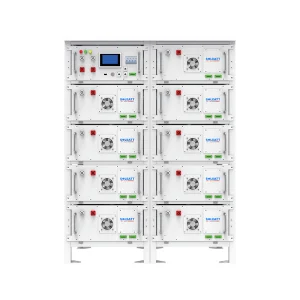
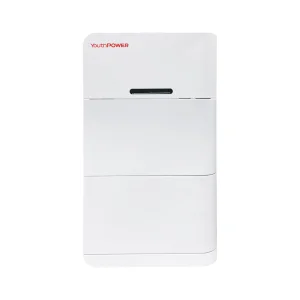
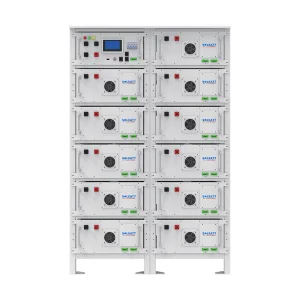
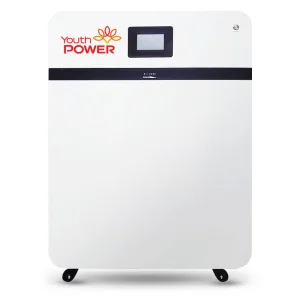
Engineered for extreme reliability, cycle-life excellence, and plug-and-play compatibility with global hybrid inverters.
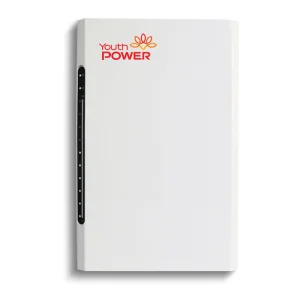
In the field of modern electrochemical storage, low-voltage (LV) systems—specifically those operating within the 48V to 51.2V nominal range—form the operational backbone of decentralized residential energy management, microgrids, and telecommunication base transceivers (BTS). Although labeled generic "48V," modern lithium iron phosphate (LiFePO4) systems commonly adopt a 15-cell (15S, 48.0V) or 16-cell (16S, 51.2V) configuration to optimize match-ups with standard industrial hybrid inverters.
The global shift toward 48V architectures is primarily driven by safety extra-low voltage (SELV) regulatory standards. Below 60V DC, systems present minimal risk of lethal electrical shock during installation, commissioning, and diagnostic testing. This significantly simplifies on-site compliance requirements, reducing installation labor costs while ensuring safety. In contrast to high-voltage systems (typically ranging from 100V to over 800V), 48V designs utilize simplified isolation, lower component footprints, and highly standardized parallel scaling mechanics.
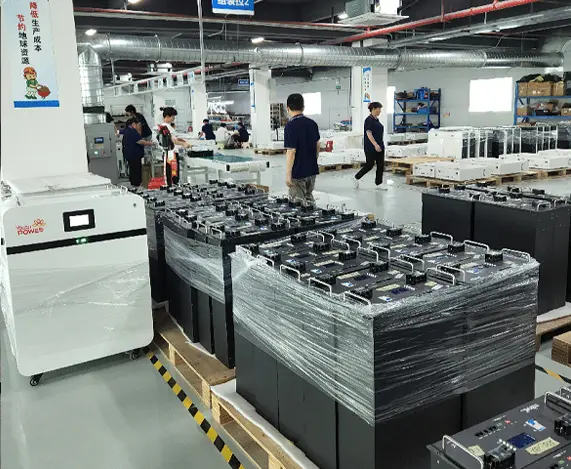
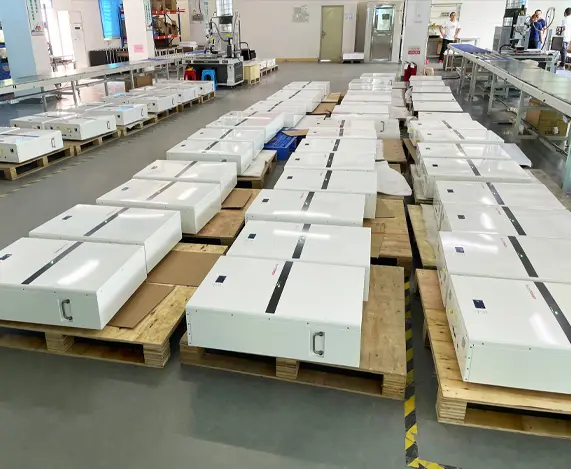
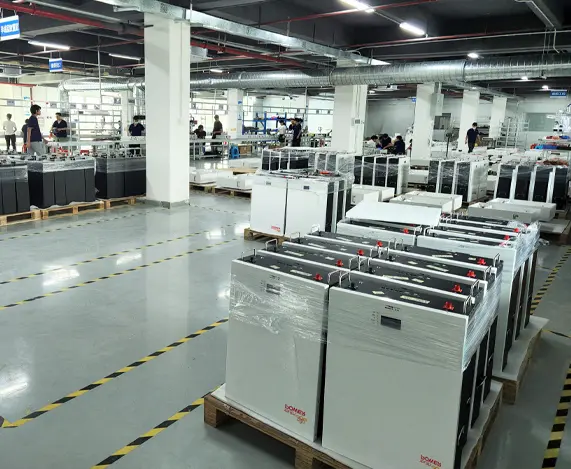
China controls over 70% of the world’s lithium-ion battery manufacturing capacity and processing infrastructure. This industrial concentration yields massive structural benefits for global procurement departments:
| Parameters & Factors | Direct Chinese Tier-1 Factories | Local Non-Factory Re-branders |
|---|---|---|
| Cell Grading & Matching | Direct Class-A grading with full traceability codes. | Varied cell sourcing, often utilizing B-grade cells. |
| Custom BMS Design | In-house software engineering for CAN/RS485. | Standard off-the-shelf BMS with restricted custom firmware. |
| Direct Technical Support | Immediate engineering access, schematic blueprints, and spare parts. | Basic Tier-1 customer support agents, delayed solutions. |
| Cost Structure | Optimized factory-gate pricing with minimal overhead markup. | Heavy markups to cover localized brand distribution. |
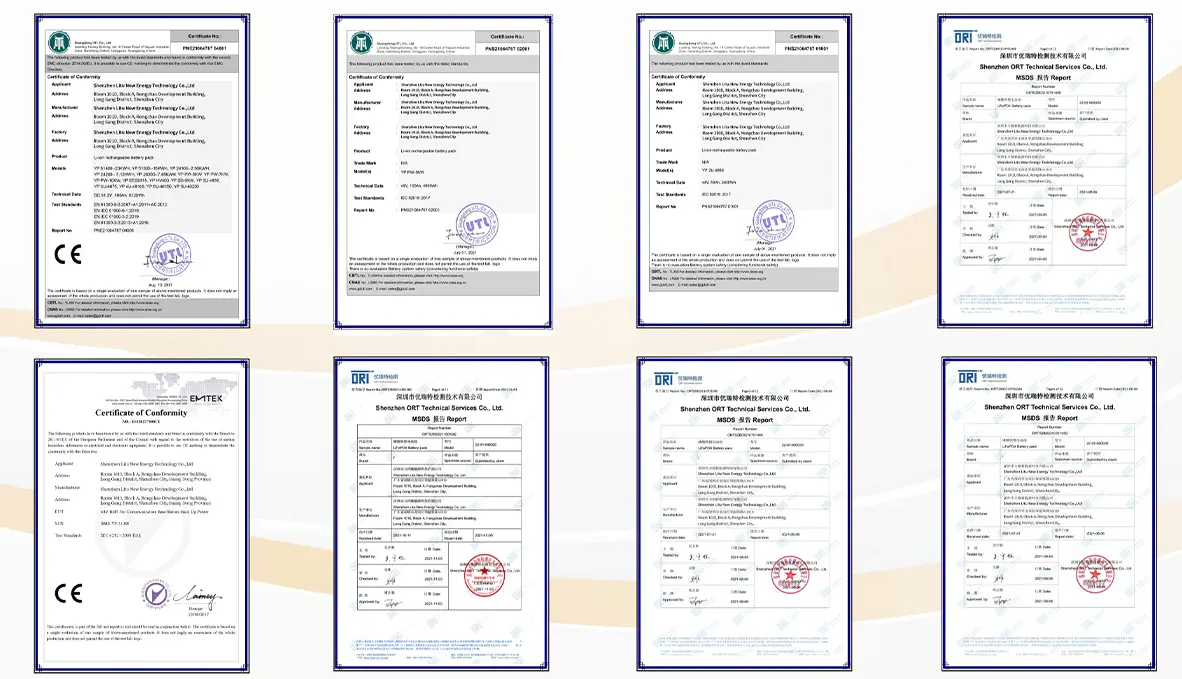
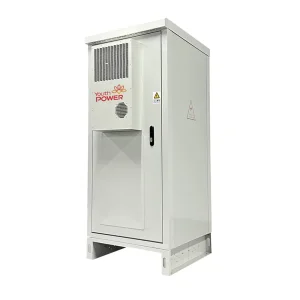
For global EPC developers, utility procurement agents, and energy product distributors, establishing a rigorous quality assurance protocol is essential. Sourcing high-capacity lithium battery cabinets involves verifying crucial engineering and safety certifications to ensure grid compatibility:
Understanding targeted localized deployment scenarios helps buyers spec the appropriate mechanical structure, IP ratings, and thermal parameters for their products:
Telecom Infrastructure & Base Stations: Remote telecom towers operate in challenging environmental conditions, requiring extremely stable backup energy. 48V DC systems connect directly to base station power rectifiers, eliminating conversion losses from DC-AC-DC and ensuring constant connectivity.
Off-Grid Agriculture & Balcony Solar: Small-scale localized storage, like balcony solar configurations, relies on compact form factors. A 2.5KWH balcony battery, for example, allows urban apartments or rural outposts to easily offset peak daytime consumption with minimal space requirements.
Established in 2003, pioneering advanced electrochemical lithium storage solutions for more than two decades.
Founded in 2003, YouthPOWER has become one of the leading suppliers of solar storage lithium batteries in the world. With a broad range of energy storage solutions, it covers a series of 24V, 48V and higher voltage lithium batteries solutions.
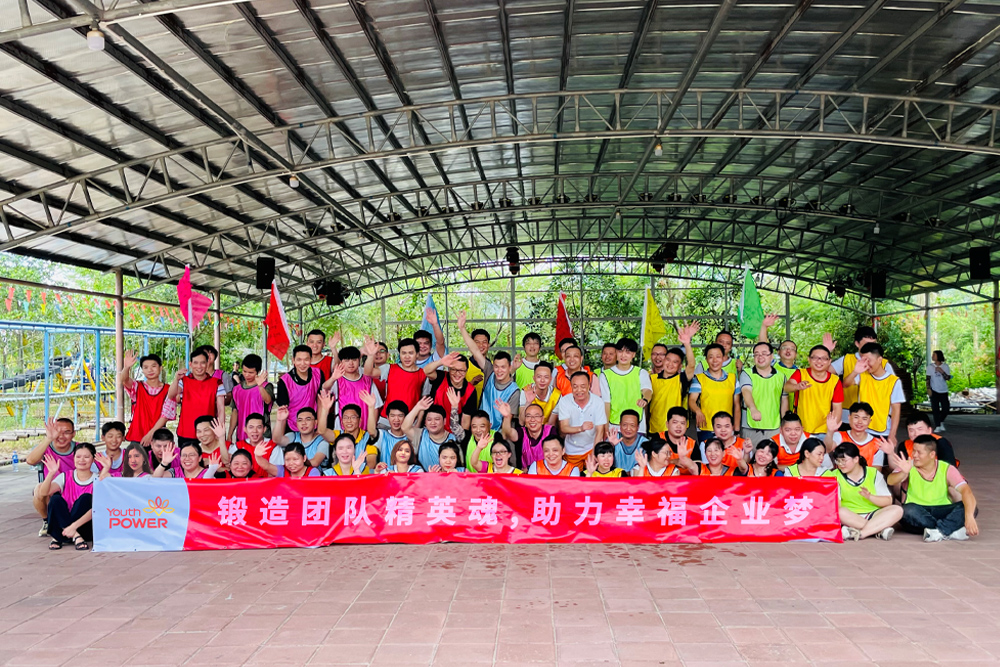
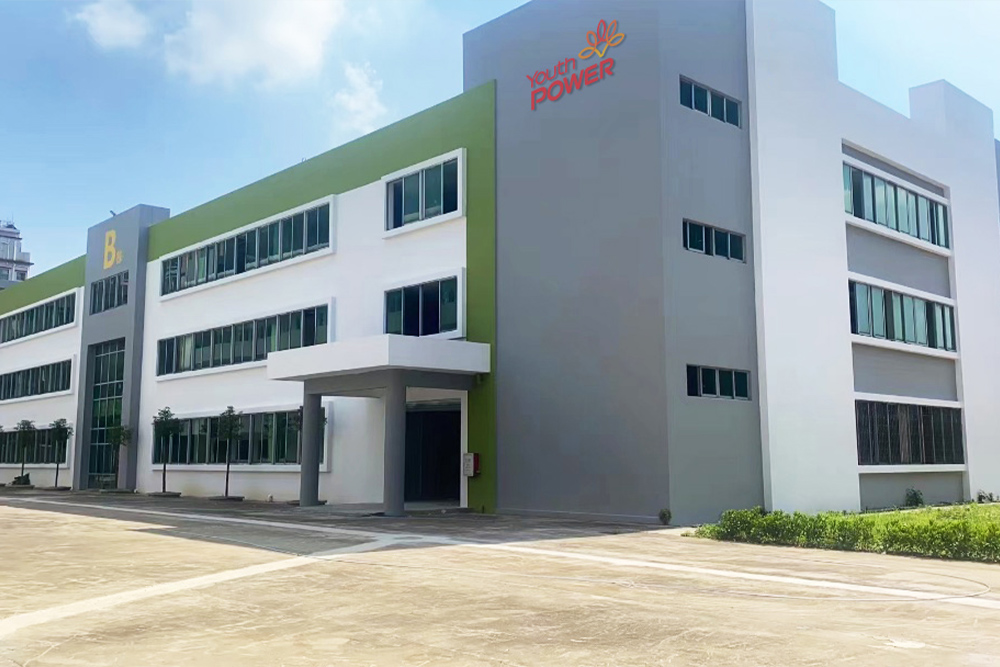
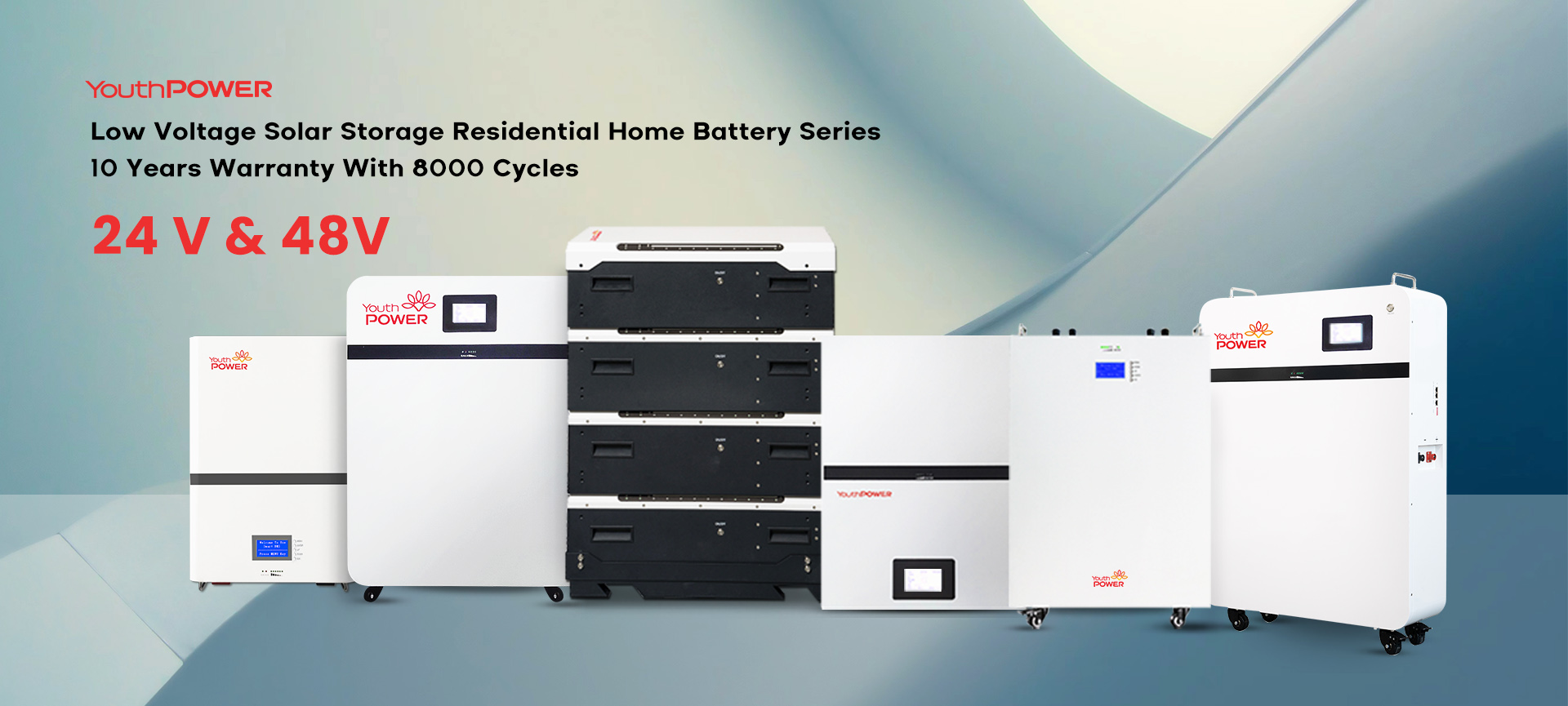
YouthPOWER has engaged in battery technology and production for almost 20 years, with abundant manufacturing experience and strong new product R&D capability. Through many years of hard work and market promotion, we created our own brand "YouthPOWER" in 2019.
With nearly 20 years’ experience in the battery industry, we have the capability to provide you with both the products you need and the most suitable products you want. We are always ready to supply first-class products and meet the various needs of our customers.
We have established excellent business relationships with customers from all over the world. Supported by local raw material vendors, we offer highly competitive pricing. We are proud that YouthPOWER has offered reliable solar storage solutions for over 1,000,000 families globally.
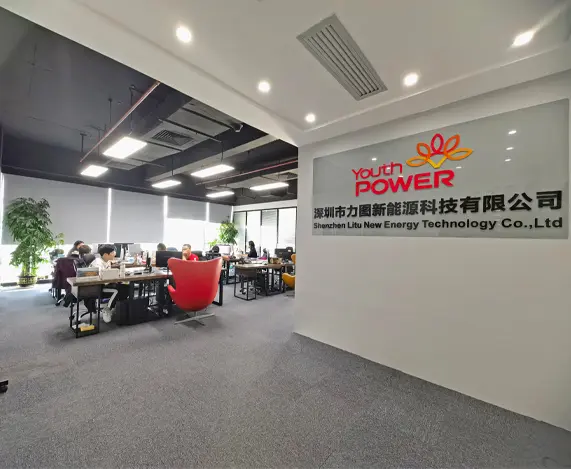
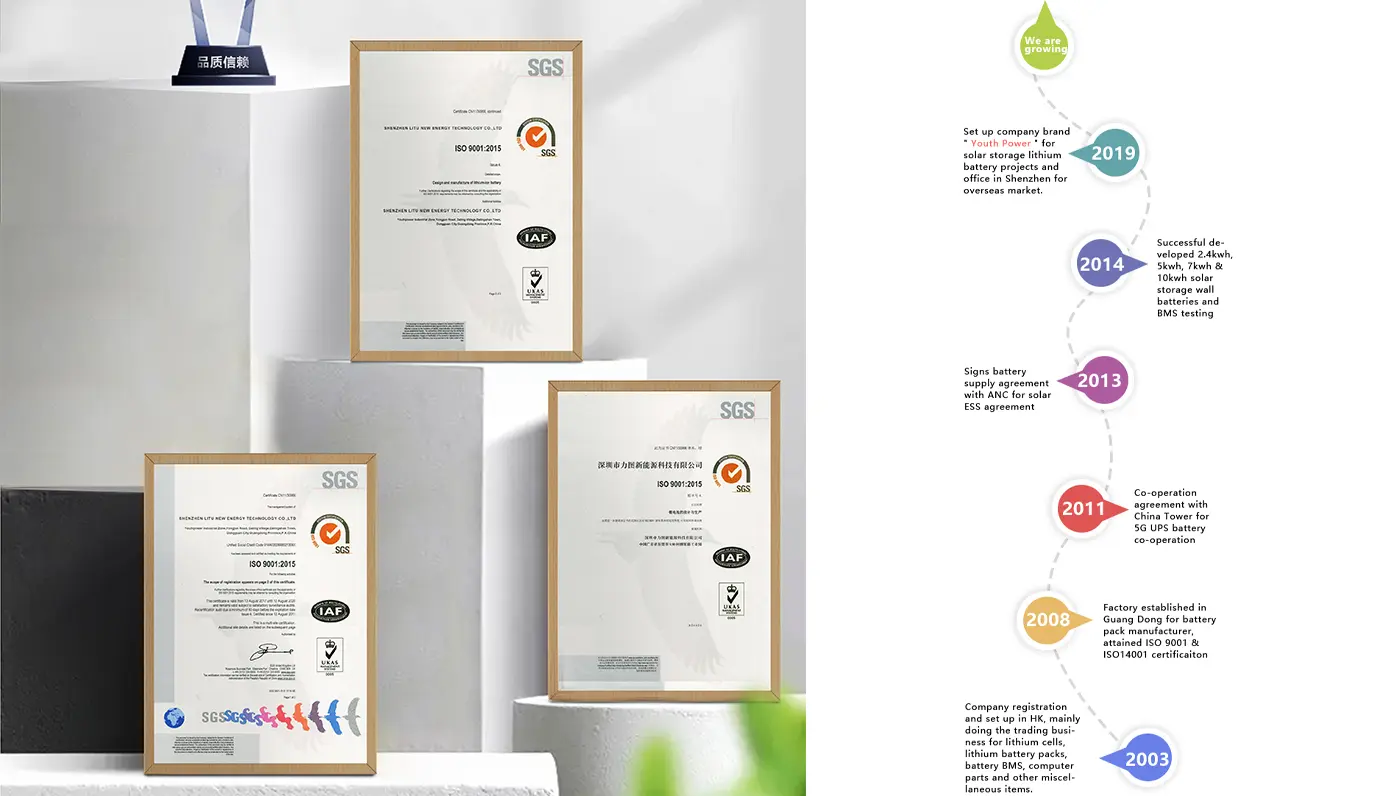
Company founded, pioneering electrochemical battery processing and technical R&D operations.
Transitioned production to lithium chemistry configurations, investing in safety extra-low voltage structures.
Officially launched the global trademark brand "YouthPOWER" to commercialize residential powerwall solutions.
Supporting over 1,000,000 residential and microgrid installations globally with safe, smart, and scalable battery systems.
As grid-tied structures face increasing utility instability, the energy storage sector is rapidly evolving. Key trends to monitor for your procurement strategies include:
Unlike mobile electronics, home energy storage solutions must endure decades of high currents, thermal cycling, and environmental changes. Integrating cell-level mechanical venting, aerosol fire suppression systems, and rugged IP-rated enclosures helps prevent thermal runaway events. Choosing factories with certified manufacturing procedures is critical to ensuring long-term product reliability.
Answers to critical technical, design, and shipping queries for international buyers and developers.
A 15S (15 series) configuration has a nominal voltage of 48.0V (using 3.2V cells). A 16S configuration has a nominal voltage of 51.2V. Most modern hybrid inverters are fully compatible with both configurations, but 16S is often preferred because its voltage curve aligns better with standard lead-acid battery profiles, maximizing inverter efficiency and discharge range.
Manufacturers integrate flexible RS485 and CAN bus protocols into the BMS. During setup, users choose the appropriate protocol (such as Victron, Pylontech, Growatt, Solis, or Deye) via integrated DIP switches or digital touchscreens. This dynamic handshake allows the inverter to monitor cell-level metrics and optimize charging and discharging parameters.
For North America, UL 1973 for battery packs and UL 9540A fire safety testing are highly recommended for residential approvals. For European markets, CE-EMC, CE-LVD, and IEC 62619 certifications are mandatory. Additionally, all global lithium battery shipments must have a valid UN 38.3 safety report.
While Nickel Manganese Cobalt (NMC) cells offer higher weight density, Lithium Iron Phosphate (LiFePO4/LFP) provides superior thermal runaway safety, an extended lifespan (over 6,000 cycles versus 1,500 for NMC), and better cost efficiency. LFP is also more environmentally friendly, as it does not rely on cobalt.
High-voltage cabinets, home battery walls, and industrial modular systems designed for critical power infrastructure.
 YouthPOWER