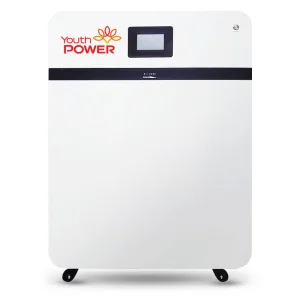
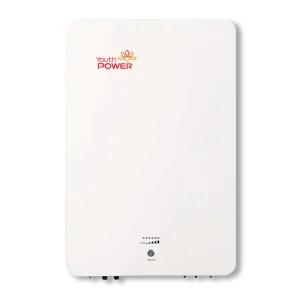
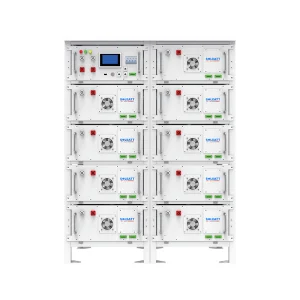
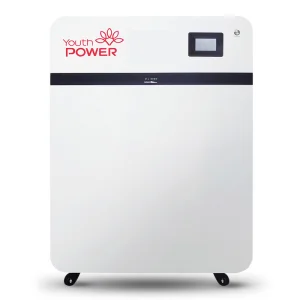
Explore our high-performance line of high-voltage and low-voltage battery configurations engineered to maximize efficiency, resilience, and energy independence.
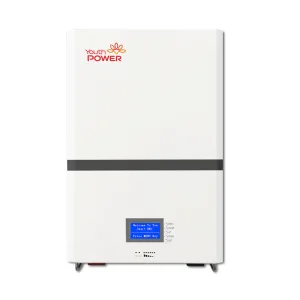
As the international transition towards net-zero carbon operations accelerates, the decentralization of municipal and national grids has forced energy storage technology to evolve rapidly. Decentralized energy generation relies heavily on the safety, scalability, and affordability of lithium-iron phosphate (LiFePO4) chemistries. At the center of this paradigm shift is the 48V Powerwall architecture.
Commonly designed as a nominal 51.2V DC configuration, 48V systems represent the optimum safe extra-low voltage (SELV) threshold. According to IEC and UL regulations, direct current operations below 60V mitigate the risk of high-voltage shock, reducing installation barrier costs and minimizing technical complexity. This enables rapid deployment for residential homeowners, off-grid telecom stations, agricultural systems, and microgrids alike. YouthPOWER, along with top-tier battery companies worldwide, focuses heavily on refining this specific physical configuration to extract high performance, safety, and longevity.
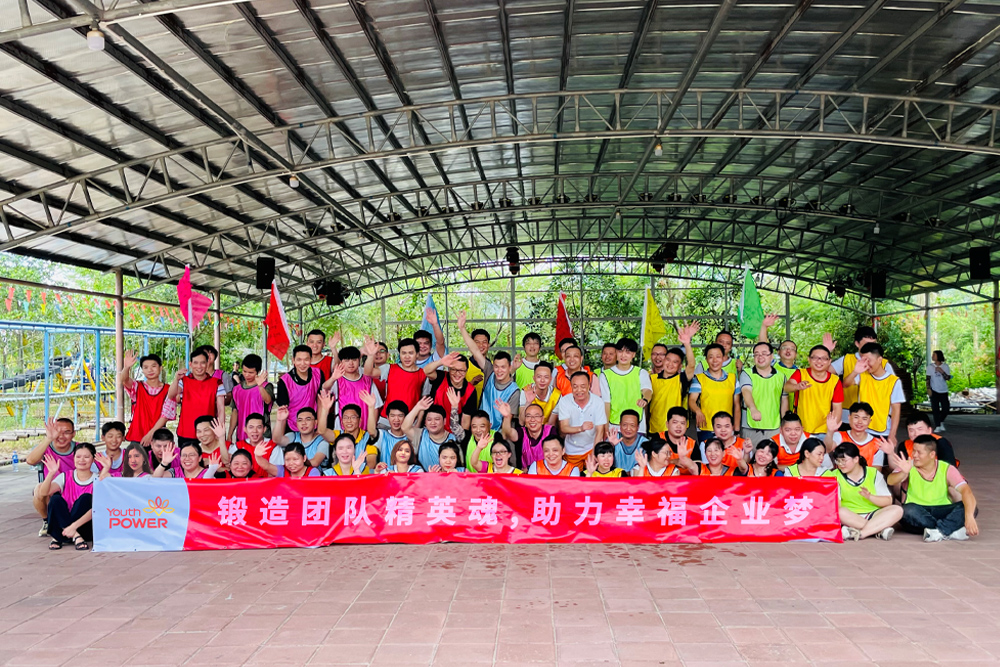
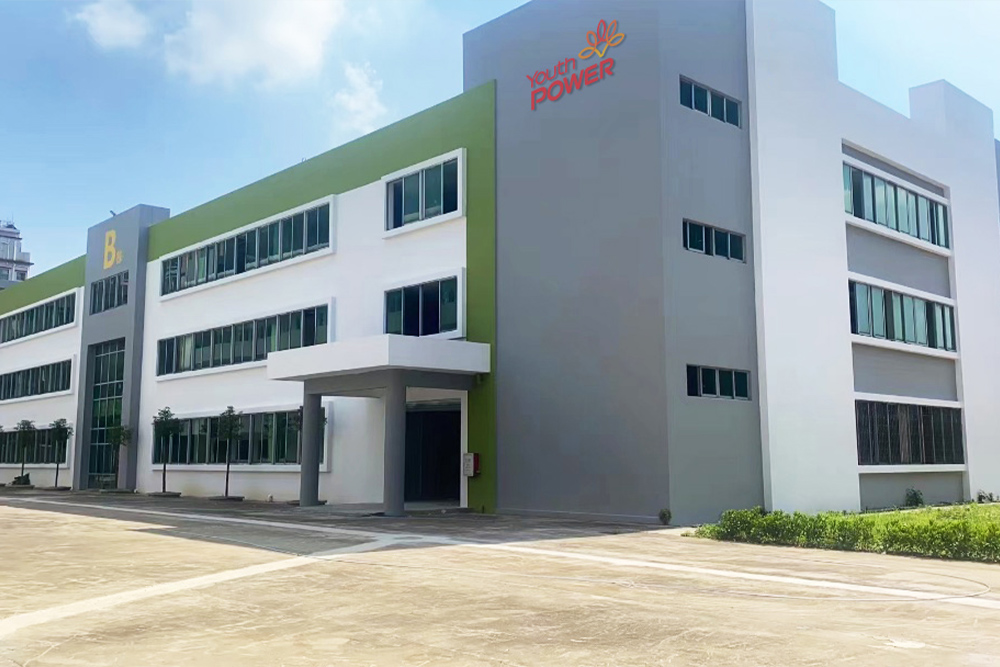
Expertise in battery manufacturing, technological design, and structural integration.
Global households and commercial entities powered reliably with green energy solutions.
Design cycle longevity utilizing Grade-A prismatic LFP cells at 80% Depth of Discharge.
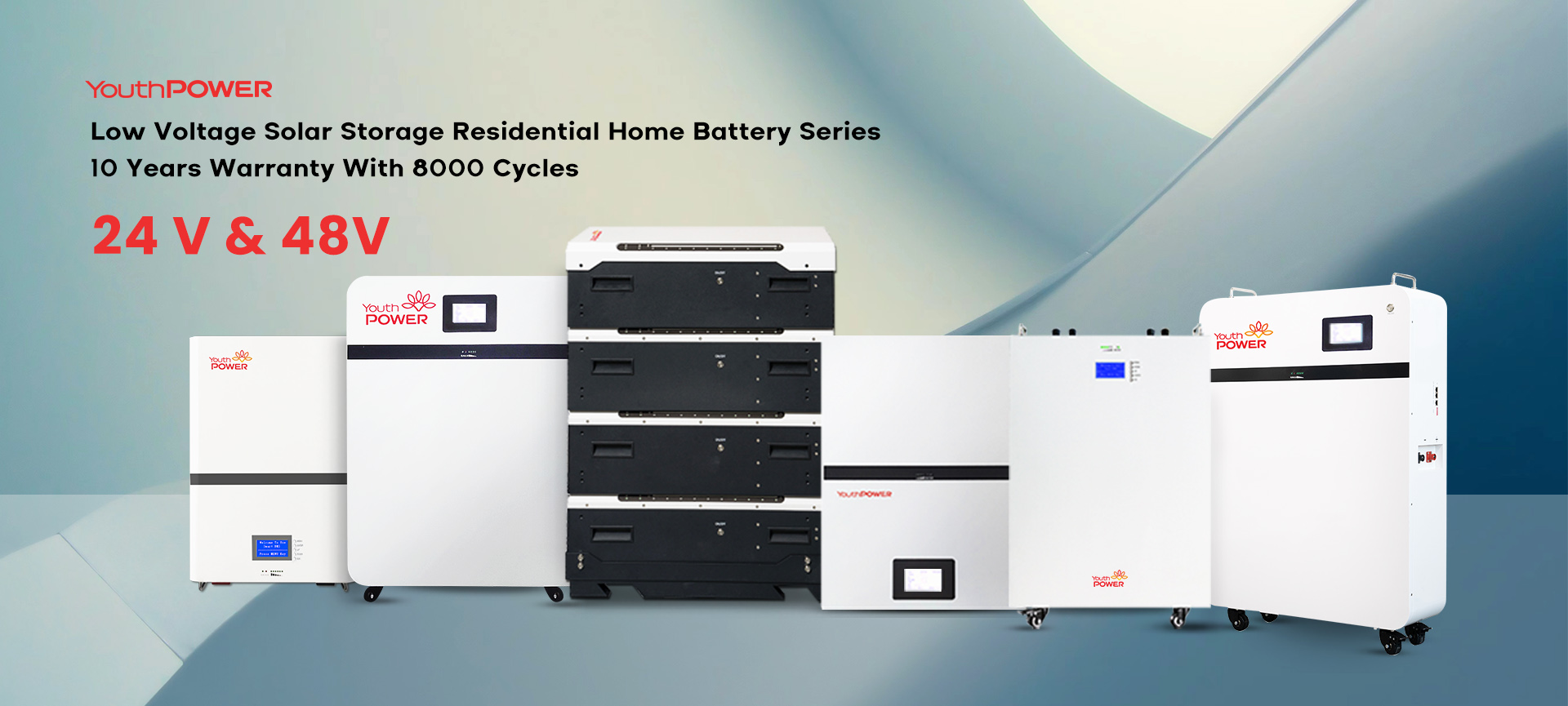
Founded in 2003, YouthPOWER has now become one of the leading suppliers of solar storage lithium batteries in the world. With a broad range of energy storage solutions, it covers a series of 24V, 48V and higher voltage lithium batteries solutions.
YouthPOWER has engaged in the battery technology and production for almost 20 years, with abundant manufacturing experience and strong new product R & D capability. Through many years of hard work and market promotion, we have created our own brand "YouthPOWER" in 2019.
With nearly 20 years’ experience in the battery industry, we have the capability to provide you with both the products you need and the most suitable products you want. We are always ready to supply the first-class products and meet the various needs of the customers. Supported by our local vendors of raw materials, we can certainly offer you the best prices. We are so proud that YouthPOWER has offered the reliable solar storage solution for over 1,000,000 families now in the world.
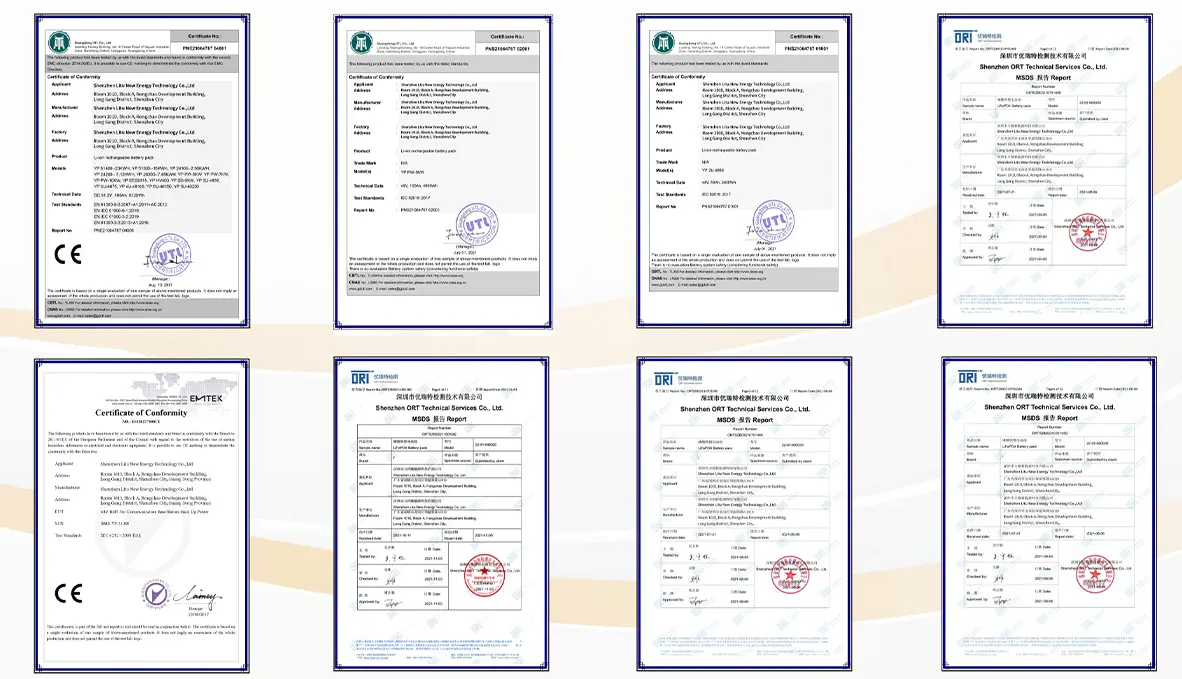
Analyzing the strategic expansion of 48V low-voltage powerwall units and multi-megawatt high-voltage custom ESS arrays across key economic sectors globally.
Global home energy management systems (HEMS) utilize 48V smart battery units to interface with local virtual power plants (VPPs). This allows homeowners to sell stored power during peak rates back to utility grids, stabilizing localized distribution networks.
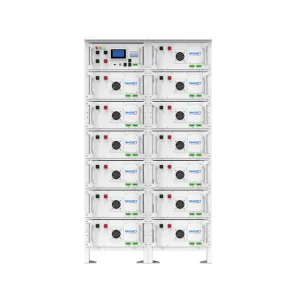
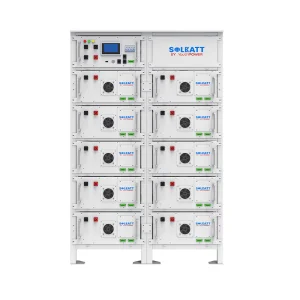
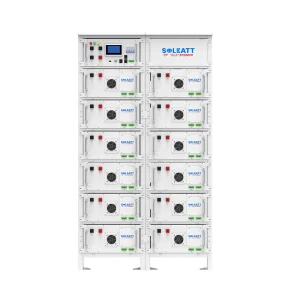
Large manufacturing facilities and remote agricultural operations couple high-capacity systems (like YouthPOWER's 100KWH or 186KWH commercial variants) with solar arrays to gain total energy independence, dodging power cuts and volatile diesel costs.
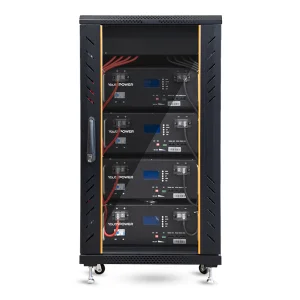
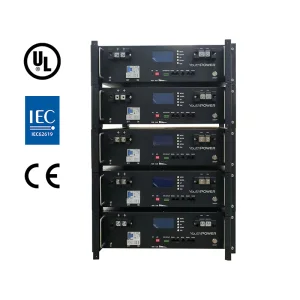
With 5G cell tower rollouts globally, grid resilience is paramount. 48V rack-mount LiFePO4 batteries act as long-duration backup systems, replacing old toxic lead-acid setups due to their long lifespans and zero maintenance costs.
The transition of battery storage depends on refining structural architecture, battery management systems (BMS), and core cell chemistry. Historically, residential batteries used NMC (Nickel Manganese Cobalt) due to density. However, LiFePO4 (Lithium Iron Phosphate) has now become the industry standard for stationary storage.
Key technological evolutionary paths include:
Looking ahead, solid-state designs and sodium-ion technologies promise even safer profiles and lower costs, though LFP remains the best option for commercial and residential durability today.
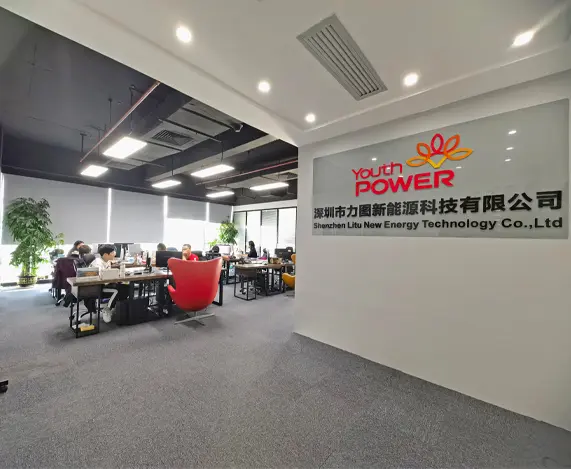
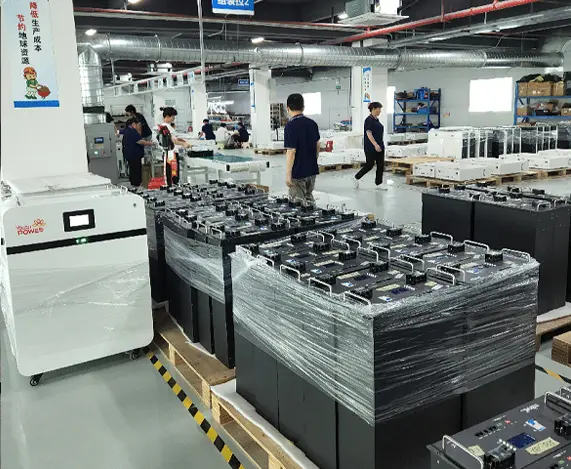
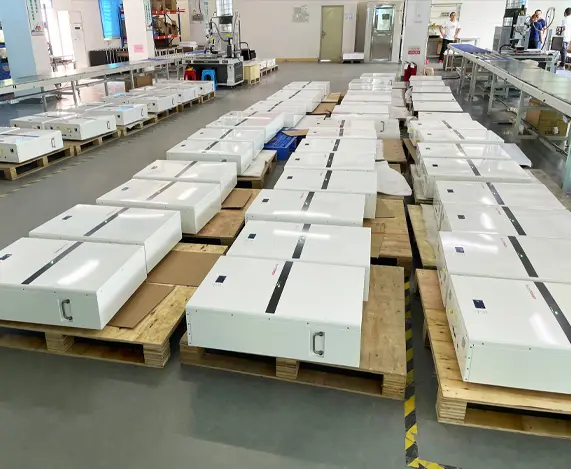
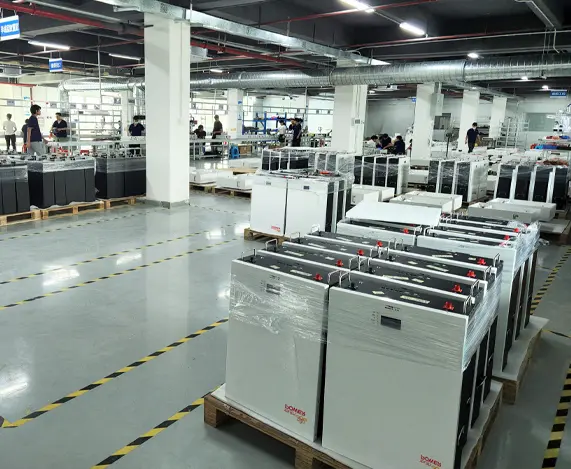
An inside look into YouthPOWER's path of innovations, facility upgrades, and global milestones in battery cell integration since 2003.
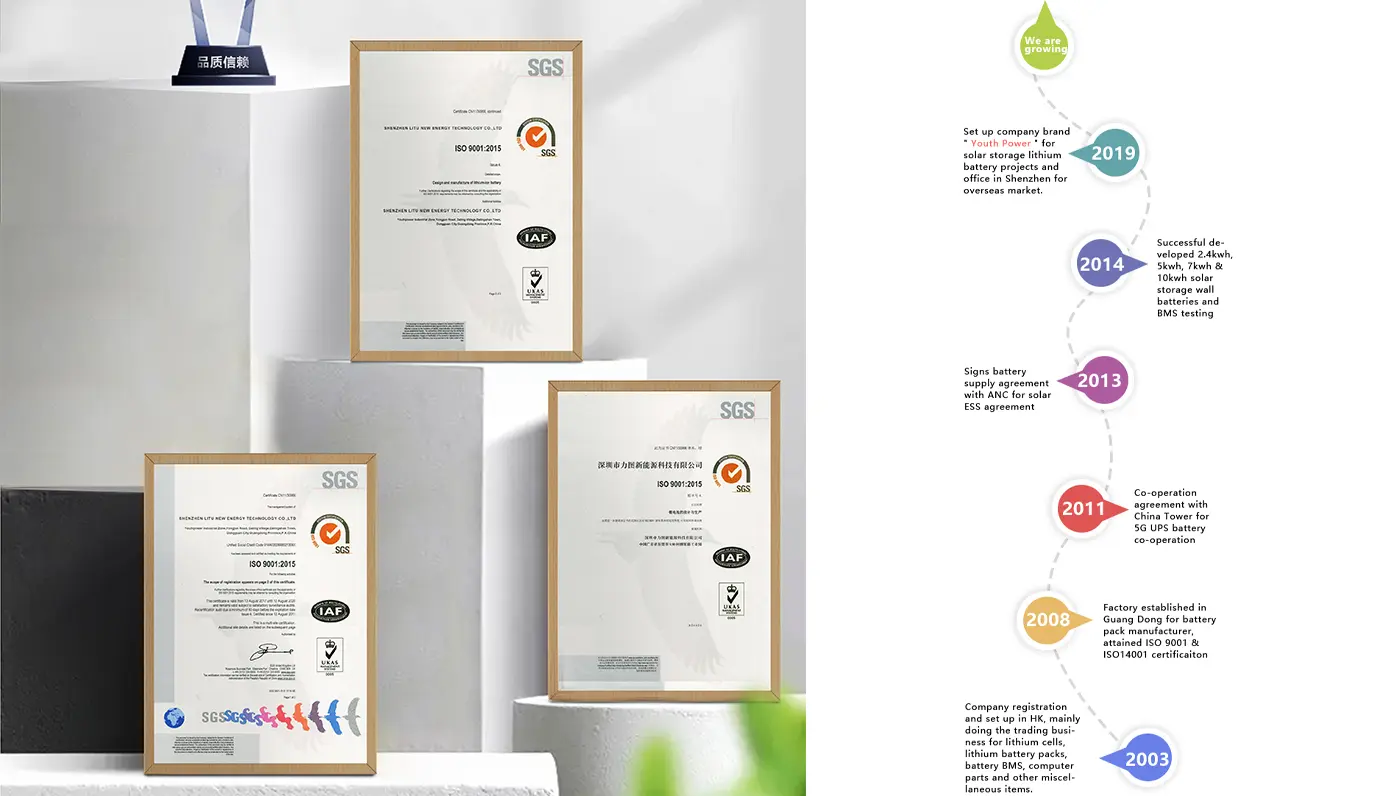
Engaged in advanced battery technology, component sourcing, production research, and R&D scaling. Providing OEM services to top solar brands globally.
Established the "YouthPOWER" global brand identity. Focused on high-quality 48V Powerwall solutions, modular rack designs, and high-voltage commercial products.
Reached over 1,000,000 households globally. Partnered with regional material suppliers to offer cost-effective pricing while upgrading our facilities to support multi-megawatt systems.
Critical, high-value inquiries regarding 48V systems, scalability, system compatibility, and safety standards.
Generally, voltages below 60V DC fall under the Safety Extra-Low Voltage (SELV) threshold. In the event of installation errors or wiring damage, 48V systems carry a lower risk of lethal shock than high-voltage options (typically 200V-600V DC). Furthermore, 48V systems use simpler, highly tested, cost-effective balance topologies that are easier to troubleshoot.
YouthPOWER leverages local raw material suppliers and vertically integrated cell selection facilities. Backed by 20 years of manufacturing experience, this system reduces logistics overhead, minimizes waste, and lowers the Levelized Cost of Storage (LCOS), passing those savings directly to installers and consumers.
Yes, they are designed for easy expansion. Parallel setups keep the voltage at 48V while increasing your overall storage capacity (kWh) and output capability. YouthPOWER's dynamic BMS auto-balances current across parallel packs without manual adjustments.
YouthPOWER uses Grade-A LiFePO4 chemistry, which offers over 6,000 full charge/discharge cycles at 80% Depth of Discharge (DoD) before capacity drops to 80% of its original rating. Under typical daily use, this translates to over 15 years of reliable service.
Our 48V Powerwall systems feature open, adaptable BMS protocols that sync smoothly with major hybrid inverter brands, including SMA, Victron, Growatt, Solis, Deye, and Goodwe, using CANbus or RS485 connections.
While LiFePO4 chemistry discharges efficiently in cold weather, charging below freezing (0°C / 32°F) can degrade the lithium cells. For cold climates, we recommend installing the batteries in insulated spaces or using packs equipped with built-in thermal management systems.
Review our specialized high-capacity commercial products, off-grid systems, and modular balcony designs.
 YouthPOWER