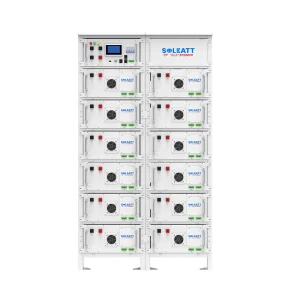
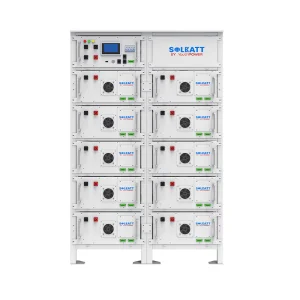
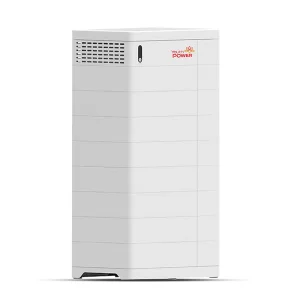
Explore our leading selection of engineered Lithium Iron Phosphate (LiFePO4) storage systems configured for optimal grid reliability and duty cycles.
Understanding the transition from lead-acid to modular LiFePO4 chemistry under the pressure of global decarbonization mandates.
Industrial operations globally are challenged by escalating peak demand charges. Integrating 5kWh modular LiFePO4 configurations allows businesses to execute peak-shaving tactics, storing off-peak energy and discharging during peak usage, protecting margins and smoothing out localized microgrid fluctuations.
Safety parameters dictate industrial choices. Unlike standard Ternary (NMC) batteries, Lithium Iron Phosphate (LiFePO4) features an exceptionally high thermal runaway threshold (>270°C). This stability makes it the benchmark for multi-kilowatt storage options in residential and light-commercial sectors.
Decentralized solar systems rely heavily on robust energy storage. A 5kWh system serves as the foundational building block for energy independence, buffering intermittent solar generations and enabling up to 100% self-consumption profiles for modern smart homes and office parks.
SEO Value Insight: Modern semantic algorithms evaluate pages by depth of topic coverage. A premier 5kWh LiFePO4 battery supplier must demonstrate deep manufacturing domain knowledge and provide technical details rather than simple promotional text.
Creating a highly stable 51.2V 100Ah (5.12kWh) battery requires rigorous cell selection and a reliable Battery Management System (BMS). The architecture below details the key design standards utilized in our manufacturing facilities:
For high-capacity static energy storage, prismatic LiFePO4 cells are preferred over cylindrical cells. Prismatic cells offer higher volumetric density, fewer physical connections, and reliable structural integrity under pressure. This reduces internal resistance losses and mitigates localized thermal variations within the module enclosure.
The safety and lifespan of an LFP system rely on its BMS. Our configurations feature dynamic balancing algorithms that monitor individual cell voltages, balance SOC variations during charging, and provide multiple levels of protection:
LiFePO4 chemistry offers impressive longevity. While standard lead-acid batteries provide only 500 cycles at 50% DoD, our 5.12kWh batteries achieve >6000 cycles at 80% DoD (at 25°C, 0.5C rate), translating to over 15 years of daily operation.
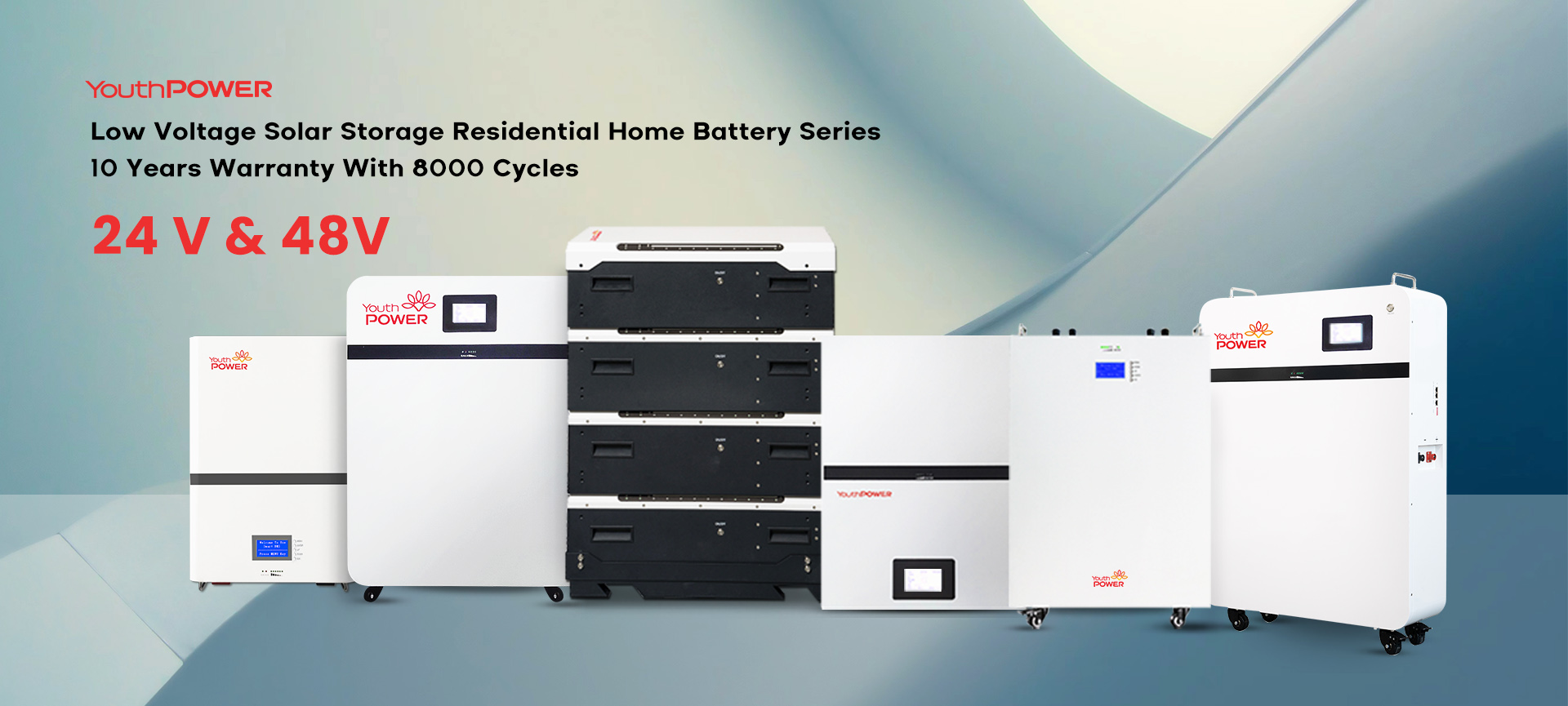
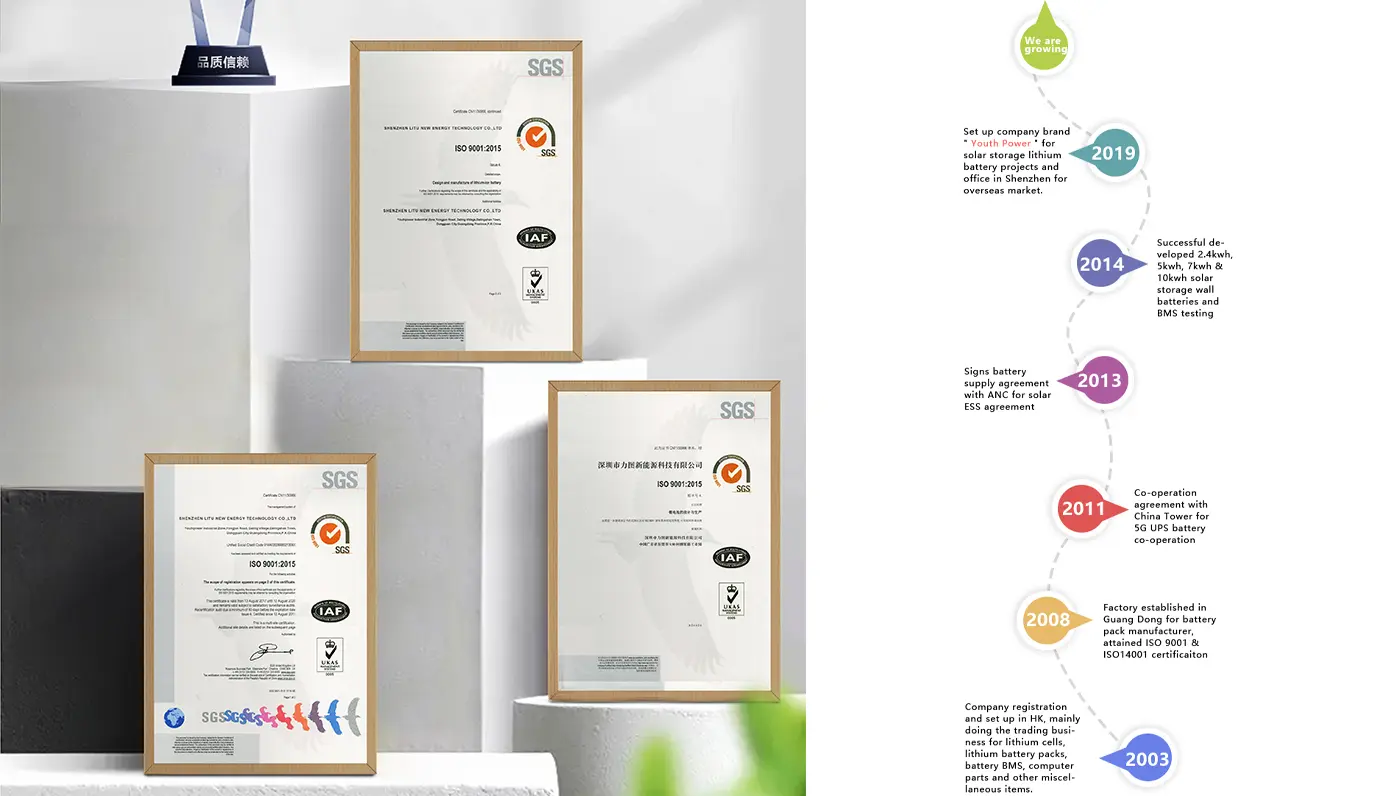
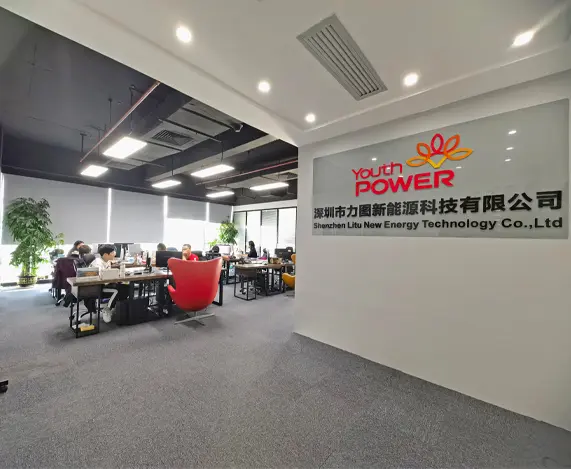
Founded in 2003, YouthPOWER has now become one of the leading suppliers of solar storage lithium batteries in the world. With a broad range of energy storage solutions, it covers a series of 24V, 48V and higher voltage lithium batteries solutions.
YouthPOWER has engaged in the battery technology and production for almost 20 years, with abundant manufacturing experience and strong new product R & D capability. Through many years of hard work and market promotion, we have created our own brand "YouthPOWER" in 2019.
With nearly 20 years’ experience in the battery industry, we have the capability to provide you with both the products you need and the most suitable products you want. We are always ready to supply the first-class products and meet the various needs of the customers.
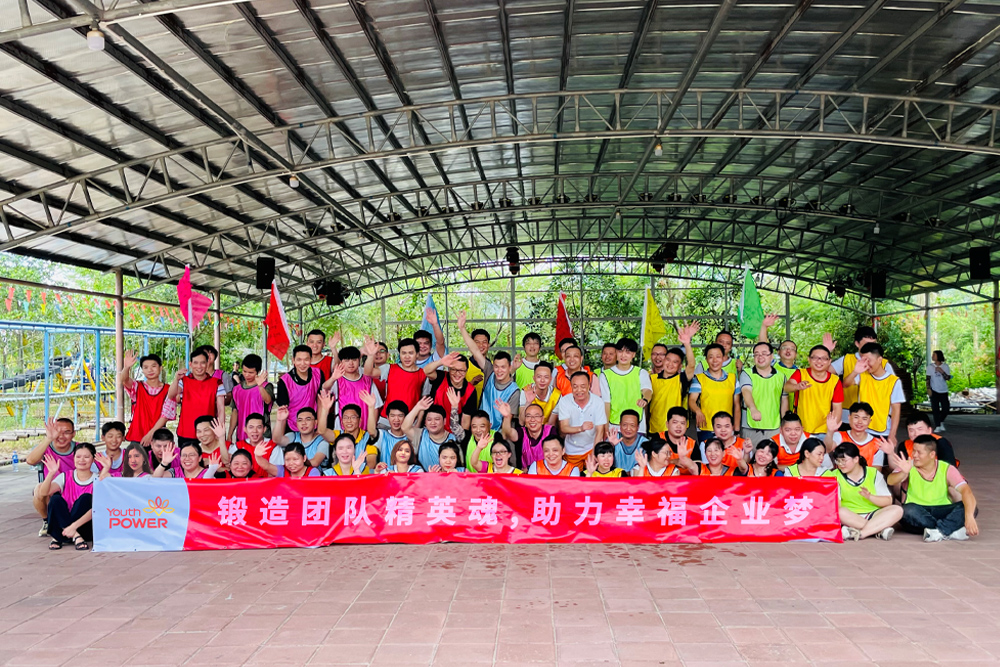
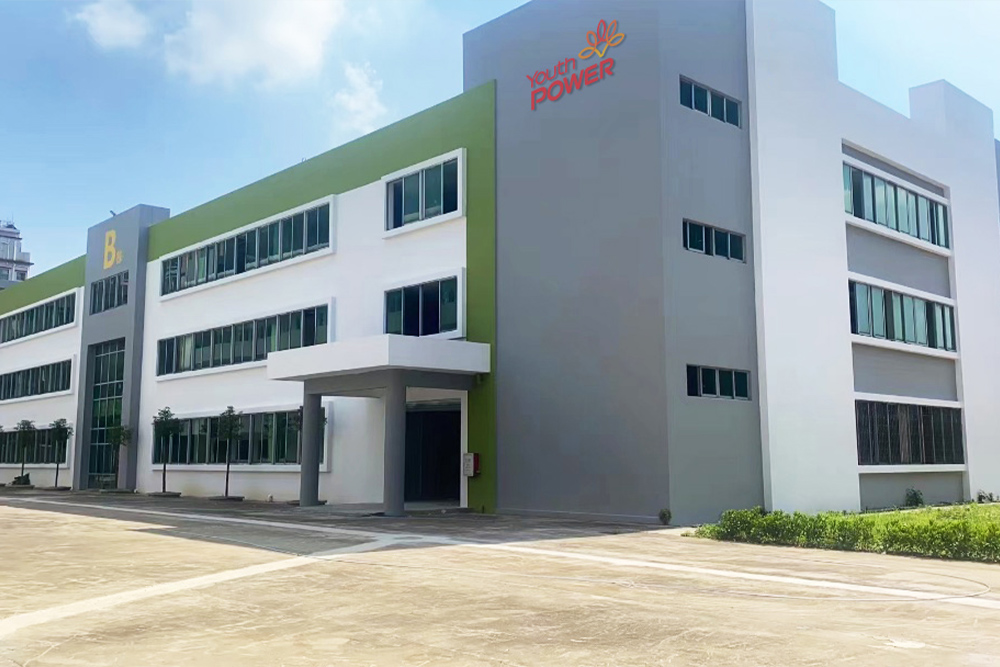
We have established good business relationships with our customers from all over the world. And we have a good cooperation with all our customers as well for many years running. Supported by our local vendors of raw materials, we can certainly offer you the best prices.
We are so proud that YouthPOWER has offered the reliable solar storage solution for over 1,000,000 families now in the world.
Our growth is driven by continuous innovation, from basic material chemistry to smart battery systems.
Year Established
Years Battery R&D Experience
Families Powered Globally
Quality Checked & Tested
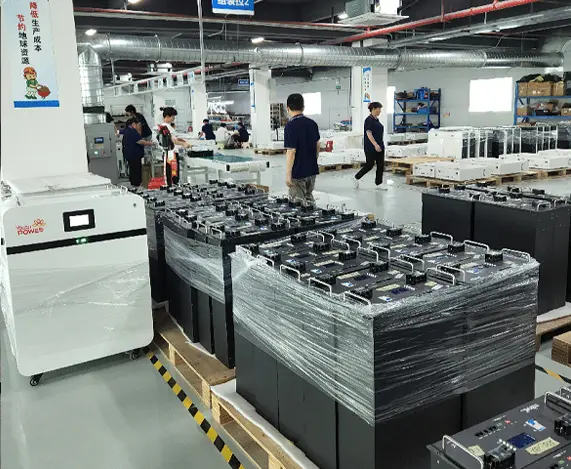
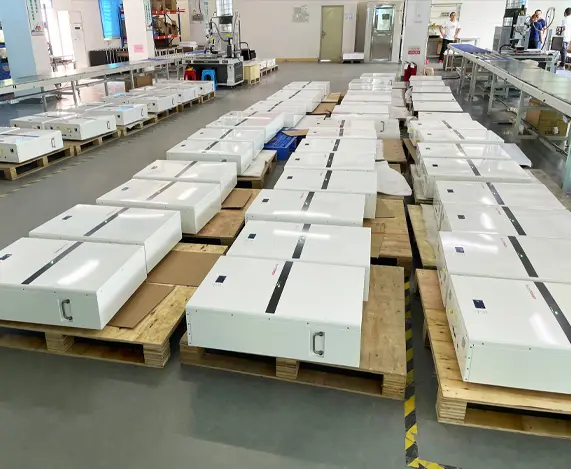
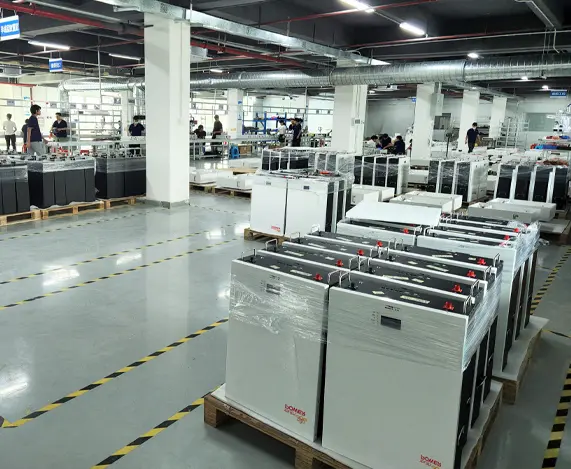
How a high-grade 5kWh LiFePO4 battery is assembled under strict cell-matching guidelines.
Low-tier suppliers often mix Grade-A and Grade-B cells, causing premature pack failure. Our facility screens every cell for capacity matching, internal resistance, and voltage delta variance within 0.05V limits before assembly. This strict sorting ensures a longer cycle life for the pack.
Mechanical screw connections can loosen due to vibration during transit and operation, leading to contact resistance. Our factory utilizes high-energy automated laser welding to secure the copper busbars, ensuring low resistance and strong physical connections.
Before packing, every finished 5kWh module undergoes a full charge/discharge cycle (0.5C rate/1.0C peak testing) inside thermal environmental chambers. This step screens for defects under simulated heat profiles, preventing failures in the field.
Every single cell has an laser-etched matrix barcode mapping its internal chemistry parameters, batch index, and factory QA report. In the event of a field fault, we can trace the issue back to the raw material inputs, helping us maintain a reliable product line.
Scaling 5kWh LiFePO4 batteries to meet commercial demand, microgrid designs, and reliable backup setups.
A single 5kWh unit meets standard home backup needs. By utilizing parallel connections, system integrators can stack up to 15 modules, creating a 75kWh battery bank without external busbar units, ideal for small businesses and commercial facilities.
Our 5kWh modular solutions support continuous 1C charge and discharge rates. This enables the battery to power heavy machinery, water pumps, and air compressors that draw high starting currents during sudden utility outages.
Equipped with thermal-regulated insulation layers and an integrated heating system, our batteries operate reliably across a broad temperature range (-20°C to 60°C). This ensures consistent performance in extreme environments, from arctic cold to tropical heat.
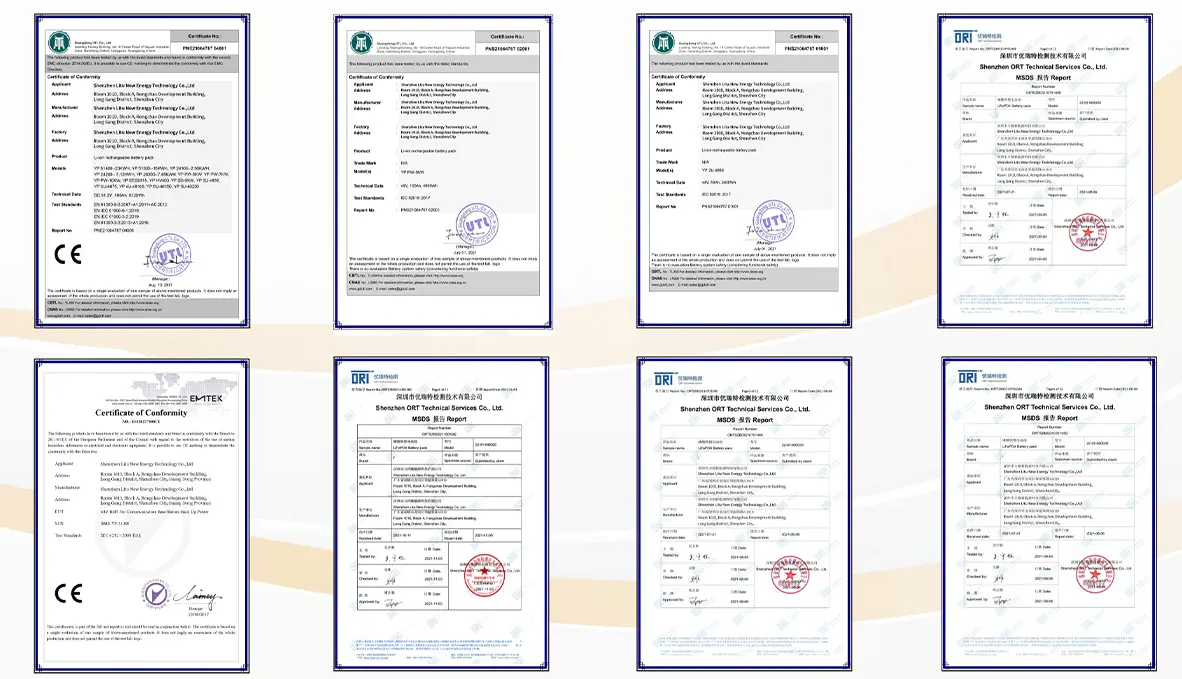
Entering international energy storage markets requires strict adherence to safety standards. Our factory maintains international compliance across all manufactured 5kWh LiFePO4 configurations, ensuring a smooth path to import approval and installation clearance:
Compliance Standard Checklist: Ensuring your energy project aligns with local codes like National Electric Code (NEC) regulations in North America and CE Directives in the European Union.
Investing in a future-ready battery system. Explore our upcoming technologies and development milestones.
Our upcoming Lithium Manganese Iron Phosphate (LMFP) cell configurations aim to increase energy density by up to 20% while maintaining the safety features of standard LiFePO4 chemistry. This will enable smaller, lighter enclosures for residential installations.
By integrating IoT chips directly into the BMS, our next-generation battery packs will stream anonymized state-of-health diagnostics to the cloud. Machine learning models will monitor degradation trends to schedule preventive maintenance before an outage occurs.
We are developing bi-directional communication modules to link home battery storage with EV charging ports. This setup will allow users to leverage their EV battery pack for home backup during long utility outages.
Essential technical details for engineers, procurement officers, and solar system installers.
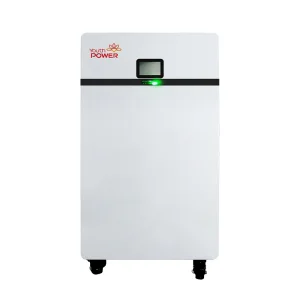
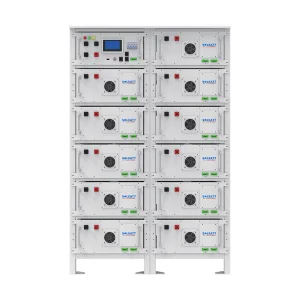
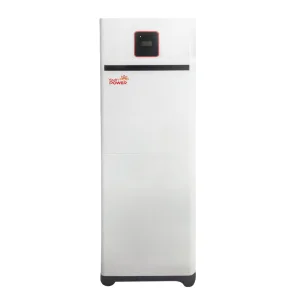
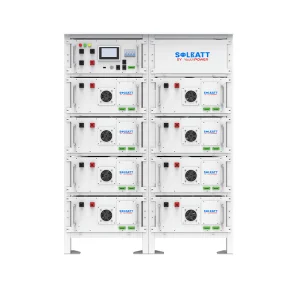
A collection of custom modular energy configurations designed to scale alongside your project requirements.
 YouthPOWER