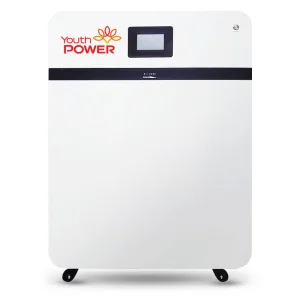
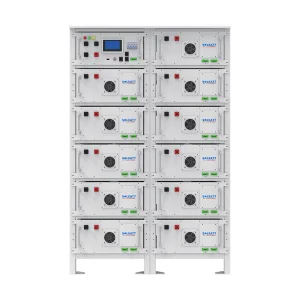
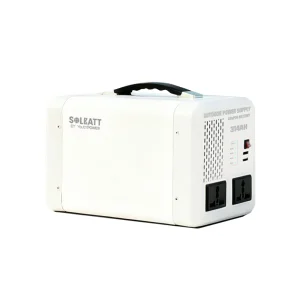
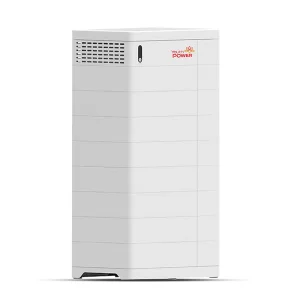
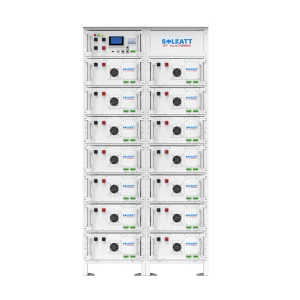
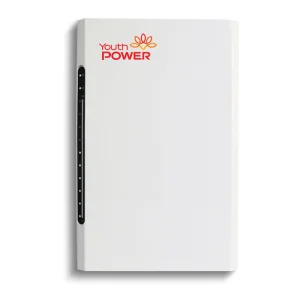
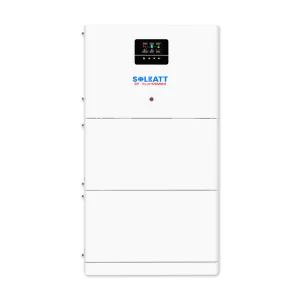
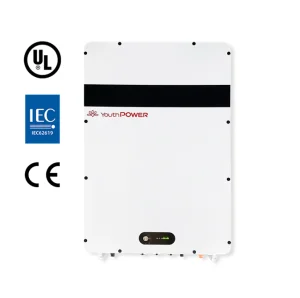
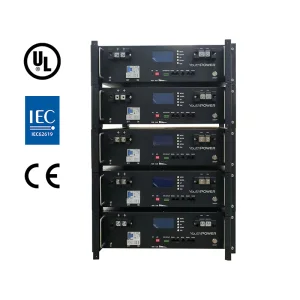
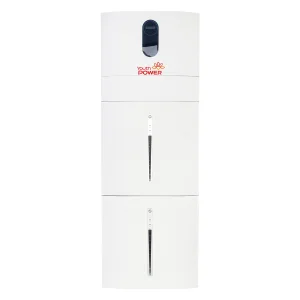
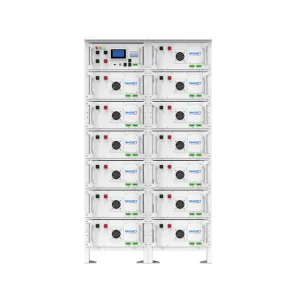
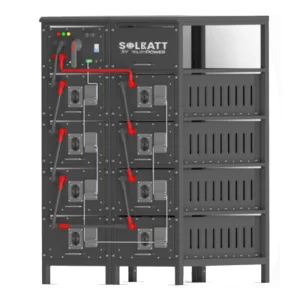
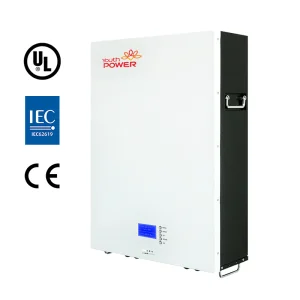
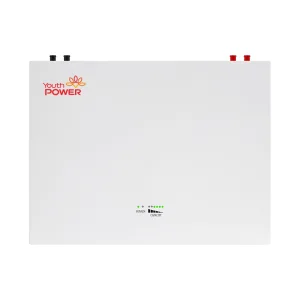
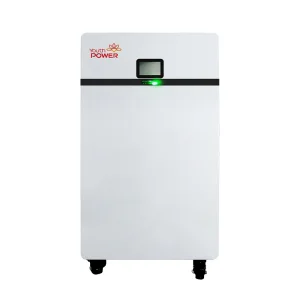
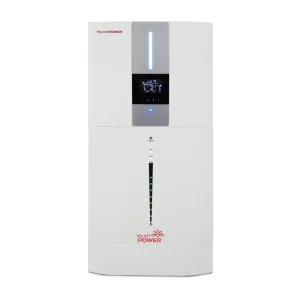
Explore our top-performing integrated battery storage units engineered for high durability, advanced active balancing, and maximum efficiency.
Analysis of the technological transition and cost configurations shaping the next decade of decentralized utility networks.
Eliminating external balance of system costs by combining PCS, BMS, and EMS within a unified structural housing.
Alleviating distribution transformer capacity constraints through automated peak load shifting algorithms.
Multi-stage gas venting mechanisms and aerosol fire suppression systems compliant with UL9540A protocols.
In the contemporary landscape of clean energy distribution, the architecture of the All-In-One Energy Storage System (AIO ESS) represents the peak of integration technology. Historically, engineers and system installers struggled with modular split-type systems, requiring tedious layout planning, external communication wiring, and complex on-site testing protocols. Modern infrastructure demands pre-wired, pre-configured integrated cabinets that drastically reduce CapEx while boosting operational performance.
The global shift toward high-voltage architectures (specifically in stackable battery topologies ranging from 200V to over 800V DC) represents a technical leap. High-voltage structures minimize conversion losses in the DC-to-AC stage, reduce operating current requirements, decrease thermal load, and enable thinner, cost-efficient cabling. Consequently, industrial planners and large-scale utility managers now rely on these factory-tested solutions to secure project stability, grid alignment, and rapid investment payback.
A granular breakdown of performance parameters comparing residential and commercial/industrial (C&I) all-in-one storage configurations.
| Parameter Category | Residential Stackable AIO (5KW - 20KWh) | Commercial Grid Cabinet (100KW - 200KWh) | Industrial High Voltage Array (500KW+) |
|---|---|---|---|
| Battery Chemistry | LiFePO4 (Lithium Iron Phosphate) Grade A+ | LiFePO4 (Lithium Iron Phosphate) Grade A+ | LiFePO4 (Liquid/Aerosol Protected) |
| Cell Configuration | 16S1P / 16S2P | 160S1P / High-Voltage Strings | Multi-cluster Parallel Array |
| Inverter Topology | Split-phase / Three-phase Hybrid | Three-phase Bidirectional PCS | Centralized Multi-MPPT Inverter Station |
| BMS Communication | CAN / RS485 / Modbus TCP | Dual-bus CAN / Fiber Optic Modbus | Ethernet IP / Cloud-linked EMS API |
| Thermal Management | Natural Convection / Smart Fan Array | Active Liquid Cooling Loop | Intelligent HVAC & Coolant Distribution |
| Cycle Life Rating | ≥ 6,000 Cycles @ 80% DoD, 25°C | ≥ 6,000 Cycles @ 90% DoD, 25°C | ≥ 8,000 Cycles @ 85% DoD |
Analyzing these design values underlines the critical role of custom cell balancing. Low-voltage units operate safely on basic passive balancing platforms. However, commercial-grade systems operating above 500V need Active BMS Balancing. Active balancing redistributes charge dynamically between cells during charge and discharge cycles, preventing local hotspots and premature voltage cutoff. This process extends the system's operational lifespan by up to 22% over its deployment lifetime.
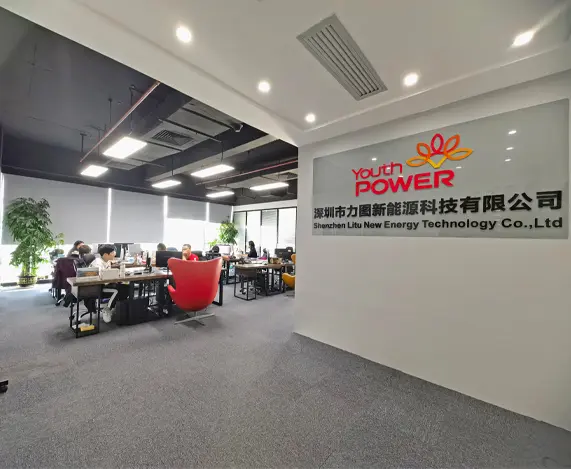
Learn more about YouthPOWER's background, journey, and commitment to global clean energy innovation.
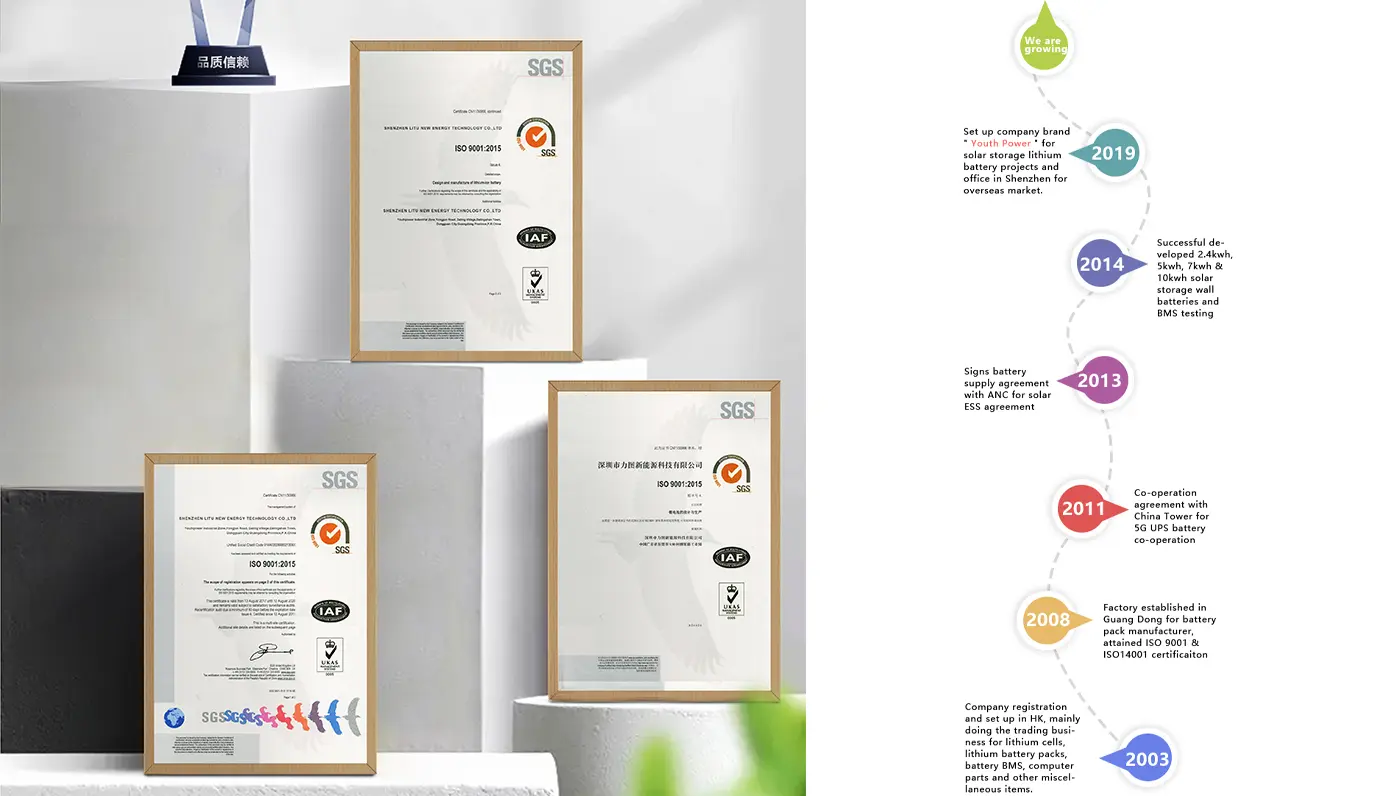
Founded in 2003, YouthPOWER has now become one of the leading suppliers of solar storage lithium batteries in the world. With a broad range of energy storage solutions, it covers a series of 24V, 48V and higher voltage lithium batteries solutions.
YouthPOWER has engaged in the battery technology and production for almost 20 years, with abundant manufacturing experience and strong new product R & D capability. Through many years of hard work and market promotion, we have created our own brand "YouthPOWER" in 2019.
With nearly 20 years’ experience in the battery industry, we have the capability to provide you with both the products you need and the most suitable products you want. We are always ready to supply the first-class products and meet the various needs of the customers.
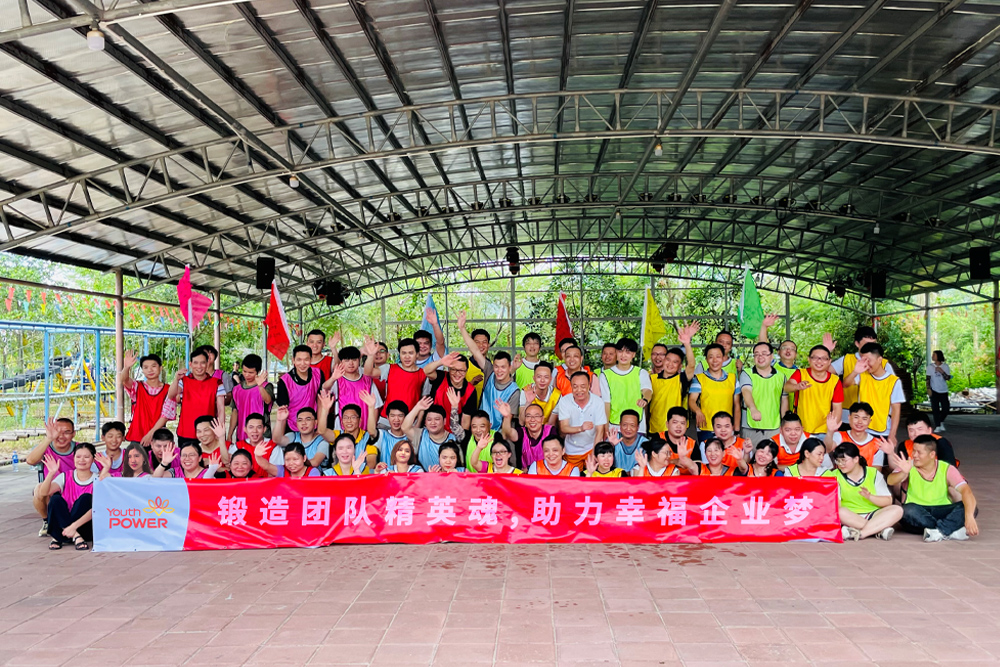
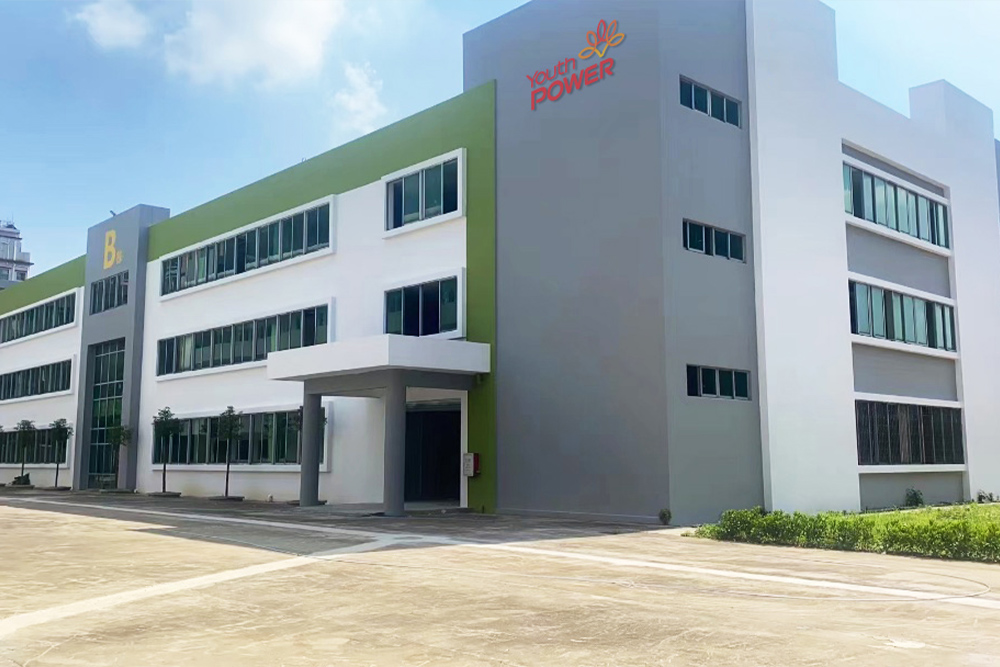
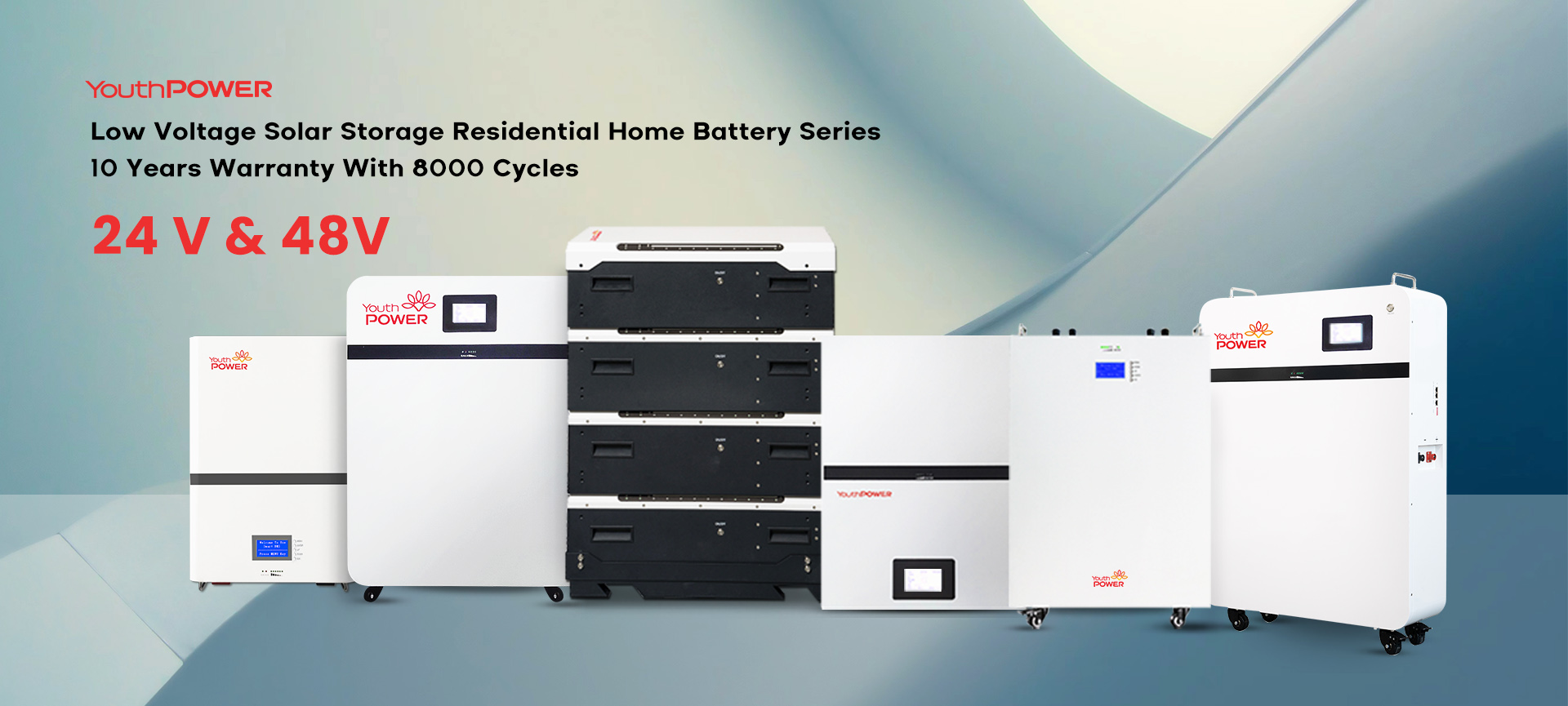
We have established good business relationships with our customers from all over the world. And we have a good cooperation with all our customers as well for many years running. Supported by our local vendors of raw materials, we can certainly offer you the best prices.
We are so proud that YouthPOWER has offered the reliable solar storage solution for over 1,000,000 families now in the world.
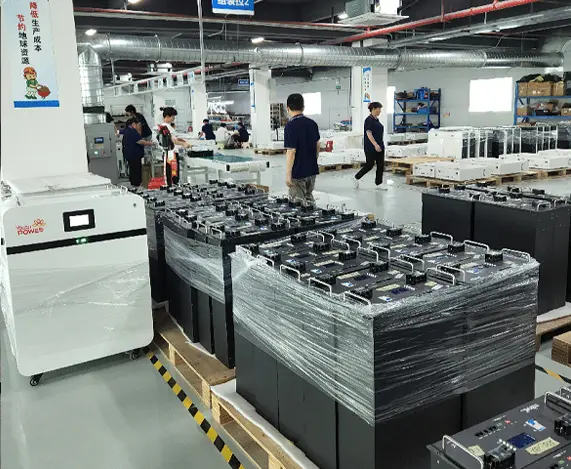
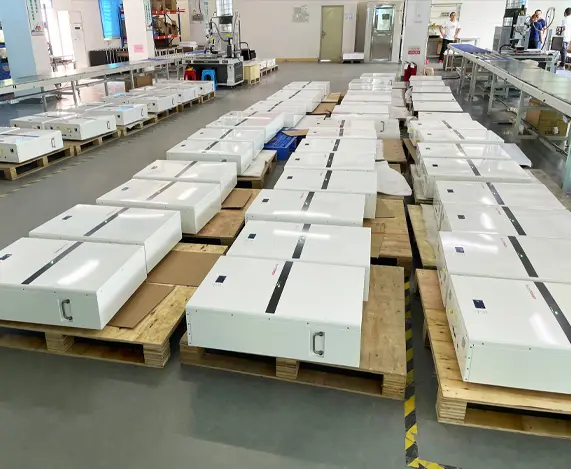
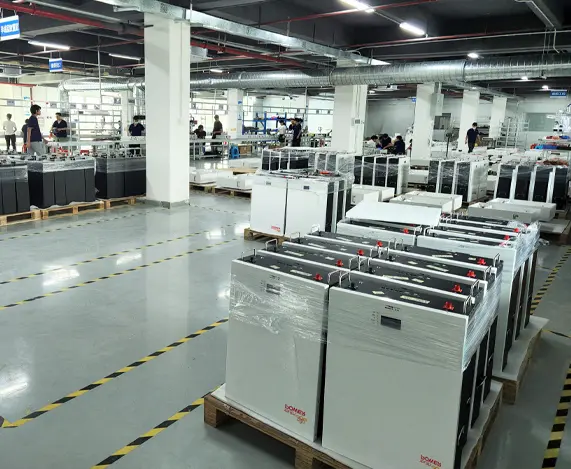
A look inside our automated production centers, validation chambers, and logistic deployment steps.
Our ISO 9001-certified assembly plants feature advanced robotic cell sorting arrays that select cells within tight tolerances of internal resistance (IR) and capacity. This alignment ensures optimal pack balancing throughout the lifespan of the ESS, minimizing degradations.
Every All-In-One ESS cabinet undergoes continuous thermal aging tests under full-load conditions before packing. This helps verify that the integrated inverter, liquid cooling systems, and protection relays function flawlessly in ambient environments up to 55°C.
Crucial criteria and strategic considerations for commercial buyers, developers, and distributors procuring large-scale energy storage arrays.
For procurement officers and project engineers, evaluating energy storage installations extends beyond comparing price per kilowatt-hour ($/kWh). Total Cost of Ownership (TCO) incorporates freight, site preparation, installation labor, commissioning costs, and maintenance expenses over a 10-to-15-year operational lifecycle.
LCOS is the metrics to evaluate the true financial viability of an energy storage installation. Calculating LCOS involves comparing the total capital cost (CapEx), plus ongoing operational costs (OpEx), divided by the total energy output the system will deliver over its active life. AIO systems optimized by YouthPOWER reduce installation labor by 65% since they arrive pre-wired and programmed. This minimizes on-site wiring, which helps reduce capital costs.
Top-tier ESS factories use strictly brand-new, Class A+ cells with traceable chemistry logs. Low-cost manufacturers often use retired cells or B-grade stock, which can display high capacity variation and self-discharge rates. This imbalance can lead to premature battery system failure. YouthPOWER ensures cell transparency, providing traceable factory test reports for every batch.
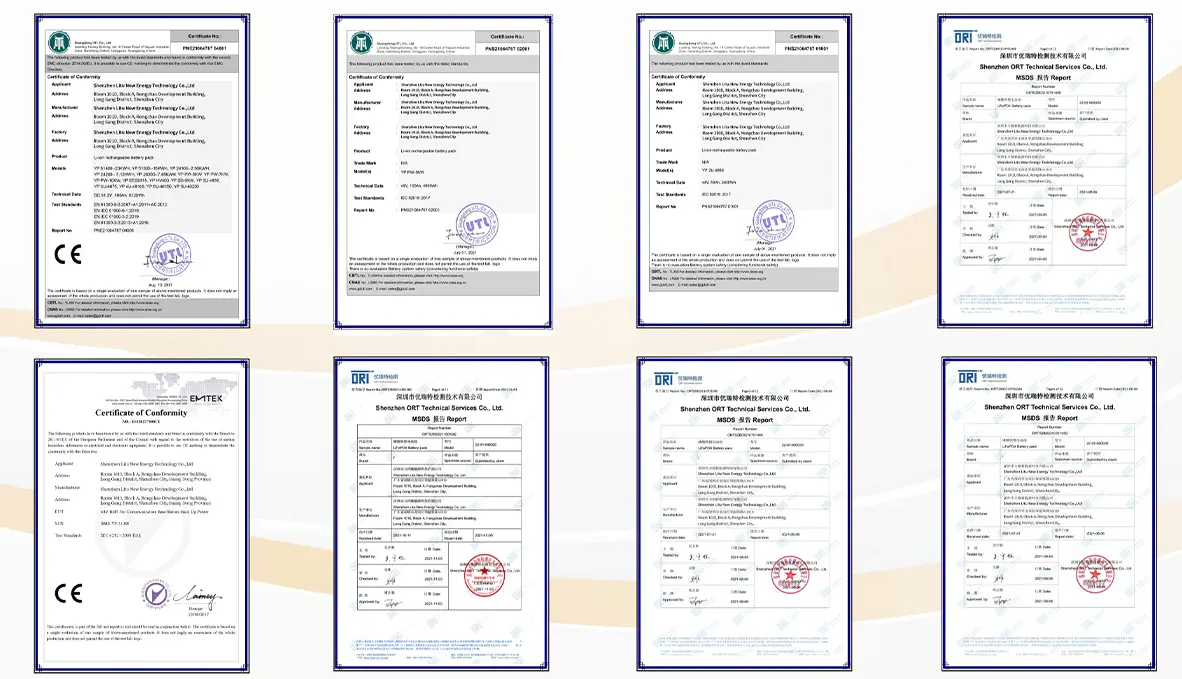
To connect to local grids, ESS units must comply with localized regulatory standards. In North America, certifications like UL 9540 and UL 1973 are standard. In European markets, systems must comply with CE, IEC 62619, and VDE-AR-N 4105 grid codes. Buying certified systems avoids interconnection delays and ensures projects remain on track.
The future of intelligent storage: AI integration, solid-state batteries, and Virtual Power Plants (VPP).
The energy storage sector is transitioning from standard power backup to dynamic energy orchestration. Future-ready hardware designs incorporate advanced software control to optimize grid utilization. Over the next five years, development is focused on three main technological pillars:
Energy Management Systems (EMS) now run forecasting models using local weather data and spot electricity prices to optimize charge/discharge times. This enables AIO ESS networks to act as Virtual Power Plants (VPPs), supporting local grids during peak periods.
LFP remains the industry standard, but developments in Sodium-ion and Solid-state batteries are showing promise. These alternative chemistries aim to offer improved safety profiles, a wider temperature operation range, and a reduced carbon footprint.
Future residential and light-commercial systems are moving toward high-voltage stackable designs. Operating at higher voltages lowers current draw, reduces cable thickness, minimizes energy loss, and simplifies capacity expansion.
Answers to common technical, logistics, and configuration questions from commercial engineers and buyers.
From light-commercial systems to high-voltage arrays, select the energy solution tailored to your operational scale.
 YouthPOWER