Explore our premium tier of high-voltage battery storage cabinets, dynamic stackable power boxes, and high-efficiency hybrid solutions optimized for commercial, industrial, and off-grid scenarios.
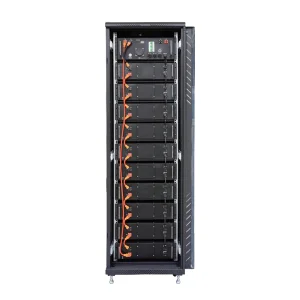
Buy 512V 100AH 51.2KWh Commercial Battery Storage Company, Price
Request Quote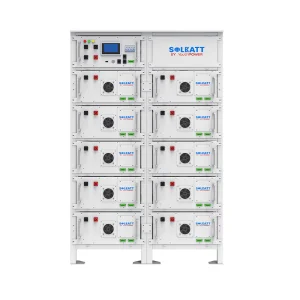
Buy 143KWH 512V 280Ah Commercial Battery Backup System Factories, Company
Request Quote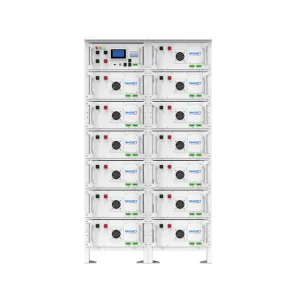
Best 186KWH 665V 280Ah Commercial Solar Battery Storage System Company, Companies
Request Quote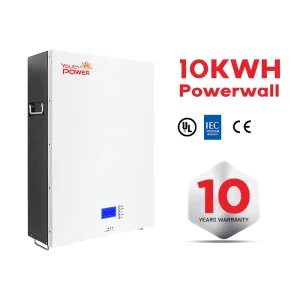
Best 10kWh 51.2V 48V 200Ah LiFePO4 Battery Factory, Price
Request Quote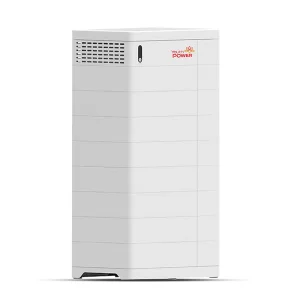
Best YouthPOWER HV Stackable Inverter Power Box Factory, Factories
Request Quote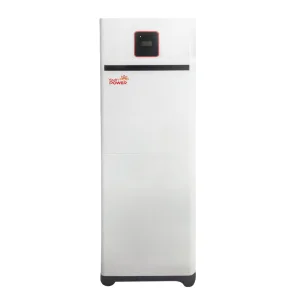
Buy Split U.S. Inverter Hybrid 8KW with Lifepo4 Solar Battery Factories, Price
Request Quote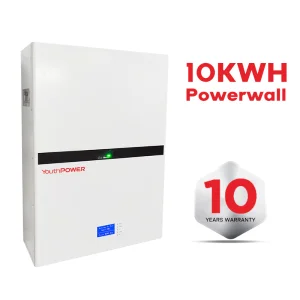
Buy Lithium Storage 48V 200AH 10KWH Solar Battery Companies, Price
Request Quote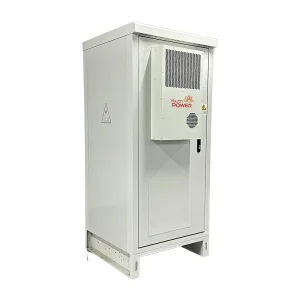
Best YouthPOWER 100KWH Outdoor Powerbox Factory, Price
Request QuoteAn authoritative analysis of chemistry, cell configuration, thermal management, and overall system design for commercial and residential energy storage systems (ESS).
Integrating a robust battery energy storage system (BESS) with photovoltaic (PV) generation is no longer just an optional mechanism for energy resilience; it has fast become a core economic catalyst for global infrastructure development. By decoupling clean energy generation from instantaneous load demands, solar battery backups mitigate the intermittency profile of renewable grids, guarantee clean power quality, and optimize dynamic load management. For commercial, industrial, and high-load residential properties, investing in the correct solar battery storage system directly affects operational viability, return on investment (ROI), and Levelized Cost of Storage (LCOS).
"The shift toward high-voltage (HV) battery configurations, particularly in commercial and industrial settings, is driven by the physics of power conversion. High-voltage setups minimize current draw for the same power output, reducing thermal dissipation losses (I²R losses) and permitting lighter, more cost-effective balance of system (BOS) wiring."
When selecting the best battery backup for solar panels, battery chemistry remains the most critical engineering variable. Traditionally, the market oscillated between Lead-Acid, Nickel Manganese Cobalt (NMC), and Lithium Iron Phosphate (LiFePO4). Today, LiFePO4 has secured its dominance in the stationary energy storage sector due to three critical engineering performance vectors:
Modern developers must choose between stackable configurations, wall-mounted modules, or large-scale outdoor storage cabinets. Standard wall-mounted or modular stackable systems (such as the YouthPOWER HV Stackable Inverter Power Box) offer convenient installation and scalability for microgrids, high-end residential estates, and medium-scale commercial projects. For large-scale multi-megawatt systems, integrated outdoor storage cabinets (such as the 133KWH 512V 260AH Cabinet ESS) integrate fire suppression systems, active liquid or HVAC-driven cooling, and high-performance battery management systems directly in a single shipping footprint. This minimizes site preparation time and ensures plug-and-play installation.
Analyzing localized demands, infrastructure integration profiles, and future technology strategies for global PV integration.
The operational logic of a solar battery backup depends heavily on local grid characteristics, policy structures, and environmental factors:
Widespread deployment of modular LiFePO4 cells controlled by active balancing BMS, featuring high-voltage (HV) topologies from 100V to 800V to maximize system efficiency.
Integration of artificial intelligence at the Energy Management System (EMS) layer. Systems use weather forecasts and historical load profiles to predict power generation and calculate optimization pricing.
Transition to solid-state electrolytes to eliminate chemical flammability risks. This transition doubles volumetric energy density and extends lifespan thresholds past 15,000 cycles.
Nearly two decades of battery engineering expertise delivering world-class renewable energy storage systems.
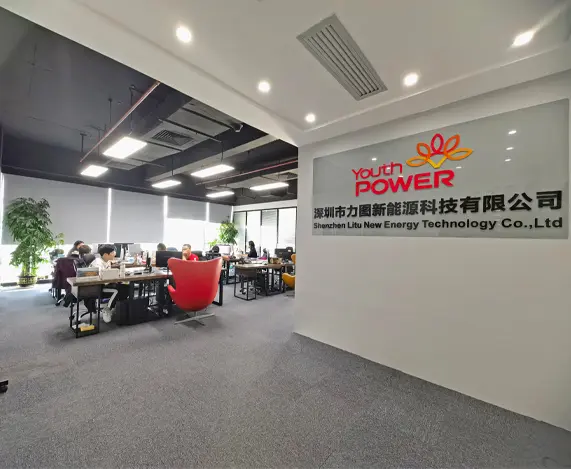
Founded in 2003, YouthPOWER has grown to become one of the leading global suppliers of solar storage lithium batteries. Over the last 20 years, the company has focused on advanced battery technology and production, accumulating extensive manufacturing experience and developing strong R&D capabilities. Through dedicated innovation and market expansion, we officially established our global brand "YouthPOWER" in 2019.
Today, YouthPOWER offers a comprehensive range of energy storage solutions, covering low-voltage 24V, 48V setups, and high-voltage lithium battery solutions. We take pride in delivering reliable solar storage systems to over 1,000,000 families worldwide.
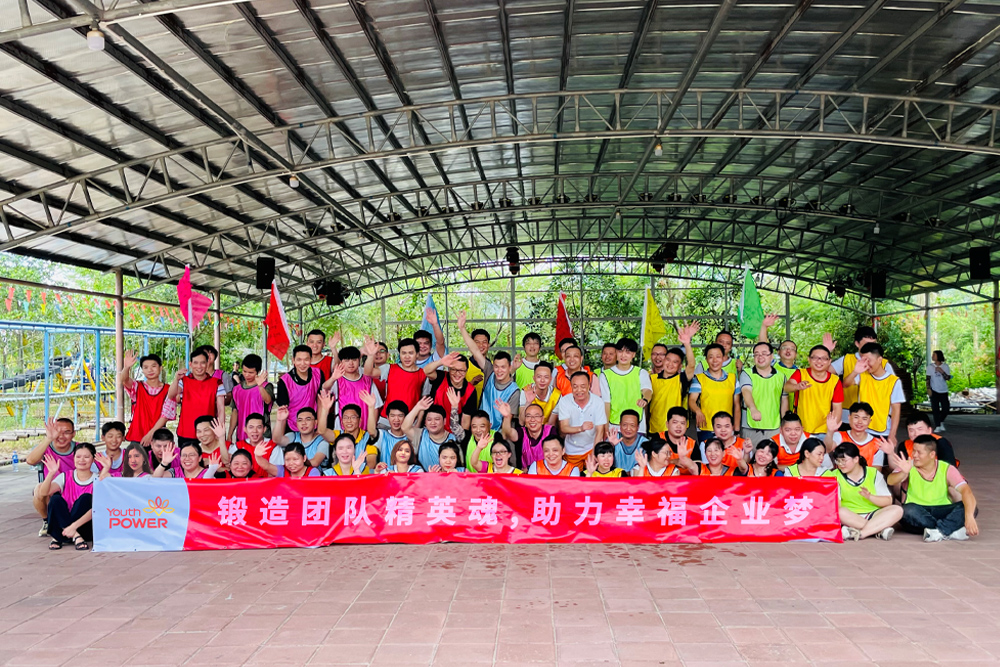
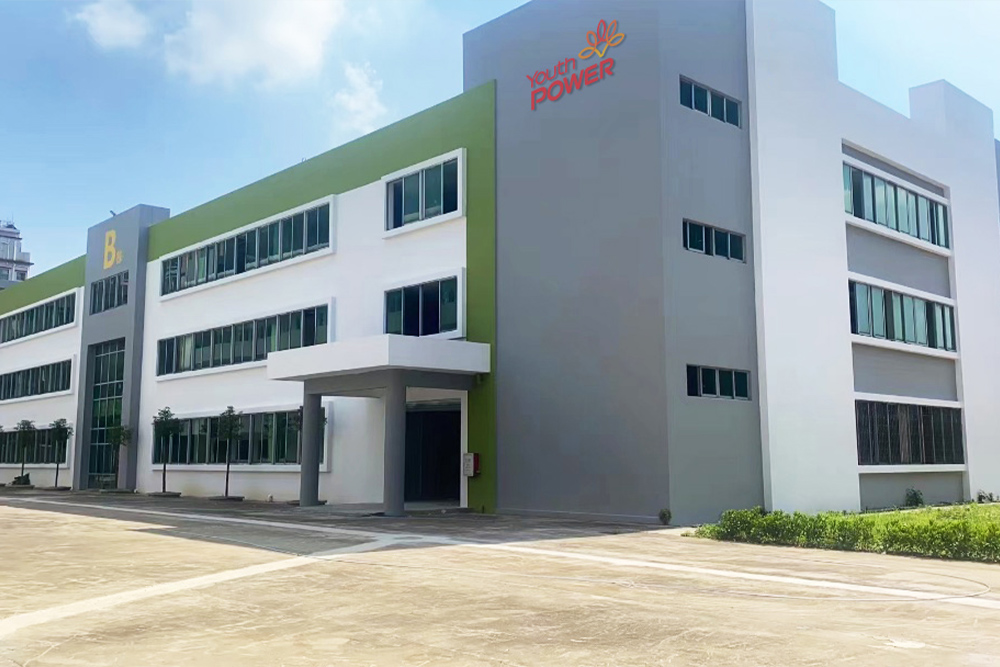
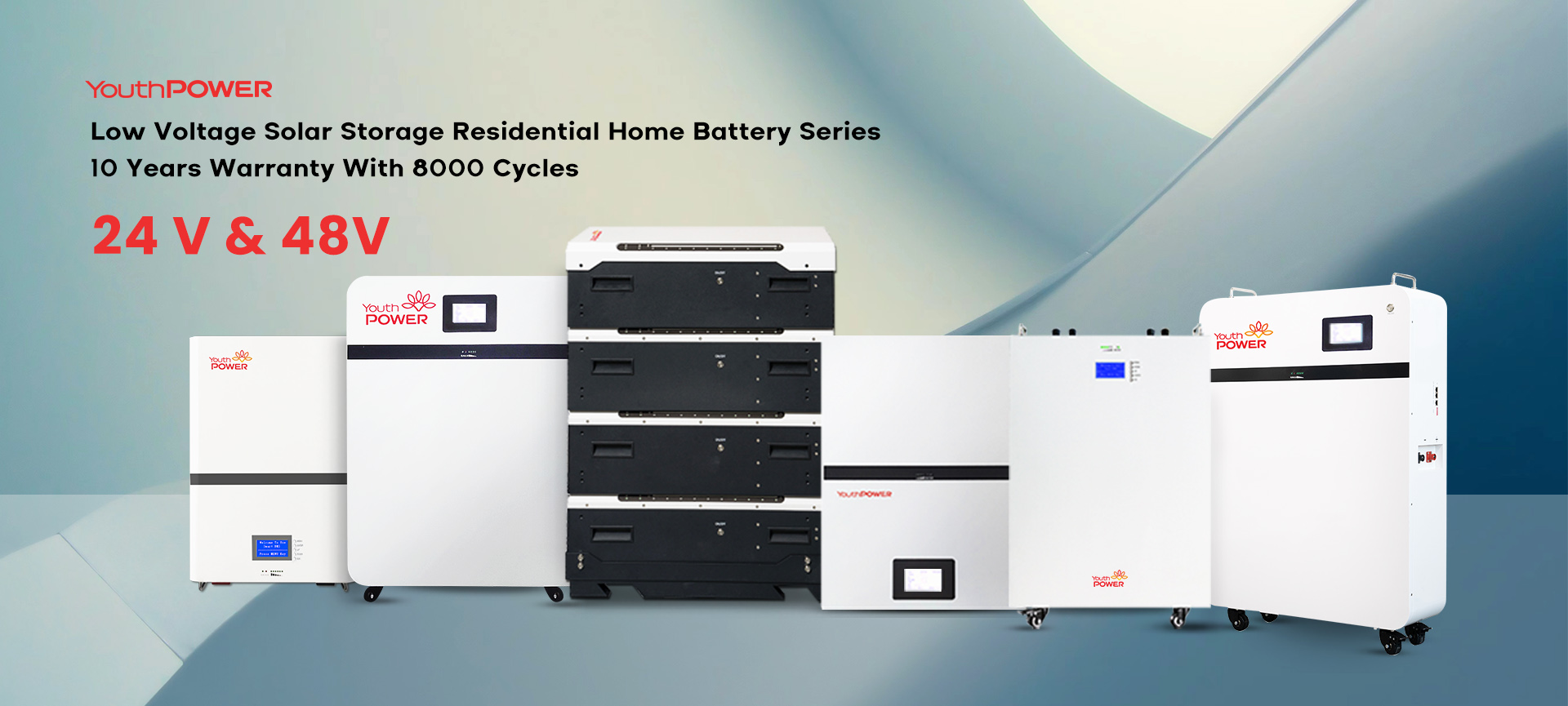
Supported by a robust network of domestic raw material suppliers, we are positioned to offer highly competitive pricing while maintaining stringent quality control standards. We maintain close, long-term partnerships with our clients, adapting to specialized needs and ensuring local technical support and compliance across all major international markets.
From automated cell sorting and laser welding to multi-stage thermal and load testing, our facilities ensure every system meets international performance and safety standards.
Our journey is marked by technological progression, expanding from assembly and basic system integration to independent research and development of proprietary Battery Management Systems (BMS), high-voltage power conversion integration, and modular outdoor ESS systems.
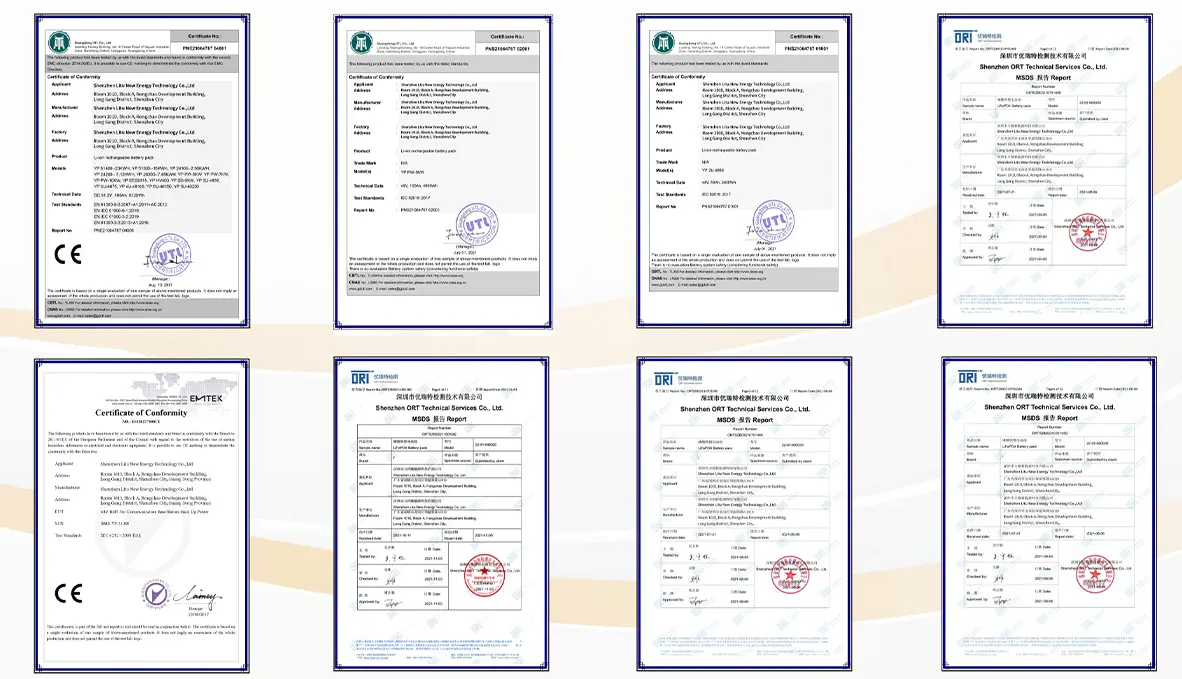
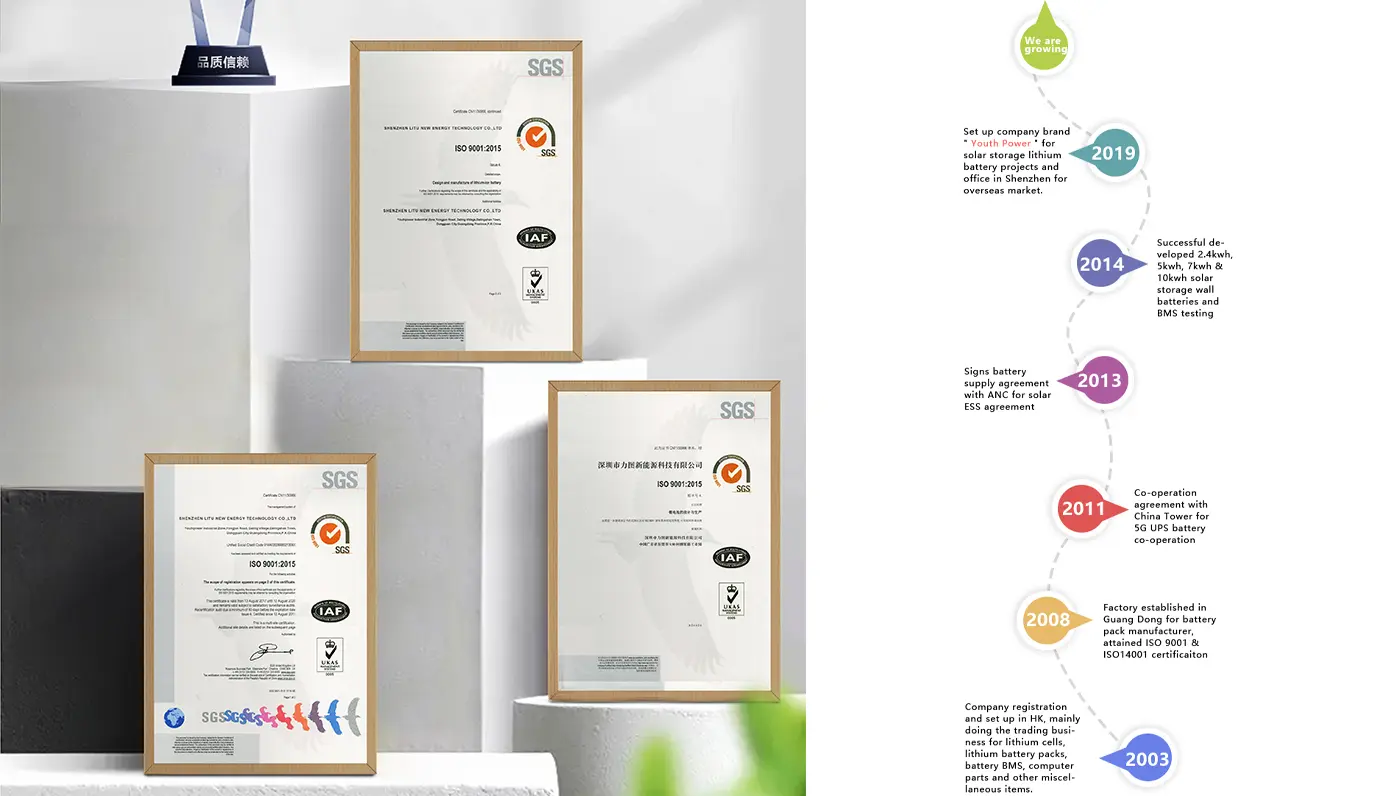
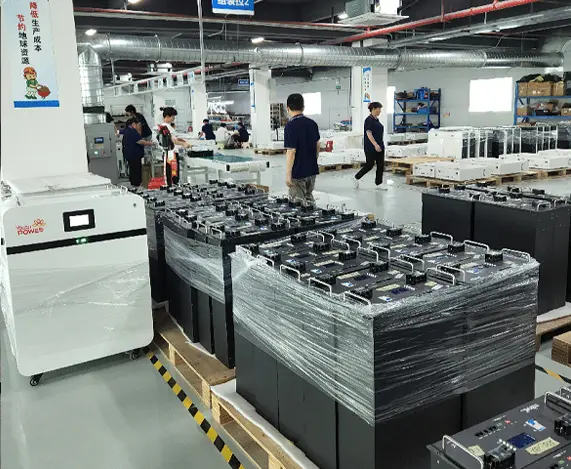
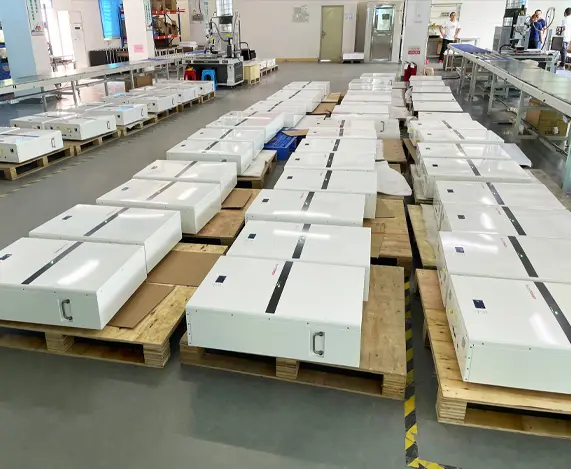
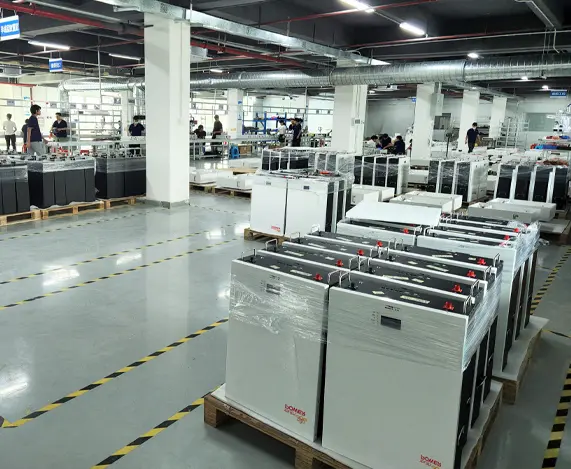
China's battery supply chain leads global production due to high vertical integration, close proximity to raw material processing centers, and advanced manufacturing technologies. From lithium extraction and cathode synthesis to cell production, BMS development, and system packaging, China's clean energy corridors ensure fast lead times, consistent quality, and lower structural costs.
By using local raw materials and maintaining strong component supply chains, YouthPOWER delivers high-quality energy storage technologies without the premiums typical of fragmented supply chains. This efficiency translates directly into a lower Levelized Cost of Storage (LCOS), enabling faster ROI for commercial operators and high-capacity residential systems.
Get answers to common technical, financial, and installation questions regarding solar battery storage integration.
Complete your deployment specifications with our range of high-capacity containerized systems, modular wall-mounted units, and specialized multi-phase hybrid packages.
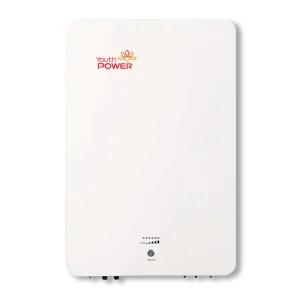
Buy High Voltage Battery 400V 12.8kwh Solar Battery Companies, Price
Request Quote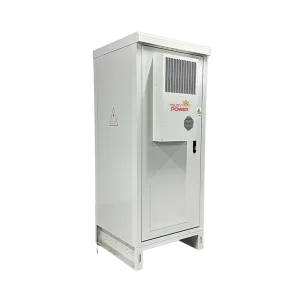
Buy 133KWH 512V 260AH Lithium Battery Storage Cabinet Factories, Company
Request Quote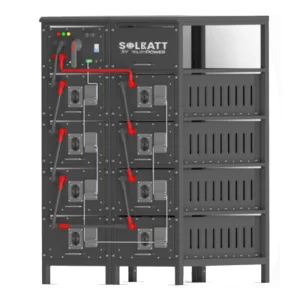
Best High Voltage 409V 280AH 114KWh Battery Storage ESS Factories, Price
Request Quote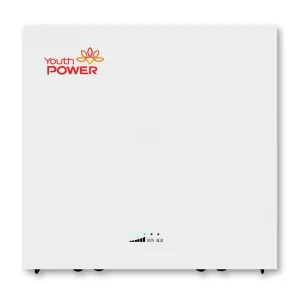
Buy YouthPOWER Mini Wall Battery 2KWH & 5KWH Factory, Factories
Request Quote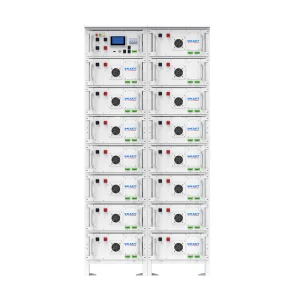
Buy 215KWH 768V 280Ah Commercial Energy Storage Battery Factory, Company
Request Quote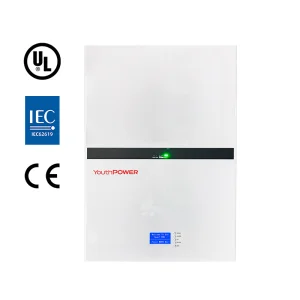
Buy YouthPOWER Solar Storage Box 5KWH 10KWH Companies, Price
Request Quote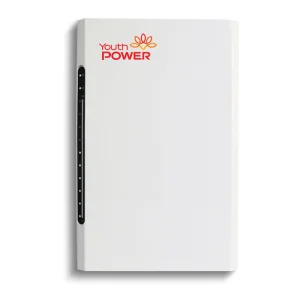
Buy Brick solar storage power ESS 51.2V 5KWH 100AH lithium battery Company, Companies
Request Quote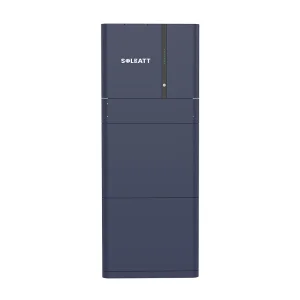
Buy YouthPOWER 3-Phase HV Inverter Battery AIO ESS Factory, Price
Request Quote YouthPOWER