Explore our industrial-grade, highly-configurable cabinet and rack solar batteries built for scalable performance and safety.
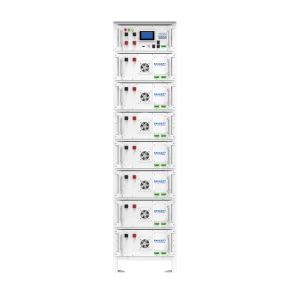
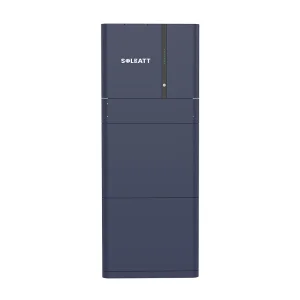
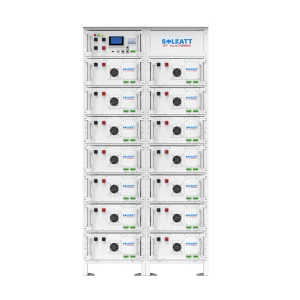
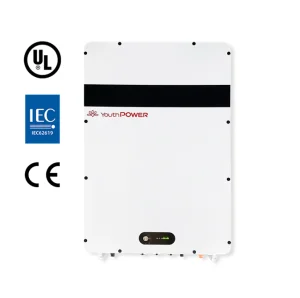
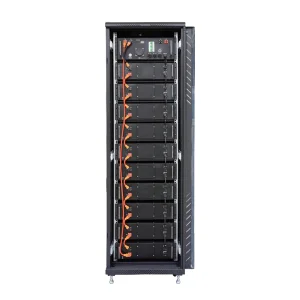
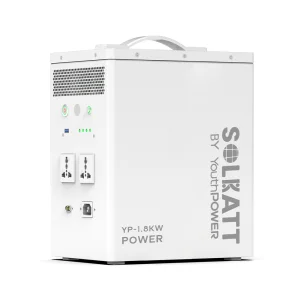
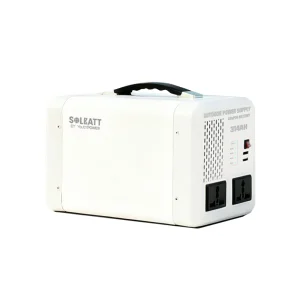
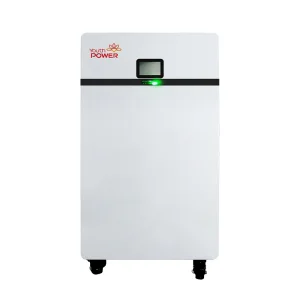
In the transition toward carbon-neutral infrastructure, Battery Energy Storage Systems (BESS) have moved from subsidiary storage components to central grid stabilizers. At the heart of these megawatt-scale and industrial applications is the battery rack enclosure. Modern rack layouts are no longer passive steel frames; they are highly integrated systems that support high thermal loads, structural stability under seismic events, high-voltage isolations, and dense battery cluster topologies.
Globally, commercial and industrial (C&I) sectors face complex regulatory demands alongside fluctuating electricity tariffs. Factory operators, data centers, and multi-tenant commercial centers deploy heavy-duty rack-mounted battery banks to execute crucial services: load shifting, peak shaving, dynamic backup, and microgrid stabilization. The mechanical rigidity and structural layout of these configurations determine not only cell longevity but also physical safety, keeping modular lithium-iron phosphate (LiFePO4) battery units in aligned configurations during thermal fluctuations or structural vibrations.
"The design parameter of a high-performance battery rack represents the difference between a system that experiences localized thermal runaways and one that mitigates propagation through optimized spacing, fire-resistant physical barriers, and integrated heat containment structures."
From 19-inch standardized telecommunication and solar rack modules to custom-engineered outdoor liquid-cooled battery cabinets, leading energy storage engineering firms prioritize structural integrity alongside electrical isolation. To prevent localized failures from expanding into multi-rack catastrophes, modern design employs thermal propagation mitigation standards, such as UL 9540A testing protocols, which dictate spacing metrics and gas evacuation routing within battery rack frames.
Engineered to support over 1,500kg per bay, satisfying IBC (International Building Code) seismic level 3 and 4 criteria for high-risk zones.
Standard horizontal cell isolation zones prevent high-temperature anomalies from affecting adjacent levels.
Integrated high-conductivity copper busbars with high-dielectric insulated channel runs to eliminate short-circuit risks.
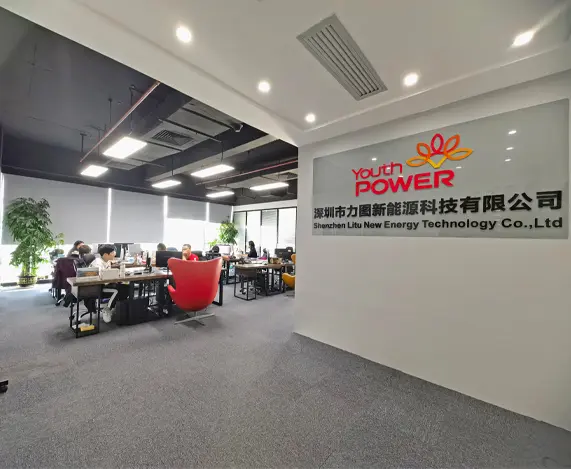
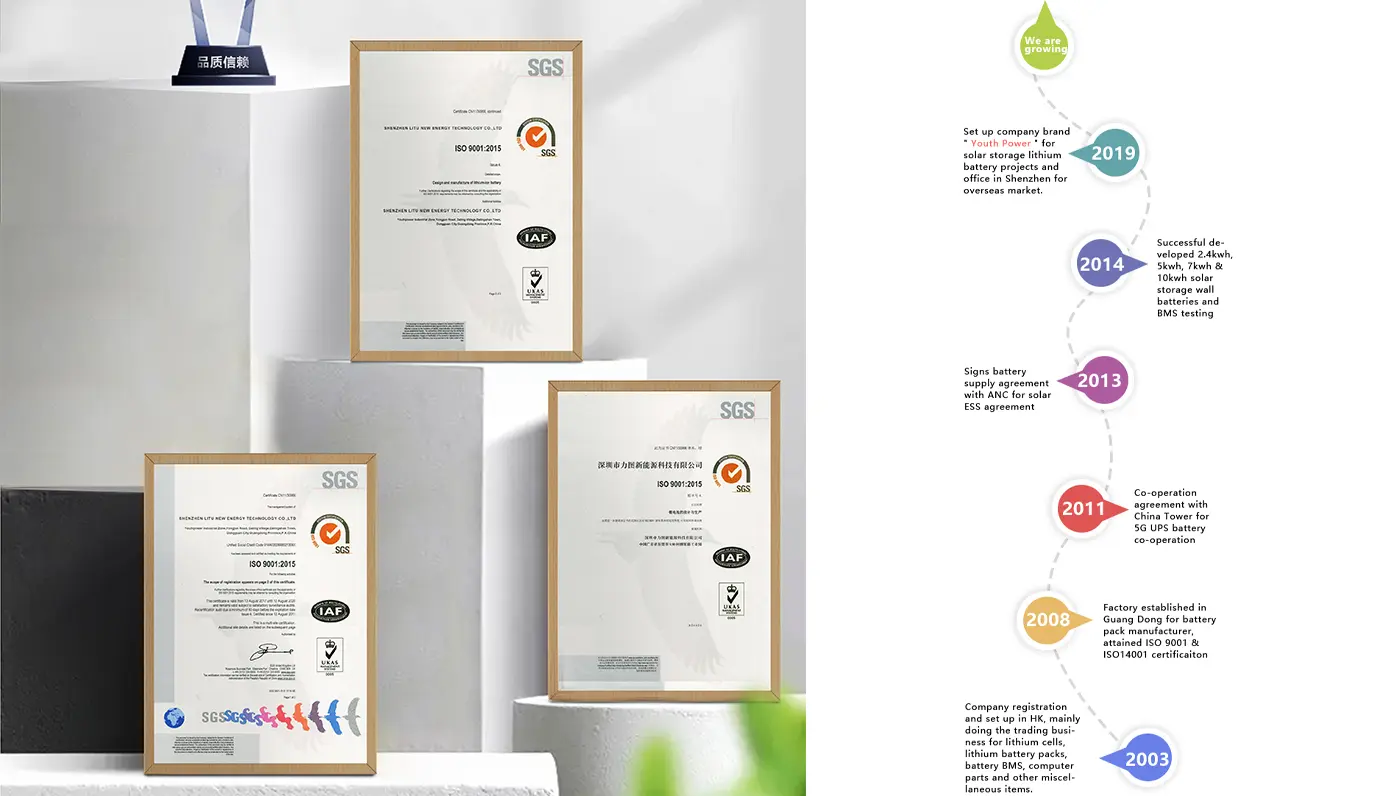
Leading global solar storage lithium battery manufacturing and design with two decades of structural excellence.
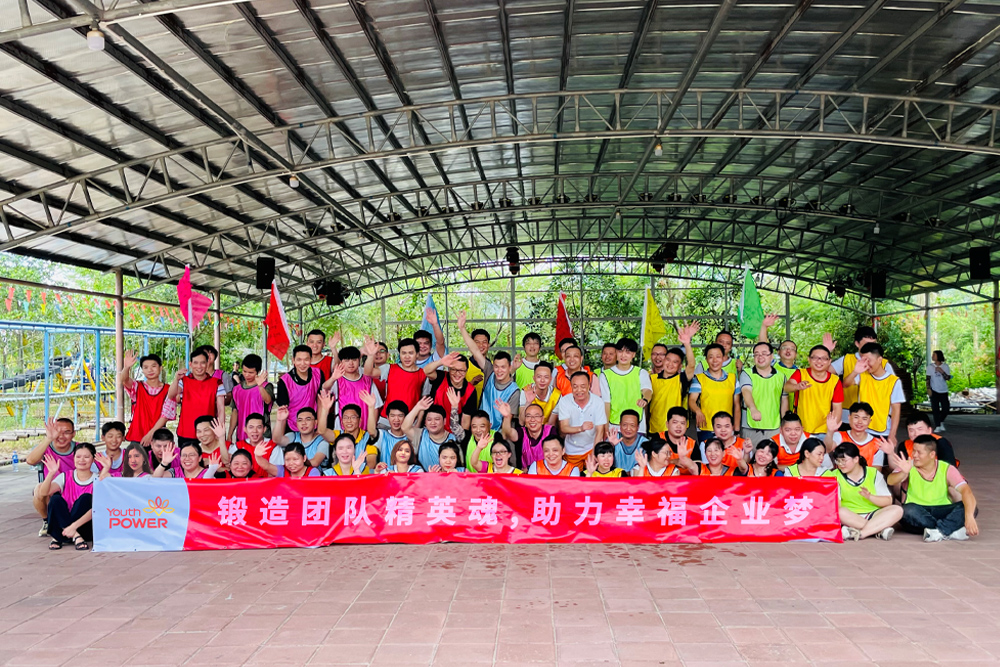
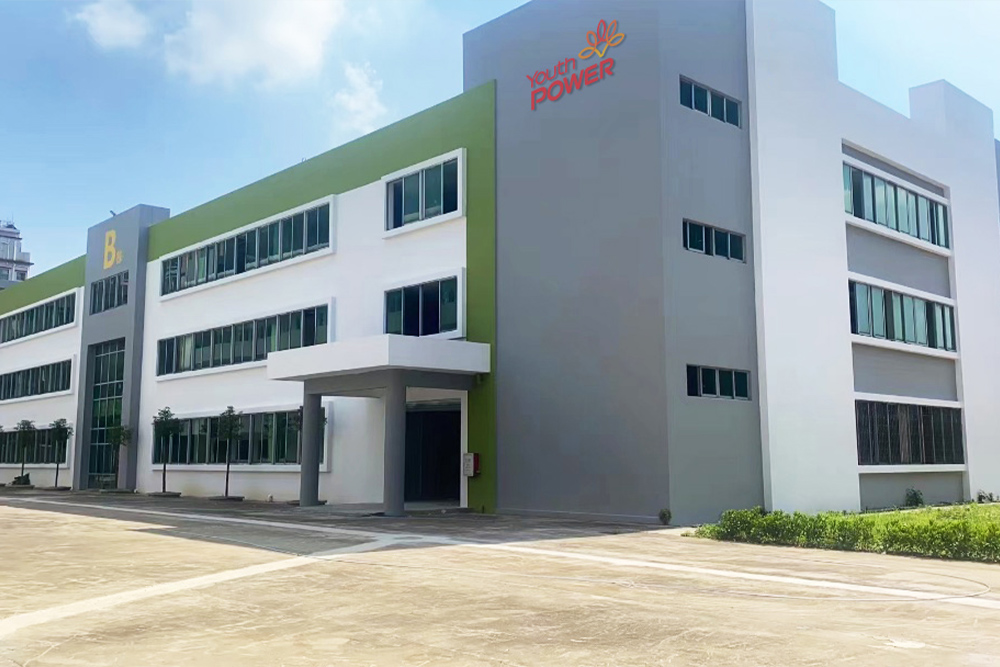
Founded in 2003, YouthPOWER has now become one of the leading suppliers of solar storage lithium batteries in the world. With a broad range of energy storage solutions, it covers a series of 24V, 48V and higher voltage lithium batteries solutions.
YouthPOWER has engaged in the battery technology and production for almost 20 years, with abundant manufacturing experience and strong new product R&D capability. Through many years of hard work and market promotion, we have created our own brand "YouthPOWER" in 2019.
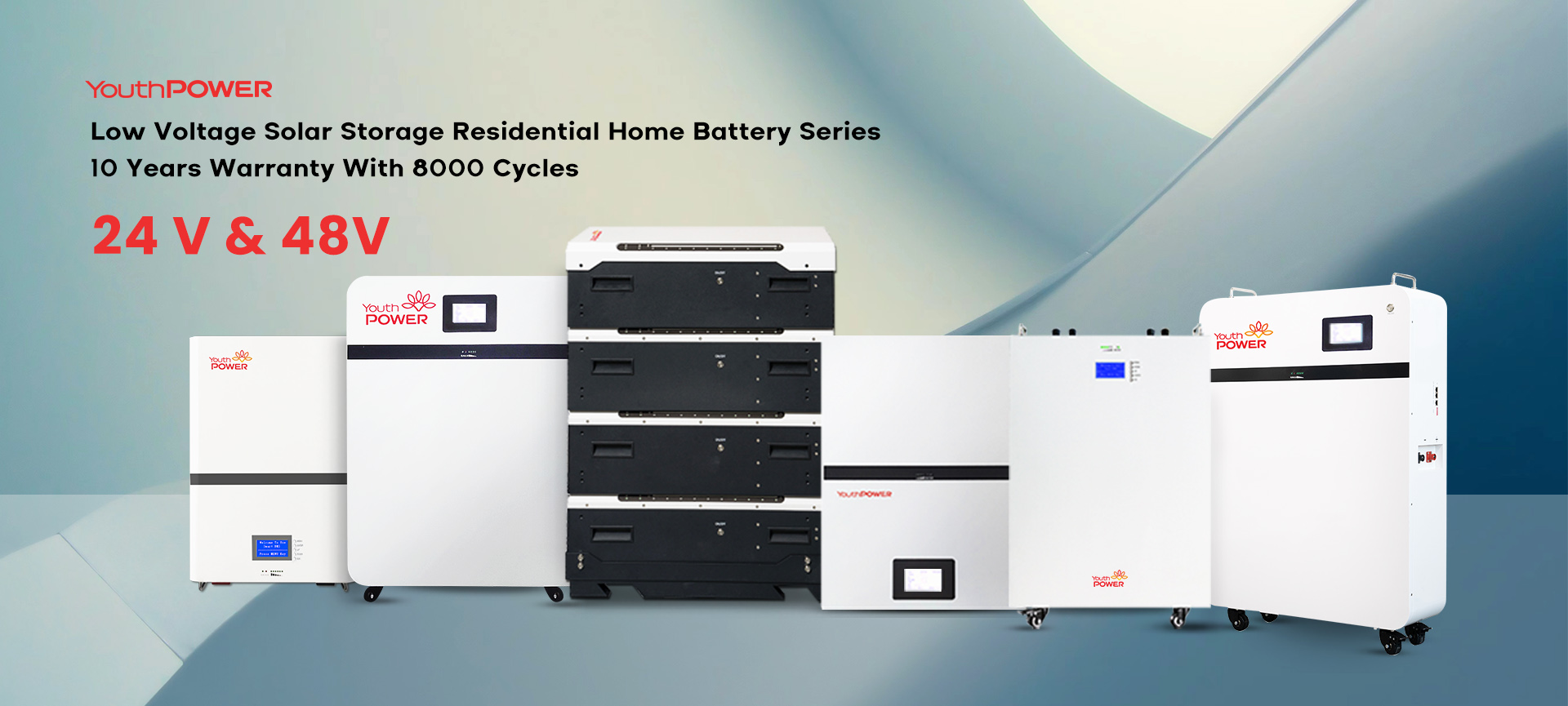
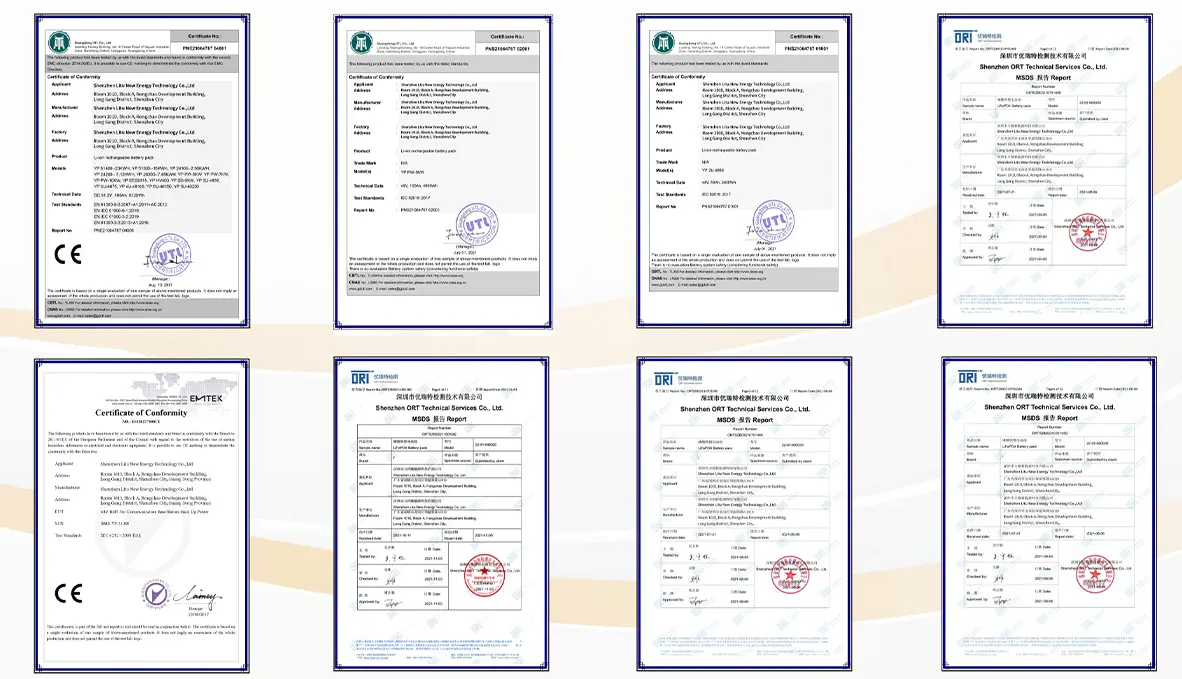
With nearly 20 years’ experience in the battery industry, we have the capability to provide you with both the products you need and the most suitable products you want. We are always ready to supply the first-class products and meet the various needs of the customers.
We have established good business relationships with our customers from all over the world. And we have a good cooperation with all our customers as well for many years running. Supported by our local vendors of raw materials, we can certainly offer you the best prices.
We are so proud that YouthPOWER has offered the reliable solar storage solution for over 1,000,000 families now in the world.
Understanding user intent and application-specific parameters is essential when designing reliable battery rack solutions. A rack configuration built for an office park in Germany must follow distinct physical guidelines compared to a rack setup intended for a coastal solar farm in Australia.
In regions active with tectonic movement, battery rack systems require certified mechanical anchor designs. Stamped sheet metal frames must be upgraded to high-strength, structural steel alloys with hot-rolled structural tubing. Pre-engineered anchor plates are bolted to reinforced concrete bases to withstand severe lateral acceleration without warping the internal battery modules or disrupting busbar connections.
For islands, microgrids, and costal desalination plants, structural racks must resist corrosion. Racks built to C5-M marine corrosion classes prevent structural failure. Enclosed battery box units, such as the YouthPOWER Waterproof Solar Box 10KWH, utilize powder-coated, dual-stage seals, and internal dehumidification elements to shield cells from moisture and high salt content.
Hyperscale cloud facilities require rapid, high-current discharge. This demands battery rack assemblies configured with high-voltage, low-resistance configurations (e.g., 512V to 716V tiers). Racks are fitted with copper busbars and active liquid-cooling channels that cycle dielectric coolant throughout the module interface. This configuration maintains a temperature delta across all modules within ±2°C, preventing thermal gradients that cause uneven cell wear.
"Our technical roadmap highlights the transition from standard air-cooled steel enclosures toward intelligent, AI-monitored smart racks. These systems utilize fiber-optic temperature sensors at each node, along with automated fire suppressing aerosols directly inside the rack structure."
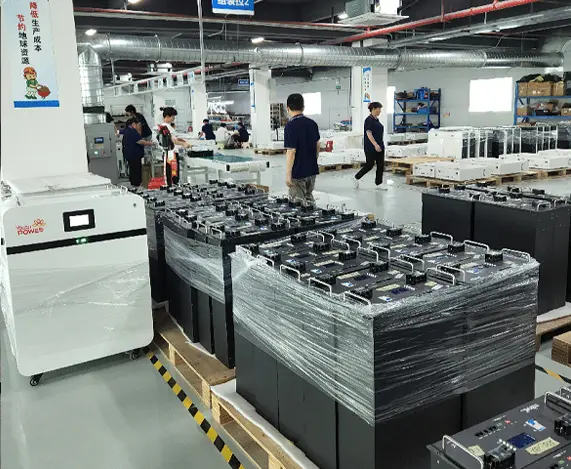
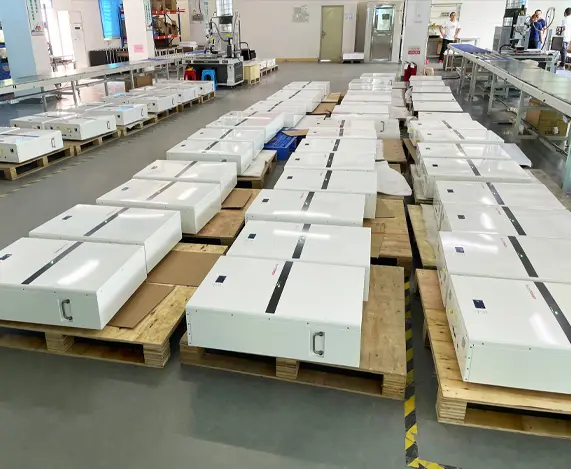
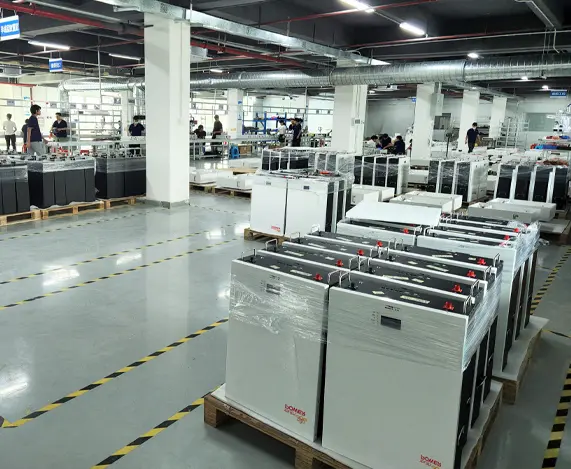
The manufacturing ecosystem in China is a key driver for global commercial battery rack pricing and engineering speed. As a vertically integrated developer, YouthPOWER utilizes local supply chains to optimize procurement and assembly workflows.
This localized supply chain access provides essential manufacturing advantages:
Close proximity to refined Lithium Carbonate, high-density LFP cells, and raw structural steel suppliers reduces lead times by 40% compared to overseas competitors.
Using advanced CNC punching and laser welding machines ensures dimensional tolerances within ±0.5mm, vital for modular rack slides and rail alignments.
Every rack cabinet undergoes automated load cycle and high-voltage isolation testing before delivery, ensuring compliance with UL 1973 and IEC 62619 protocols.
This integrated supply ecosystem helps YouthPOWER keep custom engineering costs low. While Western integrators face steel tariffs and component sourcing delays, our Shenzhen and Dongguan manufacturing hubs build, test, and ship complete high-voltage rack systems like the 85KWH BESS Cabinet or 512V 100AH series efficiently and reliably.
Explore our high-voltage modular packs and open-frame rack systems designed for utility integrations and residential storage.
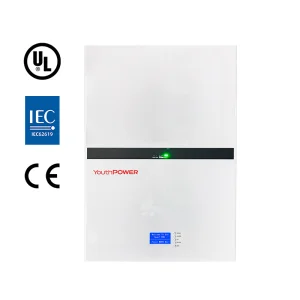
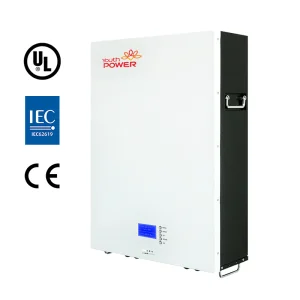
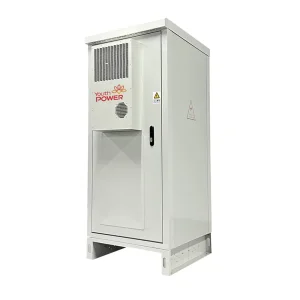
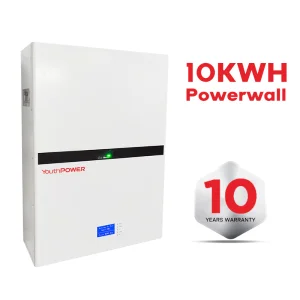
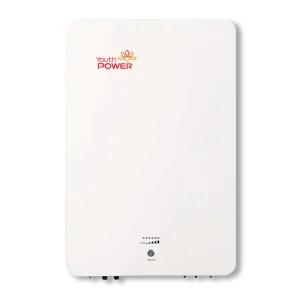
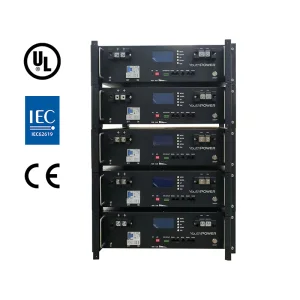
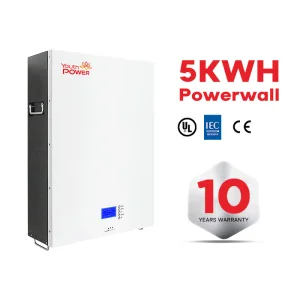
In-depth insights, regulatory queries, and engineering guidelines for procuring industrial and C&I battery rack designs.
UL 9540A is a testing standard that measures thermal runaway fire propagation inside battery energy storage systems (BESS). It tests components at the cell, module, and rack levels. For C&I developers, UL 9540A certification shows local fire authorities and insurance companies that if a single cell fails, the rack's thermal barriers and containment designs will prevent it from spreading to adjacent modules or racks, minimizing structural risks.
Open battery racks are designed for climate-controlled, restricted-access rooms. They simplify maintenance, reduce overall cost, and allow high airflow around module surfaces. Enclosed cabinets (e.g., NEMA 3R or IP55/65 enclosures) protect components from dust, humidity, and accidental contact. Enclosed systems are typically preferred for outdoor layouts or heavy-duty environments.
High voltage drops generate excessive heat and cause uneven cell discharge across long battery strings. To minimize this, leading manufacturers design custom copper busbars with tin or nickel plating. Standard cabling is replaced with solid metal bus bars on high-voltage racks (e.g., 512V and 716V systems) to maintain low, uniform contact resistance.
Yes. With nearly 20 years of precision metal fabrication experience, YouthPOWER provides custom mechanical engineering for non-standard footprints, height limits, or unique modular configurations. Our teams use 3D CAD modeling and automated sheet-metal tooling to build custom structures that align with our clients' space and thermal constraints.
Our battery racks use high-grade LiFePO4 cells rated for over 6,000 charge cycles at 80% Depth of Discharge (DoD) when operated within recommended temperature ranges. Active balance systems within our integrated BMS modules help extend service life, providing reliable performance for up to 15 years in typical C&I applications.
 YouthPOWER