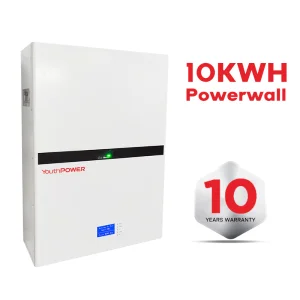
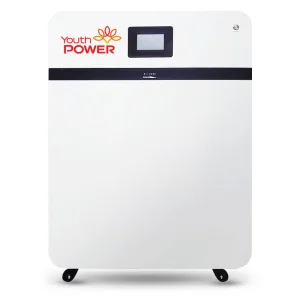
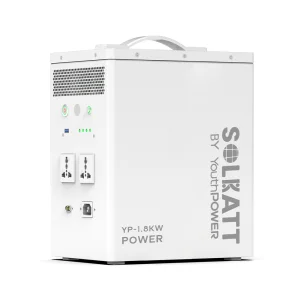
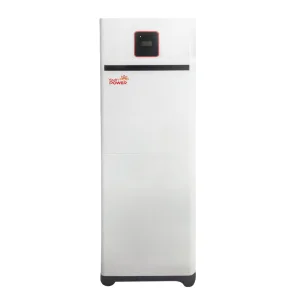
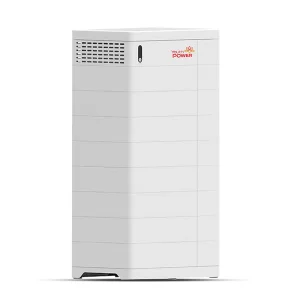
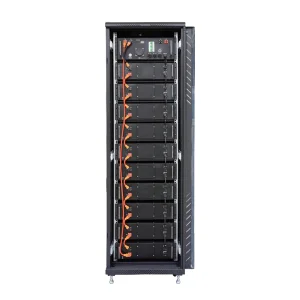
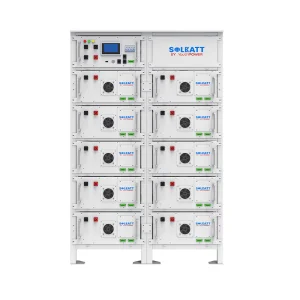
Discover our highly efficient commercial, residential, and portable battery storage systems designed to maximize solar utilization and provide backup resiliency.
Understanding the macroeconomic forces, regional challenges, and policy changes driving energy autonomy.
Utility grids globally are reaching physical limits due to rapid electrification and centralized fossil generation shutdowns. Commercial enterprises encounter escalating downtime hazards, demanding localized containerized solar batteries to buffer against severe weather events, frequency drops, and rolling blackouts.
With Scope 1, 2, and 3 emissions reporting becoming regulatory baselines under ESG disclosure guidelines, multinational companies must eliminate direct reliance on diesel backups. Multi-megawatt industrial solar energy storage systems (BESS) are the ultimate zero-emission alternative, providing seamless green microgrid integration.
In many regions (such as CAISO in California and peak-time zones in Europe), peak-demand charges represent up to 50% of commercial electricity bills. Battery storage mitigation—charging during low-cost solar production periods and discharging during peak rates—delivers immediate operational cost savings.
Analyzing the fundamental manufacturing and vertical integration strategies that yield unmatched cost-performance ratios.
By retaining deep ownership over domestic lithium refining, precursor fabrication, cathode processing, and cell synthesis within regional corridors, Chinese manufacturers bypass global freight bottlenecks. This close geographical integration slashes cell lead times and guarantees price stability in fluctuating markets.
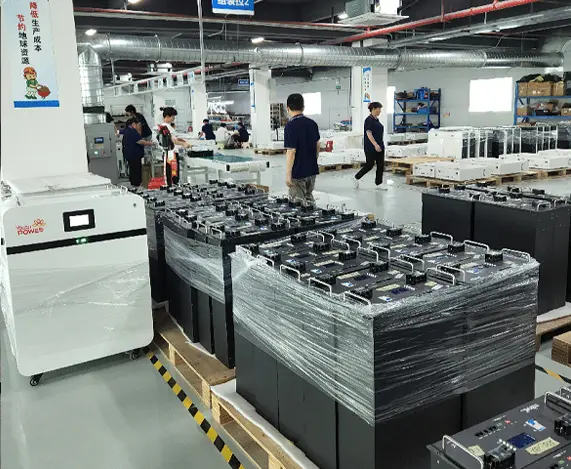
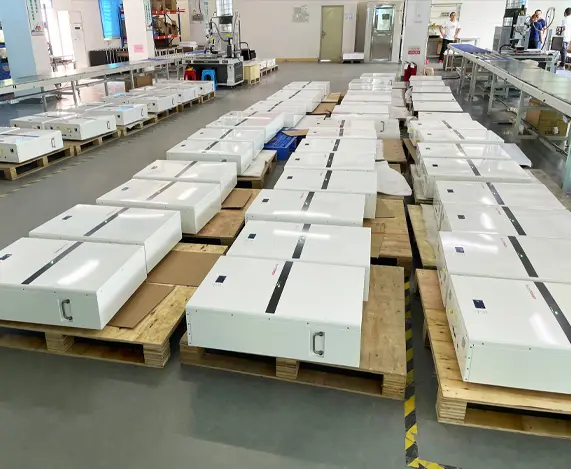
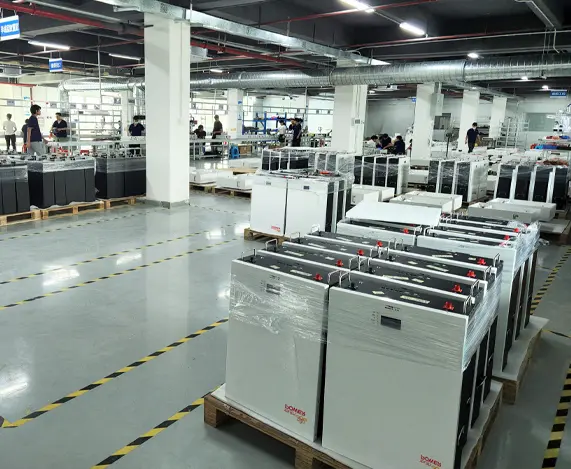
Leading Chinese battery storage plants implement fully automated manufacturing lines integrated with MES (Manufacturing Execution Systems) and AI-driven optical scanning. These high-throughput systems verify electrode coating density, laser-welded connections, and BMS board layout designs down to sub-millimeter tolerances.
Mass-producing structural prismatic cells like the 280Ah and 314Ah Form Factors allows factories to distribute high-cost engineering and safety validation expenses (e.g., UL 9540A testing) over gigawatt-scale outputs. This drives down Levelized Cost of Storage (LCOS) for global commercial developers.
How engineering requirements change across localized geographies and industrial verticals.
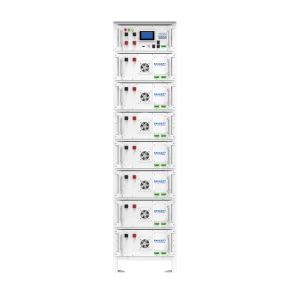
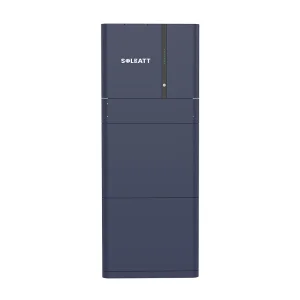
Requires low footprint, low acoustic noise levels, and UL 9540 standard compatibility. Our high-voltage stackable storage system offers high density with liquid-cooled enclosures or advanced ventilation to operate within indoor electrical closets or adjacent parking garages safely.
Industrial applications face sudden, massive inductive load spikes when large motors start up. Systems must support dynamic C-rates (high discharge currents up to 1C or 2C transient support) and robust Active Balancing BMS configurations to prevent cell degradation under stress.
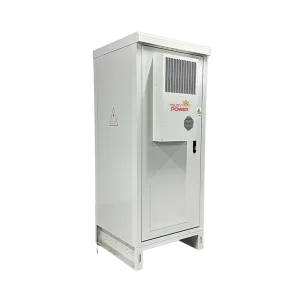
Off-grid operations in harsh environments (high humidity, desert heat, extreme cold) demand IP54 or IP65 ingress protection ratings, heavy-duty thermal management, and reliable multi-protocol communications (Modbus, CAN bus) with diverse solar inverters.
Over two decades of engineering reliable energy storage systems for global distribution.
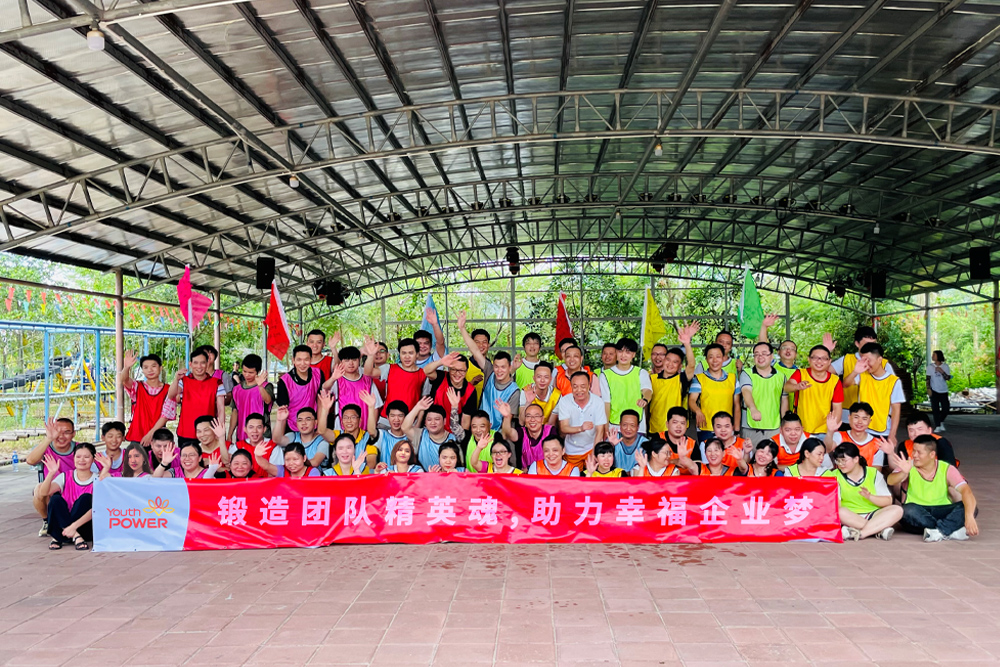
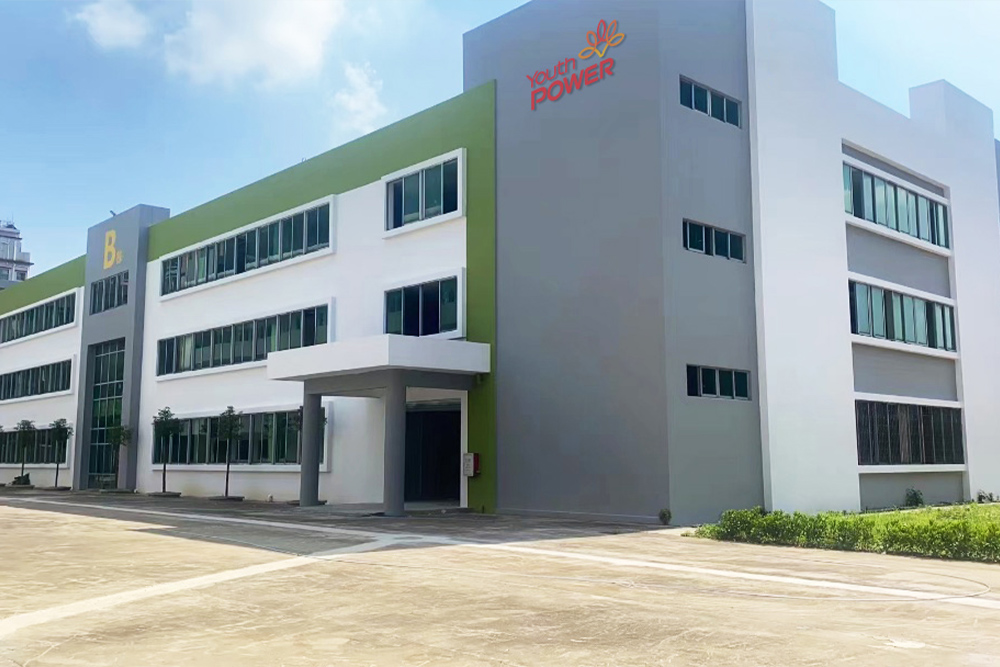
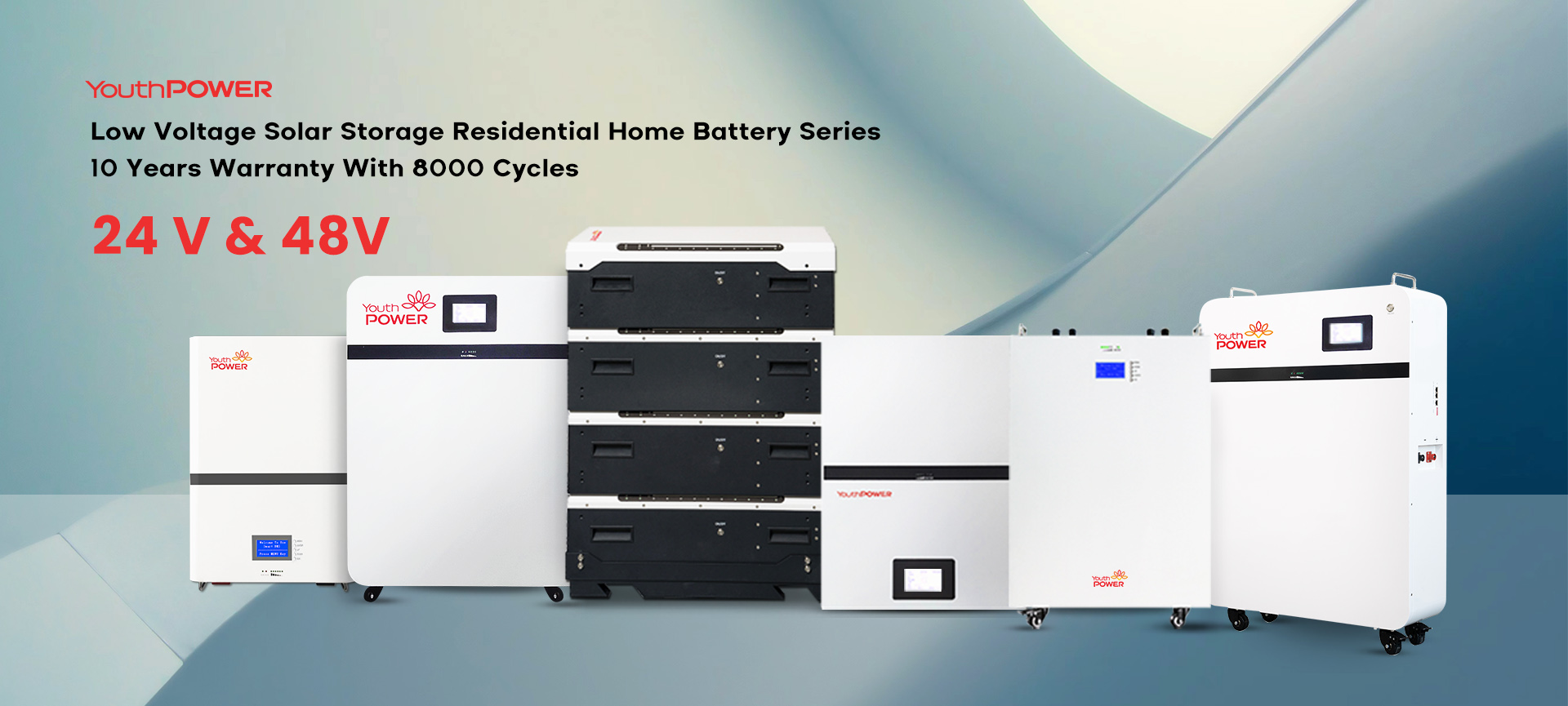
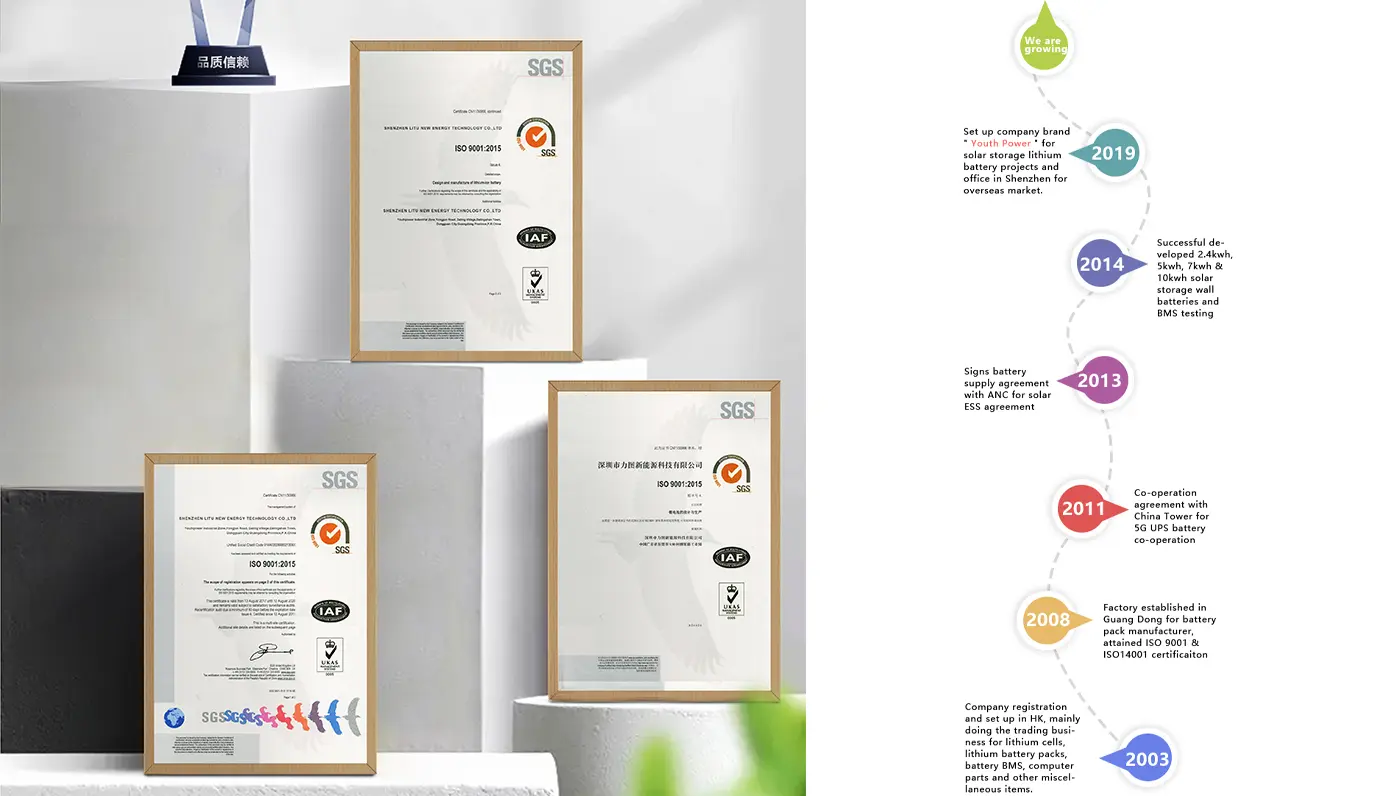
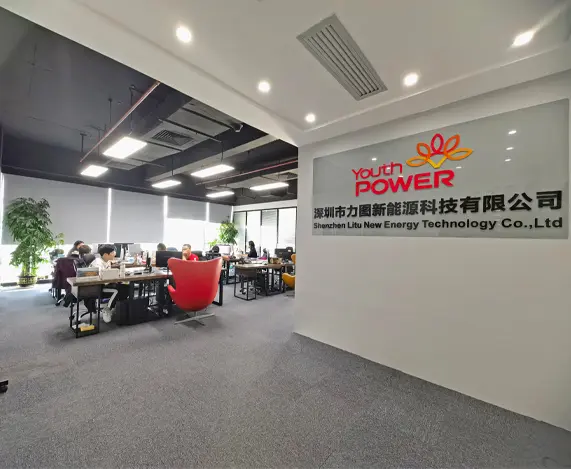
Founded in 2003, YouthPOWER has now become one of the leading suppliers of solar storage lithium batteries in the world. With a broad range of energy storage solutions, it covers a series of 24V, 48V and higher voltage lithium batteries solutions.
YouthPOWER has engaged in the battery technology and production for almost 20 years, with abundant manufacturing experience and strong new product R & D capability. Through many years of hard work and market promotion, we have created our own brand "YouthPOWER" in 2019.
With nearly 20 years’ experience in the battery industry, we have the capability to provide you with both the products you need and the most suitable products you want. We are always ready to supply the first-class products and meet the various needs of the customers.
We have established good business relationships with our customers from all over the world. And we have a good cooperation with all our customers as well for many years running. Supported by our local vendors of raw materials, we can certainly offer you the best prices.
We are so proud that YouthPOWER has offered the reliable solar storage solution for over 1,000,000 families now in the world.
Staying ahead of the curve with emerging developments in cell chemistry, cooling, and grid interactions.
Air-cooled cabinets are transitioning to advanced liquid cooling for high-power utility configurations. Liquid systems minimize cell-to-cell temperature variations to less than 2°C, effectively extending standard battery lifespan by 20% and mitigating local hot spots.
Modern Energy Management Systems (EMS) deploy machine learning algorithms to predict local solar generation and load patterns. This optimizes charge and discharge cycles dynamically based on real-time grid pricing feeds, maximizing project ROI.
For operations in extremely cold climates, sodium-ion technology is emerging as a strong alternative. Offering improved capacity retention at temperatures below -20°C, it presents a stable chemical architecture for high-latitude applications.
Key technical criteria that EPC contractors, solar installers, and industrial developers must evaluate.
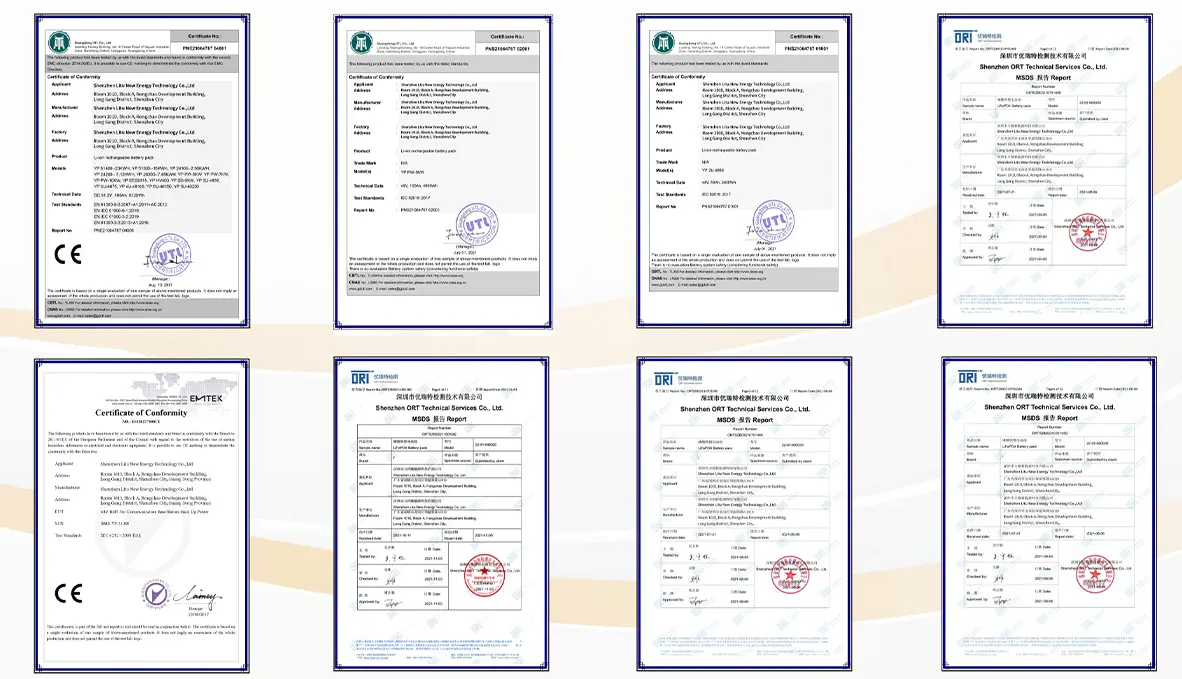
A BESS must comply with critical global standards to ensure safe operation and simplify permitting:
The internal Battery Management System (BMS) must communicate seamlessly with top hybrid inverters (such as Deye, Growatt, SMA, and Victron). It should support active balancing, high-resolution cell voltage monitoring, and Modbus/CAN bus communication for remote diagnostics.
Verify that manufacturers guarantee a long cycle life, typically at least 6,000 cycles at 80% Depth of Discharge (DOD) under nominal 25°C operating temperatures. Ensure the warranty terms explicitly define the remaining capacity end-of-life (EOL) limit (typically 70%).
Expert technical answers to critical engineering, purchasing, and deployment questions.
Lithium Iron Phosphate (LiFePO4 / LFP) is preferred for stationary energy storage due to its exceptional thermal stability and long life. It has a thermal runaway temperature of around 270°C, compared to NMC's ~210°C, which significantly reduces the risk of combustion. Additionally, LFP batteries routinely offer 6,000+ cycles at 80% DoD, whereas NMC batteries typically degrade to similar levels after 2,000 to 3,000 cycles.
High-voltage (HV) systems (typically >100V to 800V) reduce current draw for the same power output compared to low-voltage (48V) systems. This reduction in current minimizes resistive heat generation (I²R losses), allowing for smaller cable gauges, simpler system layouts, and improved overall round-trip efficiency in commercial and industrial settings.
LCOS is determined by the total capital expenditure (CAPEX), depth of discharge (DoD), round-trip efficiency, operations & maintenance costs (O&M), and the cycle life of the cells. Opting for high-cycle-life LFP cells from vertically integrated factories consistently yields the lowest lifetime LCOS, despite higher initial equipment costs.
Industrial battery cabinets should incorporate multi-layered fire prevention systems. This includes aerosol-based fire suppression (such as Stat-X or FM200), mechanical ventilation to prevent explosive gas buildup, integrated smoke and gas detection, and cell-level temperature monitoring within the BMS to isolate faulty strings before thermal runaway can occur.
YouthPOWER systems feature an adaptable, multi-protocol communication interface compatible with global inverter standards (including CAN and RS485). The system is pre-configured to communicate seamlessly with major inverter brands, including Deye, Growatt, Victron, SMA, and GoodWe, enabling plug-and-play installation.
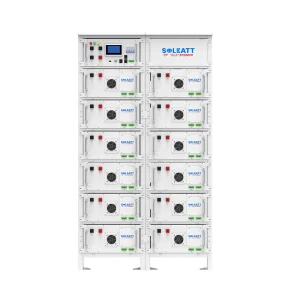
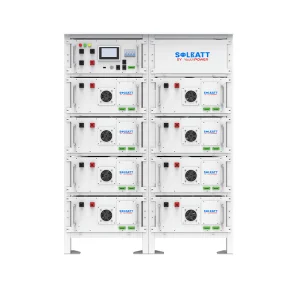
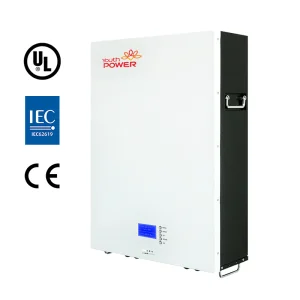
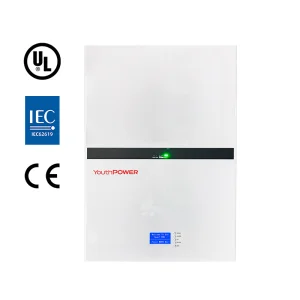
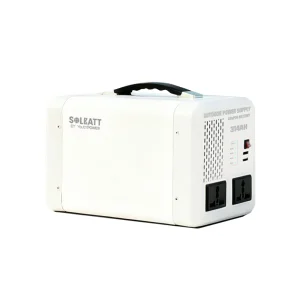
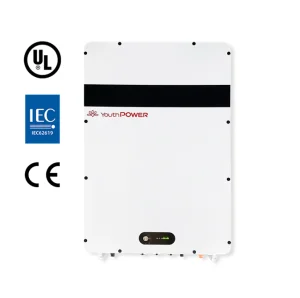
High-capacity energy storage cabinets, stackable solutions, and waterproof outdoor designs engineered for demanding projects.
 YouthPOWER