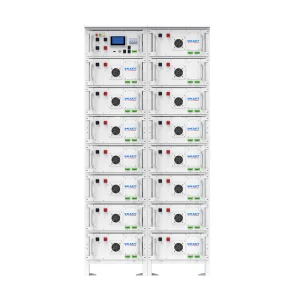
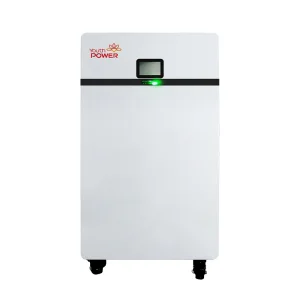
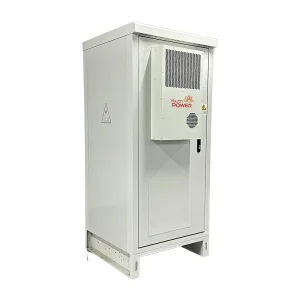
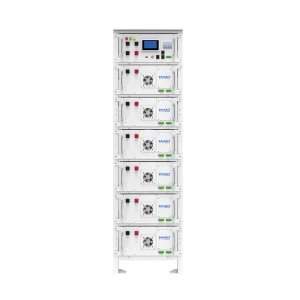
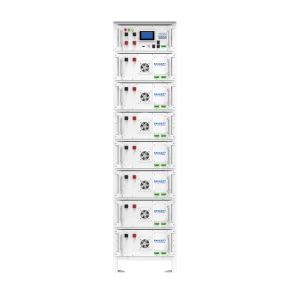
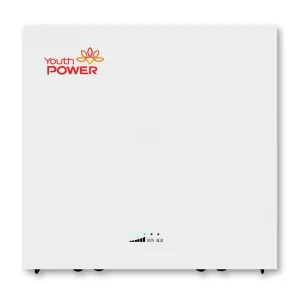
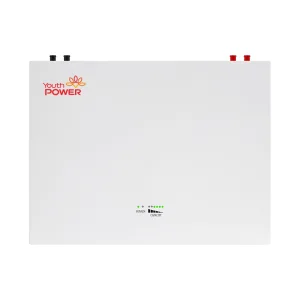
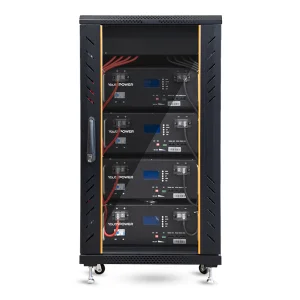
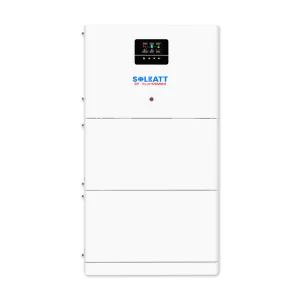
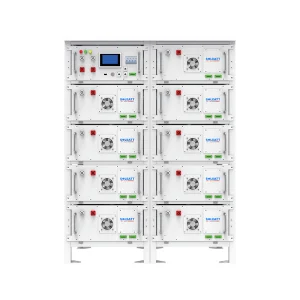
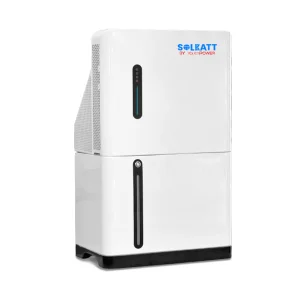
Explore the vanguard of tier-1 energy storage systems. Engineered with high-density lithium iron phosphate cells, our premium commercial and residential batteries represent the pinnacle of global clean energy investment.
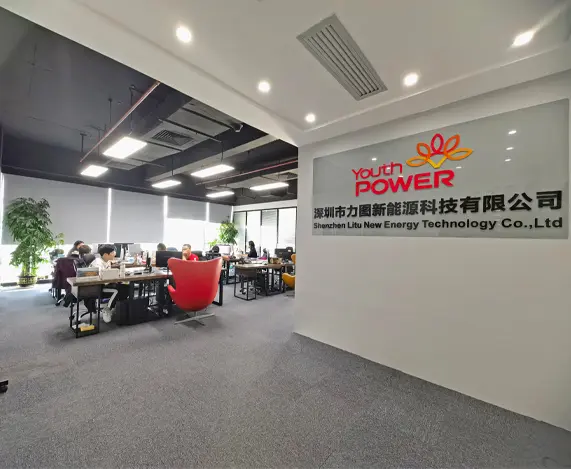
Founded in 2003, YouthPOWER has evolved over two decades to become one of the premier global innovators and key players in solar storage lithium batteries. With a broad range of energy storage solutions, the company covers a specialized series of 24V, 48V, and high-voltage lithium battery solutions designed to satisfy the strict requirements of international microgrids, residential installations, and industrial networks.
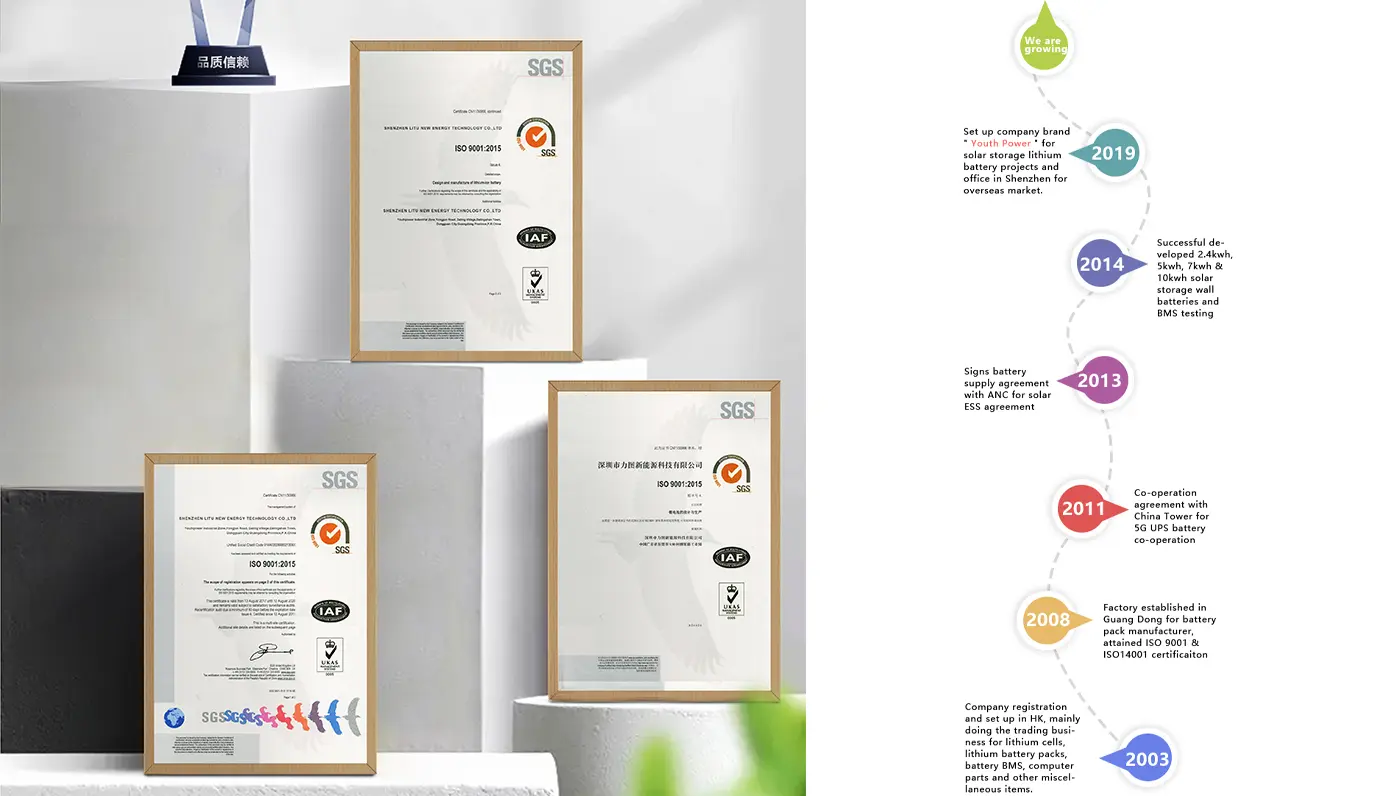
Engaging actively in advanced battery technology and production for almost 20 years, we possess abundant manufacturing experience and a formidable new product R&D capability. Through decades of hard work, engineering adjustments, and aggressive global market promotion, we proudly established our core proprietary brand "YouthPOWER" in 2019, signifying our commitment to high reliability, safety, and technological leadership.
Equipped with nearly 20 years’ experience in the chemical battery industry, we offer the capability to supply both the precise off-the-shelf configurations you require and customized products engineered for highly specific local operations. We stand fully prepared to supply first-class products to meet the diverse scale and performance expectations of enterprise customers globally.
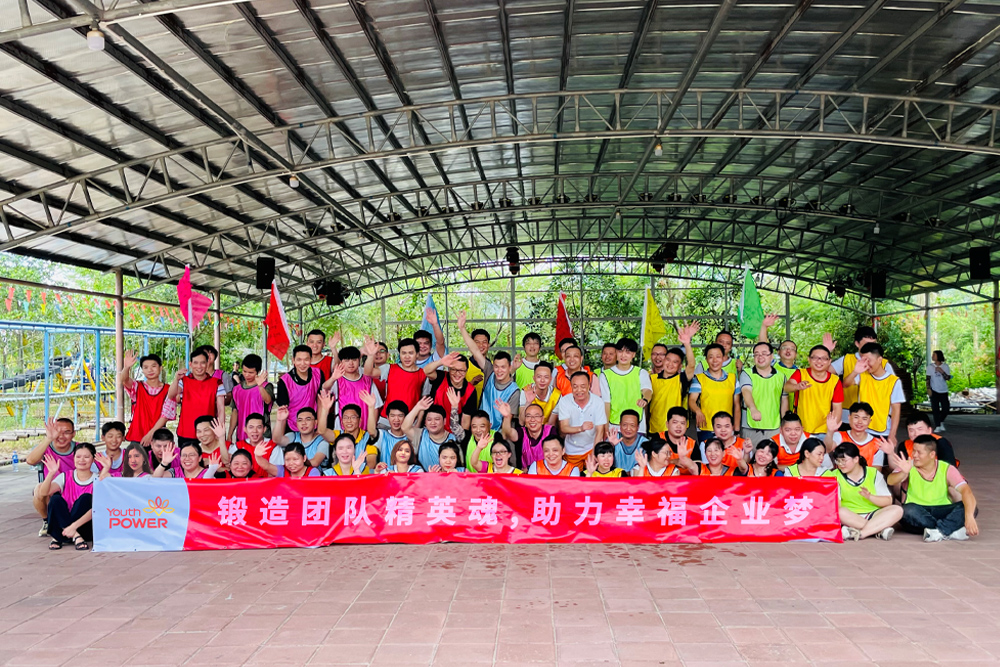
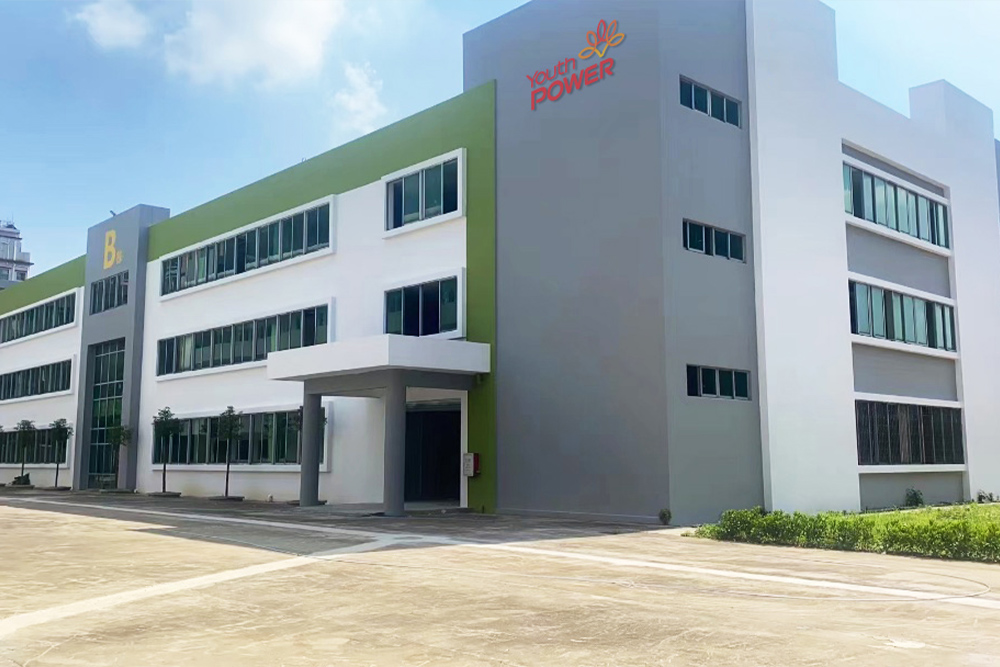
Through robust collaboration and transparent dealings, YouthPOWER has established solid, long-standing business relationships with energy procurement specialists, EPC contractors, and distributors worldwide. Sustained by strong partnerships with domestic raw material suppliers, we procure top-tier chemical precursors, high-grade lithium iron phosphate (LiFePO4) cells, and modern semiconductor components under optimized pricing frameworks.
This deep vertical integration enables us to extend significant cost advantages to our international clientele without compromising manufacturing tolerances or safety factors. We are extremely proud that YouthPOWER’s dependable solar storage architectures now safeguard and power more than 1,000,000 homes and commercial installations globally, minimizing dependence on fossil fuels and reducing utility costs.
Our collaborative philosophy relies on shared technical transparency. By analyzing regional load behaviors and working closely with local engineering teams, we continually tailor our systems to accommodate diverse grid constraints and physical environments.
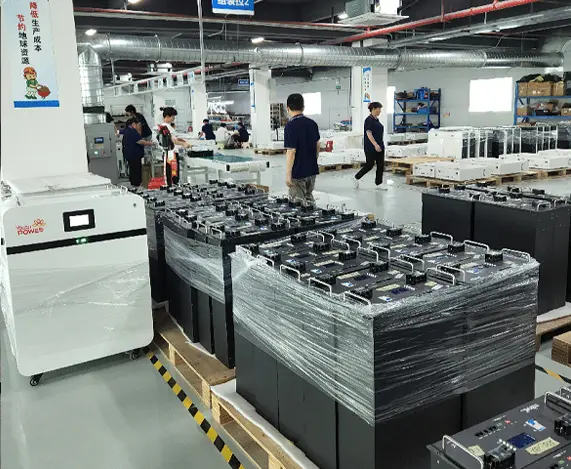
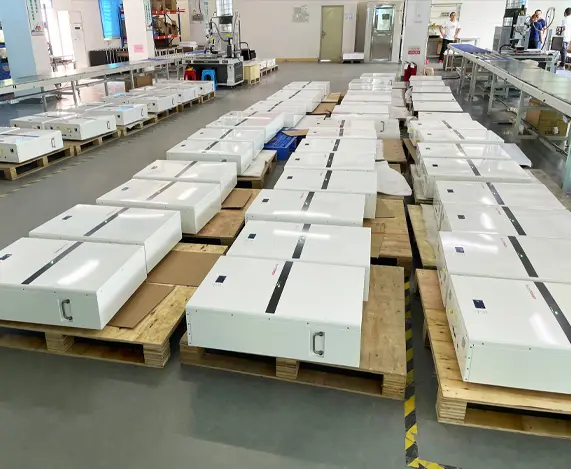
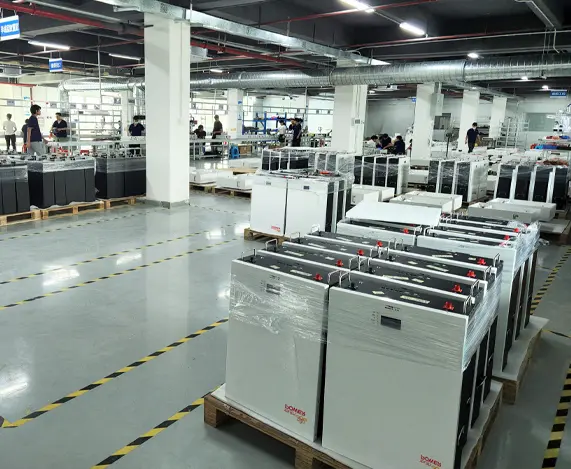
Our production standards utilize automation, precise laser welding, advanced cell sorting algorithms, and detailed thermal chamber analysis to guarantee the longevity of every module.
Over the last two decades, the global energy transition has demanded continuous adaptation, intense material research, and substantial capital investment. The chronological path of YouthPOWER highlights our persistent engineering evolution—from simple lead-acid manufacturing alternatives in the early 2000s to state-of-the-art smart BMS integrated lithium battery chemistry today.
By mapping out our progress, we gain a clear overview of the strategic steps taken to secure international quality certifications (such as ISO9001, CE, UN38.3, and UL safety standards). Today, we look forward to driving the deployment of large-scale decentralized systems and containerized industrial enclosures designed for grid support and off-grid resilience.
Strategic benefits in industrial clustering and chemical supply chains elevate Eastern manufacturing nodes beyond simple cost efficiency. Rather, they provide an optimized foundation for high-tier engineering.
Proximity to cathode precursors, chemical processing plants, and mineral refineries minimizes regional transit bottlenecks, reduces inventory carrying costs, and guarantees consistency in chemical purity.
By leveraging high-speed robotic sorting lines and vision-guided automated cell testers, Chinese gigafactories ensure high consistency in cell resistance, internal impedance, and overall charge efficiency.
Massive global production volumes lower the Levelized Cost of Storage (LCOS). This cost benefit translates directly into accessible per-kilowatt-hour pricing structures for microgrid developers and utility operators.
Commercial buyers, utility investors, and project engineers look beyond superficial price metrics, prioritizing system architecture, performance guarantees, and reliable safety designs.
Commercial batteries must achieve at least 5000–6000 cycles at 80% Depth of Discharge (DoD) before capacities drop to 75-80% of original rating. The use of premium Grade-A LiFePO4 cells with high lattice stability ensures structural durability under repeated charging and discharging cycles.
A multi-tier Battery Management System (BMS) is essential to monitor cell voltages, balance individual capacities, track state of health (SoH), and prevent overcharging. Integrated CANbus and RS485 communication protocols ensure smooth connectivity with commercial hybrid inverters.
Physical separation of cells, fire-retardant barriers, and temperature sensors prevent potential thermal propagation. Liquid cooling systems or high-throughput ventilation arrays keep internal temperatures within optimum ranges to maximize overall service life.
Navigating the complex landscape of regional utility rules and safety protocols is a key challenge for global energy storage ventures. Compliance goes beyond simply printing local testing marks on products. It requires system certification to show that the equipment will protect the host facility under grid faults, electrical surges, and physical impacts.
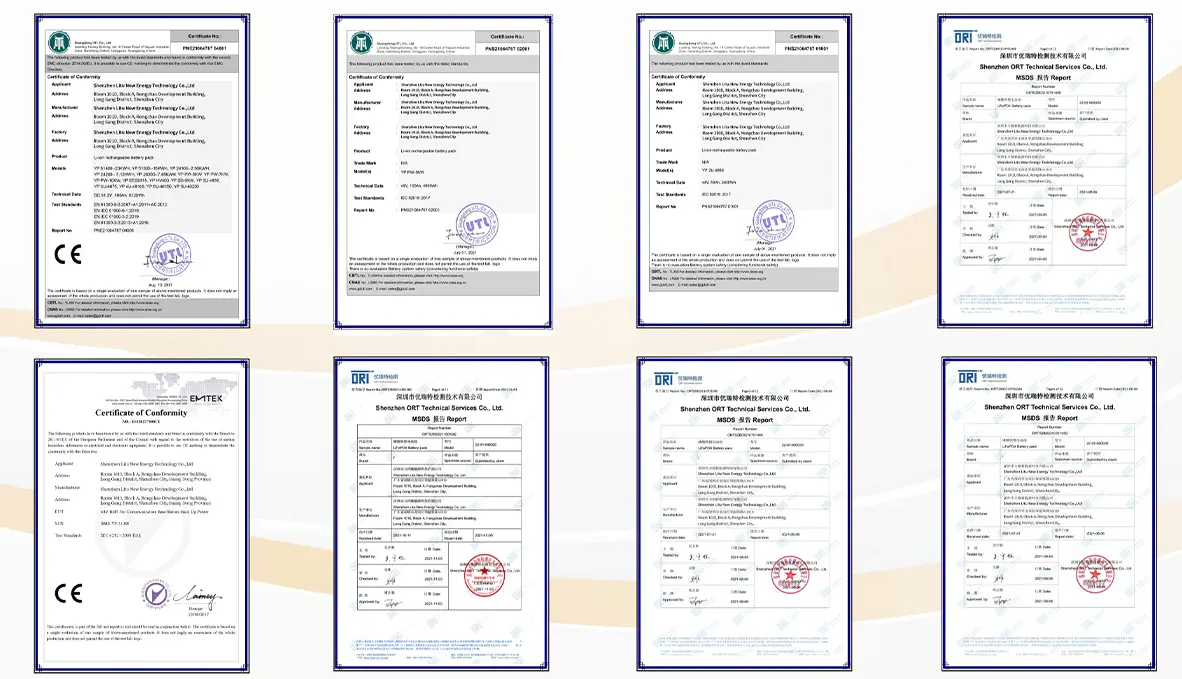
YouthPOWER coordinates and qualifies its factory lines to meet rigorous international standards:
By establishing strategic engineering partnerships, we offer customized firmware profiles to align with local grid requirements, facilitating smooth approvals from utility operators and local inspectors.
From small balcony installations to megawatt-scale industrial containers, energy storage requirements vary significantly. Modern systems must adapt to distinct operational profiles.
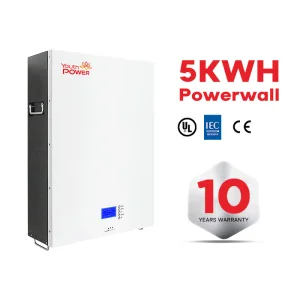
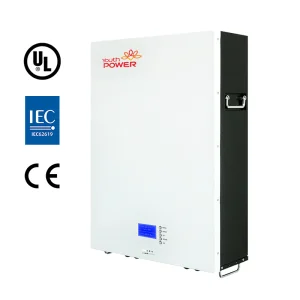
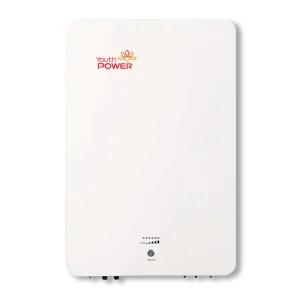
Wall-mounted and modular low-voltage LiFePO4 batteries (such as 48V 100Ah or Powerwall systems) supply consistent emergency power, optimize self-consumption, and reduce energy bills.
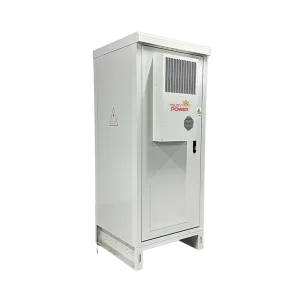
High-voltage cabinets and containers (100kWh to 215kWh+) mitigate demand charges by discharging during peak utility rates and charging during off-peak periods.
Ultra-compact energy systems (e.g., 2.5kWh balcony arrays) allow urban residents without roof access to harvest clean power, feeding it into domestic sockets as needed.
Technological advancements and falling raw material costs are transforming energy storage architecture, shaping the future of global utility systems.
Moving beyond standard 280Ah cell form factors, the industry is transitioning to 314Ah capacities. This shift increases system energy density by 10-12% without altering the container footprint, reducing civil works costs and spatial requirements on-site.
Modern batteries are increasingly integrated with edge computing modules and cloud platforms, allowing groups of small-scale home storage units to form virtual power plants. This enables real-time grid stabilization and helps capture grid arbitrage opportunities.
While lithium iron phosphate (LFP) remains the standard for performance, sodium-ion technology is emerging as a viable alternative for low-temperature climates and long-duration storage projects where space constraints are less critical.
Technical insights and purchasing guidance for utility developers, procurement managers, and commercial solar installers.
Our lithium batteries utilize Grade-A LiFePO4 chemistry and are designed to achieve between 5,000 and 6,000 complete charging/discharging cycles at 80% Depth of Discharge (DoD) before the cell retention drops to 80% of its nominal capacity. This longevity corresponds to 12-15 years of daily operation under standard operating temperatures (25°C).
High-voltage solutions (typically over 300V up to 800V, such as our 358V or 768V configurations) reduce operational currents across the same power threshold. This minimizes I²R heat losses, allows for smaller copper cable diameters, and improves conversion efficiency inside commercial inverters. Low-voltage configurations (such as 48V) remain highly practical, modular, and safe for standard home energy systems.
All our battery systems comply with standard testing protocols. Depending on the configuration, they are certified to UL 1973, UL 9540, CE, IEC 62619, and UN38.3. This compliance demonstrates that the modules are safe for sea, air, and land transport, and are ready for local grid interconnection approvals.
Yes. We supply NEMA 3R and IP54/IP65 ratings for outdoor enclosures. These cabinets can be fitted with integrated HVAC units or active thermal management systems to handle extreme heat, sub-zero winters, coastal salinity, and dust exposure.
Standard configurations (such as residential Powerwalls or modular cabinets) typically ship within 30 to 45 days. Large-scale high-voltage projects requiring custom BMS configurations, specific structural housings, or multi-pack enclosures generally take 50 to 70 days for manufacture and quality testing before dispatch.
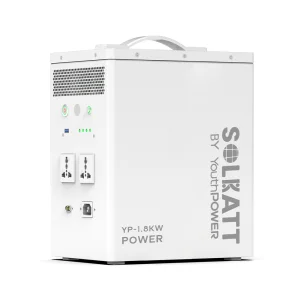
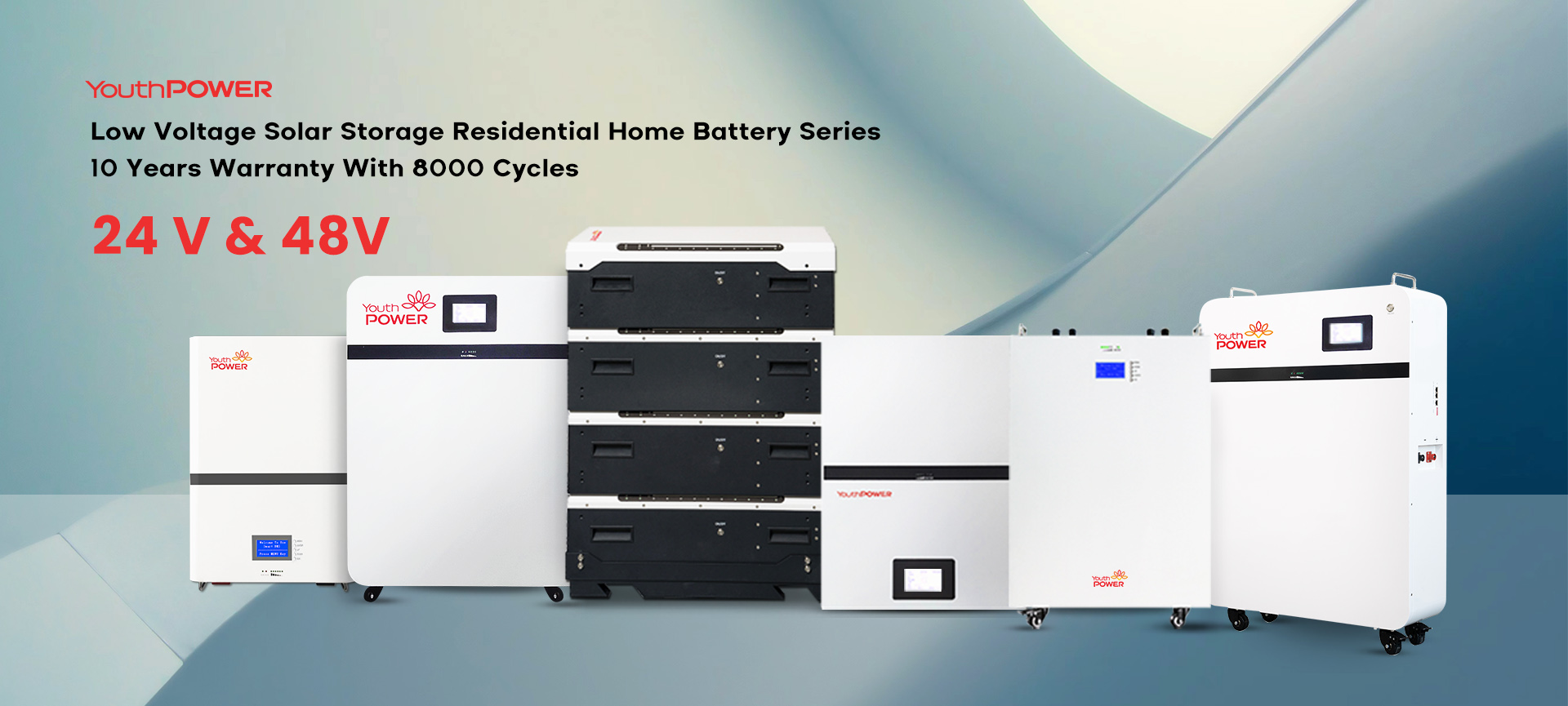
From compact portable backup setups to high-capacity storage racks, discover our versatile range of residential, commercial, and off-grid solutions.
 YouthPOWER