Explore our highly integrated Tier-1 manufacturing lineup. Engineered for stability, compatibility, and maximum energy density.
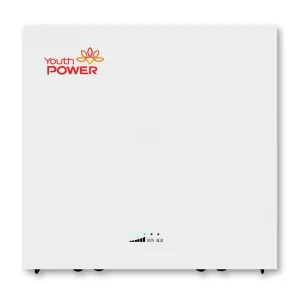
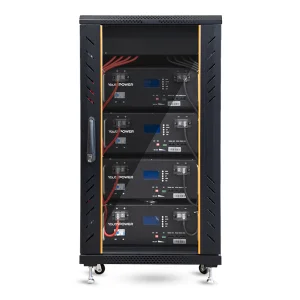
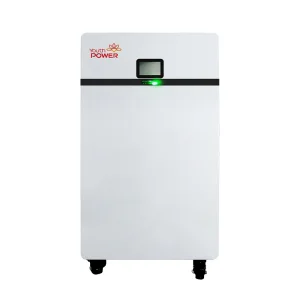
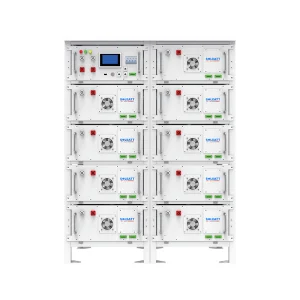
The global residential energy storage landscape is transitioning from an early-adopter niche to an essential infrastructural necessity. With rising grid volatility, localized tariff adjustments, and the transition toward green electrification, household energy storage systems (HESS) have evolved significantly. Procurement teams and project developers now look for robust factory environments capable of delivering sustained scalability, high-grade LiFePO4 cells, and multi-inverter compatibility.
From a macro perspective, the core evaluation criteria for selecting reliable household energy storage system companies have evolved. Modern buyers focus heavily on Levelized Cost of Storage (LCOS), cycle lifespan (>6,000 cycles at 80% DOD), integrated EMS intelligence, and zero-defect product runs. Sourcing strategies are no longer limited to individual components but look for vertical system integration capability that decreases onsite installation time and prevents field failures.
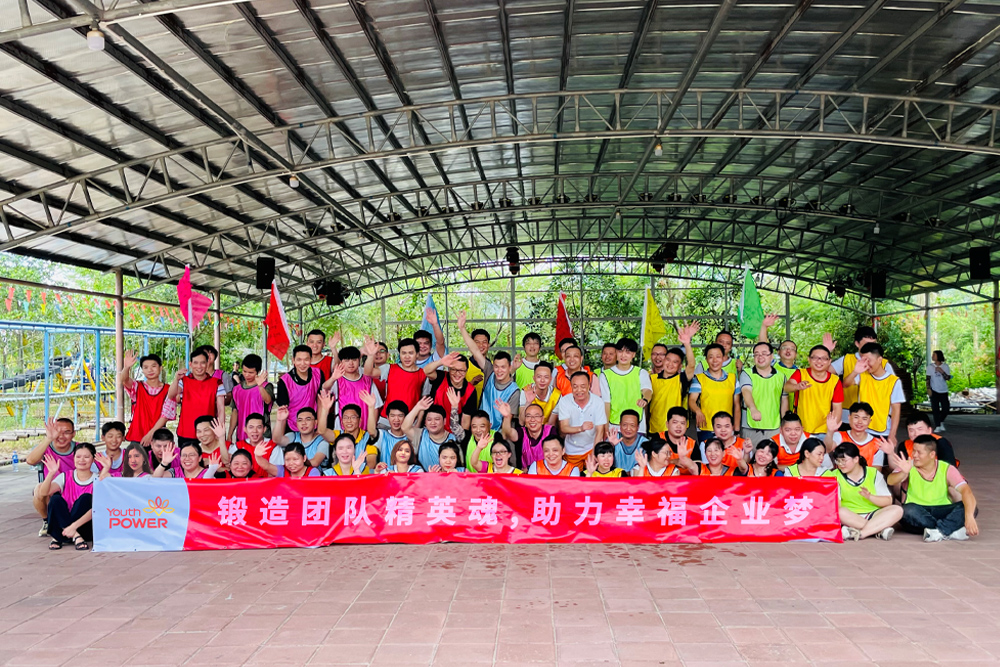
Integrating 20 years of research and production expertise to support the global renewable transition.
Founded in 2003, YouthPOWER has established its position as one of the leading global suppliers of solar storage lithium batteries. Offering a comprehensive portfolio of clean energy solutions, the company manufactures high-density 24V, 48V, and high-voltage lithium battery systems designed for global residential, commercial, and off-grid demands.
Having engaged in advanced battery technology and volume production for nearly two decades, YouthPOWER leverages rich manufacturing experience and deep-tech research and development capabilities. The brand "YouthPOWER" was formally registered in 2019, symbolizing a commitment to offering durable, smart, and safe energy storage systems globally.
Backed by strong relationships with local raw material vendors, YouthPOWER ensures pricing stability and reliable supply chain security, even during peak global demands. We are proud to have supported over 1,000,000 families globally with dependable, long-life solar energy storage systems.
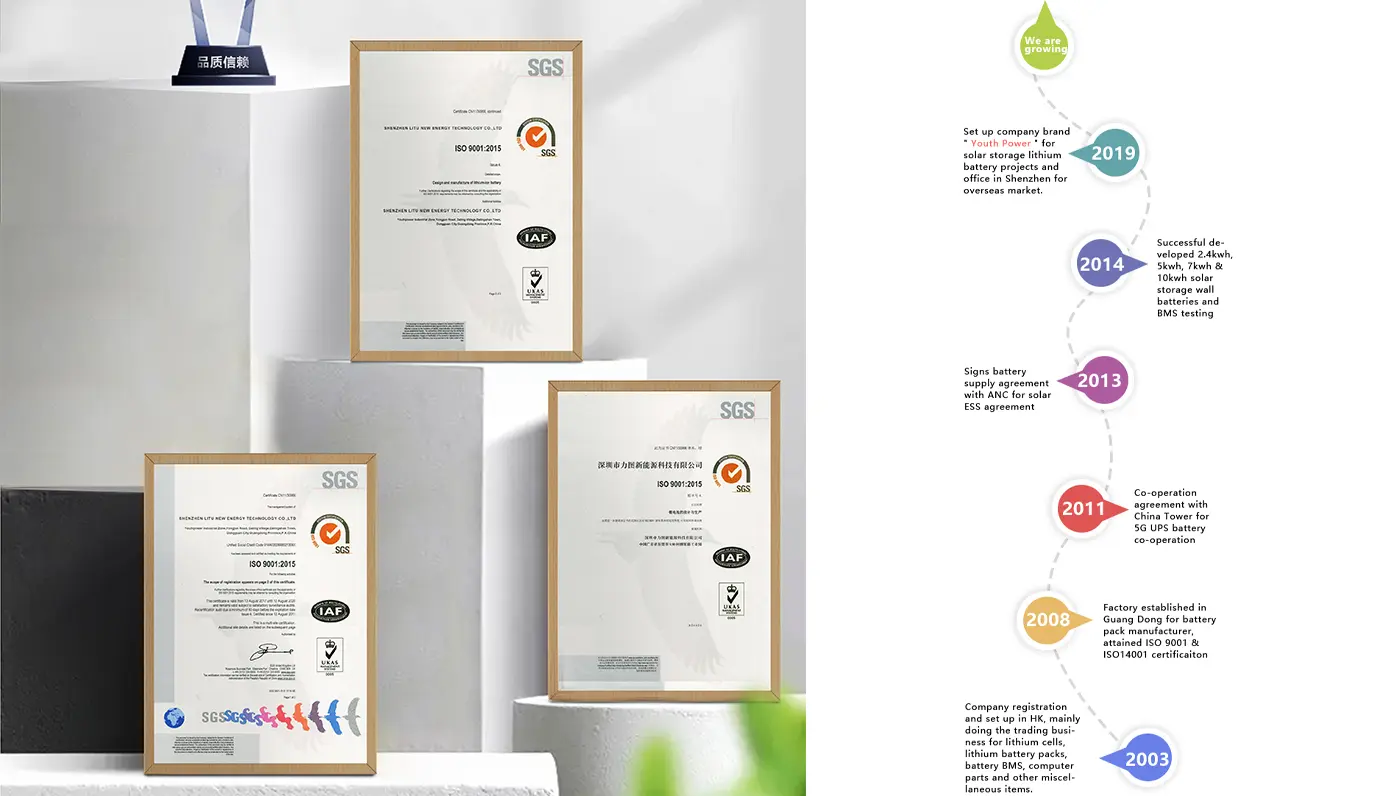
A historical timeline of YouthPOWER's transition from early cellular development to global smart ESS system design.
Focused on perfecting battery chemistry formulations, supplying commercial cells, and establishing raw material quality standards.
Expanded into integrated storage cabinets, developing advanced proprietary Battery Management Systems (BMS) with wide inverter compatibility.
Launched the global "YouthPOWER" brand. Rolled out high-voltage stackable cabinets, Powerwall alternatives, and dynamic C&I systems.
Deploying smart EMS with cloud monitoring, preparing for localized warehouse systems, and introducing next-gen solid-state configurations.
Analyzing key electrical architectures to help project developers choose the right system design.
When sourcing household energy storage systems, engineers must choose between low-voltage (48V/51.2V) rack-mounted configurations and high-voltage (>200V-400V) series connection designs. Below is a comparative technical matrix:
| Feature Parameter | Low Voltage (48V / 51.2V) Systems | High Voltage (HV) Stackable Systems |
|---|---|---|
| Typical Configurations | 5kWh Powerwall, 19-inch Server Rack Cabinets | Modular Power Tower ESS, High-voltage Cabinets |
| Installation Complexity | Simple, plug-and-play, standard parallel expansion | Requires series-stacking design, experienced setup |
| Round-Trip Efficiency | ~89% - 92% (higher cable current thermal losses) | ~95% - 98% (lower currents, highly efficient conversions) |
| C-Rate Capability | Typically 0.5C - 1C max continuous discharge | Supports 1C - 2C peaks for heavy home startup loads |
| BMS Architectures | Single-tier central control BMS | Master-Slave double-layered system insulation |
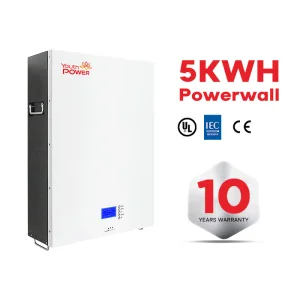
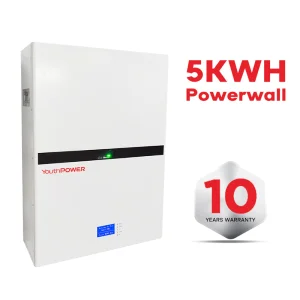
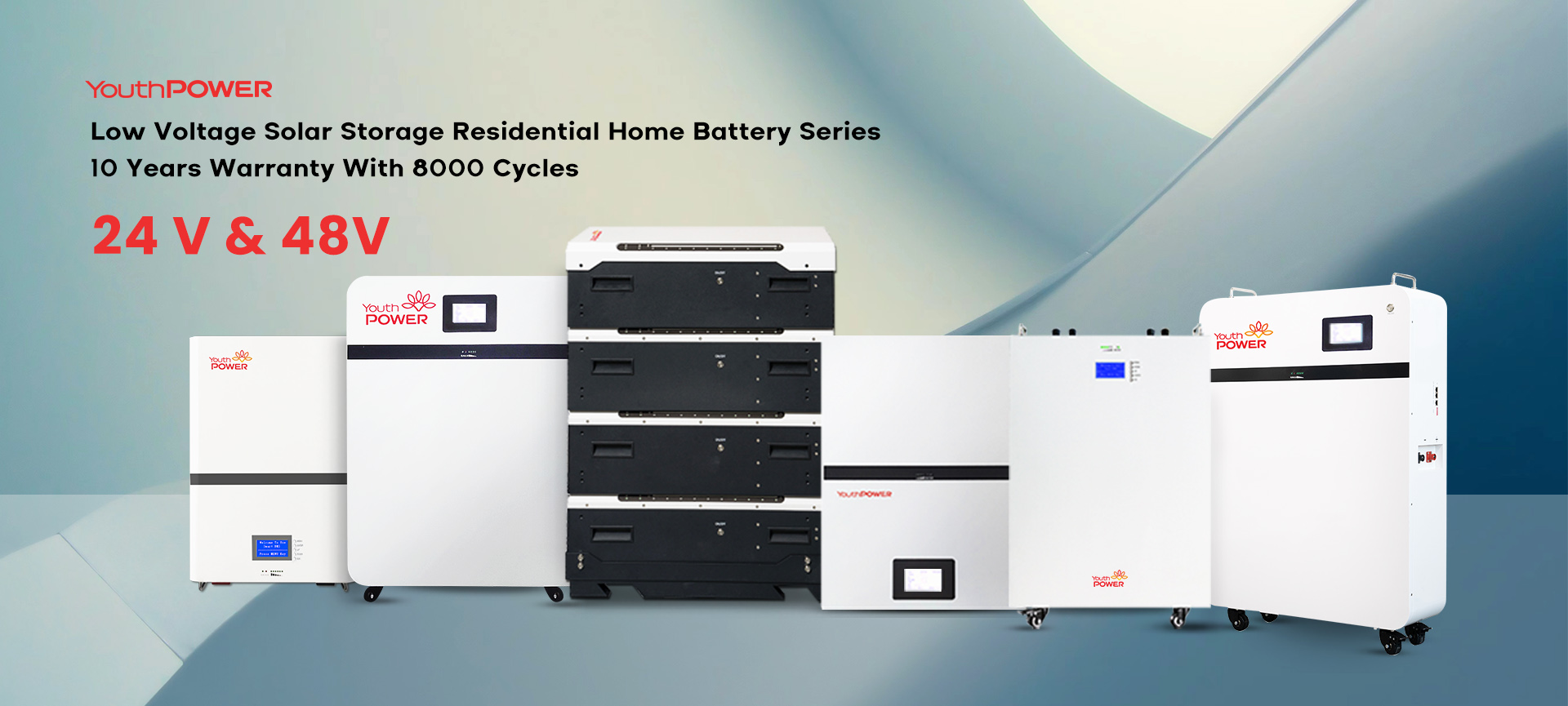
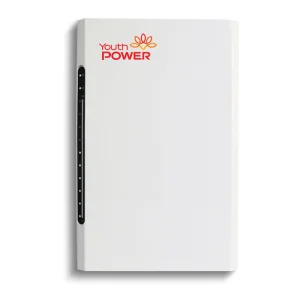
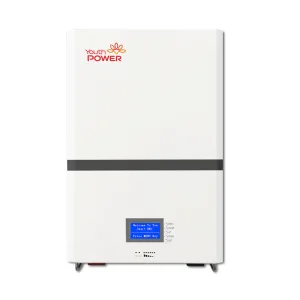
For standard retrofitted grid-tied homes and simple off-grid installations, 48V/51.2V lithium-ion batteries like the YouthPOWER Powerwall 100Ah remain highly popular. They offer reliable safety characteristics, are simple to scale in parallel, and interface with standard low-voltage hybrid inverters. This design keeps balancing currents manageable and avoids the high-voltage risks that require specialized installation technicians.
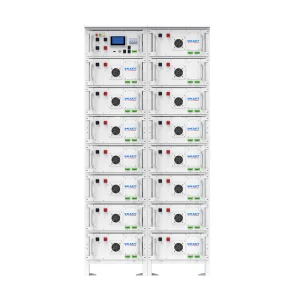
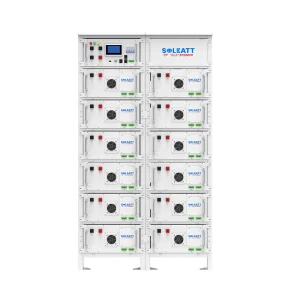
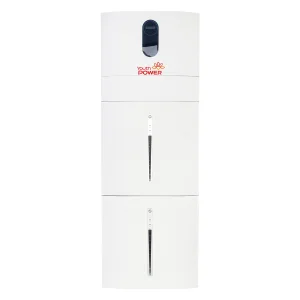
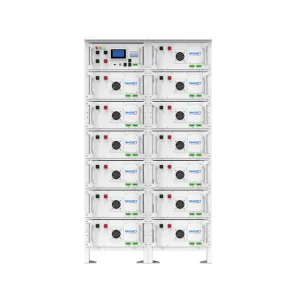
For modern homes with high peak loads (such as EV charging and heat pumps), high-voltage systems (like the Power Tower Inverter Battery AIO ESS) offer distinct advantages. By operating at 300V to 400V DC, these systems integrate directly with the inverter's high-voltage bus bar. This lowers thermal losses, reduces cable thickness requirements, and ensures faster response times during sudden power cuts.
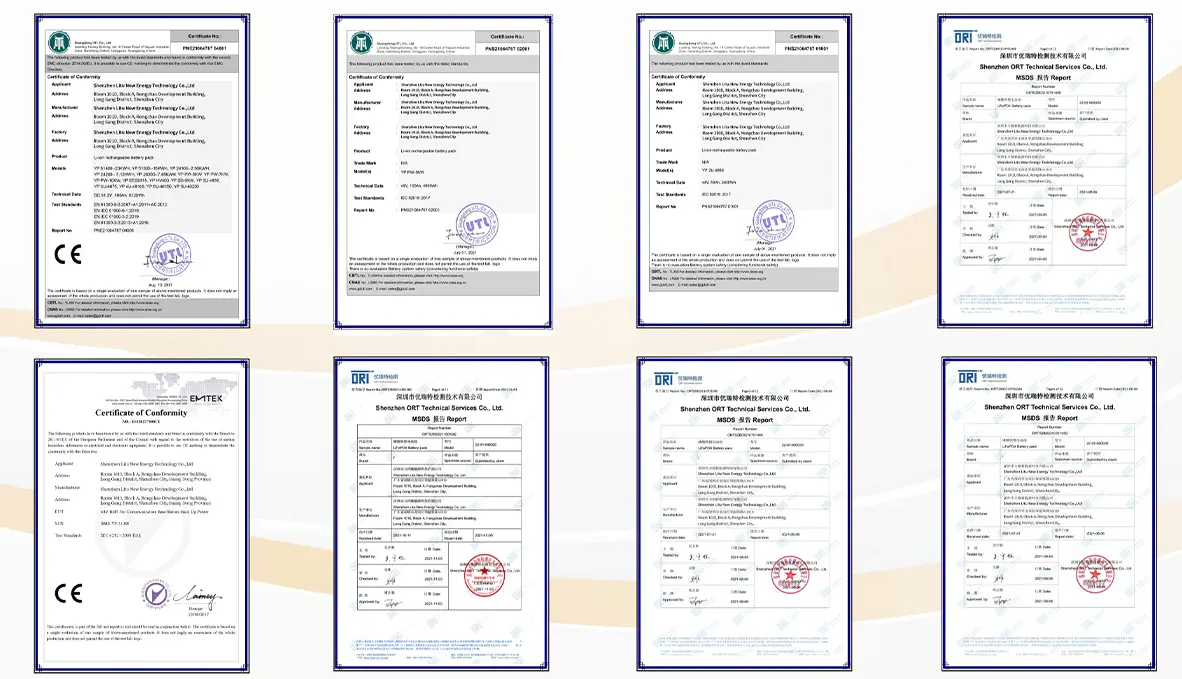
Residential battery storage systems are subject to strict regulatory frameworks to ensure safety and grid compatibility. When auditing a factory's qualifications, compliance certifications serve as crucial indicators of product safety and reliable engineering.
YouthPOWER guarantees strict quality control standards, working alongside internationally recognized labs like TÜV Rheinland and Intertek to certify our systems. This ensures quick customs clearance and smooth grid approvals for project developers.
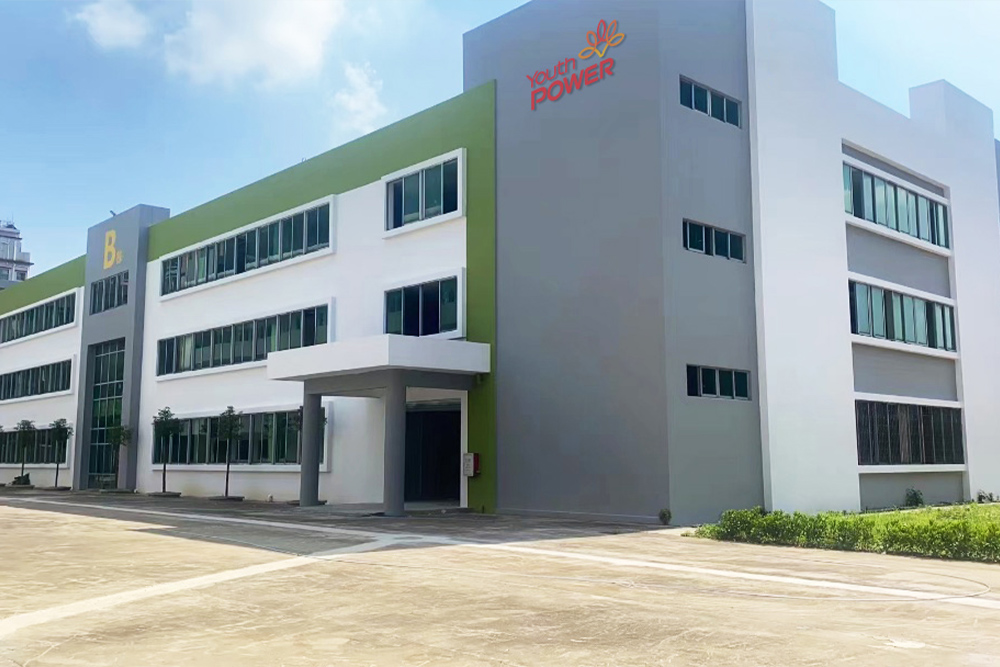
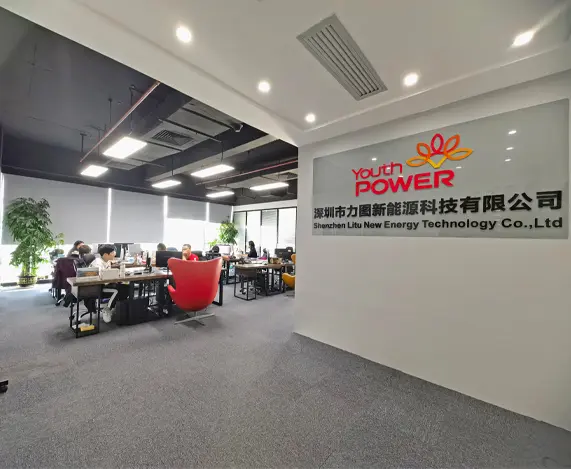
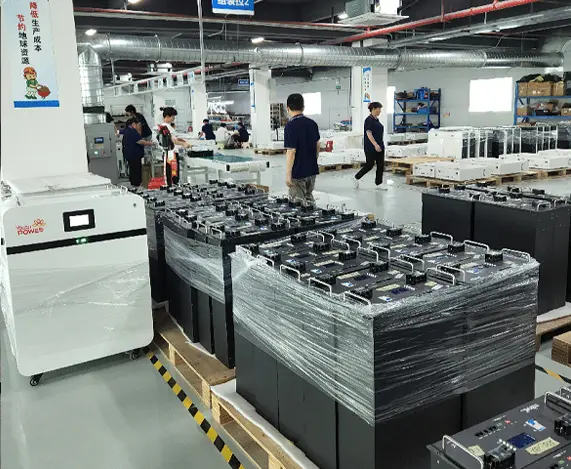
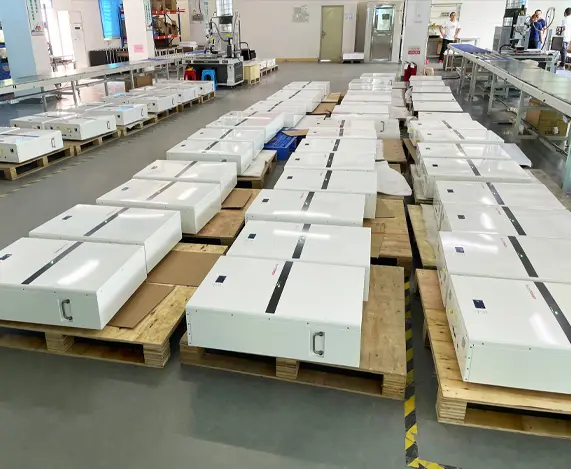
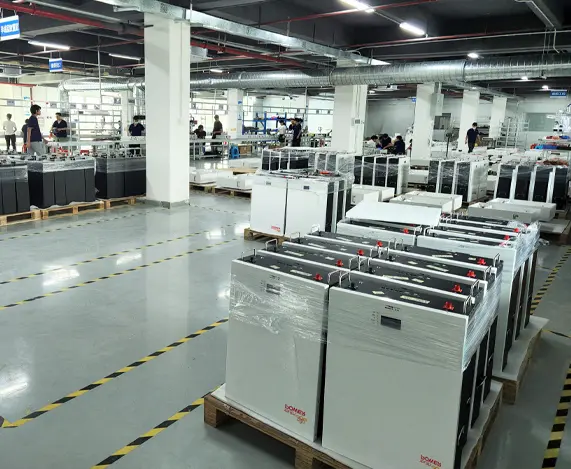
Inside our production facilities, showing how premium raw materials are converted into high-performance battery systems.
Operating a sustainable battery manufacturing plant requires consistent, high-quality material sourcing. Over the past 20 years, YouthPOWER has established deep partnerships with local raw material suppliers. This direct supply chain integration guarantees priority access to top-tier chemical components and structural metals, helping insulate clients from global pricing fluctuations.
Product reliability starts at the cell level. Our automated assembly lines use high-precision testing equipment to sort cells by voltage, internal resistance, and capacity. This sorting minimizes variation within the pack, preventing premature cell degradation. Automated laser welding, robust cell clamping, and integrated BMS wiring help guarantee that our battery modules are built to withstand physical shocks and thermal stress over years of operation.
Providing direct, data-backed answers to the most common questions asked by solar distributors, procurement managers, and electrical engineers.
Lithium Iron Phosphate (LiFePO4) is currently the preferred chemistry for residential energy storage systems. Unlike NMC (Nickel Manganese Cobalt) chemistries, LiFePO4 does not release oxygen during thermal runaways, reducing fire risks. It also offers a long cycle life, typically maintaining over 80% capacity after 6,000 cycles under normal operation.
Lithium-ion batteries operate best between 15°C and 30°C. Standard charging at sub-zero temperatures (below 0°C) can cause lithium plating on the anode, which permanently reduces battery capacity and can create short circuits. For cold-climate installations, look for batteries with integrated thermal management systems or automatic self-heating functions.
Passive balancing dissipates excess energy from high-voltage cells as heat through resistors, which is simple but slow. Active balancing transfers charge from higher-energy cells to lower-energy cells. This reduces heat generation and allows the system to utilize more of the overall pack capacity, particularly in larger, high-voltage battery banks.
Yes. YouthPOWER batteries are designed to be compatible with major hybrid inverters, including Victron, Deye, Growatt, Solis, Luxpower, and SMA. The integrated BMS supports CAN and RS485 communication protocols, allowing the battery to share real-time state-of-charge (SoC), voltage, and temperature data with the inverter.
Depth of Discharge refers to the percentage of battery capacity used relative to its total capacity. A shallower discharge cycle reduces mechanical and chemical stress on the battery chemistry. For example, a system rated for 6,000 cycles at 80% DoD may achieve up to 8,000 cycles if restricted to 70% DoD, helping extend the overall system lifespan.
Integrated All-In-One (AIO) ESS systems feature a transfer time of less than 10 milliseconds. This is fast enough to keep sensitive electronics, computers, and medical equipment running during a sudden power outage without rebooting.
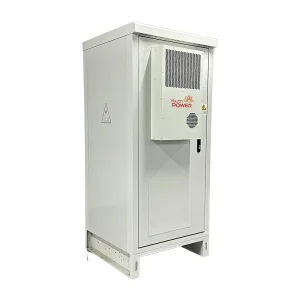
Yes, our outdoor cabinet solutions (such as the Outdoor Powerbox 100KWH) feature IP54 or IP65 ingress protection ratings. They are constructed with anti-corrosive galvanized steel sheets and finished with powder coatings to protect internal components from moisture, salt fog, and dust.
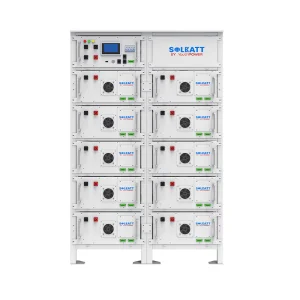
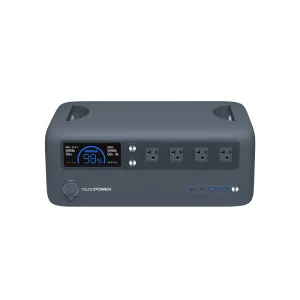
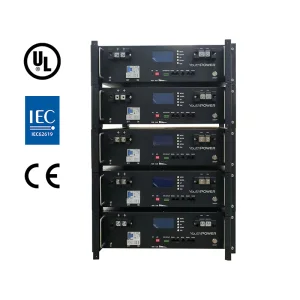
From space-saving balcony setups to high-capacity outdoor powerbox systems. Built to scale with your energy demands.
 YouthPOWER