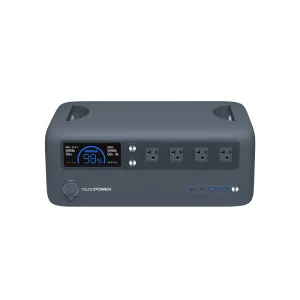
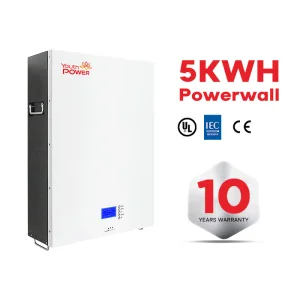
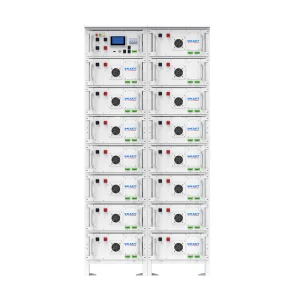
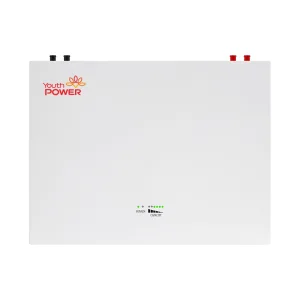
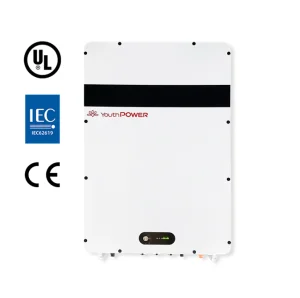
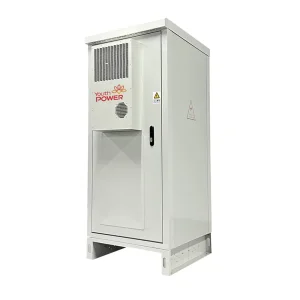
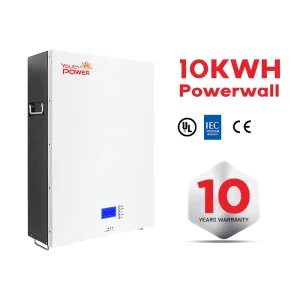
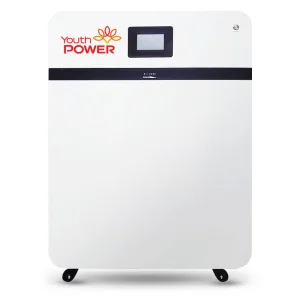
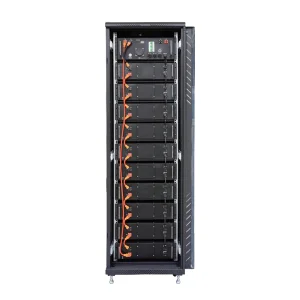
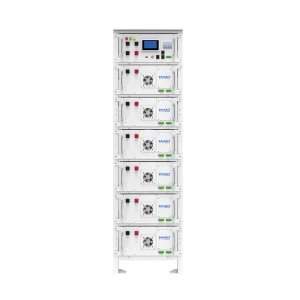
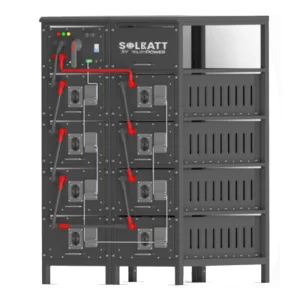
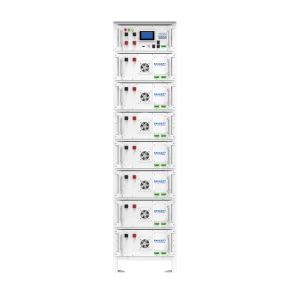
In the contemporary landscape of clean energy generation, the synchronization between photovoltaic systems and high-capacity battery storage systems represents the primary bottleneck of grid modernization. An inverter battery pack serves as the technological core that bridges raw direct current (DC) energy generation with usable, grid-compliant alternating current (AC). Selecting the premier battery pack manufacturer has transitioned from a routine supply-chain decision into a critical strategic partnership for global distributors, commercial project integrators, and industrial facilities.
Modern global energy policies—driven by high retail electricity rates, grid instability, and legislative mandates—are heavily pushing the adoption of decentralised Battery Energy Storage Systems (BESS). In Europe, North America, and parts of the APAC region, solar inverter batteries are no longer treated as optional backup items. Instead, they act as primary energy routing systems, executing real-time peak-shaving, microgrid islanding, and virtual power plant (VPP) integration.
By leveraging Lithium Iron Phosphate (LFP) technology, our battery packs ensure high thermal stability, zero maintenance, and over 6,000 charge cycles at 80% Depth of Discharge (DoD).
Integrated proprietary Battery Management Systems protect cells from overcurrent, overvoltage, and thermal runaway, while optimizing active cell balancing.
High-voltage battery architecture (exceeding 300V to 700V) reduces line current loss, minimizes heat generation, and directly optimizes inverter round-trip conversion rates.
The energy storage industry is undergoing structural transitions that influence how engineering organizations specify and source battery systems. Below are the key forces shaping global procurement:
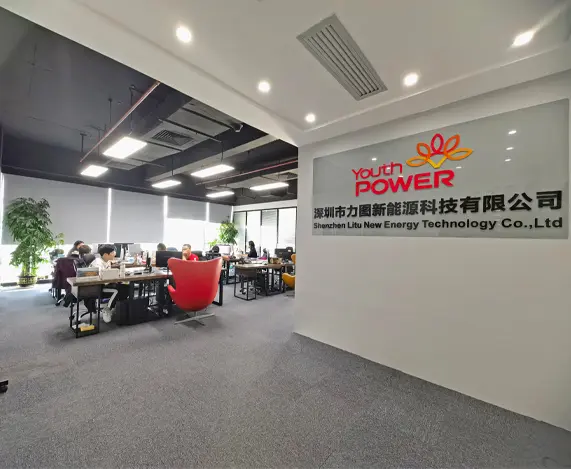
Founded in 2003, YouthPOWER has evolved into one of the premier global suppliers of solar storage lithium batteries. Over the course of nearly two decades, our engineering divisions have remained focused on battery technology breakthroughs, expanding a product catalog that spans low-voltage 24V, 48V and high-voltage lithium battery solutions.
By engaging deeply in electrochemical research and automated assembly lines, YouthPOWER has established rich manufacturing expertise alongside strong product research and development structures. Through continuous engineering validation, quality-control protocols, and global expansion, we launched our flagship brand "YouthPOWER" in 2019. Today, we are proud that our systems provide reliable power to over 1,000,000 families worldwide, delivering localized off-grid security and carbon footprint reduction.
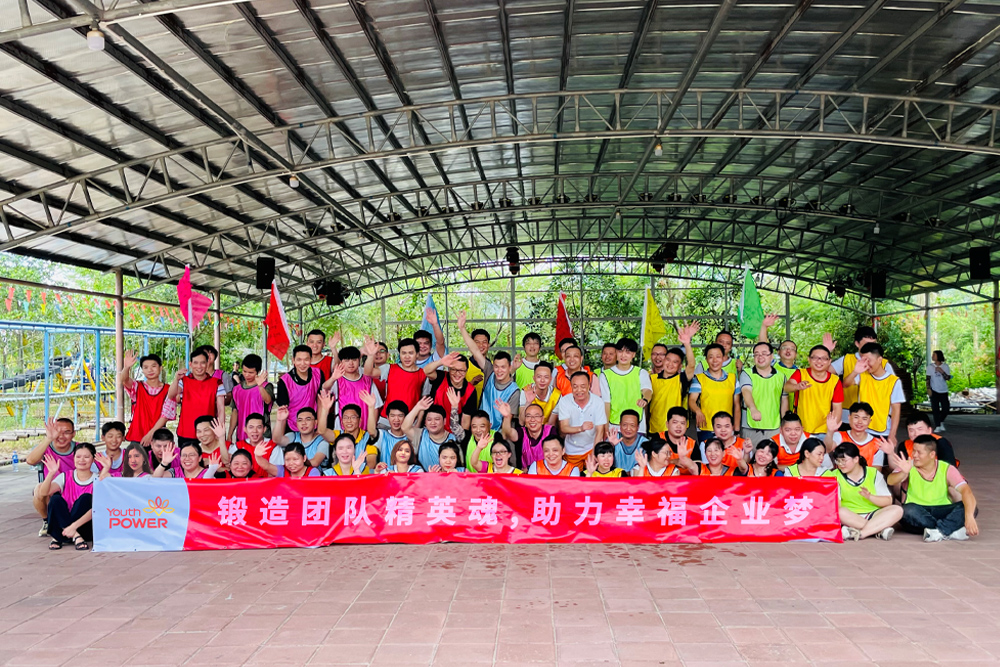
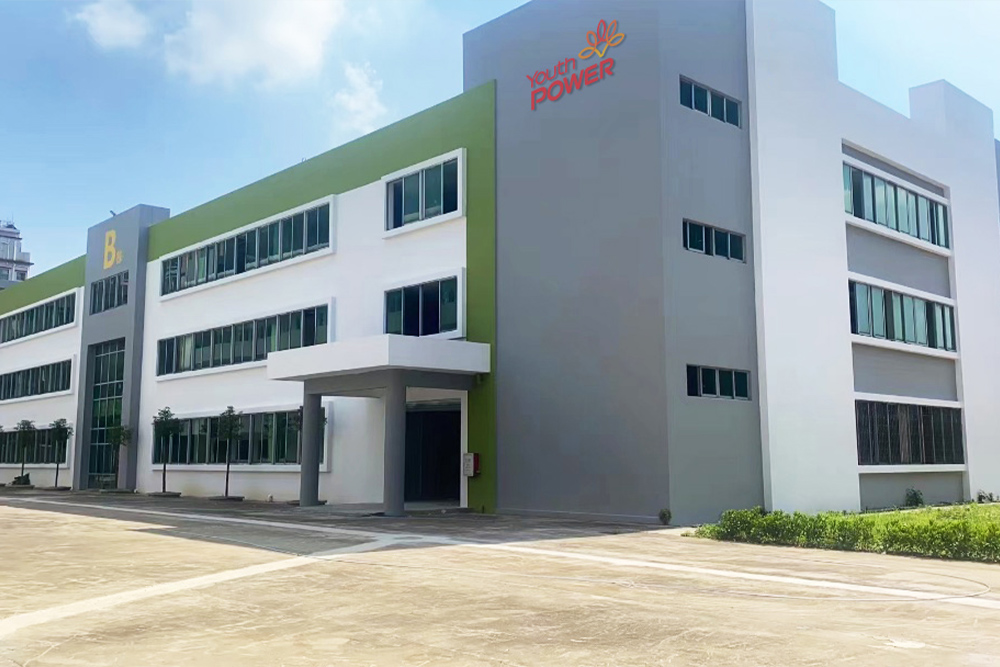
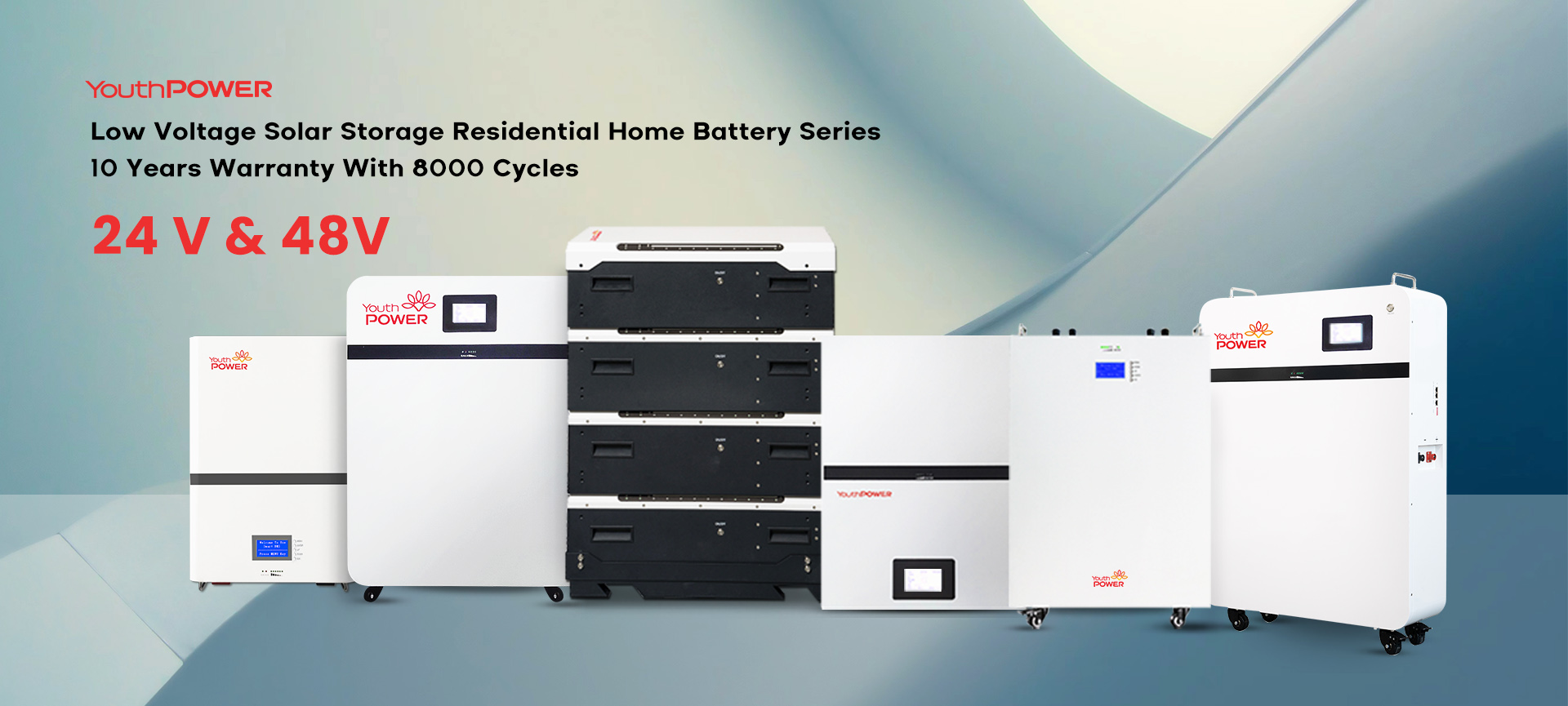
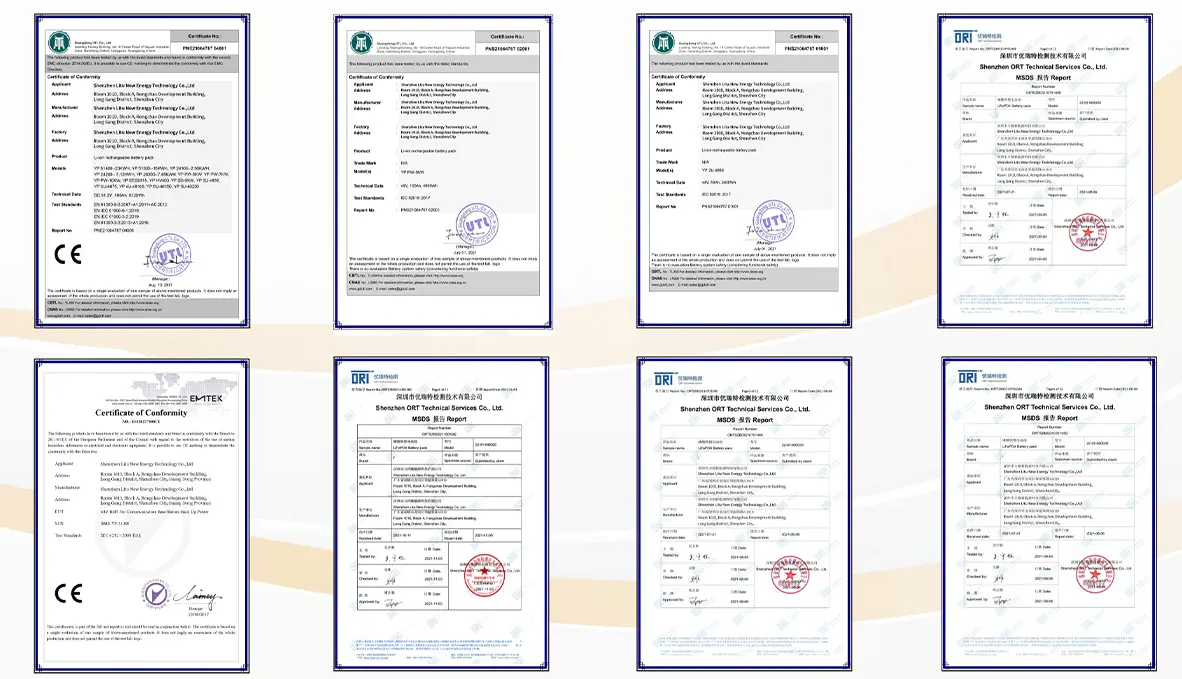
With nearly 20 years’ experience in the industrial battery sector, our teams possess the capability to analyze customer requirements and deliver optimized battery packs tailored to target budgets. Supported by strategic partnerships with localized tier-1 raw material suppliers, we minimize supply chain middleman markups, allowing us to offer the most competitive commercial pricing without sacrificing safety or performance.
Our relationships with local component vendors guarantee that our cells, active BMS chipsets, and structural enclosures are manufactured under rigorous QA/QC guidelines. Whether integrating modular battery boxes for home storage or building massive containerized systems for commercial microgrids, we bring high-performance solutions directly to market.
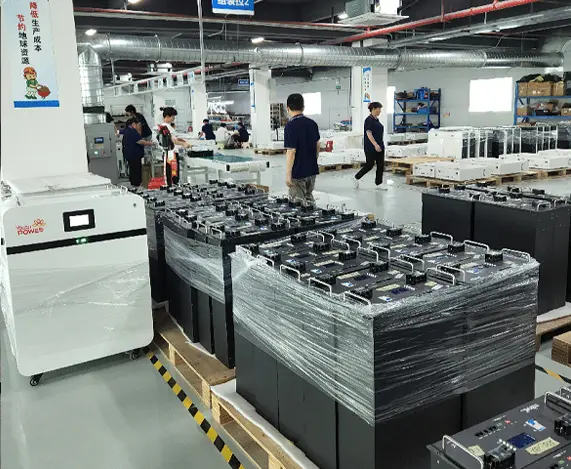
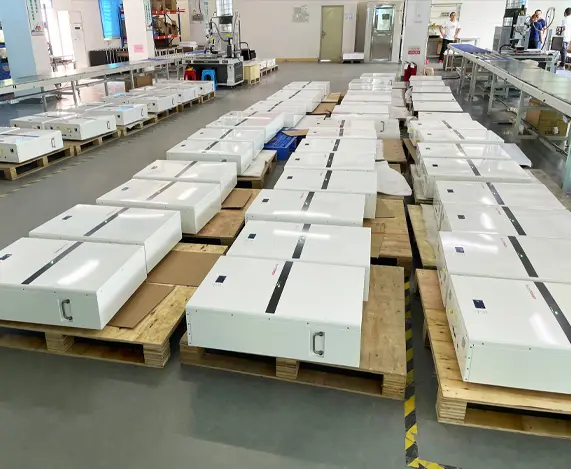
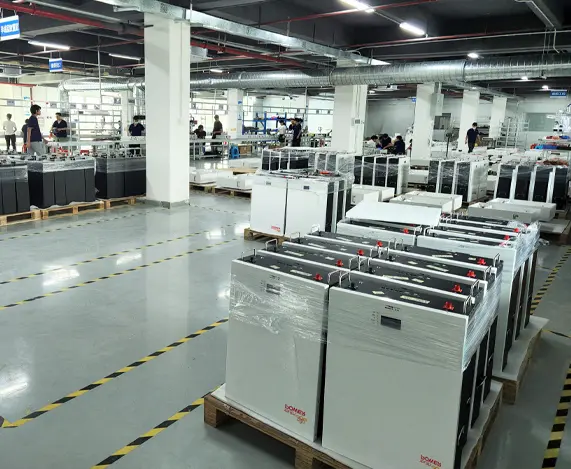
The production of lithium energy storage components demands ultra-precise control over manufacturing environments. YouthPOWER's manufacturing facilities leverage advanced automation principles, aligning with Industry 4.0 protocols to guarantee high cell consistency and zero-defect output. Under Factory 4.0 standards, key stages of cell-to-pack assembly are monitored in real time:
This systematic rigor provides global BESS distributors with predictable lead times and high reliability, shielding downstream supply networks from raw material fluctuations and high defect rates.
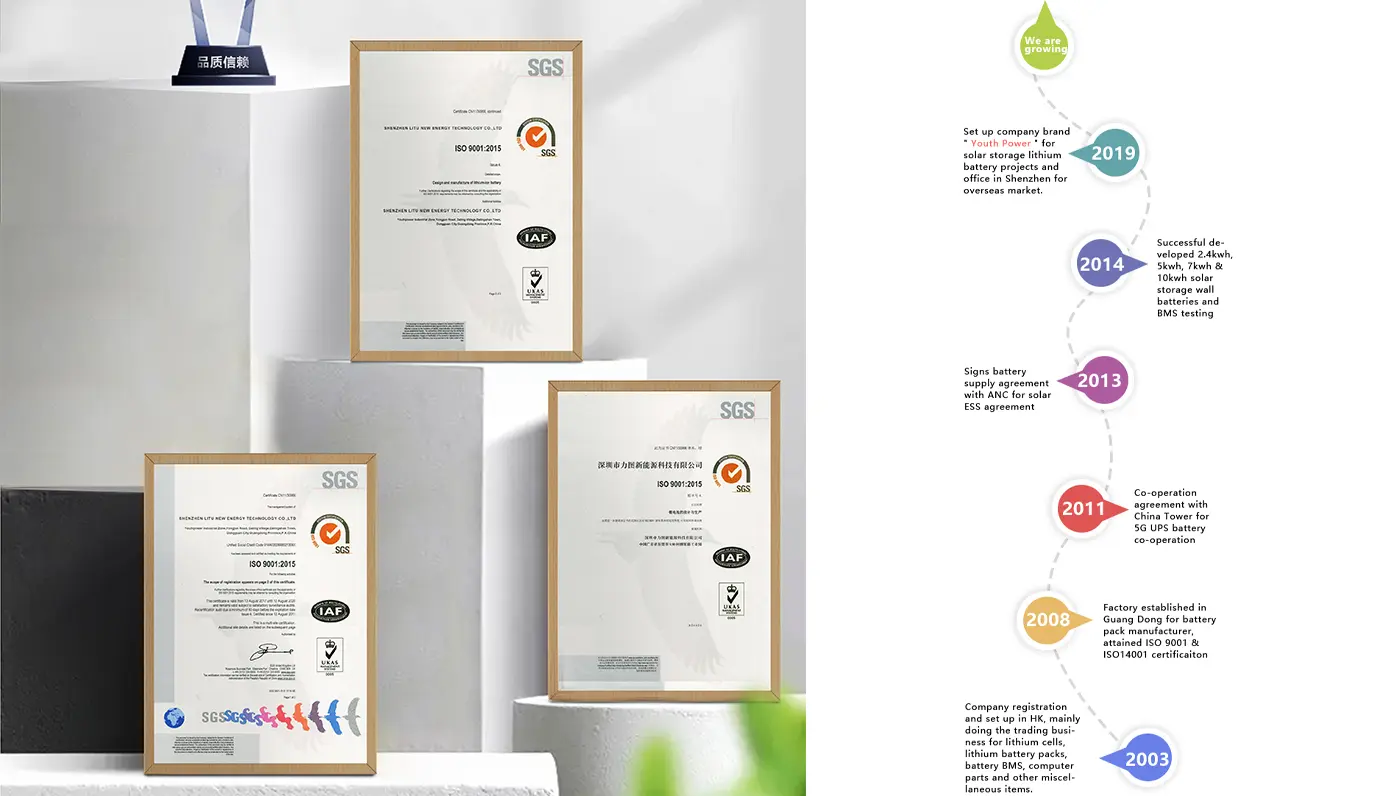
Company founded. Focused on fundamental research and battery production technologies, developing local raw material vendor alliances.
Expanded production to support the global surge in renewable energy demand, focusing on low-maintenance lithium-ion chemistries.
Launched the global flagship brand "YouthPOWER", introducing modular, high-voltage battery cabinets for international distributors.
Now serving over 1,000,000 families worldwide. Continuing to invest in smart, grid-responsive, and virtual power plant-ready energy storage platforms.
Advanced inverter battery packs are applied across diverse environments, each requiring distinct mechanical designs, voltage options, and communications interfaces:
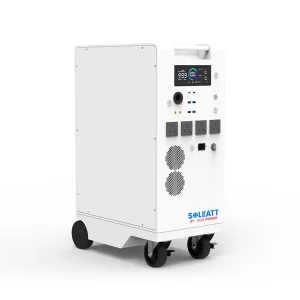
In high-density residential zones, balcony solar systems are gaining significant traction. Systems such as the Balcony Solar ESS allow apartment residents to collect solar energy and discharge it during peak billing hours. These systems require compact layouts, silent operation, and plug-and-play connections to residential micro-inverters.
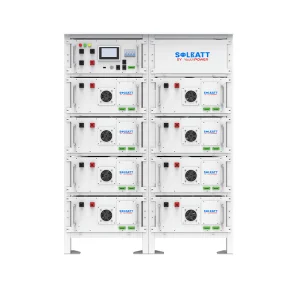
Industrial operations face severe financial penalties via utility demand charges. High-capacity battery storage systems (such as the 114KWH and 215KWH configurations) enable facilities to store off-peak electricity and discharge it during high-load periods, smoothing out consumption profiles and reducing operating costs.
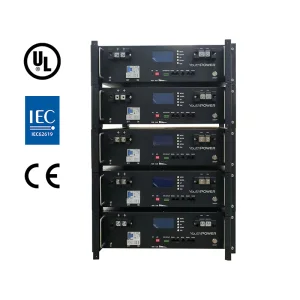
Remote telecommunication infrastructure and isolated agricultural zones rely on stable, low-maintenance energy sources. Waterproof lithium boxes (IP65 rated) and rack-mount units provide reliable storage under harsh thermal conditions, eliminating the high logistics costs associated with maintaining diesel backup generators.
Lithium Iron Phosphate (LiFePO4) offers superior safety and longevity compared to alternative chemistries. It features an exceptionally high thermal runaway threshold, eliminating fire hazards, and delivers over 6,000 cycles at 80% Depth of Discharge (DoD), yielding a significantly lower lifetime cost of storage (LCOS).
High-voltage (HV) systems (e.g., 300V to 700V+) reduce current flow for the same power rating. By reducing current, they minimize resistance losses (I²R) in cabling and within the conversion stages, allowing hybrid inverters to work at higher efficiency rates and reducing overall system operating temperatures.
Our systems integrate multi-protocol communication interfaces including CANbus, RS485, and RS232. This guarantees broad compatibility with global hybrid inverter brands (including SMA, Victron, Deye, Growatt, and Solis) for real-time monitoring and seamless system integration.
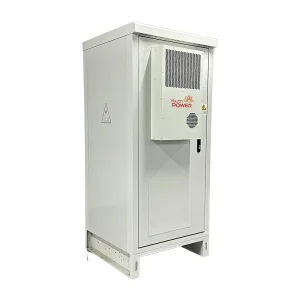
Yes, we manufacture dedicated outdoor cabinet designs (such as the Outdoor Powerbox and waterproof solar systems) built with IP65-rated enclosures, active thermal management, and corrosion-resistant finishes designed to protect electrical components from extreme elements.
 YouthPOWER