Explore our elite selection of industrial, commercial, and residential energy storage systems engineered for maximum stability and performance.
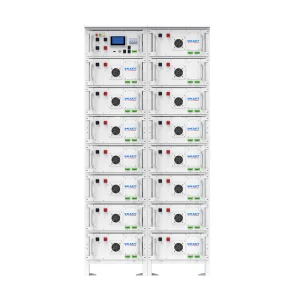
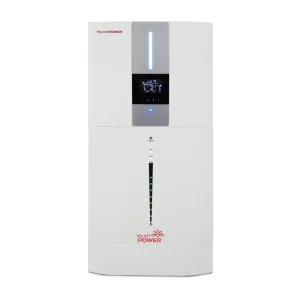
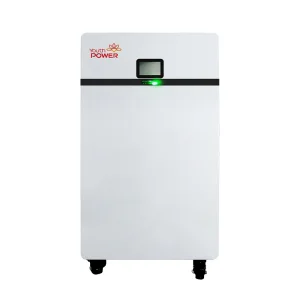
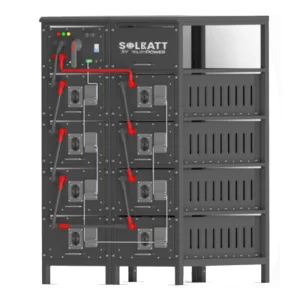
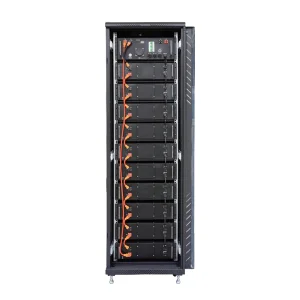
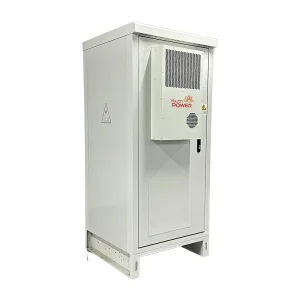
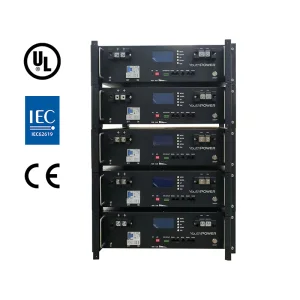
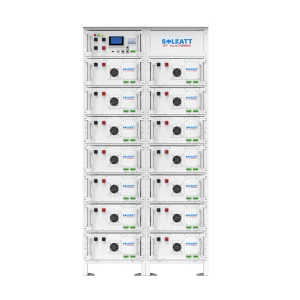
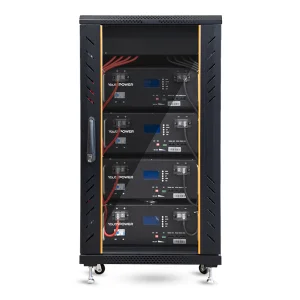
Lithium Iron Phosphate (LiFePO4) chemistry has emerged as the global benchmark for stationary energy storage systems (BESS), motive power, and backup applications. The 100Ah capacity rating represents a highly standardized cell module, widely used as the core building block for scalable battery configurations. Structurally, 16 individual 3.2V 100Ah cells are connected in series to construct the ubiquitous 51.2V 100Ah battery pack, yielding precisely 5.12 kWh of nominal energy capacity.
From an electrochemical perspective, LiFePO4 offers unparalleled structural stability. The olivine-type crystal structure of lithium iron phosphate possesses robust P-O covalent bonds, which prevent oxygen release at elevated temperatures. This makes it far safer than ternary lithium (NMC) chemistries, virtually eliminating the risk of thermal runaway. Furthermore, a nominal 100Ah rating provides a balance of thermal dissipation efficiency and energy density, allowing manufacturing plants to optimize cell geometry and reduce the internal resistance (typically <0.5mΩ for premium cells).
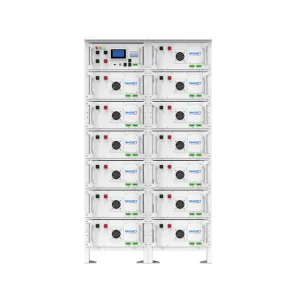
* These precise parameters define the commercial rack-mounted modules utilized worldwide for standard solar storage enclosures.
Why the integration of raw material supply, cell manufacturing, and advanced engineering in Chinese gigafactories drives global energy transition cost-efficiency.
China processes over 60% of the world's lithium and holds a near-monopoly on cathode material production. This raw material security ensures that factories face minimal supply disruptions, maintaining stable production schedules even during global trade fluctuations.
In hubs like Guangdong and Jiangsu, cell factories, BMS developers, aluminum casing manufacturers, and testing laboratories are located in close proximity. This geographic clustering reduces logistics costs and accelerates R&D turnaround times.
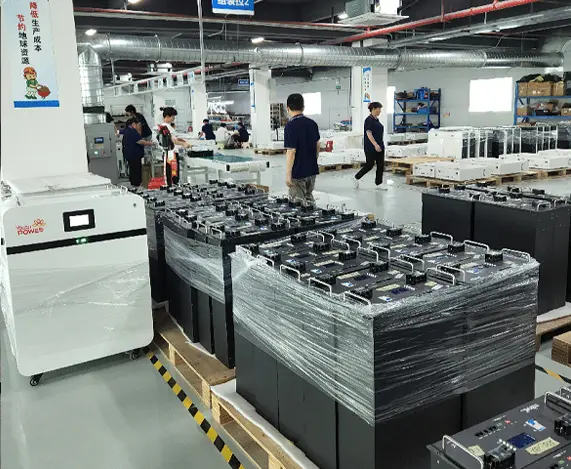
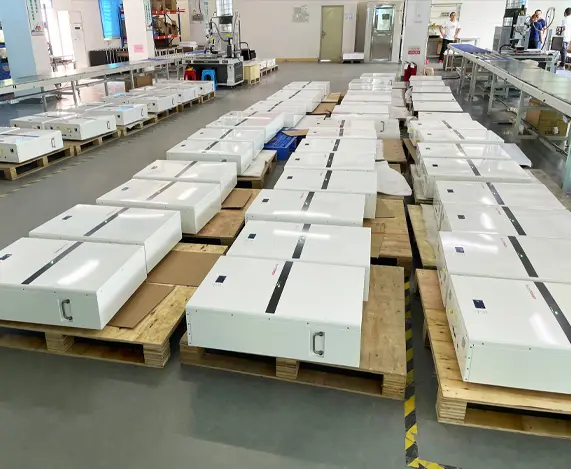
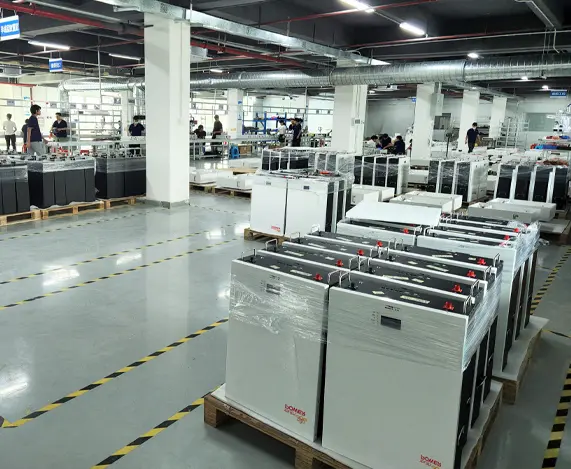
Gigawatt-hour (GWh) scale production lines achieve substantial economies of scale. Automated cell sorting, laser welding, and computerized aging chambers ensure that thousands of 100Ah packs are produced daily with consistent quality and low cell deviation.
The history and engineering capabilities of YouthPOWER, a global pioneer in lithium energy storage systems.
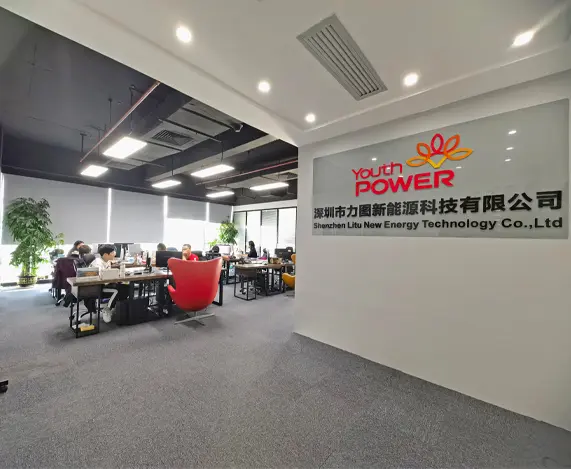
Founded in 2003, YouthPOWER has now become one of the leading suppliers of solar storage lithium batteries in the world. With a broad range of energy storage solutions, it covers a series of 24V, 48V and higher voltage lithium batteries solutions.
YouthPOWER has engaged in the battery technology and production for almost 20 years, with abundant manufacturing experience and strong new product R & D capability. Through many years of hard work and market promotion, we have created our own brand "YouthPOWER" in 2019.
With nearly 20 years’ experience in the battery industry, we have the capability to provide you with both the products you need and the most suitable products you want. We are always ready to supply the first-class products and meet the various needs of the customers.
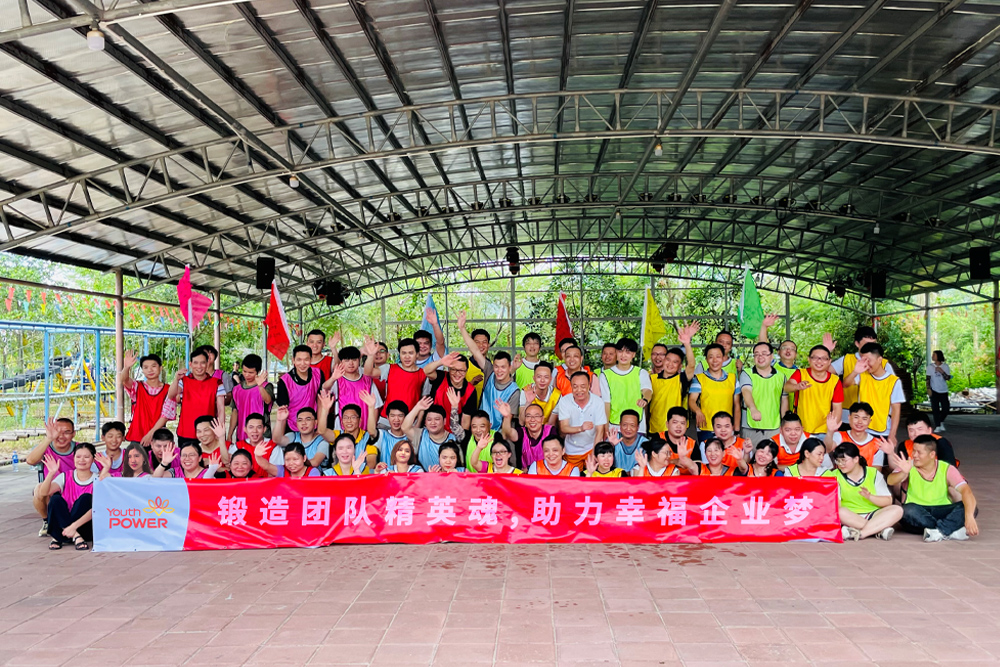
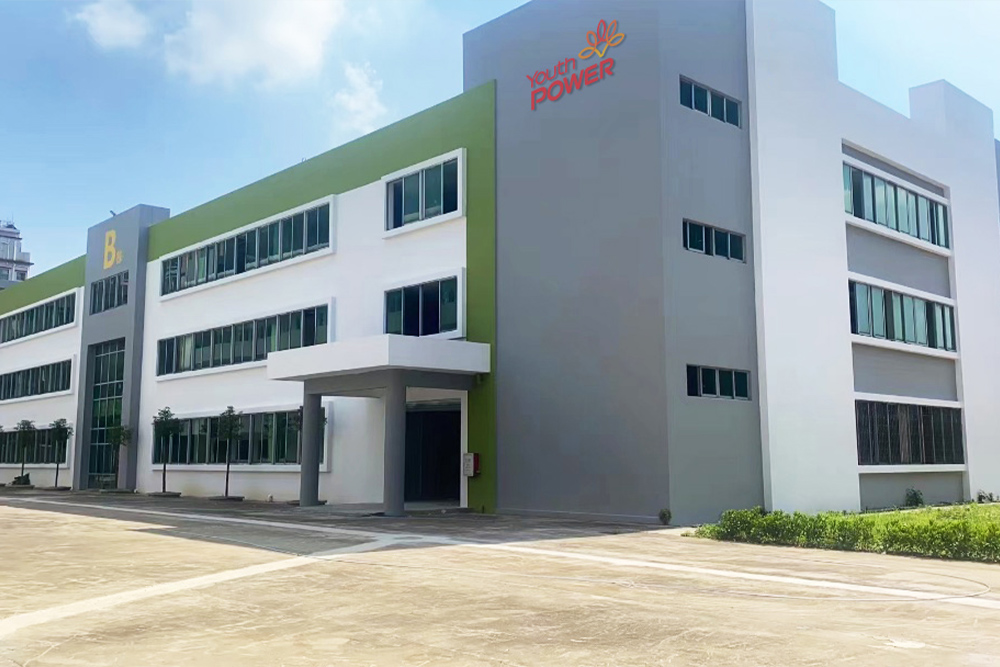
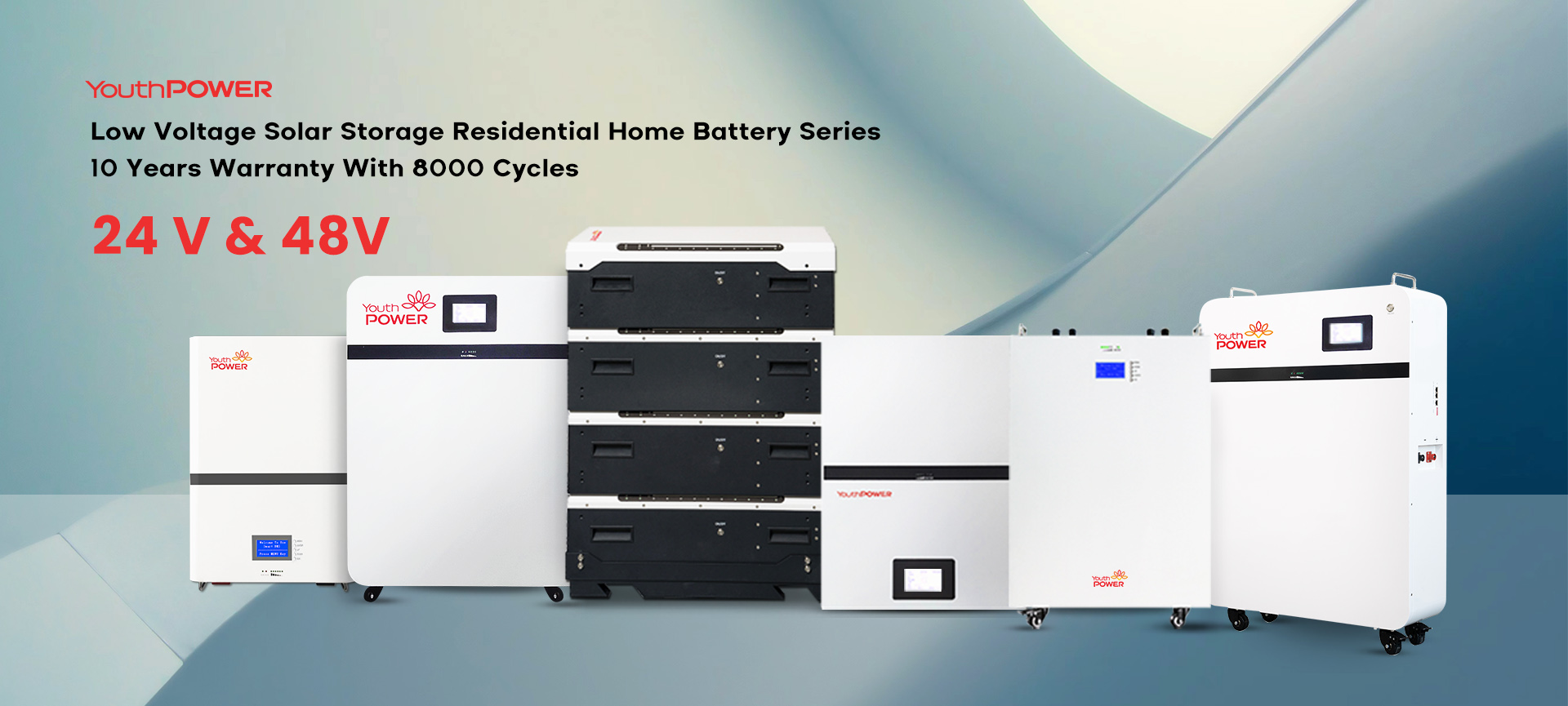
We have established good business relationships with our customers from all over the world. And we have a good cooperation with all our customers as well for many years running. Supported by our local vendors of raw materials, we can certainly offer you the best prices.
We are proud that YouthPOWER has offered the reliable solar storage solution for over 1,000,000 families now in the world.
Our commitment remains focused on delivering energy systems that reduce the levelized cost of storage (LCOS), enabling solar integrators and industrial partners to scale their setups with minimal failure rates and standardized modular form factors.
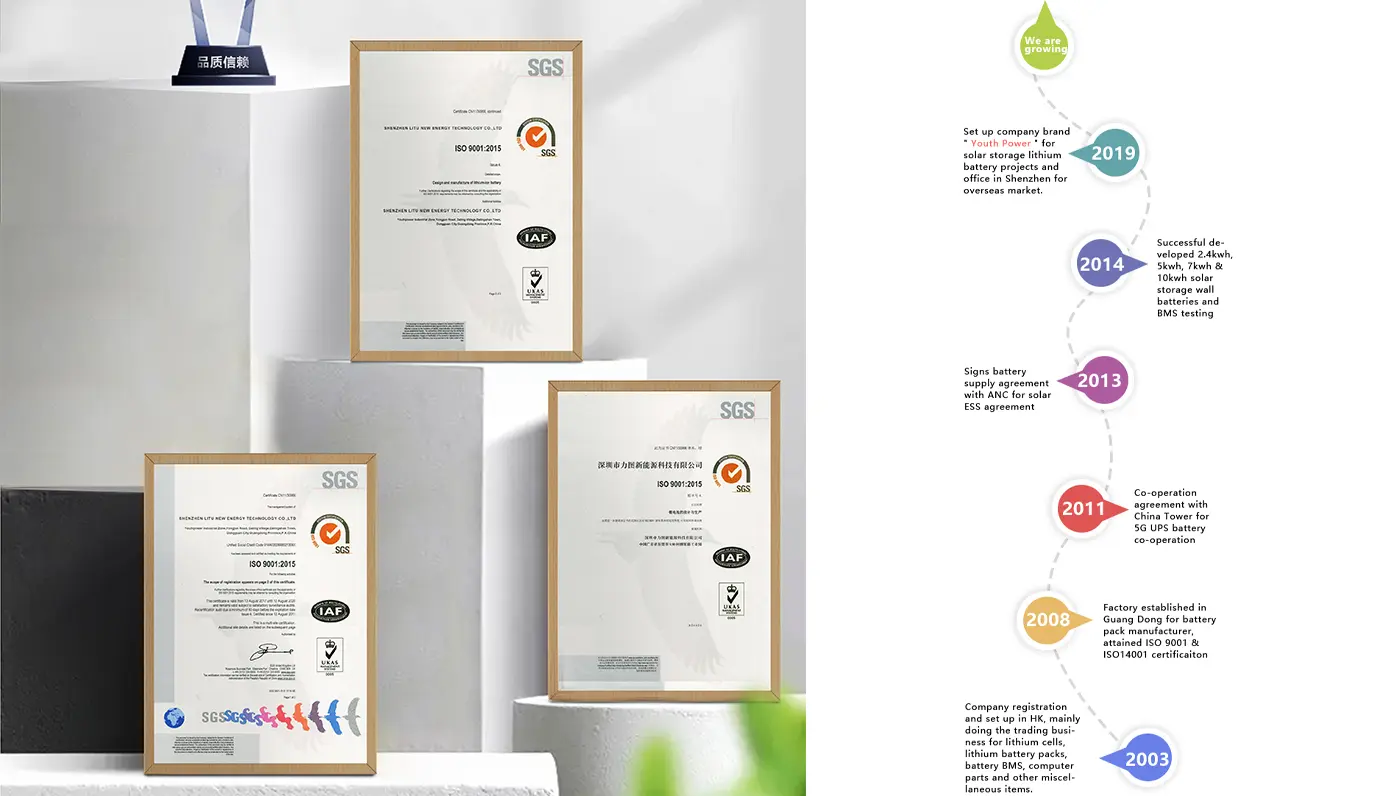
Navigating certifications, logistics, and localized engineering support is essential for large-scale battery distribution and project deployments.
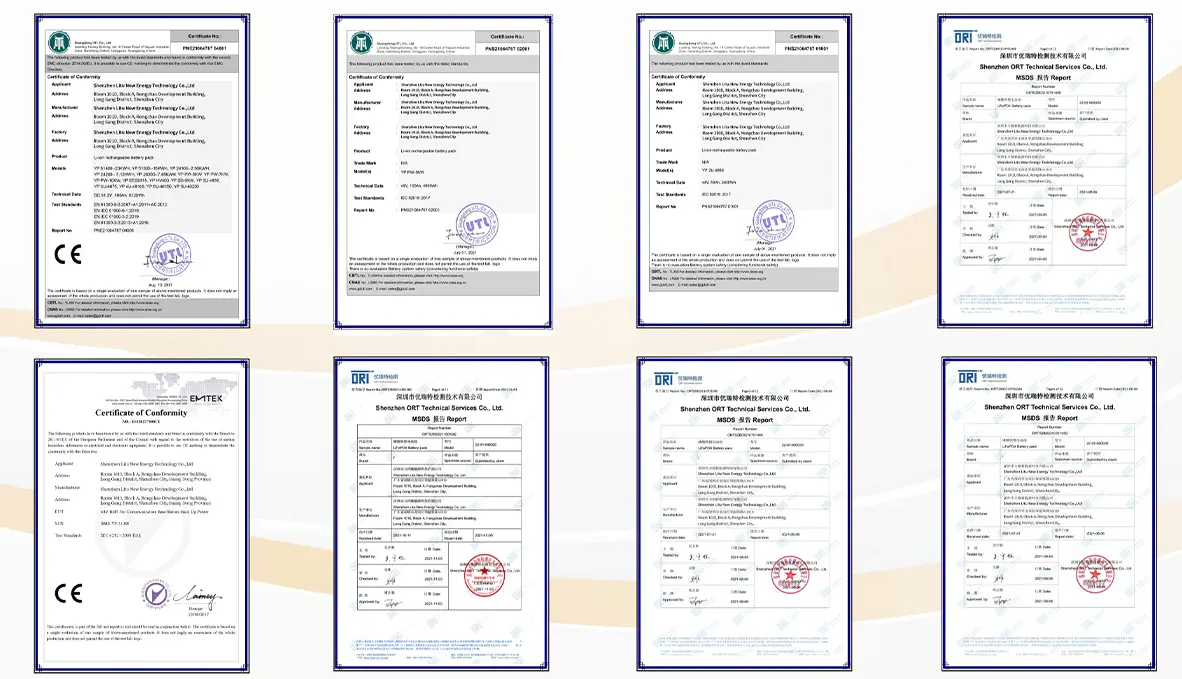
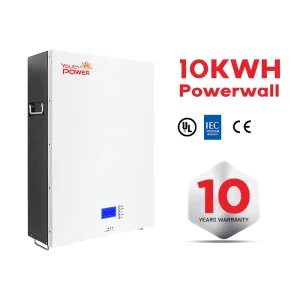
Importing LiFePO4 packs requires adherence to international safety codes. Premium factories maintain complete compliance: UL1973 for stationary applications, IEC62619 for safety requirements in industrial applications, and CE marking for the European Union market.
Lithium batteries are designated Class 9 dangerous goods. Safe global distribution relies on UN38.3 certification, which requires batteries to pass rigorous pressure, thermal, vibration, shock, external short circuit, impact, overcharge, and forced discharge tests.
To reduce downtime, reliable manufacturing partners operate regional service centers, provide onsite field support, offer remote inverter troubleshooting, and maintain inventory in local warehouses in Europe, North America, and Australia.
How a standardized 100Ah capacity cell facilitates energy transition across diverse sectors.
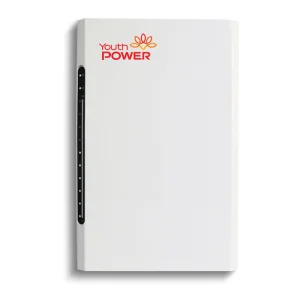
For standard residential homes, standard modular 51.2V 100Ah rack batteries provide peak shaving and backup power. By configuring multiple modules in parallel, homeowners can scale from 5kWh up to 30kWh without needing to replace existing inverters.
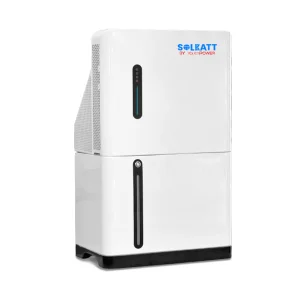
Balcony solar installations are growing rapidly in urban spaces. A 100Ah modular setup allows city residents to store solar energy during daytime peak production hours and consume it during high-rate evening intervals, directly bypassing grid dependence.
Remote telecommunication towers and data repeaters require reliable power. Standard 100Ah lithium packs replace lead-acid setups due to their ability to endure frequent cycling under wide temperature ranges (-20°C to 60°C) without capacity loss.
How the shift in cell density and next-generation BMS impacts commercial procurement planning.
While 100Ah cells remain a standard building block for residential batteries, commercial and utility projects are shifting toward 280Ah and 314Ah formats. These larger cells reduce the number of internal connections and increase system volumetric efficiency.
Next-generation Battery Management Systems integrate cloud-based machine learning algorithms. By continuously uploading battery telemetry (voltages, temperatures, cycle history) to cloud portals, operators can predict cell failures before they happen and optimize state-of-health (SOH) tracking.
Sodium-ion (Na-Ion) batteries are emerging as an option for cold climates due to their reliable low-temperature performance and abundant raw materials. However, LiFePO4 continues to lead in cycle longevity and overall safety, maintaining its position as the primary choice for global energy storage networks.
For the next decade, 100Ah and 280Ah LiFePO4 cells will remain the primary chemistry for solar applications, offering a reliable balance of cost, safety, and longevity.
Technical advice and sourcing guidance from our engineering and support departments.
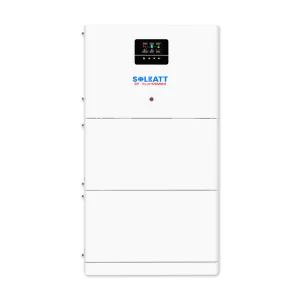
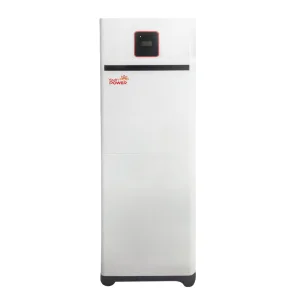
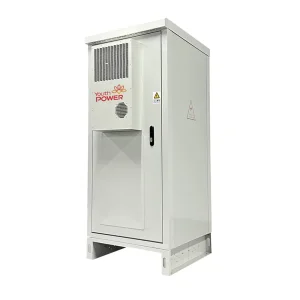
Select from our range of high-voltage cabinet systems, balcony energy kits, and hybrid inverter solutions.
 YouthPOWER