Explore our premium factory-direct LiFePO4 configurations engineered for high energy density, superior thermal stability, and maximum cycle life.
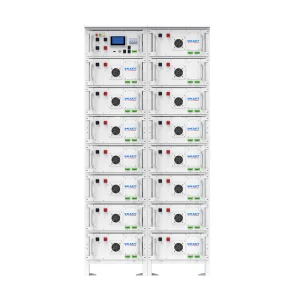
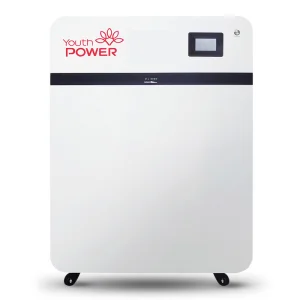
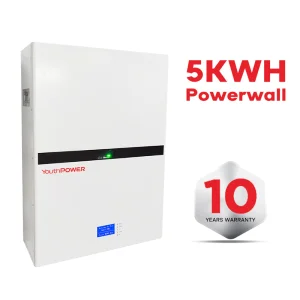
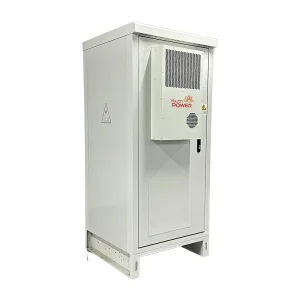
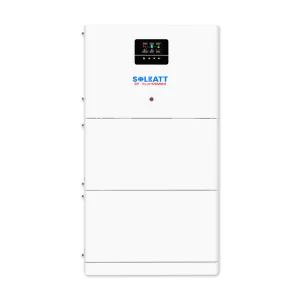
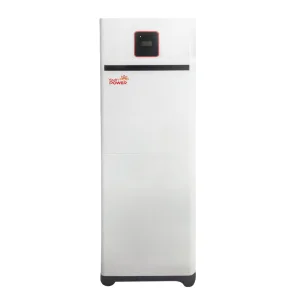
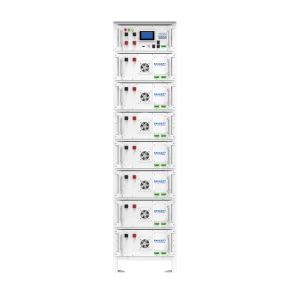
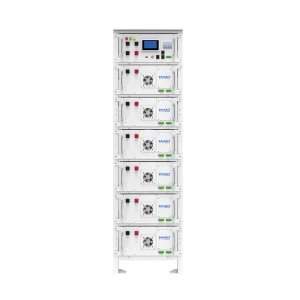
Analysing the critical role of 200Ah cells as the benchmark standard in commercial, off-grid, and heavy-duty storage applications.
In the global transition toward decarbonised infrastructure, the 200Ah Lithium Iron Phosphate (LiFePO4) battery has emerged as the definitive sweet spot for B2B energy deployment. Combining high power output capacity with an exceptionally robust form factor, 200Ah systems provide the optimal modular scale required for custom configurations. From telecom cellular towers operating under extreme atmospheric conditions in sub-Saharan Africa to utility scale grid backup systems in Northern Europe, the demand for high-capacity LiFePO4 chemistry continues to scale exponentially.
Unlike lower-capacity batteries (such as 50Ah or 100Ah) which require complex, high-node paralleling arrays to achieve heavy commercial loads, 200Ah cells minimize systemic complexity. Industrial buyers benefit from fewer electrical connections, simplified Battery Management System (BMS) balancing circuits, and drastically reduced points of failure. The thermal stability inherent to Lithium Iron Phosphate (LiFePO4)—particularly compared to Nickel Manganese Cobalt (NMC) chemistries—eliminates the risk of oxygen release and subsequent thermal runaway, making it the globally mandated standard for indoor commercial properties, marine vessels, and residential energy storage systems (ESS).
How state-of-the-art automation and localized supply chains allow Chinese factories to deliver maximum energy density per dollar.
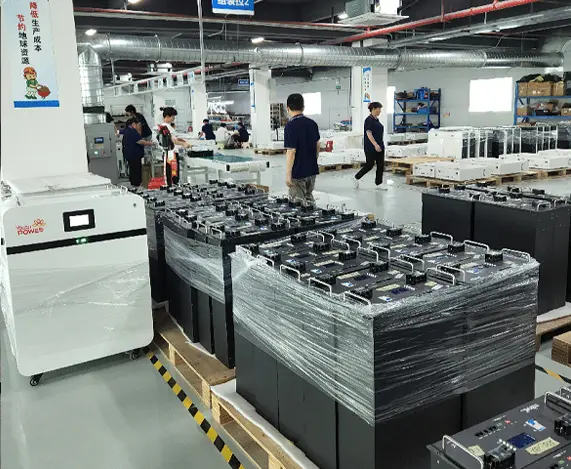
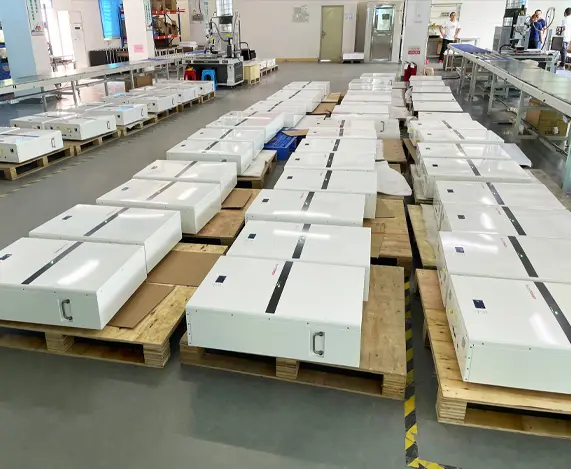
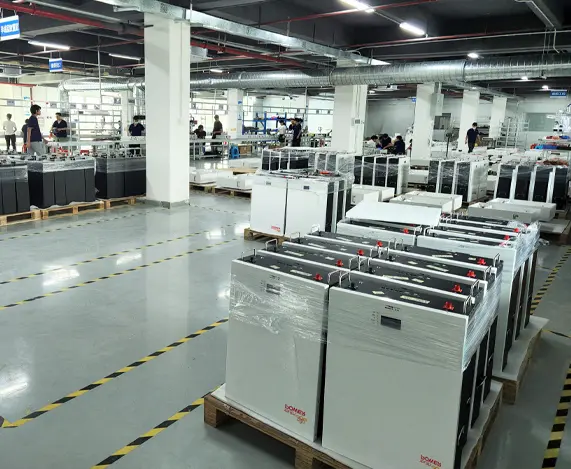
The performance of any multi-cell 200Ah battery pack depends heavily on the consistency of the individual internal cells. Our automated production pipelines perform strict automated internal resistance matching, capacity sorting, and voltage delta pairing before welding.
By anchoring our manufacturing within mainland China's advanced industrial parks, we capitalize on the localized processing of raw lithium carbonate, iron phosphate, and high-purity graphite. This bypasses international supply chain logistics bottlenecks.
Every batch of LiFePO4 battery packs undergoes a series of extreme testing cycles, including high-impact vibration tests, thermal chamber overcharge checks, and forced short-circuit safety testing, guaranteeing global compliance.
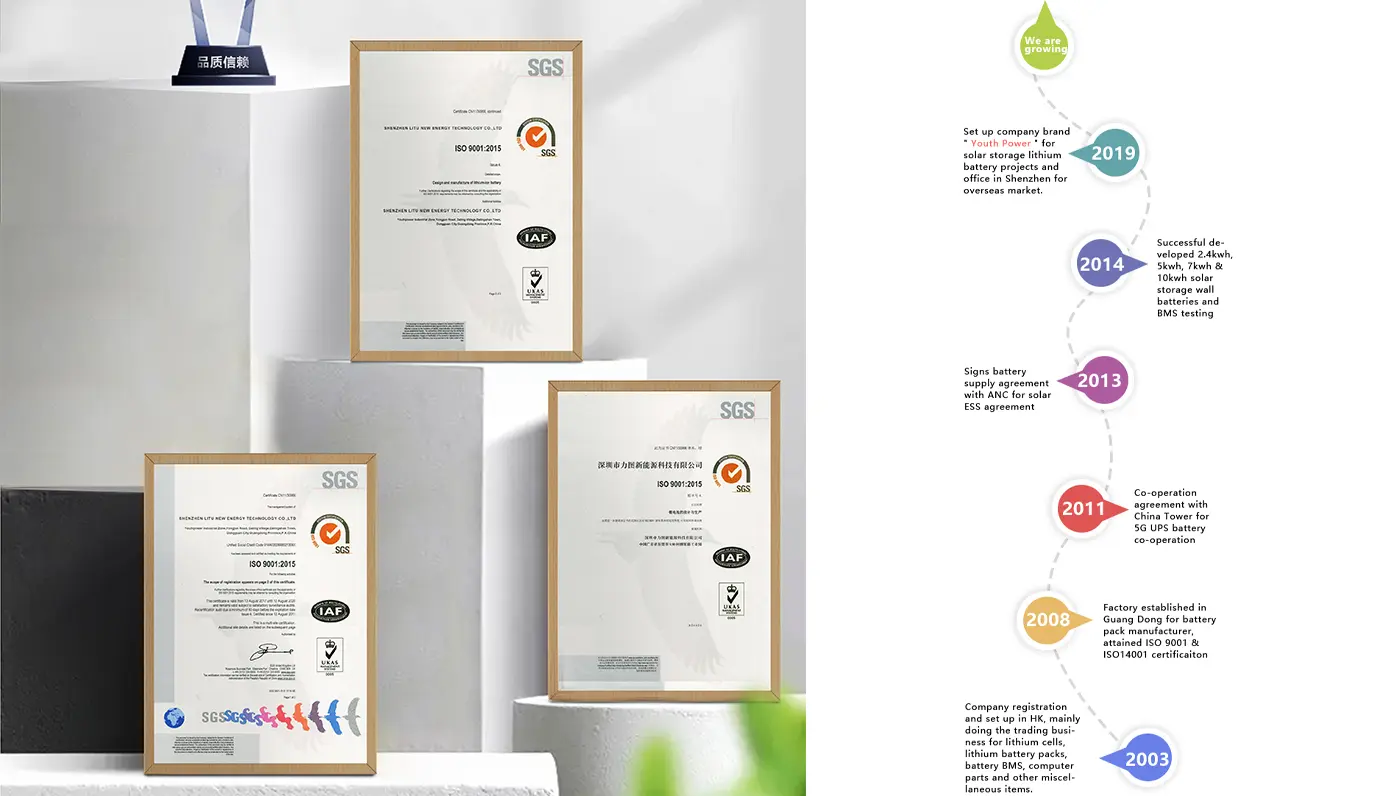
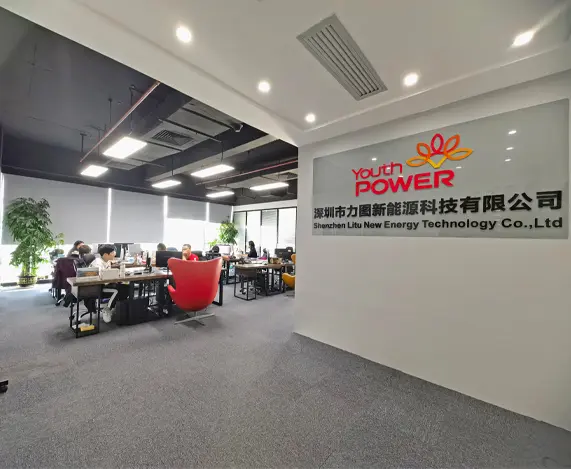
Founded in 2003, YouthPOWER has now become one of the leading suppliers of solar storage lithium batteries in the world. With a broad range of energy storage solutions, it covers a series of 24V, 48V and higher voltage lithium batteries solutions.
YouthPOWER has engaged in the battery technology and production for almost 20 years, with abundant manufacturing experience and strong new product R&D capability. Through many years of hard work and market promotion, we have created our own brand "YouthPOWER" in 2019.
With nearly 20 years’ experience in the battery industry, we have the capability to provide you with both the products you need and the most suitable products you want. We are always ready to supply the first-class products and meet the various needs of the customers.
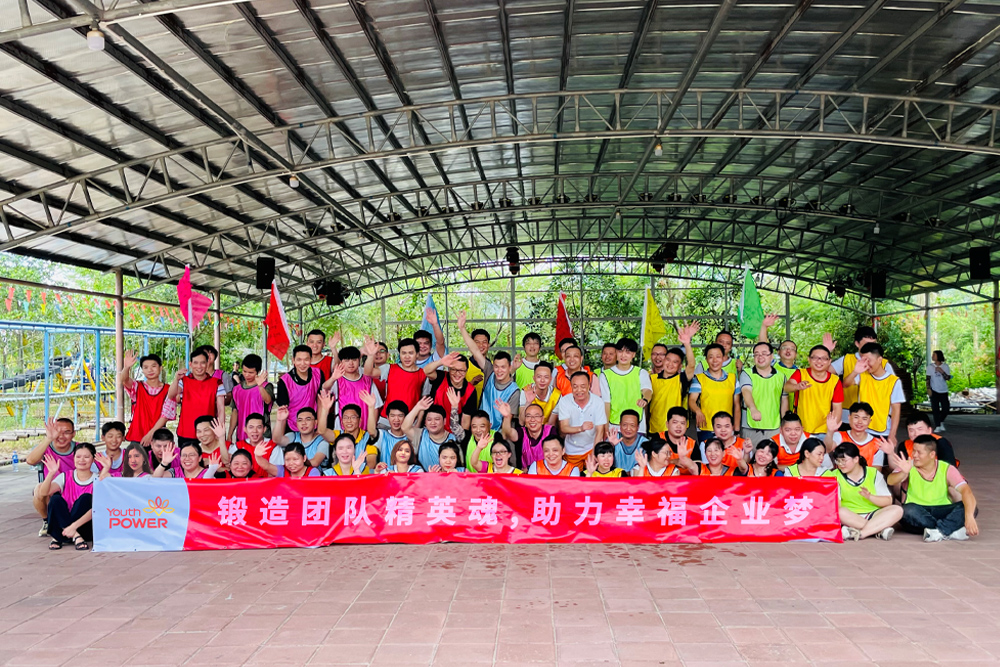
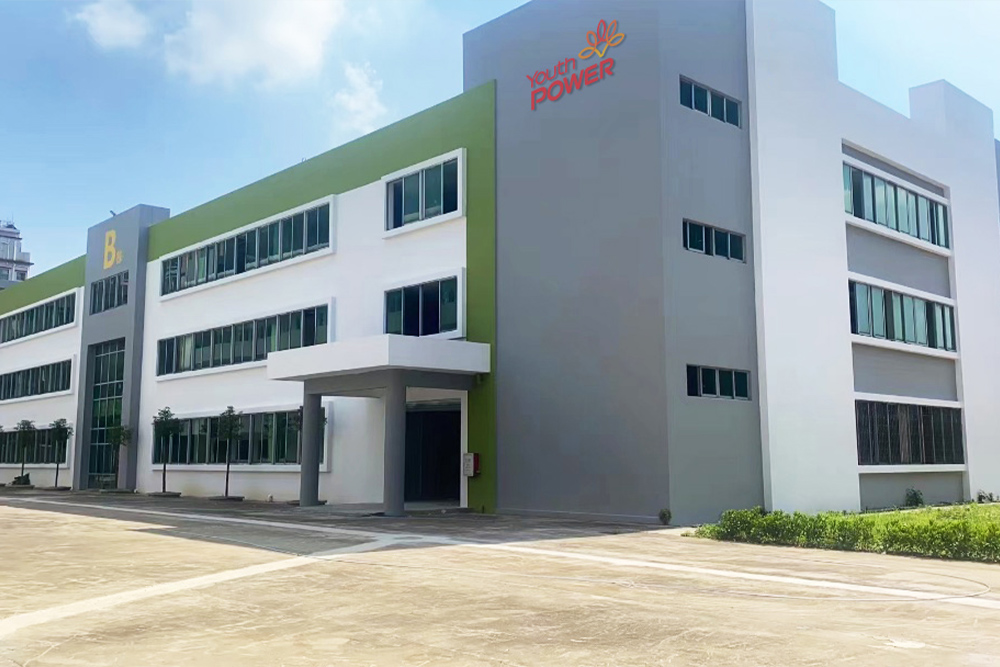
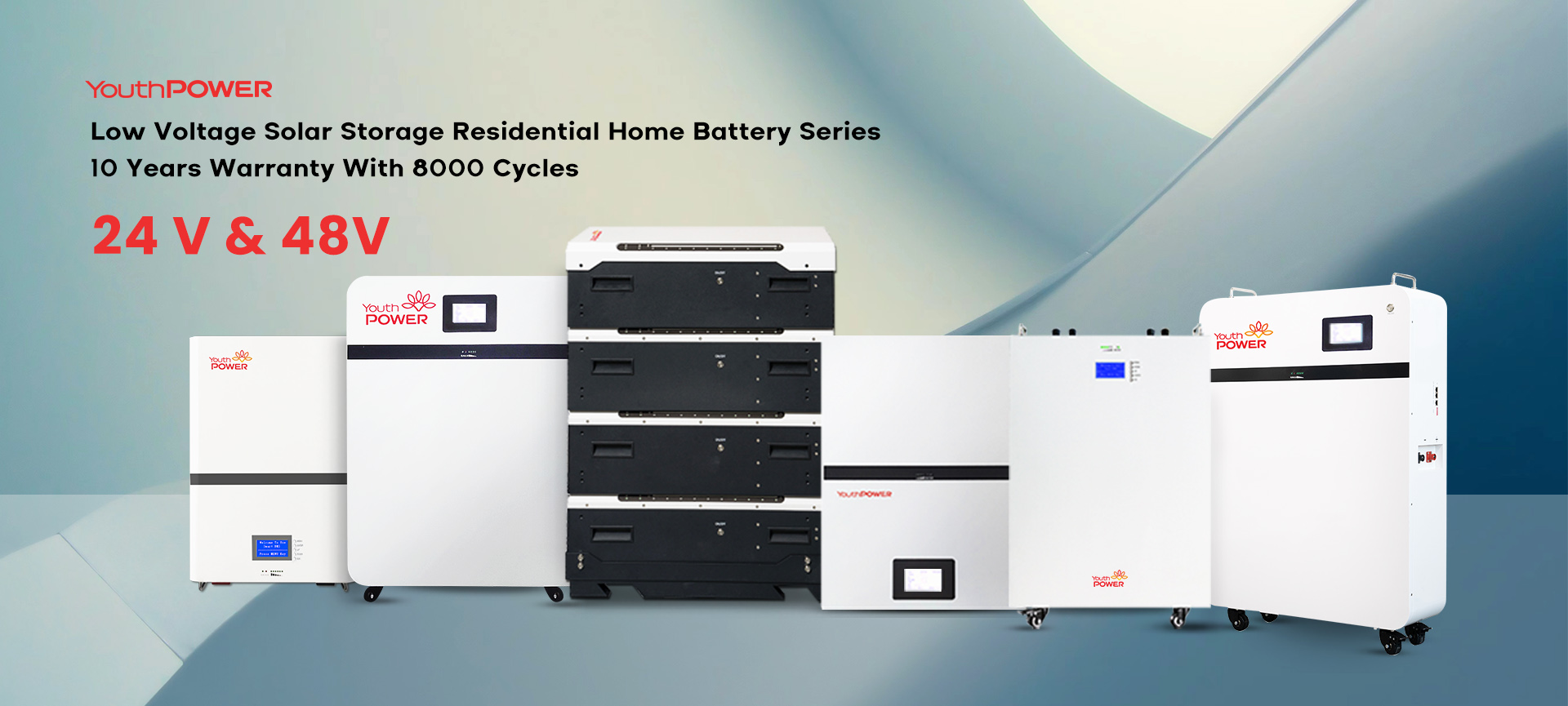
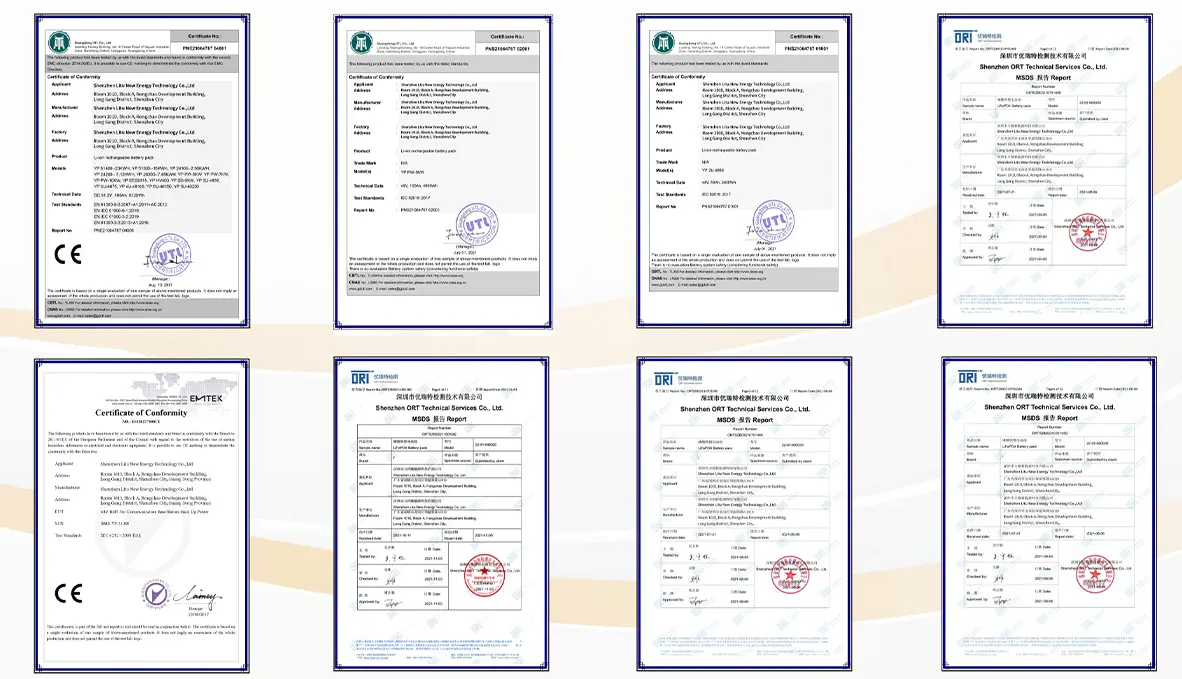
We have established good business relationships with our customers from all over the world. And we have a good cooperation with all our customers as well for many years running. Supported by our local vendors of raw materials, we can certainly offer you the best prices.
We are so proud that YouthPOWER has offered the reliable solar storage solution for over 1,000,000 families now in the world.
From an early pioneer in battery assembly during the early 2000s to a leading innovator in global renewable energy storage today, our journey is defined by engineering leadership, persistent quality control, and the dynamic expansion of our modern clean-energy facilities.
Comprehensive design standards for industrial-grade 200Ah systems across varying voltage nodes.
| System Configuration | Nominal Voltage (V) | Energy Capacity (kWh) | Standard Charge/Discharge Rate | BMS Features | Dimensions (Typical) |
|---|---|---|---|---|---|
| 12.8V 200Ah Pack | 12.8V (4S) | 2.56 kWh | 0.5C to 1C (100A / 200A) | Passive Balancing, Over-Current, Low-Temp Cutoff | 522 x 240 x 218 mm |
| 25.6V 200Ah Pack | 25.6V (8S) | 5.12 kWh | 0.5C to 1C (100A / 200A) | Active cell balancing, RS485 communication, SOC display | 482 x 400 x 177 mm (4U Rack) |
| 51.2V 200Ah Pack | 51.2V (16S) | 10.24 kWh | 0.5C to 1C (100A / 200A) | CANbus/RS485/RS232, Thermal Probe, LCD monitoring | 482 x 650 x 222 mm (5U Rack) |
| High Voltage Commercial String | 384V+ (Multi-series) | 76.8 kWh+ | 1C peak (200A transient) | Master-Slave Architecture, Industrial PLC integration | Modular Cabinet Configurations |
Analyzing key commercial domains where the 200Ah LiFePO4 battery excels.
As grid instability increases, 51.2V 200Ah wall-mounted and rack-mounted configurations have become the dominant home energy storage standard. Offering 10.24kWh of raw energy, a single pack can sustain crucial home appliances, HVAC units, and water pumps through prolonged rolling blackouts.
For yacht captains and expedition vehicles, weight reduction and deep discharge capability are paramount. A 12V 200Ah LiFePO4 unit replaces two 12V 100Ah lead-acid batteries while cutting weight by 60% and providing stable voltage discharge profiles down to 90% Depth of Discharge.
Remote cellular towers rely heavily on stable power systems in extreme environments. Standardized 48V 200Ah cabinet setups operate efficiently in ambient temperatures of up to 60°C without risk of fire or cell collapse, slashing maintenance and battery replacement cycles by 80% compared to AGM options.
Understanding cost structures, minimum order quantities (MOQ), and shipping dynamics to ensure your sourcing target is met.
When sourcing 200Ah LiFePO4 batteries directly from China, wholesale pricing scales primarily based on the chosen cell tier, BMS communications complexity, and order volume. Buyers must differentiate between Grade A cells (brand new cells meeting full capacity specifications with zero physical defects) and Grade B cells (often repurposed or containing slightly higher internal resistance). Investing in Grade A cells guarantees the system reaches its rated 6,000+ cycle life, resulting in a much lower cost-per-cycle over time.
Standard packaging prices for 12V 200Ah packs range from $220 to $380 (FOB China), depending on order quantities and BMS specifications (e.g., integrated Bluetooth monitoring, heating pads, or CANbus ports). High-voltage commercial arrays, such as the 51.2V 200Ah setups, scale between $1,200 and $1,800. Volume purchasing drops unit rates by up to 25% due to optimized automated production runs.
Ensure the supplier operates dynamic aging-test systems, automated spot-welding machinery, and runs a climate-controlled raw materials warehouse.
Confirm the factory-programmed BMS supports communication protocols (RS485, CAN) corresponding with mainstream hybrid inverters (e.g., Victron, Growatt, Deye, SMA).
Lithium batteries are classified as Class 9 Dangerous Goods. Ensure the manufacturer provides verified UN38.3 test reports and MSDS documents for smooth customs clearance.
In-depth responses to high-intent questions concerning cell engineering, life cycle longevity, temperature ranges, and bulk prices.
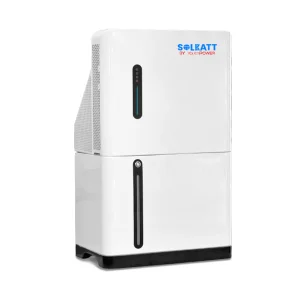
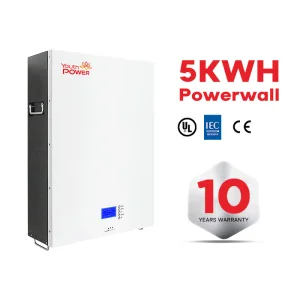
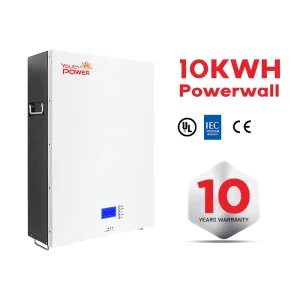
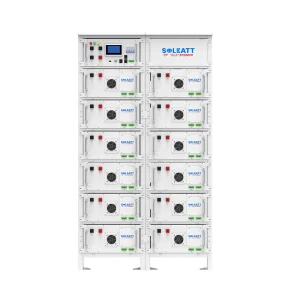
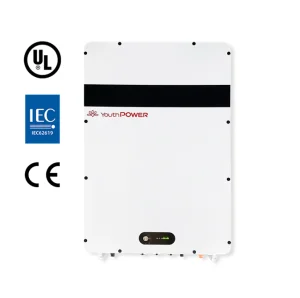
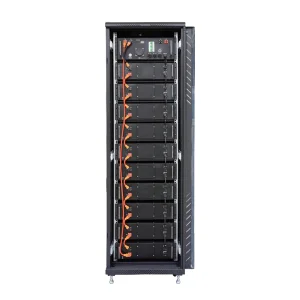
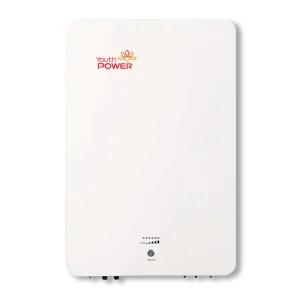
Premium specialized systems ranging from residential balcony storage to heavy-duty high-voltage commercial container setups.
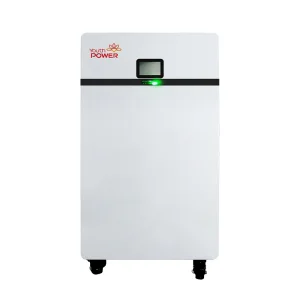
 YouthPOWER