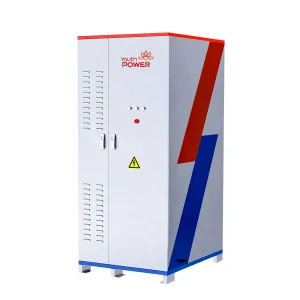
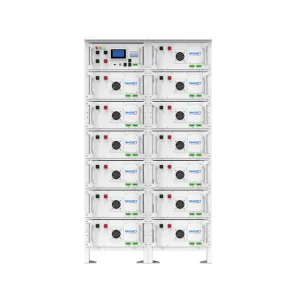
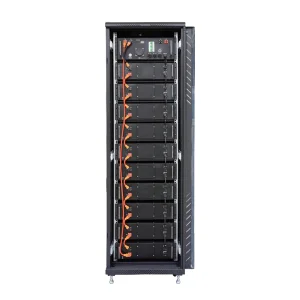
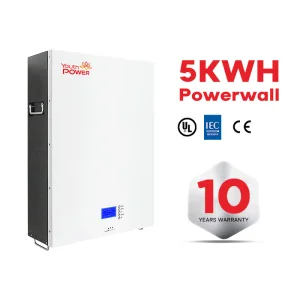
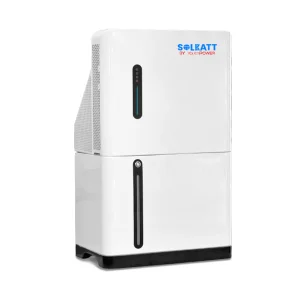
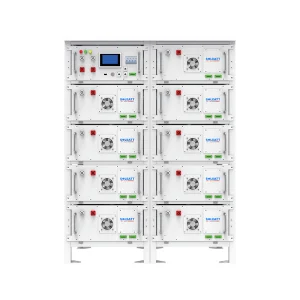
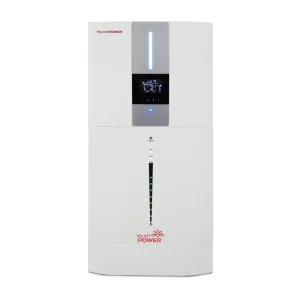
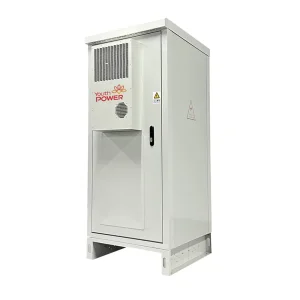
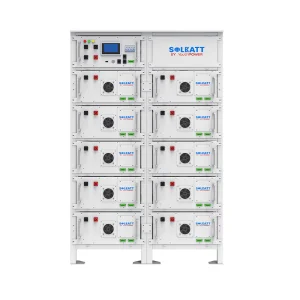
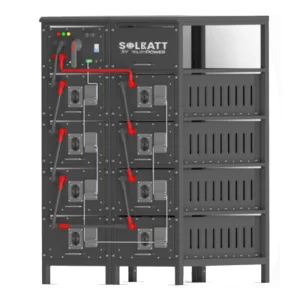
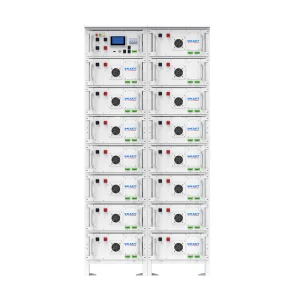
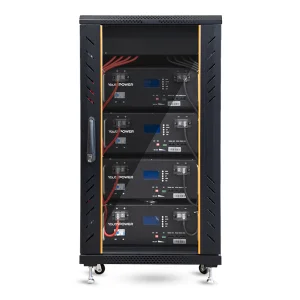
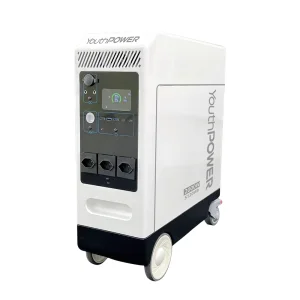
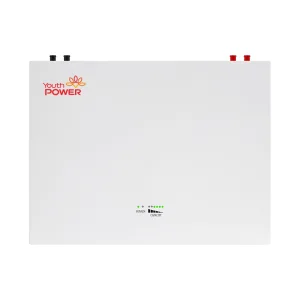
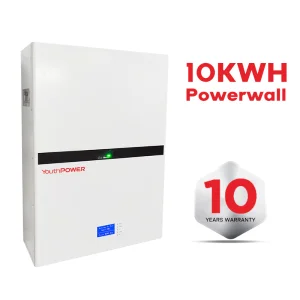
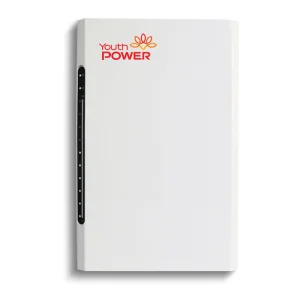
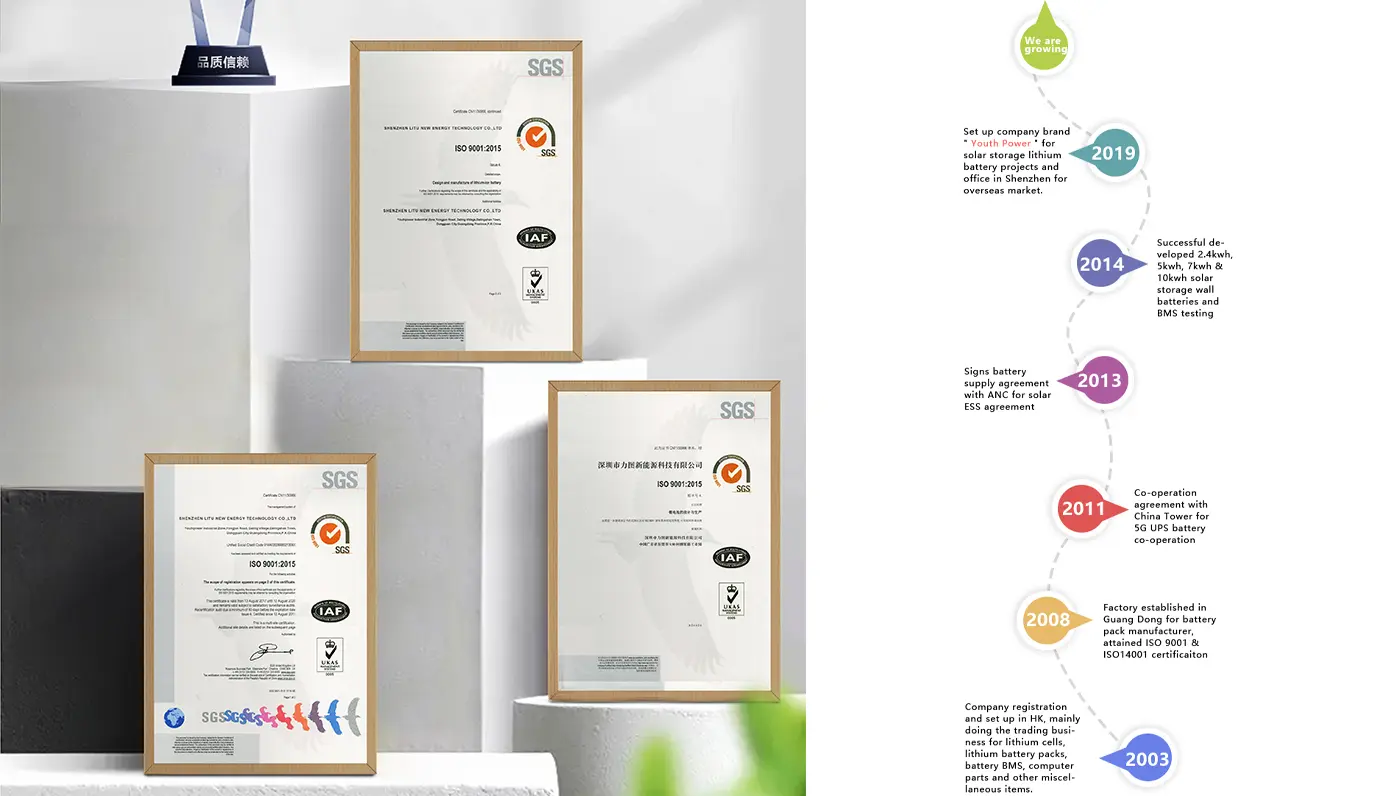
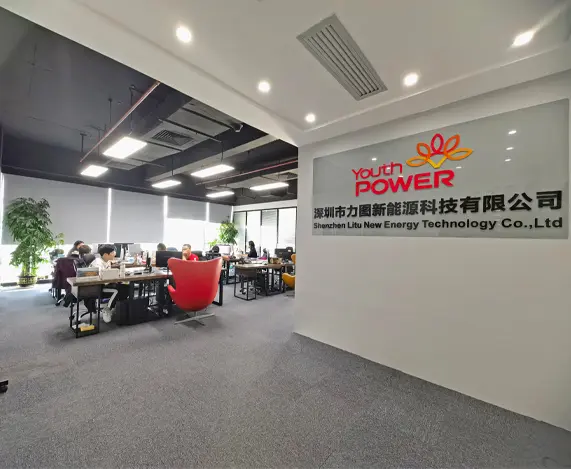
Founded in 2003, YouthPOWER has now become one of the leading suppliers of solar storage lithium batteries in the world. With a broad range of energy storage solutions, it covers a series of 24V, 48V and higher voltage lithium batteries solutions.
YouthPOWER has engaged in the battery technology and production for almost 20 years, with abundant manufacturing experience and strong new product R & D capability. Through many years of hard work and market promotion, we have created our own brand "YouthPOWER" in 2019.
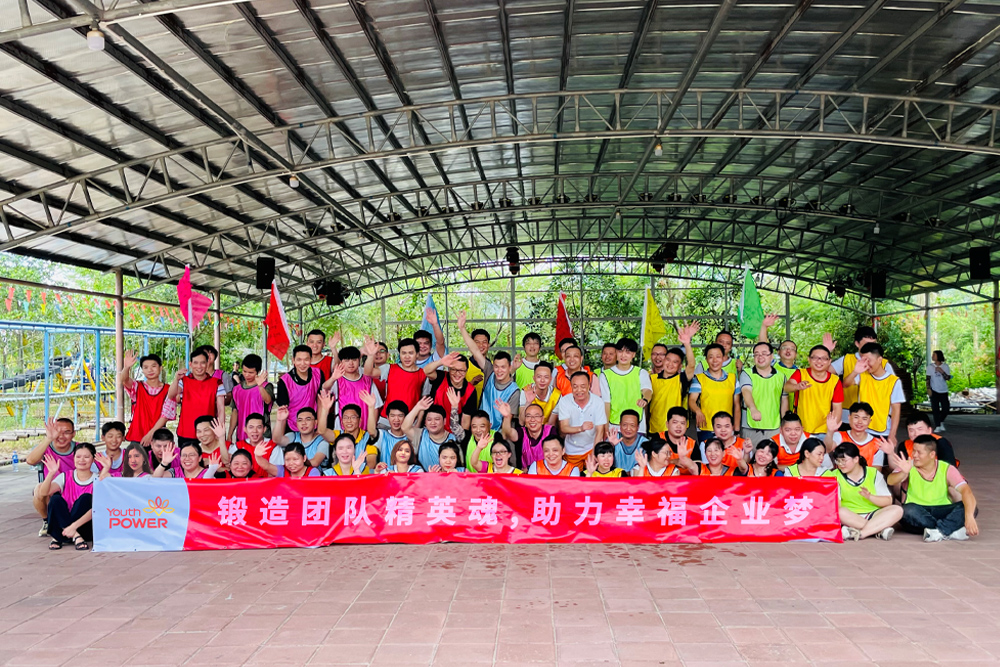
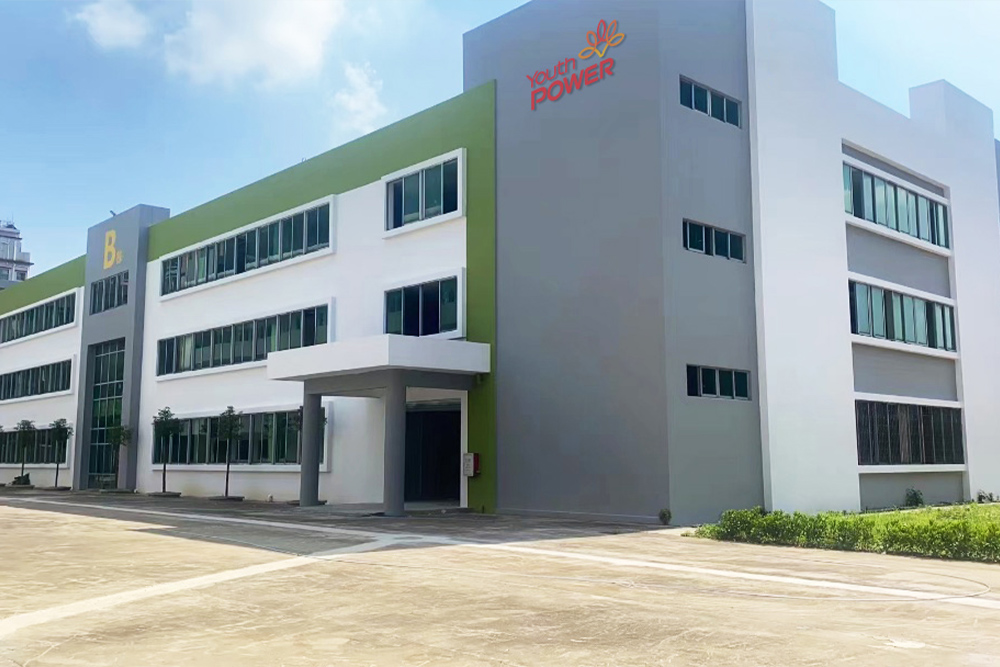
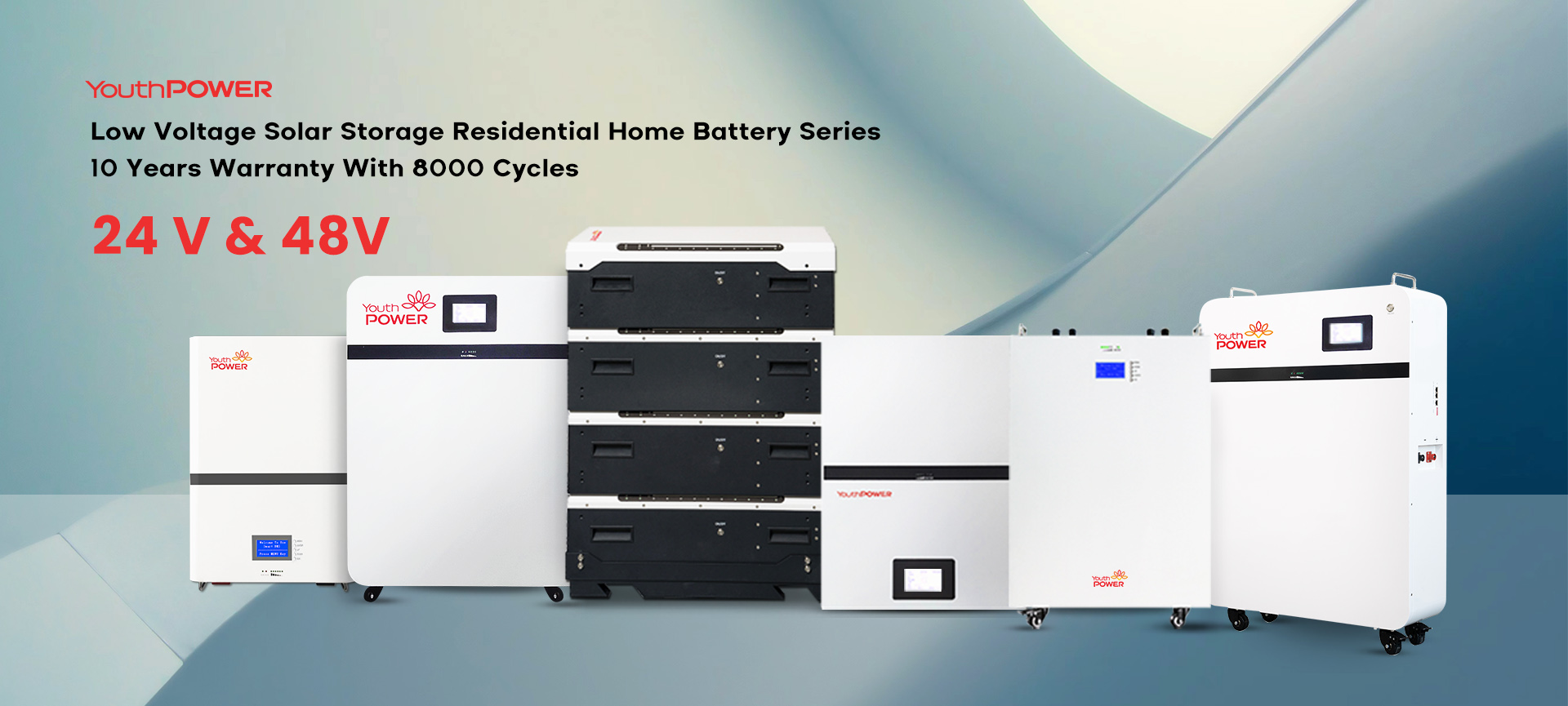
With nearly 20 years’ experience in the battery industry, we have the capability to provide you with both the products you need and the most suitable products you want. We are always ready to supply the first-class products and meet the various needs of the customers.
We have established good business relationships with our customers from all over the world. And we have a good cooperation with all our customers as well for many years running. Supported by our local vendors of raw materials, we can certainly offer you the best prices.
We are so proud that YouthPOWER has offered the reliable solar storage solution for over 1,000,000 families now in the world.
The global transition to a low-carbon economy has accelerated the integration of renewable energy sources, putting unprecedented stress on local grid networks. Severe weather events, peak demand pricing structure changes, and strict carbon regulations have made industrial battery storage a strategic necessity rather than a passive sustainability option. Major commercial enterprises and manufacturing hubs rely on Battery Energy Storage Systems (BESS) to guarantee operational continuity during grid drops and to optimize consumption profiles via load shifting and peak shaving.
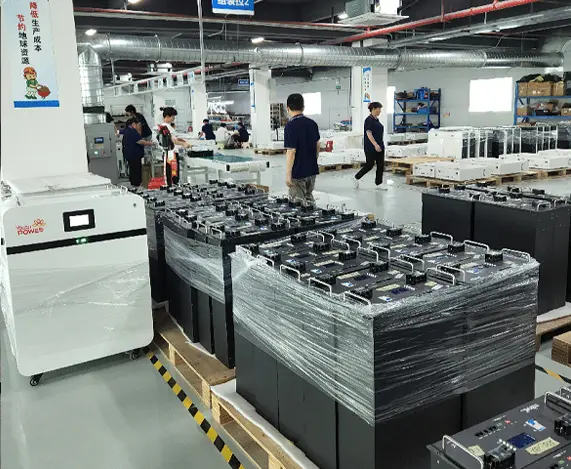
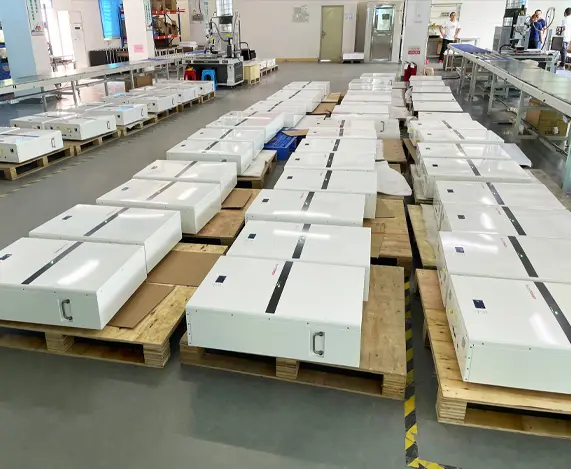
China's lithium battery manufacturing ecosystem has set the global standard for industrial battery assembly efficiency, supply chain security, and cost structures. Key regions like Shenzhen and Guangdong have leveraged direct proximity to raw chemical refiners, automated cell sorting lines, and highly experienced BMS hardware designers to reduce systemic product defects. Chinese gigafactories ensure that safety structures conform fully to UL9540A and IEC 62619 standards, establishing absolute credibility for large-scale engineering procurements.
From our initial steps in standard battery component design in 2003 to engineering multi-megawatt high-voltage BESS containers for utility operators, YouthPOWER's path has been paved with constant research, industrial iteration, and customer-focused breakthroughs.
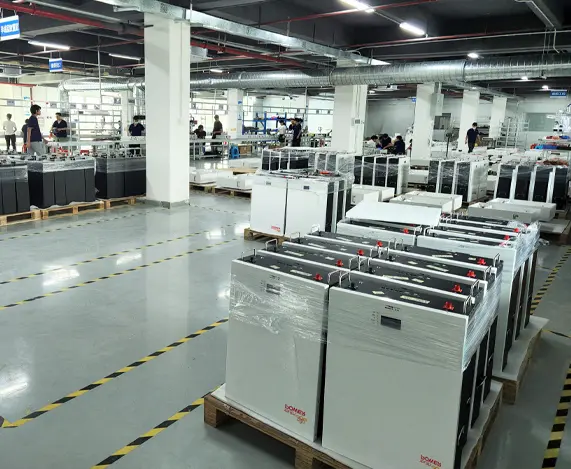
Understanding the structural differences in BESS setups dictates system performance, security margins, and long-term financial return. Here is the technical breakdown utilized by top-tier system integrators.
Traditional installations for residential or small offices favor 48V/51.2V low-voltage configurations due to easy scalability and simplified safety regulations. In contrast, heavy industrial applications require high-voltage designs (ranging from 400V to 800V). Higher systems voltages reduce current levels, lowering transmission energy losses and cabling expenses while boosting overall round-trip conversion efficiency.
Lithium Iron Phosphate (LFP) has emerged as the premier chemistry for stationary storage applications. Its strong safety performance, high thermal runaway threshold, and exceptional cycle life (often exceeding 6,000 cycles at 80% Depth of Discharge) deliver superior lifetime costs compared to NMC (Nickel Manganese Cobalt) alternatives, even with NMC's higher volume energy densities.
To protect investment viability and guarantee physical security, systems incorporate hierarchical BMS platforms. The first tier handles local cell voltage and temperature; the second tier tracks module-wide indicators and balances cell charge states; the third tier manages system-wide communications, interfaces directly with the Power Conversion System (PCS), and shuts down operation if faults develop.
Modern enterprises must select battery configurations based on specific load demands, environmental challenges, and regulatory frameworks. Utility-scale developers look for simplified modular construction to speed up grid integration, whereas manufacturers prioritize high power output capability for handling machinery startup surges.
Facilities under demand-charge billing structures save significantly by charging battery arrays during low-tariff off-peak hours and discharging them when demand charges peak. LFP cabinets (such as the 215kWh and 186kWh variants) provide the cycling endurance required to execute these operations twice daily without accelerating battery capacity loss.
For rural regions, mining projects, and smart apartments, integrating residential micro-storage systems (like the 2.5kWh balcony or the 5kW all-in-one ESS) reduces dependancy on diesel generators. These setups minimize energy conversion losses and lower carbon tax exposures.
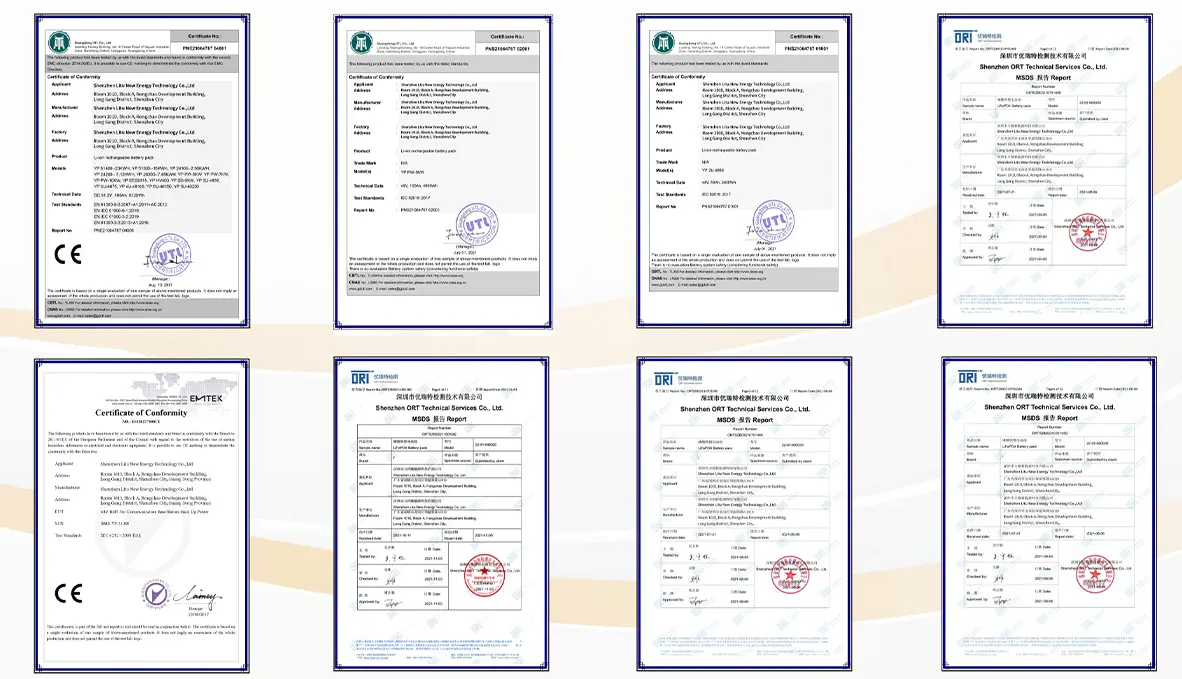
When selecting a manufacturing partner, EPC managers should review the following technical qualifications:
 YouthPOWER