High-performance LFP battery modules, residential wall-mounted units, and commercial systems engineered for efficiency and durability.
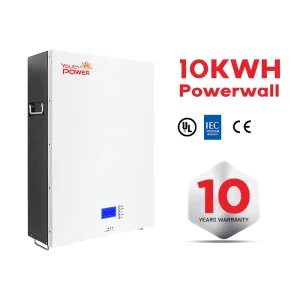
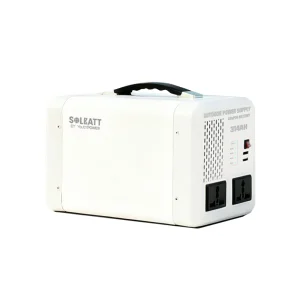
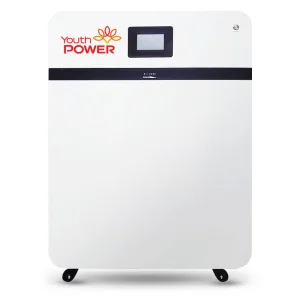
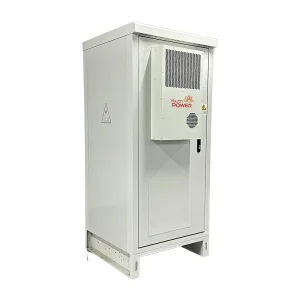
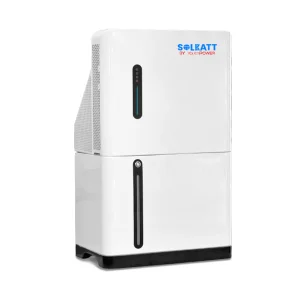
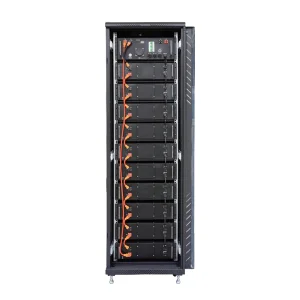
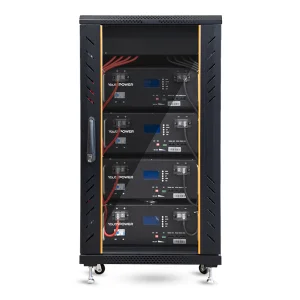
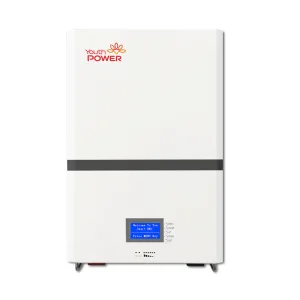
Founded in 2003, YouthPOWER has established itself as one of the preeminent global manufacturers of solar storage lithium batteries. Over the course of nearly two decades, we have continuously advanced our engineering processes to address the evolving technical requirements of the clean energy industry. Our comprehensive product portfolio includes highly reliable 24V, 48V, and high-voltage battery racks, alongside integrated energy storage units customized for complex multi-megawatt systems.
Supported by robust in-house R&D capabilities, YouthPOWER manages the complete product lifecycle—from raw material testing and chemical composition configuration to custom battery management system (BMS) design. In 2019, we introduced our direct-to-market brand "YouthPOWER" to serve global distributors, EPC contract developers, and engineering installers with premium-tier energy storage solutions.
With nearly 20 years’ experience in the battery industry, we possess the unique industry intelligence required to advise client companies on cell chemistry selection, thermal design optimization, and safety regulatory compliance.
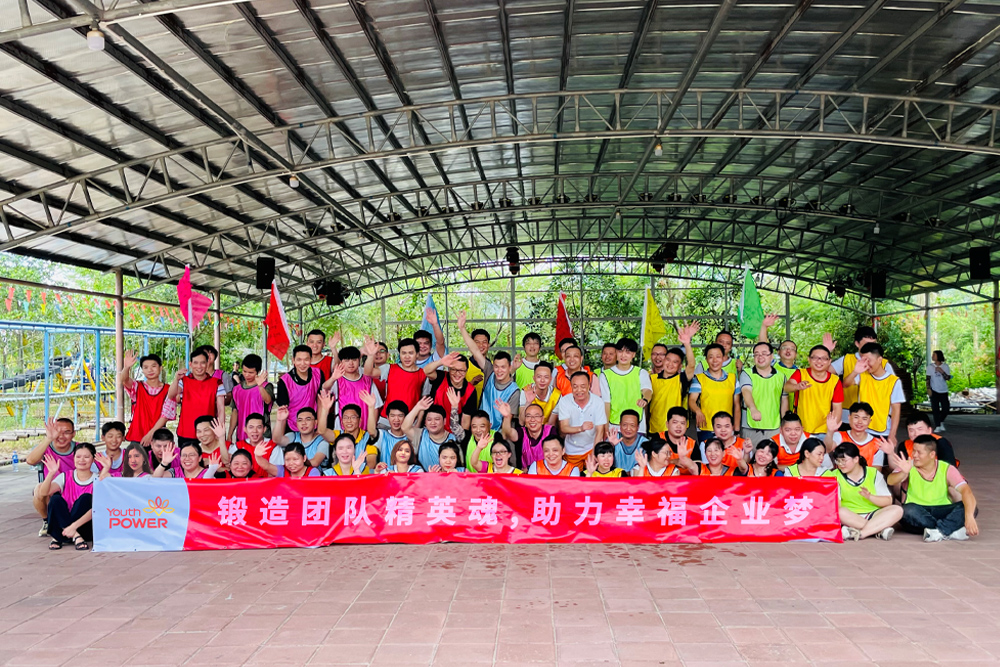
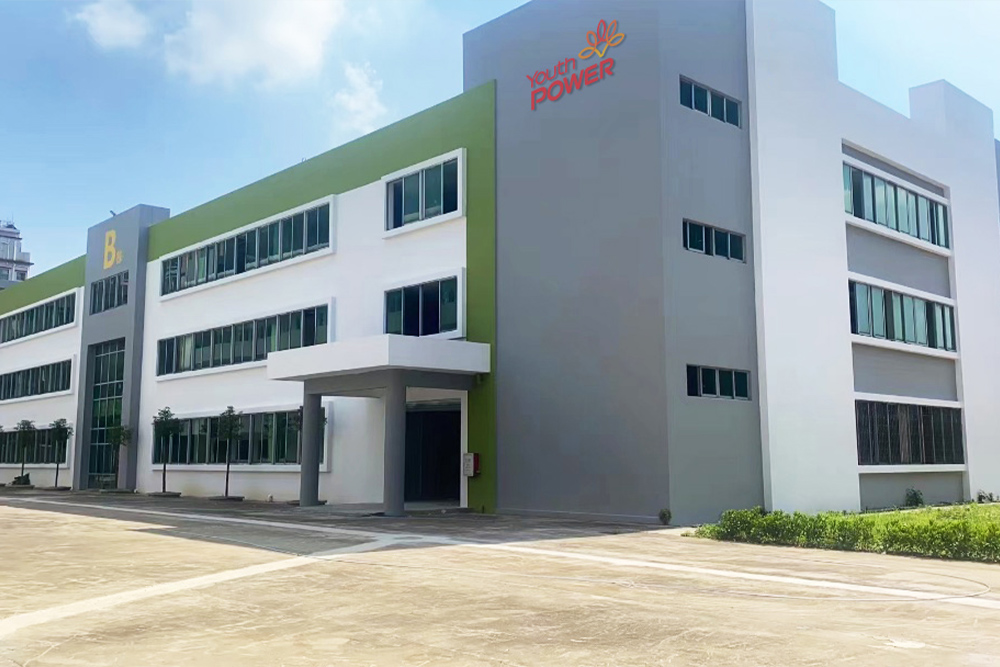
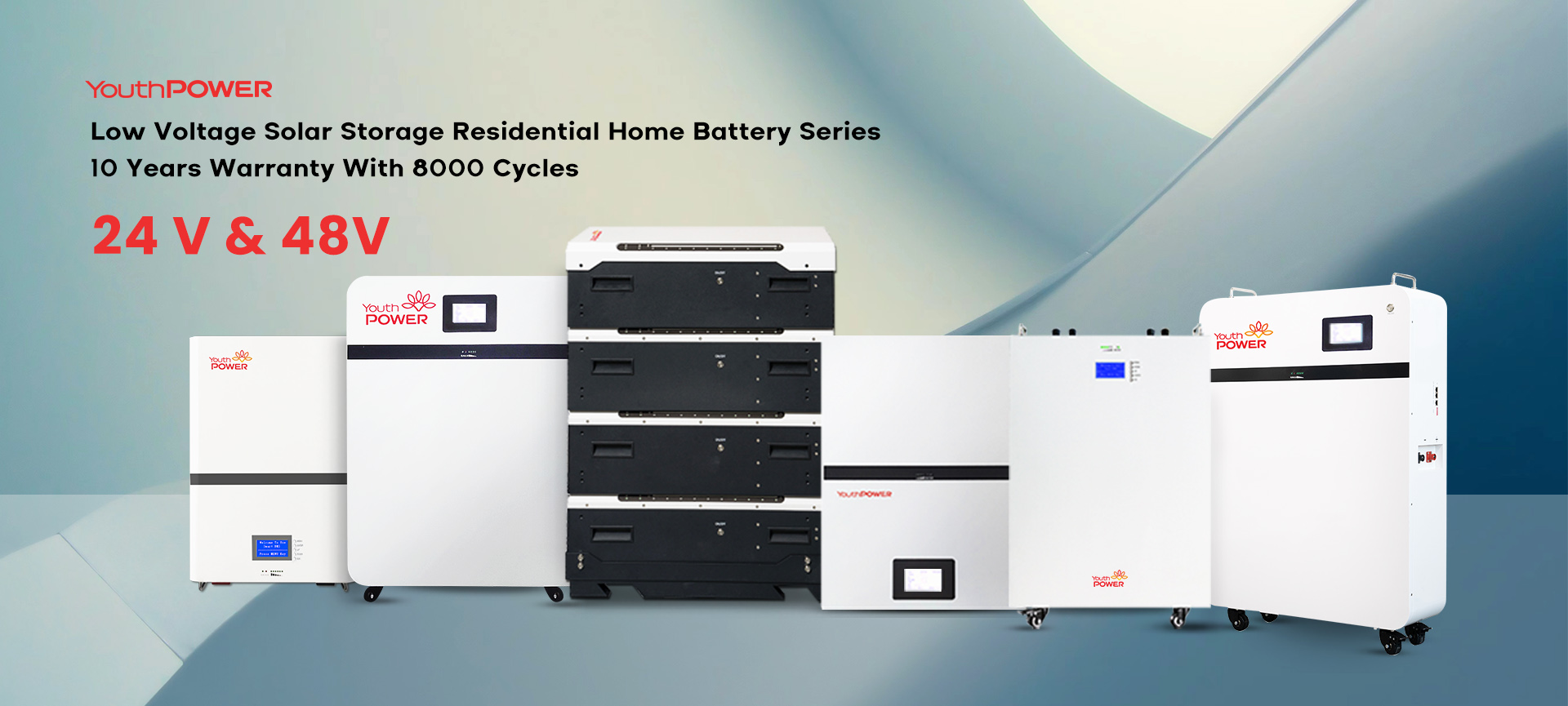
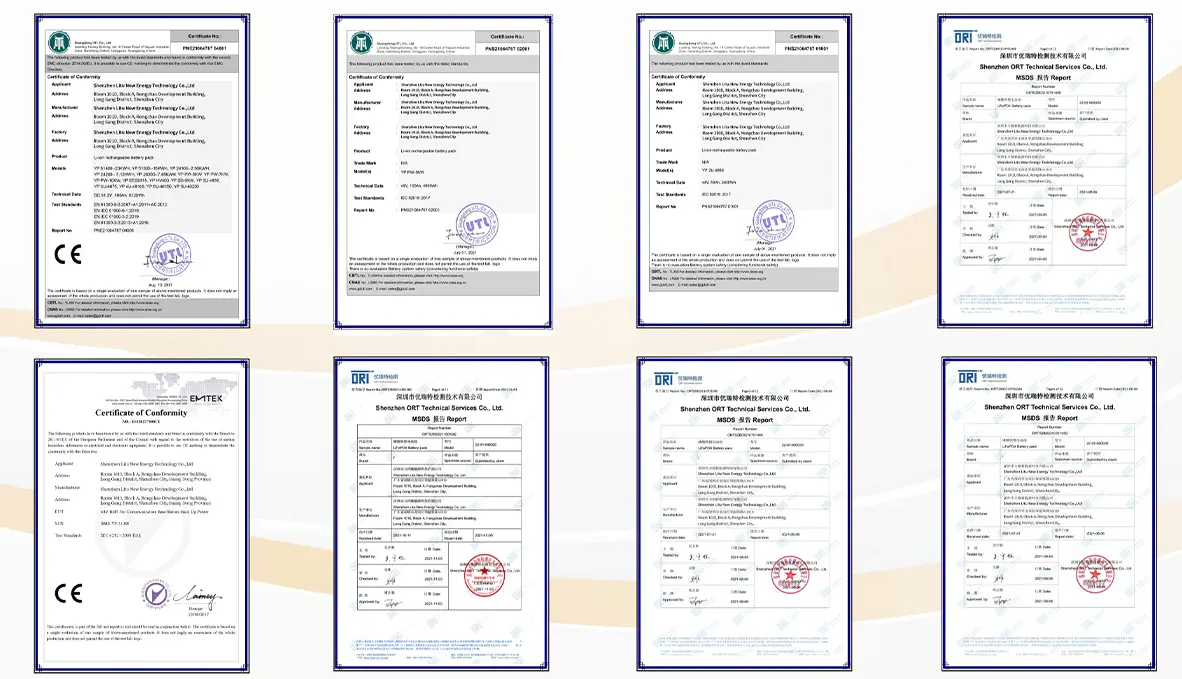
Through deep collaboration with local component vendors and chemical research institutes, we have built a stable supply ecosystem that guarantees cost-efficiency without compromising on component quality. This structured optimization ensures our commercial partners receive premium lithium iron phosphate (LiFePO4) storage options at direct factory rates.
Today, YouthPOWER is proud to have deployed reliable solar storage systems for over 1,000,000 households and businesses worldwide.
A visual look into our production automation, high-capacity cell testing chambers, and assembly lines.
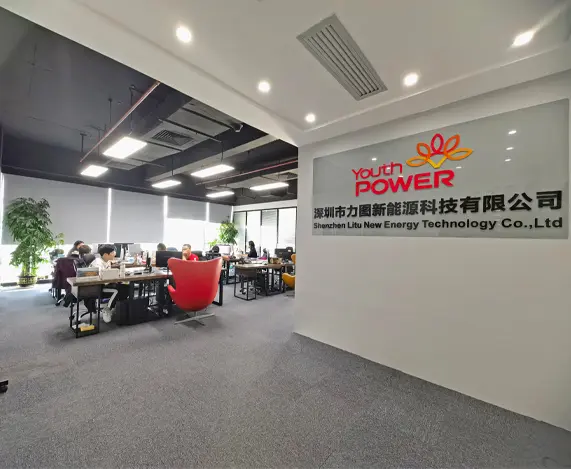
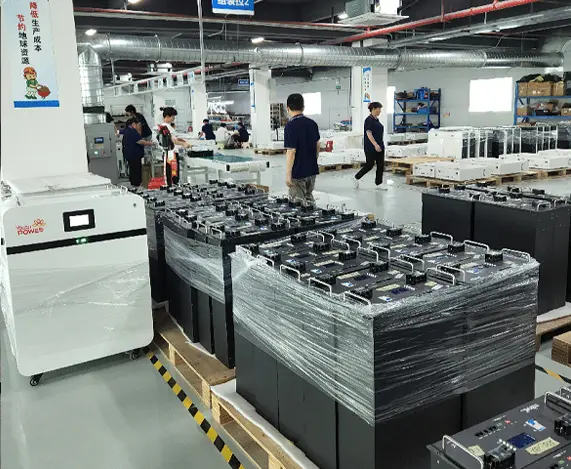
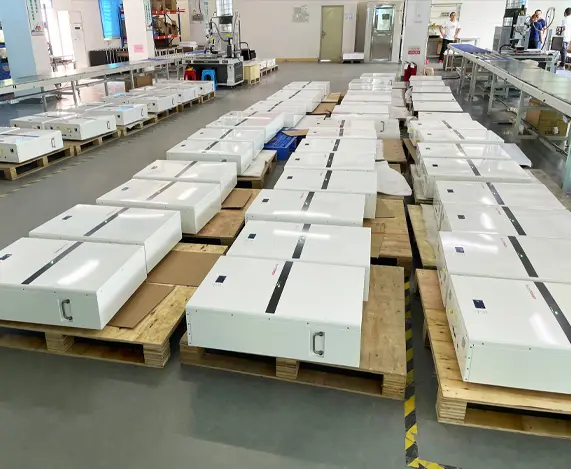
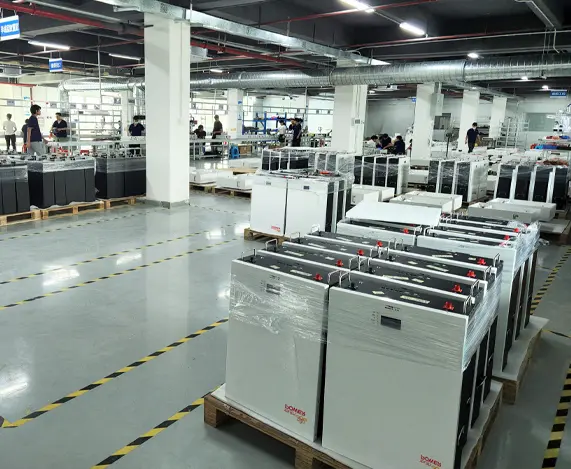
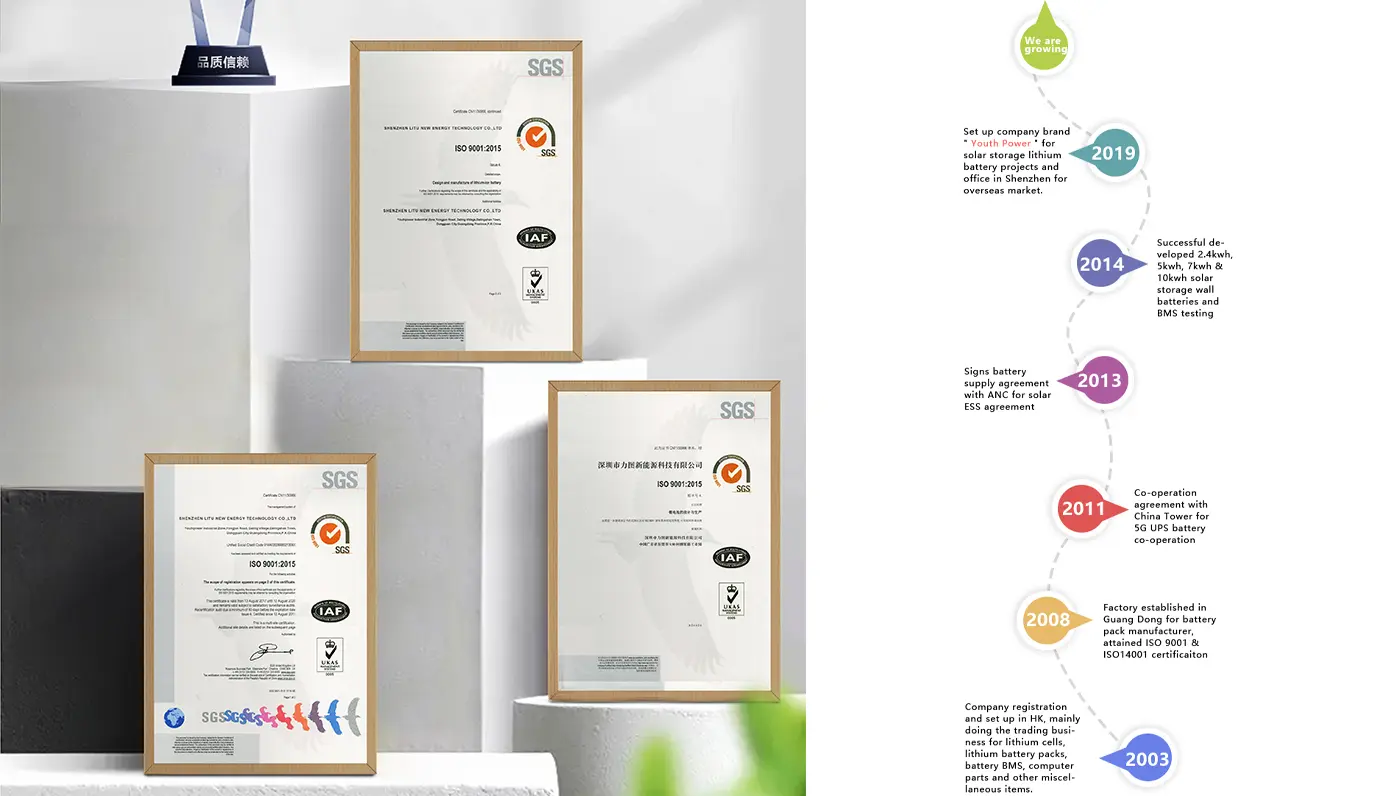
An analytical breakdown of the technical and logistical advantages derived from sourcing commercial energy storage batteries from China.
In the global energy transition, sourcing storage batteries directly from China represents a strategic advantage for commercial developers and EPC contractors. The Chinese battery manufacturing ecosystem is not merely a center for low-cost labor; it is the global hub for battery chemistry R&D, raw material refining, and highly automated Gigafactories. By manufacturing in the heart of this supply chain network, YouthPOWER utilizes direct access to key battery components—including lithium carbonate precursor materials, high-density anode powders, advanced separators, and next-generation BMS chipsets.
The clustering of component suppliers in key industrial zones like Shenzhen and Guangdong facilitates rapid iteration cycles. A custom battery housing design or firmware modification that might take months in Western markets can be designed, prototyped, tested, and certified within weeks in our facility. This concentrated supply chain structure minimizes intermediate shipping delays, reduces the carbon footprint associated with component sourcing, and allows us to transfer cost efficiencies directly to our international clients.
When specifying a power storage battery for standard utility-scale or microgrid deployments, engineers face a fundamental architecture decision: Low-Voltage (48V/51.2V) systems or High-Voltage (typically above 200V up to 768V+) configurations.
The longevity of a lithium battery system is determined not only by the grade of the electrochemical cells, but also by the performance of the Battery Management System (BMS). Our proprietary BMS architecture monitors individual cell voltages, pack temperatures, and current flows in real-time. By implementing advanced state-of-charge (SoC) and state-of-health (SoH) calculation models, we prevent over-charge, over-discharge, short-circuit, and thermal runaway.
Additionally, our BMS solutions support native CANbus, RS485, and Modbus communication protocols. This provides plug-and-play compatibility with world-renowned hybrid and storage inverters—such as SMA, Victron Energy, Studer, Growatt, Deye, and Solis. This seamless communication prevents system faults, coordinates protection strategies, and ensures the energy storage system operates within its optimal efficiency windows.
Procuring storage batteries at scale requires thorough attention to transport logistics, total cost of ownership (TCO) models, and long-term warranties. Lithium batteries are classified as Class 9 Dangerous Goods under international transport regulations. Consequently, factories must maintain robust certifications, including UN38.3 test reports, Material Safety Data Sheets (MSDS), and strict compliance with IMDG code standards. YouthPOWER works closely with certified hazardous materials forwarders to manage container packaging, customized sea freight coordination, and customs clearance protocols, ensuring projects are delivered on schedule.
Engineered to meet the highest safety, reliability, and performance requirements of modern grids.
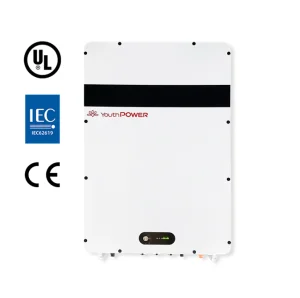
Full compliance with international standards, including IEC 62619, UL 1973, CE, and UN 38.3. Tested extensively for thermal runaway propagation resistance under extreme conditions.
Utilizing high-grade A LiFePO4 cells to deliver over 6,000 charge/discharge cycles at 80% Depth of Discharge (DoD), ensuring 10-15 years of operational life.
Integrated intelligent BMS providing real-time telemetry, precise passive cell balancing, thermal sensors, and built-in protocol mapping for major inverter brands.
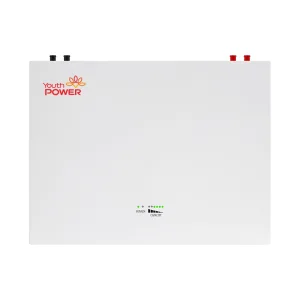
Compact, highly integrated modular solutions like our 2.5KWH Balcony Battery and portable power stations, optimized for spatial limitations and quick deployment.
Providing custom engineering services, comprehensive design validation, and localized commercial support structures for distributors and installers worldwide.
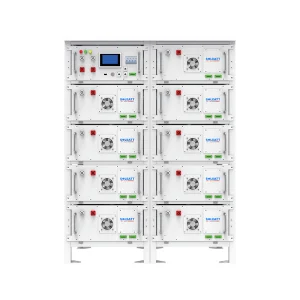
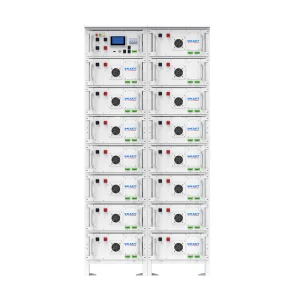
From rack-mounted cabinets to outdoor liquid-cooled containerized systems up to 215kWh, engineered to deliver megawatt-scale grid stability and peak shaving.
Navigating complex international certifications for solar battery systems to ensure seamless grid connection and local permitting.
Installing high-voltage lithium battery banks requires strict alignment with municipal, regional, and national safety codes. For instance, in the North American market, UL 9540 (Standard for Energy Storage Systems and Equipment) and UL 9540A (Test Method for Evaluating Thermal Runaway Fire Propagation) are critical requirements. Local code authorities demand these certifications to approve commercial installations and qualify projects for state-level financial incentives.
In Europe, safety profiles are guided by EN/IEC 62619, which defines mandatory parameters for safety and reliability tests at both cell and module levels. CE declarations and RoHS compliance ensure that no hazardous concentrations of restricted heavy metals are present in the final product assemblies.
Recognizing the importance of local technical support, YouthPOWER has established localized partnerships to assist installers with grid connection permits, code reviews, and direct warranty validation. We assist EPC contractors with system engineering designs, calculating fault current limits, setting up emergency shutdown (ESD) circuits, and optimizing ventilation configurations for high-capacity battery rooms.
Technical and procurement answers designed for solar project engineers and purchasing officers.
High-voltage racks, waterproof outdoor enclosures, and split-phase hybrid solar integration setups.
 YouthPOWER