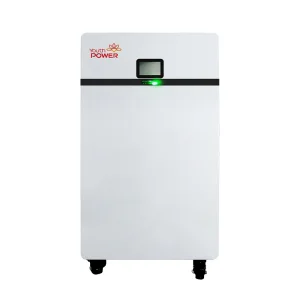
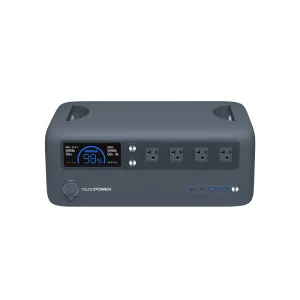
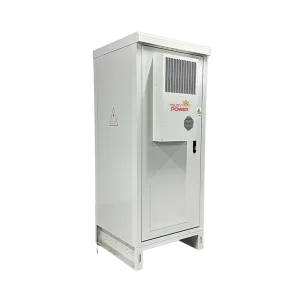
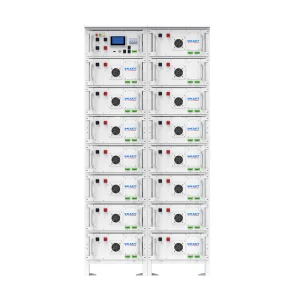
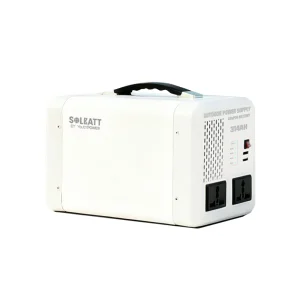
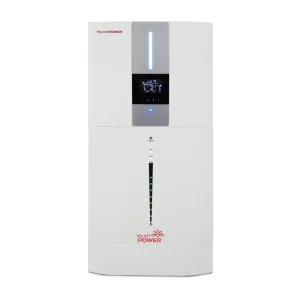
Explore our high-performance lithium energy solutions built at YouthPOWER's automated manufacturing facilities.
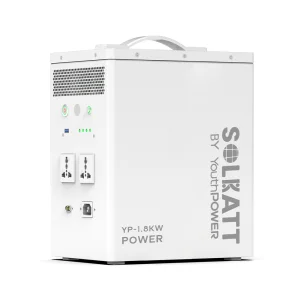
From legacy Sealed Lead Acid (SLA) to high-discharge, intelligent LiFePO4 cells.
Historically, ride-on toys and small-scale mobility units, collectively referred to under the category of "Power Wheels," have relied almost exclusively on heavy, inefficient, and chemical-leaking Sealed Lead Acid (SLA) batteries. These legacy systems suffer from drastic voltage drops under load (often referred to as Peukert's effect), limited cycle lives (rarely exceeding 200–300 cycles at 50% Depth of Discharge), and long charging times (often requiring 12–18 hours). For global retailers, amusement parks, and device manufacturers, SLA batteries represent high maintenance costs, persistent customer complaints, and excessive freight weights.
As a leading Power Wheels battery factory, YouthPOWER has pioneered the migration to high-rate lithium iron phosphate (LiFePO4) cell chemistries. In comparison to lead-acid, lithium-based Power Wheels upgrades deliver triple the energy density, a flat discharge curve that maintains peak performance from 100% down to 10% State of Charge (SoC), and an outstanding cycle lifespan exceeding 3,000 to 6,000 cycles. This technological advancement ensures that commercial hire fleets, private ride-ons, and customized electric systems perform optimally under continuous duty cycles.
Information Gain Indicator: Traditional SLA batteries degrade significantly when discharged below 50% capacity. Our high-rate B2B lithium alternatives support 100% depth of discharge with integrated Battery Management Systems (BMS) safeguarding cell health at all times.
Behind YouthPOWER's global footprint: Two decades of battery technology innovation.
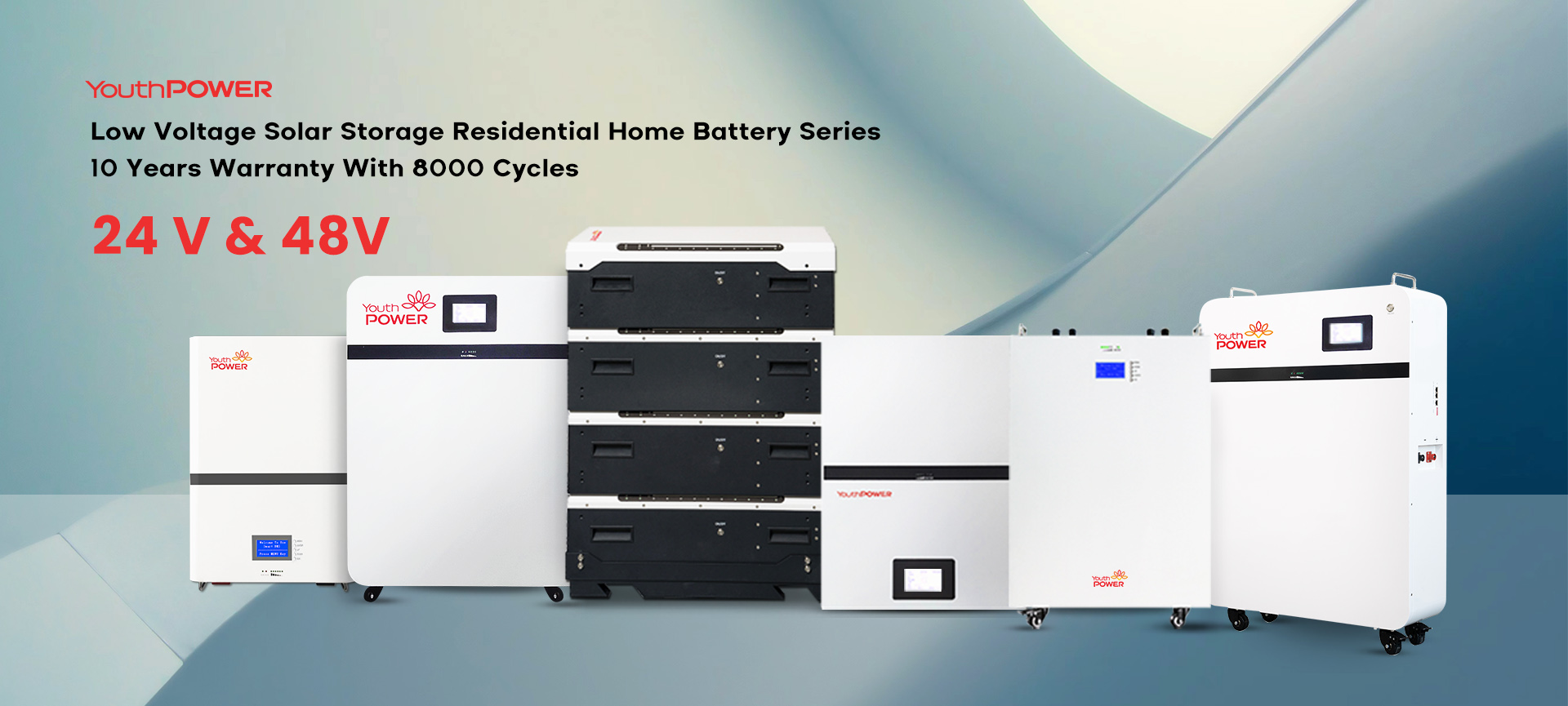
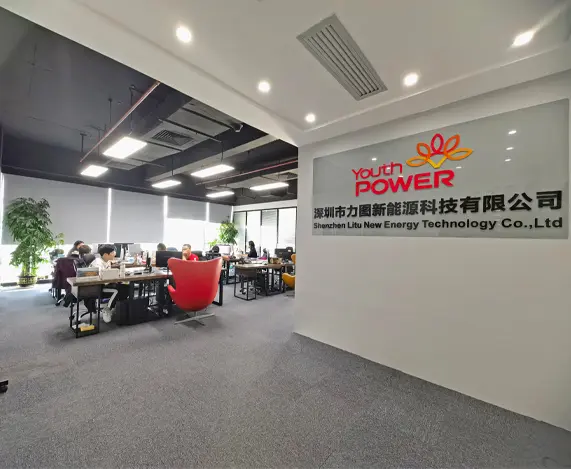
Founded in 2003, YouthPOWER has now become one of the leading suppliers of solar storage lithium batteries in the world. With a broad range of energy storage solutions, it covers a series of 24V, 48V, and higher voltage lithium battery solutions. Having engaged in battery technology and production for almost 20 years, we possess abundant manufacturing experience and a strong new product R&D capability. Through many years of hard work and intensive market promotion, we created our own brand "YouthPOWER" in 2019.
With nearly 20 years’ experience in the battery industry, we have the capability to provide you with both the products you need and the most suitable products you want. We are always ready to supply first-class products and meet the various needs of customers. Supported by our local vendors of raw materials, we offer highly optimized factory-direct prices without compromising build quality. We are proud that YouthPOWER has offered reliable solar and lithium storage solutions to over 1,000,000 families worldwide.
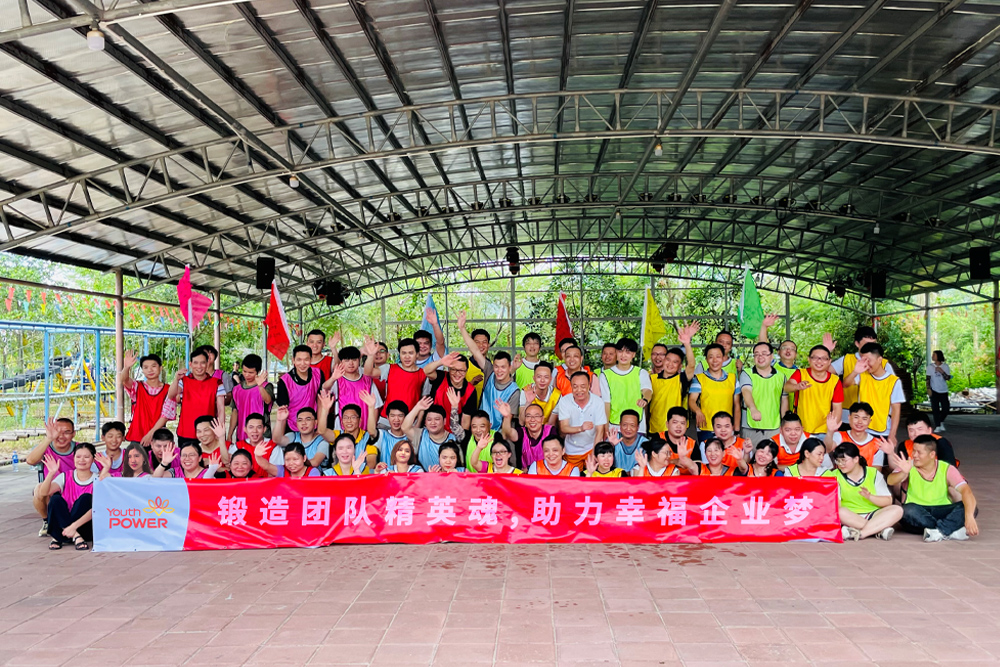
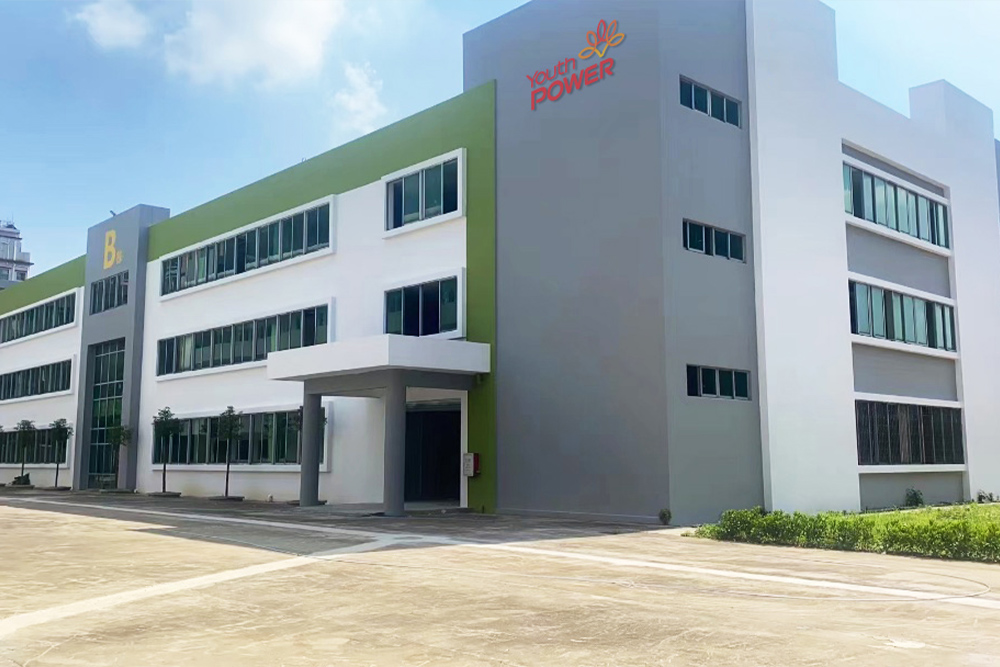
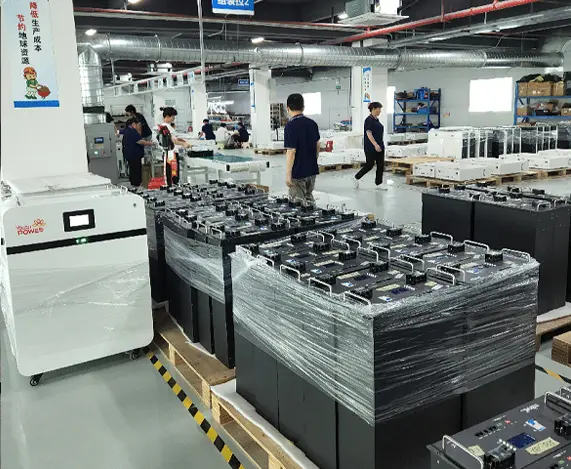
Our manufacturing workflow operates under strict ISO 9001:2015 frameworks. Every step—from cell sorting, laser welding, and automated BMS wiring to final dual-pulse charge/discharge testing—is monitored to minimize variance. By securing tier-1 raw materials, YouthPOWER ensures every batch of batteries shipped to our B2B customers conforms to international safety standards, minimizing RMA rates and maximizing consumer satisfaction.
Whether you require standard 12V configurations for recreational ride-ons or high-voltage commercial ESS, our design team adapts existing architectures to fit specific form factors, electrical footprints, and operating temperatures.
Critical procurement indicators for distributors, retailers, and industrial importers.
Choosing between standard ternary lithium (NMC) and Lithium Iron Phosphate (LiFePO4) represents a critical trade-off. LFP offers unparalleled thermal stability and cycle life (over 3,000 cycles), making it optimal for children's toys and stationary applications. NMC provides higher gravimetric energy density, ideal for projects prioritizing weight reduction.
Power Wheels motors pull high startup currents (in-rush current) when accelerating or climbing slopes. Traditional lithium batteries shutdown due to trigger-sensitive BMS units. Our industrial lines configure customizable BMS units to allow 2x continuous current spikes for up to 3 seconds without initiating short-circuit protection.
SLA replacement requires drop-in compatibility. Our factory provides customize molded enclosures, including F2 terminal configurations, standard spade connectors, or custom wire harnesses (e.g., matching standard toy connectors), removing assembly barriers for end-consumers and distributors.
The engineering blueprint behind YouthPOWER's high-discharge lithium packs.
Safe operation of high-energy batteries in mobile applications requires multi-tier safety designs. Standard configurations manufactured at YouthPOWER rely on the following architecture:
Precise internal resistance and capacity sorting ensures delta values < 2mΩ and < 10mAh across assemblies, reducing cell imbalance over time.
Custom copper-nickel busbars are laser-welded onto cells, reducing connection resistance and eliminating weld degradation caused by vibration.
Smart BMS circuits are programmed with specific current limitations to handle transient peak start currents without triggering system shut-off.
Completed battery assemblies undergo automated charge/discharge tests to record real-world capacity and heat curves under simulated operating conditions.
Ensuring global market access with recognized product testing and safety compliance.
Navigating global regulatory landscapes requires extensive testing and documentation. Unlike standard consumer goods, large lithium batteries are classified as Class 9 Dangerous Goods during transportation. To ensure seamless importing and customs clearance, YouthPOWER coordinates comprehensive certification processes.
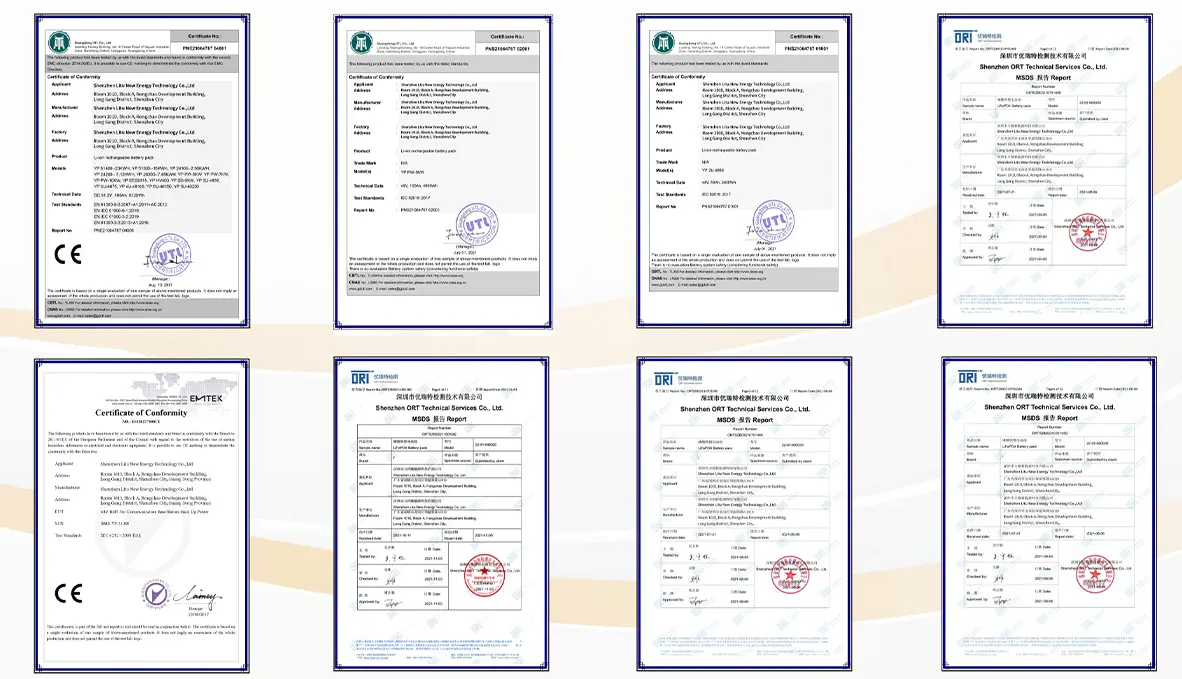
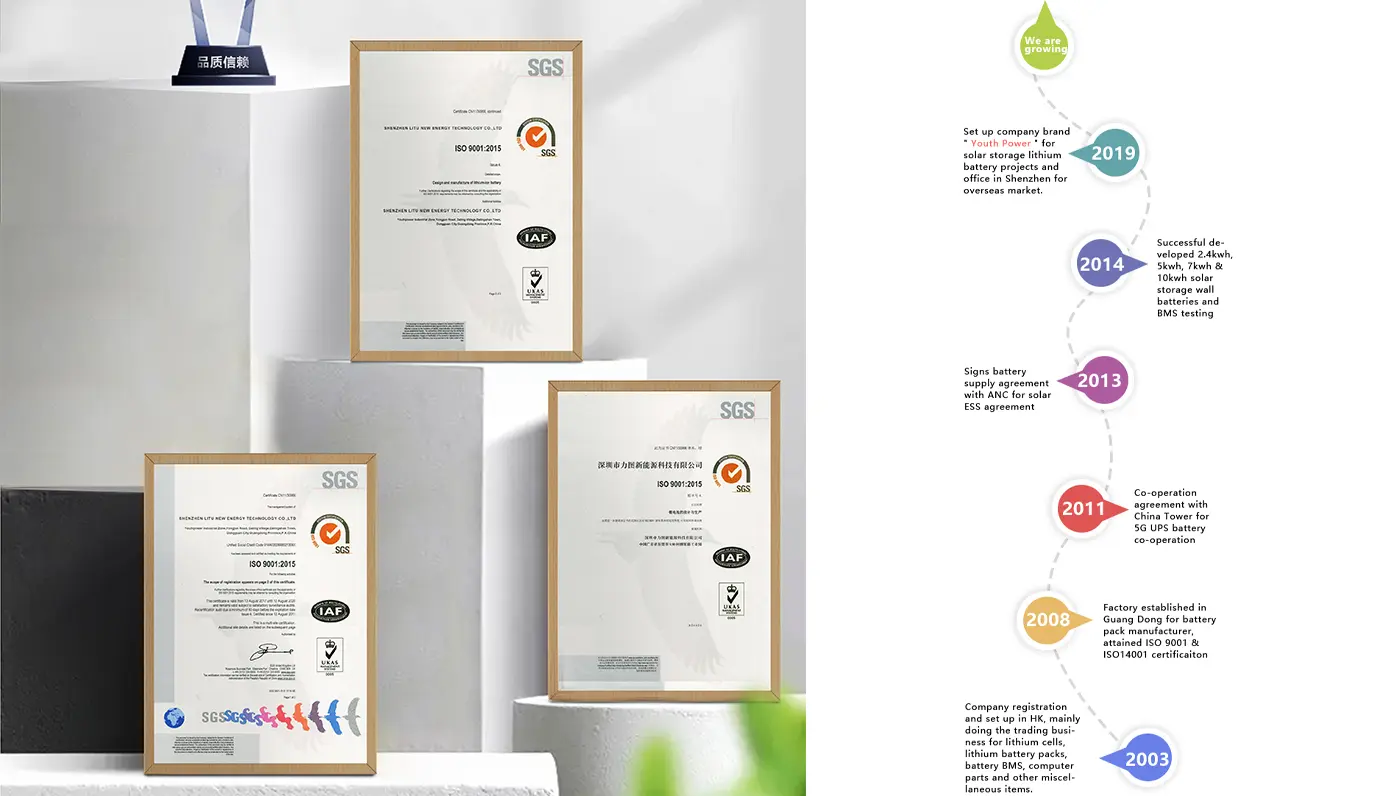
All battery lines comply with the UN38.3 test standard (comprising thermal, vibration, shock, external short circuit, impact, overcharge, and forced discharge tests). This is accompanied by complete Material Safety Data Sheets (MSDS) and drop test reports, enabling safe maritime and air freight transit.
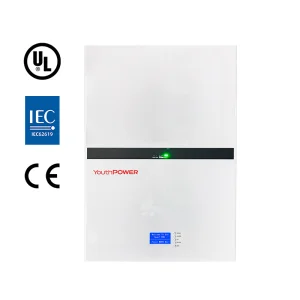
Furthermore, our manufacturing facilities comply with CE, FCC, RoHS, and UL safety standards. For global B2B procurement partners, buying from a certified Power Wheels battery factory eliminates the risk of customs seizures, liability concerns, and local market compliance issues.
Key highlights of our technological growth and manufacturing scale over two decades.
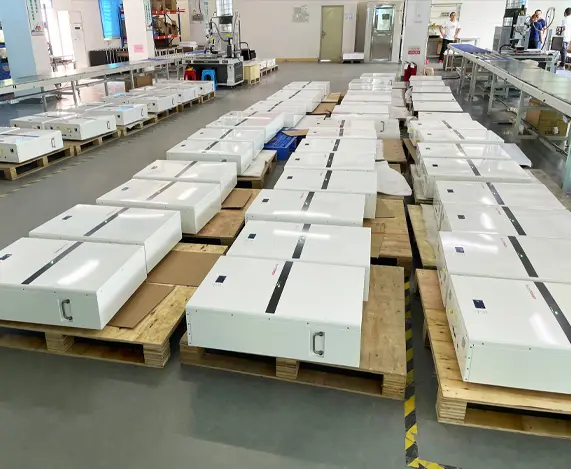
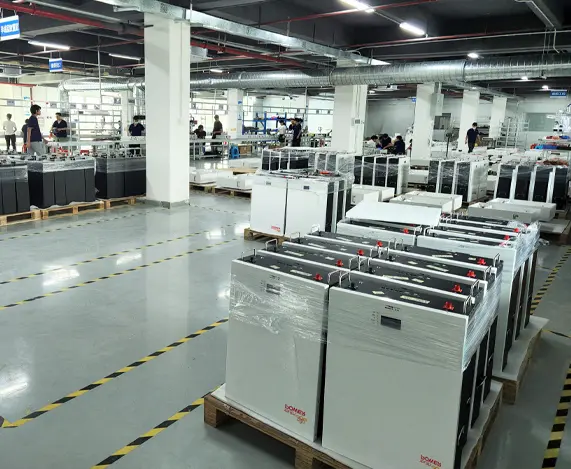
Our growth path reflects continuous optimization and structural refinement. From our early days as a generic battery pack manufacturer in 2003 to establishing specialized automated assembly lines, YouthPOWER has prioritized product longevity, safety, and scalable B2B supply chains.
Below is a summary of our primary industrial achievements:
Frequently asked questions regarding our manufacturing capacity, safety protocols, and custom orders.
Explore our complete commercial, residential, and portable battery system catalogs.
 YouthPOWER