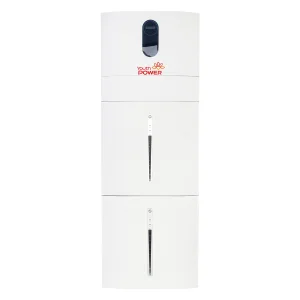
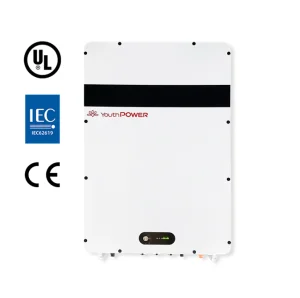
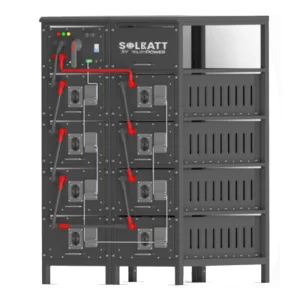
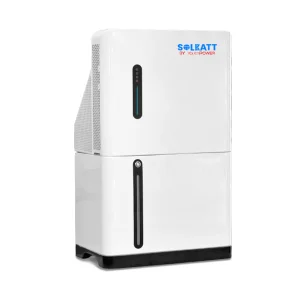
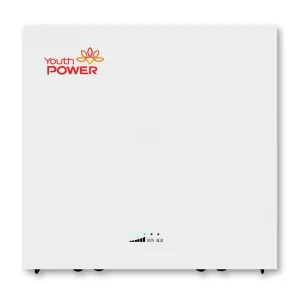
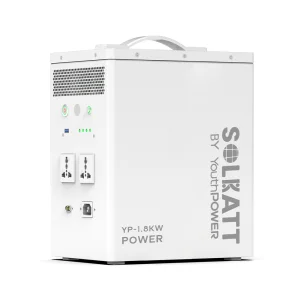
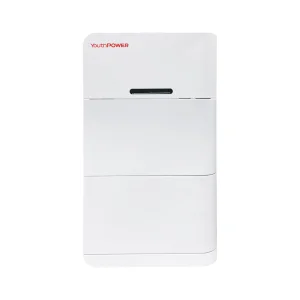
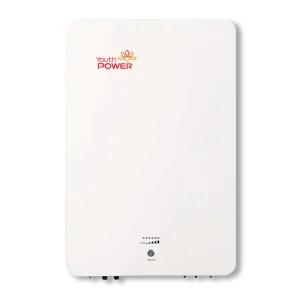
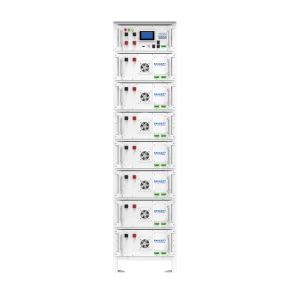
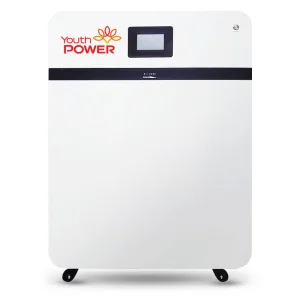
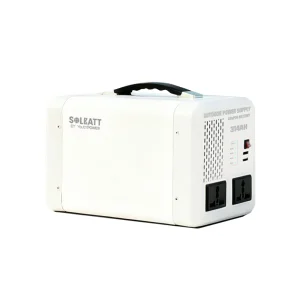
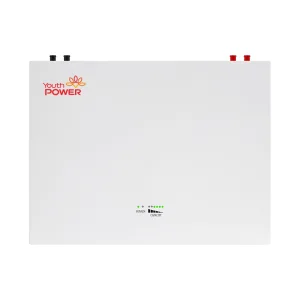
Explore our elite portfolio of advanced lithium-ion and high-voltage energy storage solutions engineered for modern grid demands and off-grid reliability.
The global transition toward decentralized, resilient grids has accelerated the demand for high-performance residential and light commercial battery energy storage systems (BESS). The transition to Powerwall 3 technology architecture represents a paradigm shift in how clean energy is stored and managed. Unlike previous generations that relied heavily on AC-coupled configurations and external solar inverters, modern systems utilize sophisticated DC-coupled topologies, integrated hybrid inverters, and high-voltage DC distribution to maximize round-trip efficiency (RTE).
From an engineering perspective, the Powerwall 3 architecture addresses critical bottlenecks by unifying solar conversion and battery storage into a single thermal-management enclosure. This design significantly minimizes conversion losses (typically saving 2% to 4% compared to standard AC-coupled equivalents) and simplifies physical installation. By hosting a built-in solar inverter with multiple Maximum Power Point Trackers (MPPTs), modern factories and OEM partners can deliver unified energy configurations capable of scaling to support heavy load starts, such as central air conditioning systems and electric vehicle (EV) charging stations.
Unifies battery storage and MPPT solar charging into a single high-efficiency thermal enclosure, reducing system wiring complexity and overall footprints.
Operates at elevated DC voltage ranges to reduce transmission currents, minimizing copper losses and improving total round-trip conversion efficiency.
Utilizes advanced Lithium Iron Phosphate (LiFePO4) chemistries alongside multi-layered hardware level battery management system (BMS) safeguards.
Crucial to this performance is the selection of battery chemistry. While early residential designs relied on Lithium Nickel Manganese Cobalt (NMC) chemistries due to their high volumetric energy density, the modern BESS manufacturing landscape has overwhelmingly transitioned to Lithium Iron Phosphate (LiFePO4). LFP chemistry offers outstanding thermal stability, an extended cycle life (often exceeding 6,000 charge cycles at 80% Depth of Discharge), and avoids the ethical and environmental challenges associated with cobalt extraction.
For international distributors, commercial developers, and solar installers, procuring the ideal battery storage solution involves a complex analysis of lifetime costs, regulatory compliance, and system compatibility. The search for premium "Powerwall 3 factories" extends beyond basic price-per-kilowatt-hour comparisons to encompass long-term reliability metrics and vendor track records.
Key procurement vectors analyzed by commercial buyers include:
The dominance of Chinese battery factories in the global energy storage supply chain is not merely a result of labor cost advantages, but is heavily driven by the integration of Industry 4.0 manufacturing processes and unmatched supply chain consolidation. Leading manufacturers like YouthPOWER leverage fully automated assembly lines, robotic cell selection, and rigorous environmental stress screening (ESS) to guarantee consistent batch-to-batch cell quality.
From raw material processing to final system calibration, the proximity of lithium extraction networks, anode/cathode production facilities, and smart BMS assembly hubs within regions like Guangdong allows factories to mitigate global logistics risks and maintain competitive pricing. Factory 4.0 standards incorporate AI-driven optical inspection tools, automatic laser welding, and automated end-of-line (EOL) testing systems to log the exact capacity, internal resistance, and voltage curve of every single battery cell before assembly into packs.
This high-precision manufacturing reduces internal cell mismatch rates, a key factor that directly dictates the longevity of high-voltage battery arrays. When purchasing alternative Powerwall systems, industrial procurement officers benefit from this systemic efficiency, securing robust warranties and flexible OEM/ODM product configurations that cater to specific market standards.
Discover how twenty years of dedicated lithium battery R&D has created one of the world's most trusted alternative energy storage brands.
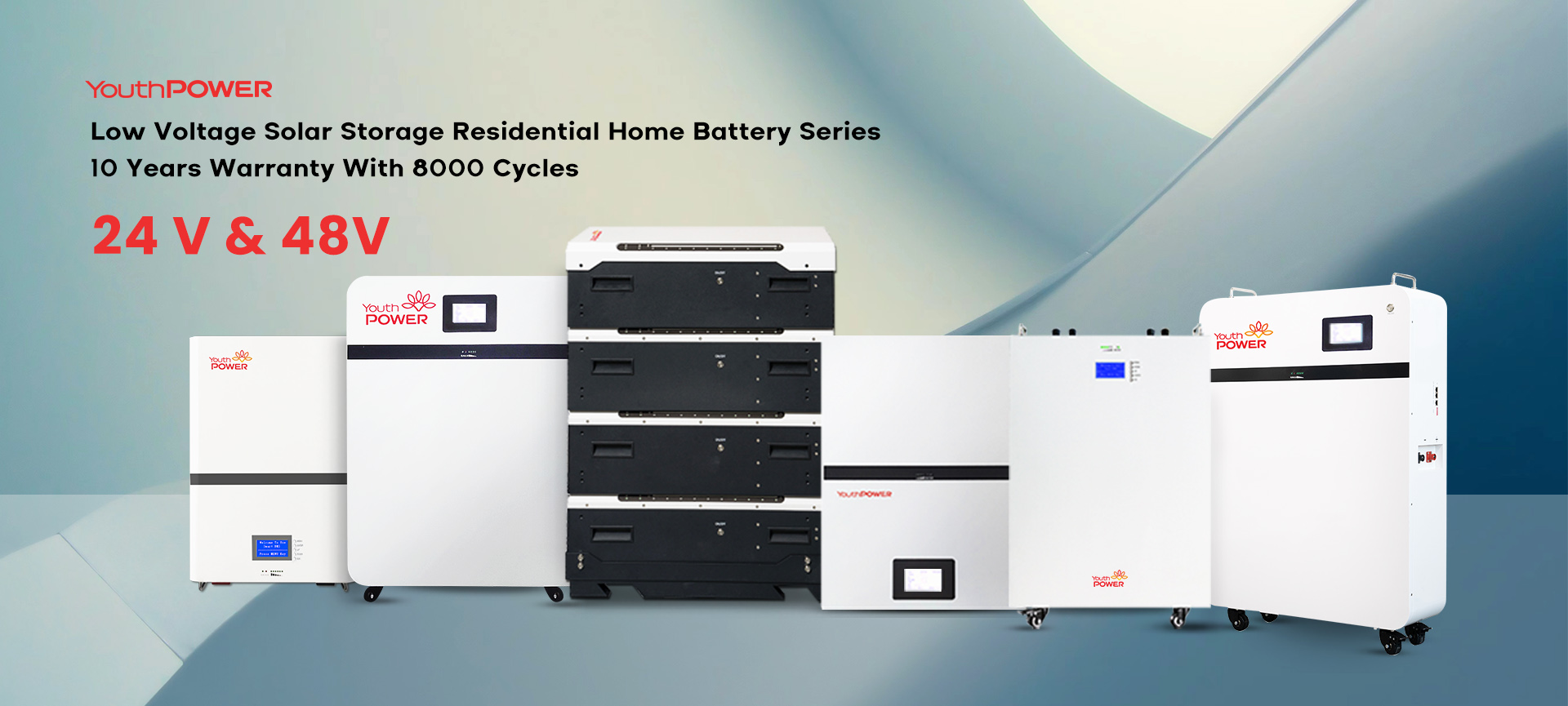
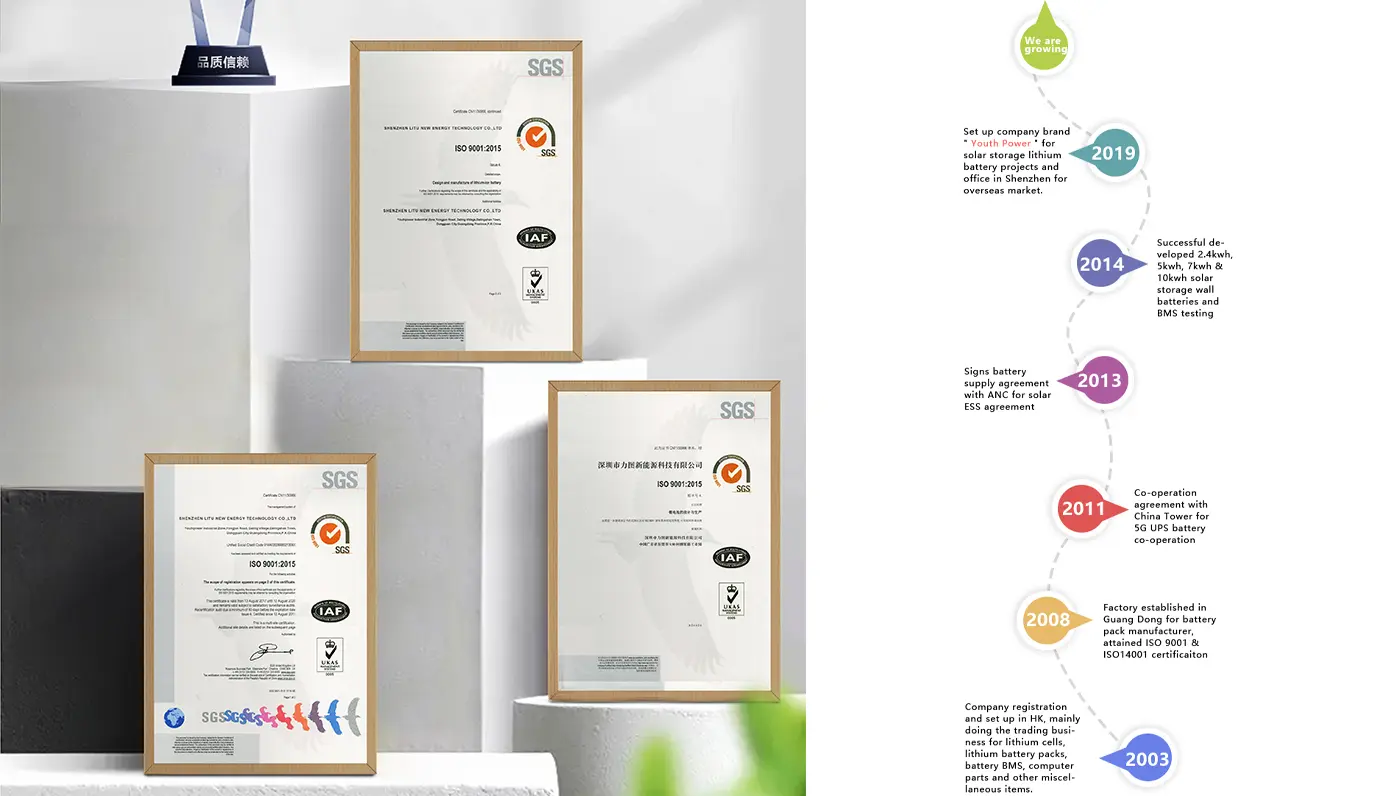
Founded in 2003, YouthPOWER has now become one of the leading suppliers of solar storage lithium batteries in the world. With a broad range of energy storage solutions, it covers a series of 24V, 48V and higher voltage lithium batteries solutions.
YouthPOWER has engaged in the battery technology and production for almost 20 years, with abundant manufacturing experience and strong new product R & D capability. Through many years of hard work and market promotion, we have created our own brand "YouthPOWER" in 2019.
With nearly 20 years’ experience in the battery industry, we have the capability to provide you with both the products you need and the most suitable products you want. We are always ready to supply the first-class products and meet the various needs of the customers.
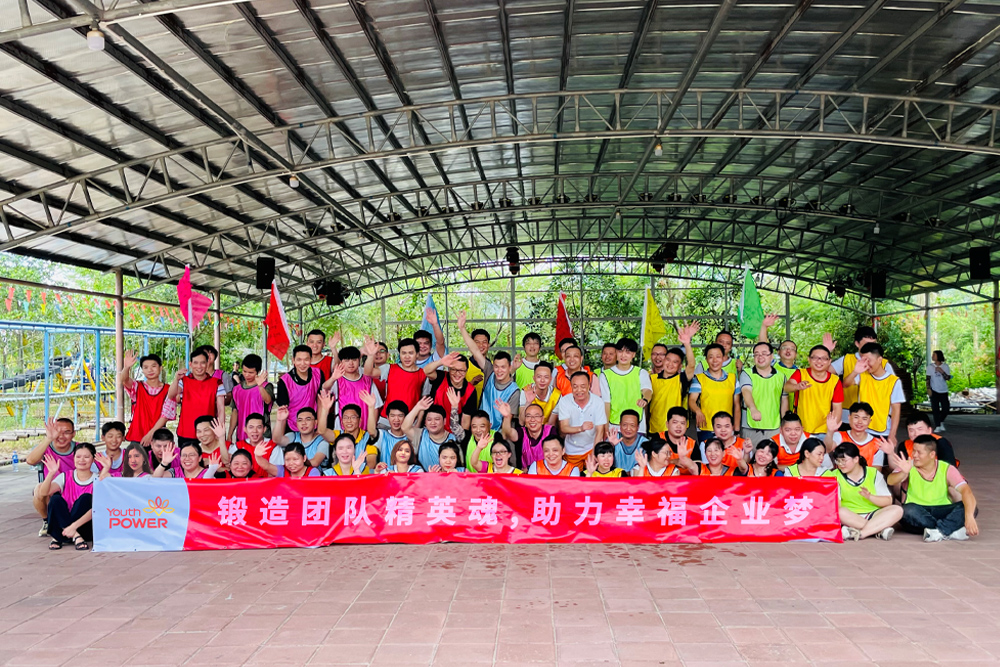
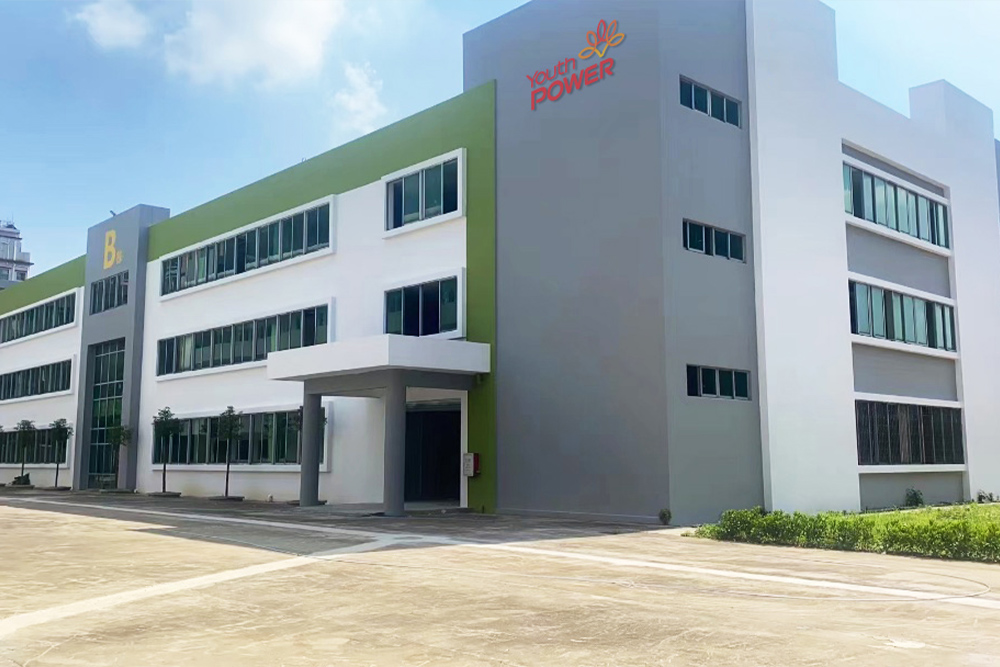
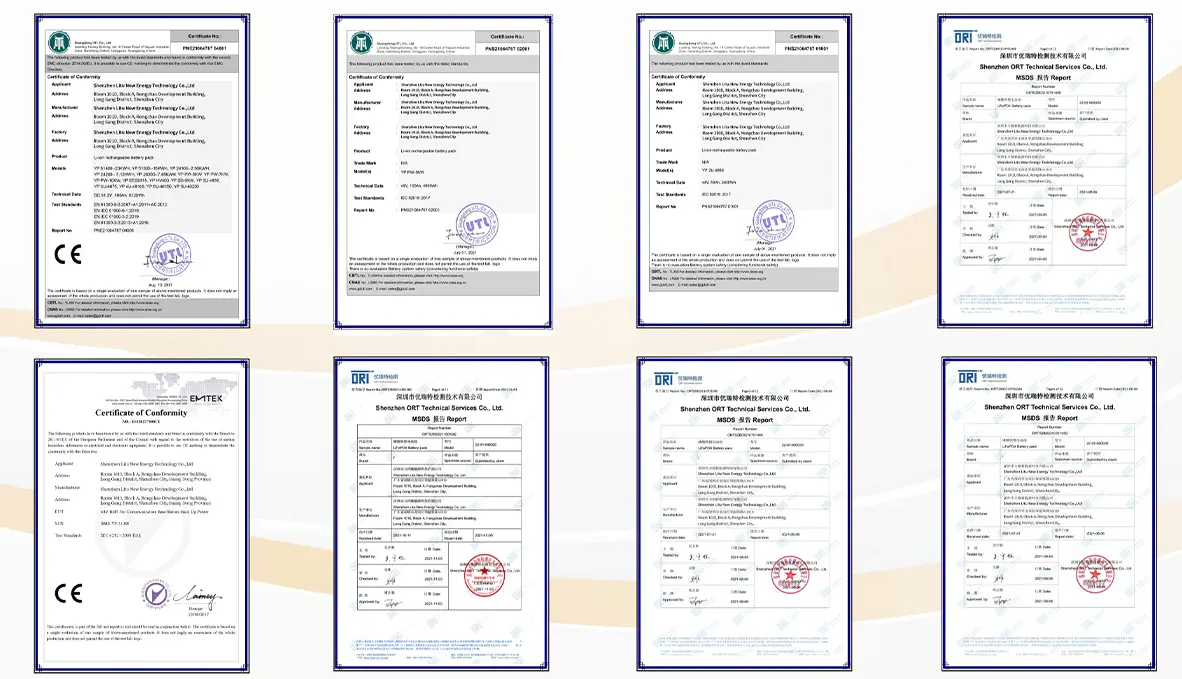
We have established good business relationships with our customers from all over the world. And we have a good cooperation with all our customers as well for many years running. Supported by our local vendors of raw materials, we can certainly offer you the best prices.
We are so proud that YouthPOWER has offered the reliable solar storage solution for over 1,000,000 families now in the world.
A visual tour of our precision production facilities, automated testing systems, and high-voltage container packaging lines.
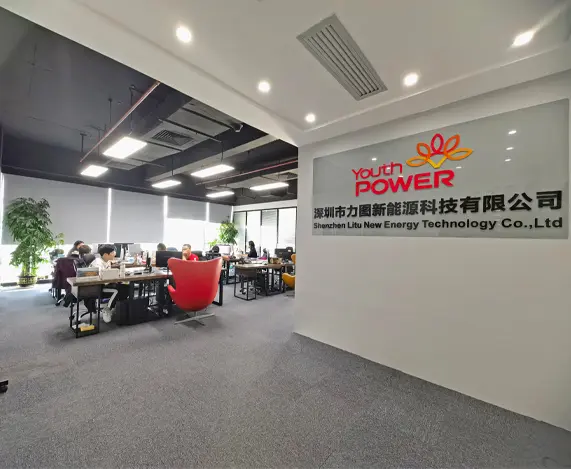
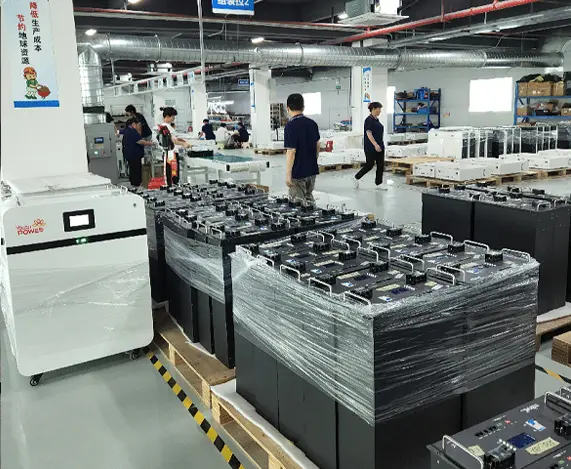
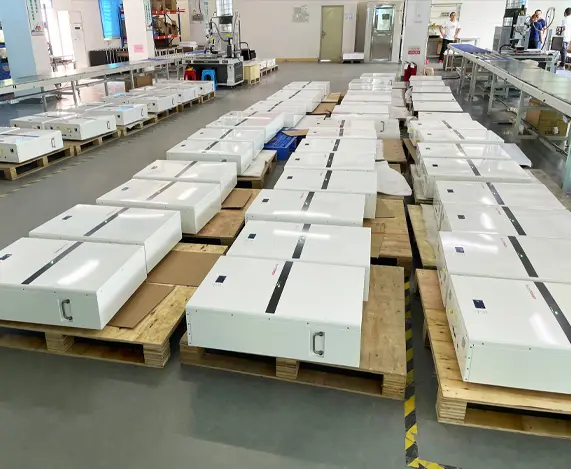
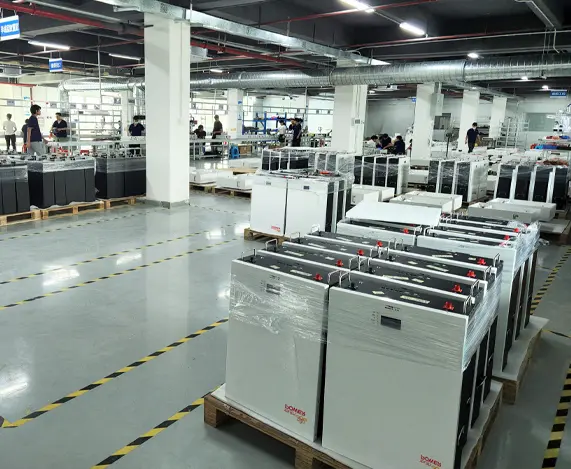
A timeline trace of our engineering achievements, production scaleups, and the milestone moments that defined our market footprint.
Modern high-voltage batteries and Powerwall alternatives are highly versatile systems engineered to adapt to a vast spectrum of operational applications. Understanding the precise deployment scenarios allows developers to maximize investment returns.
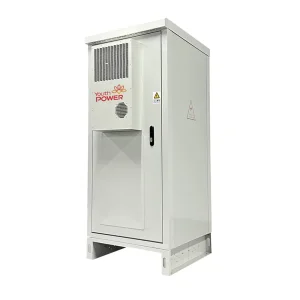
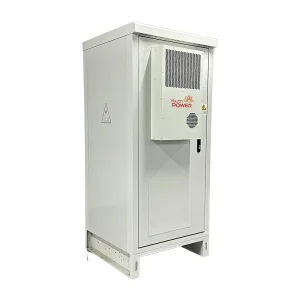
In regions lacking stable grid infrastructure, high-capacity, waterproof lithium batteries are vital. By pairing large-scale solar arrays with deep-cycle LiFePO4 battery systems (such as the 100KWH Outdoor Powerbox or modular wall-mounted units), remote resorts, agricultural farms, and rural telecom installations can operate independently from diesel generator dependency, significantly reducing carbon emissions and logistics costs.
C&I enterprises face high utility demand charges based on peak consumption periods. Deploying cabinet-scale BESS solutions (like the 85KWH or 114KWH systems) allows businesses to engage in peak-shaving operations: charging the batteries during low-tariff off-peak hours and discharging them during peak pricing cycles. This grid-balancing approach reduces monthly operating expenses and provides immediate emergency backup during brownouts.
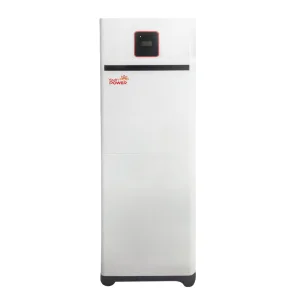
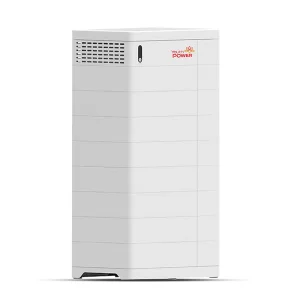
For residential tenants and urban apartments where rooftop space is limited, compact balcony lithium storage systems represent a fast-growing market segment. Scaled at 2.5KWH to 5KWH, these systems act as localized energy nodes, feeding critical appliances during peak times and storing solar surplus generated from small balcony-mounted PV modules.
Answers to crucial engineering and sourcing questions frequently raised by BESS project developers and international importers.
Explore high-capacity outdoor powerboxes, cabinet BESS configurations, and hybrid split inverter designs.
 YouthPOWER