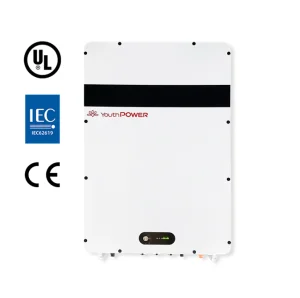
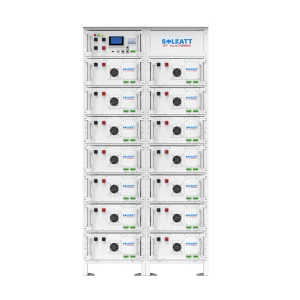
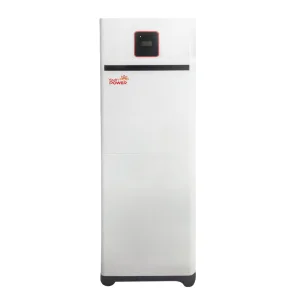
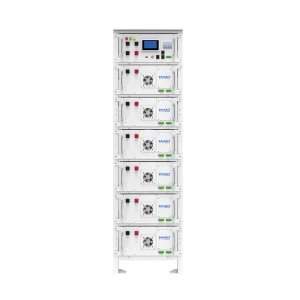
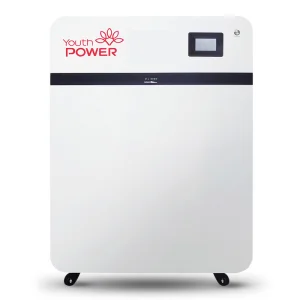
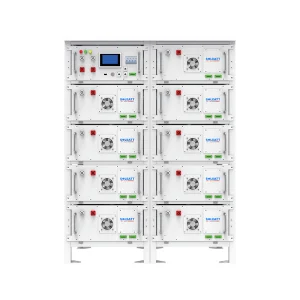
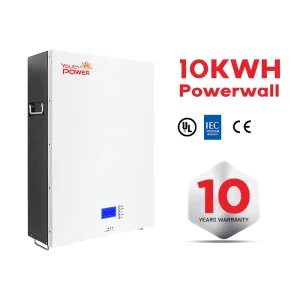
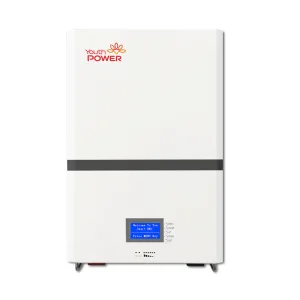
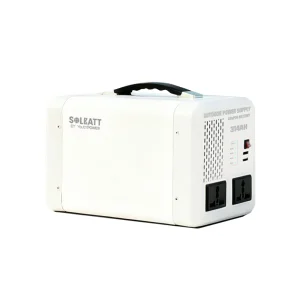
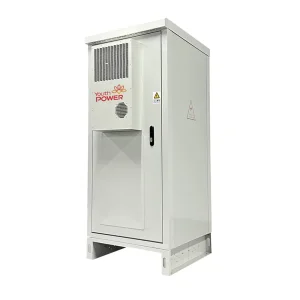
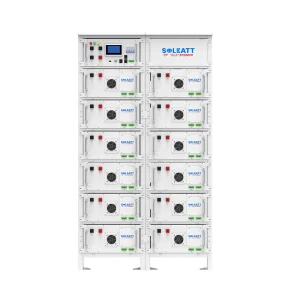
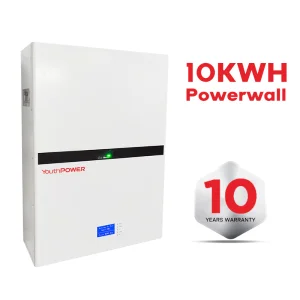
Explore our industrial and residential grade solar storage products engineered for efficiency, durability, and cost-effectiveness.
Decoding the macroeconomic drivers shifting industrial power structures towards integrated lithium energy storage.
Commercial enterprises globally leverage BESS to exploit peak-shaving mechanisms and power price fluctuations, storing low-cost off-peak energy and discharging during high-tariff periods to dramatically reduce operational overheads.
The global energy sector measures technology based on LCOS. Through raw materials optimization and engineering advancements, Lithium Iron Phosphate (LiFePO4) chemistry has emerged as the clear leader in safety, thermal resilience, and lowest per-cycle cost.
Multinational companies require highly compatible battery architectures that seamlessly interface with multi-megawatt solar arrays, ensuring reliable emergency backup systems while meeting rigorous global environmental compliance metrics.
A transparent breakdown of procurement dynamics, manufacturing margins, and technology-to-value indicators.
When selecting a solar battery manufacturer, looking strictly at the initial sticker price ($/kWh CAPEX) is a common procurement pitfall. True energy management efficiency relies on operational expenditures (OPEX) determined by round-trip efficiency, degradation rates, and thermal management demands.
Cell Chemistry and Quality Control: Grade-A LiFePO4 cells, which feature superior internal resistance consistency, retain higher capacity retention over 6,000+ cycles. Lower-tier cells may save up to 15% upfront but lead to rapid pack deterioration, resulting in premature system failures and replacement costs.
Integrated vs. Modular Architecture: Highly integrated systems, featuring smart Battery Management Systems (BMS) and Active Thermal Control, stabilize internal temperatures, maintaining nominal operating performance and maximizing the system lifespan.
Standard Cell Degradation Rate Per Annum
Lifespan Cycles @ 80% Depth of Discharge
Active BMS Round-Trip System Efficiency
How localized supply chain density and production engineering deliver high-performance systems at scale.
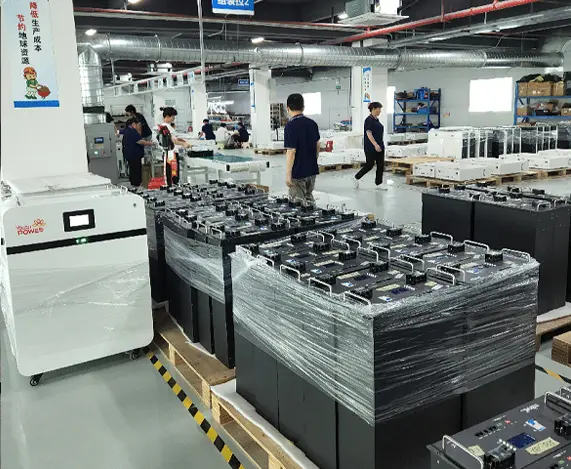
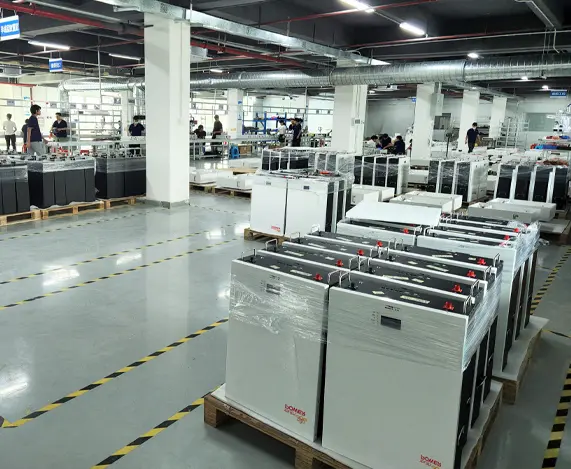
Chinese gigafactories benefit from immediate proximity to key lithium refining hubs, precursor manufacturing, and advanced automated PCB assemblies. This structural network limits logistics overheads, direct component lead times, and resource constraints.
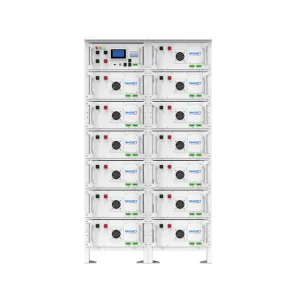
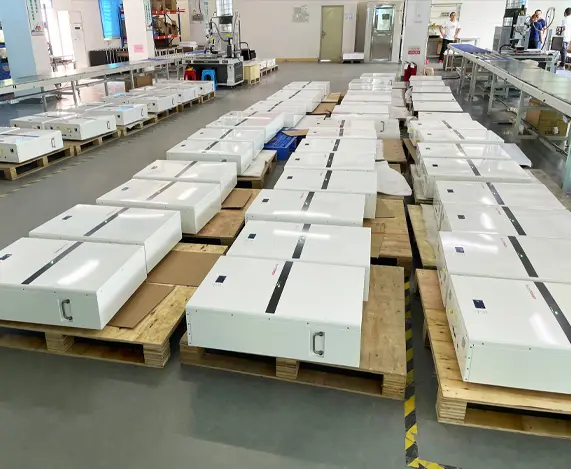
With an extensive base of energy storage engineers, factories can prototype, adapt, and scale customized modular configurations (from 51.2V rack-mount options to high-voltage commercial containers) in fractions of the time compared to Western counterparts.
By using automated laser welding, automated module sorting, and rigorous hardware-in-the-loop (HIL) testing rigs, production processes minimize human errors, ensuring cell-to-cell voltage tolerance matches strict international standards.
Over two decades of proven excellence in battery cell integration, development, and global logistics fulfillment.
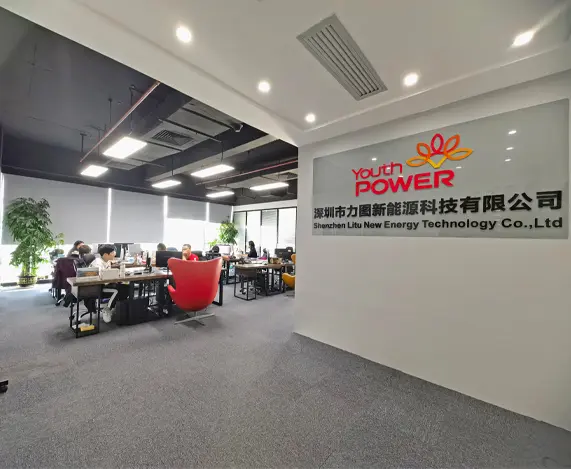
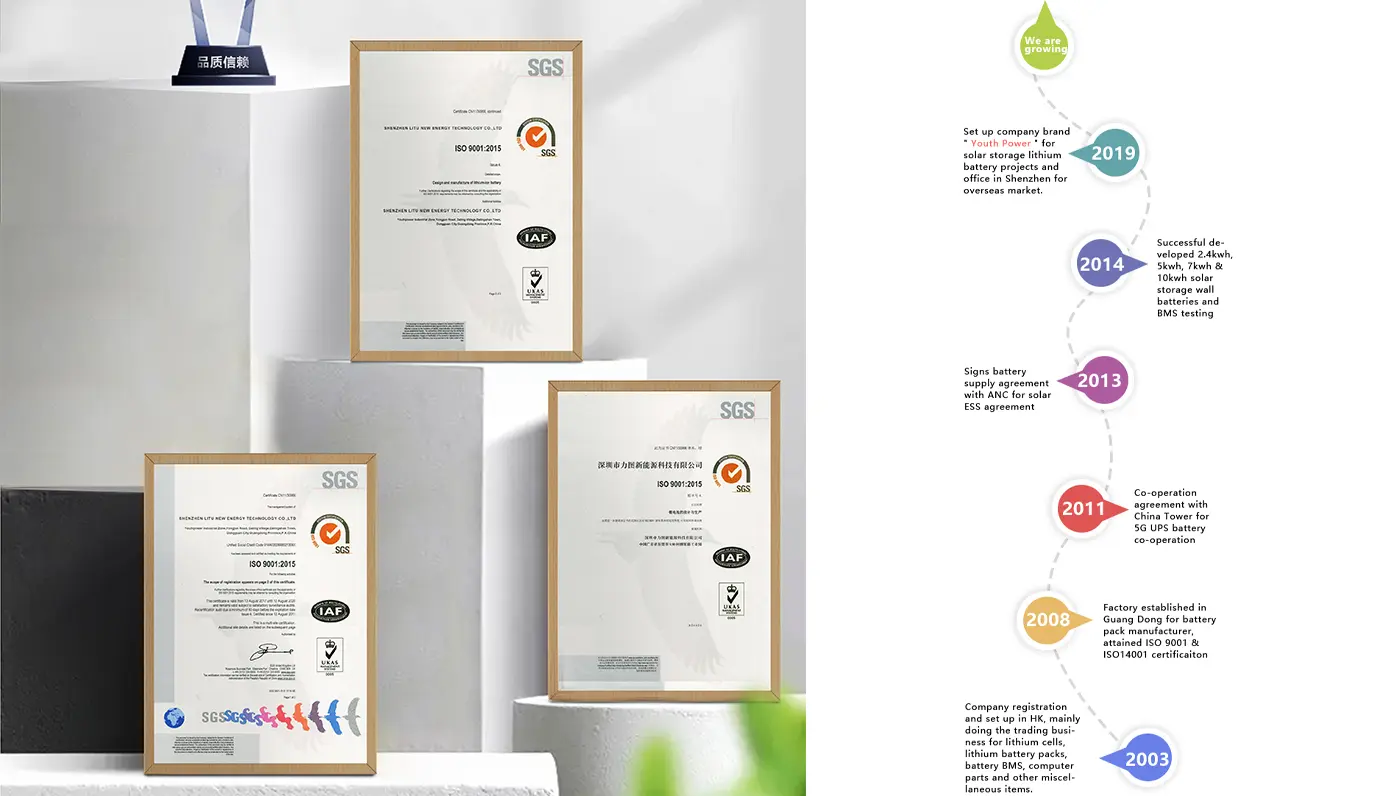
Founded in 2003, YouthPOWER has now become one of the leading suppliers of solar storage lithium batteries in the world. With a broad range of energy storage solutions, it covers a series of 24V, 48V and higher voltage lithium batteries solutions.
YouthPOWER has engaged in the battery technology and production for almost 20 years, with abundant manufacturing experience and strong new product R & D capability. Through many years of hard work and market promotion, we have created our own brand "YouthPOWER" in 2019.
With nearly 20 years’ experience in the battery industry, we have the capability to provide you with both the products you need and the most suitable products you want. We are always ready to supply the first-class products and meet the various needs of the customers.
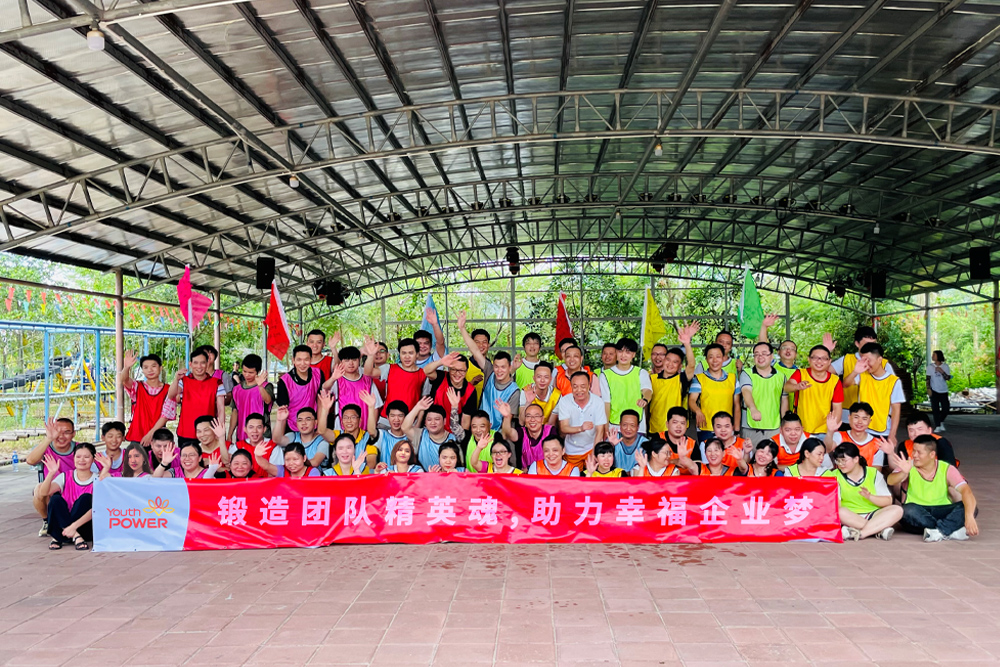
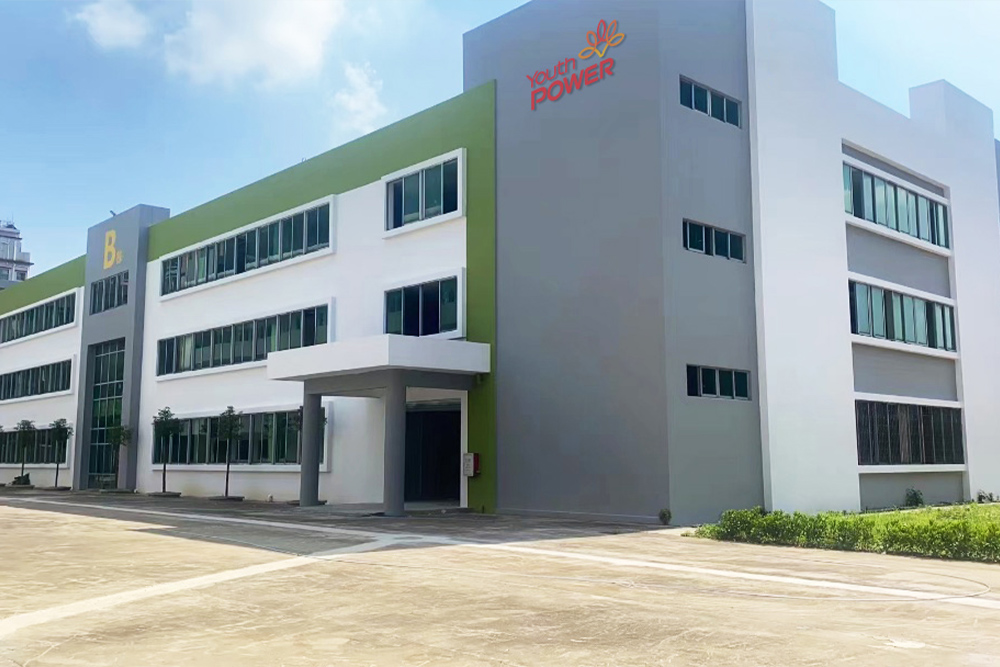
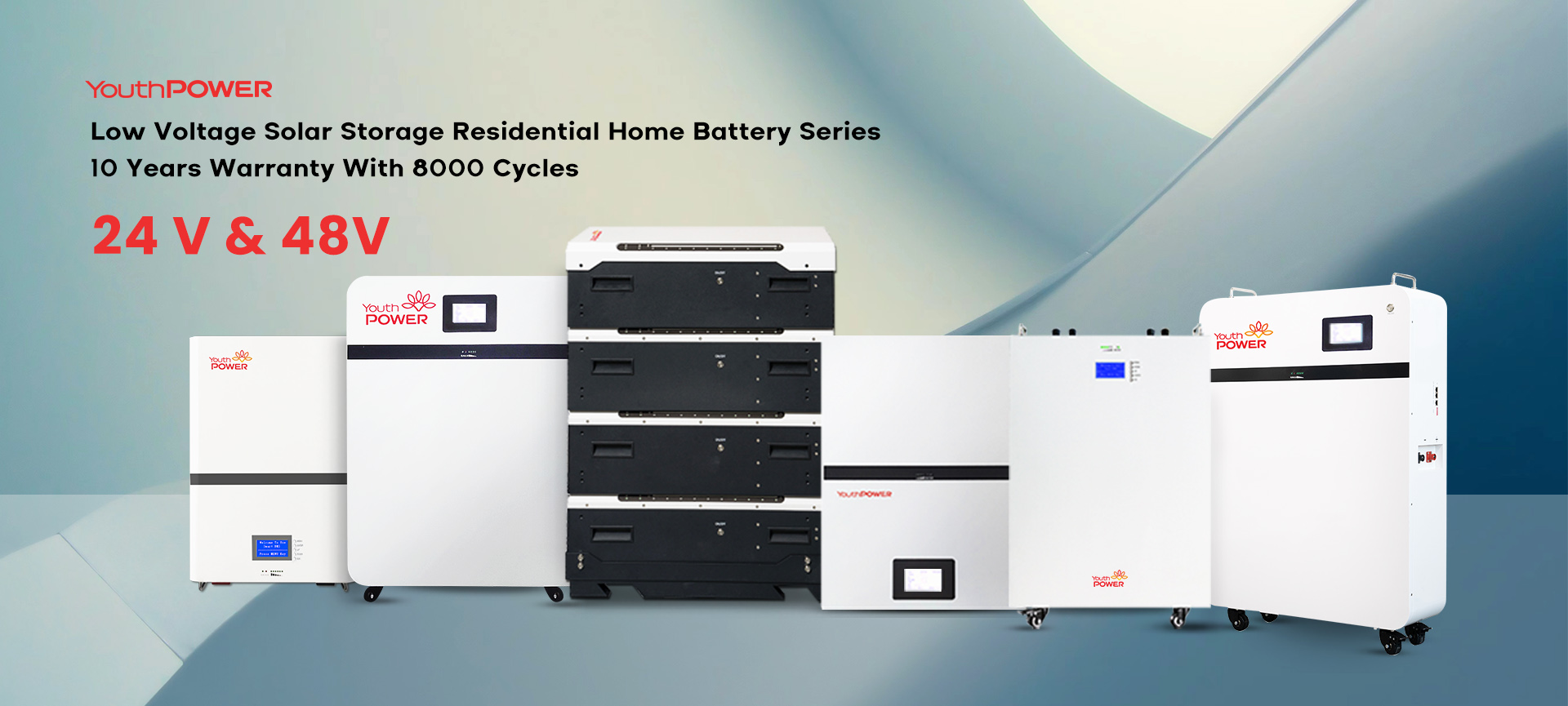
We have established good business relationships with our customers from all over the world. And we have a good cooperation with all our customers as well for many years running. Supported by our local vendors of raw materials, we can certainly offer you the best prices.
We are so pround that YouthPOWER has offered the reliable solar storage solution for over 1,000,000 families now in the world.
From extreme marine environments to high-voltage industrial setups, BESS architectures adapt to target specific grid conditions.
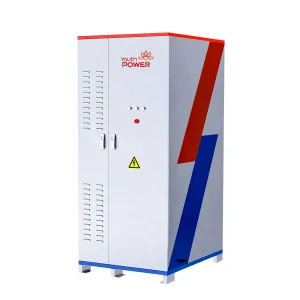
Equipped with specialized IP65/IP66 enclosure ratings and automated internal heaters, waterproof batteries excel in high-humidity climates, coastal regions, and off-grid telecom stations exposed to harsh weather conditions.
For operations demanding 100kWh to multi-megawatt-hour storage capacities, high-voltage configurations minimize transmission heat loss, optimize inversion efficiencies, and provide reliable backup loads for factory floors.
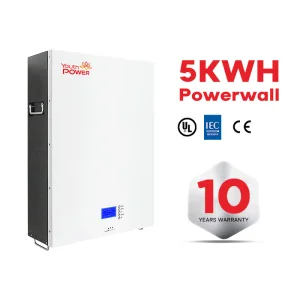
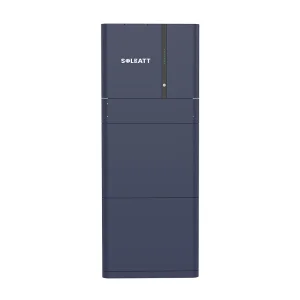
Combining hybrid inverters and low-voltage modular battery expansion modules, AIO configurations offer plug-and-play installation for residences, reducing local contractor labor costs and streamlining ongoing maintenance.
A roadmap for global energy developers, engineering firms (EPCs), and wholesale buyers sourcing bulk energy storage.
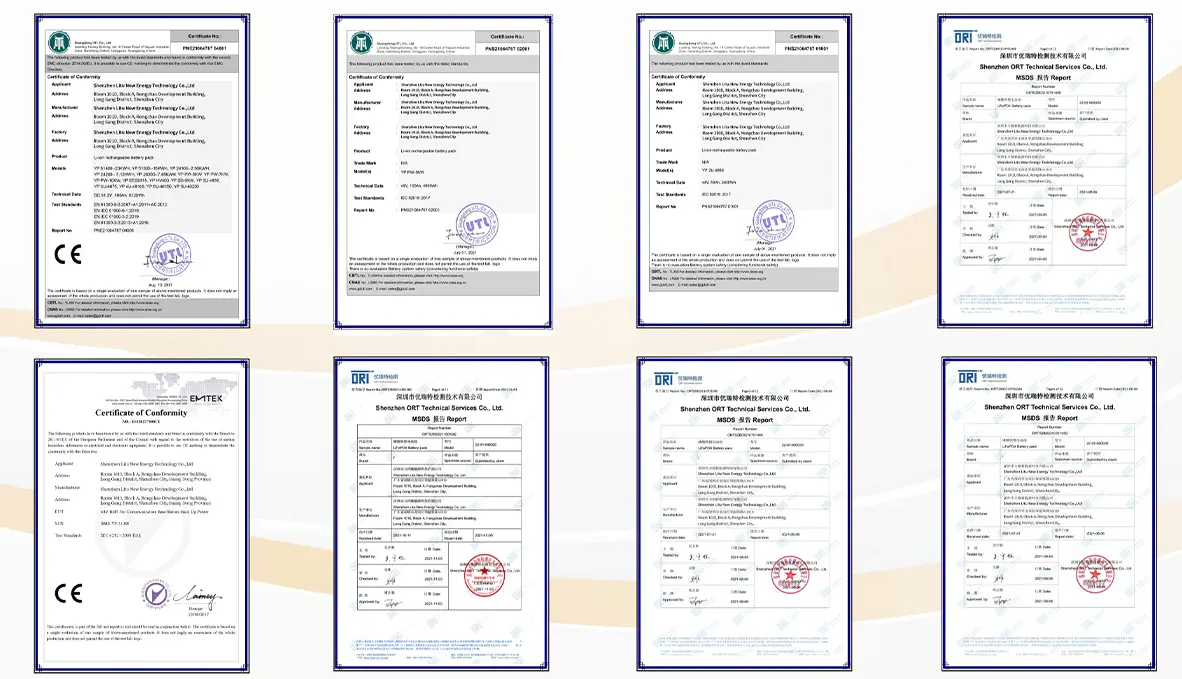
Ensure your supplier carries international safety standards certifications, including UL 1973 for battery packs, UL 9540A for thermal runaway fire testing, CE, and UN38.3 for hazardous cargo transit authorization.
Verify integration capability across major hybrid inverters. High-tier suppliers develop native CANBUS and RS485 communication protocols with brands like Victron, SMA, Growatt, and Solis for plug-and-play stability.
Request comprehensive factory testing reports before shipping. A reliable manufacturer will provide individual cell sorting reports, OCV (Open Circuit Voltage) differentials, and cyclic age verification charts.
Answering critical technical questions that impact financial returns and technical integration of commercial energy storage projects.
Discover our high-voltage setups, outdoor energy storage enclosures, and scalable battery racks built for performance.
 YouthPOWER