Explore our elite class of industrial-grade and home storage systems built for scaling energy efficiency.
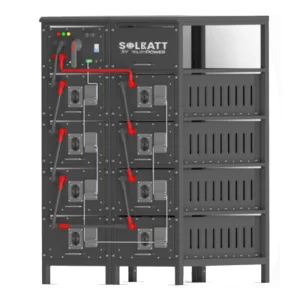
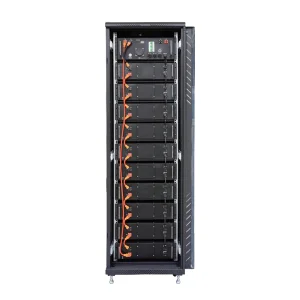
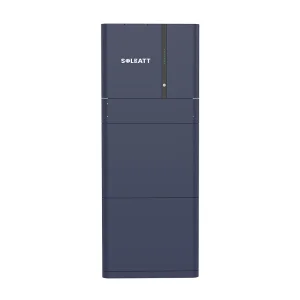
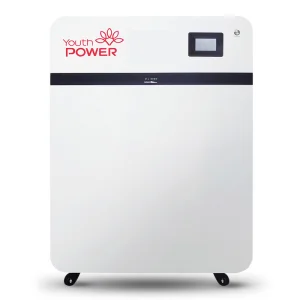
Founded in 2003, YouthPOWER has emerged as one of the leading global suppliers of solar storage lithium batteries. With a profound understanding of electrochemical engineering and power electronics, our product pipeline has expanded to cover highly robust 24V, 48V, and multi-megawatt high-voltage ESS solutions designed to facilitate grid parity and off-grid independence.
Having dedicated almost 20 years to cell selection technology, structural integration, and thermal management safety, our brand has established a firm foothold in the residential and commercial solar spaces. The brand "YouthPOWER", formalized in 2019, represents a long-standing commitment to state-of-the-art automated manufacturing and a resilient supply network that delivers maximum energy densities at optimized localized margins.
We pride ourselves on our highly flexible OEM/ODM capabilities, which allow international procurement managers and project developers to tailor technical parameters such as peak discharge currents, communication protocols, cabinet enclosures, and BMS characteristics. Today, we are proud that YouthPOWER has delivered highly stable and reliable solar storage solutions to over 1,000,000 families worldwide.
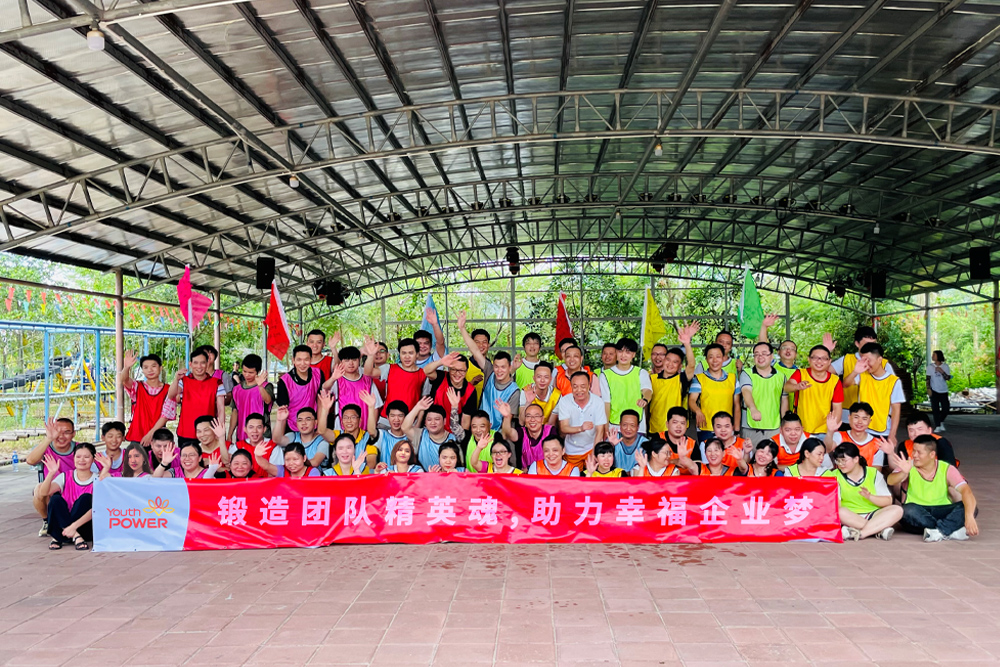
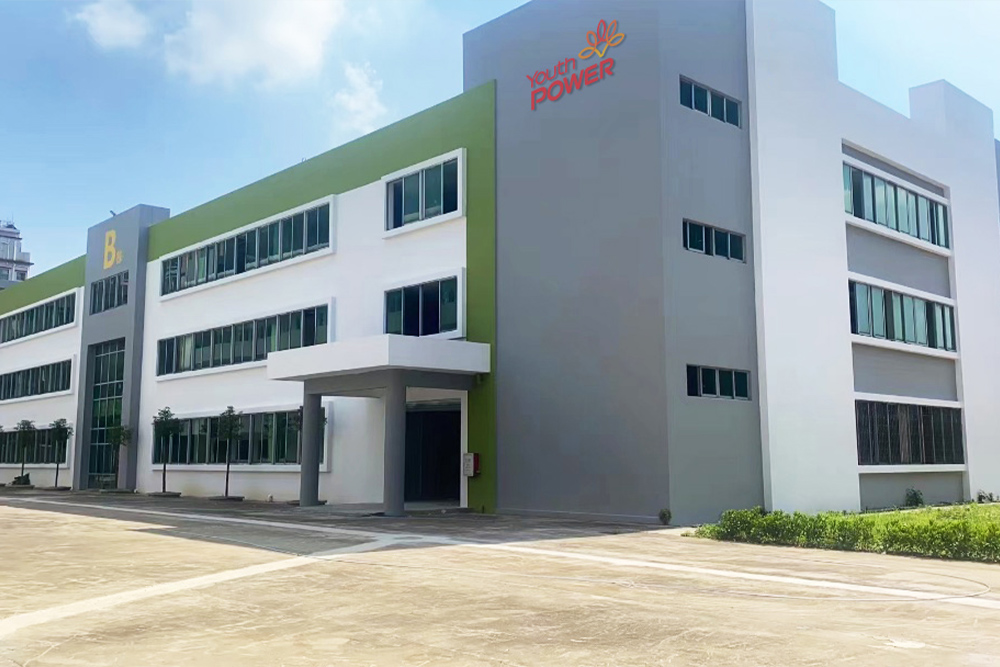
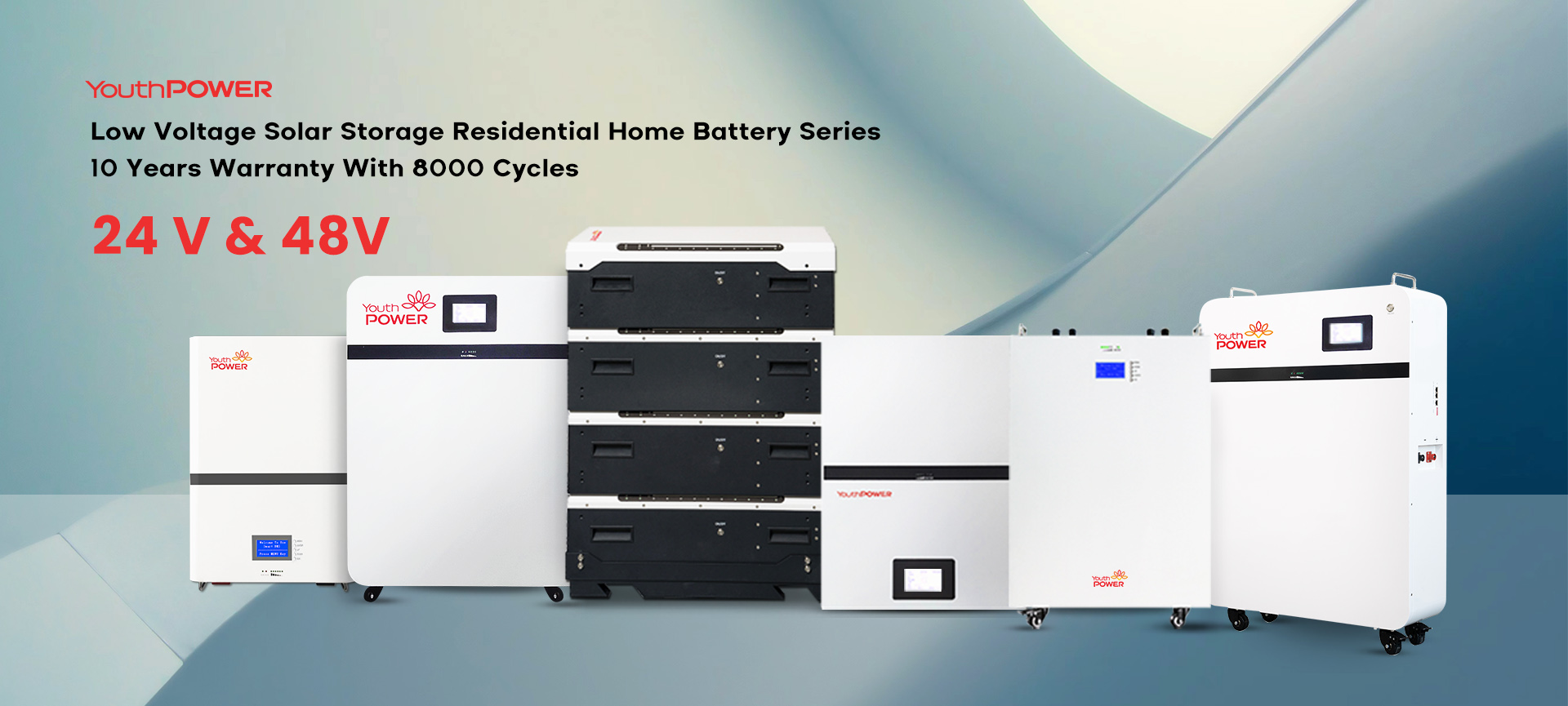
Why sourcing from specialized Chinese manufacturers accelerates cost optimization and product reliability.
China accounts for over 70% of the world's lithium-ion manufacturing capacity. Sourcing from YouthPOWER gives you direct access to raw cathode materials, prismatic battery cells, and custom sheet metals, cutting down middleman markups.
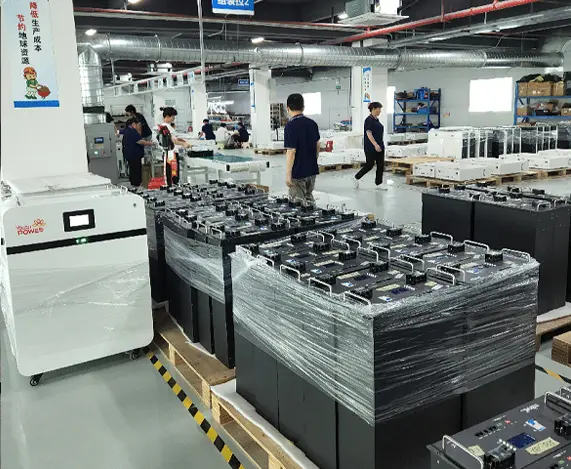
Our factories implement robotic laser welding, automatic cell sorting, and computerized aging systems. This reduces cell inconsistency to a minimum, ensuring a service lifespan of over 6,000 cycles at 80% Depth of Discharge.
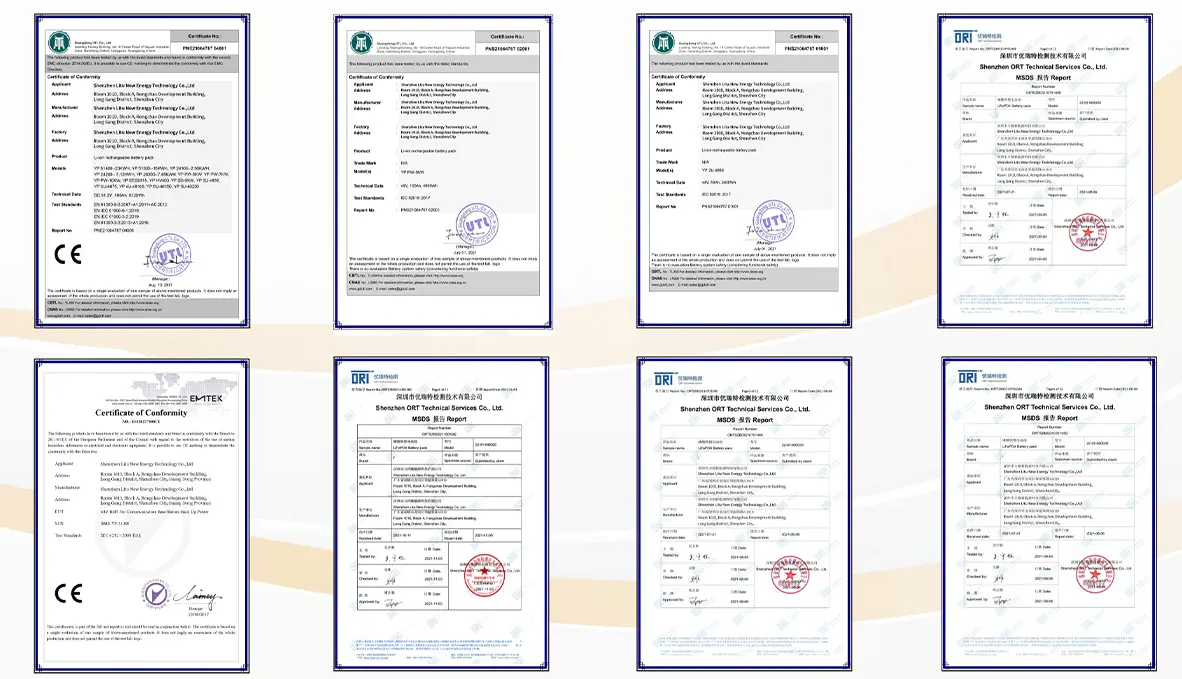
Every unit undergoes intensive validation. We align with global standards including UN38.3 (transport safety), IEC62619, CE, and UL certifications, guaranteeing trouble-free local grid interconnections.
The shift toward high-voltage architectures, thermal runway security, and modular scaling.
The global renewable transition is demanding more than basic energy storage; it requires highly responsive, grid-interactive systems. As utility companies adjust billing structures (such as Time-Of-Use rates and demand charges), corporate and residential consumers are turning to advanced LFP (Lithium Iron Phosphate) chemistries to offset high tariff peaks.
While low-voltage systems remain a staple for simple residential installations, high-voltage battery cabinets (ranging from 350V to over 700V) are fast becoming the industry gold standard for large-scale operations. High-voltage structures lower the current load required to deliver equivalent power outputs, minimizing thermal losses and cable costs. For example, a 100KWh system running at 400V draws a fraction of the current that a 48V array would, maximizing the round-trip efficiency of hybrid inverters and decreasing system wear.
Safety is the primary metric for tier-one energy storage projects. Unlike ternary NCM cells, which exhibit thermal runaway around 200°C, LiFePO4 cells are chemically stable up to 270-300°C. To ensure security, modern systems include multilevel Battery Management Systems (BMS). These monitor individual cell voltages, state-of-charge (SoC), state-of-health (SoH), and internal temperatures in real time. They integrate with circuit breakers and aerosol fire-extinguishing agents directly inside the battery housing.
Utilizes iron phosphate chemistry to deliver superior thermal stability, zero cobalt content, and an extended shelf life compared to alternative lithium formulations.
Active balancing redistributes charge from higher capacity cells to lower capacity cells, maximizing the usable energy capacity of the pack over time.
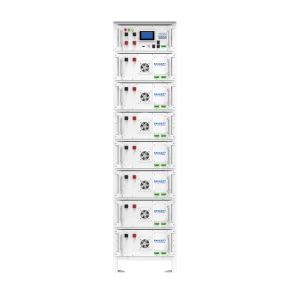
Plug-and-play modules allow seamless expansion. Users can start with a 10KWh storage system and scale up to 100KWh+ without rewriting system architecture.
Optimizing solar storage across residential, commercial, industrial, and off-grid settings.
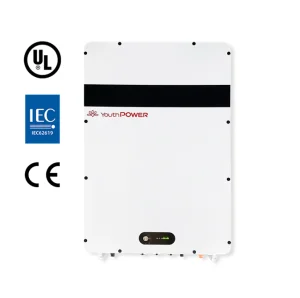
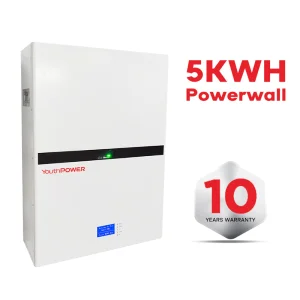
For residential consumers, maximizing self-consumption of solar energy is key. Integrating stackable wall-mounted systems (like our 48V Powerwall models or 3-phase HV All-In-One solutions) allows homeowners to store surplus solar power produced during peak daylight hours. This power can then be used during high-tariff evening hours, reducing dependency on the grid and shielding families from unexpected power outages.
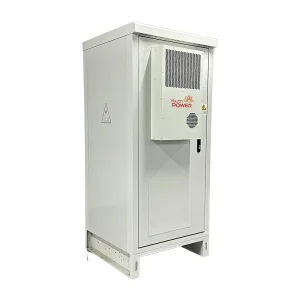
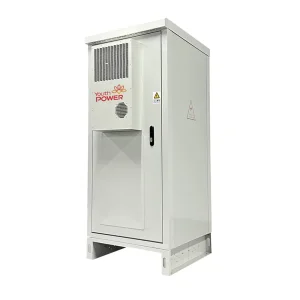
Commercial facilities often face high "demand charges" based on their highest power usage interval. High-voltage battery systems (such as our 100KWh Outdoor Powerbox or 215KWh BESS Cabinet) mitigate these charges by discharging stored energy when building consumption peaks. This process, known as peak shaving, reduces utility costs and lowers the strain on local sub-stations.
Remote agricultural equipment, irrigation pumps, and telecom transmission towers require continuous, stable electricity. Using IP65/IP67 rated waterproof storage boxes combined with localized solar arrays provides a dependable, maintenance-free alternative to diesel generators. This significantly reduces long-term operational expenses and eliminates environmental risks.
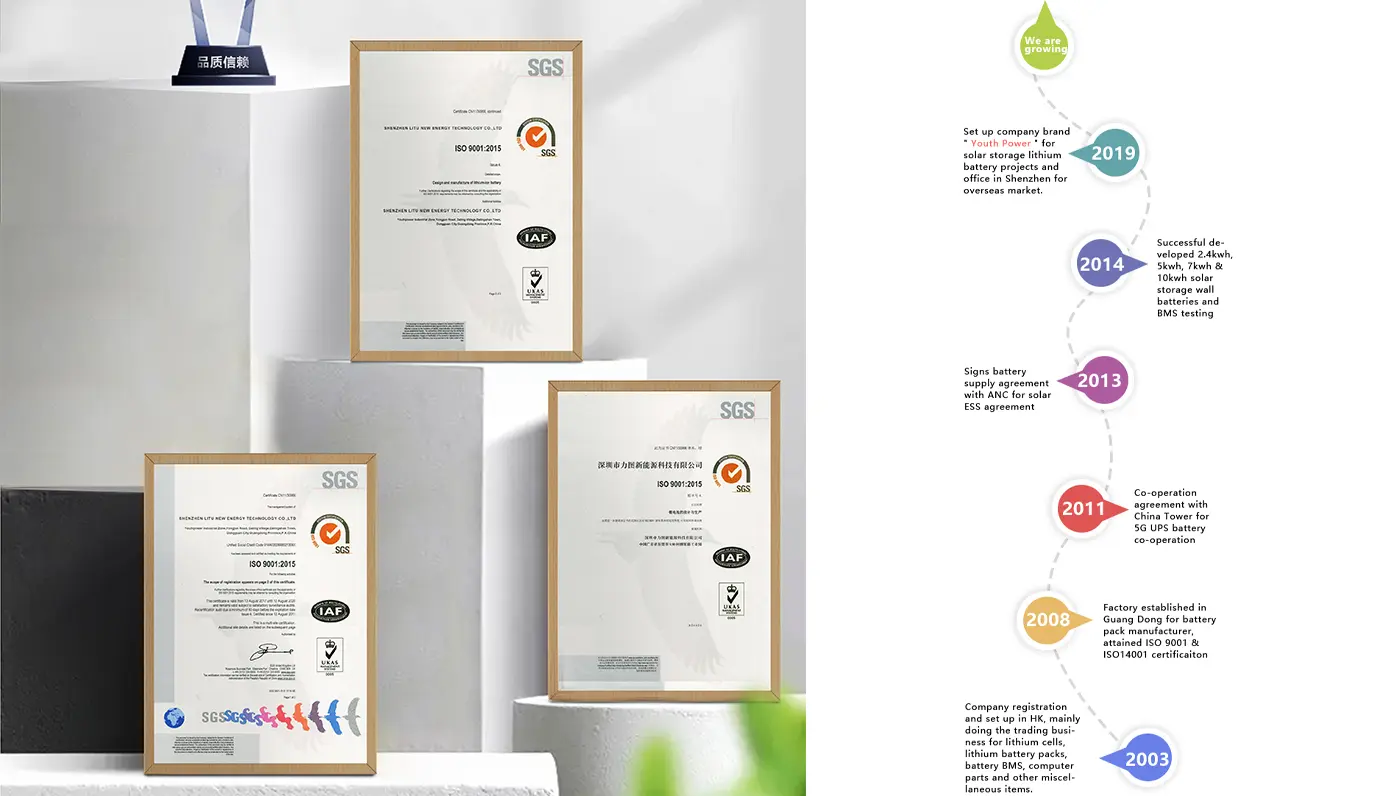
A journey of innovation, dedication, and manufacturing excellence.
Entered the chemical and lithium battery research space, accumulating production experience and establishing technical foundations for long-life cell design.
Upgraded production facilities to include semi-automated module assembly and built localized logistics partnerships to optimize overseas delivery.
Officially branded our ESS products globally. Launched specialized residential battery storage designs that quickly gained traction across European and African markets.
Expanded into commercial and industrial (C&I) markets with containerized battery storage solutions. We now support clean energy systems in over 80 countries.
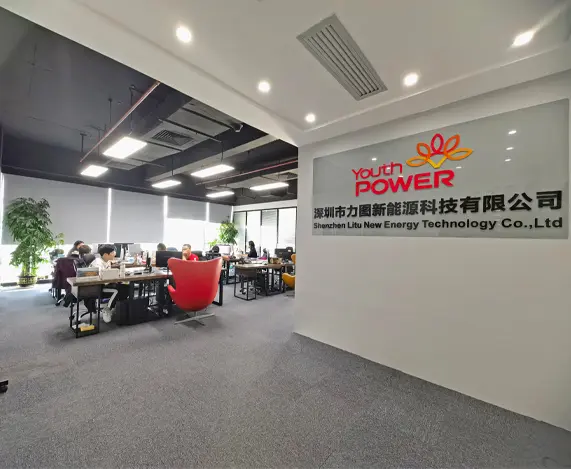
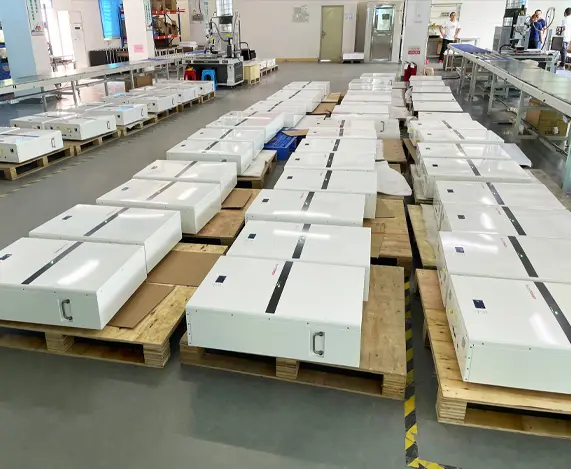
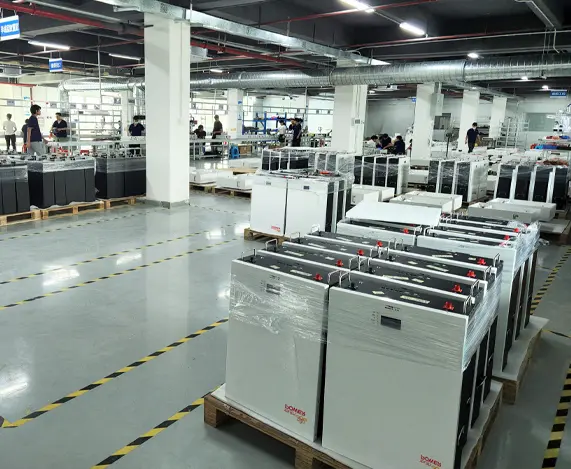
Visual highlights of our production lines, testing facilities, and export operations.
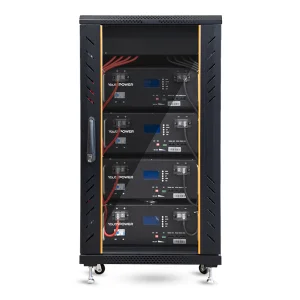
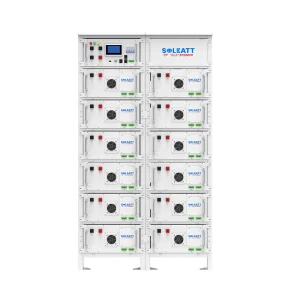
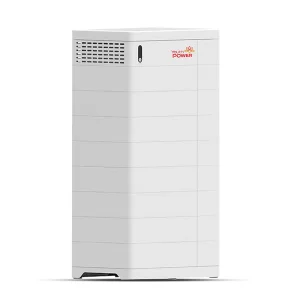
Select from our range of stackable modules, hybrid split inverters, and heavy-duty battery packs.
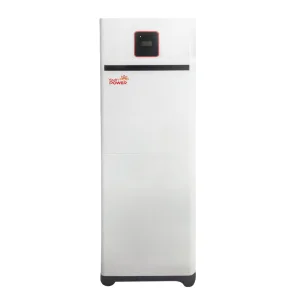
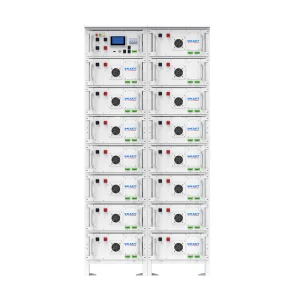
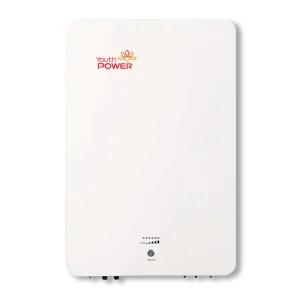
Answering critical queries regarding lifespan, cell chemistry, procurement, and deployment.
LiFePO4 (Lithium Iron Phosphate) offers exceptional thermal stability and a long cycle life compared to traditional NCM (Nickel Cobalt Manganese) chemistries. It features a thermal runaway threshold of approximately 270-300°C, making it highly fire-resistant. Additionally, it provides over 6,000 charge-discharge cycles at 80% Depth of Discharge (DoD), lowering the Levelized Cost of Storage (LCOS) for homes and enterprises over its lifetime.
High-voltage battery setups (ranging from 100V to over 700V) deliver energy with lower electrical current compared to 48V systems. Lower current reduces heat dissipation and resistive losses along the wiring, which translates into higher conversion efficiency. HV systems are highly suited for commercial applications (such as peak shaving) and homes with high-power appliances, as they reduce the size and cost of electrical cabling while improving system reliability.
YouthPOWER provides extensive customization for global distributors and project installers. This includes custom branding and structural dimensions for battery enclosures (e.g., rack-mounted, wall-mounted, or outdoor IP65 cabinets), as well as integration with specific inverter communication protocols (such as CAN, RS485, and Modbus). We also offer adjustment of discharge rates and high-voltage string configurations to suit specific localized commercial grid demands.
To ensure safe transport and reliable installation, battery systems must possess a UN38.3 test report and Material Safety Data Sheet (MSDS) for transport logistics. For grid-tied operations, certifications like IEC62619, CE, and UL1973 (for battery systems in stationary energy storage applications) are required by local utility providers. All YouthPOWER systems undergo these test phases before leaving the factory.
A smart Battery Management System (BMS) continuously monitors the voltage of each individual cell. In a typical passive system, excess energy is dissipated as heat. YouthPOWER's active balancing system, however, redistributes energy from higher-charged cells to lower-charged cells. This prevents premature cell degradation, keeps the pack balanced, and maximizes the overall usable storage capacity of the system.
 YouthPOWER