Explore our leading energy storage cabinets, scalable commercial systems, and portable power stations built for optimal efficiency and longevity.
The global transition toward sustainable energy networks has elevated the Solar Inverter Battery System from an optional ancillary component to a central pillar of grid resilience and localized power independence. As governments enforce strict carbon emission guidelines and volatile retail energy pricing persists, municipal, industrial, and residential sectors are quickly moving toward advanced Battery Energy Storage Systems (BESS).
Historically, early off-grid solar architectures relied heavily on lead-acid batteries. However, contemporary market dynamics demand long-cycle integrity, rapid charging times, and high efficiency, establishing Lithium Iron Phosphate (LiFePO4) as the global industry standard. Integration of hybrid inverter topologies directly with modern LFP storage cabinets creates a complete energy ecosystem. It helps reduce conversion losses, manage active battery protection, and support dynamic load balancing.
LiFePO4 (Lithium Iron Phosphate) delivers 6,000+ lifecycles, thermal run-away protection, and high round-trip efficiency, making it the safest solution for demanding residential and commercial projects.
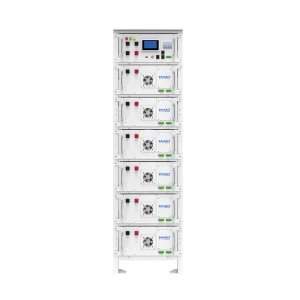
Modern commercial setups prefer high-voltage configurations (up to 768V). Running batteries in series lowers system currents, reduces cabling thickness, and minimizes transmission losses.
Cloud-integrated Battery Management Systems (BMS) provide real-time cell monitoring, predictive thermal modeling, and automatic remote software updates over CAN/RS485 networks.
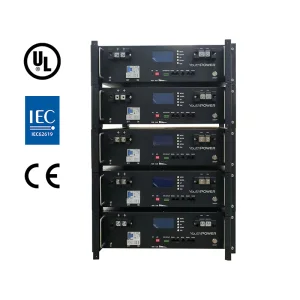
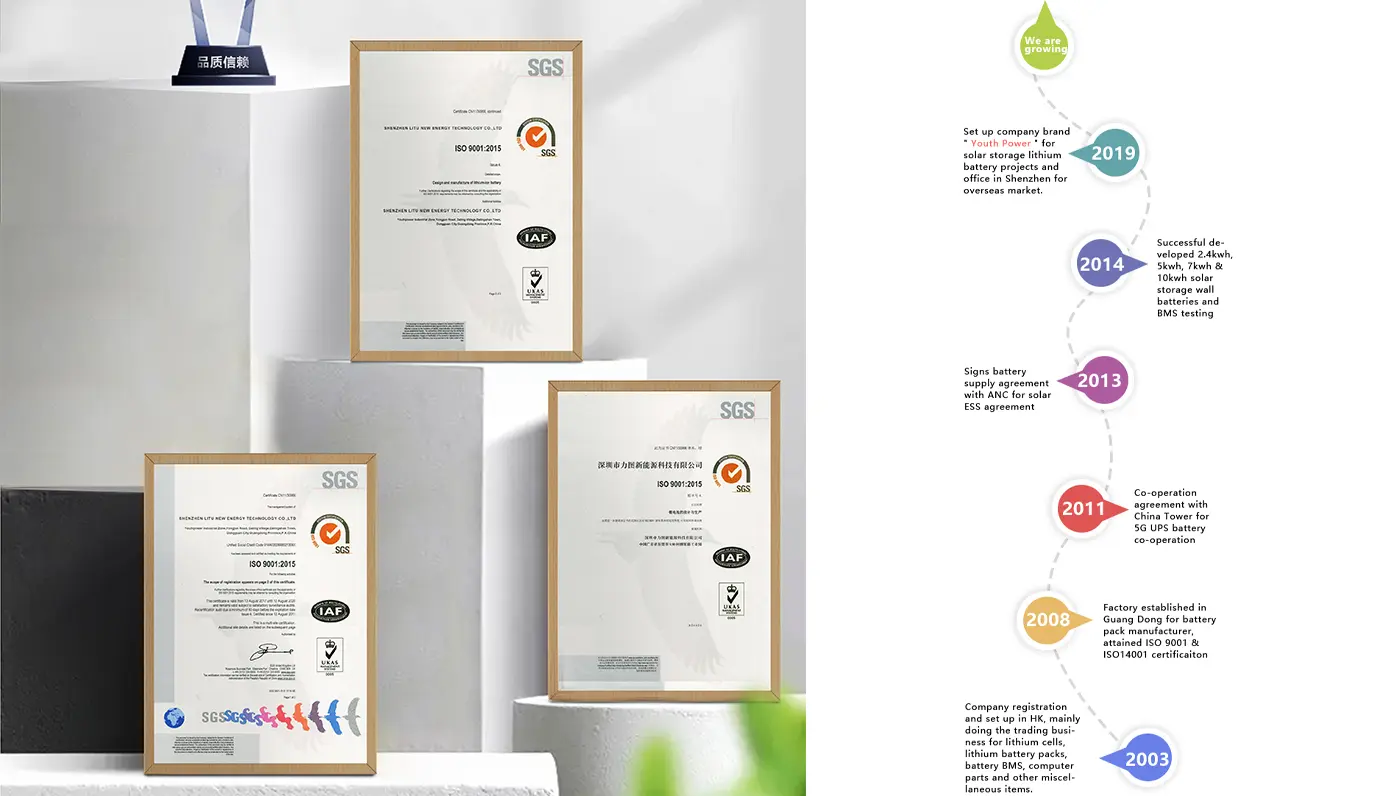
For international system integrators, EPC developers, and commercial project managers, selecting the right partner from the leading solar inverter battery companies involves more than comparing pricing sheets. It requires a detailed review of compliance certs, supply chain stability, and raw material access. To deploy a system successfully in Europe, North America, or APAC, energy assets must pass rigorous international testing standards, including UL 1973 for stationary batteries, IEC 62619 for safety in industrial applications, and UN38.3 for transport safety compliance.
Furthermore, long-term asset value is heavily tied to the manufacturer’s supply chain resilience. Project developers rely on partners that guarantee raw cell quality and offer robust component warranties. Working with companies that maintain direct access to upstream raw lithium reserves and clean automated cell assembly facilities prevents project delays and ensures consistent module quality.
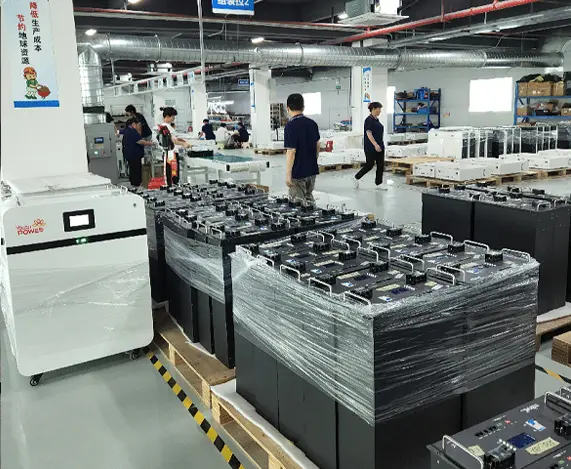
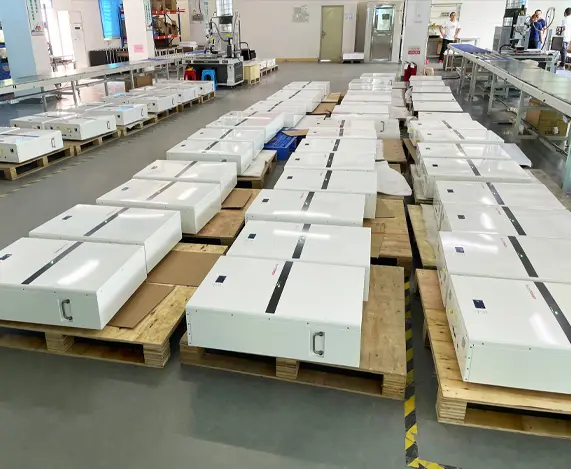
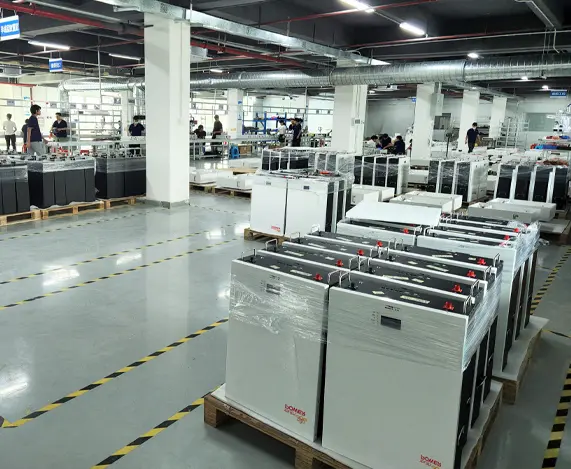
China's energy storage manufacturing sector has transitioned from manual component assembly to highly automated Factory 4.0 intelligent production facilities. Modern gigafactories employ advanced robotic systems, optical sorting technology, and digital tracking from raw materials to finished modules. This highly standardized process minimizes human error, resulting in stable cell voltage matching and reliable internal resistance profiles.
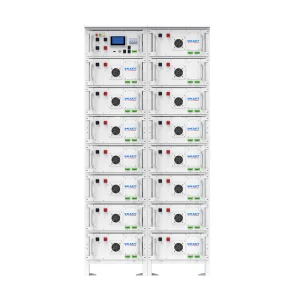
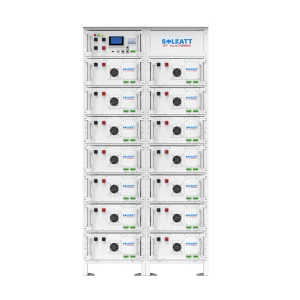
This level of manufacturing efficiency helps companies maintain competitive pricing without compromising quality. Advanced cell matching is essential for large-scale multi-rack configurations, such as 215KWH or 85KWH commercial cabinets. Proper matching prevents unbalanced degradation across the pack, maximizing system lifetime performance and improving the return on investment for commercial projects.
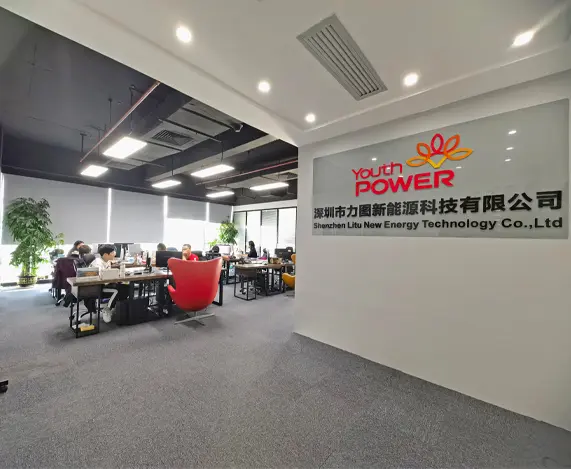
Founded in 2003, YouthPOWER has grown into a leading global supplier of solar storage lithium batteries. Offering a comprehensive portfolio of energy storage solutions, the company manufactures dynamic 24V, 48V, and high-voltage lithium battery systems engineered for residential and commercial environments.
With nearly 20 years of experience in battery engineering and development, YouthPOWER combines deep manufacturing expertise with strong R&D capabilities. Through years of consistent quality and market expansion, the company launched its flagship brand "YouthPOWER" in 2019, securing its place among top energy storage system suppliers.
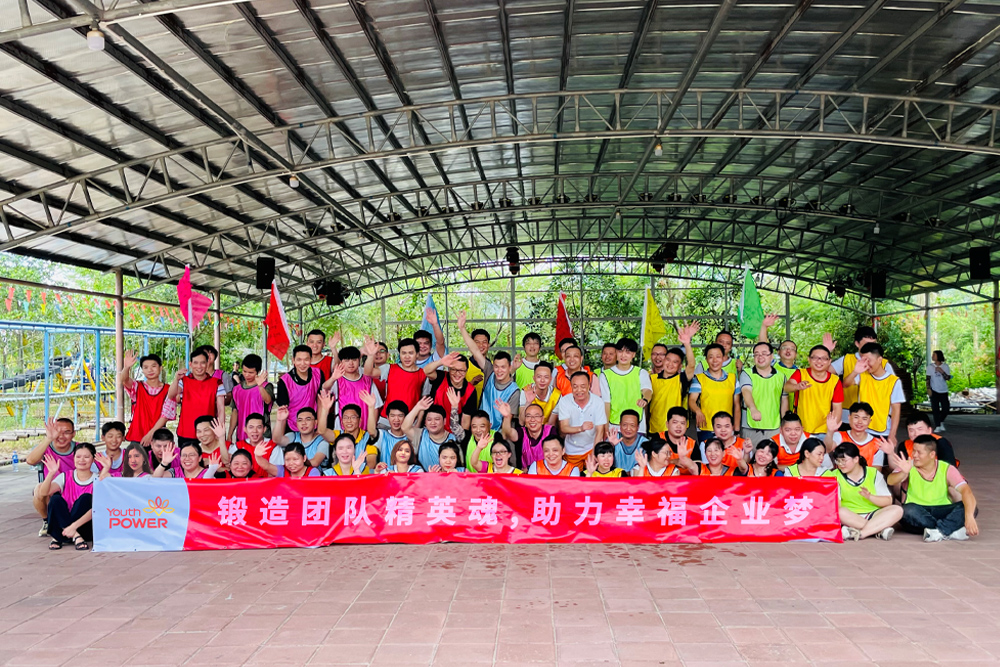
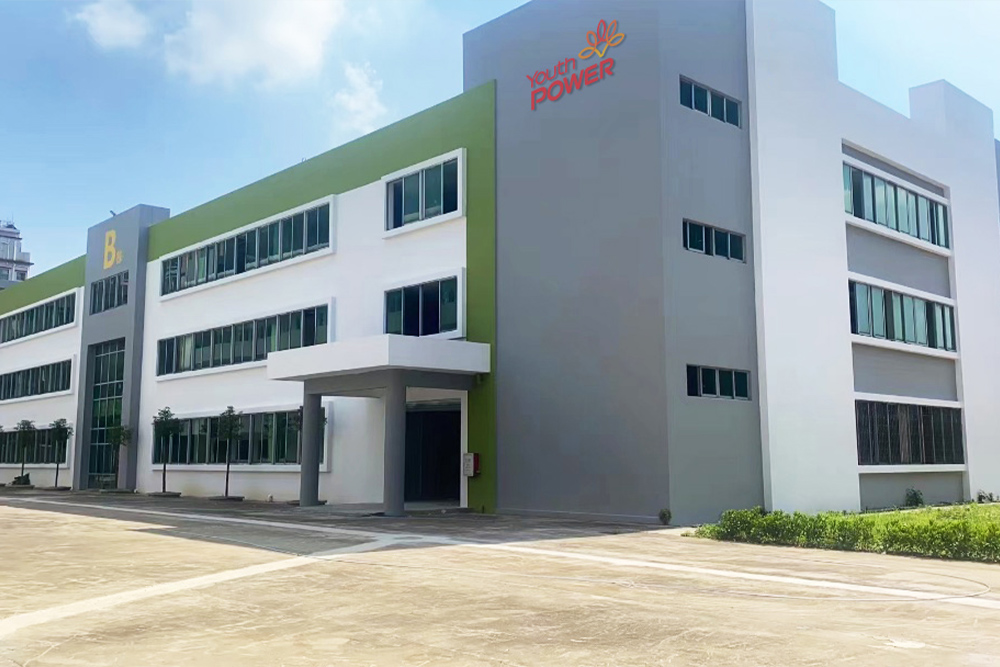
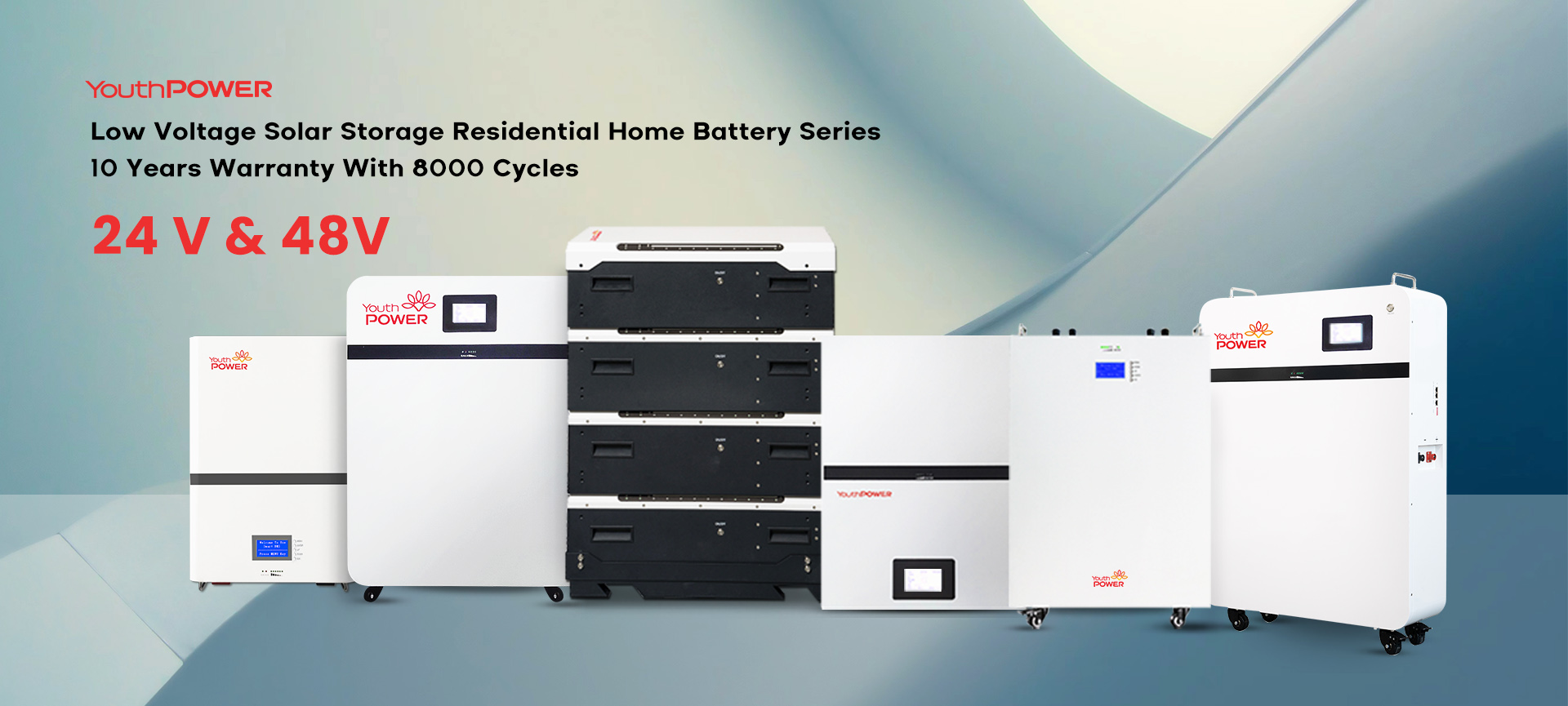
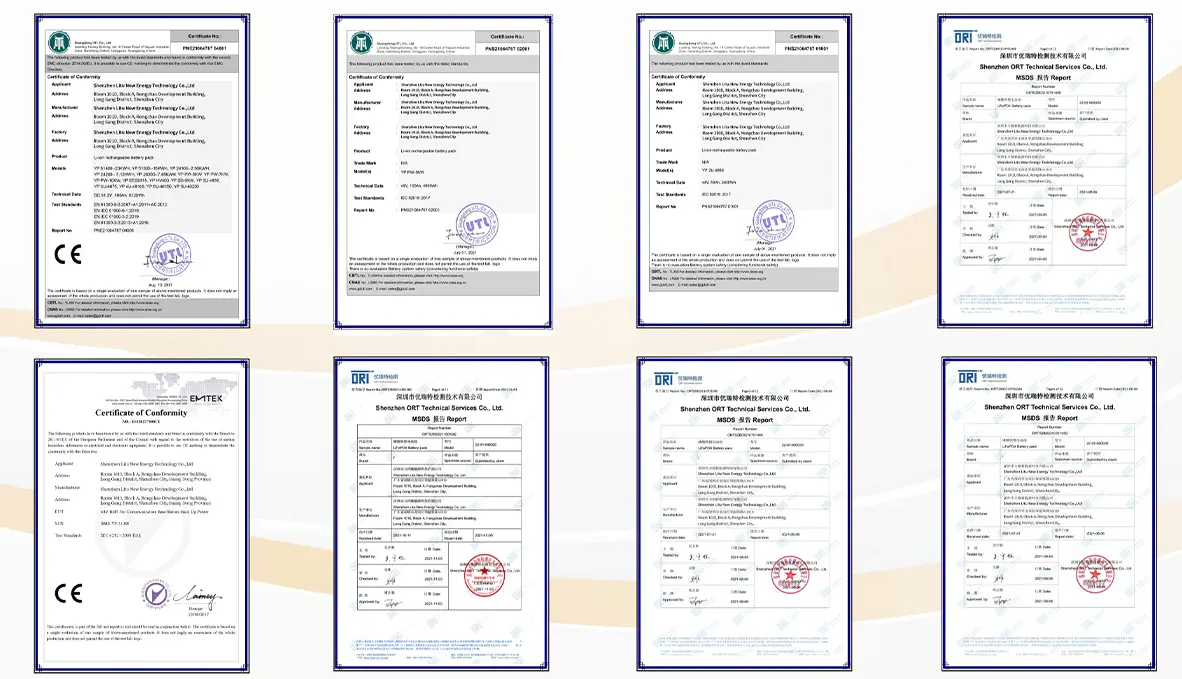
Over the years, we have built trusted business relationships with clients across the globe. Our long-term partnerships are supported by a strong domestic raw material supply network, enabling us to deliver premium products at competitive price points.
We are proud that YouthPOWER solutions now provide clean, reliable backup power to more than 1,000,000 families worldwide.
Energy profiles vary significantly by sector. Tailored energy storage configurations ensure that systems deliver maximum return on investment based on specific operational needs.
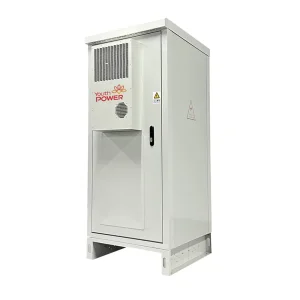
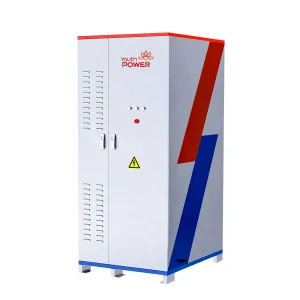
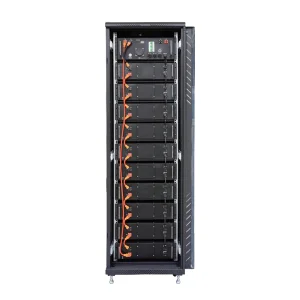
For industrial factories, peak shaving is critical. High-capacity cabinets, such as 215KWH BESS models, reduce expensive peak demand charges. They also act as high-capacity emergency backup power sources, preventing production line shutdowns during grid outages.
Remote clinics, farms, and islands require steady, autonomous microgrid systems. Integrating smart hybrid inverters with stackable LiFePO4 batteries ensures stable, 24/7 power. This minimizes dependence on fuel-heavy, high-maintenance diesel generators.
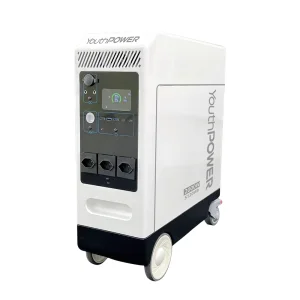
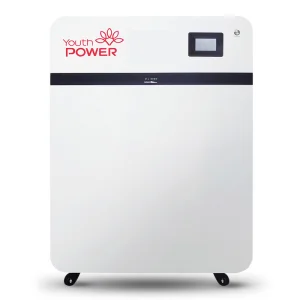
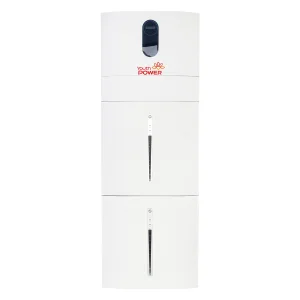
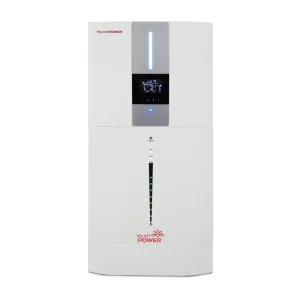
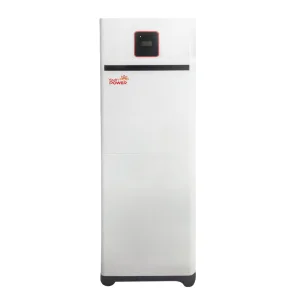
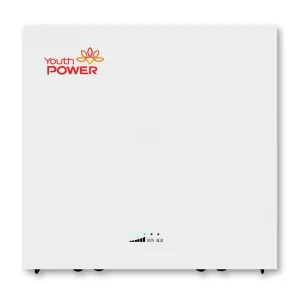
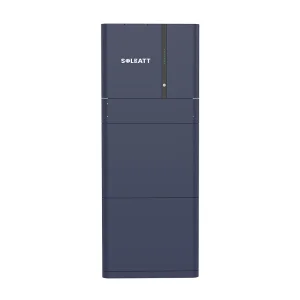
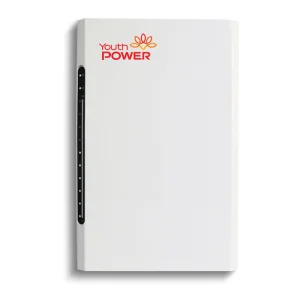
Residential users prioritize plug-and-play installation and design compatibility. All-In-One (AIO) Power Towers and mini wall batteries allow homeowners to store daytime solar energy. They can then utilize this stored power during peak-tariff evening hours.
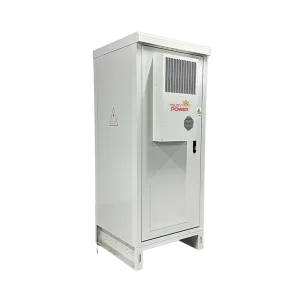
Choose from our advanced residential all-in-one storage, split hybrid inverter setups, and commercial outdoor utility batteries.
Review answers to common technical, electrical, and commercial integration questions regarding modern BESS projects.
LiFePO4 (LFP) offers superior thermal stability and a long operational lifespan, delivering over 6,000 charge cycles at 80% Depth of Discharge (DoD). Unlike ternary chemistries, LFP contains no cobalt, which eliminates thermal runaway risks and ensures safe indoor installations. LFP also maintains stable voltage discharge throughout cycles, ensuring efficient energy utilization.
High-voltage battery setups (ranging from 300V to 768V) reduce electrical current requirements across the system. Under the P=I²R power loss formula, lower current significantly reduces heat dissipation and energy loss. This architecture enables the use of thinner, more cost-effective system cabling and improves overall round-trip conversion efficiency.
Yes. YouthPOWER battery systems are designed to be widely compatible. They support communication protocols for leading inverter brands, including Victron, SMA, Growatt, Solis, and Deye. Our onboard smart BMS supports RS485, CAN, and Modbus protocols to ensure easy communication and seamless system setup.
Our heavy-duty commercial cabinets (like the 85KWH and 215KWH BESS) are engineered for a design life of over 10 to 15 years, depending on charge profiles and operating temperatures. We provide standard performance warranties and offer extended coverage options. These warranties are supported by active cell-balancing BMS and integrated liquid or forced-air cooling systems.
 YouthPOWER