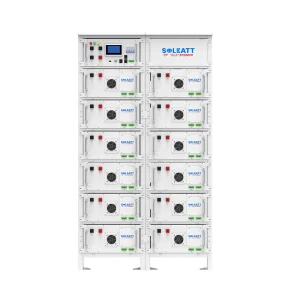
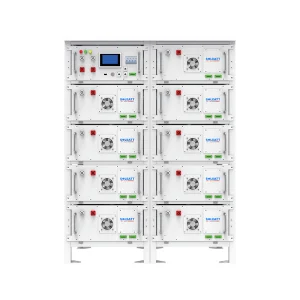
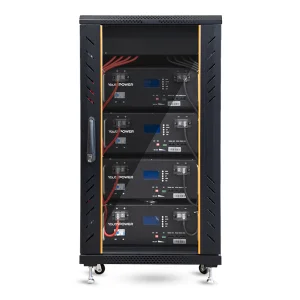
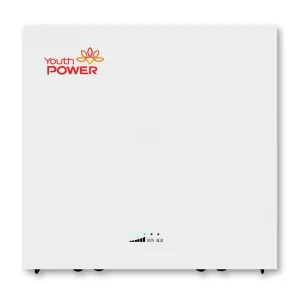
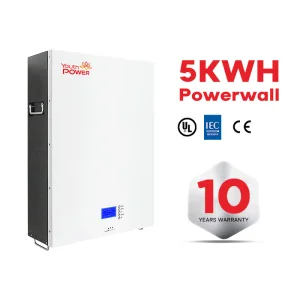
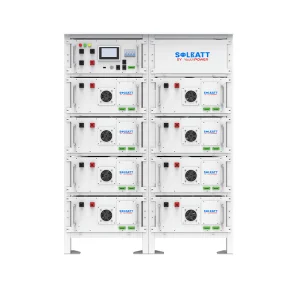
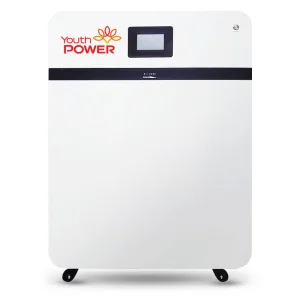
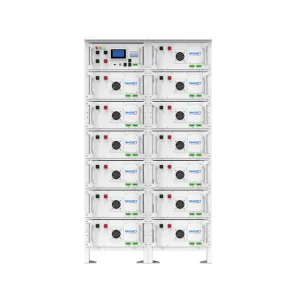
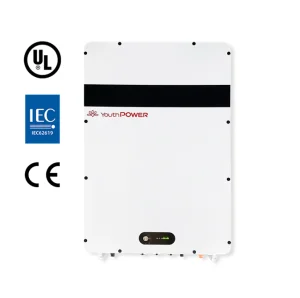
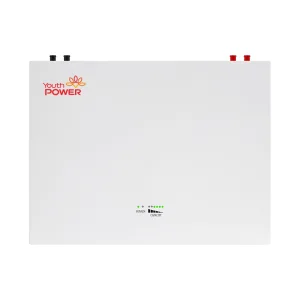
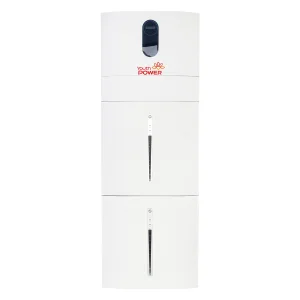
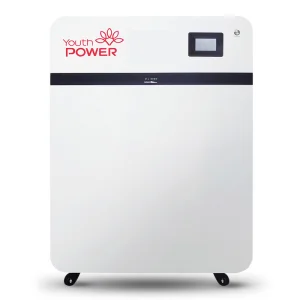
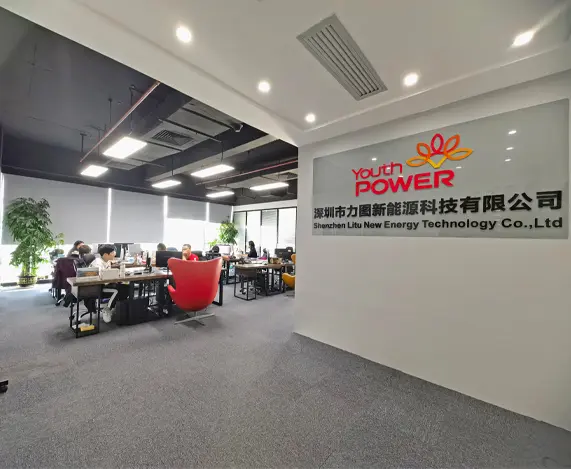
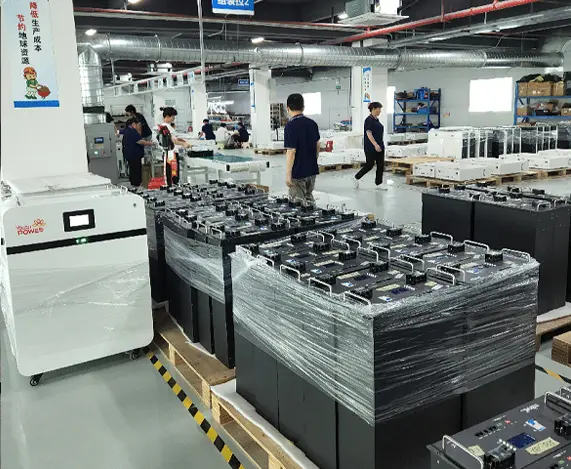
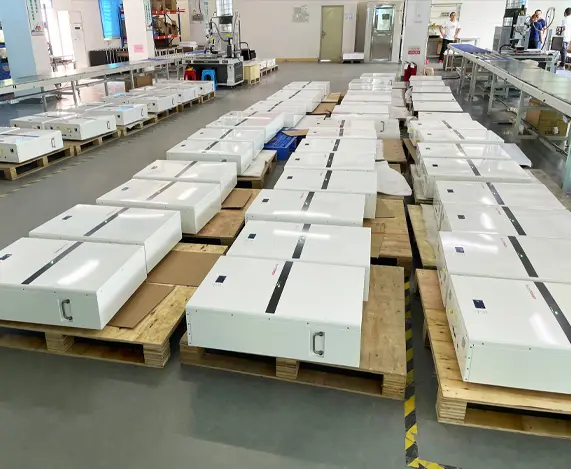
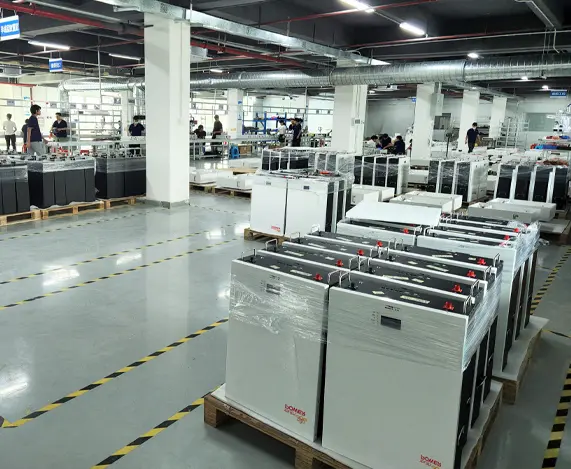
Founded in 2003, YouthPOWER has now become one of the leading suppliers of solar storage lithium batteries in the world. With a broad range of energy storage solutions, it covers a series of 24V, 48V and higher voltage lithium batteries solutions.
YouthPOWER has engaged in the battery technology and production for almost 20 years, with abundant manufacturing experience and strong new product R & D capability. Through many years of hard work and market promotion, we have created our own brand "YouthPOWER" in 2019.
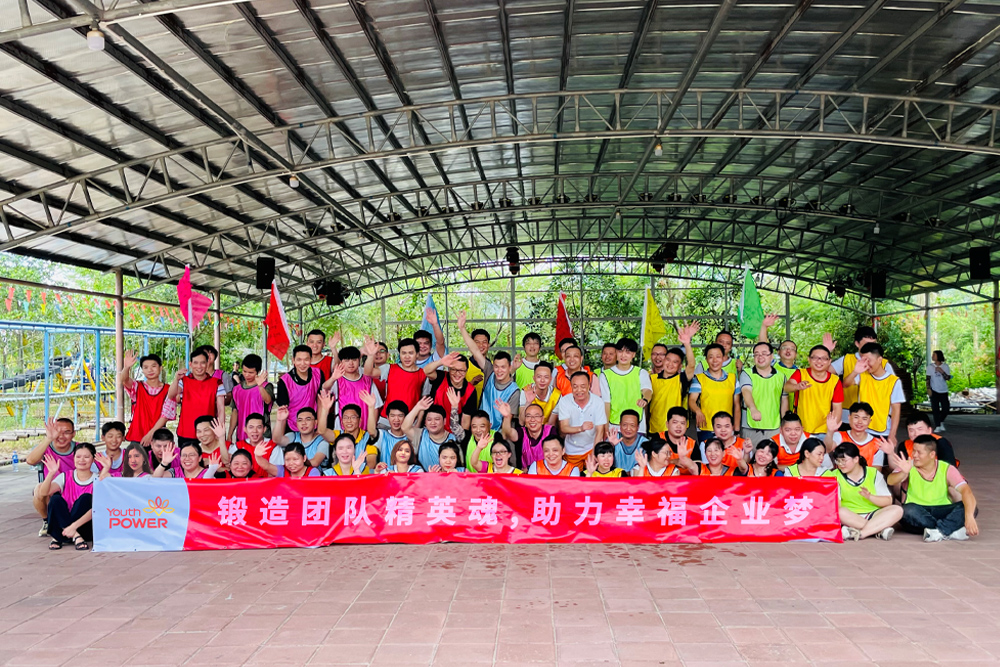
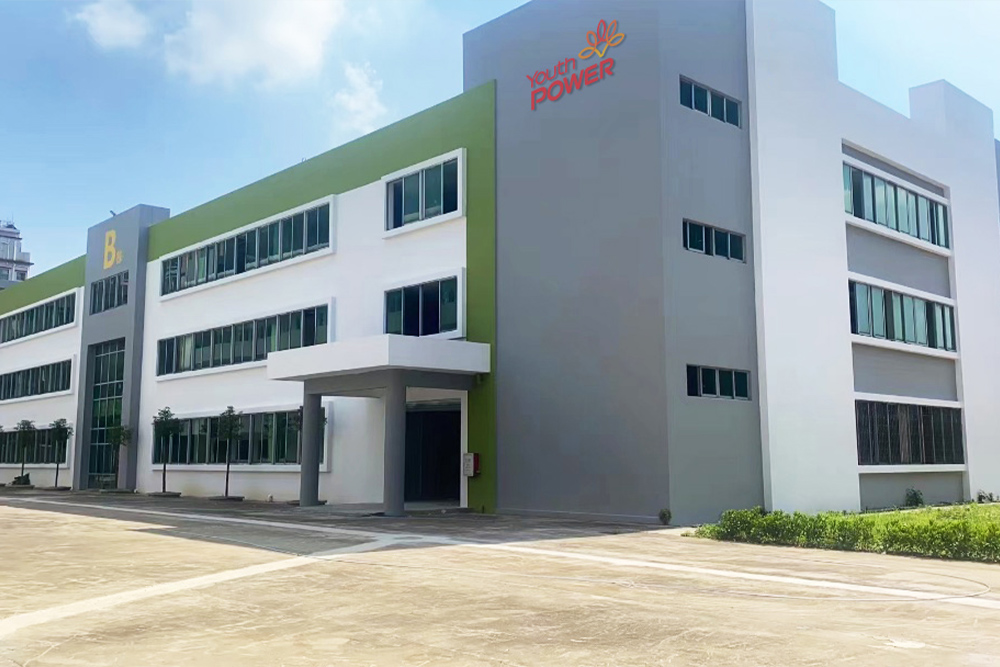
With nearly 20 years’ experience in the battery industry, we have the capability to provide you with both the products you need and the most suitable products you want. We are always ready to supply the first-class products and meet the various needs of the customers.
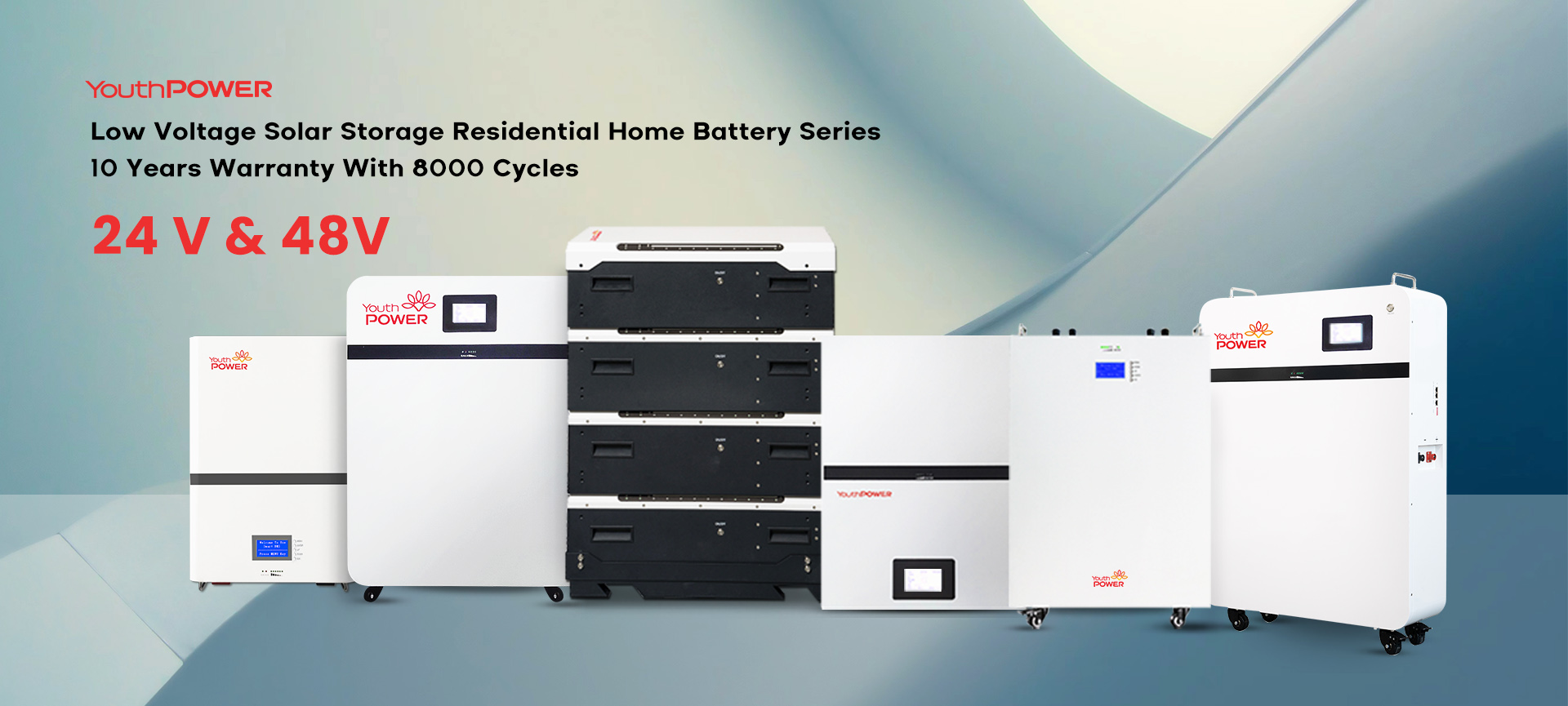
We have established good business relationships with our customers from all over the world. And we have a good cooperation with all our customers as well for many years running. Supported by our local vendors of raw materials, we can certainly offer you the best prices.
We are so proud that YouthPOWER has offered the reliable solar storage solution for over 1,000,000 families now in the world.
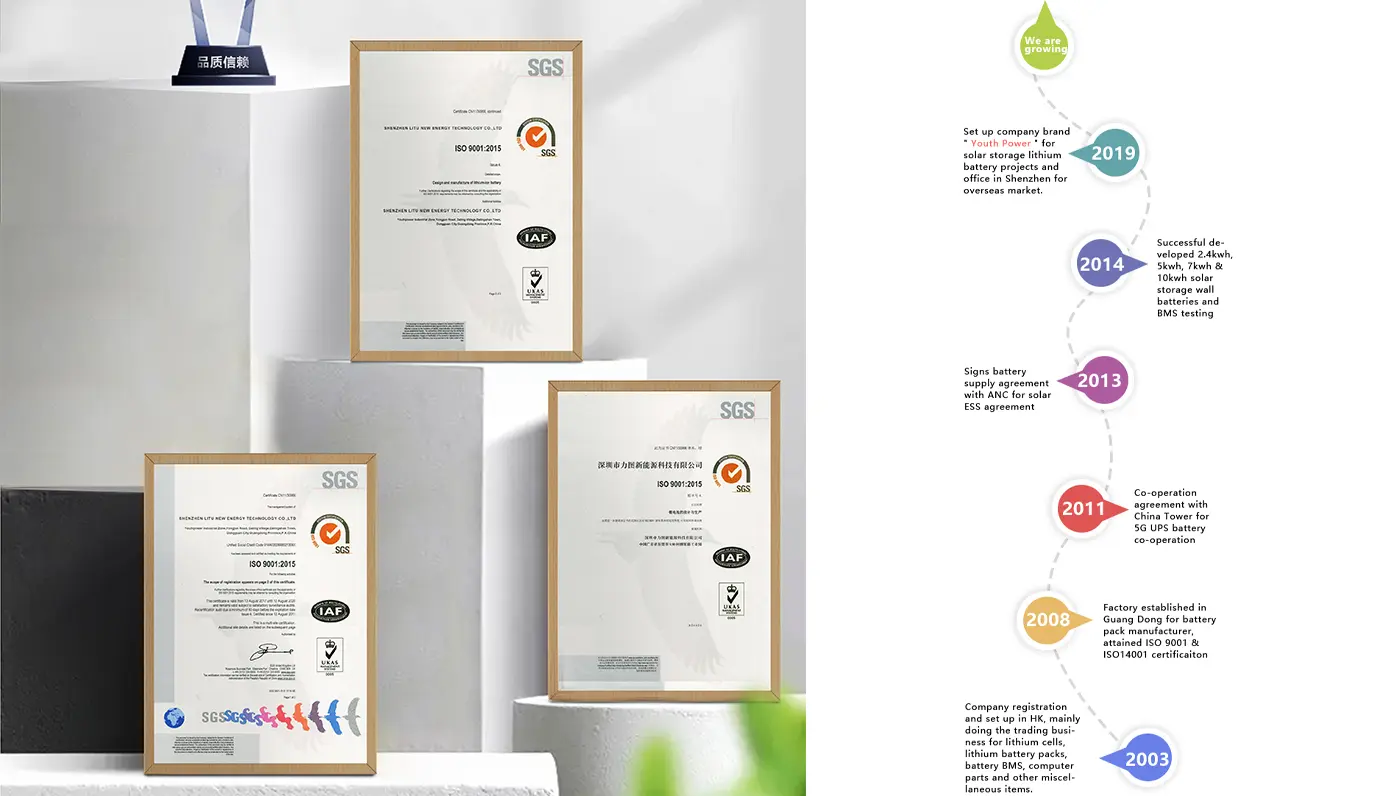
The global transition to renewable energy requires advanced storage architectures. Here is how modern manufacturers are adapting to technological and macroeconomic shifts.
Lithium Iron Phosphate (LFP) has firmly established itself as the dominant chemistry for stationary energy storage systems (ESS). Compared to traditional NMC (Nickel Manganese Cobalt) batteries, LFP offers superior thermal stability, a longer life cycle (exceeding 6000 cycles at 80% DoD), and eliminates the ethical concerns surrounding cobalt sourcing. Modern factories are optimizing manufacturing lines solely for high-density LFP prismatic cells.
The industry is transitioning rapidly from standard 48V low-voltage residential configurations to high-voltage (HV) systems (ranging from 200V to over 800V). HV systems reduce current levels, lowering copper wiring losses and enhancing overall system efficiency. BESS manufacturers are developing modular, stackable HV configurations that simplify installation and scale power conversion efficiently.
Top factories no longer produce simple passive battery packs. Modern products integrate Smart BMS (Battery Management Systems) combined with cloud-based EMS (Energy Management Systems). These platforms utilize machine learning to predict solar yield, forecast household/commercial load profiles, and dynamically participate in grid ancillary services for revenue generation.
Sourcing from China or other manufacturing hubs requires a deep understanding of quality assurance, traceability, and engineering standards.
When procurement managers negotiate with battery storage factories, the criteria must extend beyond just the price per kilowatt-hour ($/kWh). Key considerations include:
A rigorous battery production pipeline consists of multiple testing phases:
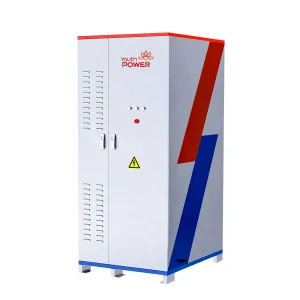
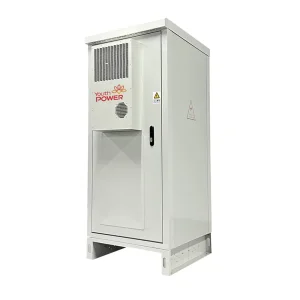
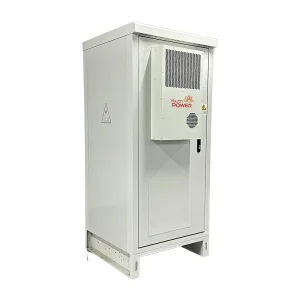
For commercial properties, peak demand charges can account for up to 50% of the total electricity bill. Utilizing large scale C&I battery storage cabinets (like the 172KWH or 129KWH solutions) allows facilities to discharge stored solar energy during peak demand periods, reducing utility costs and providing robust backup power.
In rural communities, islands, or remote mining operations, constructing transmission lines is economically unfeasible. Factories configure complete containerized microgrid systems that integrate solar PV arrays, diesel generators, and large battery banks to provide continuous power with minimal fuel consumption.
For the residential sector, simplicity and aesthetics are paramount. Modern AIO solutions stack inverters and battery modules in a clean tower format. This approach reduces installation labor costs by 60% and provides plug-and-play installation for local installers.
Entering international markets requires strict adherence to technical certifications and global safety rules.
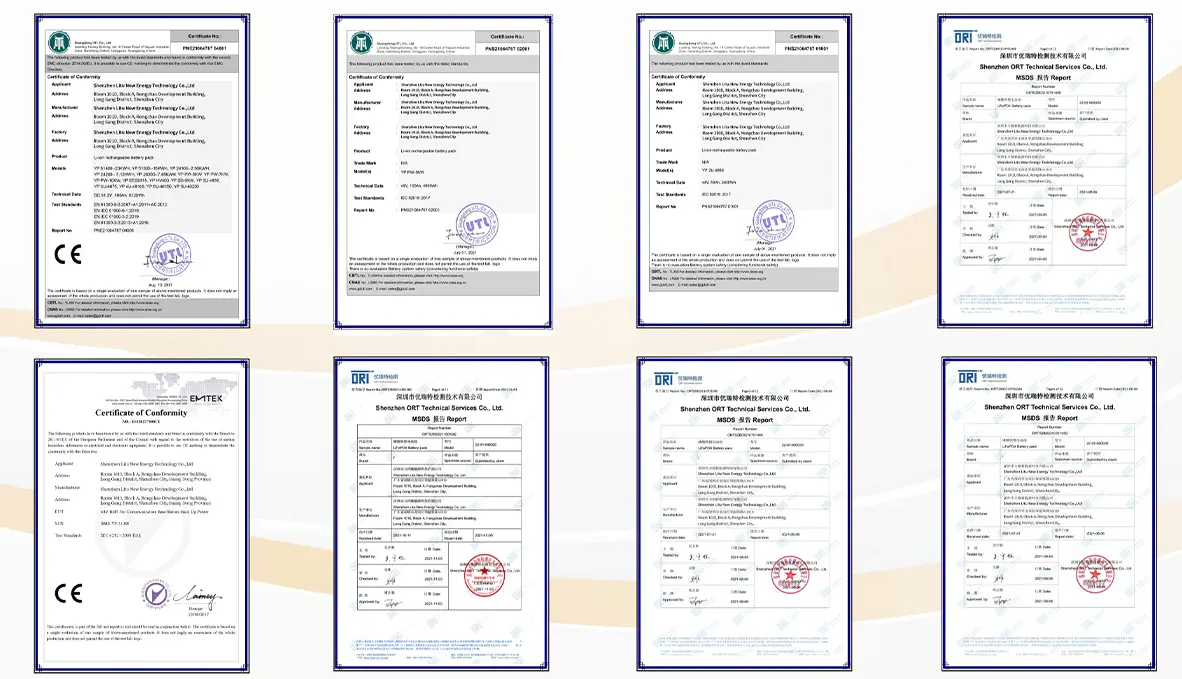
Without proper local certifications, imported batteries cannot connect to local power grids. A tier-1 factory maintains up-to-date compliance certifications, including:
EPC developers face major challenges when securing finance for utility or large C&I energy storage projects. "Bankability" represents the comfort level that financial institutions have with the battery brand.
Choosing a manufacturer with 20 years of technical heritage and clear warranty terms ensures project viability. Global presence, local technical support networks, and rapid-response field services are essential to minimize downtime and protect the asset's long-term IRR (Internal Rate of Return).
What technology will shape the next decade? Discover the upcoming innovations in solar battery storage systems.
Replacing liquid electrolytes with solid-state equivalents promises to double energy density and virtually eliminate fire hazards. Solid-state technology is currently transitioning from pilot laboratory environments to industrial scaling, and is expected to reach commercial viability for stationary storage around 2028-2030.
With lithium raw material pricing subject to geopolitical volatility, Sodium-ion batteries are emerging as a viable alternative. Although Na-ion features a lower energy density than standard LFP, its excellent low-temperature performance and lower raw material costs make it an ideal option for stationary grid storage applications.
Leading battery factories are designing products with end-of-life recycling in mind. Modular cell extraction designs allow secondary use for EV batteries in stationary grid application before final hydrometallurgical recycling, recovering valuable raw minerals like lithium and copper with minimal carbon footprint.
Our standard LiFePO4 cells are rated for ≥6000 cycles at 80% Depth of Discharge (DoD) under 0.5C charging/discharging rates at 25°C. This equates to over 15 years of daily cycling service life before capacity degrades to 70% of its initial nominal state.
Yes. Our engineering division pre-programs and tests communication protocols (CANbus/RS485) on our BMS with major inverter brands, including Victron, Deye, Growatt, Goodwe, SMA, and Solis, ensuring seamless system integration.
For systems up to 100kWh, we utilize high-CFM smart forced-air cooling designs. For larger systems (like our 172KWH or 215KWH configurations), we integrate smart liquid-cooling systems that maintain cell-to-cell temperature differentials within ≤3°C, significantly extending battery lifespan.
Lithium batteries are classified as Class 9 Dangerous Goods. YouthPOWER provides full compliance documentation for sea/air freight, including MSDS reports, UN38.3 test results, and robust UN-approved heavy packaging to ensure safe delivery.
 YouthPOWER